Our front page for August 15 — written and set by The Yesterday Times from the events below. Not an archival document.
Day of the year
227
Days left in 2026
138
In 2026 it falls on a
Saturday
Star sign
Leo
Birthstone
Peridot
On August 15 in 1947, 79 years ago, India Wins Freedom; Joins Commonwealth. This page reports 10 stories from the date, 25 people born on this day.
The stories in full
Empire Desk
1947 — India Wins Freedom; Joins Commonwealth
Nearly 190 years of British rule end as the Dominion of India takes its place in the Commonwealth.
Nearly 190 years of British company and crown rule ended at the stroke of midnight as India gained independence and joined the Commonwealth of Nations. The new Dominion of India, born on August 15, 1947, steps forth as a sovereign state within the British family of nations.
Vast crowds gathered in Delhi and other cities to hail the dawn of freedom, while leaders pledged to build a new nation from the subcontinent's diverse peoples. The transfer of power, long negotiated, came peacefully after decades of struggle.
Commonwealth membership, announced with independence, keeps India linked to Britain in a free association of equal states. The occasion marks the close of an era that began with the East India Company's trading posts and ended with the last Viceroy's departure.
The new government faces immense tasks ahead, including the resettlement of millions displaced by partition.
India gains independence from British rule after near 190 years of British company and crown rule and joins the Commonwealth of Nations.
Science Desk
1977 — Ohio State Radio Telescope Picks Up Strong Signal From Space
Astronomer Jerry R. Ehman found the 72-second burst in computer printout and wrote 'Wow!' beside the reading '6EQUJ5.'
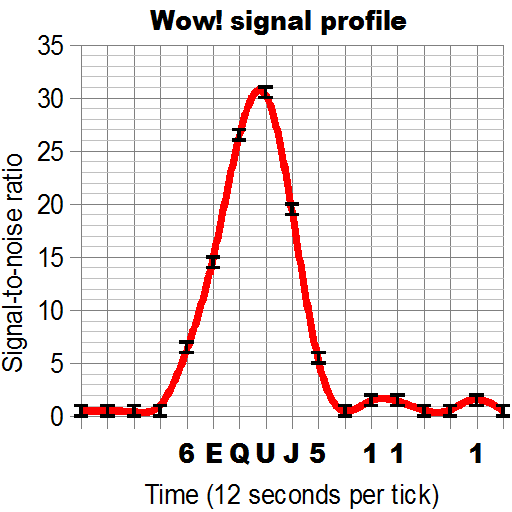
The Wow! signal profile, a mysterious radio transmission detected by the Big Ear telescope — Cmglee
COLUMBUS, Ohio, Aug. 15 — Ohio State University's Big Ear radio telescope has received a strong, narrowband radio signal that appears to have come from beyond the Earth, astronomers reported today.
The signal, detected during a routine sky survey, lasted the full 72 seconds that Big Ear was able to observe it. Its highest measured intensity was 'U,' corresponding to 30 standard deviations above background noise, making it one of the strongest signals ever recorded.
Astronomer Jerry R. Ehman discovered the anomaly a few days later while reviewing the computer printout. He circled the reading '6EQUJ5' and wrote 'Wow!' in red ink beside it, giving the signal its popular name.
The signal seemed to come from the direction of the constellation Sagittarius and bore expected hallmarks of extraterrestrial origin. Despite numerous follow-up searches, the signal has never recurred, and no explanation has been confirmed, leaving astronomers to ponder what might have sent it.
The Wow! signal was a strong narrowband radio signal detected on August 15, 1977, by Ohio State University's Big Ear radio telescope.
Astronomer Jerry R. Ehman discovered the anomaly a few days later and wrote 'Wow!' beside the reading '6EQUJ5' on the computer printout.
The entire signal sequence lasted for the full 72-second window during which Big Ear was able to observe it.
The signal's highest measured intensity was 'U', corresponding to 30 standard deviations above background noise.
The signal appeared to come from the direction of the constellation Sagittarius and bore expected hallmarks of extraterrestrial origin.
Dominion Affairs
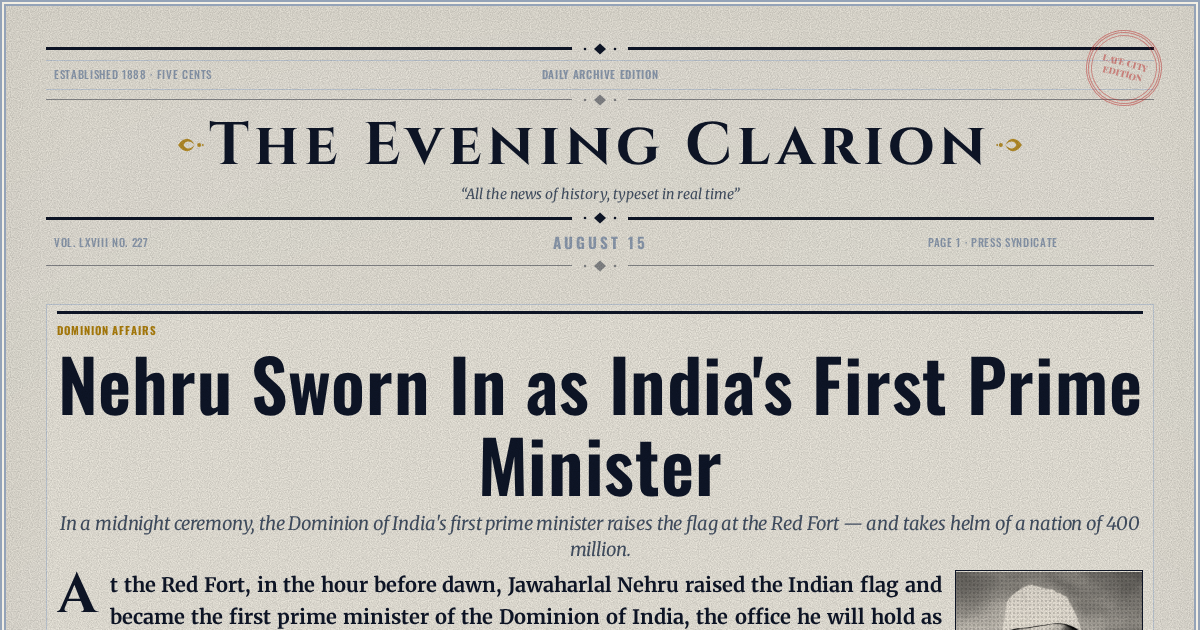
1947 — Nehru Sworn In as India's First Prime Minister
In a midnight ceremony, the Dominion of India's first prime minister raises the flag at the Red Fort — and takes helm of a nation of 400 million.
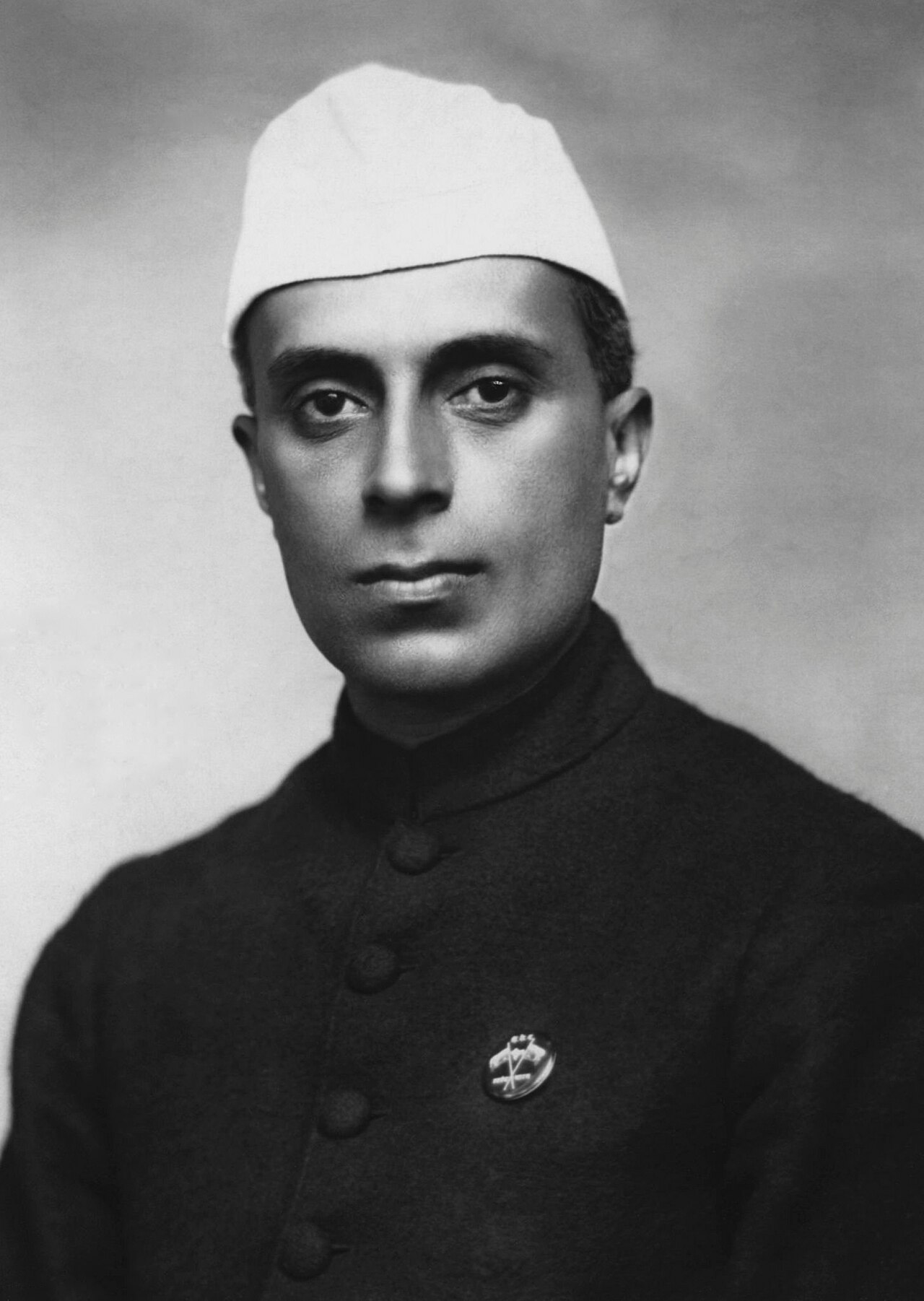
At the Red Fort, in the hour before dawn, Jawaharlal Nehru raised the Indian flag and became the first prime minister of the Dominion of India, the office he will hold as the nation assumes its place among free peoples.
Nehru, who had served as interim prime minister since September 1946 during the British Raj, took the oath of office in a ceremony attended by leaders of the new government. His speech, 'Tryst with Destiny,' delivered at the moment of independence, was acclaimed as one of the great addresses of the age.
In it, he declared that the nation had awoke to life and freedom, and that the years ahead would be a time of great achievement and service. The flag-raising at the Red Fort, the ancient seat of Mughal emperors, symbolized the transfer of power from the British crown to the Indian people.
Nehru, a close associate of Mahatma Gandhi and a leader of the Congress Party, now heads a government facing the immense tasks of unifying a subcontinent of more than 400 million people and healing the wounds of partition.
He is expected to lead the country through its early years as a dominion, and it is anticipated that India will become a republic on January 26, 1950, with Nehru as its first prime minister.
Nehru gave a critically acclaimed speech, 'Tryst with Destiny,' upon independence on 15 August 1947.
He was sworn in as the Dominion of India's prime minister and raised the Indian flag at the Red Fort in Delhi.
Nehru served as prime minister for 16 years and 286 days, from 1947 until his death in 1964.
Nehru became the Republic of India's first prime minister on 26 January 1950, when India became a republic.
Nehru had previously served as interim prime minister of India from September 1946 during the British Raj.
Canal & Shipping
1914 — Panama Canal Opens to World Traffic
The cargo ship SS Ancon makes the first transit, linking Atlantic and Pacific.
The Panama Canal, a 50-mile waterway joining the Atlantic and Pacific oceans, opened to traffic today with the transit of the cargo ship SS Ancon. The event, long awaited, shortens the sea route between the world's great oceans by thousands of miles.
The Ancon, the first vessel to pass through the canal, made the journey from one ocean to the other without incident. Shipping nations now gain a vital new artery for commerce, a feat of engineering that ranks among the greatest of the age.
The canal, built by the United States, took a decade to complete and cost thousands of lives.
The Panama Canal opens to traffic with the transit of the cargo ship SS Ancon.
Pacific Desk
1945 — Hirohito Broadcasts Surrender; Korea Freed
Emperor's recorded address concedes defeat and heralds Korea's independence.
In a voice never before heard by his people, Emperor Hirohito on Wednesday broadcast the declaration of surrender, closing the Pacific war after years of relentless fire. The recorded address, played over Tokyo radio at noon, told a stunned nation that the war had not gone in Japan's favor. For Korea, long under Japanese rule, the day's news carried a separate deliverance: the peninsula now gains its independence. Allied forces prepare to receive the formal capitulation, even as scattered units hold their ground. The Emperor's words, steeped in tradition, spoke of enduring the unendurable, leaving a shattered empire to face occupation.
Emperor Hirohito broadcasts his declaration of surrender following the effective surrender of Japan in World War II; Korea gains independence from the Empire of Japan.
Music Desk
1969 — Woodstock Opens With 30,000 on Hand
An estimated 30,000 young people arrived by the time Richie Havens walked onstage at the Bethel dairy farm, despite organizers expecting 50,000 for the whole weekend.
Richie Havens was the first to walk onstage at the Woodstock Music & Art Fair, which opened Friday afternoon on a dairy farm in Bethel, New York. An estimated 30,000 young people had arrived by the time he struck his guitar, though organizers had expected 50,000 for the entire weekend. The crowd, sprawled across a hillside, came for the top rock musicians of the era, including Joan Baez, Arlo Guthrie, and the Who. As Havens led an impromptu encore, the sheer weight of traffic halted cars for miles on Route 17B. Few guessed that this weekend would become a landmark of the counterculture.
The Woodstock Music & Art Fair opens in Bethel, New York, featuring some of the top rock musicians of the era.
World Desk
2021 — Kabul Falls to Taliban; Ghani Flees Afghanistan
President departs as insurgents seize capital, reestablishing the Islamic Emirate.
Kabul has fallen to the Taliban, and President Ashraf Ghani has fled Afghanistan, leaving the capital in insurgent hands. In a matter of days, the Taliban's lightning offensive swept through provincial capitals, culminating in their entry into Kabul on Sunday. Ghani, along with local residents and foreign nationals, departed as the city braced for the final takeover. The insurgents moved into the presidential palace, declaring the Islamic Emirate of Afghanistan effectively reestablished. Thousands of Afghans rushed to the airport, desperate for seats on evacuation flights, as the U.S. embassy staff scrambled to leave. The collapse marks the end of a two-decade Western-backed government, with the Taliban now asserting control over the entire country.
Kabul falls into the hands of the Taliban as Ashraf Ghani flees Afghanistan along with local residents and foreign nationals, effectively reestablishing the Islamic Emirate of Afghanistan.
Technology Desk
1998 — Apple Unveils New iMac, Hopes to Revive Sales
All-in-one desktop computer marks a bid to reclaim consumer market.
Apple Computer on Friday introduced the iMac, an all-in-one desktop machine designed to simplify computing for consumers. The iMac, which starts at $1,299, features a translucent blue casing and a built-in 15-inch screen. Steve Jobs, Apple's interim chief executive, said the machine is aimed at the Internet and promises to make setup as easy as plugging in one cord.
Apple introduces the iMac computer.
Screen Desk
1939 — Oz Casts Its Spell at Grauman's Premiere
Hollywood turns out for the dazzling first showing of The Wizard of Oz.
The marquee lights blazed over Grauman's Chinese Theater tonight as The Wizard of Oz had its world premiere here, drawing a glittering crowd to the famed Hollywood Boulevard landmark.
Metro-Goldwyn-Mayer's Technicolor fantasy, starring Judy Garland as Dorothy, unrolled before an eager audience that packed the theater.
The Wizard of Oz premieres at Grauman's Chinese Theater in Los Angeles, California.
Pop Music Beat
1965 — Beatles Rock Shea Before 60,000
The Beatles played a 30-minute set before nearly 60,000 screaming fans at Shea Stadium.
The Beatles turned Shea Stadium into the world's largest nightclub tonight, playing before nearly 60,000 screaming fans in a concert that may well be remembered as the birth of stadium rock.
The British quartet, in their first appearance at a major league ballpark, delivered a 30-minute set that was nearly drowned out by the shrieks of the crowd. Police estimated the crowd at 55,600, the largest ever for a single musical performance in the United States. Tickets ranged from $4 to $5.50.
The Beatles play to nearly 60,000 fans at Shea Stadium in New York City, an event later regarded as the birth of stadium rock.
What the papers printed that morning
Real front pages from 15 August 1947, scanned by the Library of Congress. These are archival documents, not our work.
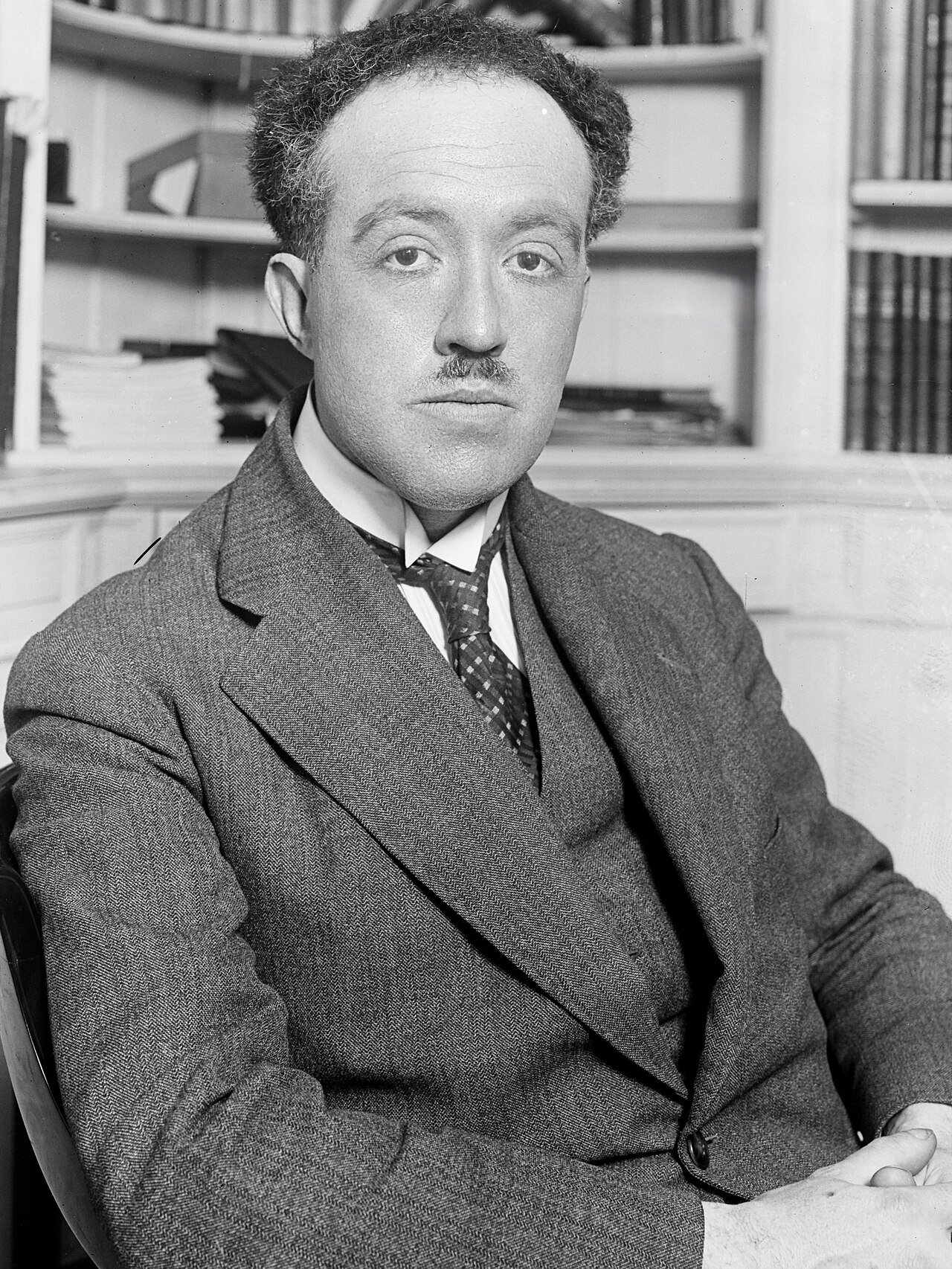
1892Louis de BroglieLouis Victor Pierre Raymond, 7th Duc de Broglie was a French theoretical physicist and aristocrat known for his contributions to quantum theory.
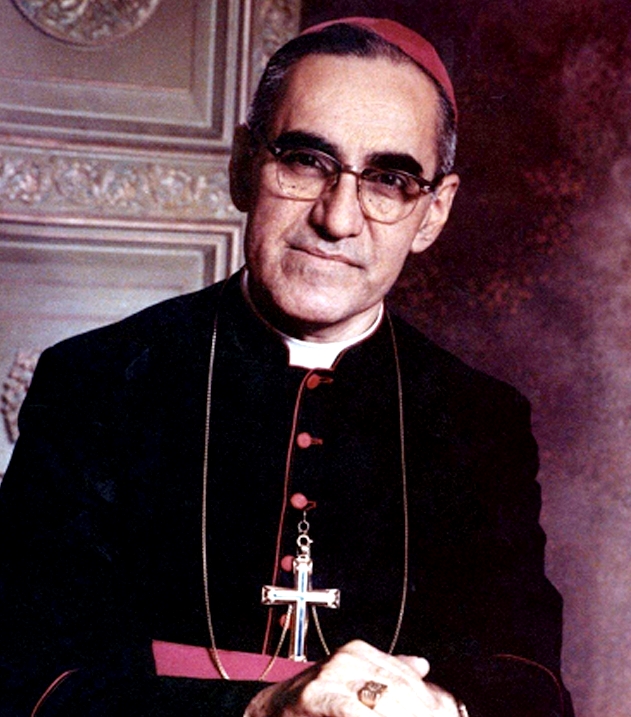
1917Óscar RomeroÓscar Arnulfo Romero y Galdámez was a prelate of the Catholic Church in El Salvador; he served as Auxiliary Bishop of the Archdiocese of San Salvador, the Titular Bishop of Tambeae, as Bishop of Santiago de María, and finally as the fourth Archbishop of San Salvador.
1954Stieg LarssonKarl Stig-Erland "Stieg" Larsson was a Swedish writer, journalist, and far-left activist.
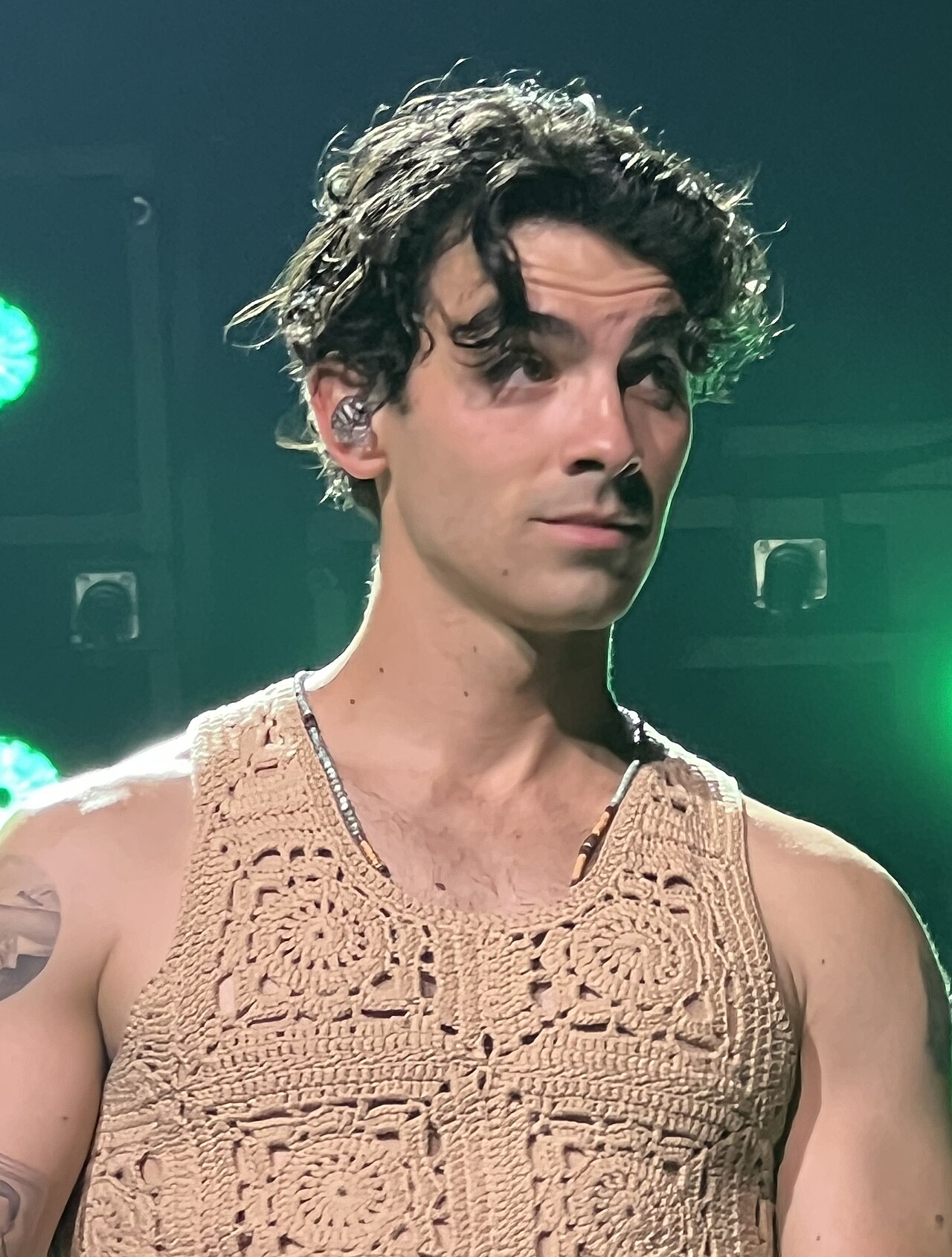
1989Joe Jonas(37 this year)Joseph Adam Jonas is an American singer, songwriter, and actor.
1875Samuel Coleridge-TaylorSamuel Coleridge-Taylor was a British composer and conductor.
1914Paul RandPaul Rand was an American art director and graphic designer.
1589Gabriel BáthoryGabriel Báthory was Prince of Transylvania from 1608 to 1613.
1717Blind JackJohn Metcalf, known as Blind Jack of Knaresborough or Blind Jack Metcalf, was an English road builder, the first professional road builder to emerge during the Industrial Revolution.
1787Eliza Lee Cabot FollenEliza Lee Cabot Follen was an American writer, editor, and abolitionist.
1798Sangolli RayannaSangolli Rayanna was an Indian military leader.
1807Jules GrévyFrançois Judith Paul Grévy, known as Jules Grévy, was a French lawyer and politician who served as President of France from 1879 to 1887.
1845Walter CraneWalter Crane was an English artist, book illustrator, and prominent advocate for anti-authoritarian democratic socialism among British socialists and in the labour movement of the 19th century.
1857Albert BallinAlbert Ballin was a German shipping magnate.
1859Charles ComiskeyCharles Albert Comiskey, nicknamed "Commy" or "the Old Roman", was an American professional baseball first baseman, manager, and team owner.
1860Florence HardingFlorence Mabel Harding was First Lady of the United States from 1921 until the death of her second husband, President Warren G. Harding, in 1923.
1872Sri AurobindoSri Aurobindo was an Indian philosopher, yogi and nationalist, who is noted for his participation in the movement for India's independence from British rule, he advocated for complete autonomy through his writings and political activity.
1873Ramaprasad ChandaRamaprasad Chanda was an Indian anthropologist, historian and archaeologist from Bengal.
1883Ivan MeštrovićIvan Meštrović was a Croatian sculptor, architect, and writer.
1904George KleinGeorge Johann Klein, was a Canadian inventor who is widely regarded as the most productive inventor in Canada in the 20th century.
1917Jack LynchJohn Mary Lynch was an Irish Fianna Fáil politician who served as Taoiseach from 1966 to 1973 and 1977 to 1979.
1922Leonard BaskinLeonard Baskin was an American sculptor, draughtsman, and graphic artist, as well as founder of the Gehenna Press (1942–2000).
1925Oscar PetersonOscar Emmanuel Peterson was a Canadian jazz pianist and composer.
1933Mike SeegerMike Seeger was an American folk musician and folklorist.
1939Hardial BainsHardial Bains was a Canadian communist leader who founded a number of leftist organizations, foremost of which was the Communist Party of Canada (Marxist–Leninist).
1945Khaleda ZiaBegum Khaleda Zia was a Bangladeshi politician who twice served as prime minister of Bangladesh, from 1991 to 1996 and again from 2001 to 2006.
Quote of the Day
“All the world's a stage, And all the men and women merely players.” — William Shakespeare, As You Like It
August 15 History Quiz
Which ship made the first official transit of the Panama Canal on August 15, 1914?
SS Ancon
At which venue did the Beatles play to 60,000 fans on August 15, 1965?
Shea Stadium
What event opened on August 15, 1969, in Bethel, New York?
Every event on this page was picked by hand from the historical record, written up as a news report, and checked against its source. Photographs are matched to the event they illustrate and verified before they are used. Sources are linked on each story.


 “It's Now Or Never”,
 Advise and Consent, Allen Drury
 Love Story, Erich Segal
 “Endless Love”,
  Noble House, James Clavell
 “End Of The Road (From "Boomerang")”,
  Gerald's Game, Stephen King
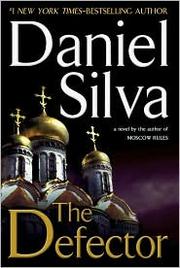 The Defector, Daniel Silva
 “Cheerleader”,
 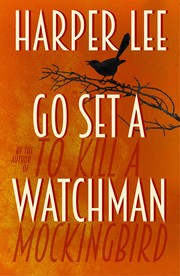 Go Set a Watchman, Harper Lee
 Near Dark, Brad Thor