For the first time, humanity has seen itself from the outer solar system — a pale blue dot hanging beside the golden rings of Saturn. That view arrived Friday, when NASA's Cassini spacecraft, orbiting the ringed giant since 2004, pointed its cameras back toward home and captured Earth as a distant point of light.
The image, taken July 19, marks the first time Saturn and its rings have been photographed in natural color with Earth in the same frame. NASA had invited people worldwide to "wave at Saturn" during the imaging window, and the spacecraft's wide-angle camera recorded the planet and its entire ring system in a single mosaic.
Cassini, a joint project of NASA, the European Space Agency and the Italian Space Agency, has been studying Saturn since its arrival in July 2004. Its close-range images of the rings remain the most detailed ever obtained.
The new portrait shows Saturn backlit by the sun, its rings glowing in scattered light, with Earth appearing as a tiny speck in the distance. Scientists said the image is a reminder of our place in the cosmos — a planet of six billion people reduced to a single pixel.
The Cassini spacecraft captured an image of Saturn with Earth visible as a distant point of light on July 19, 2013.
The image was the first time Saturn and its rings were photographed in natural color with Earth in the same frame.
Cassini's closest approach to Saturn occurred in July 2004, and its images of the rings are the most detailed to date.
State & Society
1848 — Women's Rights Convention Opens in Seneca Falls
Reformers gather in Wesleyan Chapel to declare equal rights, with suffrage the day's great controversy.
The age of reform, which has already stirred the nation on the questions of temperance and abolition, this morning found a new field, as the first women's-rights convention ever held in the United States opened in the Wesleyan Chapel in this village. The two-day gathering, organized by local female Quakers and Elizabeth Cady Stanton, drew some three hundred persons, and proceeded through six sessions, including a lecture on law, a humorous presentation, and grave discussion of woman's sphere.
The most heated argument turned upon the resolution demanding the elective franchise.
The convention was held in the Wesleyan Chapel in Seneca Falls, New York, over July 19–20, 1848.
Exactly 100 of approximately 300 attendees signed the Declaration of Sentiments, mostly women.
Frederick Douglass, the convention's sole African American attendee, argued eloquently for including women's suffrage in the resolutions.
The convention was organized by local female Quakers and Elizabeth Cady Stanton, who was not a Quaker.
A heated debate over women's right to vote saw many, including Lucretia Mott, urge its removal, but the suffrage resolution was retained.
Marine Intelligence
1843 — Prince Albert Launches the Great Britain at Bristol
The iron-hulled steamship, largest ever built, takes the water before vast holiday crowds.
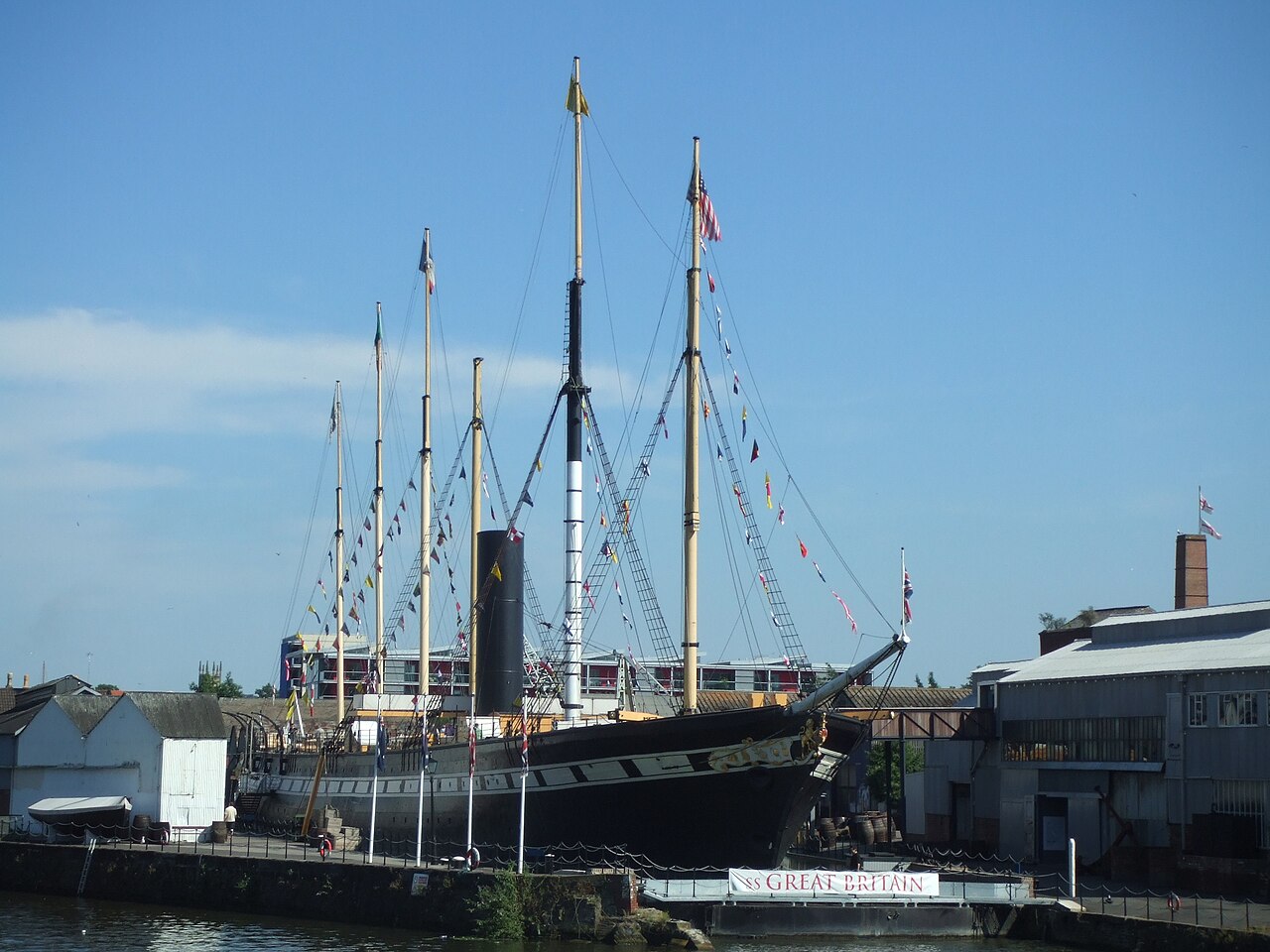
The SS Great Britain, a pioneering iron-hulled vessel, preserved today as a museum ship — Hugh Llewelyn
His Royal Highness Prince Albert arrived at Bristol at ten o'clock this morning to witness the launching of the Great Britain, the first ocean-going vessel to unite an iron hull and a screw propeller. The day, dull at first, brightened as the immense ship — 322 feet in length, with a displacement of 3,400 tons, the largest ever built — floated out of her specially adapted dry dock.
Crowds lined the decorated processional route, with the boys of the City School and the girls of Red Maids stationed along the Exchange, and the public holiday brought multitudes to the waterside. The event marks a new era in naval architecture, joining the strength of iron to the economy of the screw.
The SS Great Britain was launched on 19 July 1843 in Bristol, England.
Prince Albert arrived at 10 a.m. to witness the launch, which drew large crowds on a public holiday.
The ship was the first to combine an iron hull and screw propeller in a large ocean-going vessel.
At 322 feet (98 m) long with a 3,400-ton displacement, she was the largest vessel ever built at launch.
The launch was a float-out from a specially adapted dry dock in Bristol, with weather brightening after a dull start.
Sporting News
1903 — Garin Wins First Tour de France
Frenchman covers 2,428 km in 94 hours, 33 minutes and 14 seconds, with only 21 of 60 starters finishing.
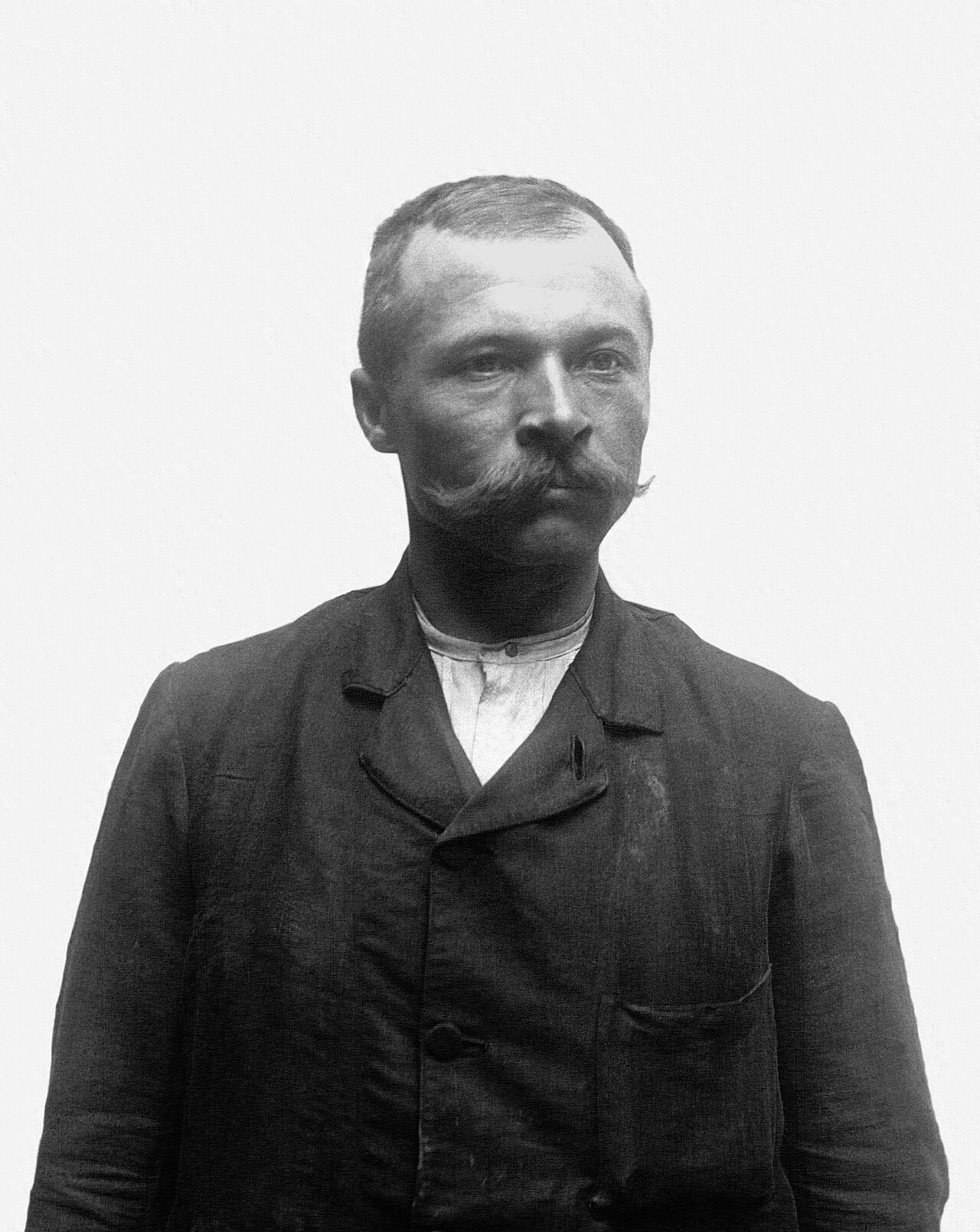
Frenchman covers 2,428 km in 94 hours, 33 minutes and 14 seconds, with only 21 of 60 starters finishing. — Agence de presse Meurisse
Maurice Garin, the French professional, rode to victory in the first Tour de France, covering 2,428 km in six stages in 94 hours, 33 minutes and 14 seconds. He led from start to finish, winning the opening leg from Paris to Lyon by a single minute over Emile Pagie. Of the 60 starters, only 21 finished. Garin pocketed 3,000 francs for first place, plus 6,125 francs in additional prizes.
Maurice Garin won the 1903 Tour de France in 94 hours, 33 minutes and 14 seconds.
The race covered 2,428 km in six stages, with the longest stage from Nantes to Paris being 471 km.
Garin earned 3,000 francs for first place, plus additional prizes totaling 6,125 francs.
Sixty riders started the race, but only 21 finished.
The Tour de France was created to boost circulation of the newspaper L'Auto, which had fallen to 20,000 copies.
Naval Affairs
1545 — Mary Rose Sinks in Solent Fight
Flagship of King's fleet goes down off Spithead after leading attack on French galleys.
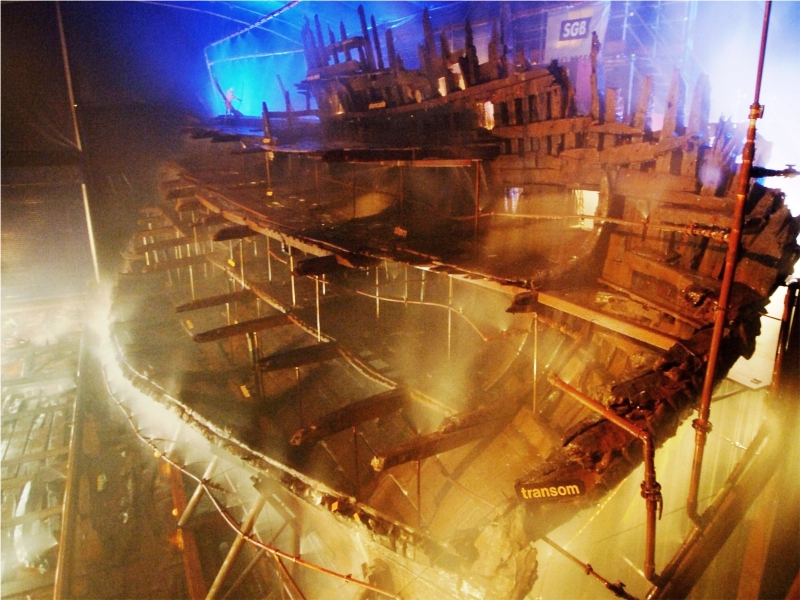
The Mary Rose, Henry VIII's warship, preserved after being raised from the seabed in 1982 — Mary Rose Trust
The King's great ship Mary Rose, flagship of the English fleet, sank off Spithead on this day after leading an attack on French galleys in the Solent. The vessel went down before the eyes of the fleet, which had been becalmed in Portsmouth harbour until the wind rose. The French, under Admiral Claude d'Annebault, had entered the Solent unopposed with 128 ships on 16 July.
On 19 July 1545, the English warship Mary Rose led an attack on French galleys in the Solent before sinking off Spithead.
The Mary Rose was the flagship of the English fleet of around 80 ships opposing a French invasion force.
The French invasion fleet, under Admiral Claude d'Annebault, entered the Solent unopposed with 128 ships on 16 July 1545.
The English fleet was becalmed in Portsmouth harbour on 19 July until the wind picked up, allowing the sailing ships to attack.
War Correspondence
1916 — Fromelles Assault Fails With Heavy Loss
Worst 24 hours in Australia's history as troops are cut down before German wire.
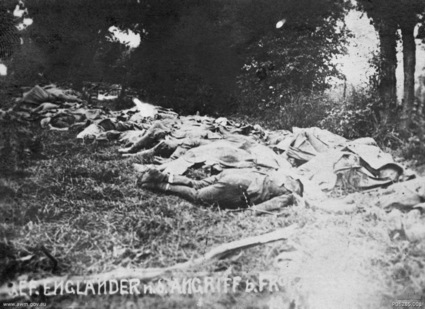
Australian soldiers lie dead in no-man's-land following the disastrous Battle of Fromelles — Unknown German photographer
The fields before Fromelles are strewn with the fallen. Australian soldiers lie dead in no-man's-land after an assault on the German defences that failed utterly, and the cost is being called the worst 24 hours in Australia's entire history. The attack broke down in the face of machine-gun and artillery fire. Wave after wave went forward, only to be stopped at the wire. The wounded cried out through the night, but none could reach them. Officers report that the objective was never gained. The German line held, and the Australian divisions, having suffered grievous losses, have been pulled back to their own trenches. The full toll is not yet known, but the number of dead and wounded is said to be staggering. In Australia, the news will strike hard. This single day has taken more lives than any other in the nation's short military history. The men who lie in no-man's-land will not be recovered soon, for the ground remains under German observation. The battle, though brief, has left a lasting scar on the Australian Imperial Force. Its regiments, recruited from every town and city, have been decimated. The survivors speak of the chaos and the wire, and of comrades who fell beside them.
First World War: The "worst 24 hours in Australia's entire history" occurred when Australian forces unsuccessfully attacked German defences at Fromelles, France.
Literary Review
1957 — Waugh's 'Mad Book' Published: The Ordeal of Gilbert Pinfold
Novelist admits at launch that Mr Pinfold's experiences were almost exactly his own.
The publication of Evelyn Waugh's new novel, The Ordeal of Gilbert Pinfold, has set the literary world talking, for the author himself has called it his 'mad book.' The work, subtitled 'A Conversation Piece,' is a largely autobiographical account of the hallucinations that afflicted Waugh in early 1954, brought on by bromide poisoning. Published today by Chapman and Hall in London, the novel tells of a middle-aged writer who, aboard a ship, is tormented by voices and visions. At the launch, Waugh confirmed to Robert Henriques that 'Mr Pinfold's experiences were almost exactly my own.' The admission has only deepened interest in the book.
The novel was published by Chapman and Hall in the UK on 19 July 1957, and by Little, Brown in the US on 12 August.
Waugh called the novel his 'mad book,' a largely autobiographical account of bromide-induced hallucinations from early 1954.
At the book's launch on 19 July 1957, Waugh confirmed to Robert Henriques that 'Mr Pinfold's experiences were almost exactly my own.'
Waugh wrote to Ann Fleming on 17 June 1957, complaining that the publishers had made 'an ugly book of poor Pinfold.'
The novel's subtitle is 'A Conversation Piece,' which David Wykes believes is an ironic reference to traditional British paintings.
Court Circular
1553 — Mary Tudor Proclaimed Queen, Jane Grey Deposed
After nine days, Lady Jane Grey is set aside and Mary rides to London with 800 nobles.
In the swift turning of fortune that marks these times, the crown has passed from Lady Jane Grey to Mary Tudor, who was this day proclaimed Queen of England, deposing Jane after nine days of de facto rule. Mary, the first queen regnant of England, will enter London on 3 August with a procession of over 800 nobles and gentlemen.
On 19 July 1553, Lady Jane Grey was deposed and Mary Tudor was proclaimed Queen of England.
Mary rode triumphantly into London on 3 August 1553 with a procession of over 800 nobles and gentlemen.
As one of her first acts, Mary ordered the release of Roman Catholic prisoners Thomas Howard and Stephen Gardiner from the Tower.
Mary was the first queen regnant of England, excluding the disputed reigns of Jane and the Empress Matilda.
Upon her accession, Mary was proclaimed with the style 'Supreme Head of the Church of England,' a title she later omitted.
City Intelligence
1845 — Great Fire in New York: 345 Buildings Destroyed, 30 Lives Lost
An explosion at a whale oil factory spread flames that destroyed 345 buildings and killed 30 people, with damage estimated at $5 million.
Firemen and citizens fought through the night as the Great Fire of New York consumed 345 buildings, killing 30 people, including four firefighters. The blaze began at 2:30 a.m. at J. L. Van Doren's whale oil factory on New Street, when an explosion of saltpeter in a Broad Street warehouse hurled flames across Lower Manhattan. Property damage is estimated at no less than $5 million.
The fire began at 2:30 a.m. on July 19, 1845, on the third floor of J. L. Van Doren's whale oil factory at 34 New Street.
An explosion of combustible saltpeter stored in a Broad Street warehouse spread the fire further across Lower Manhattan.
The blaze destroyed 345 buildings in what is now the Financial District, causing $5 million to $10 million in property damage.
Four firefighters and 26 civilians died in the Great New York City Fire of 1845.
The fire was the last of three devastating Manhattan fires, the others occurring in 1776 and 1835.
Northern Ireland Desk
1997 — IRA Declares Ceasefire, Ending 28-Year Campaign
After 28 years of armed struggle, the Provisional IRA announces it will resume its ceasefire, ending its campaign against British rule in Northern Ireland.
After 28 years of armed struggle, the Provisional IRA announced it will resume its ceasefire, ending its campaign against British rule in Northern Ireland. The move, announced in July, comes as negotiations for the Good Friday Agreement begin without Sinn Féin. The republican party is expected to sign the Mitchell Principles in September and join the talks.
The IRA reinstated its ceasefire in July 1997 as negotiations for the Good Friday Agreement began without Sinn Féin.
In September 1997, Sinn Féin signed the Mitchell Principles and were admitted to the talks.
A group split from the Provisional IRA and formed the Real IRA following the ceasefire.
What the papers printed that morning
Real front pages from 19 July 1848, scanned by the Library of Congress. These are archival documents, not our work.
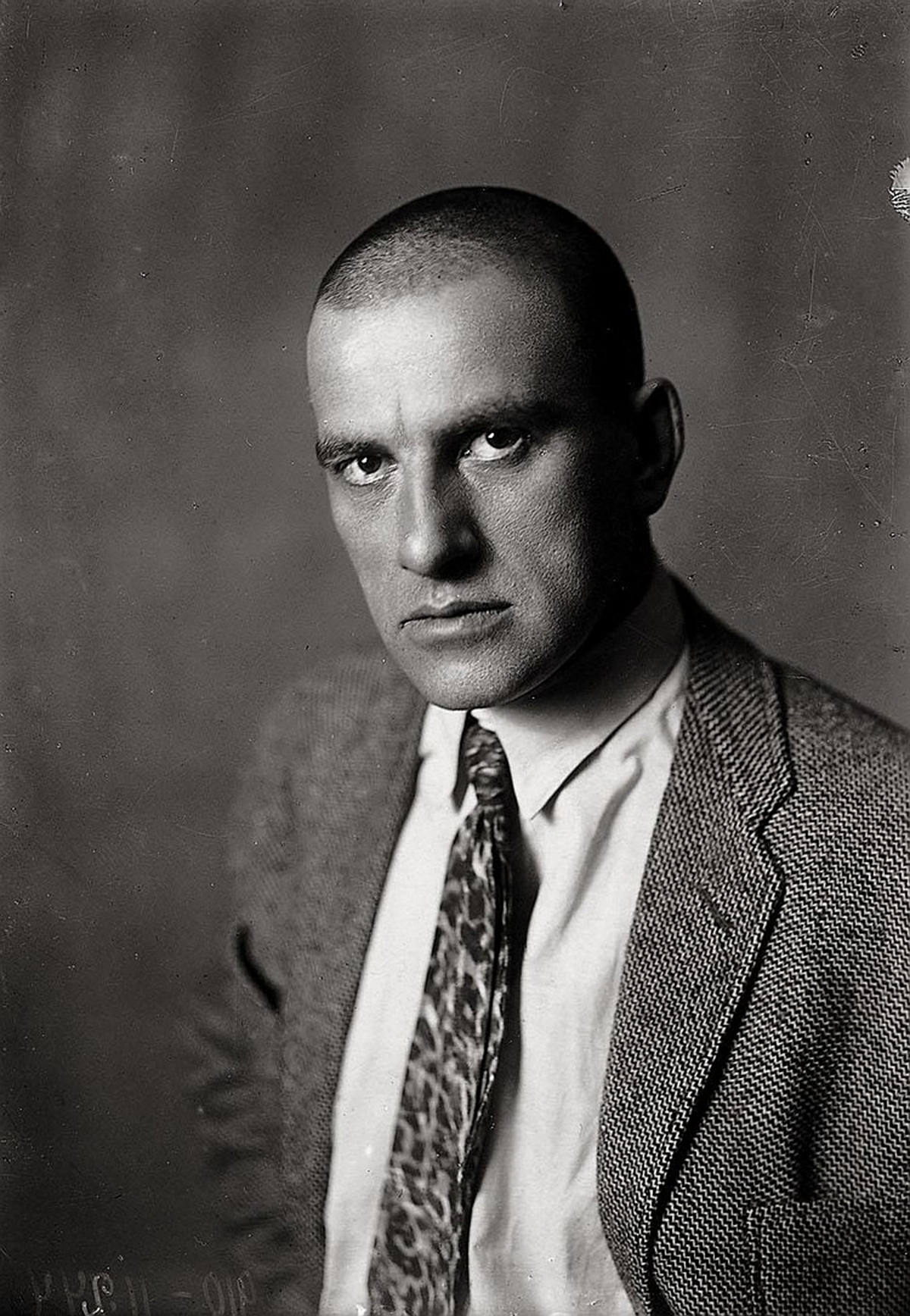
1893Vladimir MayakovskyVladimir Vladimirovich Mayakovsky was a Russian poet, playwright, artist, and actor.
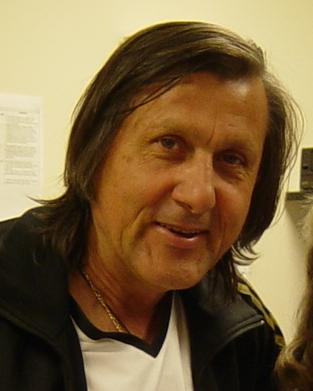
1946Ilie Năstase(80 this year)Ilie Theodoriu Năstase is a Romanian former professional tennis player.
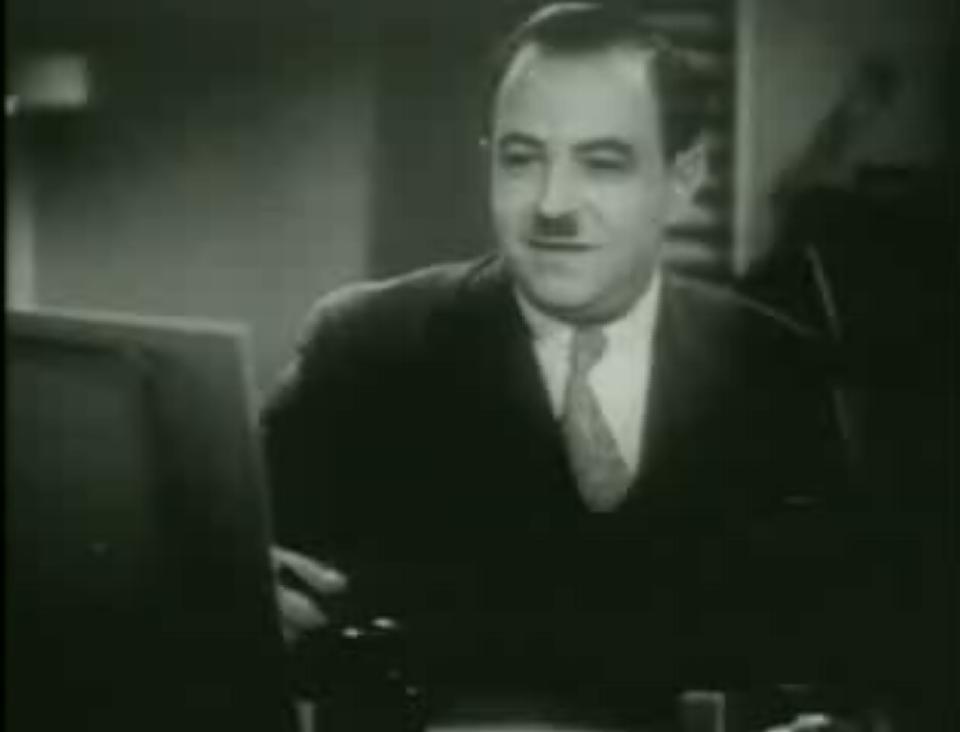
1883Max FleischerMax Fleischer was an American animator and studio owner.
1929Gaston GlockGaston Glock was an Austrian engineer and businessman.
1898Herbert MarcuseHerbert Marcuse was a German and American philosopher, social critic, and political theorist, associated with the Frankfurt School of critical theory.
1985LaMarcus Aldridge(41 this year)LaMarcus Nurae Aldridge is an American former professional basketball player who played in the National Basketball Association (NBA) for 16 seasons.
1223BaibarsAl-Malik al-Zahir Rukn al-Din Baybars al-Bunduqdari, commonly known as Baibars or Baybars (بَيْبَرْس) and nicknamed Abu al-Futuh, was the fourth Mamluk sultan of Egypt and Syria, ruling from 1260 to 1277.
1569Conrad VorstiusConrad Vorstius was a German-Dutch controversial Remonstrant theologian, successor to Jacobus Arminius in the theology chair at Leiden University, and—as a theologian—second to Johannes Uytenbogaert in the Remonstrant Society.
1759Seraphim of SarovSeraphim of Sarov, born Prókhor Isídorovich Moshnín (Mashnín) [Про́хор Иси́дорович Мошни́н (Машни́н)], is one of the most renowned Russian saints and is venerated in the Eastern Orthodox Church and the Anglican Communion.
1869Xenophon StratigosXenophon Stratigos was a Greek military officer.
1875Alice Dunbar NelsonAlice Dunbar Nelson was an American poet, journalist, and political activist.
1891Earl HamiltonEarl Andrew Hamilton was an American left-handed pitcher for the St. Louis Browns, Detroit Tigers (1916), Pittsburgh Pirates (1918–23), and the Philadelphia Phillies (1924) of Major League Baseball (MLB).
1892Dick IrvinJames Dickinson "Dick" Irvin Jr. was a Canadian professional ice hockey player and coach.
1896A. J. CroninArchibald Joseph Cronin (Cronogue) (19 July 1896 – 6 January 1981) was a Scottish physician and novelist.
1922George McGovernGeorge Stanley McGovern was an American politician, diplomat, and historian from South Dakota who served in both chambers of the United States Congress, first as a member of the United States House of Representatives representing South Dakota's 1st congressional district from 1957 to 1961, and then as a United States Senator from 1963 to 1981.
1923William A. RusherWilliam Allen Rusher was an American lawyer, author, activist, and conservative columnist.
1935Nick KobackNicholas Nicholie Koback was a Russian American professional baseball player whose career spanned eight seasons, three of which were spent with the Major League Baseball (MLB) Pittsburgh Pirates (1953–55).
1936David Colquhoun(90 this year)David Colquhoun is a British pharmacologist at University College London (UCL).
1945Edwin Schlossberg(81 this year)Edwin Arthur Schlossberg is an American designer, artist, and author.
1947Bernie Leadon(79 this year)Bernard Matthew Leadon III is an American singer, musician, songwriter, and founding member of Eagles, for which he was inducted into the Rock and Roll Hall of Fame in 1998.
1951Abel Ferrara(75 this year)Abel Ferrara is an American filmmaker, actor and musician.
1955Roger Binny(71 this year)Roger Michael Humphrey Binny is a former Indian cricketer who was the 36th president of the Board of Control for Cricket in India (BCCI).
1962Anthony Edwards(64 this year)Anthony Charles Edwards is an American actor, director, and producer.
1968Pavel Kuka(58 this year)Pavel Kuka is a Czech former professional footballer who played as a forward.
1968Jim Norton(58 this year)James Joseph Norton is an American comedian, radio personality, actor, author, and television and podcast host.
Quote of the Day
“Two roads diverged in a wood, and I— I took the one less traveled by, And that has made all the difference.” — Robert Frost, Mountain Interval
July 19 History Quiz
What spacecraft photographed Saturn with Earth in the distance on July 19, 2013?
Cassini
The Seneca Falls Convention, which opened on July 19, 1848, is primarily associated with which movement?
Women's rights
The SS Great Britain, launched on July 19, 1843, was designed by which engineer?
Isambard Kingdom Brunel
Maurice Garin won the first Tour de France in 1903. What was his nationality?
Every event on this page was picked by hand from the historical record, written up as a news report, and checked against its source. Photographs are matched to the event they illustrate and verified before they are used. Sources are linked on each story.


![Front page of The daily union, Washington [D.C.], 19 July 1848](https://tile.loc.gov/image-services/iiif/service:ndnp:dlc:batch_dlc_basilisk_ver03:data:sn82003410:00415661149:1848071901:0725/full/pct:50/0/default.jpg)
![Front page of The daily crescent, [New Orleans, La.], 19 July 1848](https://tile.loc.gov/image-services/iiif/service:ndnp:lu:batch_lu_diglett_ver01:data:sn82015378:0029587238A:1848071901:0064/full/pct:50/0/default.jpg)
![Front page of The Evansville daily journal, Evansville, Ia. [i.e. Ind.], 19 July 1848](https://tile.loc.gov/image-services/iiif/service:ndnp:in:batch_in_harrison_ver01:data:sn82015672:00296021805:1848071901:0229/full/pct:50/0/default.jpg)
 The Love Machine, Jacqueline Susann
 “Listen To What The Man Said”,
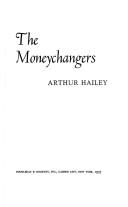 The Moneychangers, Arthur Hailey
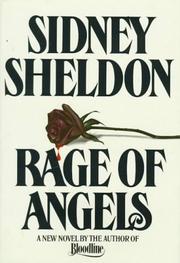 Rage of Angels, Sidney Sheldon
 Plum Island, Nelson DeMille
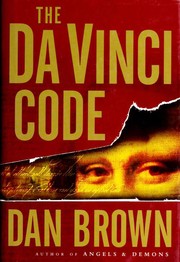 The Da Vinci Code, Dan Brown
 Invisible, James Patterson
 “Ordinary”,
  Don't Let Him In, Lisa Jewell