Our front page for March 17 — written and set by The Yesterday Times from the events below. Not an archival document.
Day of the year
76
Days left in 2026
289
In 2026 it falls on a
Tuesday
Star sign
Pisces
Birthstone
Aquamarine
On March 17 in 1776, 250 years ago, British Quit Boston; Washington's First Triumph. This page reports 8 stories from the date, 25 people born on this day.
The stories in full
Continental Affairs
1776 — British Quit Boston; Washington's First Triumph
The King's troops and navy depart for Nova Scotia — the town is delivered, and the colonies are heartened.
BOSTON, March 17 — The long toil of the siege is ended, and the town is at last delivered from the King's garrison. General William Howe, his position made untenable, has evacuated his troops and navy to Nova Scotia, closing an eleven-month investment that began with the bloodshed at Lexington and Concord. It is the first victory of the war for General George Washington, and a prodigious encouragement to the Thirteen Colonies.
The immediate cause of the British departure was the fortification of Dorchester Heights, where Washington planted the heavy cannon brought from Fort Ticonderoga by Colonel Henry Knox. That officer's labours, concluded in January, conveyed the artillery over frozen rivers and rough roads in a manner that has excited general admiration. Seeing the heights commanding the town and harbour, Howe judged further resistance hopeless and chose to withdraw.
The town is now quiet, and the inhabitants may return to their dwellings. Evacuation Day, as it will be remembered, falls this year upon Saint Patrick's Day, giving the Irish among us double cause for festivity.
The 11-month siege of Boston ended on March 17, 1776, when British General William Howe evacuated his garrison and navy to Nova Scotia.
George Washington fortified Dorchester Heights with cannons captured at Fort Ticonderoga, threatening the British position.
Henry Knox brought the heavy artillery from Fort Ticonderoga to Boston in January 1776 in a technically complex operation.
The British evacuation was Washington's first victory of the war and a huge morale boost for the Thirteen Colonies.
Evacuation Day is observed on March 17 in Suffolk County, Massachusetts, coinciding with Saint Patrick's Day.
Science Desk
1950 — California's New Element: Berkeley Team Makes 98
Synthesis of californium, sixth transuranium element, announced — atomic weight 98; half-life but 44 minutes.
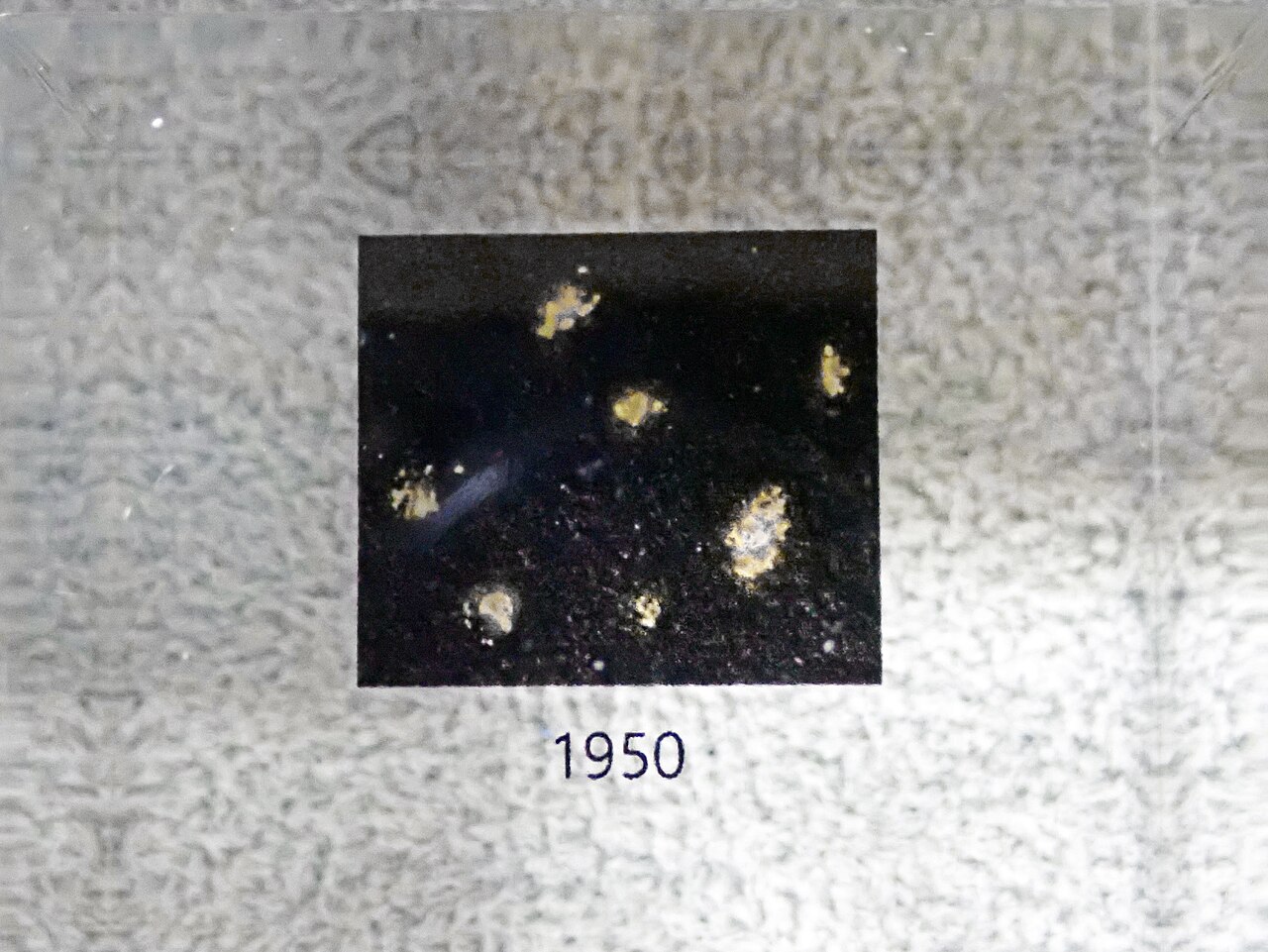
A modern museum display documenting the 1950 synthesis of the radioactive element californium — James St. John
The swift progress of nuclear science has brought forth yet another element from the cyclotron, with an announcement this week from the University of California's Radiation Laboratory marking a notable step in exploring the periodic table. Californium, the sixth transuranium element synthesized, bears the atomic number 98. The discovery came from bombarding curium with alpha particles in the laboratory's 60-inch cyclotron. A team including Stanley Gerald Thompson, Kenneth Street Jr., Albert Ghiorso, and Glenn T. Seaborg produced about 5,000 atoms of the element, which has a half-life of 44 minutes. Breaking from the naming of elements 95 through 97—americium, curium, and berkelium—the new element honors the university and state where the work was done. The experiment marks the first synthesis beyond berkelium and suggests heavier elements may yet be produced as cyclotrons grow more powerful.
Californium was first synthesized by bombarding curium with alpha particles in a 60-inch cyclotron at Berkeley.
Only about 5,000 atoms of californium were produced in the experiment, with a half-life of 44 minutes.
The element was named after the University of California and the state of California, breaking the naming convention for elements 95 to 97.
The discovery team included researchers Stanley Gerald Thompson, Kenneth Street Jr., Albert Ghiorso, and Glenn T. Seaborg.
Californium is the sixth transuranium element to be synthesized and has atomic number 98.
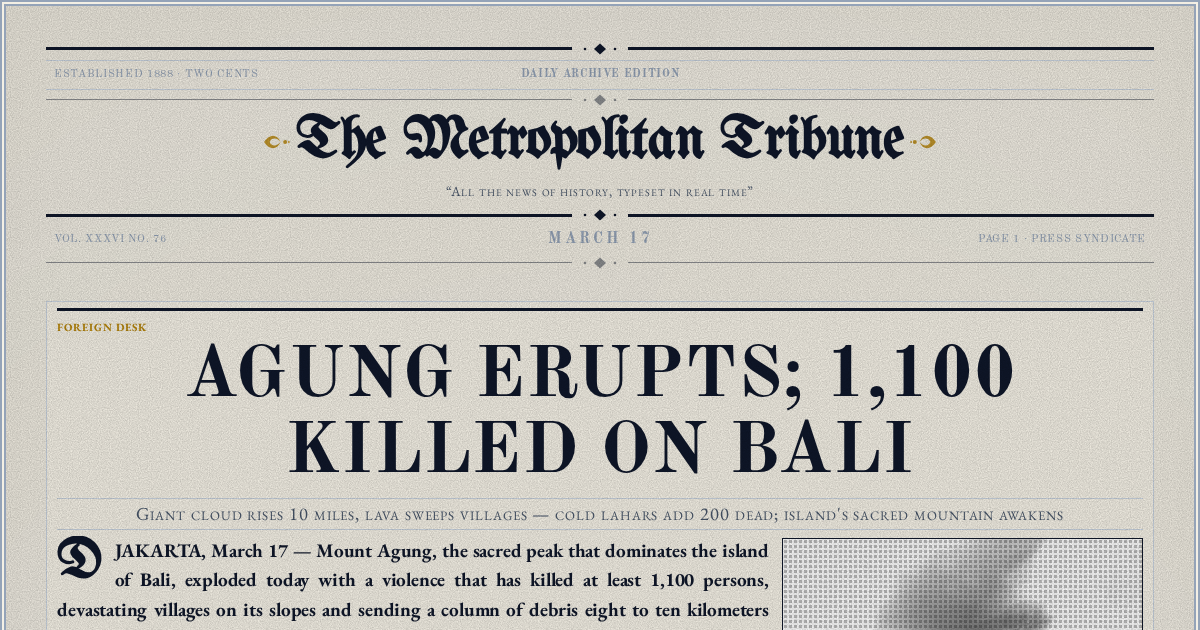
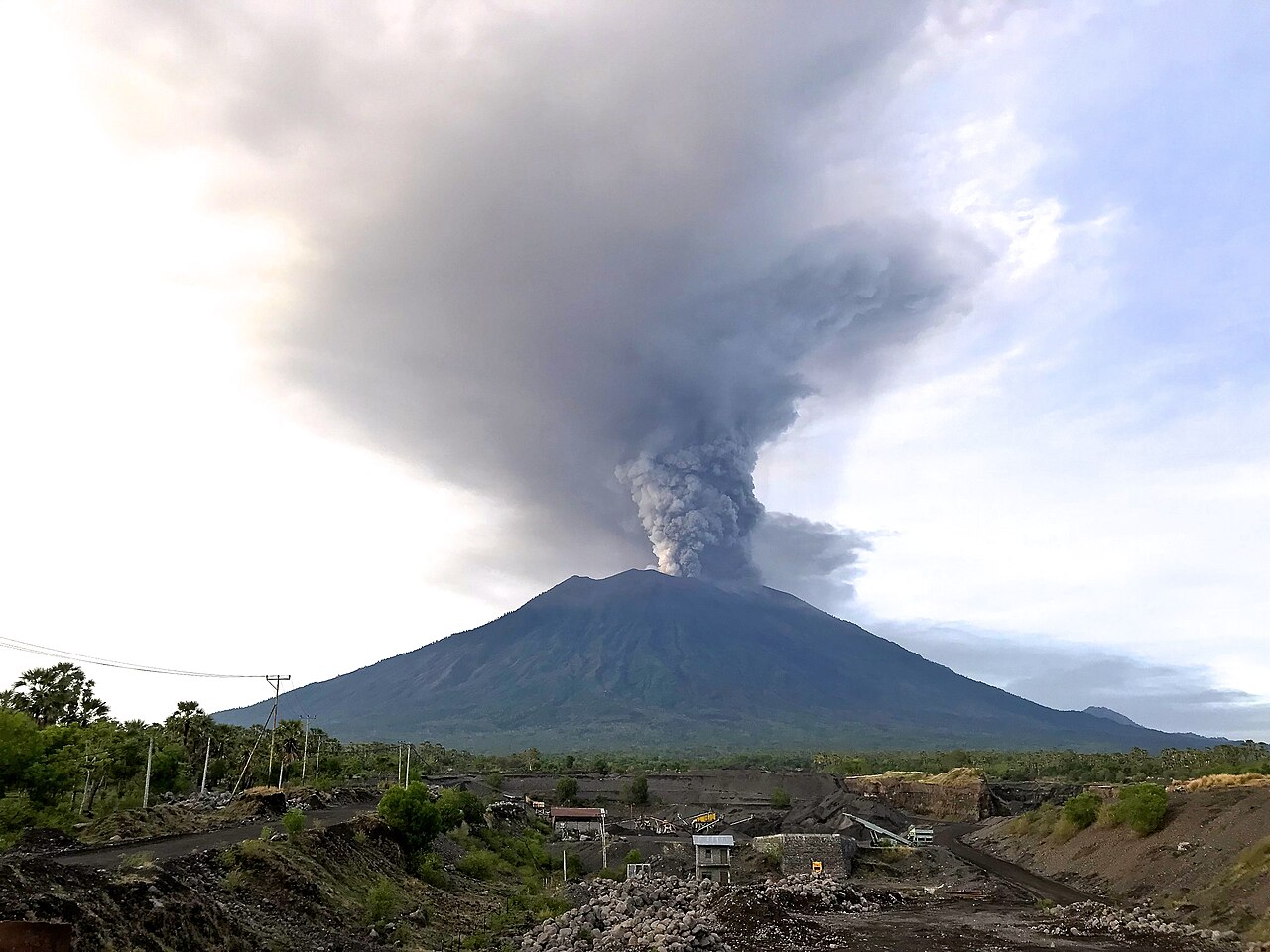
DJAKARTA, March 17 — Mount Agung, the sacred peak that dominates the island of Bali, exploded today with a violence that has killed at least 1,100 persons, devastating villages on its slopes and sending a column of debris eight to ten kilometers into the sky.
The great eruption, the most powerful in Indonesia since Krakatoa, sent pyroclastic flows racing down the mountain's flanks, overwhelming settlements in their path. The mountain had been restless for weeks; on February 18, residents heard loud explosions and saw clouds rising from the crater, and on February 24 lava began flowing down the northern slope, traveling seven kilometers over the next twenty days.
By February 19, the volcano had already claimed seventeen lives after more than a century of dormancy, and officials had warned of worse to come. That warning was borne out today as the eruption, rated at 5 on the volcanic explosivity index, hurled debris high into the atmosphere and sent deadly lahars, or mudflows, coursing through river valleys. Those cold lahars, officials here say, have killed an additional two hundred persons.
The full toll is not yet known. Many villages are buried under ash and rock, and relief teams are struggling to reach isolated areas. The mountain's fury is not spent; volcanologists warn that further activity may be expected in the coming weeks.
On February 18, 1963, local residents heard loud explosions and saw clouds rising from the crater of Mount Agung.
On February 24, lava began flowing down the northern slope, traveling 7 km over the next 20 days.
On March 17, the volcano erupted with a VEI of 5, sending debris 8 to 10 km into the air and generating massive pyroclastic flows.
The eruption devastated numerous villages, killing an estimated 1,100–1,500 people, with cold lahars killing an additional 200.
A second eruption on May 16 led to pyroclastic flows that killed another 200 inhabitants.
United Nations
2011 — UN Votes to Protect Libyan Civilians
Security Council votes 10-0 to authorize military intervention in Libya.
UNITED NATIONS, March 17 — The Security Council tonight authorized military intervention in Libya, imposing a no-fly zone and approving 'all necessary measures' to protect civilians from attack. The resolution, passed 10-0 with five abstentions, came as Gaddafi's forces pressed toward Benghazi.
The UN Security Council authorized a no-fly zone over Libya and 'all necessary measures' to prevent attacks on civilians.
The authorization turned into a NATO bombing campaign against Libyan military installations and vehicles.
Gaddafi's government announced a ceasefire after the resolution, but fighting and bombing continued.
Hockey
1955 — Montreal Riots Over Richard Suspension: 100 Arrests, 37 Injured
NHL President's Appearance at Forum Sparks Violence — $100,000 Damage
MONTREAL, March 17 — Montreal hockey fans rioted tonight to protest the suspension of Canadiens star Maurice Richard, causing an estimated $100,000 in property damage, thirty-seven injuries, and 100 arrests. Fans mobbed president Clarence Campbell at the Forum, hurling abuse and tomatoes before police cleared the streets.
The riot occurred on March 17, 1955, Saint Patrick's Day, in Montreal, Quebec, Canada.
NHL president Clarence Campbell suspended Maurice Richard for the remainder of the 1954–55 season, including playoffs.
The riot caused an estimated $100,000 in property damage, thirty-seven injuries, and 100 arrests.
Campbell appeared at the Montreal Forum for the Canadiens' first game after Richard's suspension, provoking the riot.
Montreal fans claimed the suspension was motivated by Richard's French Canadian ethnicity.
National Affairs
1957 — Magsaysay Dies in Plane Crash; Garcia Succeeds Him
President and 24 Others Killed on Mount Manunggal — Cebu Tragedy
CEBU, March 17 — The wreckage of the presidential plane Mt. Pinatubo lies scattered on the slopes of Mount Manunggal, the third-highest peak in Cebu, rising 982 meters above sea level. President Ramon Magsaysay and 24 others were killed in the crash.
President Magsaysay died in a plane crash on March 17, 1957, in Cebu.
The crash of the presidential plane Mt. Pinatubo killed President Magsaysay and 24 others.
The crash site is on Mount Manunggal, the third-highest peak in Cebu, rising 982 meters above sea level.
Magsaysay was the seventh president of the Philippines, serving from 1953 until his death.
His successor, Carlos P. Garcia, assumed the presidency after the crash.
Photography
1973 — Pulitzer-Winning Photo Captures POW's Return, Symbolizing War's End
AP Photographer Veder's 'Burst of Joy' Shows Stirm Reunion at Travis Air Force Base
A photograph taken at Travis Air Force Base on March 17, 1973, has come to symbolize the end of United States involvement in the Vietnam War. Associated Press photographer Slava 'Sal' Veder captured Lieutenant Colonel Robert L. Stirm reuniting with his family after five years as a POW in North Vietnam. The image, which won the Pulitzer Prize, shows Stirm's 15-year-old daughter Lorrie greeting her father with arms outstretched. Veder developed the picture in less than half an hour in a makeshift darkroom in the base's ladies' room. Stirm received a Dear John letter from his wife Loretta three days before his return, ending their marriage. Veder also captured the embrace for United Press International, and his frame was printed on front pages across the country the next morning. Stirm’s four other children were nearby in the shot.
The photograph was taken by Associated Press photographer Slava 'Sal' Veder on March 17, 1973, at Travis Air Force Base in California.
The photo shows Lieutenant Colonel Robert L. Stirm reuniting with his family after five years as a POW in North Vietnam.
Stirm's 15-year-old daughter Lorrie, centerpiece of the image, excitedly greeted her father with arms outstretched.
Veder developed the image in less than half an hour in a makeshift darkroom in the base's ladies' room.
Stirm received a Dear John letter from his wife Loretta three days before his return, ending their marriage.
Maritime
1891 — Utopia Sinks in Gibraltar Bay; 562 Lives Lost
Steamship Rammed by HMS Anson — Captain Arrested, Released on Bail
GIBRALTAR, March 17 — The annals of maritime disaster have gained a tragic entry with the sinking of the transatlantic steamship Utopia, which collided with the battleship HMS Anson in the Bay of Gibraltar. The collision tore a 16-foot hole below the waterline, flooding the vessel within minutes. Captain John McKeague survived and was arrested, then released on £480 bail.
562 of 880 passengers and crew of SS Utopia, plus two rescuers from HMS Immortalité, died in the accident.
Captain John McKeague survived the sinking and was arrested, released on bail of £480 the same day.
The collision tore a hole 5 metres (16 ft) wide below Utopia's waterline, causing rapid flooding.
The British court of inquiry blamed the sinking on 'grave error of judgement' by Captain McKeague.
Third mate Francis Wadsworth noted the impact occurred at 6:36 p.m.
What the papers printed that morning
Real front pages from 17 March 1950, scanned by the Library of Congress. These are archival documents, not our work.
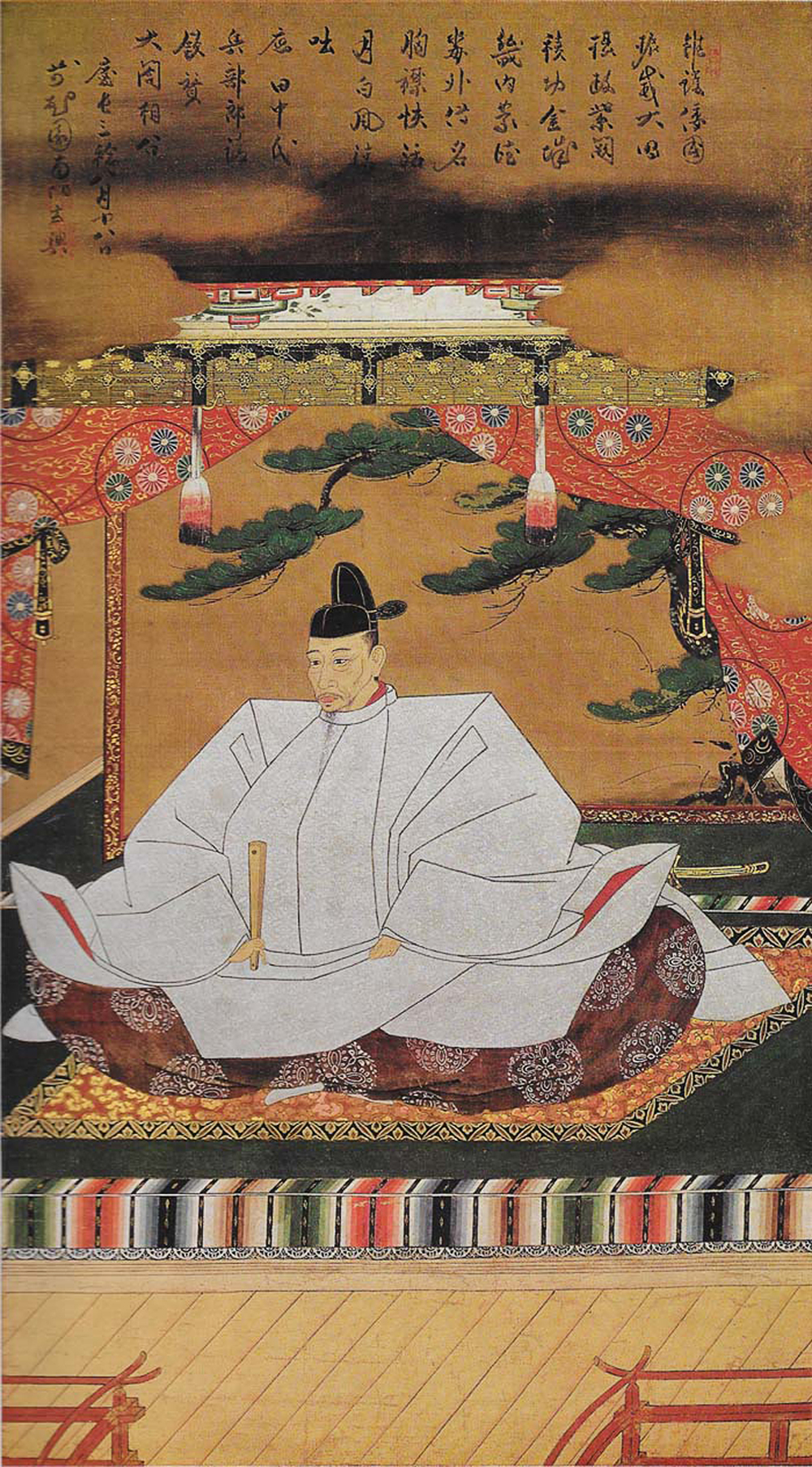
1537Toyotomi HideyoshiToyotomi Hideyoshi , otherwise known as Kinoshita Tōkichirō and Hashiba Hideyoshi , was a Japanese samurai and daimyō of the late Sengoku and Azuchi-Momoyama periods, regarded as the second "Great Unifier" of Japan.
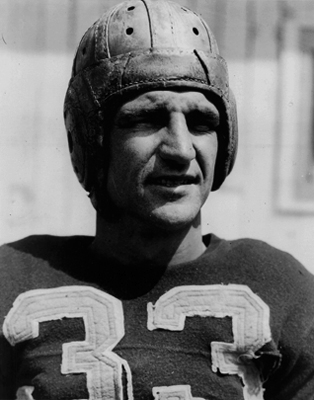
1914Sammy BaughSamuel Adrian Baugh was an American professional football quarterback who played 16 seasons with the Washington Redskins of the National Football League (NFL).
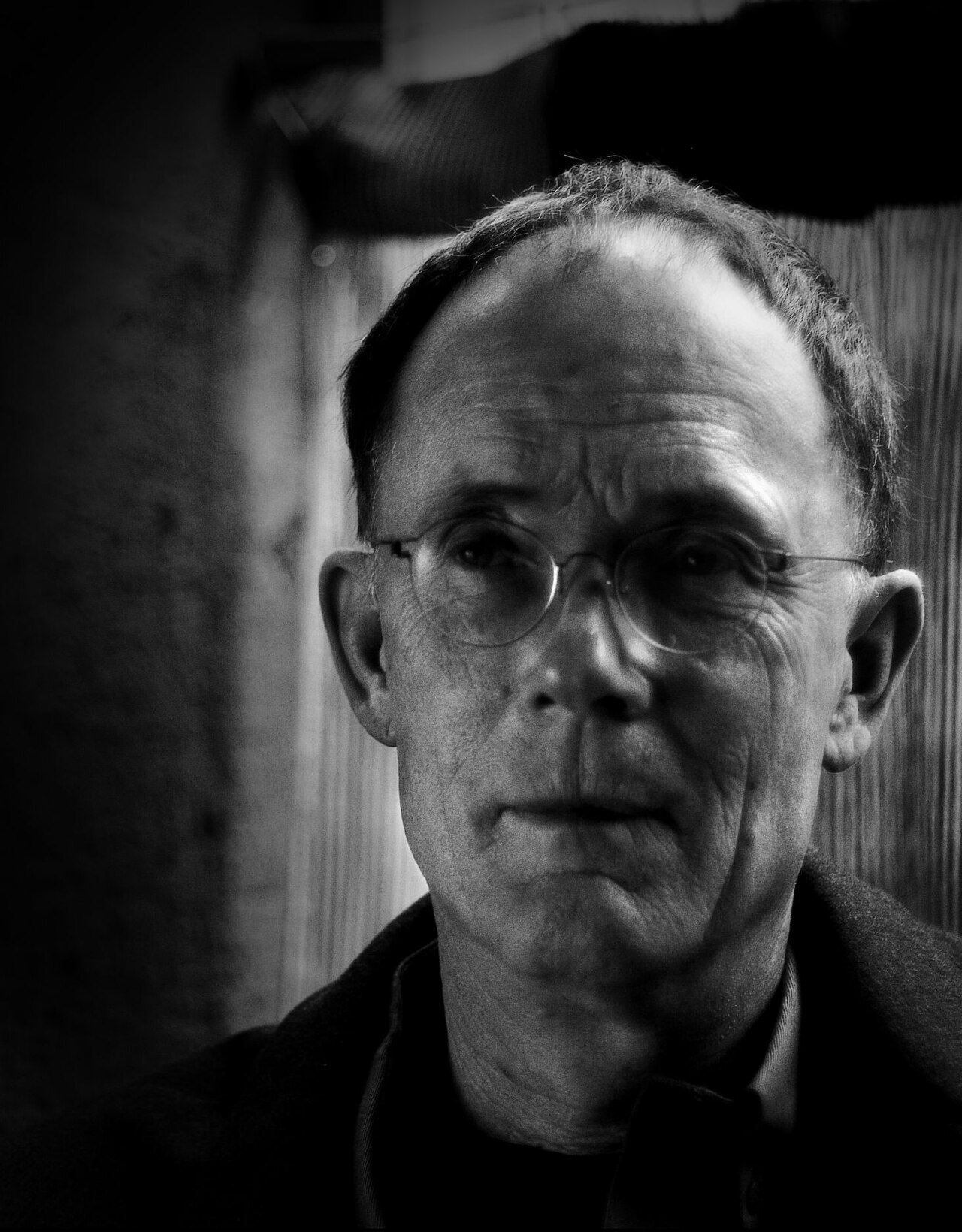
1948William Gibson(78 this year)William Ford Gibson is an American and Canadian speculative fiction writer and essayist widely credited with pioneering the science fiction subgenre known as cyberpunk, a category from which he has repeatedly distanced himself.
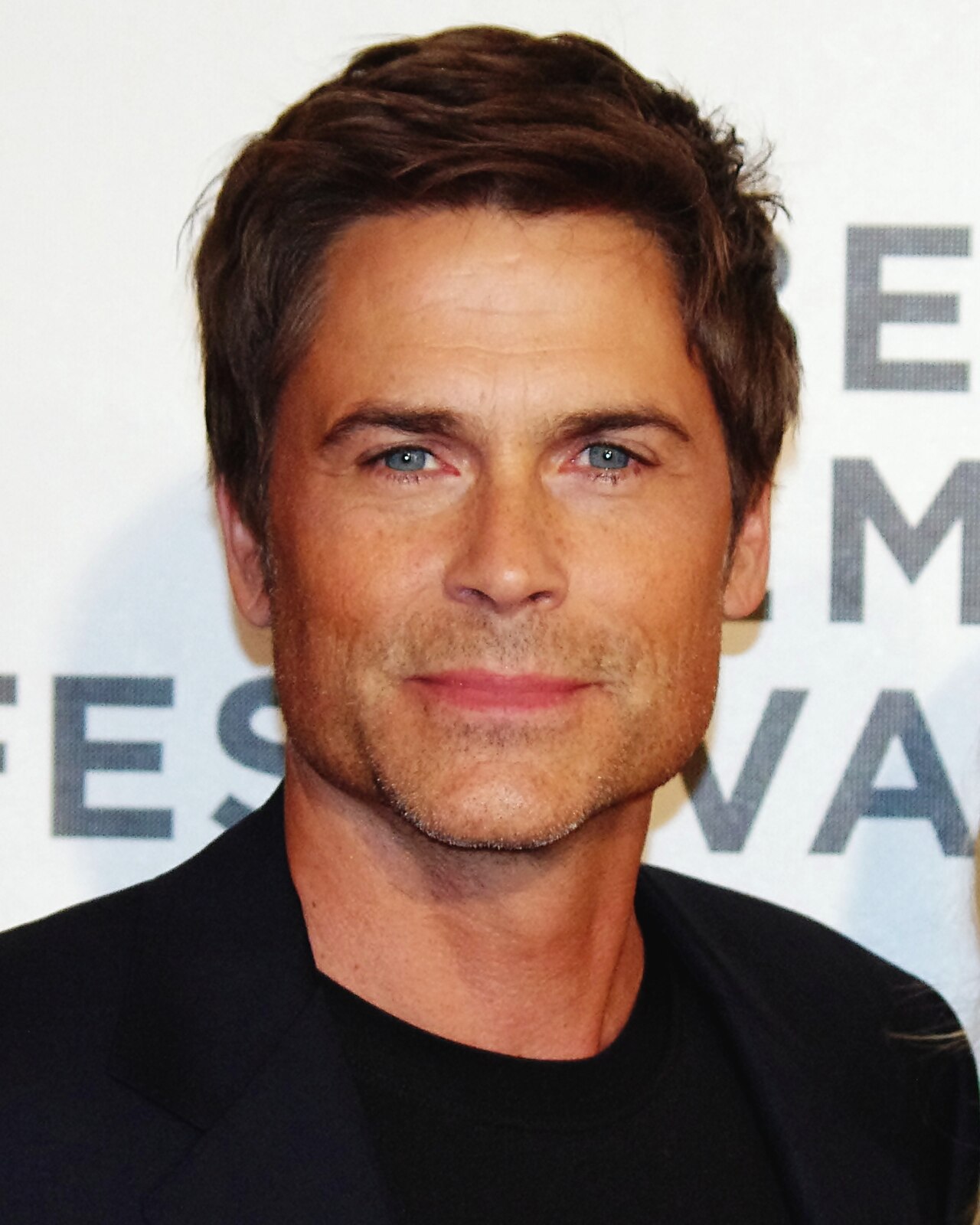
1964Rob Lowe(62 this year)Robert Hepler Lowe is an American actor, filmmaker, and entertainment host.
1995Claressa Shields(31 this year)Claressa Maria Shields is an American professional boxer and former professional mixed martial artist.
1473James IV of ScotlandJames IV was King of Scotland from 11 June 1488 until his death at the Battle of Flodden in 1513.
1665Élisabeth Jacquet de La GuerreÉlisabeth Claude Jacquet de La Guerre was a French musician, harpsichordist and composer.
1676Thomas BostonThomas Boston was a Scottish Presbyterian church leader, theologian and philosopher.
1777Roger B. TaneyRoger Brooke Taney was an American lawyer and politician who served as the fifth chief justice of the United States from 1836 until his death in 1864.
1777Patrick BrontëPatrick Brontë was an Irish Anglican clergyman and author who spent most of his adult life in England.
1846Kate GreenawayCatherine Greenaway was an English Victorian artist and writer, known for her
children's book illustrations.
1849Cornelia ClappCornelia Maria Clapp was an American educator and zoologist, specializing in marine biology.
1866Pierce ButlerPierce Butler was an American jurist who served as an associate justice of the Supreme Court of the United States from 1923 until his death in 1939.
1877Ville KiviniemiVilhelm Kiviniemi was a Finnish farmer, politician and member of the Parliament of Finland, the national legislature.
1880Patrick HastingsSir Patrick Gardiner Hastings was an English barrister and politician noted for his long and highly successful career as a barrister and his short stint as Attorney General.
1880Lawrence OatesLawrence Edward Grace "Titus" Oates was a British army officer, and later an Antarctic explorer, who died from hypothermia during the Terra Nova Expedition when he walked from his tent into a freezing blizzard.
1886Princess Patricia of ConnaughtPrincess Patricia of Connaught was a member of the British royal family and a granddaughter of Queen Victoria.
1927Betty AllenBetty Allen was an American operatic mezzo-soprano who had an active international singing career during the 1950s through the 1970s. In the latter part of her career her voice acquired a contralto-like darkening, which can be heard on her recording of Sergei Prokofiev’s Alexander Nevsky with conductor Eugene Ormandy and the Philadelphia Orchestra.
1949Pat Rice(77 this year)Patrick James Rice, MBE is a Northern Irish former football player and coach.
1957Michael KellyMichael Thomas Kelly was an American journalist for The New York Times, a columnist for The Washington Post and The New Yorker, and a magazine editor for The New Republic, National Journal, and The Atlantic.
1962Janet Gardner(64 this year)Janet Patricia Gardner is an American rock singer.
1969Edgar Grospiron(57 this year)Edgar Grospiron is a French freestyle skier and Olympic champion.
1970Gene Ween(56 this year)Aaron Freeman, better known by his stage name Gene Ween, is an American singer, guitarist and a founding member of the experimental alternative rock group Ween.
1975Justin Hawkins(51 this year)Justin David Hawkins is an English musician.
1975Puneeth RajkumarPuneeth Rajkumar, affectionately known as Appu, was an Indian actor, playback singer, film producer, television presenter and philanthropist who worked in Kannada cinema.
Quote of the Day
“Christmas won't be Christmas without any presents.” — Louisa May Alcott, Little Women
March 17 History Quiz
On March 17, 1776, British troops evacuated which city, ending the Siege of Boston?
Boston
In 1950, scientists at which university announced the synthesis of the element californium?
University of California, Berkeley
The 1963 eruption of Mount Agung on which Indonesian island killed approximately 1,100 people?
Bali
Philippine President Ramon Magsaysay died in a plane crash on March 17, 1957, while flying to which city?
Cebu City
The iconic 'Burst of Joy' photo, taken on March 17, 1973, depicted a returning American POW reuniting with his family at which location?
Travis Air Force Base
The 2011 UN Security Council Resolution 1973 authorized military intervention in which country?
Libya
In 1955, Montreal hockey fans rioted after the suspension of which player during the Stanley Cup playoffs?
Maurice Richard
The HMS Anson collided with the SS Utopia on March 17, 1891, sinking the latter and killing how many people?
Every event on this page was picked by hand from the historical record, written up as a news report, and checked against its source. Photographs are matched to the event they illustrate and verified before they are used. Sources are linked on each story.


 Franny and Zooey, J. D. Salinger
 “Killing Me Softly With His Song”,
  “Jump”,
  The Aquitaine Progression, Robert Ludlum
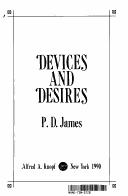 Devices and Desires, P. D. James
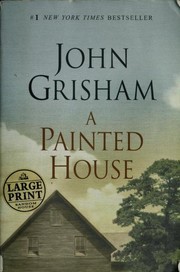 A Painted House, John Grisham
 “We Are Young”,
  Celebrity in Death, J. D. Robb