Our front page for December 31 — written and set by The Yesterday Times from the events below. Not an archival document.
Day of the year
365
Days left in 2026
0
In 2026 it falls on a
Thursday
Star sign
Capricorn
Birthstone
Turquoise
On December 31 in 1999, 27 years ago, Yeltsin Steps Down; Putin Takes Helm. This page reports 13 stories from the date, 25 people born on this day.
The stories in full
Moscow Bureau
1999 — Yeltsin Steps Down; Putin Takes Helm
Prime Minister Vladimir Putin becomes acting president as Boris Yeltsin resigns on New Year's Eve.
Boris Yeltsin resigned on Dec. 31, making Prime Minister Vladimir Putin acting president with full powers but limited authority. Putin cannot dissolve the State Duma, call a referendum, or propose constitutional amendments. The day before, he published a program article warning Russia faced 'the real threat of slipping down to the second, and possibly even third, rank of world states.' A snap election is set for March 2000, with Putin expected to face voters. The former KGB officer, little known months ago, now carries the weight of a nation in transition.
Prime Minister Vladimir Putin became acting president after Boris Yeltsin resigned on 31 December 1999.
A snap election was held in March 2000 and was won by Putin, who officially took office on 7 May 2000.
The day before his appointment, Putin published a program article titled 'Russia at the turn of the millennium' on the government web site.
Putin's article warned Russia faced 'the real threat of slipping down to the second, and possibly even third, rank of world states.'
As acting president, Putin could not dissolve the State Duma, call a referendum, or propose constitutional amendments.
Americas Desk
1999 — Panama Takes the Canal; U.S. Era Ends at Noon
At 12:00 today, Panama assumes full control of the canal and all former Canal Zone lands.
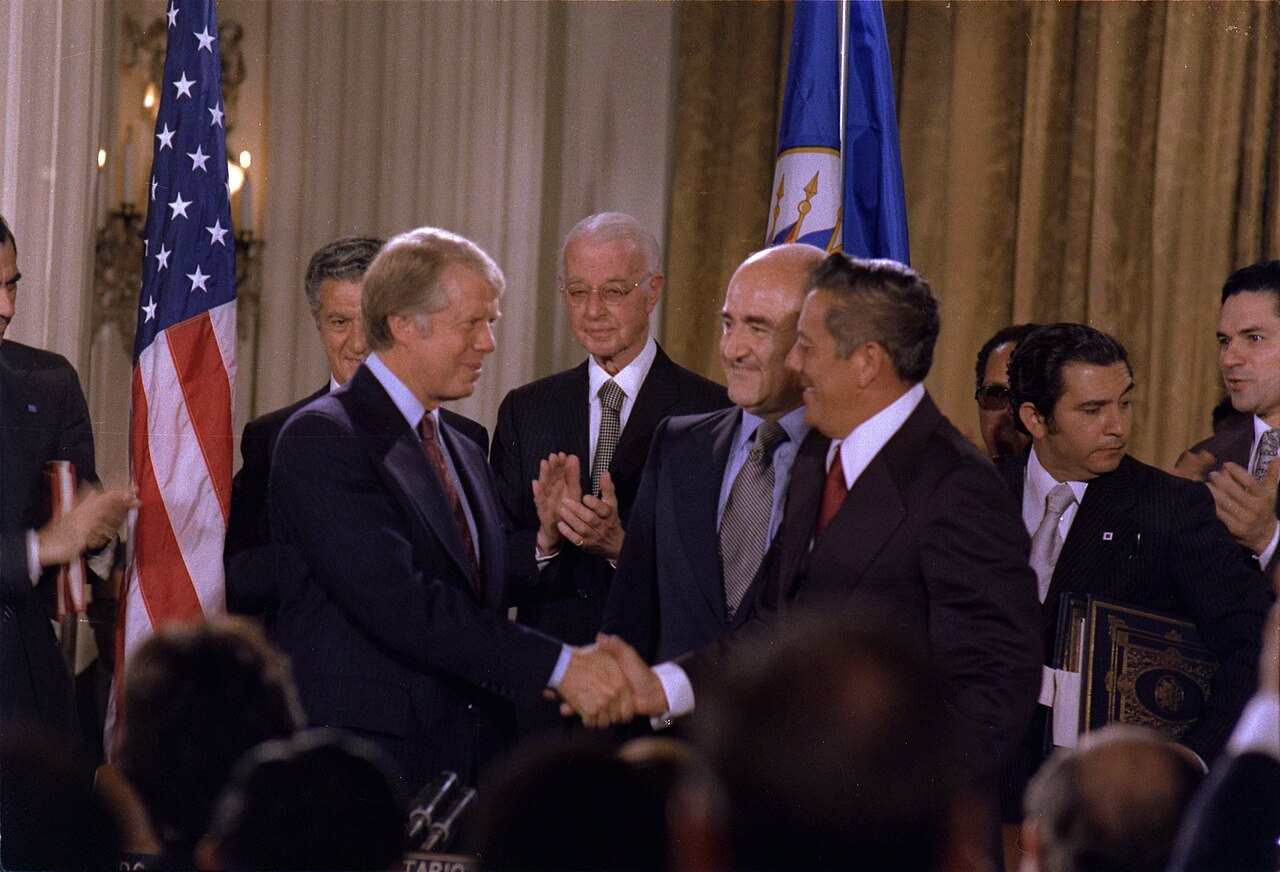
President Jimmy Carter and Omar Torrijos sign the treaties transferring the Panama Canal — White House photo
The long-promised handover became reality today as Panama assumed full control of the Panama Canal from the United States, a transfer that shifts ownership of a global waterway and ends nearly a century of American presence. At 12:00 on Dec. 31, 1999, Panama took over canal operations and primary responsibility for its defense, with all former Canal Zone parcels coming under exclusive Panamanian jurisdiction just after noon local time. The move fulfilled the Torrijos-Carter Treaties, signed in a ceremony that featured President Jimmy Carter and Omar Torrijos.
At 12:00 on December 31, 1999, Panama assumed full control of canal operations and primary responsibility for its defense.
The United States relinquished control of the Panama Canal and all areas in the Panama Canal Zone on that date.
Just after noon local time on 31 December 1999, all former Canal Zone parcels came under exclusive jurisdiction of Panama.
Sports
1972 — Roberto Clemente Dies in Crash on Aid Mission
Pittsburgh Pirates great, 38, dies aboard a DC-7 carrying earthquake relief for victims of a 6.3-magnitude quake that killed about 5,000 people.
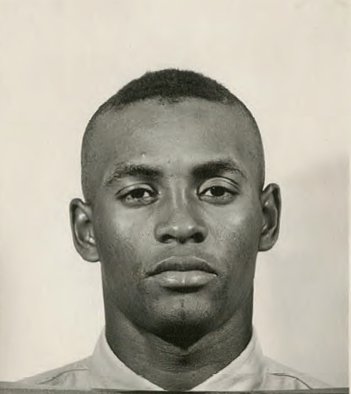
Roberto Clemente, the legendary baseball — US Marines
The winter of 1972 closed with a loss that reached beyond the ballpark, as Roberto Clemente, the Pittsburgh Pirates' great right fielder, died in a plane crash on New Year's Eve. Clemente, 38, was aboard a chartered Douglas DC-7 delivering emergency relief for victims of the 6.3-magnitude earthquake that devastated Managua, Nicaragua, killing about 5,000 people. The plane was 4,193 pounds over its maximum takeoff weight, according to NTSB estimates. Clemente had chartered it for $4,000.
Clemente died when his chartered Douglas DC-7 crashed off Isla Verde, Puerto Rico, killing all five aboard.
The flight was delivering emergency relief goods for survivors of a 6.3-magnitude earthquake that devastated Managua, Nicaragua, killing about 5,000 people.
The aircraft was 4,193 pounds over its maximum takeoff weight of 144,750 pounds, according to NTSB estimates.
Clemente had chartered the plane for $4,000 from American Air Express Leasing Company, owned by Arthur S. Rivera.
The DC-7 had suffered a non-fatal taxiway accident 29 days earlier, damaging the No. 2 and No. 3 propeller blades.
City Desk
1907 — Ochs' Electric Ball to Mark New Year in Times Square
A 700-pound illuminated ball will descend a flagpole at midnight in the city's first ball drop.
Adolph Ochs, owner of The New York Times, has arranged for a novel spectacle tonight in Times Square, where an illuminated ball will drop from a seventy-foot flagpole to signal the new year. The ball, designed by Artkraft Strauss and inspired by the Western Union Telegraph Building's time ball, weighs 700 pounds, measures 5 feet in diameter, and is lit by 100 incandescent bulbs. A team of six men will hoist it, lowering it ten seconds before midnight. The event replaces fireworks, which the city banned over safety concerns.
The first ball drop on Dec 31, 1907, was organized by New York Times owner Adolph Ochs.
The ball was designed by sign company Artkraft Strauss, inspired by the Western Union Telegraph Building's time ball.
The original ball weighed 700 pounds, measured 5 feet in diameter, and was lit by 100 incandescent bulbs.
The ball was hoisted on a seventy-foot flagpole by a team of six men and dropped ten seconds before midnight.
Waiters at nearby hotels wore top hats with battery-powered lights spelling '1908' to promote the event.
Dublin Commerce
1759 — Guinness Signs 9,000-Year Lease on St. James's Gate
Brewer Arthur Guinness pays £100 down and £45 yearly for a 9,000-year lease on the abandoned Dublin brewery.
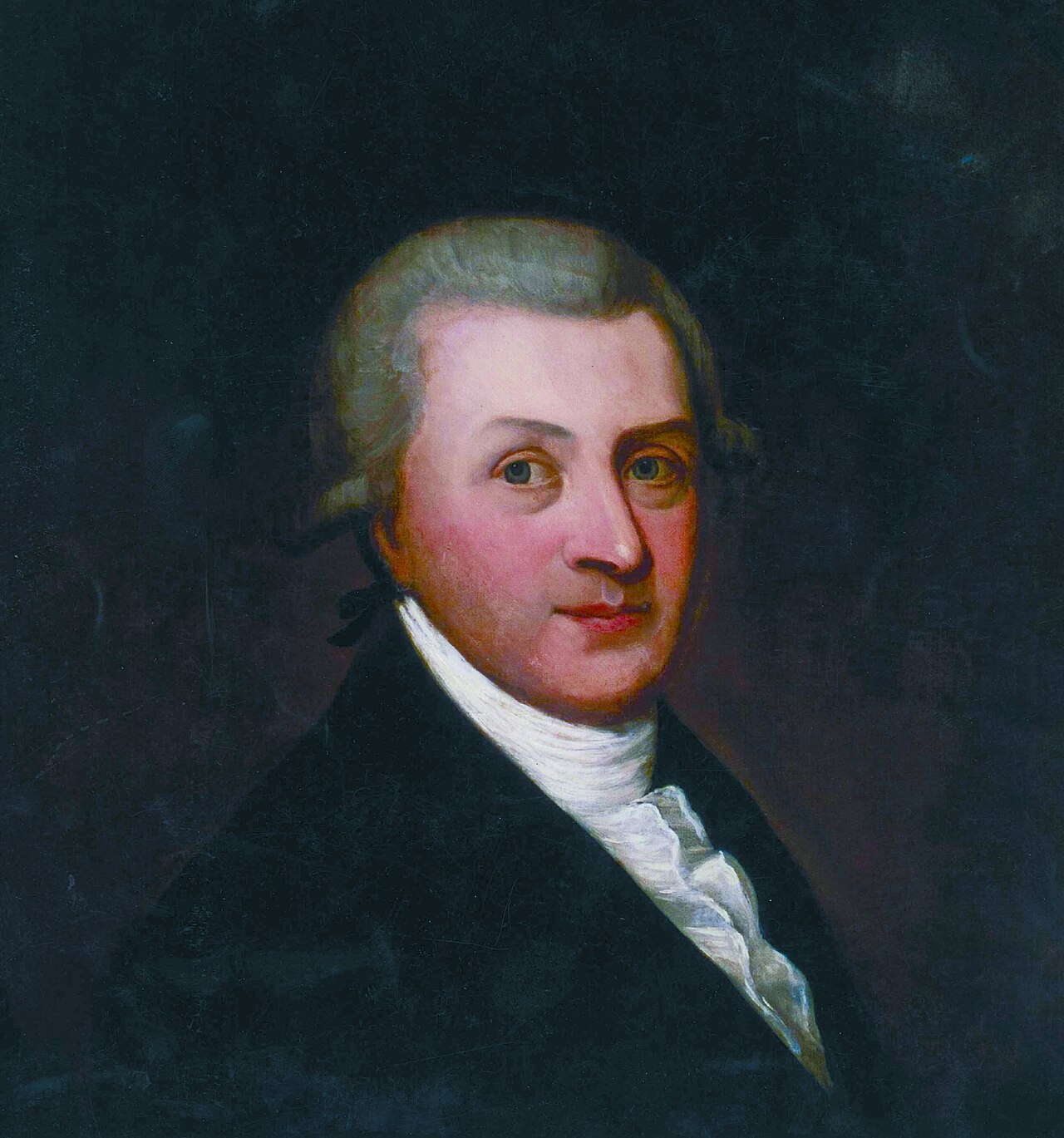
Brewer Arthur Guinness pays £100 down and £45 yearly for a 9,000-year lease on the abandoned Dublin brewery. — User Morrison1917 on en.wikipedia
NINE THOUSAND years, at £45 per annum, is the term of the lease Arthur Guinness hath this day taken upon the abandoned St. James's Gate brewery, in Dublin, from the Rainsford family. The brewer hath paid £100 down, and the four-acre site, with its brewhouse, gristmill, two malt houses, and stables, hath stood idle these nine years past. Guinness now begins his brewing.
Arthur Guinness leased the abandoned St. James's Gate brewery from the Rainsford family on 31 December 1759.
The lease required a £100 downpayment and an additional £45 annual payment for 9,000 years.
The 4-acre site included a brewhouse, a gristmill, two malt houses, and stables.
The brewery had been abandoned nine years before Guinness signed the lease.
War Department
1862 — Bragg's Assault Overruns Union Right at Murfreesboro
Bragg's Dec. 31 assault overruns McCook's wing, but Sheridan's stand prevents collapse; armies suffer 23,515 casualties before Bragg withdraws on Jan. 3.
MURFREESBORO, Tenn., Dec. 31. — Confederate Gen. Braxton Bragg this morning ordered a massive assault that overran the Union right wing under Maj. Gen. Alexander M. McCook, opening the Battle of Stones River with the highest casualty rates of any major engagement in the war.
Union Brig. Gen. Philip Sheridan's division held the right center, preventing total collapse. Maj. Gen. William S. Rosecrans had marched from Nashville on December 26 with three columns to challenge Bragg.
The rival armies have suffered 23,515 casualties. Bragg, deceived by false information planted by Union officers, withdrew to Tullahoma on January 3.
The Battle of Stones River had the highest percentage of casualties of any major Civil War battle.
Confederate Gen. Braxton Bragg ordered a massive assault on December 31, 1862, that overran the Union right wing under Maj. Gen. Alexander M. McCook.
Union Brig. Gen. Philip Sheridan's division prevented a total collapse with a stout defense in the right center of the line.
Bragg withdrew his army to Tullahoma, Tennessee, on January 3, 1863, after being fooled by false information planted by Union officers.
The rival armies suffered a combined total of 23,515 casualties between December 31, 1862, and January 2, 1863.
Bridge News
1909 — Manhattan Bridge Opens; Crowds Cross at Midnight
The $26 million span opened with unfinished work, allowing only empty commercial wagons on its wood-block pavement.
At the stroke of midnight, the first vehicles rolled across the new Manhattan Bridge, linking Lower Manhattan to Downtown Brooklyn. The $26 million span, hailed as the forerunner of modern suspension bridges, opened with work still incomplete. Only empty commercial wagons were permitted; full trucks were diverted to the Brooklyn Bridge because of the new structure's wood-block pavement. One hundred prominent Brooklyn citizens had walked the bridge on December 4, and outgoing Mayor George B. McClellan Jr. toured it on December 24. Transit lines, however, were not ready, as Chief Engineer Steven Stevenson had warned in late November.
The Manhattan Bridge opened on December 31, 1909, at a final cost of $26 million, though work remained incomplete.
One hundred prominent Brooklyn citizens walked over the bridge on December 4, 1909, before its official opening.
Outgoing mayor George B. McClellan Jr. toured the bridge on December 24, 1909.
Empty commercial vehicles used the Manhattan Bridge, while full trucks used the Brooklyn Bridge due to the Manhattan Bridge's wood-block pavement.
Steven Stevenson announced in late November 1909 that the bridge's roadways would likely open by December 24, but transit lines were not ready.
Midwest Desk
1993 — Nebraska Slayings of Trans Man Spur Hate-Crime Push
Around 1 a.m. on Dec. 31, John Lotter and Tom Nissen broke into Lisa Lambert's home and shot Brandon Teena.
The brutal killing of a trans man in Nebraska is giving new urgency to federal hate crime legislation. Around 1 a.m. on Dec. 31, John Lotter and Tom Nissen broke into Lisa Lambert's home in Humboldt and shot Brandon Teena in the stomach as he hid under a blanket. Nissen testified that he asked for a knife and stabbed Teena in the chest to ensure death.
Around 1 a.m. on December 31, 1993, John Lotter and Tom Nissen broke into Lisa Lambert's house in Humboldt, Nebraska.
They found Brandon Teena hiding under a blanket at the foot of the bed and shot him in the stomach.
Nissen testified that, seeing Teena twitching, he asked Lotter for a knife and stabbed Teena in the chest to ensure death.
The men shot Lisa Lambert multiple times and shot Phillip DeVine twice while he sat on the living room couch.
After the murders, Lotter and Nissen threw their weapons and gloves onto a frozen river and returned to Falls City.
Currency Markets
1998 — Euro's Value Set as Rates Frozen Across Eurozone
European Currency Unit superseded at par on Dec. 31, fixing the new currency's worth.
The long march toward a single European currency reached its quiet culmination on the last day of 1998, when the exchange rates of the eleven eurozone currencies were frozen and the euro's value was fixed for good. The European Exchange Rate Mechanism locked the legacy monies to the European Currency Unit, which the euro superseded at par on Dec. 31. That act established the euro's worth, ending months of speculation. The new currency will enter circulation in 2002, while banking and financial transactions switch over in January. The fixed rates now define the euro against the dollar and other world currencies.
On 31 December 1998, the European Currency Unit exchange rates of eurozone countries were frozen.
The euro superseded the European Currency Unit at par on that date.
The value of the euro was thus established on 31 December 1998.
Colonial Affairs
1857 — Queen Picks Ottawa for Capital of Canada
Her Majesty selects the small logging town, surprising many who favored larger cities.
Her Majesty the Queen has chosen Ottawa, a modest logging town on the Ottawa River, as the capital of the British colony of Canada, it was announced Dec. 31, 1857. The selection, made personally by Queen Victoria, settles a contentious debate among the provinces. Ottawa's location, safely inland and roughly midway between the major cities, is thought to have weighed in its favour.
Queen Victoria selected Ottawa as Canada's capital on December 31, 1857.
Broadcasting
1961 — RTÉ Airs First Programs as Ireland Goes Live
Telefís Éireann begins at 19:00 from Kippure with a broadcast.
At 19:00 sharp on New Year's Eve, Telefís Éireann began regular broadcasting from the Kippure transmitter near Dublin, making RTÉ one of the world's oldest continuously operating public service broadcasters.
Regular television broadcasts began on 31 December 1961, making RTÉ one of the oldest continuously operating public service broadcasters in the world.
Telefís Éireann began broadcasting at 19:00 on New Year's Eve in 1961 from the Kippure transmitter site near Dublin.
The channel was launched with an opening address by then‑president de Valera.
A live concert from the Gresham Hotel in Dublin followed the opening addresses.
The launch concert featured tenor Patrick O'Hagan, the Artane Boys' Band, and commentator Michael O'Hehir.
Engineering
2004 — Taipei 101 Opens, Now World's Tallest
Taipei 101, the world's tallest building, opened to the public on Dec. 31, 2004.
Taipei 101, the world's tallest building, opened to the public in Taiwan on Dec. 31, 2004, with President Chen Shui-bian, Taipei Mayor Ma Ying-jeou and Legislative Speaker Wang Jin-pyng cutting the ribbon.
Taipei 101 officially opened on 31 December 2004, with President Chen Shui-bian, Taipei Mayor Ma Ying-jeou and Legislative Speaker Wang Jin-pyng cutting the ribbon.
The building's high-speed elevators, manufactured by Toshiba, transported passengers from the 5th to the 89th floor in 37 seconds at 60.6 kilometers per hour.
Taipei 101 surpassed the Petronas Towers in Kuala Lumpur to become the world's tallest building, a title it held until 2009.
The tower stands 508 meters (1,667 ft) tall with 101 stories, and its design evokes a traditional Asian pagoda.
A major earthquake on 31 March 2002 sent two construction cranes falling from the 56th floor, crushing vehicles and causing five deaths.
News from the Colonies
1775 — Americans Repulsed at Quebec
British forces hold the city as the Continental Army's assault fails on December 31.
The cannon smoke has cleared from the frozen plains before Quebec, and the British flag still waves. The American assault failed, and Colonel Benedict Arnold’s wounded men withdrew to the village of Beauport for the night.
After the defeat at the Battle of Quebec on December 31, 1775, the Americans maintained a loose blockade of the city until they retreated on May 6, 1776.
What the papers printed that morning
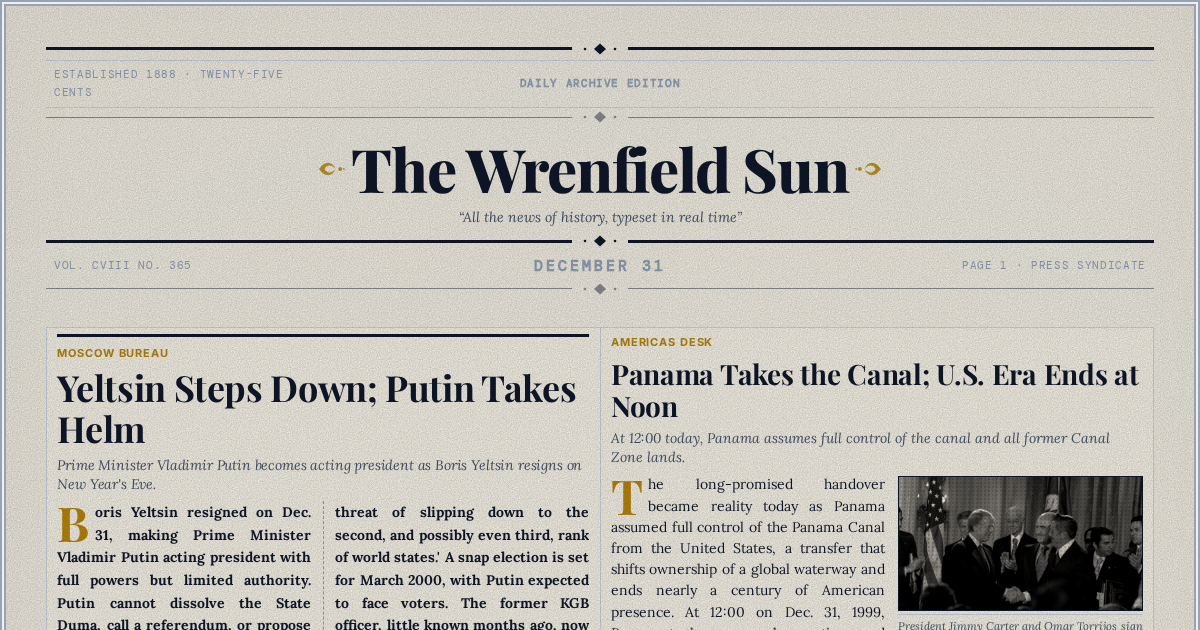
Real front pages from 31 December 1907, scanned by the Library of Congress. These are archival documents, not our work.
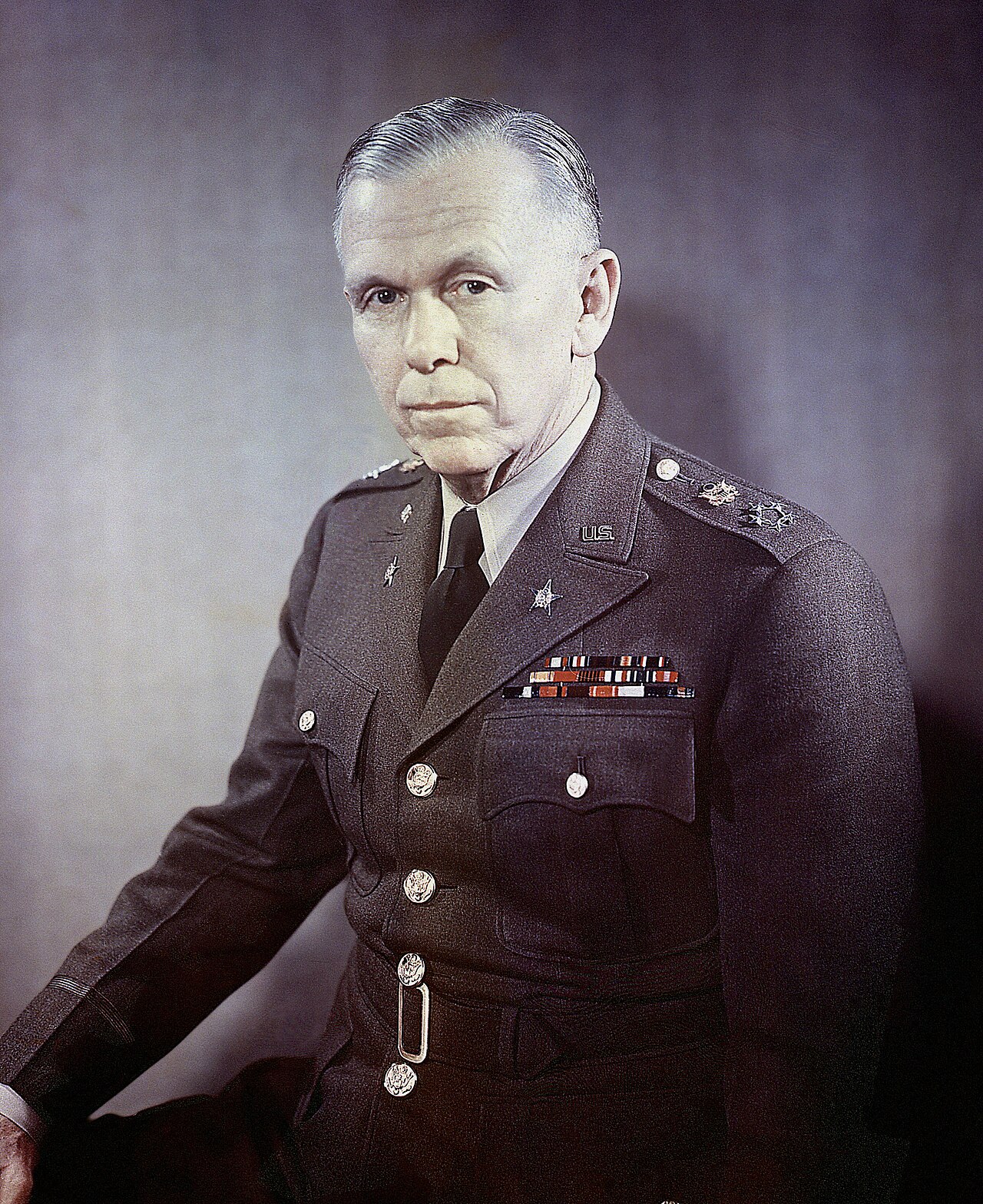
1880George MarshallGeneral of the Army George Catlett Marshall Jr. was an American military officer and diplomat.
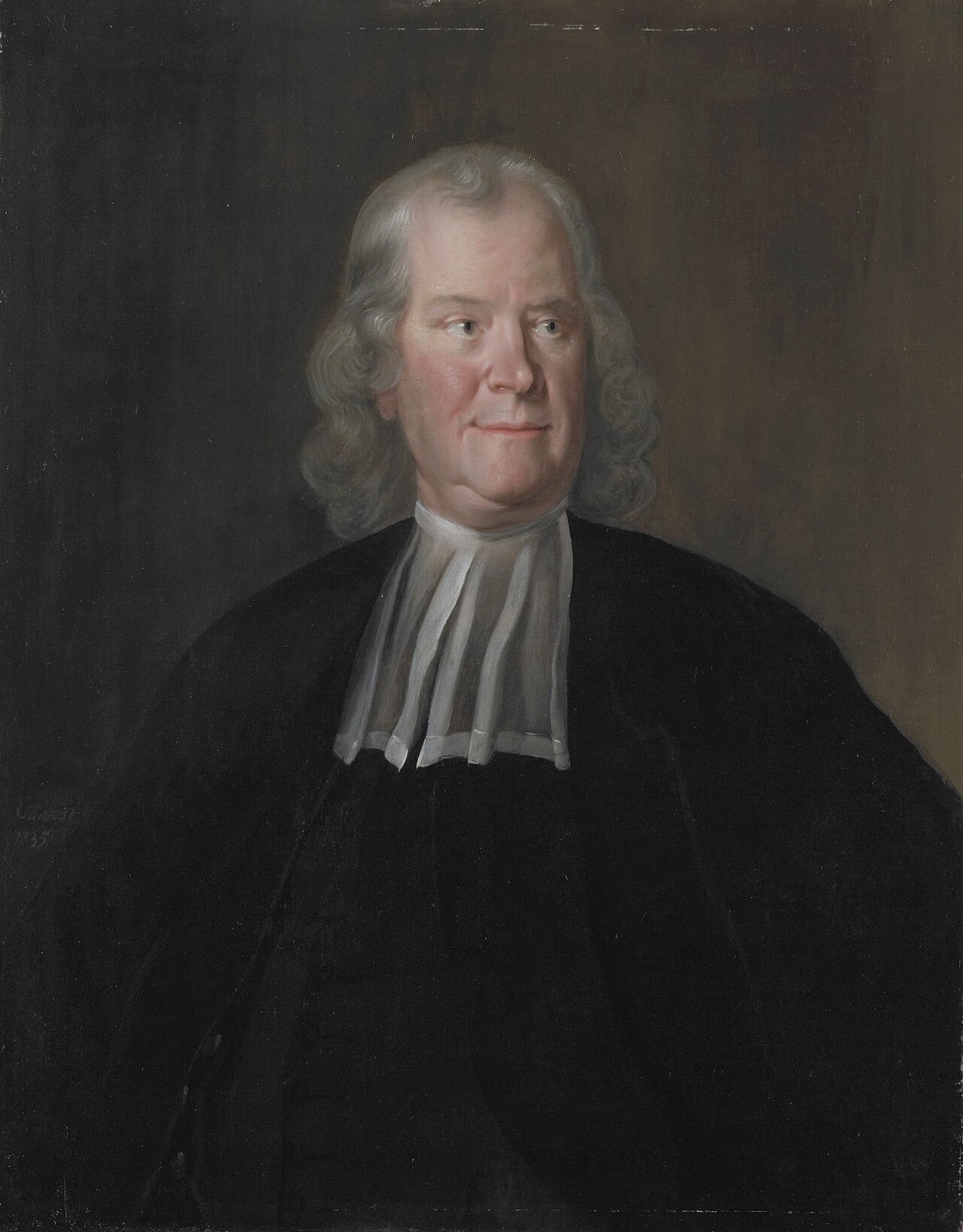
1668Herman BoerhaaveHerman Boerhaave was a Dutch chemist, botanist, Christian humanist, and physician.
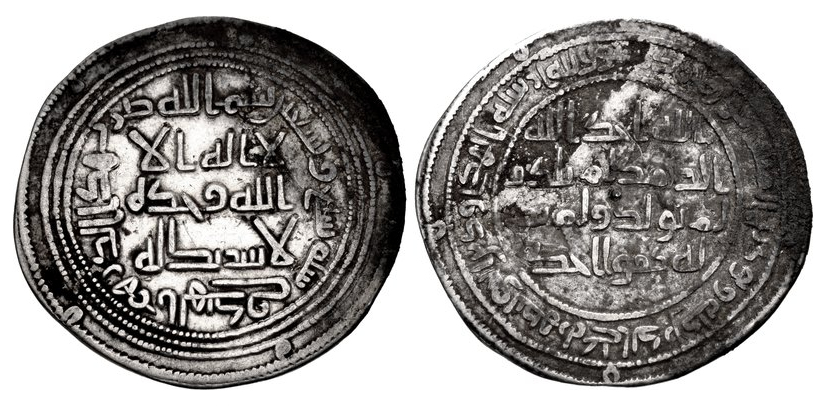
695Muhammad ibn al-QasimMuḥammad ibn al-Qāsim al-Thaqafī was an Arab military commander in service of the Umayyad Caliphate who led the Muslim conquest of Sindh, inaugurating the Umayyad campaigns in India.
1514Andreas VesaliusAndries van Wezel, Latinized as Andreas Vesalius, was an anatomist and physician who wrote De Humani Corporis Fabrica Libri Septem, which is considered one of the most influential books on human anatomy and a major advance over the long-dominant work of Galen.
1720Charles Edward StuartCharles Edward Louis John Sylvester Maria Casimir Stuart was the elder son of James Francis Edward Stuart, making him the grandson of James VII and II, and the Stuart claimant to the thrones of England, Scotland, and Ireland from 1766.
1738Charles CornwallisGeneral Charles Cornwallis, 1st Marquess Cornwallis was a British Army officer, Whig politician and colonial administrator.
1857King KellyMichael Joseph "King" Kelly, also commonly known as "$10,000 Kelly", was an American baseball outfielder, catcher, and player-manager in various professional American baseball leagues including the National League, International Association, Players' League, and the American Association.
1901Karl-August FagerholmKarl-August Fagerholm was a Finnish politician.
1912John FrostMajor-General John Dutton Frost, was an airborne officer of the British Army, best known for being the leader of the small group of British airborne troops that actually arrived at Arnhem bridge during the Battle of Arnhem in Operation Market Garden, in the Second World War.
1918Ray GravesSamuel Ray Graves was an American professional football player and college football coach.
1927Vishnudevananda SaraswatiVishnudevananda Saraswati was an Indian yoga guru known for his teaching of asanas, a disciple of Sivananda Saraswati, and founder of the International Sivananda Yoga Vedanta Centres and Ashrams (ISYVC).
1928Hugh McElhennyHugh Edward McElhenny Jr. was an American professional football halfback who played in the National Football League (NFL) from 1952 to 1964 for the San Francisco 49ers, Minnesota Vikings, New York Giants, and Detroit Lions.
1937Tess Jaray(89 this year)Tess Jaray was a British painter and printmaker.
1941Sir Alex Ferguson(85 this year)Sir Alexander Chapman Ferguson, also known by the nickname Fergie, is a Scottish former professional football manager and player, best known for managing Manchester United from 1986 to 2013.
1946Raphael Kaplinsky(80 this year)Raphael Malcolm Kaplinsky is an Honorary Professor at the Science Policy Research Unit and an Emeritus Professorial Fellow at the Institute of Development Studies, University of Sussex.
1946Roy Greenslade(80 this year)Roy Greenslade is a British author and freelance journalist, and a former professor of journalism.
1947Rita LeeRita Lee Jones de Carvalho, known as Rita Lee, was a Brazilian singer, songwriter, author, actress and television host.
1950Cheryl Womack(76 this year)Verna Cheryl Womack is an entrepreneur who founded Kansas City, Missouri-based VCW and National Association of Independent Truckers, Inc.
1951Kenny Roberts(75 this year)Kenneth Leroy Roberts is an American former professional motorcycle racer and racing team owner.
1953Jane Badler(73 this year)Jane Badler is an American-Australian actress and singer.
1959Phill Kline(67 this year)Phillip D. Kline is a former American attorney who served as a Kansas state legislator, district attorney of Johnson County, and Kansas Attorney General.
1962Tyrone Corbin(64 this year)Tyrone Kennedy Corbin is an American former professional basketball player who last worked as an assistant coach for the Charlotte Hornets.
1970Danny McNamara(56 this year)Embrace are an English rock band formed in Bailiff Bridge, West Yorkshire, in 1990.
1974Mario Aerts(52 this year)Mario Aerts is a former professional road bicycle racer, who competed between 1996 and 2011.
1980Richie McCaw(46 this year)Richard Hugh McCaw is a New Zealand retired professional rugby union player.
Quote of the Day
“It is a truth universally acknowledged, that a single man in possession of a good fortune, must be in want of a wife.” — Jane Austen, Pride and Prejudice
December 31 History Quiz
On December 31, 1999, Boris Yeltsin resigned, making which man acting president of Russia?
Vladimir Putin
Which Pittsburgh Pirates legend died in a plane crash on December 31, 1972, while delivering aid to Nicaragua?
Roberto Clemente
What country took full control of the Panama Canal on December 31, 1999?
Panama
Which city hosted the first Times Square ball drop on December 31, 1907?
New York
Arthur Guinness signed a 9,000-year lease for which Dublin brewery on December 31, 1759?
Guinness
The Battle of Stones River, a key Civil War engagement, began on December 31 in which year?
1862
Which capital city was chosen by Queen Victoria on December 31, 1857?
Ottawa
What structure, opened on December 31, 2004, became the world's tallest building at 508 meters?
Every event on this page was picked by hand from the historical record, written up as a news report, and checked against its source. Photographs are matched to the event they illustrate and verified before they are used. Sources are linked on each story.


![Front page of New-York tribune, New York [N.Y.], 31 December 1907](https://tile.loc.gov/image-services/iiif/service:ndnp:dlc:batch_dlc_fiji_ver02:data:sn83030214:00175039272:1907123101:0640/full/pct:50/0/default.jpg)
 “I'm A Believer”,
  The Secret of Santa Vittoria, Robert Crichton
 “How Deep Is Your Love”,
 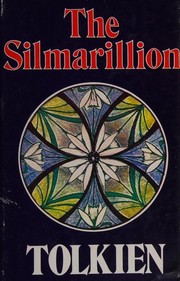 The Silmarillion, J. R. R. Tolkien
 “On Bended Knee”,
 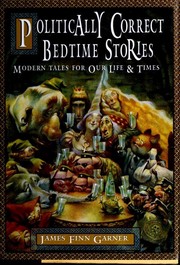 Politically Correct Bedtime Stories, James Finn Garner
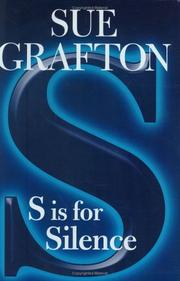 S" Is for Silence, Sue Grafton
 “We Found Love”,
  11/22/63, Stephen King
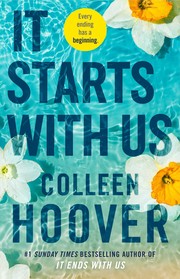 It Starts with Us, Colleen Hoover