Our front page for July 24 — written and set by The Yesterday Times from the events below. Not an archival document.
Day of the year
205
Days left in 2026
160
In 2026 it falls on a
Friday
Star sign
Leo
Birthstone
Ruby
On July 24 in 2019, 7 years ago, Johnson Takes Office, Vows Brexit Deadline. This page reports 8 stories from the date, 25 people born on this day.
The stories in full
Whitehall
2019 — Johnson Takes Office, Vows Brexit Deadline
After winning the Conservative leadership on July 23, 2019, Boris Johnson formed a new government, dismissing 11 senior ministers and creating a Minister for the Union title.
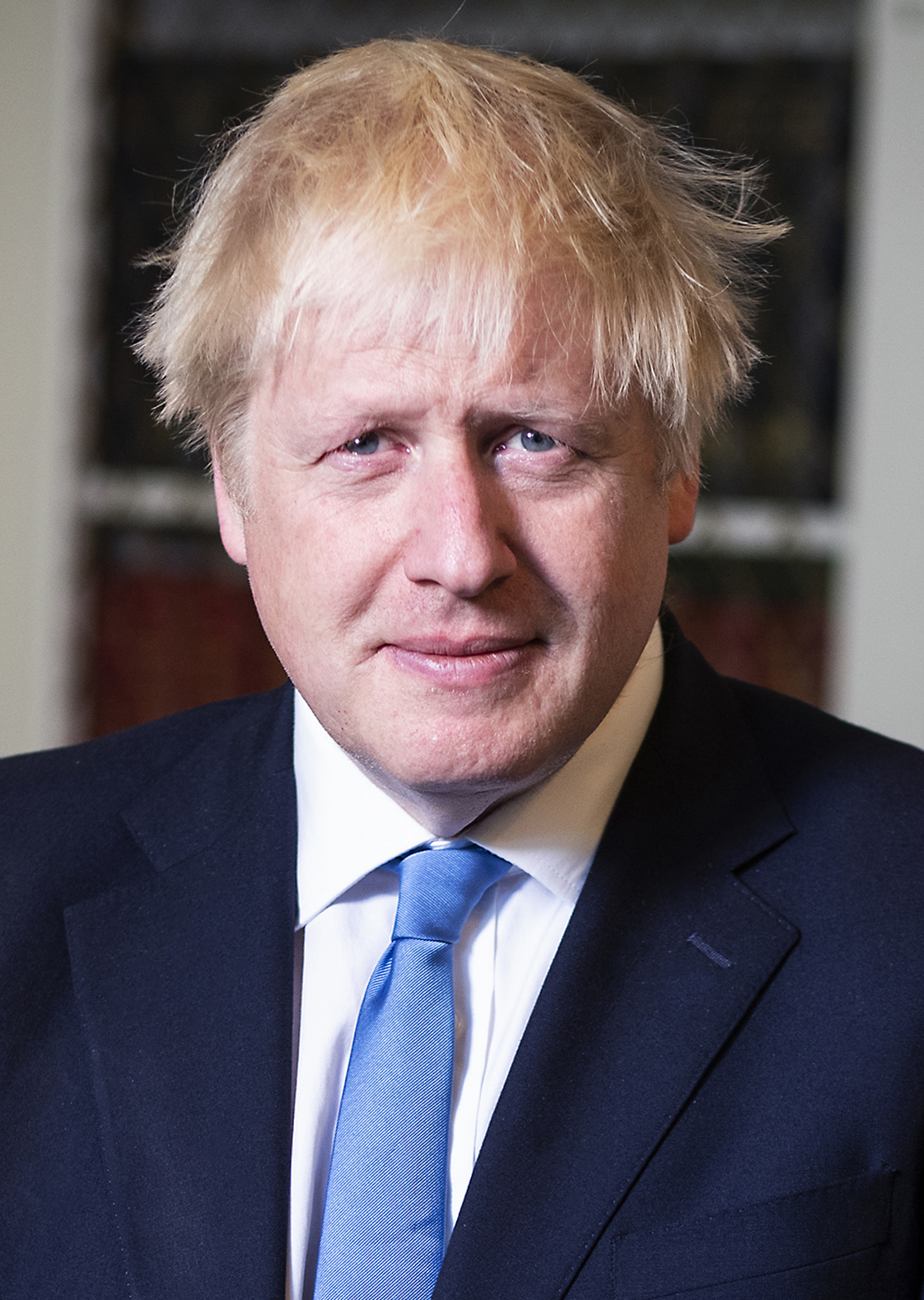
Boris Johnson, who becomes Prime Minister after winning the Conservative Party leadership election — Ben Shread
The door of Number 10 swung open this afternoon to a new tenant. Boris Johnson, who won the Conservative Party leadership election on July 23, 2019, was invited by Queen Elizabeth II to form a government — a mandate that ends Theresa May's tenure and sets the stage for an October Brexit showdown.
Johnson's first act was swift and bloody. In a reshuffle quickly dubbed the 'Night of the Blond Knives,' he dismissed 11 senior ministers and accepted six resignations, clearing the cabinet of Remain-leaning figures. In their place, Johnson named Dominic Raab as First Secretary of State and Foreign Secretary, and Sajid Javid as Chancellor of the Exchequer.
He also created a new title, Minister for the Union, which he will hold himself — a campaign pledge meant to signal his commitment to keeping the United Kingdom intact. Johnson, long a leading voice for Brexit, inherits a Conservative minority government that lost its working majority on September 3, 2019, a fact that will test his pledge to leave the European Union by October 31 "do or die."
His first address outside Number 10 struck a familiar tone, promising to "deliver Brexit, unite the country, and defeat Jeremy Corbyn." The new prime minister faces immediate pressure from Brussels, which has refused to renegotiate the withdrawal agreement he has vowed to scrap.
Queen Elizabeth II invited Boris Johnson to form a new government on 24 July 2019.
Johnson was elected as Leader of the Conservative Party on 23 July 2019, succeeding Theresa May.
Johnson dismissed 11 senior ministers and accepted six resignations in a reshuffle dubbed the 'Night of the Blond Knives'.
Johnson appointed Dominic Raab as First Secretary of State and Foreign Secretary, and Sajid Javid as Chancellor of the Exchequer.
Johnson's first ministry was a Conservative minority government that lost its working majority on 3 September 2019.
Foreign Desk
1923 — Lausanne Treaty Signed, Redrawing Near East
The pact, signed July 24, 1923, settles the Ottoman partition, fixing the frontiers of Greece, Bulgaria, and Turkey — and replacing the defunct Treaty of Sèvres.
The signature of the Treaty of Lausanne on July 24, 1923, brings to a close the long and bitter struggle over the Ottoman Empire's inheritance, establishing the boundaries of Greece, Bulgaria, and Turkey. The pact supersedes the Treaty of Sèvres, which had allocated only nominal land to the Ottoman state and allowed it to retain the designation of 'Ottoman Caliphate.'
The new treaty, negotiated over months in the Swiss city, comes after the formal abolition of the Ottoman Sultanate by the Grand National Assembly of Turkey on November 1, 1922. That act, coupled with the occupation of Constantinople and Smyrna, mobilized the Turkish national movement, which ultimately won the Turkish War of Independence and forced the Allied powers to renegotiate.
Under the terms of the Lausanne settlement, Turkey's present frontiers are recognized by the signatories, including the Allies and the new republic. The pact also addresses the status of the Straits, the exchange of populations, and the abolition of the capitulations, the old legal privileges enjoyed by foreigners in the Ottoman Empire.
The treaty is widely seen as a victory for the government of Mustafa Kemal Pasha, which has transformed the remnants of the Ottoman state into a modern Turkish nation.
The Treaty of Lausanne was signed on July 24, 1923, settling the partition of the Ottoman Empire.
The formal abolition of the Ottoman Sultanate was performed by the Grand National Assembly of Turkey on 1 November 1922.
The Treaty of Sèvres, which preceded Lausanne, allocated nominal land to the Ottoman state and allowed it to retain the designation of 'Ottoman Caliphate'.
The occupation of Constantinople and Smyrna mobilized the Turkish national movement, which ultimately won the Turkish War of Independence.
Diplomatic Beat
1959 — Nixon, Khrushchev Trade Barbs in Moscow
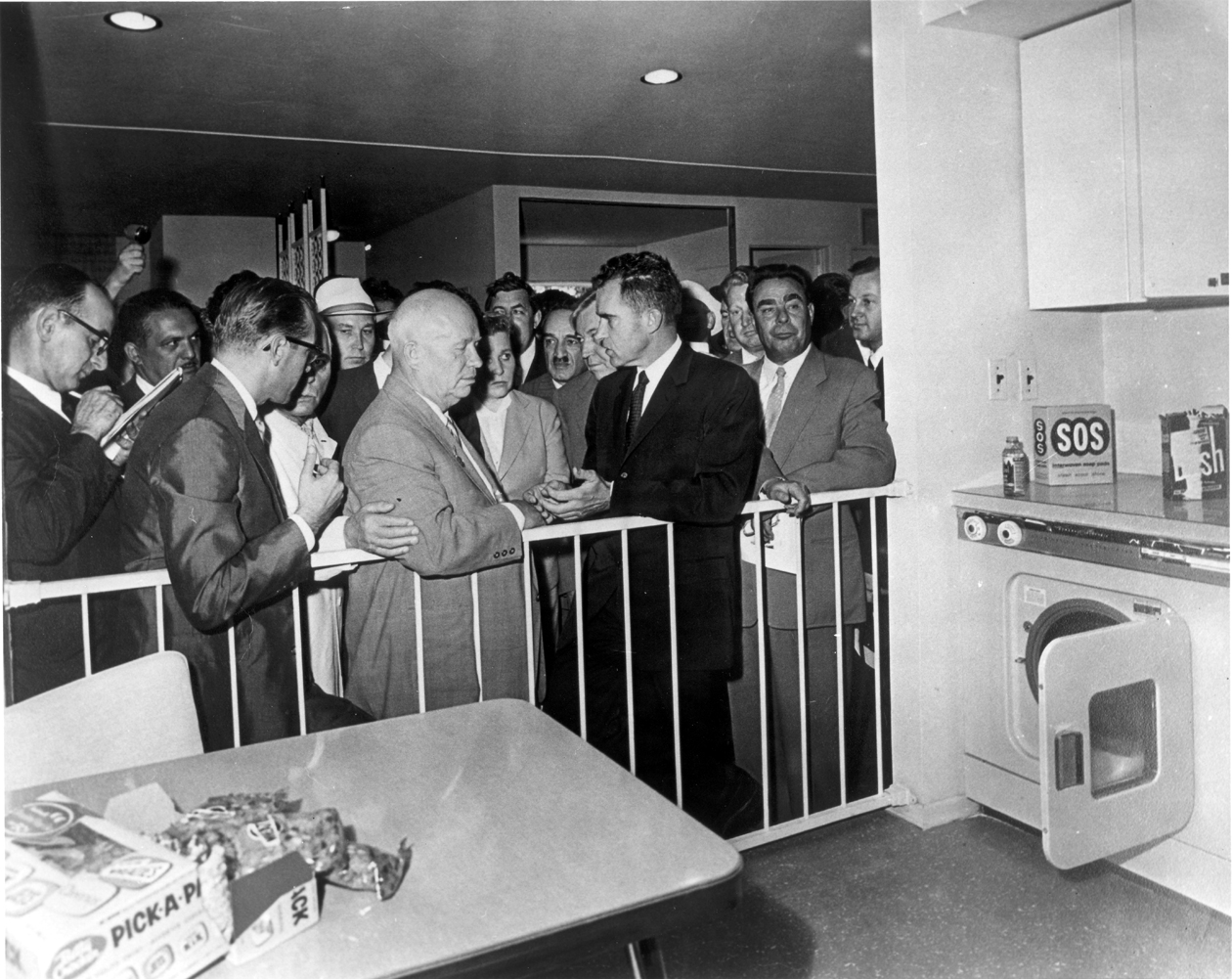
On July 24, 1959, the vice president and premier sparred over capitalism and communism at a model kitchen during the American National Exhibition.
The Cold War clash of ideologies found vivid expression on July 24, 1959, when Vice President Richard Nixon and Soviet Premier Nikita Khrushchev engaged in impromptu exchanges through interpreters at the American National Exhibition in Moscow. The debate, recorded on color videotape, was later broadcast in both nations. The exhibit's centerpiece was a geodesic dome housing scientific experiments in a 30,000-square-foot facility, which the Soviets later purchased. But the model kitchen became the stage, as Khrushchev slyly asked if Americans had a machine that puts food into the mouth and pushes it down, a nod to Charlie Chaplin's 1936 film Modern Times. Nixon countered with assertions of American prosperity and technological superiority. Over 42 days, more than 2.7 million ticketed visitors attended the fair.
The Kitchen Debate was a series of impromptu exchanges through interpreters between U.S. Vice President Richard Nixon and Soviet Premier Nikita Khrushchev.
The debate took place at the opening of the American National Exhibition at Sokolniki Park in Moscow on July 24, 1959.
The debate was recorded on color videotape and subsequently broadcast in both the United States and the Soviet Union.
The centerpiece of the exhibit was a geodesic dome housing scientific experiments in a 30,000-square-foot facility, which the Soviets later purchased.
Khrushchev satirically asked Nixon if Americans had a machine that puts food into the mouth and pushes it down, referencing Charlie Chaplin's 1936 film Modern Times.
Aviation
2014 — Air Algérie Crash in Mali Kills 116
The MD-83 vanished from radar about fifty minutes after takeoff; all 110 passengers and 6 crew died when wreckage was found near Gossi.
The McDonnell Douglas MD-83 disappeared from radar about fifty minutes after takeoff from Ouagadougou, Burkina Faso, and by the next day its wreckage was found in Mali near Gossi, with no survivors. All 110 passengers and 6 crew members on board Air Algérie Flight 5017 died in the crash.
The aircraft, chartered from Spanish carrier Swiftair, was en route to Algiers when it vanished during a storm over the Sahara. Search teams, including French and Malian military aircraft, located the debris field in a remote desert area, confirming the worst fears of relatives who had gathered at Ouagadougou airport and at Algiers.
The cause of the crash is under investigation, with the French BEA leading the inquiry. Preliminary reports suggest the crew may have encountered severe icing conditions, which could have affected the engines and led to a high-altitude stall from which recovery was impossible. The BEA has issued recommendations to Air Algérie, the FAA, and the governments of Burkina Faso and Mali, urging review of procedures for operating in such weather.
Swiftair, with its history of incidents, now faces scrutiny, though no formal charges have been filed. The tragedy has reignited concerns about the safety of aging MD-83 aircraft in African skies.
All 110 passengers and 6 crew members on board Air Algérie Flight 5017 died in the crash near Gossi, Mali.
The McDonnell Douglas MD-83 disappeared from radar about fifty minutes after takeoff from Ouagadougou.
The BEA concluded that ice accretion on the engines caused a high-altitude stall from which the crew could not recover.
The BEA issued recommendations to Air Algérie, the FAA, and the governments of Burkina Faso and Mali.
Swiftair was brought to trial in Paris on March 9, 2026, on charges of involuntary manslaughter nearly twelve years after the crash.
Australia's Mark Kerry, Peter Evans, Mark Tonelli, and Neil Brooks take gold as the United States stays home.
MOSCOW — The only time the United States has not won the Olympic men's 4x100 metre medley relay since 1960, Australia's Quietly Confident Quartet claimed gold at the Moscow Games. Mark Kerry, Peter Evans, Mark Tonelli, and Neil Brooks trailed in fourth after the backstroke leg before Evans moved the team to second. Tonelli held pace, and Brooks overtook Soviet anchor Sergey Koplyakov on the final freestyle leg. The United States boycotted these Games, leaving the field open. The quartet, so named for its calm demeanor, disbanded after the Olympics when Tonelli retired. Tonelli, at 23, cited the Games' politics in stepping away, though teammates pressed on in shorter events.
The Australian men's 4x100m medley relay team of Mark Kerry, Peter Evans, Mark Tonelli, and Neil Brooks won gold at the 1980 Moscow Olympics.
The United States boycotted the Moscow Olympics; Australia's victory remains the only time the US has not won the event since 1960.
After trailing in fourth after the backstroke leg, Peter Evans moved Australia to second, Mark Tonelli held pace, and Neil Brooks overtook Soviet anchor Sergey Koplyakov.
The quartet, nicknamed 'The Quietly Confident Quartet,' disbanded after the Olympics due to Mark Tonelli's retirement.
Cricket
1948 — Australia Sets World Record Chase in Fourth Test
Australia overhauls 404 to win by seven wickets in Leeds on July 24, 1948.
LEEDS — Australia set a world record for the highest successful run-chase in Test history on July 24, 1948, overhauling 404 to win the fourth Ashes Test by seven wickets. Arthur Morris and Don Bradman each scored centuries.
On July 24, 1948, Australia set a new Test record by chasing 404 runs to win the fourth Ashes Test.
Australia won the fourth Test by seven wickets, with Arthur Morris and Don Bradman both scoring centuries.
The record chase was part of the 1948 Ashes tour, where Don Bradman's side earned the moniker 'The Invincibles'.
The Invincibles went through the entire tour without losing a single game, winning 23 and drawing 8 of 31 first-class matches.
Australia won the five-match Ashes series 4–0 with one draw, including the record run chase at the fourth Test.
Capitol Police
1998 — Gunman Kills Two Officers at US Capitol
Russell Eugene Weston Jr. opens fire in the building, fatally wounding Officer Jacob Chestnut and Detective John Gibson.
WASHINGTON — Inside the U.S. Capitol, a gunman opened fire, killing two police officers. Russell Eugene Weston Jr. burst in and shot Officer Jacob Chestnut and Detective John Gibson. A bullet struck the statue of John C. Calhoun, leaving a visible mark.
Russell Eugene Weston Jr. burst into the U.S. Capitol and opened fire, killing two officers.
Officer Jacob Chestnut was the first African American ever to lie in honor in the Capitol.
A bullet fired during the 1998 shooting left a visible mark on the statue of John C. Calhoun.
The two officers killed were Officer Jacob Chestnut and Detective John Gibson.
International Affairs
1967 — De Gaulle Stirs Canada With 'Long Live Free Quebec'
French president's Montreal speech seen as backing Quebec independence.
PARIS — A French president's shout has inflamed Canadian federalists. Charles de Gaulle, addressing a crowd in Montreal on July 24, 1967, declared "Long live free Quebec!" The words, taken as support for Quebec independence, drew swift rebuke from Ottawa. De Gaulle spoke during the International and Universal Exposition in Montreal, a world's fair celebrating Canada's centennial. His remark overshadowed the fair's goodwill, straining Franco-Canadian relations. Canadian Prime Minister Lester B. Pearson called the remark "unacceptable" in a blunt statement from Ottawa, warning it could jeopardize ties between the two nations. French officials made no immediate attempt to soften the president's words.
French President Charles de Gaulle declared 'Long live free Quebec!' during a speech in Montreal on July 24, 1967.
De Gaulle's statement was interpreted as support for Quebec independence from Canada.
Montreal hosted the 1967 International and Universal Exposition, the same year as de Gaulle's speech.
What the papers printed that morning
Real front pages from 24 July 1923, scanned by the Library of Congress. These are archival documents, not our work.
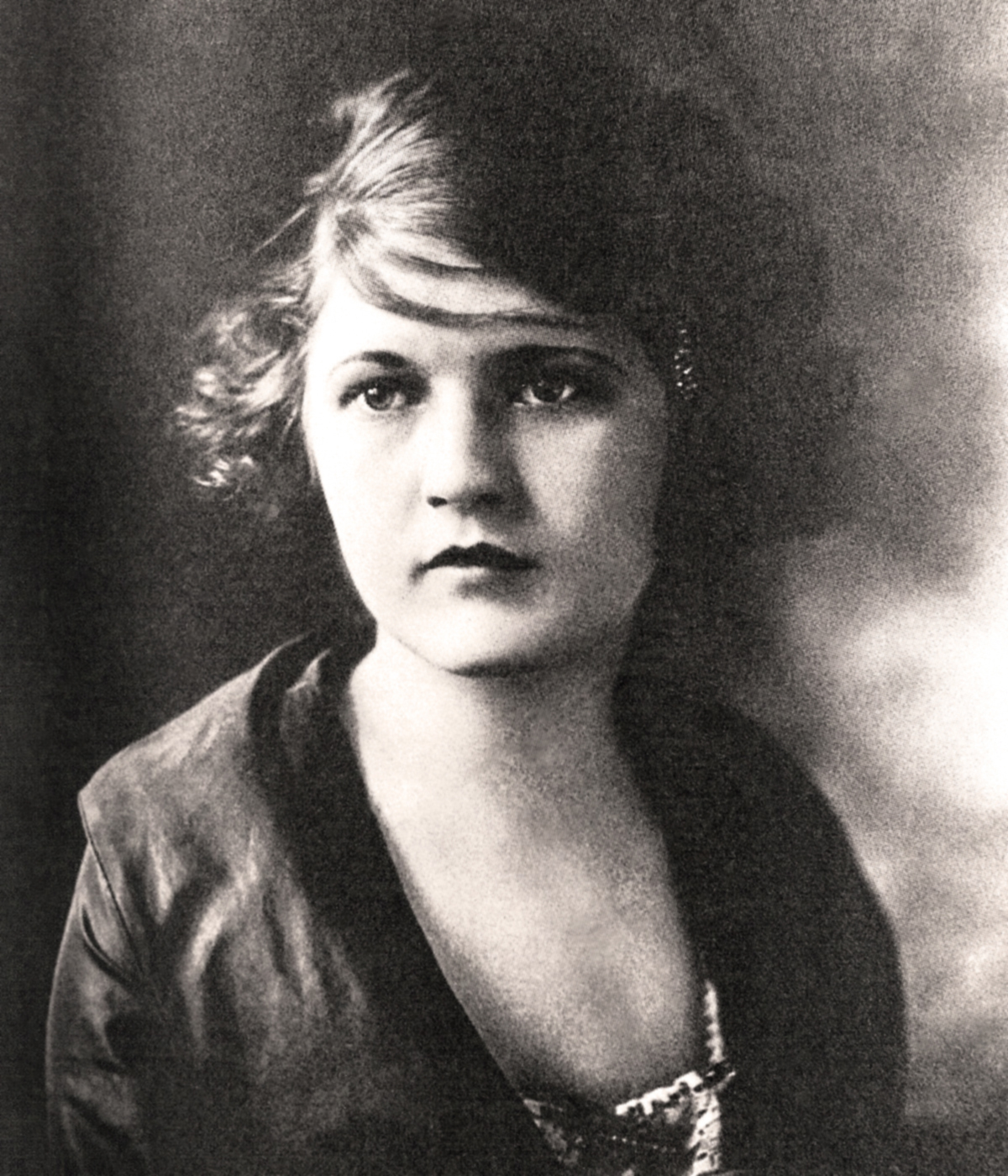
1900Zelda FitzgeraldZelda Fitzgerald was an American novelist, painter, writer, and socialite.
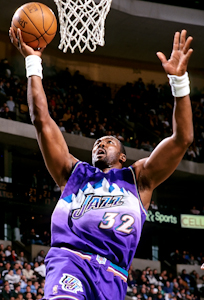
1963Karl Malone(63 this year)Karl Anthony Malone, nicknamed "the Mailman", is an American former professional basketball player who played in the National Basketball Association (NBA) for 18 seasons with the Utah Jazz, and in his last season, the Los Angeles Lakers.
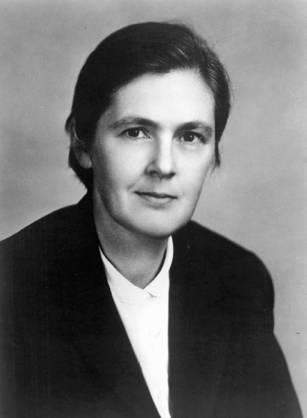
1914Frances Oldham KelseyFrances Kathleen Oldham Kelsey was a Canadian-American pharmacologist and physician who had a 45-year career with the U.S. Food and Drug Administration (FDA).
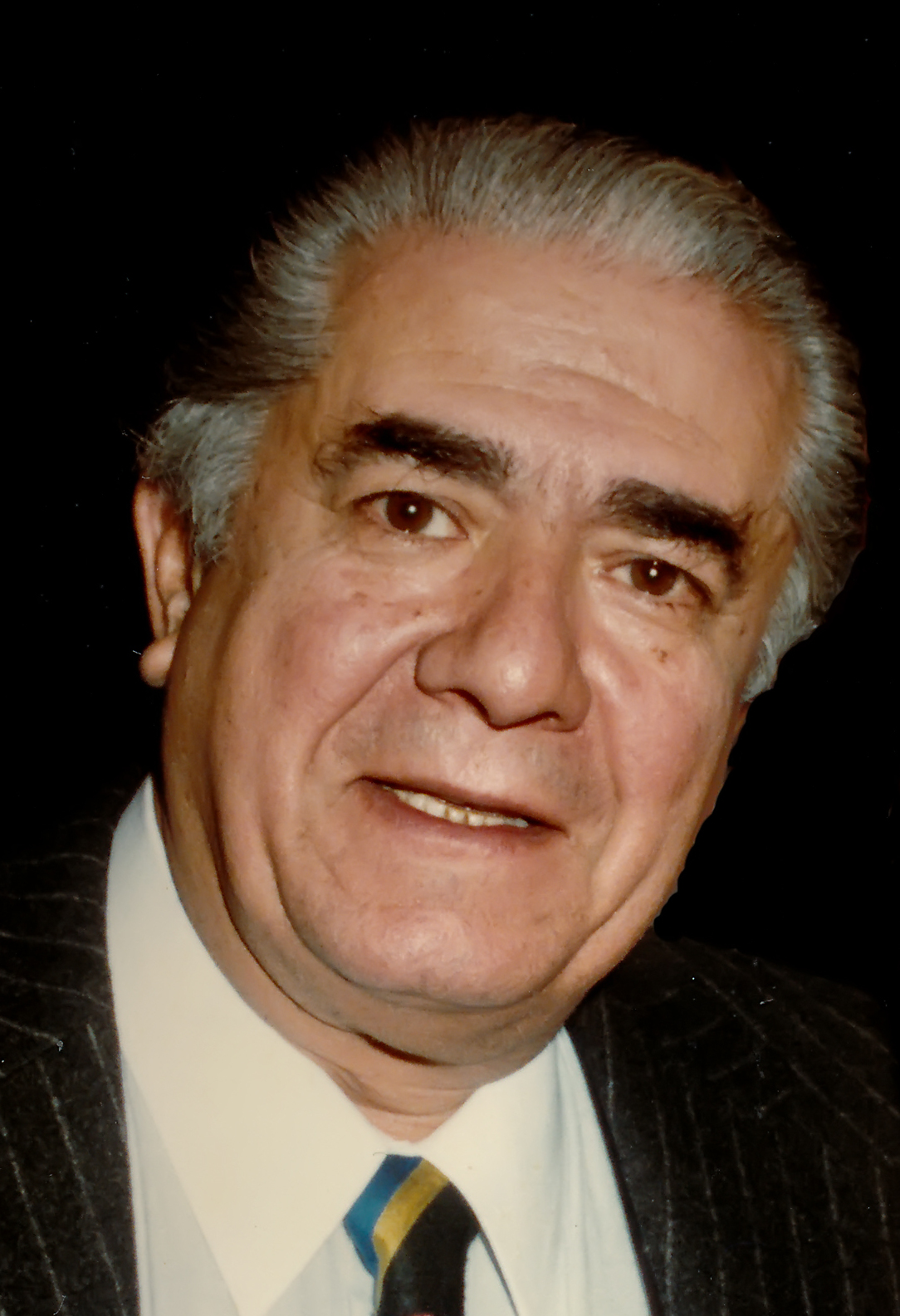
1921Giuseppe Di StefanoGiuseppe Di Stefano was an Italian operatic tenor who sang professionally from the mid-1940s until the early 1990s. Called "Pippo" by both fans and friends, he was known as the "Golden Voice" or "The Most Beautiful Voice", as the true successor of Beniamino Gigli.
1985Patrice Bergeron(41 this year)Patrice Bergeron-Cleary is a Canadian former professional ice hockey centre who played 19 seasons in the National Hockey League, all with the Boston Bruins.
1660Charles TalbotCharles Talbot, 1st Duke of Shrewsbury was a British Whig statesman who was part of the Immortal Seven group that invited William of Orange to depose King James II of England during the Glorious Revolution.
1857Henrik PontoppidanHenrik Pontoppidan was a Danish realist writer who shared with Karl Gjellerup the Nobel Prize for Literature in 1917 for "his authentic descriptions of present-day life in Denmark." Pontoppidan's novels and short stories — informed with a desire for social progress but despairing, later in his life, of its realization — present an unusually comprehensive picture of his country and his epoch.
1860Princess Charlotte of PrussiaPrincess Charlotte of Prussia, Duchess of Saxe-Meiningen was Duchess of Saxe-Meiningen from 1914 to 1918 as the wife of Bernhard III, the duchy's last ruler.
1867Fred TateFrederick William Tate was an English cricketer who played in one Test in 1902.
1878Edward PlunkettEdward John Moreton Drax Plunkett, 18th Baron Dunsany, commonly known as Lord Dunsany, was an Anglo-Irish writer and dramatist.
1886Jun'ichirō TanizakiJun'ichirō Tanizaki was a Japanese author who is considered to be one of the most prominent figures in modern Japanese literature.
1899Chief Dan GeorgeChief Dan George was a chief of the Tsleil-Waututh Nation, a Coast Salish band whose Indian reserve is located on Burrard Inlet in the southeast area of the District of North Vancouver, British Columbia, Canada.
1909John William FinnJohn William Finn was a sailor in the United States Navy who, as a chief petty officer and aviation ordnanceman, received the United States military's highest decoration, the Medal of Honor, for his actions during the attack on Pearl Harbor in World War II.
1919John WinkinJohn W. Winkin Jr. was an American baseball coach, scout, broadcaster, journalist and collegiate athletics administrator.
1928Keshubhai PatelKeshubhai Patel was an Indian politician who was the Chief Minister of Gujarat in 1995 and again from 1998 to 2001.
1930Alfred BalkAlfred Balk was an American reporter, nonfiction author and magazine editor who wrote groundbreaking articles about housing segregation, the Nation of Islam, the environment and Illinois politics.
1931Éric TabarlyÉric Marcel Guy Tabarly was a French naval officer and yachtsman, a naval architect and boat designer too.
1939Walt BellamyWalter Jones "The Big Bell" Bellamy was an American professional basketball player.
1945Azim Premji(81 this year)Azim Hashim Premji is an Indian billionaire businessman and philanthropist who was the chairman of Wipro.
1957Pam Tillis(69 this year)Pamela Yvonne Tillis is an American country music singer, songwriter, record producer, and actress.
1958Jim Leighton(68 this year)James Leighton is a Scottish former professional footballer who played as a goalkeeper.
1960Catherine Destivelle(66 this year)Catherine Destivelle is a French rock climber and mountaineer who is considered one of the greatest and most important climbers in the history of the sport.
1966Aminatou Haidar(60 this year)Aminatou Ali Ahmed Haidar, sometimes spelled as Aminetou, Aminatu or Aminetu, is a Sahrawi human rights activist and an advocate of the independence of Western Sahara.
1968Kristin Chenoweth(58 this year)Kristin Dawn Chenoweth is an American actress and singer, with credits in musical theatre, film, and television.
1979Jerrod Niemann(47 this year)Jerrod Lee Niemann is an American country music singer and songwriter.
Quote of the Day
“It was the best of times, it was the worst of times, it was the age of wisdom, it was the age of foolishness.” — Charles Dickens, A Tale of Two Cities
July 24 History Quiz
Which two leaders engaged in the 'Kitchen Debate' on this date in 1959?
Khrushchev and Nixon
What was the Treaty of Lausanne primarily concerned with?
Settling the partition of the Ottoman Empire
At the 1980 Moscow Olympics, which country won the men's 4x100m medley relay, setting a world record?
Every event on this page was picked by hand from the historical record, written up as a news report, and checked against its source. Photographs are matched to the event they illustrate and verified before they are used. Sources are linked on each story.


 The Agony and the Ecstasy, Irving Stone
 The Passions of the Mind, Irving Stone
 “Eye Of The Tiger”,
  The Parsifal Mosaic, Robert Ludlum
 “Can't Help Falling In Love (From "Sliver")”,
  The Bridges of Madison County, Robert James Waller
 “Confessions Part II”,
  Sam's Letters to Jennifer, James Patterson
 “California Gurls”,
  Private, James Patterson
 “Permission To Dance”,
  Once Upon a Time in Hollywood, Quentin Tarantino