Our front page for July 25 — written and set by The Yesterday Times from the events below. Not an archival document.
Day of the year
206
Days left in 2026
159
In 2026 it falls on a
Saturday
Star sign
Leo
Birthstone
Ruby
On July 25 in 1788, 238 years ago, Mozart's New Symphony in G Minor Enters His Catalogue. This page reports 8 stories from the date, 25 people born on this day.
The stories in full
Musical Chronicle
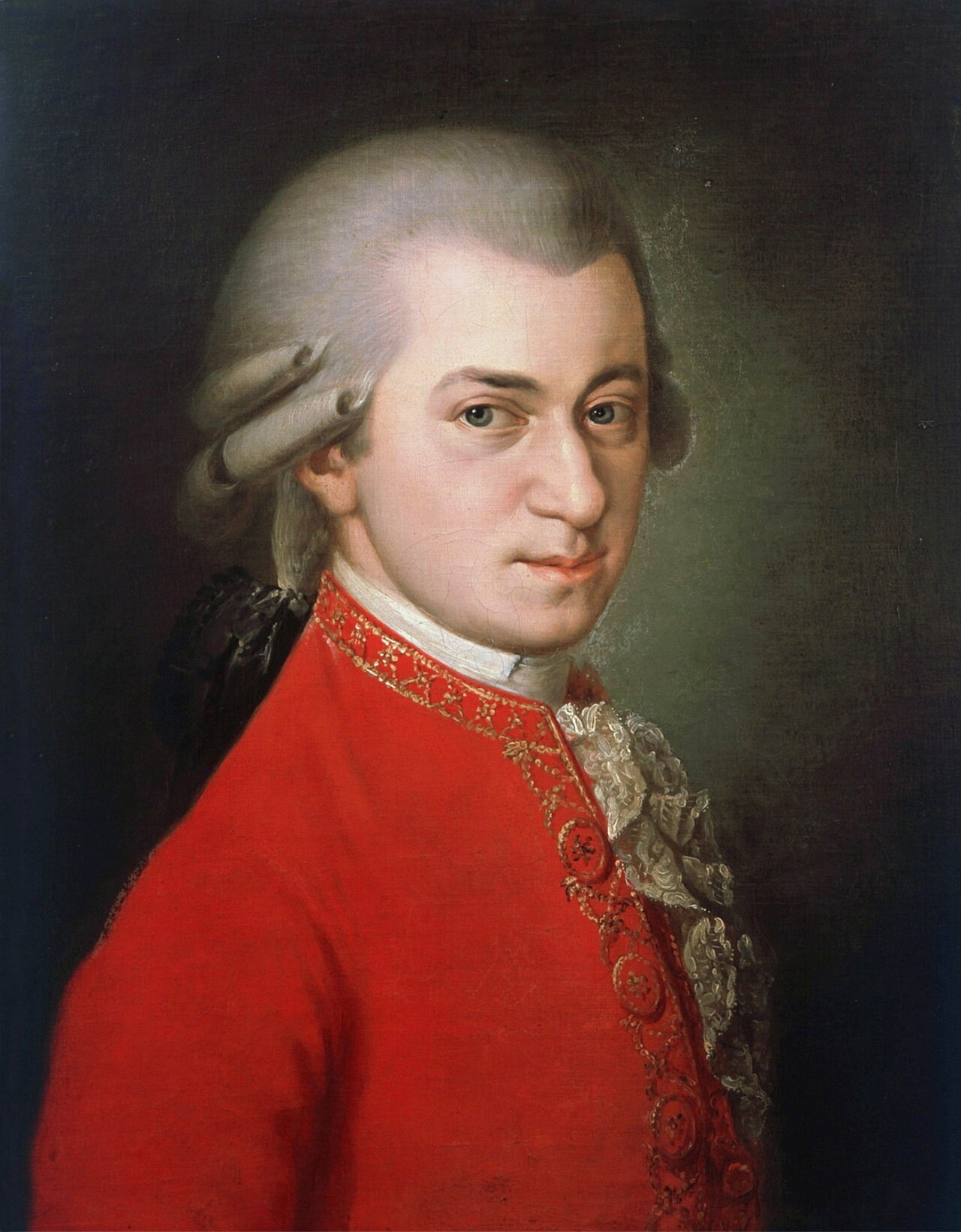
1788 — Mozart's New Symphony in G Minor Enters His Catalogue
Mozart's new Symphony No. 40 in G minor joins his 39th and 41st as part of a summer's swift creation, and a revised version with clarinets exists.
Wolfgang Amadeus Mozart, who completes his masterful Symphony No. 40 in G minor — Barbara Krafft
VIENNA, July 25 — The musical world has received a new symphony of extraordinary depth and melancholy, for Wolfgang Amadeus Mozart has today entered into his catalogue his Symphony No. 40 in G minor, one of only two such works he has penned in a minor key. Its completion crowns a prodigious season of labour, for within the space of a few weeks this summer he has also finished his 39th and 41st symphonies, a trinity of works that will surely stand among the glories of the age. The new symphony, marked by restless agitation and dark-hued passion, already exists in two versions; a revised score adds parts for clarinets, enlarging the instrumental palette of the original. Such is the esteem in which the work is held that Johann Wenzel, a musician of note, wrote on the 10th of July, 1802, recalling a performance at the home of Baron Gottfried van Swieten, with Mozart himself present. It was likewise heard at a concert in the Burgtheater on the 17th of April, 1791, conducted by Antonio Salieri, the imperial Kapellmeister. In later years the manuscripts passed into the hands of Johannes Brahms, who acquired both autograph scores in the 1860s and presented them to the Gesellschaft der Musikfreunde in Vienna, where they are preserved for posterity.
Mozart entered Symphony No. 40 into his catalog on 25 July 1788.
Mozart completed the 40th Symphony during a productive period of a few weeks, also finishing the 39th and 41st symphonies.
The 40th Symphony exists in two versions, one with clarinet parts added in a revised version.
Johannes Brahms acquired the autograph scores of both versions in the 1860s and donated them to the Gesellschaft der Musikfreunde in Vienna.
A 10 July 1802 letter by musician Johann Wenzel refers to a performance of the symphony at Baron Gottfried van Swieten's home with Mozart present.
War Cabinet Despatch
1943 — Fascist Grand Council Ousts Mussolini; King Appoints Badoglio
Grand Council's 19-8 vote leads to Mussolini's arrest and Badoglio's appointment
ROME, July 25 — In a stroke that shatters the twenty-year edifice of Fascist rule, the Grand Council has voted no confidence in Benito Mussolini, and the King has dismissed him. The Duce, who but a day ago seemed the master of Italy, was this afternoon arrested on the orders of Victor Emmanuel III and replaced as Prime Minister by General Pietro Badoglio. The Grand Council's motion passed by a count of 19 to 8, with one abstention, a rebellion that reached into the Duce's own family, for his son-in-law Galeazzo Ciano and Marshal Emilio De Bono were among the nineteen who voted against him. Within hours of the vote, Mussolini was summoned to the royal palace, where the King informed him of his dismissal; upon leaving the meeting, he was taken into custody by carabinieri. The new government under Marshal Badoglio has assumed the reins, and the nation awaits its first acts. Badoglio immediately proclaimed the government’s intention to continue the war alongside Germany, while ordering martial law and a strict censorship of all communications. Rome’s streets remained quiet, though police patrols were doubled and the public awaited official word.
The Grand Council of Fascism voted 19 to 8, with one abstention, to remove Mussolini.
Mussolini's son-in-law Galeazzo Ciano and Marshal Emilio De Bono were among the 19 no-confidence votes.
King Victor Emmanuel III dismissed Mussolini and appointed General Pietro Badoglio as Prime Minister the next day.
Mussolini was arrested immediately after his meeting with the king on July 25, 1943.
Six of those who voted against Mussolini were executed by firing squad on January 11, 1944, after the Verona trial.
Imperial Proclamation
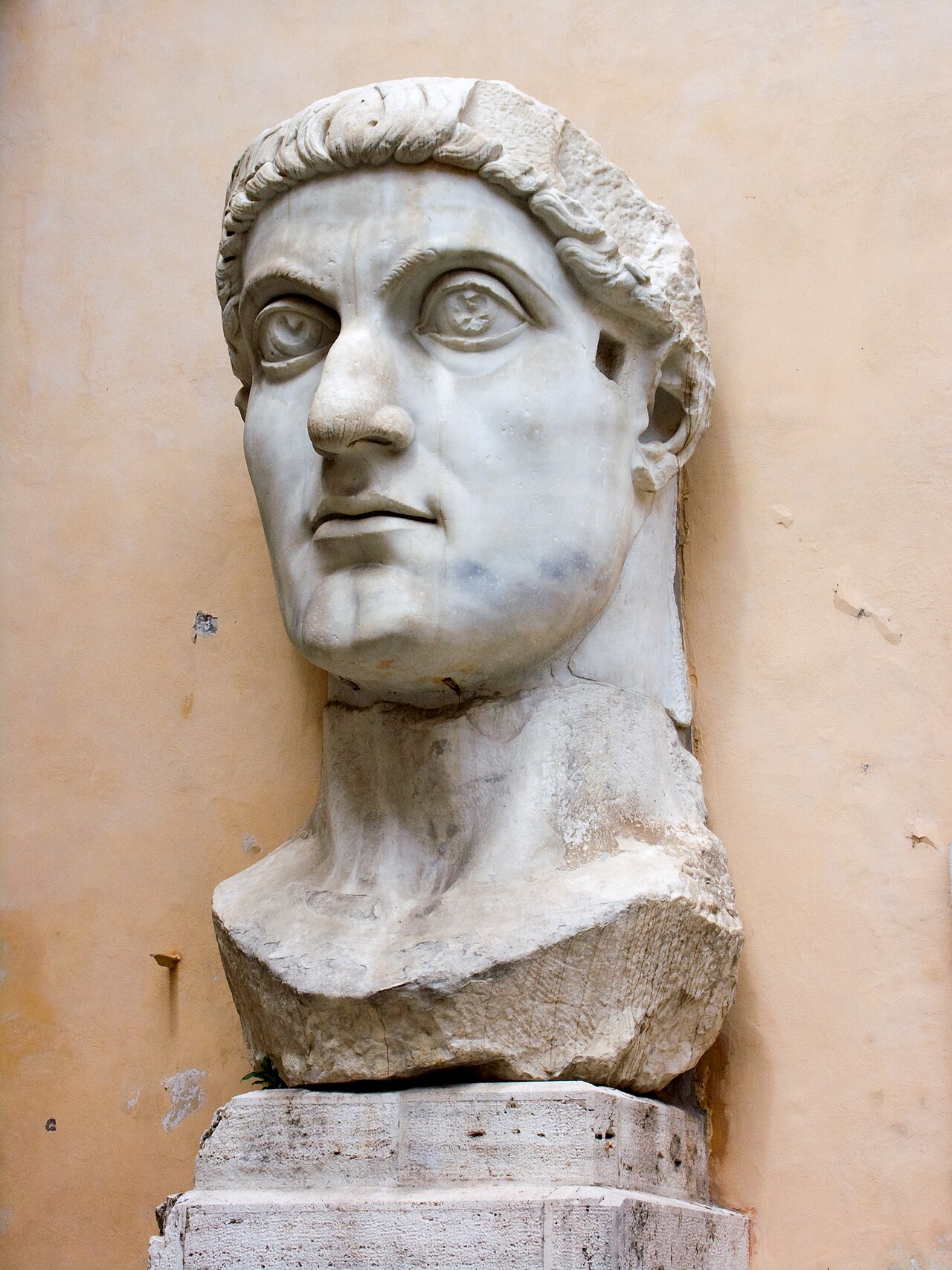
306 — Constantine Raised on Shields at Eboracum
Constantine, proclaimed Augustus at Eboracum after his father's death, will later found a new capital and convene the Council of Nicaea in 325.
Constantine, proclaimed Augustus at Eboracum after his father's death, will later found a new capital and convene the Council of Nicaea in 325. — Jean-Christophe BENOIST
EBORACUM, July 25 — Constantine, son of the Emperor Constantius Chlorus, has been proclaimed Augustus by the legions of Britain, who raised him upon their shields in the camp at this northern outpost. The soldiers acted upon the death of his father, who breathed his last at this very place, and the young commander, already beloved of his men, has accepted their acclamation. The new emperor, who has long shown favor to the Christian faith, is destined to become the first of his line to embrace the cross, and in years to come he will issue the Edict of Milan, which decriminalizes Christian worship throughout the empire. He is said to harbor grand designs, among them the founding of a new capital at Byzantium, which shall bear his name and serve as the seat of empire. He has also convoked the First Council of Nicaea in the year 325, where bishops shall gather to affirm the Nicene Creed. The solidus, a new gold coin he introduced, will become the standard currency for centuries.
Constantine was proclaimed emperor by his army at Eboracum (York, England) after his father's death in 306.
Constantine was the first Roman emperor to convert to Christianity and issued the Edict of Milan decriminalizing Christian practice.
He founded the city of Constantinople (now Istanbul) and made it the capital of the Roman Empire.
Constantine introduced the solidus, a new gold coin that became the standard for Byzantine and European currencies for over a thousand years.
He convoked the First Council of Nicaea in 325, which produced the Nicene Creed.
Aviation Desk
2000 — Concorde Crash Kills 113 Near Paris
Supersonic jet hits hotel two minutes after takeoff — all aboard and four on ground dead
GONESSE, July 25 — All 109 people on board Air France Flight 4590, a Concorde bound for New York, were killed when the jet crashed into a hotel here two minutes after takeoff from Charles de Gaulle Airport, along with four people on the ground. The jet, 25 years old with 11,989 flight hours, had been chartered by a German cruise line for passengers bound for New York.
All 109 people on board and 4 people on the ground were killed in the crash.
The Concorde ran over a titanium alloy wear strip dropped by Continental Airlines Flight 55, a DC-10, during takeoff.
The crash occurred two minutes after takeoff from Charles de Gaulle Airport, when the jet hit a hotel in Gonesse.
The flight was chartered by German company Peter Deilmann Cruises for passengers boarding the MS Deutschland in New York.
The aircraft involved was a 25-year-old Aérospatiale-BAC Concorde (registration F-BTSC) with 11,989 flight hours.
Space Desk
1976 — Viking 1 Photographs Apparent Face on Mars
Orbiter's camera captures 1.5-mile mesa in Cydonia that resembles human visage — scientists urge caution
PASADENA, July 25 — The Viking 1 orbiter photographed an apparent face on Mars today, a mesa in the Cydonia region that resembles a human visage. The formation, about 1.5 miles (2.5 km) across, is a classic example of pareidolia, where the eye finds familiar shapes in random patterns.
Viking 1 photographed the Cydonia region of Mars on July 25, 1976.
The image showed a mesa that resembled a human face, later called the 'Face on Mars'.
The 'Face on Mars' is about 1.5 miles (2.5 km) across.
The apparent face was later revealed by higher-resolution images to be a natural landform.
National Desk
2007 — Patil Sworn In As India's First Female President
12th President takes oath in New Delhi — vows not to be a 'rubber-stamp' — won with nearly two-thirds of votes
NEW DELHI, July 25 — Pratibha Patil took the oath of office in the central hall of Parliament, becoming India's 12th President and the first woman to hold the post. She won the election on July 19 with nearly two-thirds of the votes.
She took oath as India's 12th President, the first woman to hold the position, on 25 July 2007.
She won the presidential election on 19 July 2007 with nearly two-thirds of the votes.
She was announced as the United Progressive Alliance candidate on 14 June 2007.
She emerged as a compromise candidate after left-wing parties opposed Shivraj Patil or Karan Singh.
She stated she had no intention of being a 'rubber-stamp president'.
Strategopoulos' 800 soldiers enter through secret passage — Latin Emperor Baldwin II flees by ship — Michael VIII to be crowned at Hagia Sophia
CONSTANTINOPLE, July 25 — The Byzantine Empire has been restored after 57 years of Latin rule, as Nicaean forces under Alexios Strategopoulos recaptured this ancient capital. The small advance force of 800 soldiers entered through a secret passage near the Gate of the Spring during the night, surprising the Latin guards and opening the gate. After a short struggle, they gained control of the land walls. Latin Emperor Baldwin II and many inhabitants fled to the Golden Horn and escaped by ship as the Nicaeans set fire to Venetian buildings. Emperor Michael VIII will enter the city in triumph on August 15 and be crowned at Hagia Sophia, ending the Latin Empire that had held Constantinople since the Fourth Crusade.
Alexios Komnenos Strategopoulos led a small advance force of 800 soldiers to recapture Constantinople from the Latin Empire in July 1261.
Strategopoulos' men entered the city through a secret passage near the Gate of the Spring on the night of 24/25 July 1261.
The Nicaeans surprised the Latin guards, opened the gate, and gained control of the land walls after a short struggle.
Latin Emperor Baldwin II and inhabitants fled to the Golden Horn and escaped by ship as the Nicaeans set fire to Venetian buildings.
Emperor Michael VIII entered Constantinople in triumph on 15 August 1261 and was crowned at Hagia Sophia, restoring the Byzantine Empire.
Court Gazette
1547 — Henry II Crowned King of France at Reims
28-year-old monarch succeeds Francis I — edict against blasphemy reaffirmed — new heresy chamber to be created
REIMS, July 25 — In a ceremony of great splendor, Henry II was crowned King of France at Reims Cathedral, succeeding his father Francis I, who died on March 31, Henry's 28th birthday. The new king has already reaffirmed an edict against blasphemy, including judicial torture and public whipping.
He was crowned at Reims Cathedral on 25 July 1547.
Henry succeeded his father Francis I, who died on 31 March 1547, Henry's 28th birthday.
An edict of 5 April 1547 reaffirmed punishments for blasphemy including judicial torture and public whipping.
In October 1547, Henry created a new chamber for heresy cases in the Parlement of Paris, the chambre ardente.
What the papers printed that morning
Real front pages from 25 July 1943, scanned by the Library of Congress. These are archival documents, not our work.
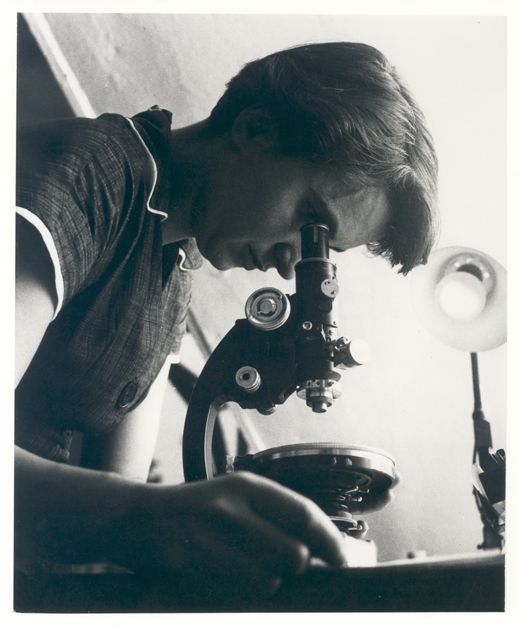
1920Rosalind FranklinRosalind Elsie Franklin was an English chemist and X-ray crystallographer.
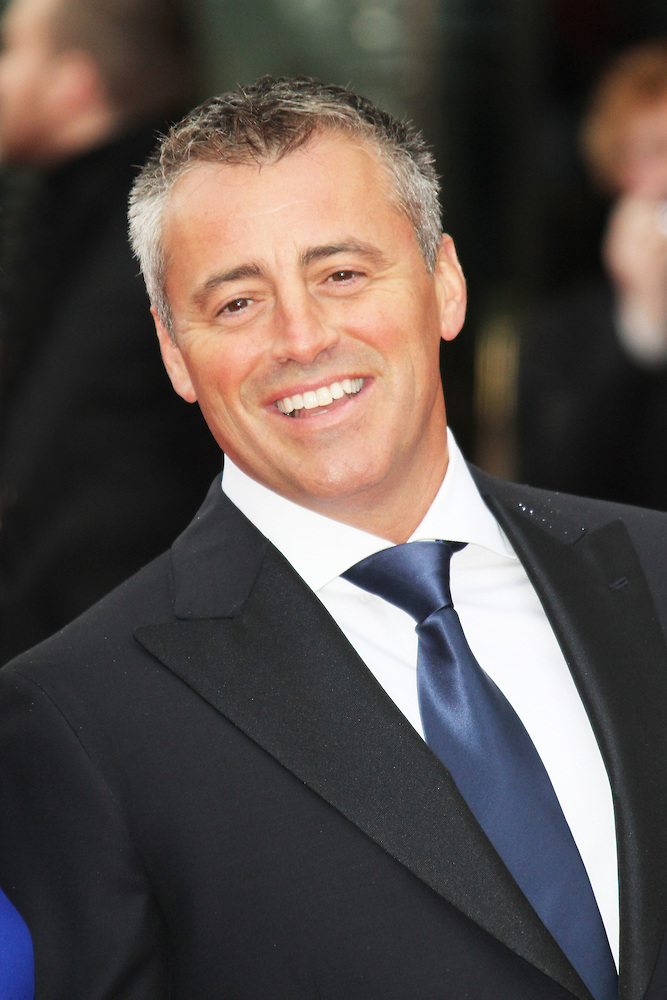
1967Matt LeBlanc(59 this year)Matthew Steven LeBlanc is an American actor.
1995Alvin Kamara(31 this year)Alvin Mentian Kamara is an American professional football running back for the New Orleans Saints of the National Football League (NFL).
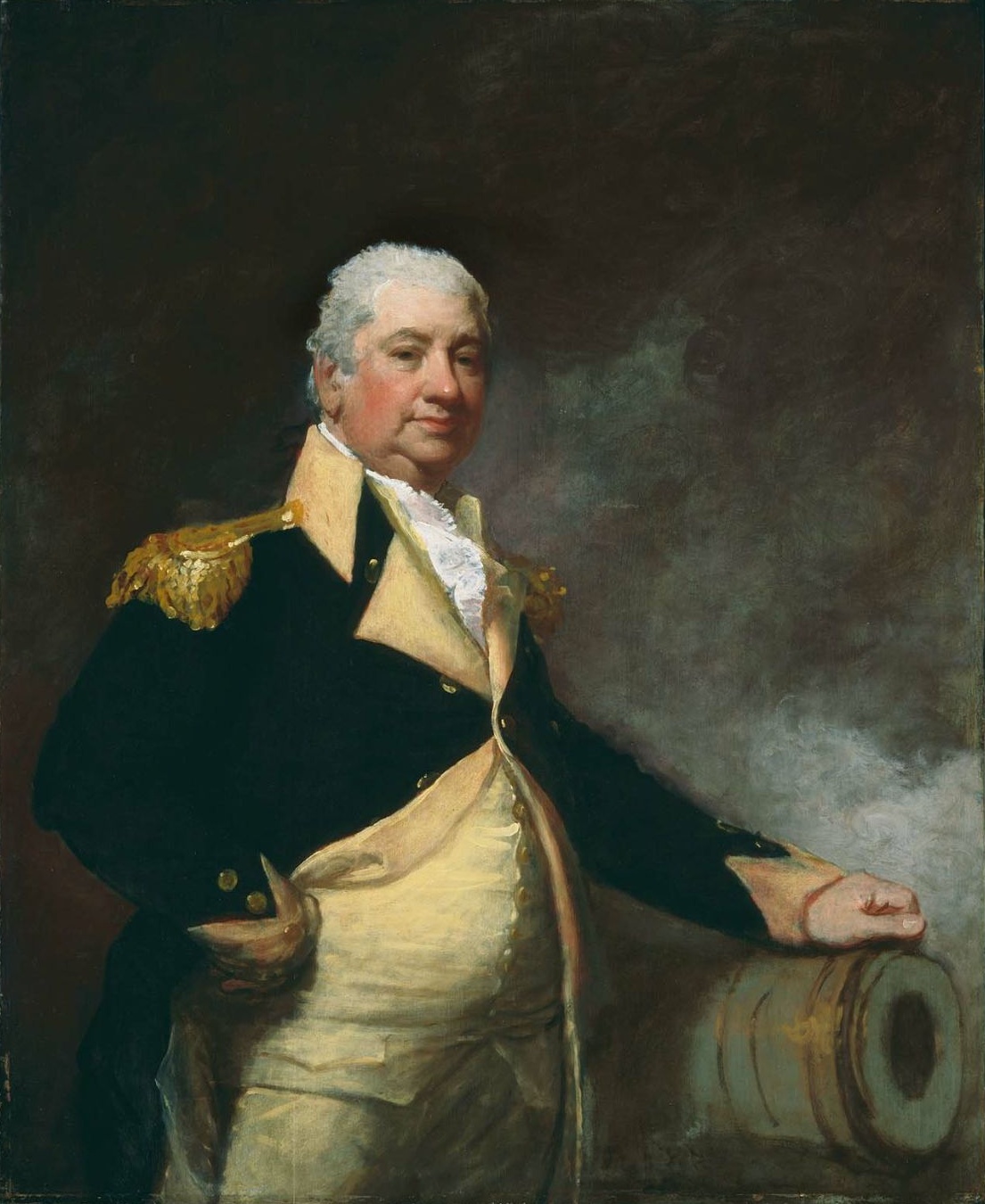
1750Henry KnoxHenry Knox was an American military officer, politician, bookseller, and a Founding Father of the United States.
1941Nate ThurmondNathaniel Thurmond was an American professional basketball player who spent the majority of his 14-year career in the National Basketball Association (NBA) with the Golden State Warriors franchise.
1902Eric HofferEric Hoffer was an American philosopher and social critic.
1857Frank J. SpragueFrank Julian Sprague was an American inventor who contributed to the development of the electric motor, electric railways, and electric elevators.
1394James IJames I was King of Scots from 1406 to 1437.
1861Andrew LawsonAndrew Cowper Lawson was a Scots-born Canadian geologist who became professor of geology at the University of California, Berkeley.
1894Walter BrennanWalter Andrew Brennan was an American actor and singer.
1896Josephine TeyElizabeth MacKintosh, known by the pen name Josephine Tey, was a Scottish author.
1901Mohammed HelmyMohammed ″Mod″ Helmy was an Egyptian-German physician who was recognized by Israel as one of the Righteous Among the Nations in 2013, with his name being listed at Yad Vashem in the city of Jerusalem.
1908Bill BowesWilliam Eric Bowes was an English professional cricketer active from 1929 to 1947 who played in 372 first-class matches as a right arm fast bowler and a right-handed tail end batsman.
1922John B. GoodenoughJohn Bannister Goodenough was an American materials scientist, a solid-state physicist, and a Nobel laureate in chemistry.
1935Larry SherryLawrence Sherry was an American professional baseball player and coach.
1948Steve GoodmanSteven Benjamin Goodman was an American folk and country singer-songwriter from Chicago.
1953Robert Zoellick(73 this year)Robert Bruce Zoellick is an American lawyer and government official who was the 11th president of the World Bank Group from 2007 to 2012.
1957Mark Hunter(69 this year)Mark James Hunter is a British Liberal Democrat politician and former leader of Stockport Metropolitan Borough Council who became Member of Parliament (MP) for Cheadle at a 2005 by-election.
1958Alexei Filippenko(68 this year)Alexei Vladimir "Alex" Filippenko is an American astrophysicist and professor of astronomy at the University of California, Berkeley.
1960Justice Howard(66 this year)Justice Howard is an American photographer whose work includes shooting erotica, pin-up and celebrities.
1961Illeana Douglas(65 this year)Illeana Hesselberg, known professionally as Illeana Douglas, is an American actress and filmmaker.
1962Doug Drabek(64 this year)Douglas Dean Drabek is an American former professional baseball pitcher, and a current minor league baseball coach.
1969Annastacia Palaszczuk(57 this year)Annastacia Palaszczuk is an Australian politician who served as the 39th premier of Queensland from 2015 to 2023.
1971Billy Wagner(55 this year)William Edward Wagner, nicknamed "Billy the Kid", is an American former professional baseball pitcher who played 16 seasons in Major League Baseball (MLB) for the Houston Astros, Philadelphia Phillies, New York Mets, Boston Red Sox, and Atlanta Braves from 1995 to 2010.
1975Brian Gibson(51 this year)Brian Gibson is an American musician, artist, and video game designer based in Providence, Rhode Island.
Quote of the Day
“Some are born great, some achieve greatness, and some have greatness thrust upon them.” — William Shakespeare, Twelfth Night
July 25 History Quiz
Who was proclaimed Roman emperor by his troops on July 25, 306 AD?
Constantine the Great
In 1943, which body voted no confidence in Italian dictator Benito Mussolini?
Grand Council of Fascism
What was the name of the Air France flight that crashed on July 25, 2000?
Every event on this page was picked by hand from the historical record, written up as a news report, and checked against its source. Photographs are matched to the event they illustrate and verified before they are used. Sources are linked on each story.


 “I'm Sorry”,
 Advise and Consent, Allen Drury
 Love Story, Erich Segal
 “The One That You Love”,
  Noble House, James Clavell
 “Baby Got Back”,
 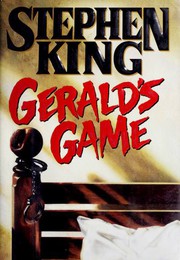 Gerald's Game, Stephen King
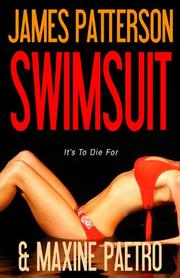 Swimsuit, James Patterson and Maxine Paetro
 “Cheerleader”,
  Grey, E. L. James
 “Rockstar”,
 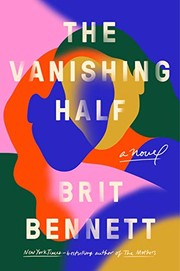 The Vanishing Half, Brit Bennett