Our front page for July 26 — written and set by The Yesterday Times from the events below. Not an archival document.
Day of the year
207
Days left in 2026
158
In 2026 it falls on a
Sunday
Star sign
Leo
Birthstone
Ruby
On July 26 in 2016, 10 years ago, Clinton First Woman to Win Major Party Nomination. This page reports 12 stories from the date, 25 people born on this day.
The stories in full
National Desk
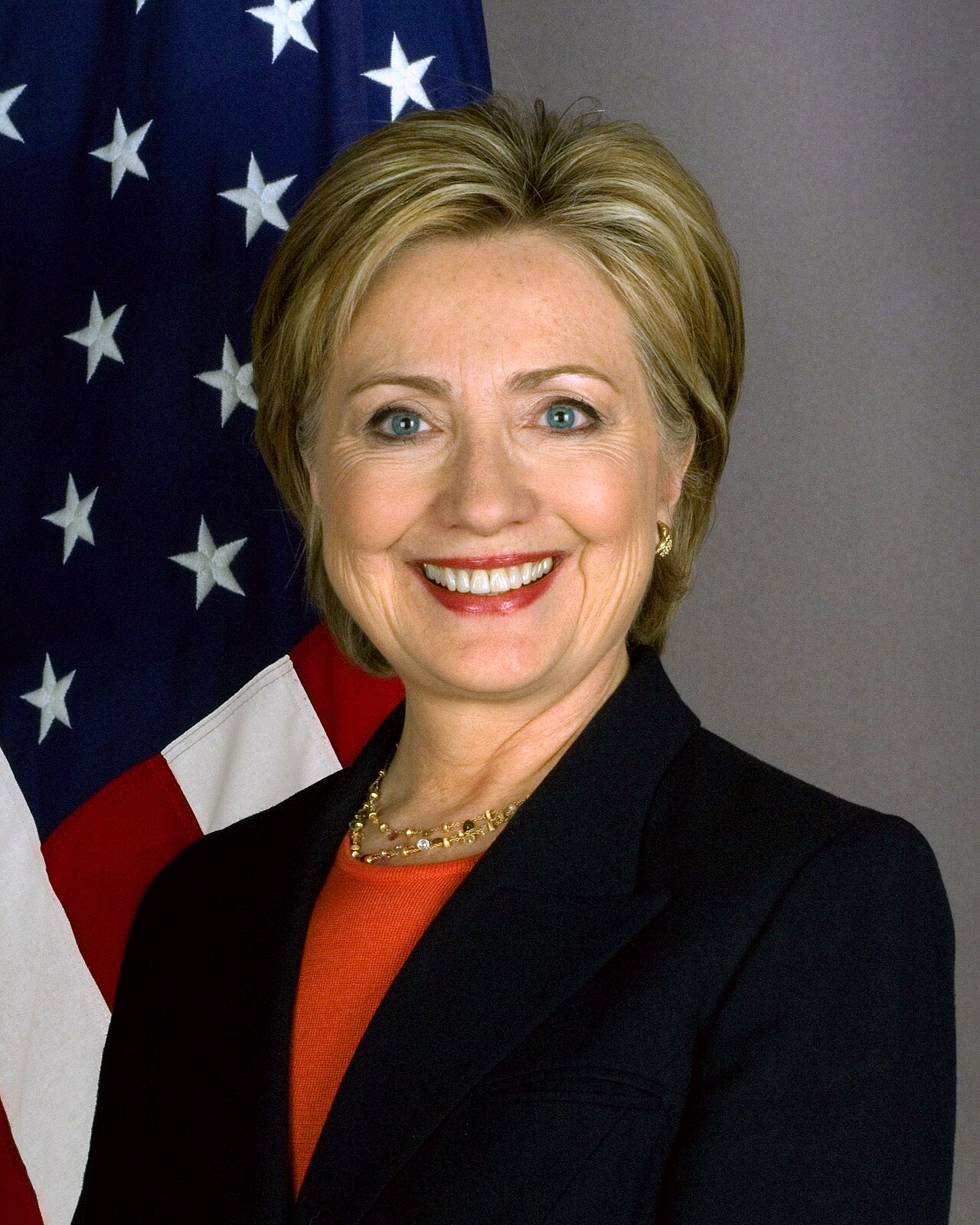
2016 — Clinton First Woman to Win Major Party Nomination
Hillary Clinton secured the Democratic nomination on Tuesday, becoming the first woman to lead a major party ticket in the republic's 227-year history.
For the first time in the 227-year history of the American republic, a major political party has chosen a woman to be its standard-bearer for the presidency. Hillary Clinton, the former secretary of state and senator from New York, secured the Democratic nomination on Tuesday at the party's convention in Philadelphia, defeating Senator Bernie Sanders of Vermont in a hard-fought primary struggle that stretched from the snows of Iowa to the final June contests.
Clinton's triumph rewrites a political rulebook that had stood since the founding era, when the franchise itself was limited to white men of property. Her victory came after a year of campaigning in which she assembled a coalition of women, minorities, and establishment Democrats, while Sanders rallied a youth movement with promises of a political revolution.
The roll call vote, conducted state by state on the convention floor, gave Clinton the delegate majority she needed. In her acceptance, she cast the moment as a step forward for all Americans, though she reserved her sharpest words for the Republican nominee, Donald Trump, whom she accused of dividing the country.
Trump, the real estate mogul, had clinched the Republican nomination weeks earlier. The general election, to be held November 8, will test whether Clinton's historic candidacy can overcome the Electoral College arithmetic that has frustrated Democrats in recent cycles.
Clinton became the first woman to win a presidential nomination by a major U.S. political party.
Clinton secured the Democratic nomination over U.S. senator Bernie Sanders in the 2016 primary.
Clinton lost the United States Electoral College vote to Republican nominee Donald Trump.
Trump received 304 electoral votes to Clinton's 227, with two faithless electors defecting from Trump and five from Clinton.
Clinton won the nationwide popular vote by 2.87 million votes but lost the Electoral College.
Foreign Desk
1936 — King Edward Unveils Vimy Memorial in France
King Edward VIII unveils the Canadian National Vimy Memorial, drawing more than 50,000, including 6,200 from Canada.
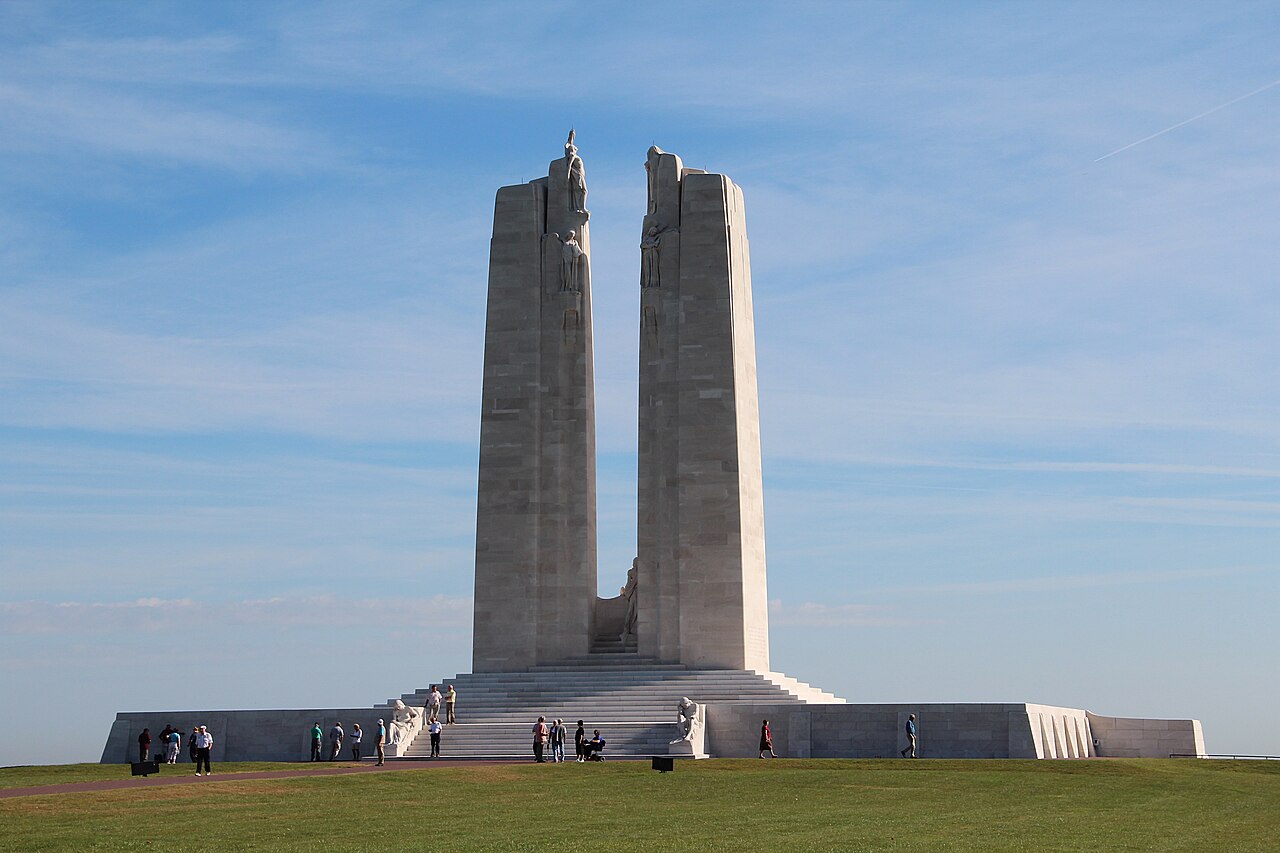
The Canadian National Vimy Memorial, a tribute to Canadian soldiers of the Great War — Jean-Pol GRANDMONT
King Edward VIII today unveiled the Canadian National Vimy Memorial, the towering tribute to the 66,000 Canadian Expeditionary Force members who fell in the Great War. The ceremony, held on Vimy Ridge in Pas-de-Calais, drew more than 50,000 people, among them 6,200 who traveled from Canada. French President Albert Lebrun stood beside the King as the monument, designed by Walter Seymour Allward, was revealed after eleven years of construction. France has ceded to Canada the perpetual use of the 100 hectares of land surrounding the memorial. It is one of only two Canadian National Historic Sites located outside the country.
King Edward VIII unveiled the memorial on 26 July 1936 in the presence of French President Albert Lebrun.
The crowd at the unveiling numbered over 50,000, including 6,200 attendees from Canada.
Designer Walter Seymour Allward took eleven years to build the monument.
France ceded to Canada the perpetual use of 100 hectares of land on Vimy Ridge for the memorial park.
The memorial is one of only two National Historic Sites of Canada located outside the country.
Empire Dispatch
1778 — Czarina Orders Christians Out of Crimea
Greek and Armenian Christians are being moved from the Crimea to Pryazovia by imperial order.
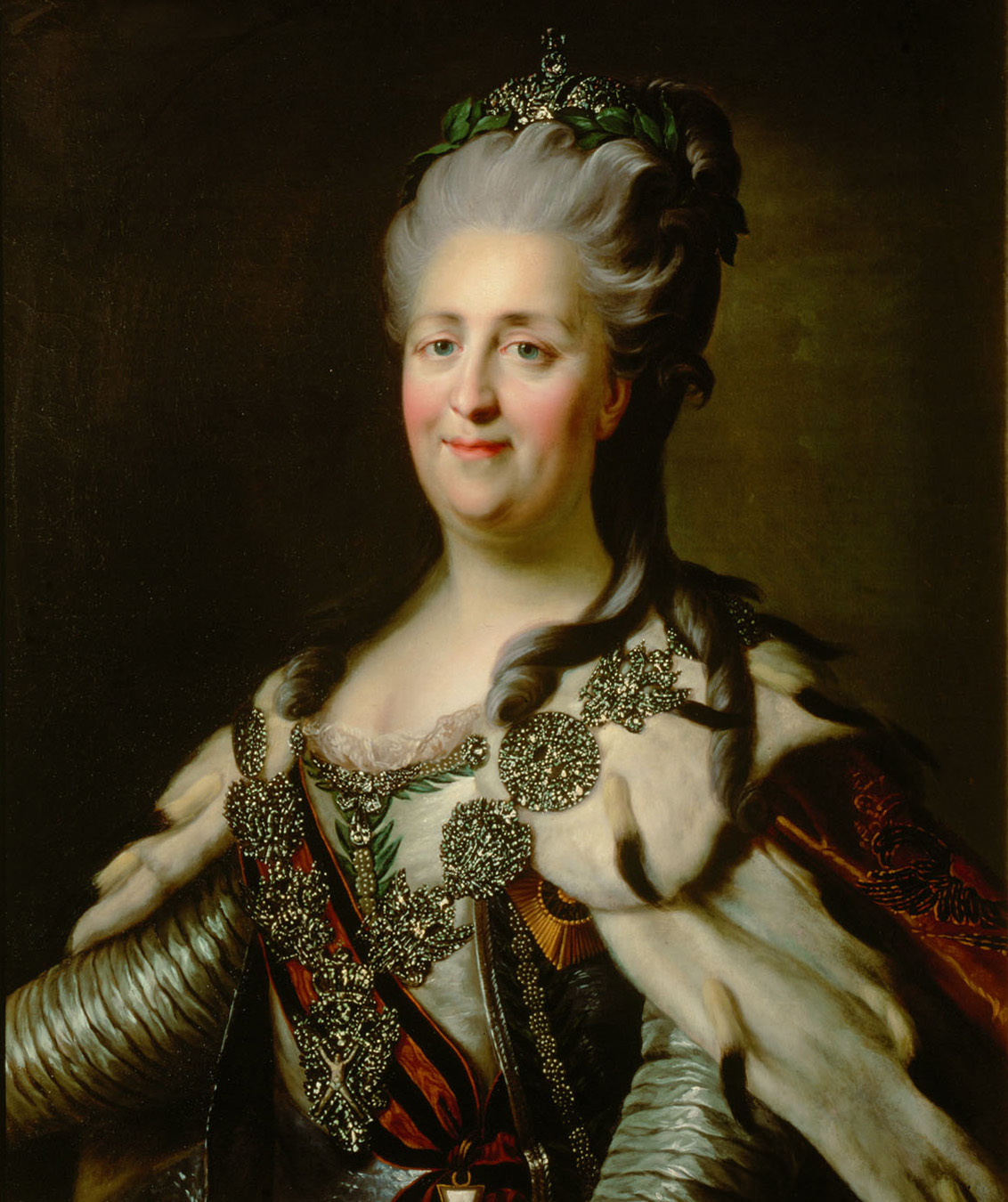
Greek and Armenian Christians are being moved from the Crimea to Pryazovia by imperial order. — After Alexander Roslin
Tens of thousands of Greek and Armenian Christians are to be removed from the Crimea, by order of Her Imperial Majesty Catherine the Great. The first of these families have already been conducted from their ancient homes, and are now being resettled in the neighbouring region of Pryazovia.
This measure, undertaken by the Empress's express command, will depopulate the peninsula of its Christian inhabitants. It is said that the Czarina designs to people those southern steppes with a more loyal and industrious race.
The removal is expected to proceed in successive companies, until the whole number is transported.
On the orders of Catherine the Great the first of tens of thousands of Greek and Armenian Christians were removed from Crimea and resettled in Pryazovia.
Literary Notes
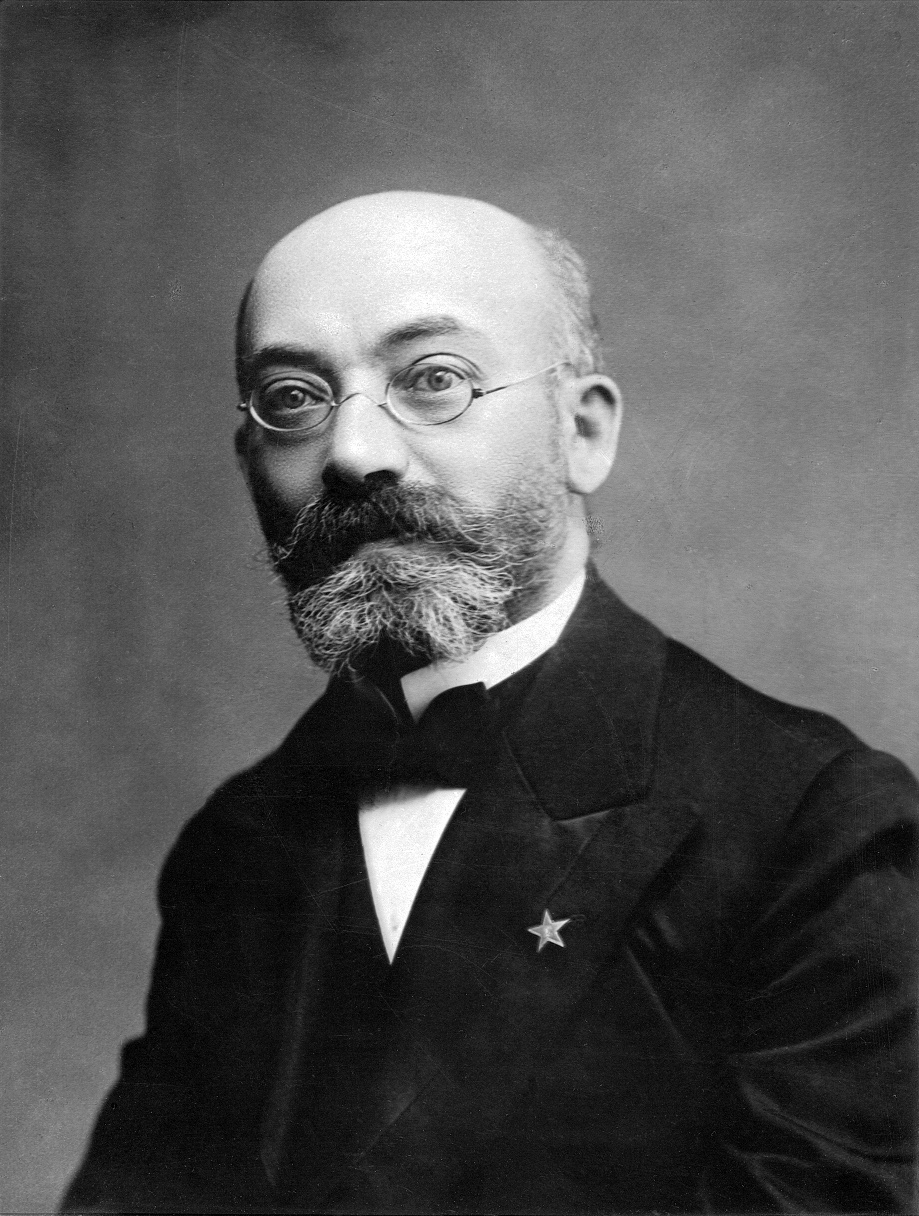
1887 — Zamenhof's Universal Tongue
Published in 1887, Zamenhof's booklet offers a simplified language, which its first readers renamed Esperanto.
L. L. Zamenhof, the creator of Esperanto, who published the language's foundational Unua Libro — Wikimedia Commons
Warsaw, July 26. Dr. L. L. Zamenhof, an oculist, has published the first book on his proposed international language, issued in Russian under the title "Международный языкъ." The 1887 booklet, penned under the pseudonym "Doktoro Esperanto," presents a complete grammar and vocabulary for an easily learned tongue. Zamenhof originally called his invention "Lingvo internacia," but its first students have renamed it Esperanto after his pen name, a term that now seems likely to stick. The author has accepted this popular usage with good humor. The pamphlet, funded by his future wife's father, contains sixteen grammar rules and a vocabulary drawn mainly from European languages, with all irregularities abolished and spelling matching pronunciation. Zamenhof's aim is a neutral language fostering peace among peoples. The work has drawn attention in Russian and Polish circles, with copies circulating among scholars; whether the world will embrace such an artificial speech remains to be seen.
Zamenhof published the first Esperanto book in Russian in 1887 under the pseudonym 'Doktoro Esperanto'.
The book was titled 'Международный языкъ. Предисловіе и полный учебникъ' (International language: Introduction and complete textbook).
Zamenhof initially called his language 'Lingvo internacia', but learners renamed it Esperanto after his pseudonym.
Zamenhof received financial help from his future wife's father to publish the booklet describing the language in 1887.
Asia Desk
1993 — Asiana Jet Crashes Into Korean Mountain; 68 Dead
The Boeing 737-500 hit Mount Ungeo at 240 meters altitude, killing all 68 of 116 aboard.
The wreckage of Asiana Airlines Flight 733 lies scattered on Mount Ungeo, 80 meters below the 320-meter peak, where the Boeing 737-500 struck at 240 meters altitude. All 68 of the 116 passengers and crew died, including both pilots and three Japanese and two American nationals. The cockpit voice recorder captured Captain Hwang saying "okay, eight hundred" seconds before impact, well below the 1,600-foot minimum safe altitude. Mokpo Airport, lacking an ILS, forced multiple landing attempts in heavy rain and wind. Two survivors ran to Hwawon-myeon village to report the crash. It was Asiana's first fatal accident and the first hull loss of a 737-500.
The Boeing 737-500 struck Mount Ungeo at 240 meters altitude, 80 meters below its 320-meter peak.
68 of the 116 passengers and crew were killed, including both pilots and three Japanese and two American nationals.
The crash was Asiana Airlines' first fatal accident and the first hull loss of a Boeing 737-500.
The cockpit voice recorder captured Captain Hwang saying 'okay, eight hundred' seconds before impact, flying below the 1,600-foot minimum safe altitude.
Two surviving passengers escaped the wreckage and ran to the Hwawon-myeon village below the mountain to report the crash.
War Desk
1953 — Samichon Battle Ends Hours Before Truce Signed
UN troops held the Samichon line, repelling an assault with an estimated 2,000 to 3,000 enemy killed hours before the armistice.
The last battle of the Korean War ended only a few hours before the armistice was signed, with United Nations troops holding the line along the Samichon River. The 2nd Battalion, Royal Australian Regiment and the US 7th Marine Regiment repelled a Chinese assault, with UN sources estimating 2,000 to 3,000 enemy killed. The agreement, signed shortly after fighting ceased, required both sides to withdraw 2 kilometres within 72 hours, creating a 4-kilometre Demilitarised Zone. The guns fell silent at last, and the peninsula settled into an uneasy peace.
The battle was the last of the war before the official signing of the Korean armistice.
UN sources estimated PVA casualties at 2,000 to 3,000 killed.
The armistice agreement was signed only a few hours after the battle ended.
Both sides withdrew 2 kilometres within 72 hours to create the 4-kilometre Korean Demilitarised Zone.
Defending UN troops included the 2nd Battalion, Royal Australian Regiment and the US 7th Marine Regiment.
Northern Ireland
2012 — Dissident Republicans Merge to Form New IRA
The Real IRA and Republican Action Against Drugs join other small dissident groups to create the New IRA, which still calls itself 'the Irish Republican Army.'
The long splintering of Irish republicanism entered a new phase as the Real IRA merged with Republican Action Against Drugs and other small dissident groups to form the New IRA, which still calls itself "the Irish Republican Army."
Republican Action Against Drugs and other small republican militant groups merged with the Real IRA on 26 July 2012 to form the New IRA.
The New IRA continues to refer to itself as 'the Irish Republican Army'.
In November 2012, the New IRA claimed responsibility for killing a prison officer near Lurgan, the first such killing since 1993.
The PSNI estimated the New IRA had between 250 and 300 military activists as of 2012.
The New IRA is the largest and most active dissident republican paramilitary group, though smaller than the original IRA.
National
2007 — Shambo the Bull Seized Amid TB Controversy
Police used bolt cutters at 4:00 pm on 26 July to seize Shambo from the temple.
Shambo, the black Friesian bull adopted by the Hindu community at Skanda Vale Temple, was seized at about 4:00 pm on 26 July, when police used bolt cutters to open the gate and brought an animal trailer and four riot vans.
Shambo was a black Friesian bull living at the interfaith Skanda Vale Temple near Llanpumsaint, Wales.
On 15 July 2007, Deputy High Court judge Gary Hickinbottom ruled slaughtering Shambo would violate human rights under Article 9 of the European Convention.
The Court of Appeal upheld the Welsh Assembly Government's appeal on 23 July 2007, allowing Shambo's slaughter.
Shambo was seized on 26 July 2007 and slaughtered the next day; a postmortem revealed lesions 'typical of TB'.
At about 4:00 pm on 26 July, police used bolt cutters to enter the gate and brought an animal trailer and four riot vans.
Southwest Desk
1953 — 400 Seized in Arizona Polygamy Raid
Governor Pyle sends troops to Short Creek, arresting hundreds in a crackdown on plural marriage.
Four hundred Mormon fundamentalists were arrested at Short Creek, Arizona, on July 26, 1953, as Governor John Howard Pyle sent troops to halt polygamy. The raid, known as the Short Creek raid, triggered a two-year legal battle that damaged Pyle's political career.
On July 26, 1953, Arizona Governor John Howard Pyle sent troops into the Short Creek community to stop polygamy.
The raid became known as the Short Creek raid.
The two-year legal battle that followed damaged Governor Pyle's political career.
The raid set a hands-off tone toward the town in Arizona for the next 50 years.
The Short Creek community was founded in 1913 by members of the Council of Friends, a breakaway Mormon group, to practice plural marriage.
Saigon Bureau
1968 — Thieu Jails Election Rival Dzu
South Vietnamese military court convicts opposition candidate on currency charges after rigged 1967 vote.
President Nguyễn Văn Thiệu jailed his 1967 election opponent, Trương Đình Dzu, after a military court convicted him of illicit currency transactions. Dzu had finished second in a rigged presidential poll. Opposition candidates faced death penalty charges for conspiring with North Vietnam.
President Nguyễn Văn Thiệu rigged the 1967 presidential election and jailed his opponent.
Diệm's brother Nhu rigged the October 1955 referendum, leading Diệm to proclaim himself president.
Opposition candidates were threatened with death penalty charges for conspiring with North Vietnam.
ARVN troops stuffed ballot boxes in many areas during Diệm's rigged elections.
Dissidents, both communist and nationalist, were jailed and executed in the thousands under Diệm.
Northern Campaign
1759 — French Blast Fort Carillon, Retreat
De Bourlamaque mines powder magazine on July 26, 1759; walls hold, garrison withdraws.
On the shores of Lake Champlain, the powder magazine of Fort Carillon erupted in flames on July 26, 1759, as French Brigadier General François-Charles de Bourlamaque tried to destroy the fort rather than face the approaching British. The blast wrecked the magazine but left the walls standing.
French Brigadier General François-Charles de Bourlamaque attempted to blow up Fort Carillon rather than defend it against approaching British forces.
The fort's powder magazine was destroyed, but its walls were not severely damaged by the explosion.
The British force under General Sir Jeffery Amherst numbered more than 11,000 men, while the French garrison had only 400.
De Bourlamaque operated under instructions from General Louis-Joseph de Montcalm and Governor the Marquis de Vaudreuil to withdraw and destroy the fort.
The confrontation occurred on July 26 and 27, 1759, during the French and Indian War.
Mediterranean News
1551 — Gozo Falls to Ottomans, 7,000 Enslaved
The Castello capitulated after a two-day bombardment, with 5,000 to 7,000 enslaved and sent to North Africa or Constantinople.
The surrender of Gozo on July 26, 1551, delivered the island's people into bondage, with between 5,000 and 7,000 enslaved and scattered to North Africa or Constantinople. The Castello capitulated after a two-day bombardment, following an Ottoman landing on July 22.
The Ottoman force, led by Sinan Pasha, Dragut, Kambil Bey and Salah Rais, landed on Gozo on 22 July 1551.
The Castello on Gozo was bombarded for two days before its garrison capitulated on 26 July 1551.
Between 5,000 and 7,000 people, the majority of Gozo's population, were enslaved and taken to North Africa or Constantinople.
The attack was launched in retaliation for the capture of Mahdia by the Spanish and Hospitallers the previous year.
The Ottoman fleet consisted of 145 ships carrying some 10,000 to 12,000 men.
What the papers printed that morning
Real front pages from 26 July 1936, scanned by the Library of Congress. These are archival documents, not our work.
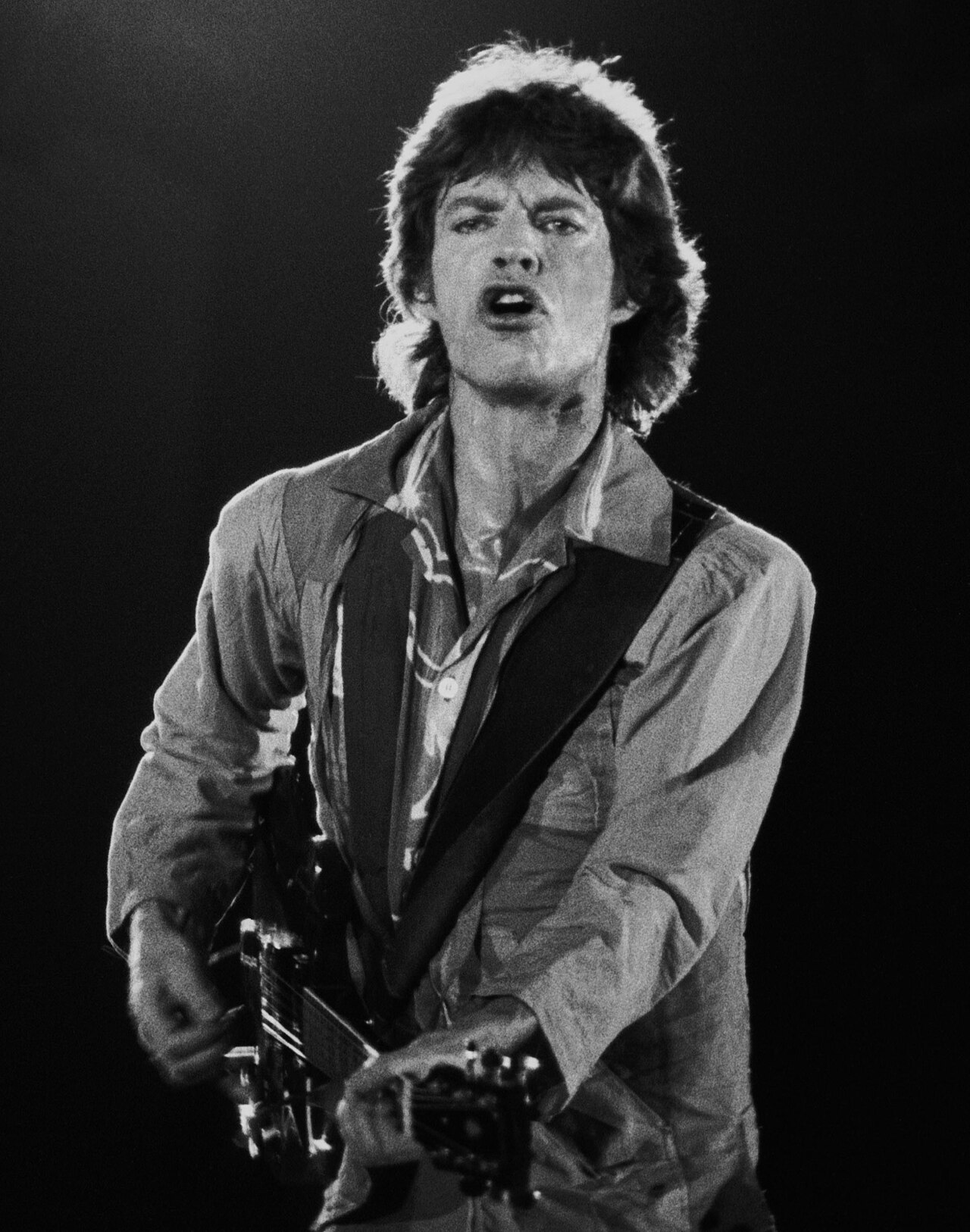
1943Mick Jagger(83 this year)Sir Michael Philip Jagger is an English musician, songwriter, and film producer known as the lead singer and founder member of the Rolling Stones.
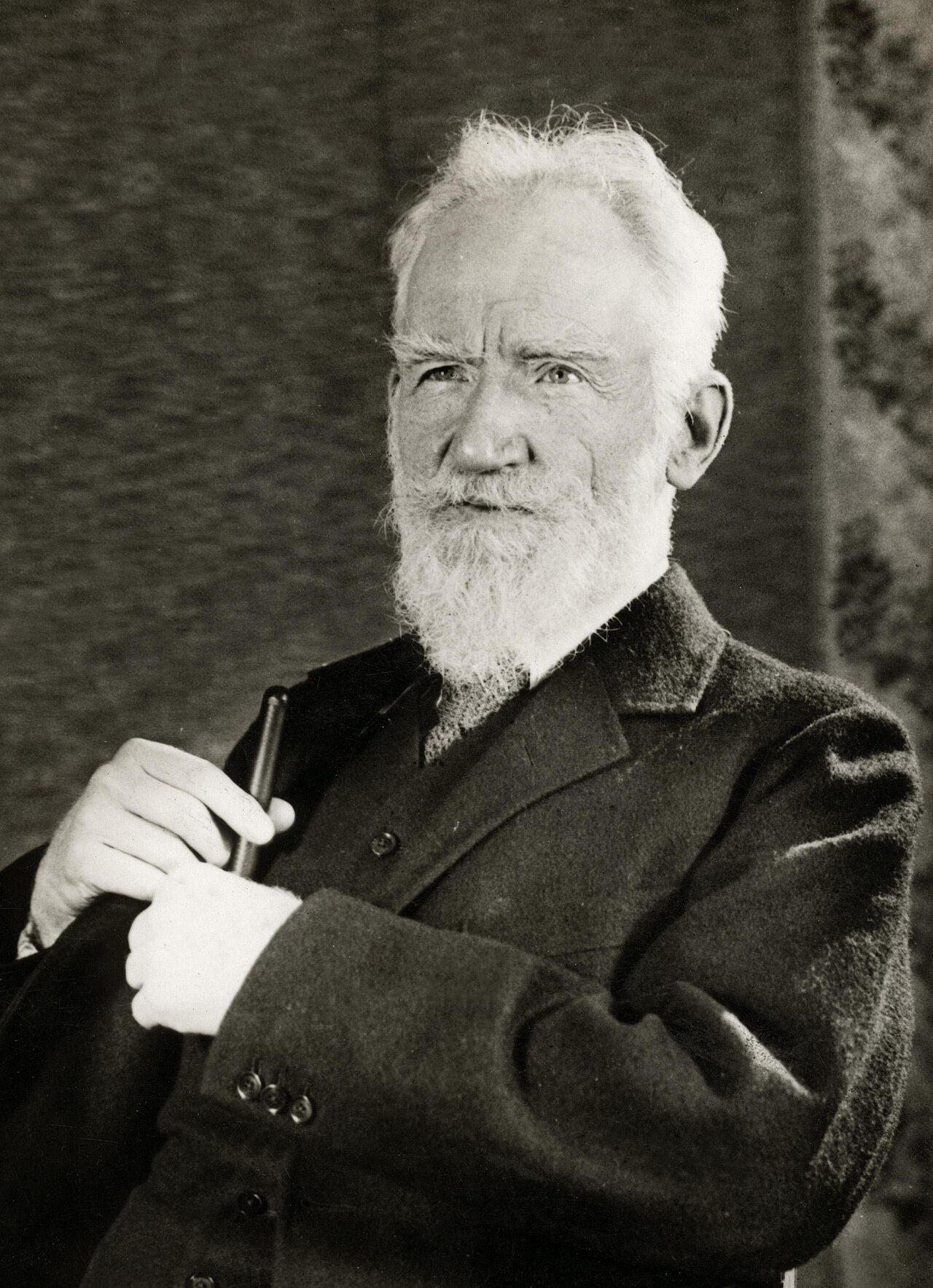
1856George Bernard ShawGeorge Bernard Shaw was an Irish playwright, critic, polemicist and political activist.
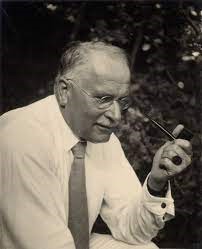
1875Carl JungCarl Gustav Jung was a Swiss psychiatrist, psychotherapist, and psychologist who founded the school of analytical psychology.
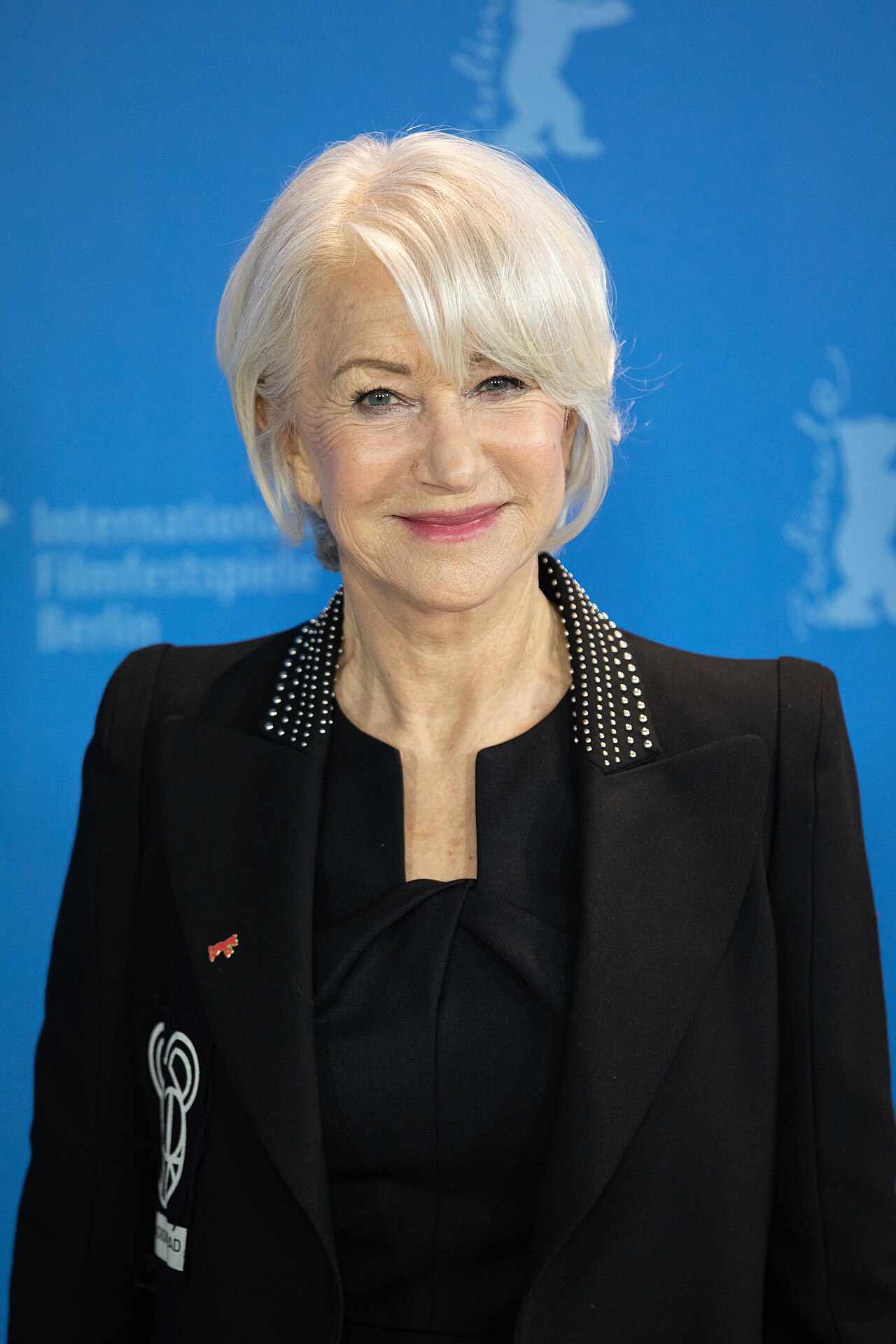
1945Helen Mirren(81 this year)Dame Helen Mirren is an English actor.
1922Jason RobardsJason Nelson Robards Jr. was an American actor.
1739George ClintonGeorge Clinton was an American soldier, statesman, and a prominent Democratic-Republican in the formative years of the United States.
1796George CatlinGeorge Catlin was an American lawyer, painter, author, and traveler, who specialized in portraits of Native Americans in the American frontier.
1855Ferdinand TönniesFerdinand Tönnies was a German sociologist, economist, and philosopher.
1865Philipp ScheidemannPhilipp Heinrich Scheidemann was a German politician of the Social Democratic Party of Germany (SPD).
1875Antonio MachadoAntonio Cipriano José María y Francisco de Santa Ana Machado y Ruiz, simply known as Antonio Machado, was a Spanish poet and one of the leading figures of the Spanish literary movement known as the Generation of '98.
1878Edward B. GreeneEdward Belden Greene was an American banking, mining, and steel company executive.
1882Albert DunstanSir Albert Arthur Dunstan, KCMG was an Australian politician who served as the 33rd premier of Victoria from 1935 to 1943 and from 1943 to 1945 and as the third deputy premier of Victoria for five days in March 1935.
1893George GroszGeorge Grosz was a German artist known especially for his caricatural drawings and paintings of Berlin life in the 1920s. He was a prominent member of the Berlin Dada and New Objectivity groups during the Weimar Republic.
1904Frank Scott HoggFrank Scott Hogg was a Canadian astronomer.
1909Vivian VanceVivian Vance was an American actress best known for playing landlady Ethel Mertz on the sitcom I Love Lucy (1951–1957), for which she won the 1953 Primetime Emmy Award for Outstanding Supporting Actress, among other accolades.
1914Erskine HawkinsErskine Ramsay Hawkins was an American trumpeter and big band leader from Birmingham, Alabama, dubbed "The 20th Century Gabriel".
1920Bob WaterfieldRobert Stanton Waterfield was an American professional football player and coach in the National Football League (NFL).
1933Norm SiebernNorman Leroy Siebern was an American professional baseball player and scout.
1956Tommy Rich(70 this year)Thomas Richardson is an American professional wrestler, better known by his ring name Tommy "Wildfire" Rich.
1967Tim Schafer(59 this year)Timothy John Schafer is an American video game designer.
1968Jim Naismith(58 this year)James Henderson Naismith is a Scot, Professor of Structural Biology and since autumn of 2023 the Head of the Mathematical, Physical, and Life Science Division (MPLS) Division at the University of Oxford.
1970Joan Wasser(56 this year)Joan Wasser is an American musician, singer-songwriter and producer who releases music as Joan As Police Woman.
1971Chris Harrison(55 this year)Christopher Bryan Harrison is an American television and game show host, best known for his role as the host of the ABC reality television dating show The Bachelor from 2002–2021.
1975Liz Truss(51 this year)Mary Elizabeth Truss is a British politician who was Prime Minister of the United Kingdom and Leader of the Conservative Party from September to October 2022.
1980Robert Gallery(46 this year)Robert J. Gallery is an American former professional football player who was an offensive guard for eight seasons in the National Football League (NFL).
Quote of the Day
“To be great is to be misunderstood.” — Ralph Waldo Emerson, Self-Reliance
July 26 History Quiz
What historic milestone did Hillary Clinton achieve on this date in 2016?
First female major-party presidential nominee
Which language did L.L. Zamenhof's first book, published on this date in 1887, introduce?
Esperanto
The Canadian National Vimy Memorial, unveiled on this date in 1936, commemorates soldiers from which war?
Every event on this page was picked by hand from the historical record, written up as a news report, and checked against its source. Photographs are matched to the event they illustrate and verified before they are used. Sources are linked on each story.


 The Love Machine, Jacqueline Susann
 The Moneychangers, Arthur Hailey
 Rage of Angels, Sidney Sheldon
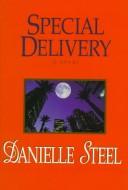 Special Delivery, Danielle Steel
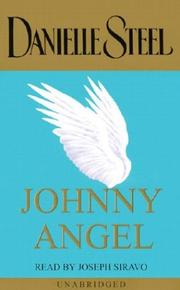 Johnny Angel, Danielle Steel
 “Rude”,
 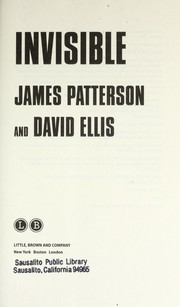 Invisible, James Patterson
 “Ordinary”,
  Edge of Honor, Brad Thor