Our front page for July 28 — written and set by The Yesterday Times from the events below. Not an archival document.
Day of the year
209
Days left in 2026
156
In 2026 it falls on a
Tuesday
Star sign
Leo
Birthstone
Ruby
On July 28 in 1976, 50 years ago, Tangshan Quake Kills 240,000, China Reports. This page reports 13 stories from the date, 25 people born on this day.
The stories in full
Foreign Desk
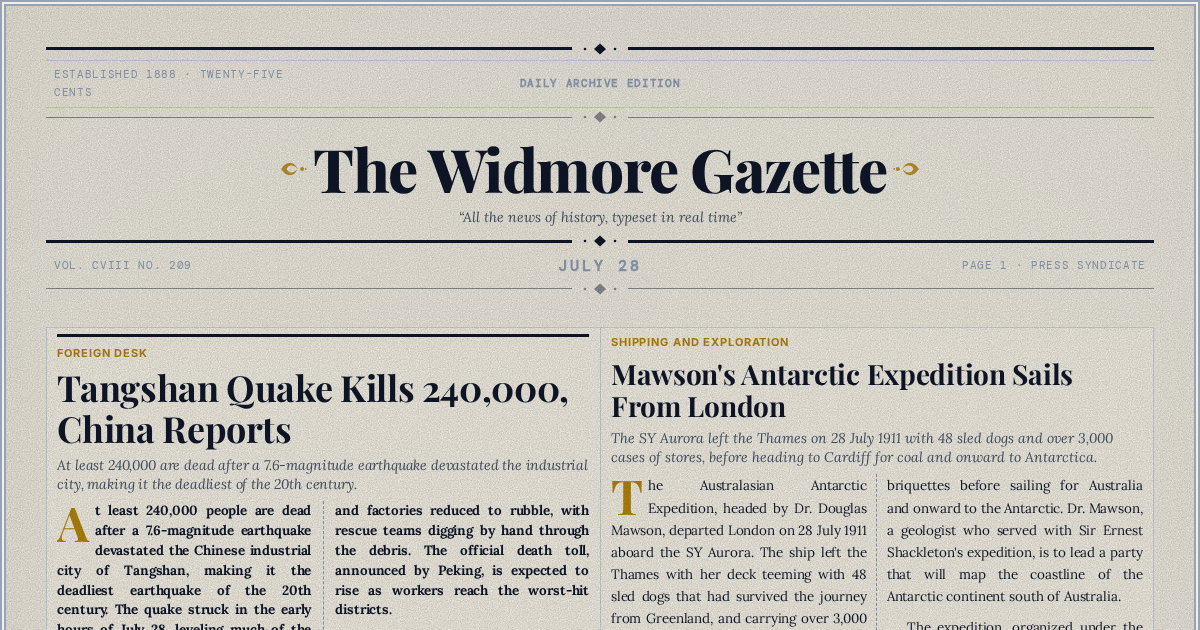
1976 — Tangshan Quake Kills 240,000, China Reports
At least 240,000 are dead after a 7.6-magnitude earthquake devastated the industrial city, making it the deadliest of the 20th century.
At least 240,000 people are dead after a 7.6-magnitude earthquake devastated the Chinese industrial city of Tangshan, making it the deadliest earthquake of the 20th century. The quake struck in the early hours of July 28, leveling much of the city of about one million people.
Reports reaching this office describe entire blocks of apartment buildings and factories reduced to rubble, with rescue teams digging by hand through the debris. The official death toll, announced by Peking, is expected to rise as workers reach the worst-hit districts.
The earthquake is listed among significant historical earthquakes with over 300,000 fatalities, a figure that could climb as relief efforts continue. The disaster has overwhelmed local hospitals, and aid is being rushed from other provinces.
China has not requested international assistance, and foreign relief teams have not been admitted. Communications with Tangshan remain disrupted, and the full extent of the damage is still unknown.
The 1976 Tangshan earthquake in China killed between 240,000 and 655,000 people.
The Tangshan earthquake was the deadliest earthquake of the 20th century.
The 1976 Tangshan earthquake is listed among significant historical earthquakes with over 300,000 fatalities.
Shipping and Exploration
1911 — Mawson's Antarctic Expedition Sails From London
The SY Aurora left the Thames on 28 July 1911 with 48 sled dogs and over 3,000 cases of stores, before heading to Cardiff for coal and onward to Antarctica.
The Australasian Antarctic Expedition, headed by Dr. Douglas Mawson, departed London on 28 July 1911 aboard the SY Aurora. The ship left the Thames with her deck teeming with 48 sled dogs that had survived the journey from Greenland, and carrying over 3,000 cases of stores and laden sledges.
Aurora will proceed to Cardiff, where she is to take on 500 tons of coal briquettes before sailing for Australia and onward to the Antarctic. Dr. Mawson, a geologist who served with Sir Ernest Shackleton's expedition, is to lead a party that will map the coastline of the Antarctic continent south of Australia.
The expedition, organized under the auspices of the Australasian Association for the Advancement of Science, is expected to be away for two years.
The Australasian Antarctic Expedition, headed by Douglas Mawson, departed London on 28 July 1911.
SY Aurora's deck was teeming with 48 sled dogs that had survived the trip from Greenland.
The ship carried over 3,000 cases of stores and laden sledges when it left London.
Aurora departed London for Cardiff, where it would load 500 tons of coal briquettes.
Art and Architecture
1866 — Vinnie Ream, 18, Wins Lincoln Statue Commission
On July 28, 1866, Congress voted to award 18-year-old Vinnie Ream the commission for a full-size Carrara marble statue.
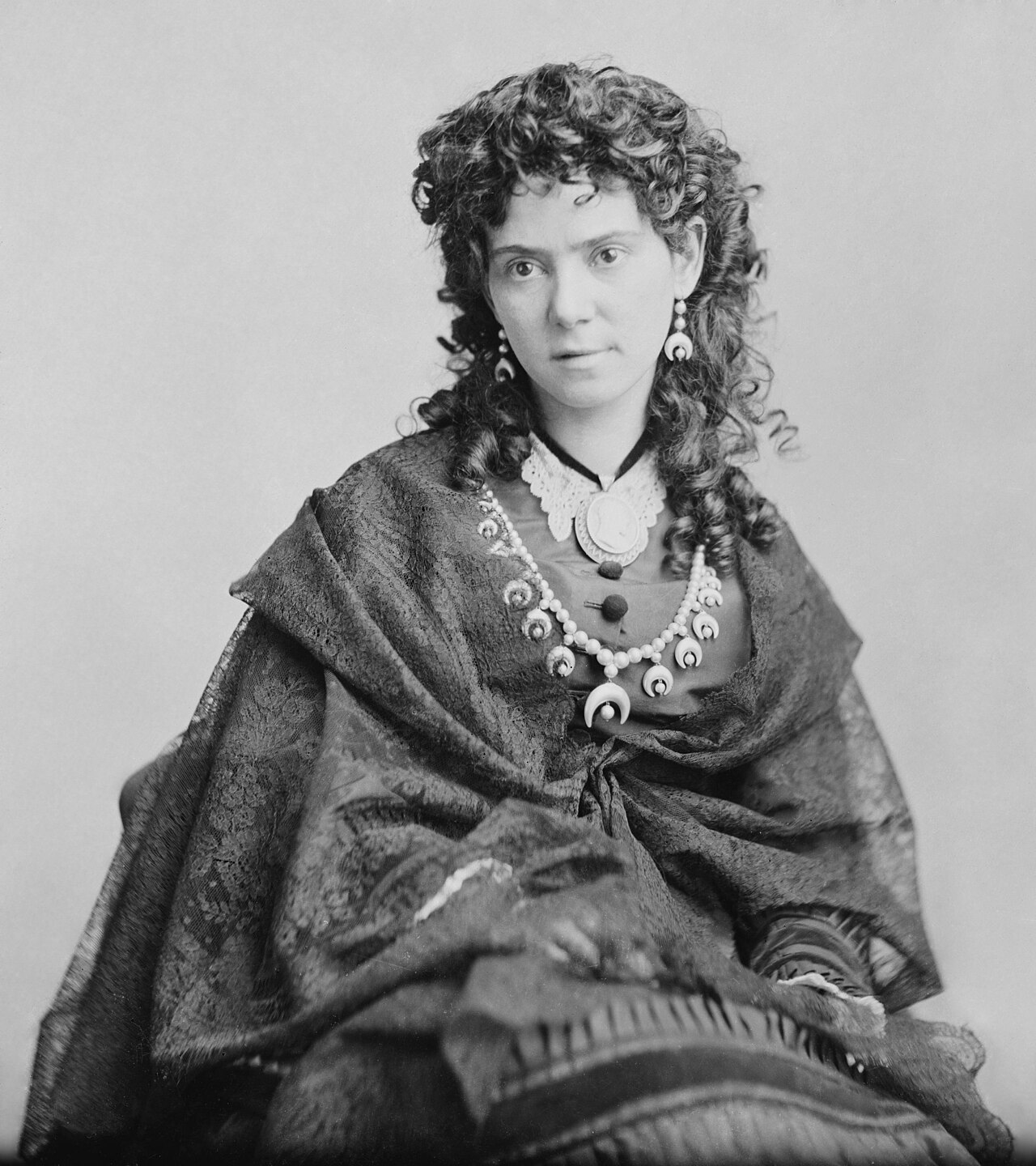
In the rotunda of the Capitol, where the great bronze doors open onto the history of the Republic, a young woman from the West has won the right to shape the memory of Abraham Lincoln. On July 28, 1866, Congress voted to award 18-year-old Vinnie Ream the commission for a full-size Carrara marble statue of the slain President.
On July 28, 1866, Congress voted to award 18-year-old Vinnie Ream the commission for a full-size Carrara marble statue of Abraham Lincoln.
Ream was the youngest artist and first woman to receive an artist commission from the U.S. government.
Ream's statue of Lincoln is located in the United States Capitol rotunda.
Northern Ireland
2005 — IRA Declares End to Armed Campaign
The IRA's formal end to its armed campaign closes a violent chapter that killed over 1,700 people.
The end of the IRA's armed campaign marks a watershed in the Northern Ireland peace process, closing a chapter of violence that killed over 1,700 people, including roughly 1,000 members of the British security forces. The Provisional Irish Republican Army announced the formal end of its armed campaign to overthrow British rule in Northern Ireland and create a united Ireland.
In a statement, the IRA said it would now pursue its goals through peaceful means, accepting the terms of the 1998 Good Friday Agreement as a negotiated end to the conflict.
The IRA announced the formal end of its armed campaign to overthrow British rule in Northern Ireland.
The IRA decommissioned its weapons under the supervision of the Independent International Commission on Decommissioning in 2005.
The IRA's armed campaign killed over 1,700 people, including roughly 1,000 members of the British security forces.
The IRA declared a final ceasefire in July 1997, leading to Sinn Féin's admission into multi-party peace talks.
The IRA accepted the terms of the 1998 Good Friday Agreement as a negotiated end to the Northern Ireland conflict.
National Desk
2010 — Airblue Crash Kills 152 in Pakistan's Worst Air Disaster
All 152 aboard were killed when Airblue Flight 202 crashed into the Margalla Hills.
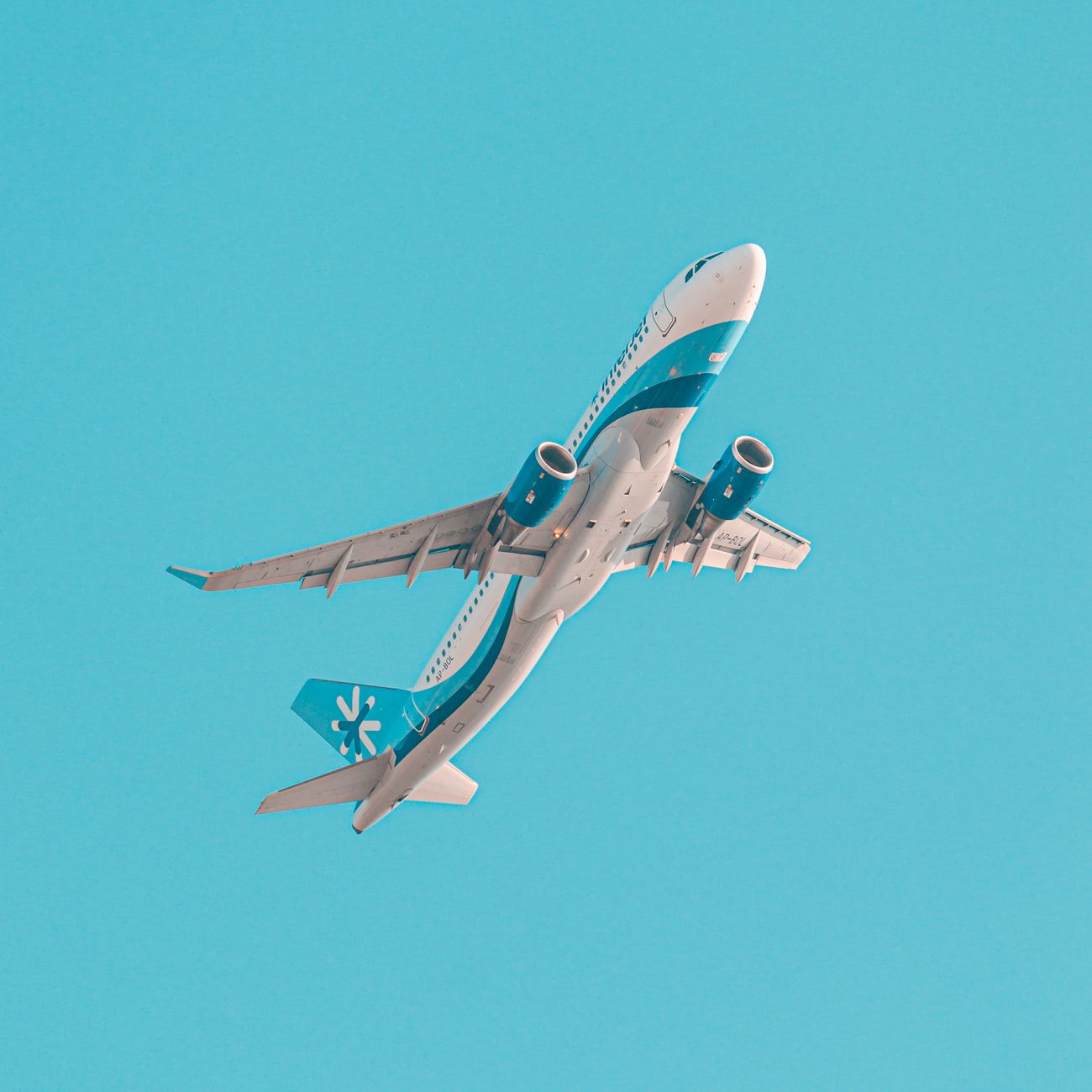
The deadliest air accident in Pakistan's history unfolded Wednesday when Airblue Flight 202 crashed into the Margalla Hills north of Islamabad, killing all 152 aboard. The Airbus A321, flying from Karachi, lost contact with controllers at 09:41 local time, two hours after departure, and came down about 8 nautical miles north of the airport, beyond the required 5-mile radius.
Airblue Flight 202 crashed into the Margalla Hills north of Islamabad, killing all 146 passengers and 6 crew members.
The crash is the deadliest air accident in Pakistan's history and the first fatal crash involving an Airbus A321.
The flight departed Karachi at 07:41 local time and lost contact with controllers at 09:41 local time.
The aircraft crashed about 8 nautical miles north of the airport, outside the required 5 nautical mile radius.
Rescuers reported bodies were mutilated and burnt, and the aircraft was totally destroyed with pieces scattered over a large distance.
City News
1917 — 8,000 March in Silence Down Fifth Avenue
NAACP-led protest decries violence against African Americans in unprecedented demonstration.
Led by the National Association for the Advancement of Colored People, at least 8,000 men, women, and children paraded down Fifth Avenue in absolute silence, their only sound the muffled beat of drums, to protest the violence visited upon African Americans. Church and community leaders joined the march, which wound through the city without a word spoken, a deliberate and solemn rebuke to the riots and lynchings that have stained the land.
Spectators lined the sidewalks, many removing their hats as the procession passed.
In New York City, the NAACP and church and community leaders organized a silent march of at least 8,000 people to protest violence directed towards African Americans.
Sports
2001 — Thorpe's Six Golds Make History
Ian Thorpe won six gold medals at a single FINA world championship in Fukuoka, including the 200m, 400m, and 800m freestyle.
Ian Thorpe became the first swimmer to win six gold medals at a single FINA world championship, dominating the pool in Fukuoka, Japan. His haul included victories in the 200m, 400m, and 800m freestyle, plus three relays. The temporary 50-meter pool at Marine Messe cost US$4 million for the two-week event. The USA women's 4x200m freestyle relay team was granted a second set of gold medals. Thorpe, 18, won the 200m in 1:44.06, a world record. The meet ends Sunday.
Ian Thorpe became the first swimmer to win six gold medals at a single FINA world championship.
The championships were held in Fukuoka, Japan, from 16 July to 29 July 2001.
The temporary 50-meter pool at Marine Messe cost US$4 million for the two-week period.
The USA women's 4x200m freestyle relay team was granted a second set of gold medals.
Foreign Affairs
1915 — U.S. Marines Land in Haiti to Begin Occupation
Marines land in Haiti after president's killing; Wilson acts on bank's urging.
Three hundred and thirty U.S. Marines landed at Port-au-Prince today to begin a nineteen-year occupation of Haiti. The landing follows the lynching of President Vilbrun Guillaume Sam by a mob angered by his executions of political prisoners.
President Woodrow Wilson ordered the intervention after National City Bank of New York pressed him to take control of Haiti's political and financial interests. The Marines will secure the capital and restore order.
330 U.S. Marines landed at Port-au-Prince on July 28, 1915.
The occupation began after National City Bank of New York convinced President Woodrow Wilson to take control of Haiti's political and financial interests.
The occupation followed the lynching of Haitian President Vilbrun Guillaume Sam by a mob angered by his executions of political prisoners.
The occupation ended on August 1, 1934, after President Franklin D. Roosevelt reaffirmed a disengagement agreement.
The last U.S. Marines departed Haiti on August 15, 1934, after transferring authority to the Gendarmerie of Haiti.
The Eastern Chronicle
1148 — Christian Host Before Damascus Raises Siege; Second Crusade Unravels
The siege that began on 24 July is abandoned after Damascene raids and Nur al-Din's approaching host force the Franks to withdraw.
The dust of the plain before Damascus still hangs thick where the Christian host pitched its tents on 24 July, for the siege has been raised. Damascene raids and the dread tidings of Nur al-Din's approaching reinforcements compelled the Franks to abandon the enterprise. The Council of Acre's resolve lies broken. Conrad of Germany lays the blame upon Jerusalem's lords, while Bernard of Clairvaux cries out against the Byzantines. The plan against Ascalon is likewise dissolved, and the crusaders withdraw from the Holy Land.
The Council of Acre resolved to besiege Damascus, beginning on 24 July 1148.
Damascene raids and news of Nur al-Din's approaching reinforcements forced the crusaders to abandon the siege.
Conrad blamed Jerusalem's leaders for the failure, while Bernard of Clairvaux accused the Byzantines.
The plan to attack Ascalon also collapsed, and the crusaders withdrew from the Holy Land.
Museum Desk
1939 — Saxon King's Helmet, Long Buried, Brought to Light at Sutton Hoo
The 7th-century ship burial yields a helmet of singular workmanship, uncovered as hundreds of rusted fragments.
The discovery at Sutton Hoo promises to recast all knowledge of the Dark Ages in England, for the excavation of a 7th-century ship burial has yielded a helmet of singular workmanship. Uncovered as hundreds of rusted fragments, it lay to the left of the head in a ship hauled from the river and lowered into a trench.
The Sutton Hoo helmet was excavated as hundreds of rusted fragments during a 1939 excavation.
The helmet was first displayed following an initial reconstruction in 1945–46, and took its present form after a second reconstruction in 1970–71.
The helmet and other artefacts were donated to the British Museum by landowner Edith Pretty, where the helmet is on permanent display in Room 41.
The helmet was buried to the left of the head of the body in a ship hauled from the nearby river and lowered into a trench.
The helmet's visage contains eyebrows, a nose, and moustache, creating the image of a man joined by a dragon's head to become a soaring dragon.
Court and Crown
1540 — Cromwell Beheaded; King Weds Howard
On 28 July 1540, the chief minister was executed for treason and heresy, and Henry VIII married Catherine Howard.
In the sweep of a reign marked by swift reversals, the fall of Thomas Cromwell marks a grim turn. On 28 July 1540, the king's chief minister was executed for treason and heresy. On the very same day, Henry VIII married Catherine Howard.
On July 28, 1540, the same day Thomas Cromwell was executed, Henry VIII married Catherine Howard.
City Desk
1945 — B-25 Crashes Into Empire State; 14 Dead
A B-25 crashed into the Empire State Building at 9:40, killing 14.
Colonel William F. Smith, piloting his B-25D in thick fog, crashed into the north side of the Empire State Building at 9:40 this morning, killing 14. The plane struck between the 79th and 80th floors of the world's tallest building.
At 9:40 on 28 July 1945, a USAAF B-25D crashed in thick fog into the north side of the Empire State Building.
The crash occurred between the 79th and 80th floors of the building.
Fourteen people died: 11 in the then world’s tallest building and the three occupants of the aircraft.
The pilot of the B-25D was Colonel William F. Smith.
Elevator attendant Betty Lou Oliver survived the impact and a 75-story elevator cage fall to the basement.
Peruvian Affairs
1821 — Peru Free: San Martín Proclaims Independence
After three centuries of Spanish rule, General José de San Martín proclaimed Peru's independence in Lima's Plaza Mayor.
Three centuries of Spanish rule in Peru ended today as General José de San Martín proclaimed the nation's independence in the Plaza Mayor of Lima. The Act of Independence, drafted by Manuel Pérez de Tudela, had been signed on 15 July. Under fear of repression and pillaging, Lima's inhabitants had urged San Martín to occupy the city. He now invites all citizens to swear allegiance to the cause.
The signing ceremony of the Act of Independence of Peru was held on 15 July 1821.
Manuel Pérez de Tudela wrote the Act of Independence.
General José de San Martín announced the declaration of independence in the Plaza Mayor of Lima.
Under fear of repression and pillaging, the inhabitants of Lima begged General San Martín to occupy Lima.
San Martín invited all of Lima's populace to swear an oath of allegiance to the Independence cause.
What the papers printed that morning
Real front pages from 28 July 1911, scanned by the Library of Congress. These are archival documents, not our work.
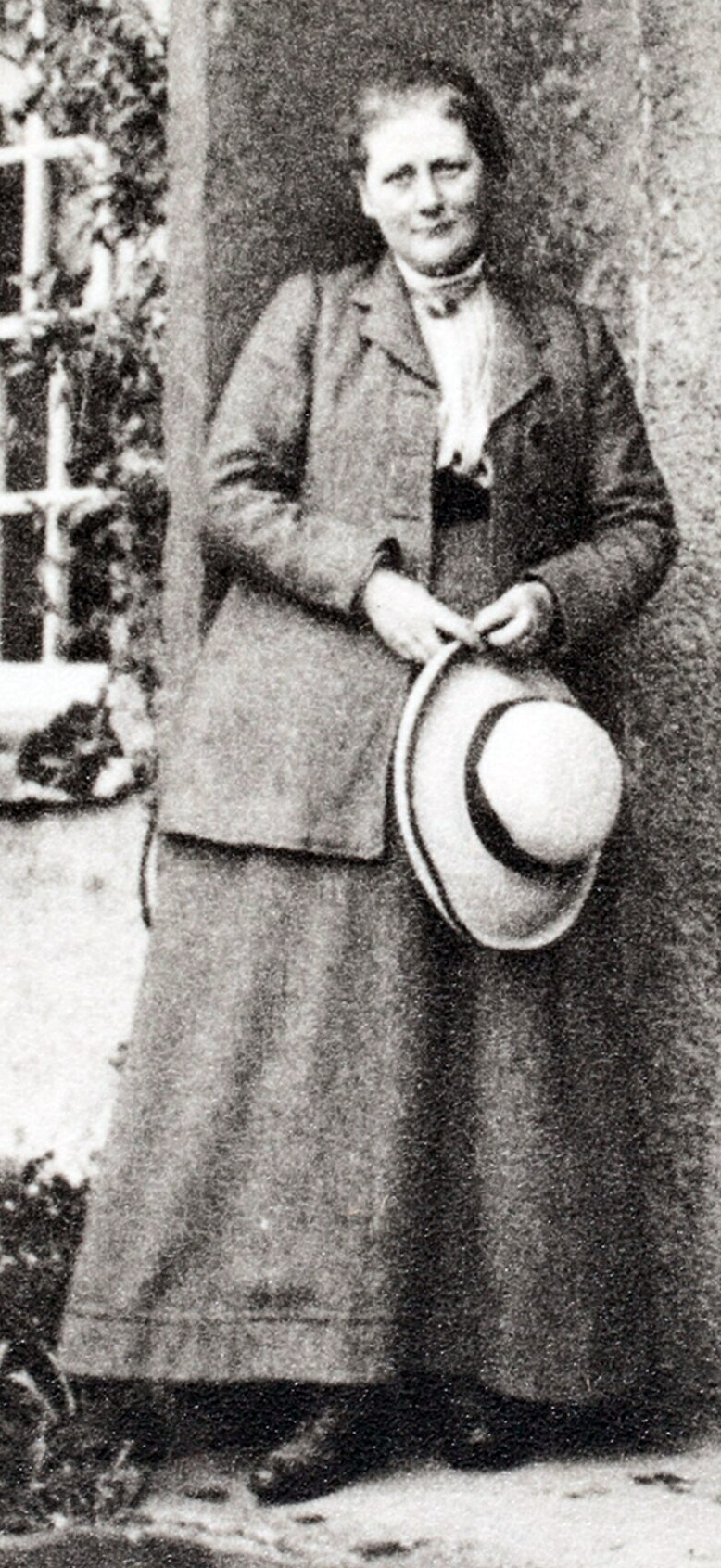
1866Beatrix PotterHelen Beatrix Heelis, usually known as Beatrix Potter, was an English writer, illustrator, natural scientist, and conservationist.
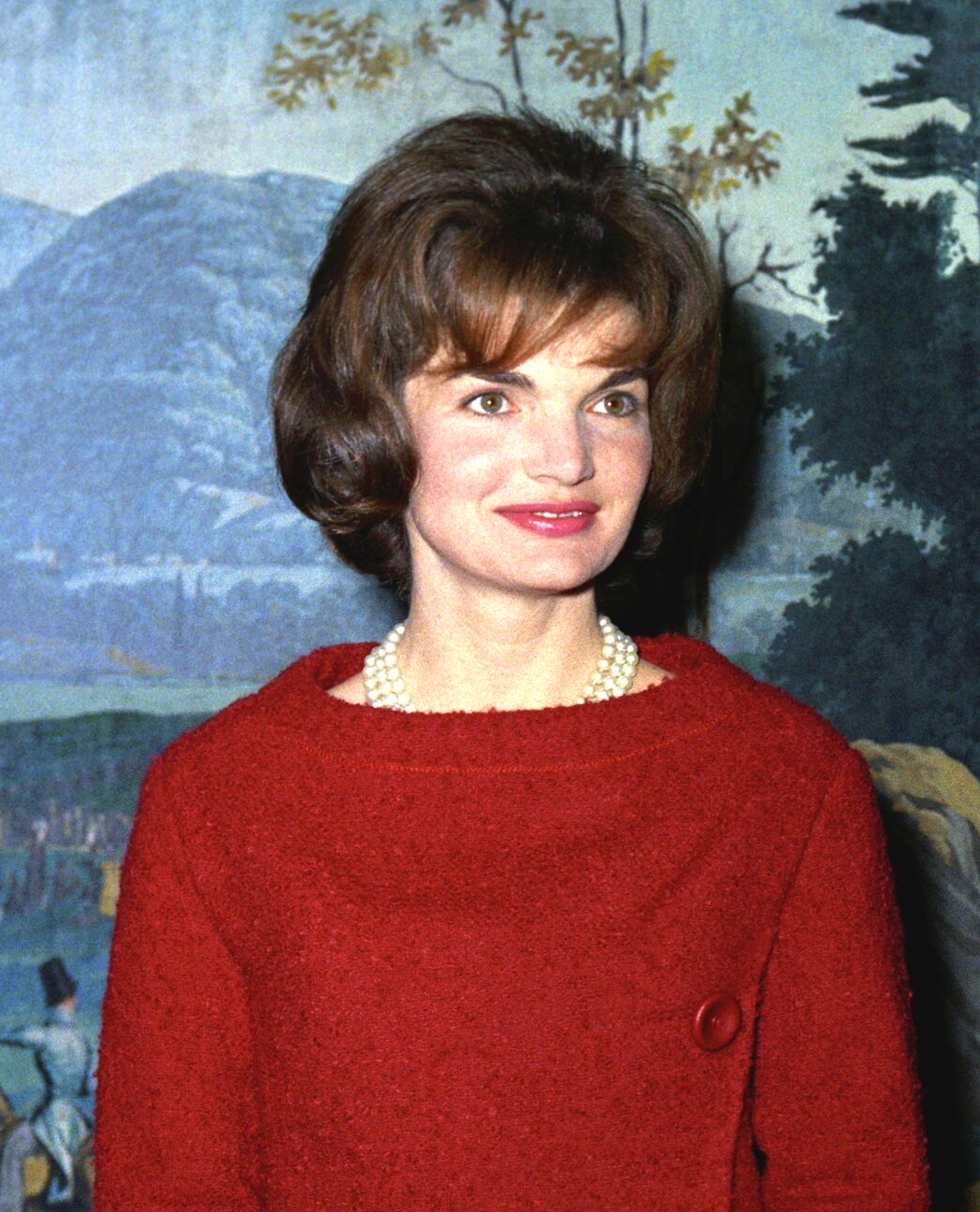
1929Jacqueline Kennedy OnassisJacqueline Lee Kennedy Onassis was the first lady of the United States from 1961 to 1963, as the wife of John F. Kennedy, the 35th president of the United States.
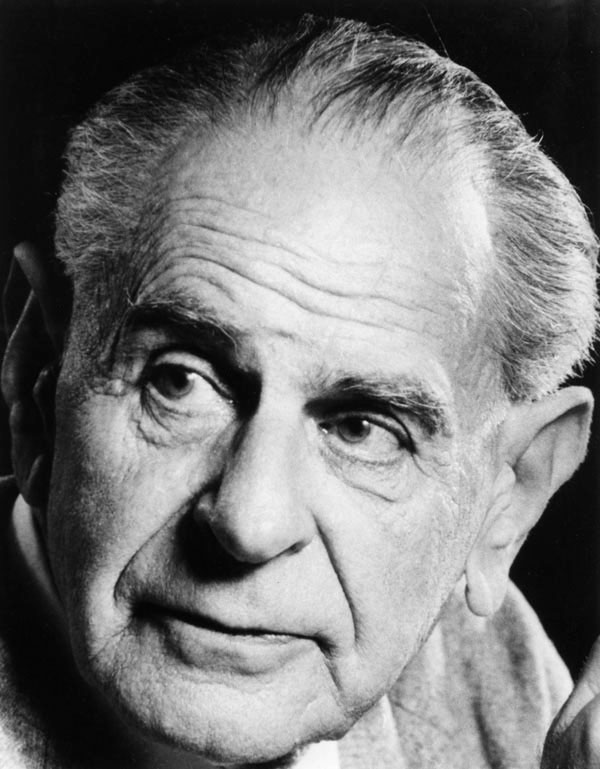
1902Karl PopperSir Karl Raimund Popper was an Austrian–British philosopher, academic and social commentator.
1977Manu Ginóbili(49 this year)Emanuel David "Manu" Ginóbili Maccari is an Argentine former professional basketball player.
1951Santiago Calatrava(75 this year)Santiago Calatrava Valls is a Spanish-Swiss architect, structural engineer, sculptor and painter, particularly known for his bridges supported by single leaning pylons, and his railway stations, stadiums, and museums, whose sculptural forms often resemble living organisms.
1938Alberto FujimoriAlberto Kenya Fujimori Inomoto was a Peruvian politician, professor, engineer and dictator who served as the president of Peru from 1990 to 2000.
1974Alexis Tsipras(52 this year)Alexis Tsipras is a Greek politician who served as Prime Minister of Greece from 2015 to 2019.
1867Charles Dillon PerrineCharles Dillon Perrine was an American astronomer at the Lick Observatory in California (1893-1909) who moved to Cordoba, Argentina to accept the position of Director of the Argentine National Observatory (1909-1936).
1901Freddie FitzsimmonsFrederick Landis Fitzsimmons was an American professional baseball right-handed pitcher, manager, and coach, who played in Major League Baseball (MLB) from 1925 to 1943 with the New York Giants and Brooklyn Dodgers.
1936Russ Jackson(90 this year)Russell Stanley Jackson is a Canadian former professional football player.
1937Francis Veber(89 this year)Francis Paul Veber is a French film director, screenwriter and producer, and playwright.
1943Mike BloomfieldMichael Bernard Bloomfield was an American blues guitarist and composer.
1946Fahmida RiazFahmida Riaz was an Urdu writer, poet and activist from Pakistan.
1948Eiichi OhtakiEiichi Ohtaki was a Japanese musician, singer-songwriter and record producer.
1948Gerald Casale(78 this year)Gerald Vincent Casale is an American musician.
1951Doug Collins(75 this year)Paul Douglas Collins is an American basketball executive, former player, coach and television analyst in the National Basketball Association (NBA).
1954Hugo ChávezHugo Rafael Chávez Frías was a Venezuelan politician, revolutionary, and military officer who was the president of Venezuela from 1999 until his death in 2013.
1958Terry FoxTerrance Stanley Fox was a Canadian athlete, humanitarian, and cancer research activist.
1959Mark Meadows(67 this year)Mark Randall Meadows is an American politician who served as the 29th White House chief of staff from 2020 to 2021 under the first Trump administration.
1964Lori Loughlin(62 this year)Lori Anne Loughlin is an American actress.
1977Miyabiyama Tetsushi(49 this year)Miyabiyama Tetsushi is a former sumo wrestler from Mito, Ibaraki, Japan.
1977Aki Berg(49 this year)Aki-Petteri Arvid Berg is a Finnish former professional ice hockey defenceman.
1981Michael Carrick(45 this year)Michael Carrick is an English professional football coach and former player who is the head coach of Premier League club Manchester United.
1981Willie Green(45 this year)William Julius Green is an American professional basketball coach and former player who currently is an assistant coach for the Dallas Mavericks of the National Basketball Association (NBA).
1983Sam Dastyari(43 this year)Sam Dastyari is an Australian former politician, who from 2013 to 2018 represented New South Wales in the Australian Senate as a member of the Australian Labor Party.
Quote of the Day
“Some are born great, some achieve greatness, and some have greatness thrust upon them.” — William Shakespeare, Twelfth Night
July 28 History Quiz
Which disaster on July 28, 1976, killed approximately 240,000 people?
Tangshan earthquake
What building was struck by a B-25 bomber on July 28, 1945?
Empire State Building
Which country's independence was declared by José de San Martín on July 28, 1821?
Every event on this page was picked by hand from the historical record, written up as a news report, and checked against its source. Photographs are matched to the event they illustrate and verified before they are used. Sources are linked on each story.


 “Roses Are Red (My Love)”,
 Ship of Fools, Katherine Anne Porter
 Breakfast of Champions, Kurt Vonnegut
 ...And Ladies of the Club, Helen Hooven Santmyer
 “She Ain't Worth It”,
  The Burden of Proof, Scott Turow
 “U Remind Me”,
 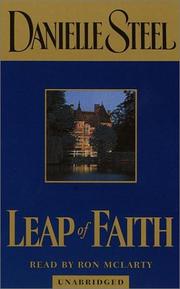 Leap of Faith, Danielle Steel
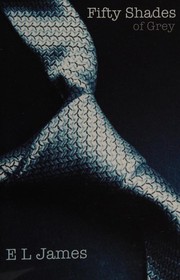 Fifty Shades of Grey, E. L. James