Our front page for July 29 — written and set by The Yesterday Times from the events below. Not an archival document.
Day of the year
210
Days left in 2026
155
In 2026 it falls on a
Wednesday
Star sign
Leo
Birthstone
Ruby
On July 29 in 1954, 72 years ago, Tolkien's Epic 'Fellowship' Is. This page reports 9 stories from the date, 25 people born on this day.
The stories in full
Books of the Week
1954 — Tolkien's Epic 'Fellowship' Is
First volume of The Lord of the Rings appears in London; reviewers divided, with Auden praising and Wilson attacking.
LONDON, July 29 — Allen & Unwin published The Fellowship of the Ring, the first volume of J. R. R. Tolkien's The Lord of the Rings, today. The book opens with a foreword and a prologue, 'Concerning Hobbits, and other matters,' before the narrative proper, which is divided into two 'books.'
The volume is the first of three, followed by The Two Towers and The Return of the King. Tolkien, a professor at Oxford, has built a world of hobbits, wizards, and dark powers, with the number nine deliberately chosen to match and oppose the nine Black Riders, or Ringwraiths, who pursue the quest.
Reviewers have been divided. W. H. Auden and Naomi Mitchison praised the work, while critic Edmund Wilson attacked it in a 1956 review. Tolkien himself called 'The Shadow of the Past' the 'crucial chapter,' saying it changes the tone of the book.
The story follows the hobbit Frodo Baggins as he bears the One Ring toward the fires of Mount Doom, accompanied by eight companions who form the Fellowship.
The first edition was published on 29 July 1954 in the United Kingdom.
The volume consists of a foreword, a prologue titled 'Concerning Hobbits, and other matters', and a main narrative divided into two 'books'.
The Fellowship of the Ring is the first of three volumes of The Lord of the Rings, followed by The Two Towers and The Return of the King.
The number nine was chosen to match and oppose the nine Black Riders or Ringwraiths.
The volume was praised by reviewers including W. H. Auden and Naomi Mitchison, but attacked by critic Edmund Wilson in a 1956 review.
German Politics
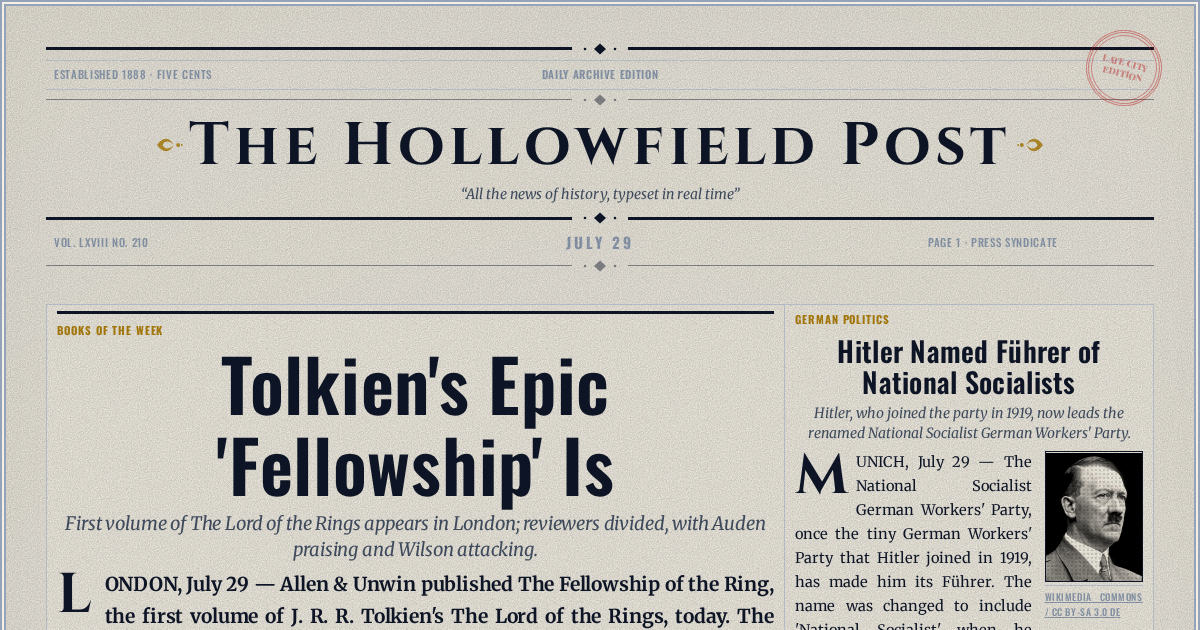
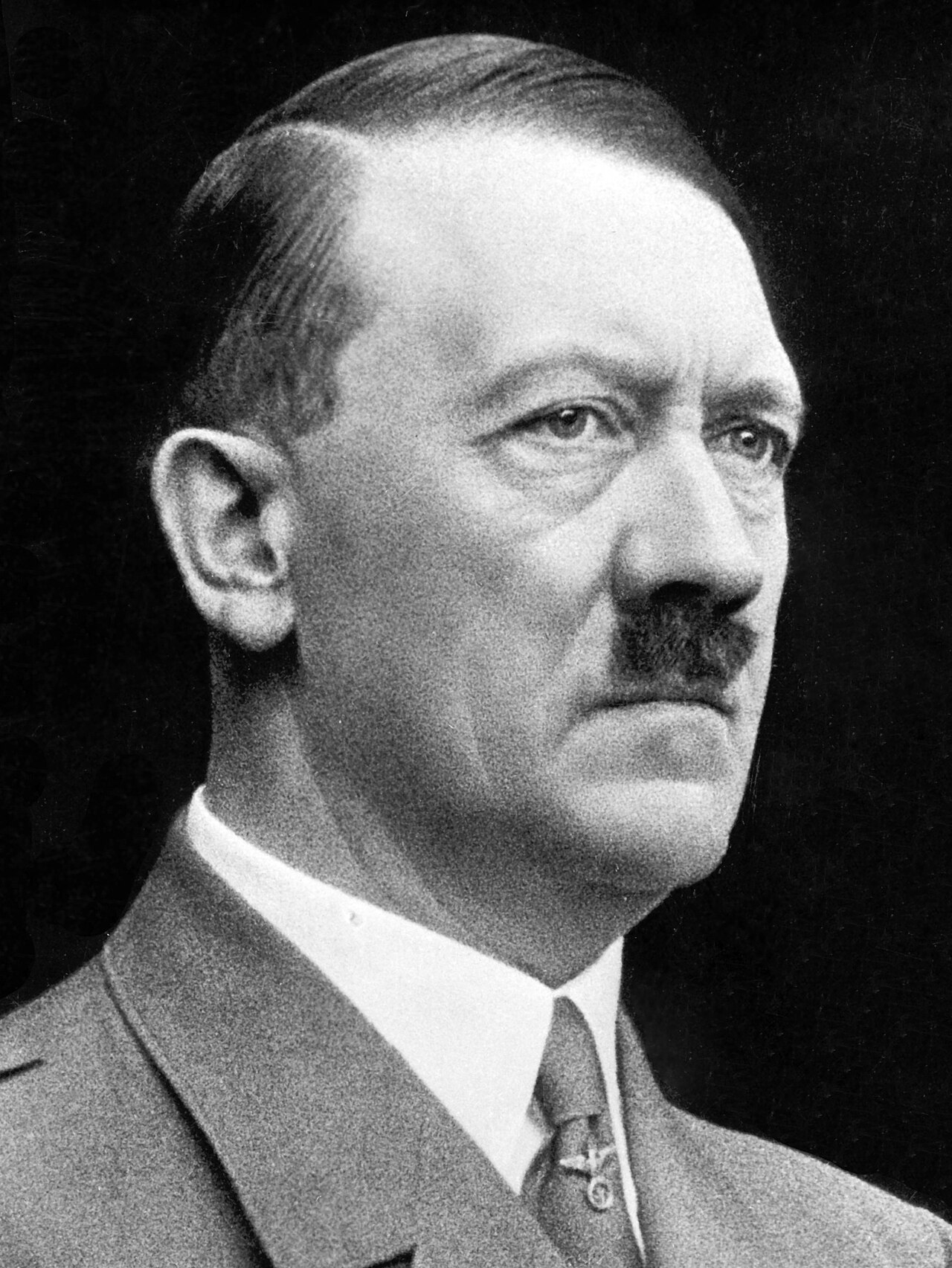
1921 — Hitler Named Führer of National Socialists
Hitler, who joined the party in 1919, now leads the renamed National Socialist German Workers' Party.
Hitler, who joined the party in 1919, now leads the renamed National Socialist German Workers' Party. — Wikimedia Commons
MUNICH, July 29 — The National Socialist German Workers' Party, once the tiny German Workers' Party that Hitler joined in 1919, has made him its Führer. The name was changed to include 'National Socialist' when he assumed leadership.
Hitler was appointed leader of the Nazi Party in 1921, after joining its precursor, the German Workers' Party, in 1919.
The Nazi Party's name was changed to include 'National Socialist' when Hitler became its Führer in 1921.
Nazi propaganda depicted Hitler as the only person capable of saving Germany, with the Völkischer Beobachter claiming in December 1922 that he was the sole leader who could rescue the nation.
Hitler's cult of personality began in the early 1920s, with a Nazi speaker comparing him to Benito Mussolini after the March on Rome in October 1922.
Waterway opens today, shortening New York-to-Boston route by 62 miles.
BOSTON, July 29 — The Cape Cod Canal, connecting Cape Cod Bay and Buzzards Bay, opened today on a limited basis, shortening the New York-to-Boston trade route by 62 miles. Accidents in the narrow channel already marred the opening day. Tolls disappointed investors despite the shortened route.
The Cape Cod Canal opened on a limited basis on July 29, 1914, under the direction of August Belmont Jr.'s Boston, Cape Cod & New York Canal Company.
At its opening, the canal had a maximum width of 100 feet and a maximum depth of 25 feet.
The canal took a difficult route from Phinney Harbor at the head of Buzzards Bay.
Several accidents occurred due to the narrow channel, limiting traffic and tarnishing the canal's reputation.
Toll revenues failed to meet investors' expectations despite shortening the New York City to Boston trade route by 62 miles.
War in Europe
1914 — Austrian Monitor Fires First Shots of War at Belgrade
At just after 1 o'clock this morning, the 440-tonne monitor Bodrog fired on Serbian defences near Belgrade.
VIENNA, July 29 — The first shots of the great European war were fired just after 1 o'clock this morning, when the Austro-Hungarian river monitor Bodrog opened fire on Serbian defences near Belgrade. The Temes-class vessel, under Linienschiffsleutnant Paul Ekl, was based at Zemun, just upstream from the Serbian capital.
Bodrog, together with two other monitors, shelled fortifications on the Zemun–Belgrade railway bridge and Topčider Hill. The 440-tonne ship, with a crew of 77 to 79, carries two 120 mm guns in single turrets and one 120 mm howitzer, protected by armor up to 70 mm thick.
The Austro-Hungarian river monitor Bodrog fired the first shots of World War I just after 01:00 on 29 July 1914.
Bodrog and two other monitors shelled Serbian defences near Belgrade, including fortifications on the Zemun–Belgrade railway bridge and Topčider Hill.
Bodrog was a Temes-class river monitor built for the Austro-Hungarian Navy, with a standard displacement of 440 tonnes and a crew of 77 to 79.
The monitor was armed with two 120 mm L/35 guns in single turrets and one 120 mm L/10 howitzer, with armor up to 70 mm thick.
Bodrog was based in Zemun, just upstream from Belgrade on the Danube, under the command of Linienschiffsleutnant Paul Ekl at the start of the war.
Imperial Despatch
1014 — Basil II Blinds 14,000 Captives After Kleidion Victory
Emperor's vengeance on Bulgarian host follows great mountain battle.
CLYCH, July 29 — Emperor Basil II has shattered the Bulgarian army in the mountain pass of Kleidion, near the Belasica range. The Emperor cornered the main Bulgarian host and forced battle while Tsar Samuel was absent. Byzantine arms prevailed utterly. Report spreads that Basil II ordered 14,000 prisoners blinded, sparing one eye in every hundred men. The Tsar, it is said, will blame himself for this catastrophe. From this day, men call the Emperor the Bulgar-slayer, a name that shall endure through the ages.
The battle occurred at Kleidion (or Belasitsa) in present-day Blagoevgrad Province.
Basil II cornered the main Bulgarian army and forced a battle while Tsar Samuel was away.
According to later legend, Basil II blinded 14,000 prisoners, leaving one man per hundred with sight.
According to legend, Samuel died less than three months later, on October 6, blaming himself for the defeat.
The legend gave rise to Basil II's nickname 'the Bulgar-slayer' from the 12th century onwards.
Court Chronicle
1567 — Infant James VI Crowned King of Scots at Stirling
Thirteen-month-old anointed at Holy Rude amid Reformation rites.
STIRLING, July 29 — A babe of thirteen months, James VI, was anointed King of Scotland this day at the Church of the Holy Rude. Adam Bothwell, Bishop of Orkney, performed the coronation, and John Knox preached the sermon. The infant is the third consecutive Scottish monarch to take the throne in infancy. His mother, Mary, Queen of Scots, was compelled to abdicate on 24 July. The young king's upbringing is entrusted to the Earl and Countess of Mar at Stirling Castle, where he shall be reared in safety.
James VI, aged thirteen months, was anointed King of Scotland at the Church of the Holy Rude in Stirling.
Adam Bothwell, Bishop of Orkney, performed the coronation ceremony on 29 July 1567.
John Knox preached the sermon at James VI's coronation.
James VI's care was entrusted to the Earl and Countess of Mar for his upbringing at Stirling Castle.
James VI was the third consecutive Scottish monarch to ascend to the throne as an infant.
Academy of Sciences
1818 — Fresnel's Memoir on Diffraction Champions Wave Theory of Light
French physicist explains fringes and rectilinear propagation to Royal Academy.
PARIS, July 29 — Augustin-Jean Fresnel, the French physicist, has submitted to the Royal Academy of Sciences a memoir on the diffraction of light, lending strong support to the wave theory. He offers the first satisfactory explanation of diffraction by straight edges and accounts for rectilinear propagation on wave principles. The colored fringes seen in shadows cast by narrow beams are likewise explained. Fresnel's double-mirror experiments, conducted as part of these studies, have provided further evidence. The Academy now weighs a theory that challenges the established particle doctrine.
Fresnel gave the first satisfactory explanation of diffraction by straight edges and a wave-based explanation of rectilinear propagation.
He explained the colored fringes seen in shadows of objects illuminated by narrow beams.
He conducted double-mirror experiments as part of his diffraction studies.
Royal Wedding
1981 — 750 Million Watch Charles Wed Diana
Prince and Lady Diana married amid pageantry, with vows slip and Welsh gold rings.
LONDON, July 29 — Crowds two million strong lined the route from Clarence House as Lady Diana Spencer rode to St Paul's Cathedral to marry the Prince of Wales. An estimated 750 million television viewers worldwide watched the ceremony, while 4,000 police and 2,200 military officers managed the crowds. Diana, in her vows, reversed Charles's names, saying 'Philip Charles Arthur George' instead of 'Charles Philip Arthur George.' The wedding rings were crafted from Welsh gold from the Clogau St David's mine in Bontddu. The day's cost, including security, was later estimated at $48 million.
The wedding took place on Wednesday, 29 July 1981, at St Paul's Cathedral in London.
An estimated global television audience of 750 million people watched the ceremony.
Two million spectators lined the route of Diana's procession from Clarence House, with 4,000 police and 2,200 military officers managing crowds.
The total cost of the wedding was later estimated at $48 million, with $600,000 spent on security.
Diana accidentally reversed Charles's names during her vows, saying 'Philip Charles Arthur George' instead of 'Charles Philip Arthur George'.
Foreign Desk
1900 — Anarchist Shoots King Umberto in Monza
Italian monarch slain by a single revolver shot as he prepared to award gymnastic prizes.
MONZA, July 29 — The throne of Italy is vacant tonight. King Umberto I was assassinated at 21:30 on July 29, 1900, by an Italian-American anarchist, Gaetano Bresci, who fired a single shot from a Harrington & Richardson revolver as the King rode through Monza to distribute medals at a gymnastics competition. The police presence was sparse, and no guard intercepted the assailant.
Bresci, who had returned from America with a revolver purchased for $7 and a one-way ticket costing $27, confronted a stranger before the deed and said: "Look at me carefully, because you will perhaps remember me for the rest of your life."
His Majesty died instantly. The assassin was seized by the crowd and is in custody.
Bresci bought a Harrington & Richardson revolver for $7 (equivalent to $264 in 2024) and a one-way ticket for $27.
On the day of the assassination, Bresci told a stranger, 'Look at me carefully, because you will perhaps remember me for the rest of your life.'
Umberto was assassinated at 21:30 on July 29, 1900, while en route to hand out medals at a gymnastics competition in Monza with sparse police presence.
Bresci was tried, convicted, and sentenced to life imprisonment in a single day on August 30, 1900.
Criminologist Cesare Lombroso examined Bresci and found no evidence of mental illness.
What the papers printed that morning
Real front pages from 29 July 1954, scanned by the Library of Congress. These are archival documents, not our work.
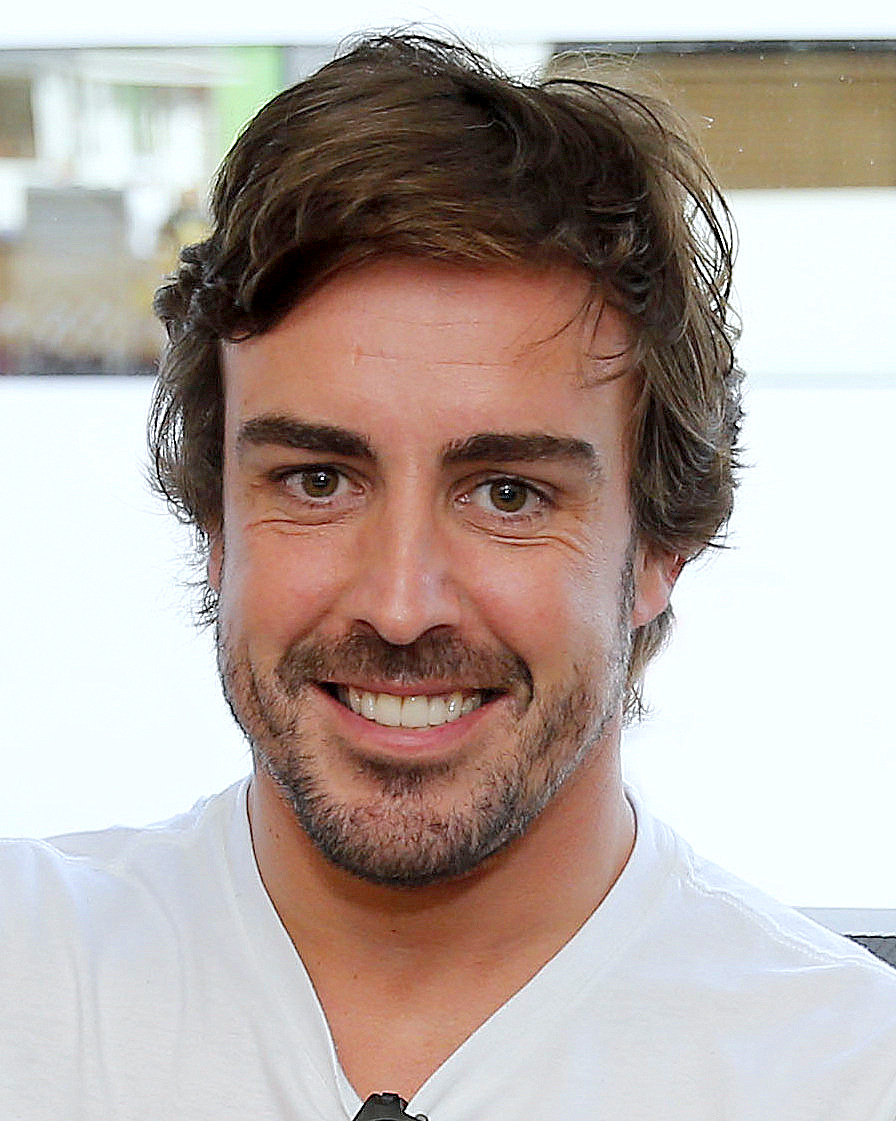
1981Fernando Alonso(45 this year)Fernando Alonso Díaz is a Spanish racing driver who competes in Formula One for Aston Martin.
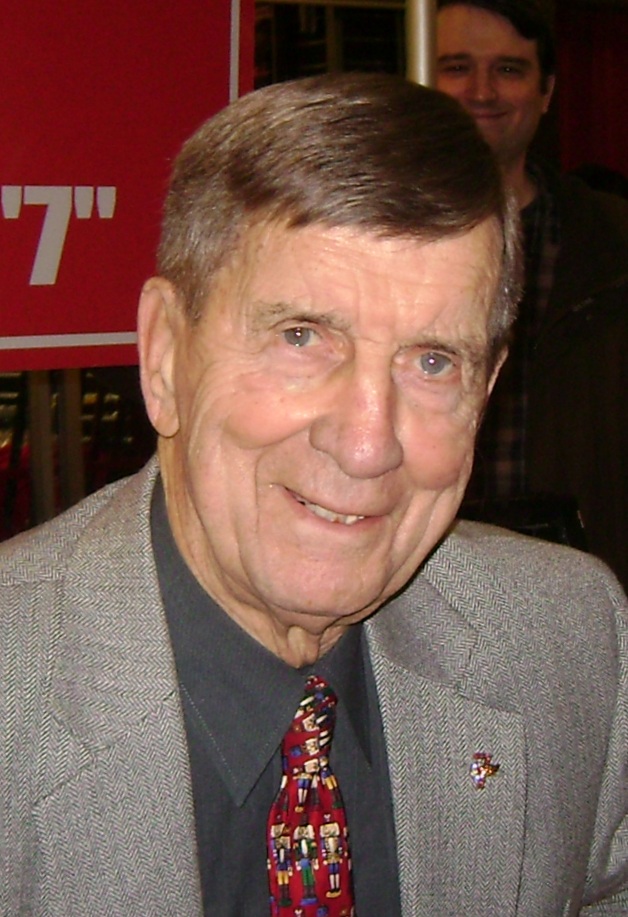
1925Ted LindsayRobert Blake Theodore Lindsay was a Canadian professional ice hockey player who played as a forward for the Detroit Red Wings and Chicago Black Hawks of the National Hockey League (NHL).
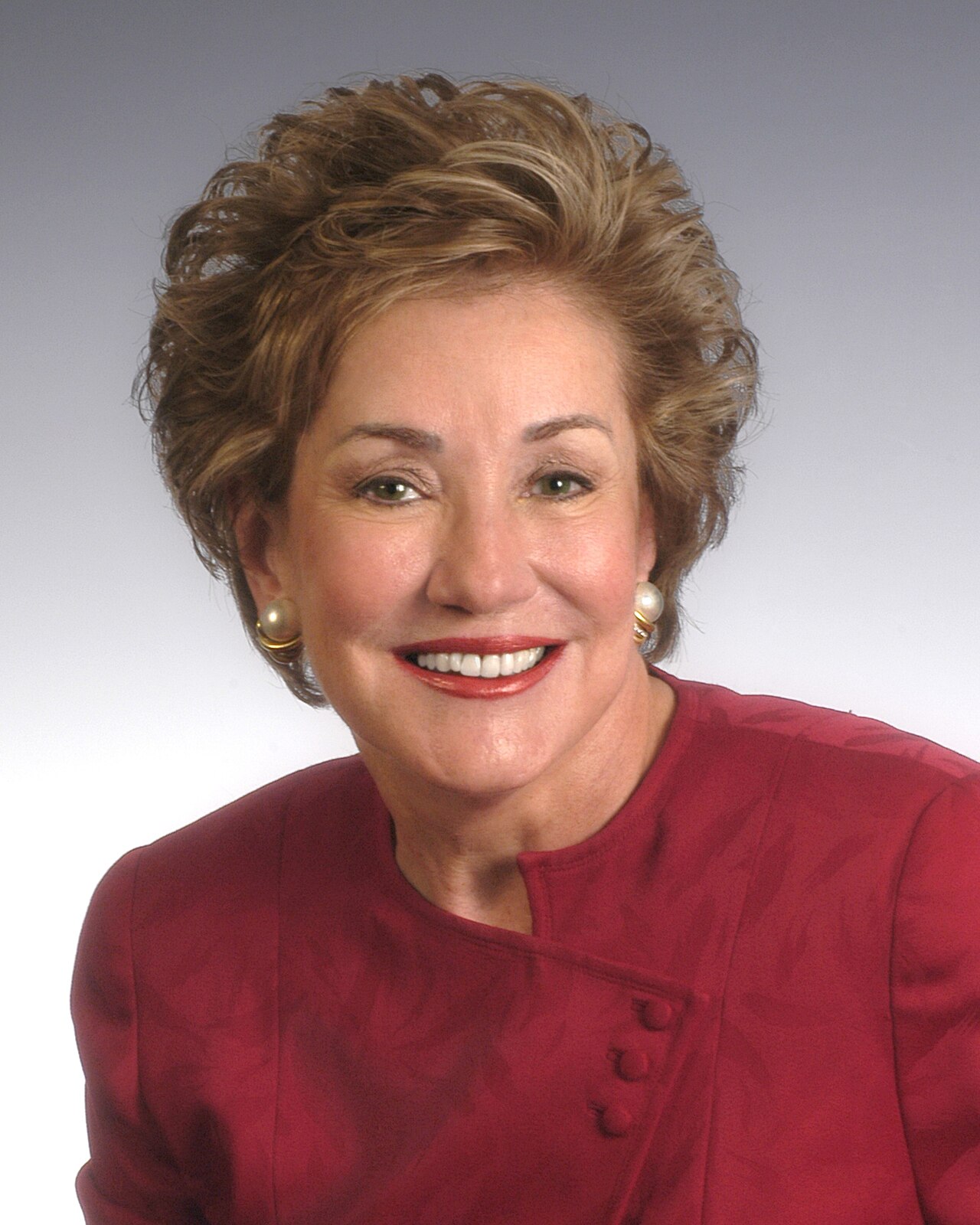
1936Elizabeth Dole(90 this year)Mary Elizabeth Alexander Dole is an American attorney, author, and politician
who served as a United States senator from North Carolina from 2003 to 2009.
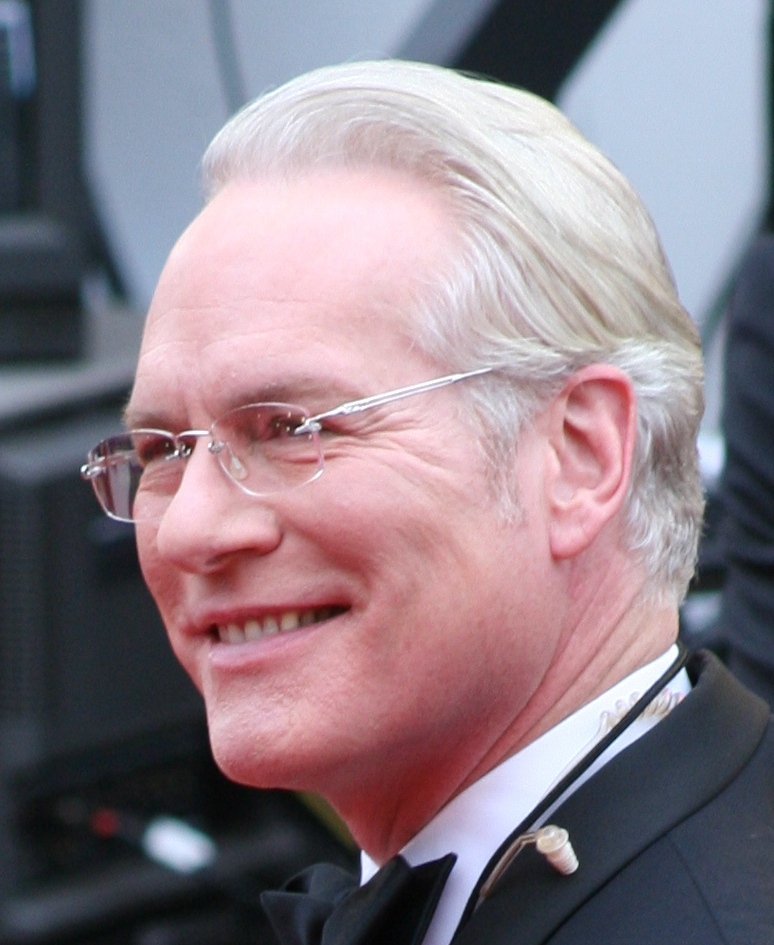
1953Tim Gunn(73 this year)Timothy MacKenzie Gunn is an American author, academic, and television personality.
1966Sally Gunnell(60 this year)Sally Jane Janet Gunnell, OBE, DL is a British former track-and-field athlete, who won the 1992 Olympic gold medal in the 400 metres hurdles.
1980Fernando González(46 this year)Fernando Francisco González Ciuffardi is a Chilean former professional tennis player.
869Muhammad al-MahdiMuhammad al-Mahdi is believed by Twelver Shia Muslims to be the last of the Twelve Imams and the Mahdi, who will reemerge in the End Times to restore justice and defeat tyranny alongside Isa (Jesus).
996Fujiwara no NorimichiFujiwara no Norimichi , fifth son of Michinaga, was a kugyo of the Heian period.
1805Alexis de TocquevilleAlexis Charles Henri Clérel, comte de Tocqueville, was a French diplomat, political philosopher and historian.
1870George DixonGeorge Dixon was a Canadian professional boxer.
1874J. S. WoodsworthJames Shaver Charleston Woodsworth was a Canadian Methodist minister, politician, and labour activist.
1883Benito MussoliniBenito Amilcare Andrea Mussolini was an Italian politician, journalist, and dictator who led the Kingdom of Italy as a fascist dictatorship from 1922 until his overthrow in 1943.
1906Thelma ToddThelma Alice Todd was an American actress and businesswoman, variously nicknamed "the Ice Cream Blonde" and "Hot Toddy", who appeared in about 120 feature films and shorts between 1926 and 1935.
1907Melvin BelliMelvin Mouron Belli was an American lawyer and writer known as "The King of Torts" and by insurance companies as "Melvin Bellicose".
1913Erich PriebkeErich Priebke was a German mid-level Schutzstaffel (SS) commander in the Sicherheitspolizei (SiPo) of Nazi Germany.
1915Francis W. SargentFrancis Williams Sargent was an American politician who served as the 64th governor of Massachusetts from 1969 to 1975.
1916Charlie ChristianCharles Henry Christian was an American swing and jazz guitarist.
1925Harold W. KuhnHarold William Kuhn was an American mathematician who studied game theory.
1925Hilary SmartHilary Hurlburt Smart was an American sailor and Olympic champion.
1942Doug Ashdown(84 this year)Douglas Wesley Ashdown is an Australian rock music singer-songwriter from Adelaide.
1948John ClarkeJohn Morrison Clarke was a New Zealand comedian, writer and satirist who lived and worked in Australia from the late 1970s. He was a highly regarded actor and writer whose work appeared on the Australian Broadcasting Corporation (ABC) in both radio and television and also in print.
1952Joe Johnson(74 this year)Joseph Johnson is an English former professional snooker player and a snooker commentator for Eurosport.
1963Julie Elliott(63 this year)Julie Elliott, Baroness Elliott of Whitburn Bay, is a British Labour Party politician who served as Member of Parliament (MP) for Sunderland Central from 2010 to 2024.
1965Dean Haglund(61 this year)Dean Haglund is a Canadian actor, known for the role of Richard "Ringo" Langly, one of The Lone Gunmen on The X-Files.
1965Woody Weatherman(61 this year)Corrosion of Conformity is an American heavy metal band from Raleigh, North Carolina, formed in 1982.
Quote of the Day
“Happy families are all alike; every unhappy family is unhappy in its own way.” — Leo Tolstoy, Anna Karenina
July 29 History Quiz
On July 29, 1954, which J.R.R. Tolkien novel was published?
The Fellowship of the Ring
Who did Prince Charles marry on July 29, 1981?
Diana Spencer
On July 29, 1921, what significant waterway opened on a limited basis?
Every event on this page was picked by hand from the historical record, written up as a news report, and checked against its source. Photographs are matched to the event they illustrate and verified before they are used. Sources are linked on each story.
![Front page of St. Croix avis, Christiansted, St. Croix [V.I.], 29 July 1954](https://tile.loc.gov/image-services/iiif/service:ndnp:vnstcsc:batch_vnstcsc_canaan_ver01:data:sn84037526:00513681306:1954072901:0651/full/pct:50/0/default.jpg)


 “Light My Fire”,
  The Arrangement, Elia Kazan
 The Russia House, John le Carré
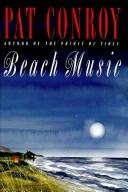 Beach Music, Pat Conroy
 “It's Gonna Be Me”,
  “Despacito”,
 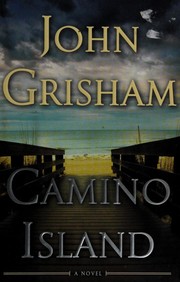 Camino Island, John Grisham
 “Seven”,
  Too Late, Colleen Hoover