Our front page for July 31 — written and set by The Yesterday Times from the events below. Not an archival document.
Day of the year
212
Days left in 2026
153
In 2026 it falls on a
Friday
Star sign
Leo
Birthstone
Ruby
On July 31 in 1917, 109 years ago, Passchendaele Offensive Opens. This page reports 9 stories from the date, 25 people born on this day.
The stories in full
Western Front Despatches
1917 — Passchendaele Offensive Opens
Allied drive aims to clear Channel Ports — Haig wins War Cabinet assent at last — ridges south and east of Ypres the prize
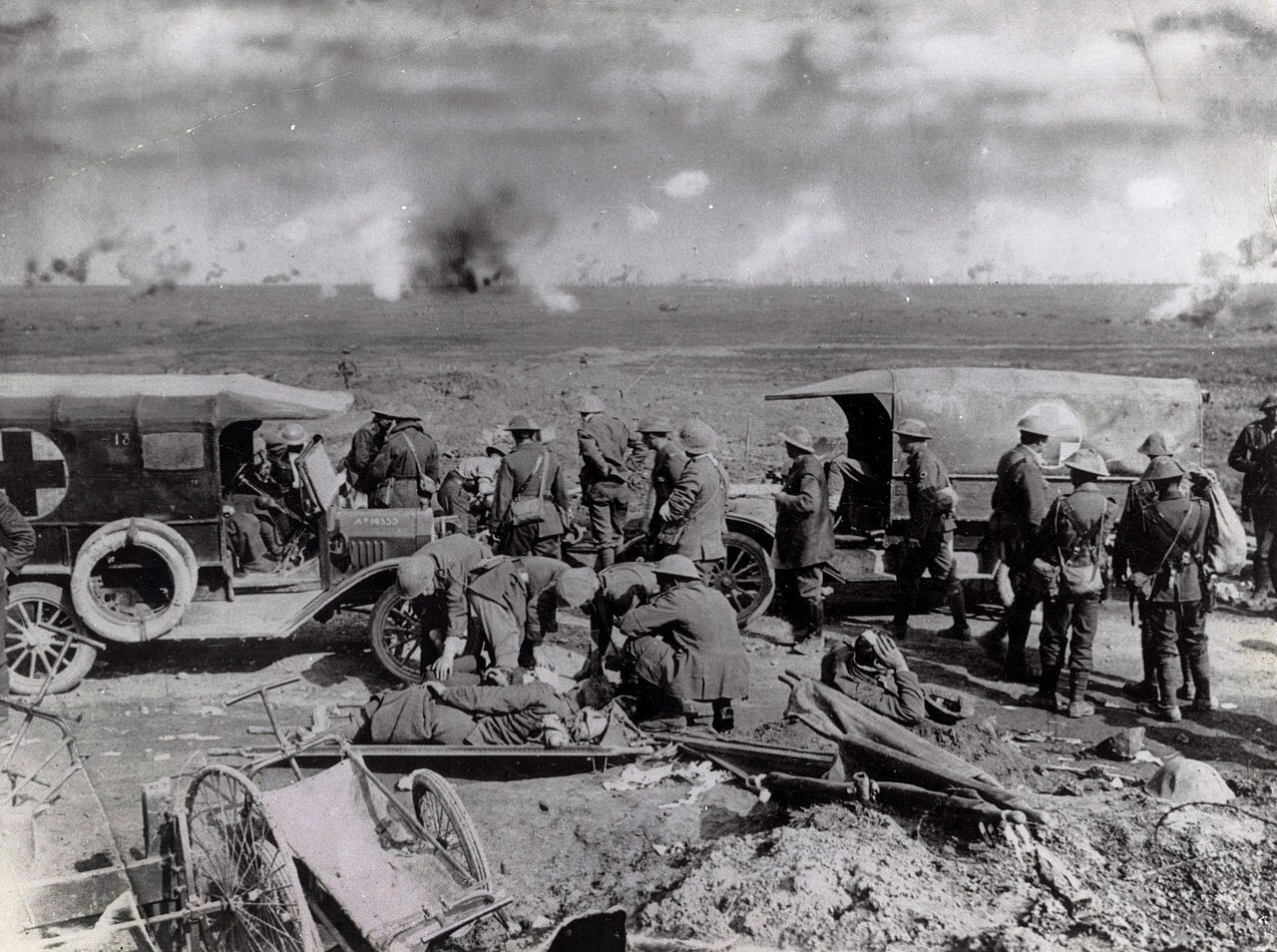
Allied medical personnel treat wounded soldiers during the brutal Battle of Passchendaele near Ypres — British Official Photographer
LONDON, July 31 — The long-prepared Flanders offensive has at last been launched, with the British and Allied armies attacking German positions along the ridges south and east of Ypres, Belgium. The battle, which will decide control of the high ground before Passchendaele, is intended to compel the enemy to withdraw from the Channel Ports, a strategic prize of the first order.
Passchendaele village crowns the last ridge east of Ypres, five miles from Roulers, where the Bruges-to-Kortrijk railway meets. Field Marshal Sir Douglas Haig received the War Cabinet's approval for the operation only on 25 July, after weeks of argument.
The battle took place on the Western Front from July to November 1917 for control of ridges south and east of Ypres.
Passchendaele lies on the last ridge east of Ypres, 5 miles from Roulers, a junction of the Bruges-to-Kortrijk railway.
Field Marshal Sir Douglas Haig did not receive approval for the Flanders operation from the War Cabinet until 25 July.
The campaign ended in November when the Canadian Corps captured Passchendaele, apart from local attacks in December and early 1918.
British Prime Minister David Lloyd George opposed the offensive, as did General Ferdinand Foch, Chief of Staff of the French Army.
University Intelligence
1874 — Father Healy Installed as Georgetown President
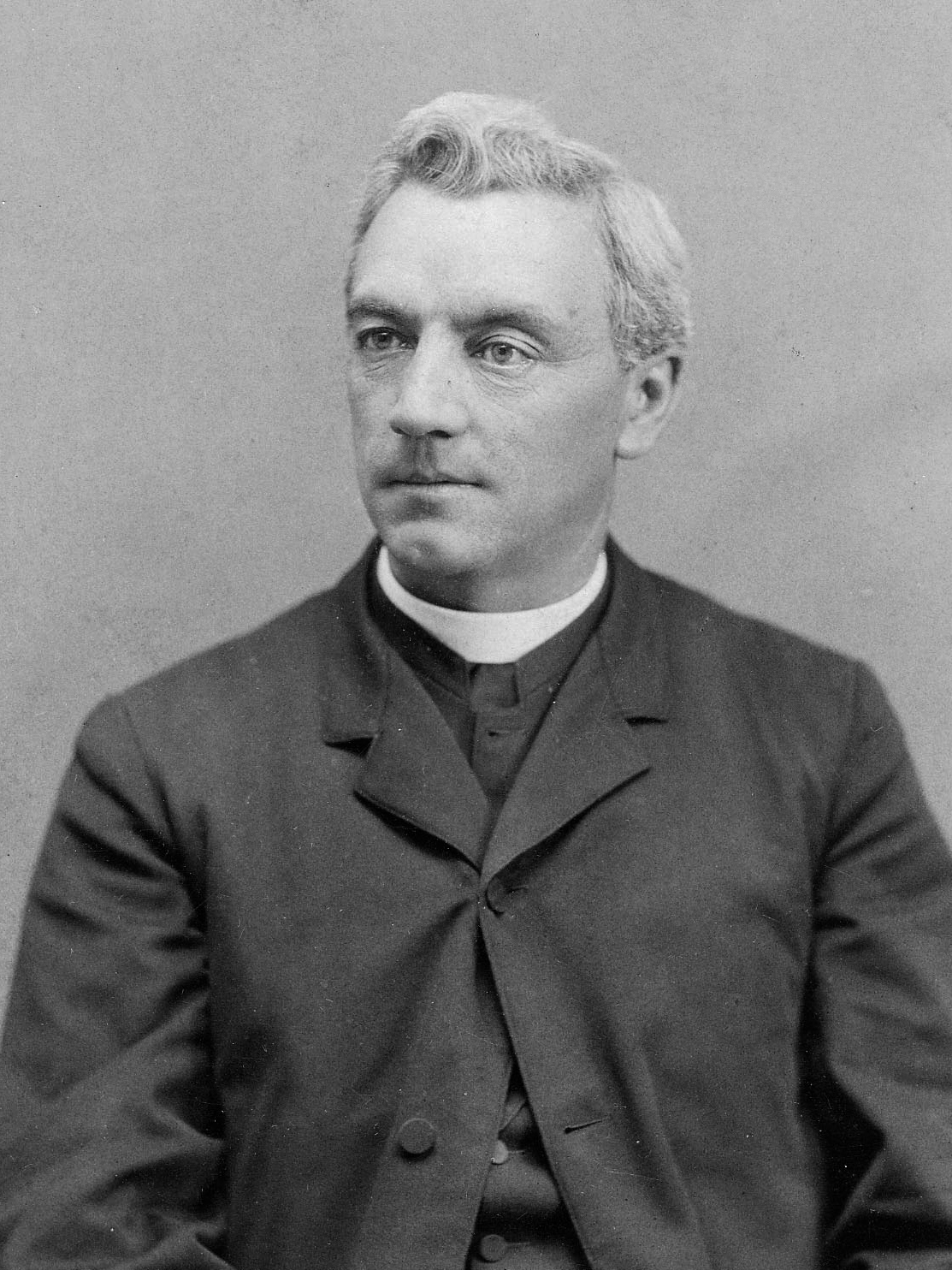
A quiet but signal advance in an age when skin color has too often barred men from the highest stations.
A quiet but signal advance in an age when skin color has too often barred men from the highest stations. — Blake Photography et al.
WASHINGTON, July 31 — In an age when the color of a man's skin has too often barred him from the highest stations, the inauguration of the Reverend Patrick Francis Healy as president and rector of Georgetown University stands as a quiet but signal advance. Healy, whose appointment as rector was delayed a year by concern in Rome over his mixed-race background, has commissioned architects John L. Smithmeyer and Paul J. Pelz for a new main building.
On July 31, 1874, Patrick Francis Healy was officially inaugurated as president and rector of Georgetown University.
He became the first Black president of a predominantly White university in the United States.
His appointment as rector was delayed a year due to concern in Rome over his mixed-race background.
Healy continued to hold the role of prefect simultaneously with the office of president until 1879.
In 1874, Healy commissioned architects John L. Smithmeyer and Paul J. Pelz to design what became Healy Hall.
World Desk
2006 — Castro Yields Presidency Temporarily to Brother Raúl
After intestinal surgery, Fidel steps aside — vice president to assume duties
HAVANA, July 31 — Fidel Castro, ailing after surgery for intestinal bleeding, has provisionally handed the duties of the Cuban presidency to his younger brother, Vice President Raúl Castro. Doctors operated on the 79-year-old leader earlier today, and the transfer was announced in a statement read on state television.
Castro underwent surgery for intestinal bleeding on July 31, 2006.
He delegated his presidential duties to his brother, Vice President Raúl Castro.
Raúl Castro was elected president by the National Assembly in 2008.
Jerusalem Bureau
2002 — Hamas Bomb at Hebrew University Kills Nine Students
Frank Sinatra Center cafeteria hit by cell-phone detonated device — five Americans among dead
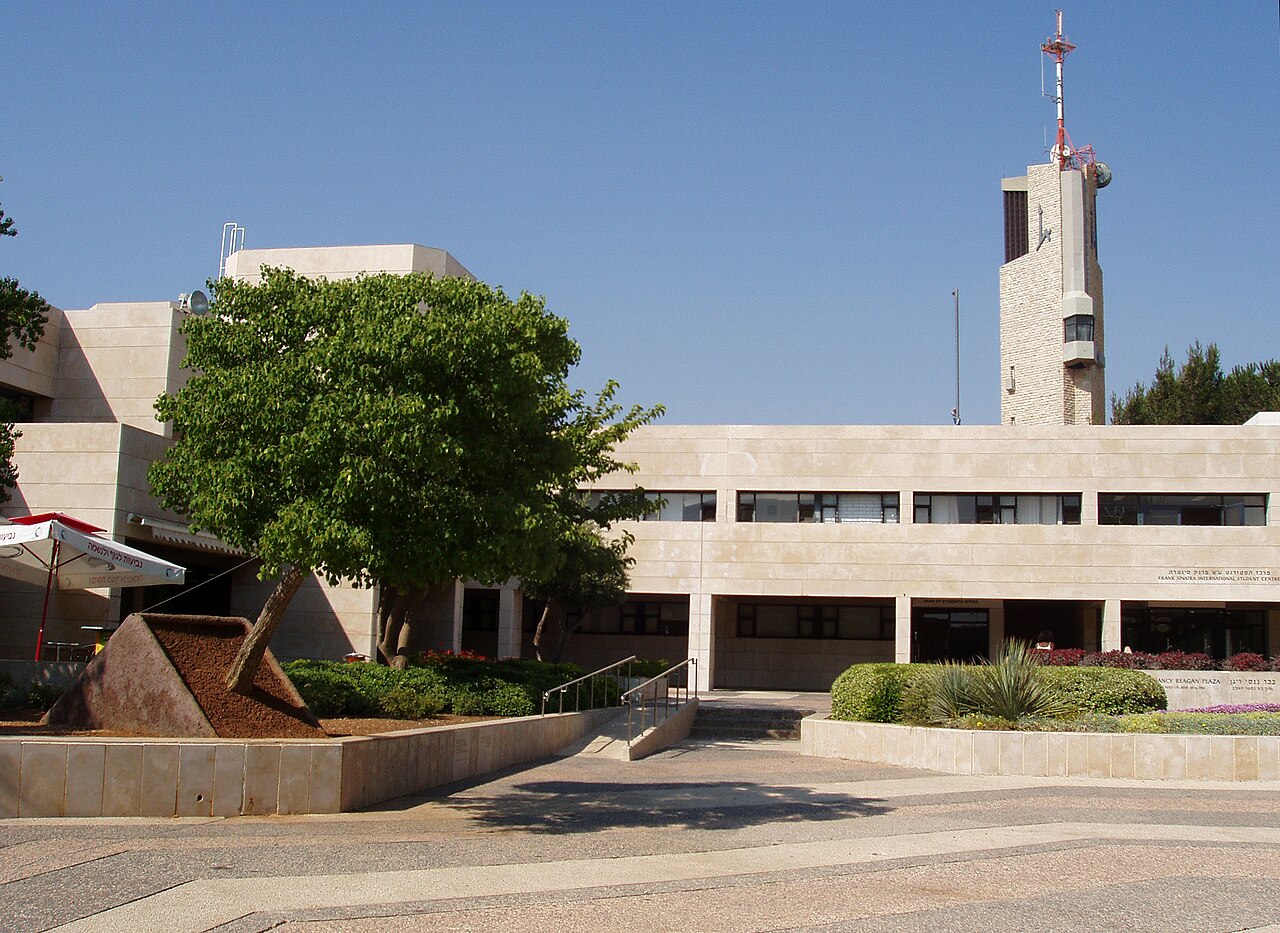
The Frank Sinatra International Student Center at Hebrew University following the deadly Hamas bombing — Milan.sk
JERUSALEM, July 31 — Nine students are dead and about 100 wounded after a bomb hidden in the Frank Sinatra International Student Center cafeteria at the Hebrew University of Jerusalem exploded during the lunch hour, detonated by cell phone.
Five of the dead were American students; among the injured are four more Americans and three South Koreans.
The bomb was placed in the Frank Sinatra International Student Center cafeteria and detonated by cell phone.
Five of the nine killed were U.S. students; about 100 were injured, including four Americans and three South Koreans.
Hamas claimed responsibility at a Gaza City rally of 10,000 supporters, calling it revenge for the killing of Salah Shehadeh.
United Nations Secretary General Kofi Annan condemned the attack and urged an end to the cycle of violence.
The attacker, Muhammad Odeh, a painter at the university, was released in January 2025 as part of a hostage exchange.
Power Desk
2012 — India Blackout Hits 620 Million
Largest outage in history — 22 states dark — grid collapse halts trains, traps miners
NEW DELHI, July 31 — India suffered the largest power outage in history today, cutting electricity to more than 620 million people, or about 9 percent of the world's population, across 22 of the nation's 28 states. An estimated 32 gigawatts of generating capacity went offline as the grid collapsed. NTPC Ltd. stopped 38 percent of its generation. More than 300 intercity passenger trains and commuter lines shut down; the Delhi Metro suspended service on all six lines, evacuating passengers from stalled trains. About 200 miners were trapped underground in eastern India after lifts failed; all were later rescued.
The July 31 blackout affected over 600 million people across 22 of India's 28 states.
An estimated 32 gigawatts of generating capacity was taken offline during the outage.
More than 300 intercity passenger trains and commuter lines were shut down due to the power failure.
About 200 miners were trapped underground in eastern India after lifts failed, but all were later rescued.
The Delhi Metro suspended service on all six lines and evacuated passengers from trains that stopped mid-journey.
Continental Affairs
1777 — Congress Grants Lafayette Major General Rank
Nineteen-year-old French officer commissioned major general, volunteering to serve under Washington.
PHILADELPHIA, July 31 — In the State House here, the Second Continental Congress this day passed a resolution commissioning the Marquis de Lafayette, a French officer of but nineteen years, as major general in the American revolutionary forces. Born to a wealthy land-owning family in Chavaniac, Auvergne, on 6 September 1757, Lafayette was commissioned an officer at thirteen and became convinced the American cause was noble. He now volunteers to serve under General George Washington. A major general commands a division of 6,000 to 25,000 troops, subordinate to a lieutenant general.
The Second Continental Congress passed a resolution commissioning the Marquis de Lafayette as a major general on July 31, 1777.
Lafayette was a 19-year-old French military officer who volunteered to join the Continental Army led by General George Washington.
Lafayette was born on 6 September 1757 in Chavaniac, Auvergne, France, into a wealthy land-owning family.
Lafayette was commissioned an officer at age 13 and became convinced the American revolutionary cause was noble.
A major general typically commands a division of 6,000 to 25,000 troops, subordinate to lieutenant general.
Space Desk
1964 — Ranger 7 Flashes Moon Photos, Hits Surface
First U.S. close-ups — 4,316 pictures sent — craft crashes after historic flight
PASADENA, July 31 — The moon's face, long a blur to earthly telescopes, is now sharp before the world's eyes. Ranger 7, the first American spacecraft to return close-up lunar images, transmitted 4,316 photographs in its final minutes and then crashed at high speed onto the surface today. The pictures, relayed as the craft descended, reveal craters and ridges in detail never before seen. Scientists at the Jet Propulsion Laboratory hailed the performance as a clean success, ending months of failure in the Ranger program.
Ranger 7 transmitted 4,316 photos of the Moon before its intentional crash.
The spacecraft crashed into the Moon at high speed on July 31, 1964.
Ranger 7 was the first U.S. spacecraft to successfully transmit close-up images of the lunar surface.
Alpine Expedition
1954 — Italians Conquer K2, Second Highest Peak
Compagnoni and Lacedelli reach 8,611-metre summit — Desio's team first to top 'Savage Mountain'
ROME, July 31 — The world's second-highest mountain has fallen to the rope of an Italian expedition, a feat that climbers had long deemed almost impossible. Achille Compagnoni and Lino Lacedelli reached the summit of K2, 8,611 metres (28,251 ft) above sea level, on 31 July, planting their nation's flag on a peak known as 'The Savage Mountain' after George Bell said, 'It's a savage mountain that tries to kill you.' Led by Ardito Desio, the eleven climbers, none of whom had been to the Himalaya before, spent an estimated 100 million lira on the attempt.
Achille Compagnoni and Lino Lacedelli reached the summit of K2 on 31 July 1954.
The summit of K2 is 8,611 metres (28,251 ft) above sea level.
The expedition was led by Ardito Desio and included eleven Italian climbers, none of whom had been to the Himalaya before.
The expedition cost an estimated 100 million lira (equivalent to US$1.9 million in 2025).
Compagnoni and Lacedelli took photographs and a movie film from the summit of K2.
Ulster Desk
1972 — Claudy Car Bombs Kill Nine Civilians in Ulster Village
Triple blast follows British move into Free Derry — IRA blamed, no proof offered
BELFAST, July 31 — The village of Claudy was shattered this afternoon when three car bombs exploded within minutes, killing nine civilians and wounding many others. The blasts came hours after British troops, in Operation Motorman, moved into the self-styled Free Derry, ending the autonomous no-go area that had defied the Crown for weeks. Witnesses described scenes of chaos as flames consumed shops and homes along the main street, with rescue workers digging through rubble for the dead and injured. The Irish Republican Army stands accused of the outrage, though no proof has been published to link the organisation to the attack. The bombing follows the Bloody Friday attacks of July 21, in which nine died in a series of explosions in Belfast. The main street remained cordoned off tonight as soldiers and police searched nearby houses for further devices. No organisation has claimed responsibility, and the death toll may yet rise as rescue teams sift through the wreckage.
Nine civilians were killed in the triple car bombing in Claudy.
The bombing occurred ten days after the Bloody Friday attacks on 21 July 1972.
The Irish Republican Army is accused of the Claudy bombing, but no proof has been published.
What the papers printed that morning
Real front pages from 31 July 1917, scanned by the Library of Congress. These are archival documents, not our work.
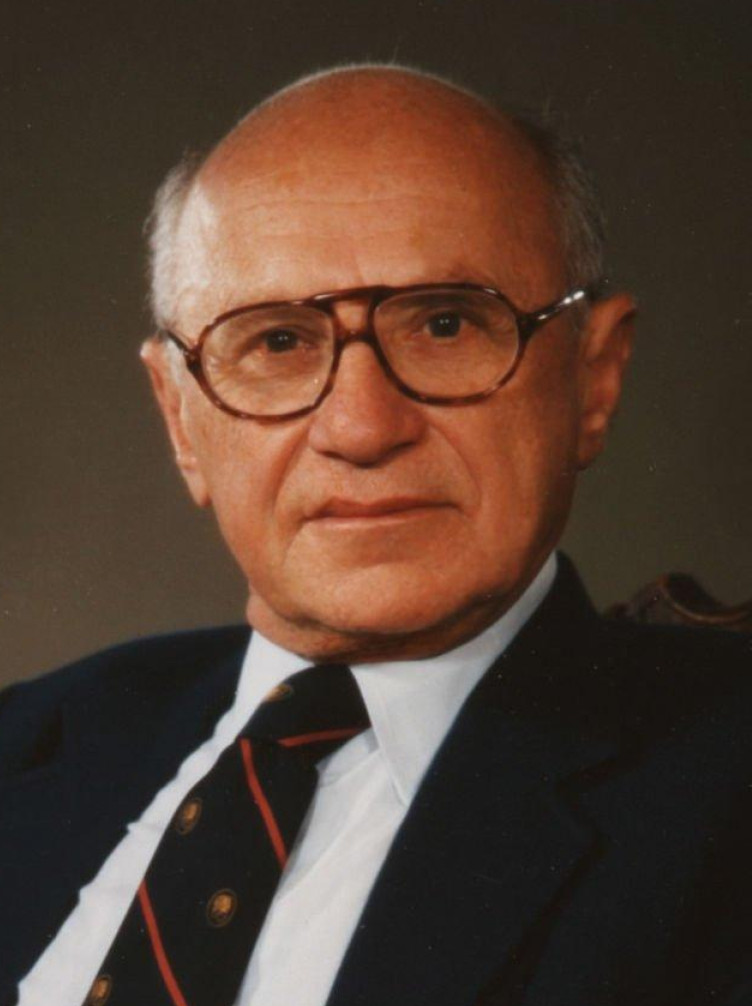
1912Milton FriedmanMilton Friedman was an American economist and statistician who received the 1976 Nobel Memorial Prize in Economic Sciences for his research on consumption analysis, monetary history and theory and the complexity of stabilization policy.
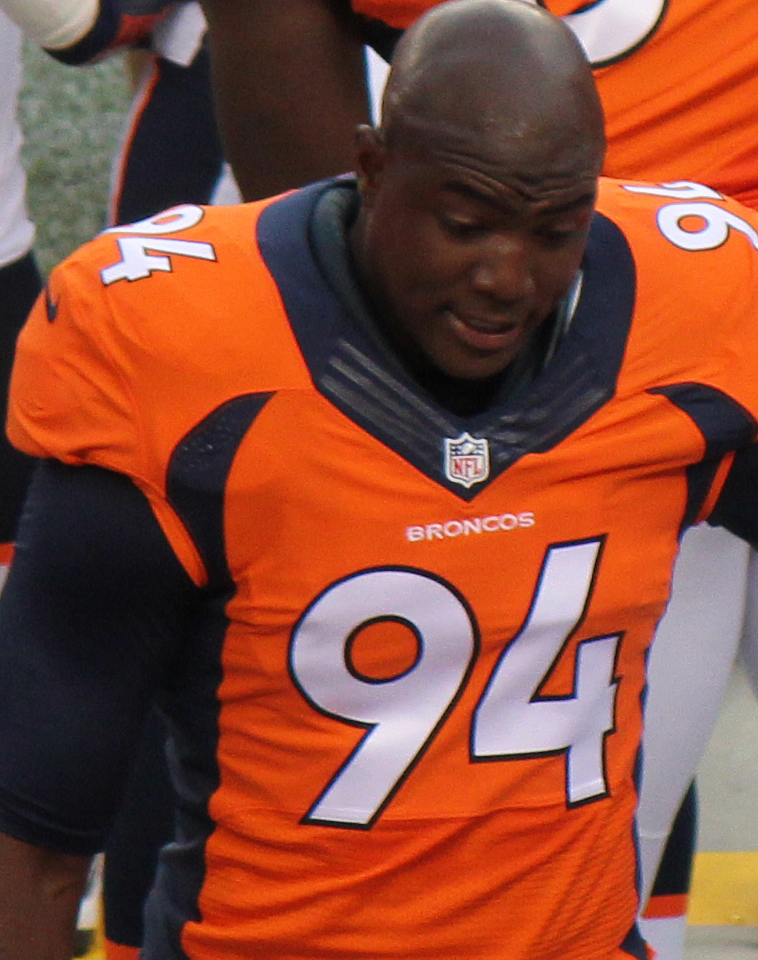
1982DeMarcus Ware(44 this year)DeMarcus Omar Ware is an American former professional football linebacker who played in the National Football League (NFL) for 12 seasons.
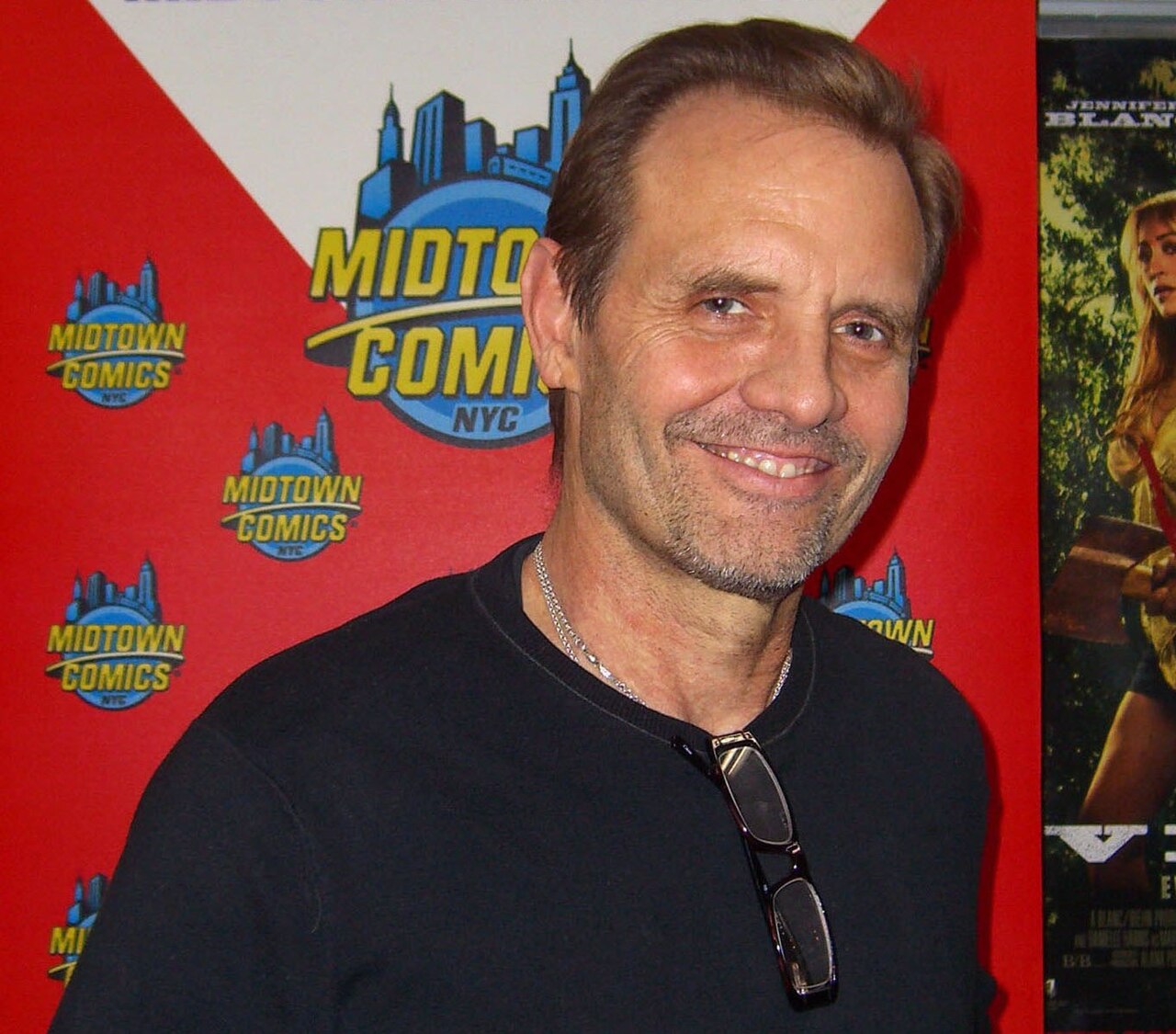
1956Michael Biehn(70 this year)Michael Connell Biehn is an American actor, primarily known for his roles in science fiction films directed by James Cameron; as Sgt. Kyle Reese in The Terminator (1984), Cpl.
1986Evgeni Malkin(40 this year)Evgeni Vladimirovich Malkin is a Russian professional ice hockey player who is a centre and alternate captain for the Pittsburgh Penguins of the National Hockey League (NHL).
1718John CantonJohn Canton was a British physicist.
1826William S. ClarkWilliam Smith Clark was an American professor of chemistry, botany, and zoology; a colonel during the American Civil War; and a leader in agricultural education.
1858Marion TalbotMarion Talbot was an American educator who served as Dean of Women at the University of Chicago from 1895 to 1925, and an influential leader in the higher education of women in the United States during the early 20th century.
1886Larry DoyleLawrence Joseph Doyle, nicknamed "Laughing Larry", was an American second baseman in Major League Baseball from 1907 to 1920 who played almost his entire career for the New York Giants.
1886Salvatore MaranzanoSalvatore Maranzano, nicknamed Little Caesar, was an Italian-American mobster from the town of Castellammare del Golfo, Sicily, and an early Cosa Nostra boss who led what later would become the Bonanno crime family in New York City.
1886Fred QuimbyFrederick Clinton Quimby was an American animation producer best known for producing the Tom and Jerry cartoon series, for which he won seven Academy Awards for Best Animated Short Films.
1894Fred KeenorFrederick Charles Keenor was a Welsh professional footballer.
1901Jean DubuffetJean Philippe Arthur Dubuffet was a French painter and sculptor of the École de Paris.
1907Neil RobinsonCornelius Randall Robinson, known professionally as Neil Robinson, was a major league baseball player in the segregated Negro leagues.
1909Erik von Kuehnelt-LeddihnErik Maria Ritter von Kuehnelt-Leddihn was an Austrian-American nobleman and polymath, whose areas of interest included philosophy, history, political science, economics, linguistics, art and theology.
1912Bill BrownWilliam Alfred Brown, was an Australian cricketer who played 22 Test matches between 1934 and 1948, captaining his country in one Test.
1914Mario BavaMario Bava was an Italian filmmaker who worked variously as a director, cinematographer, special effects artist and screenwriter.
1918Hank JonesHenry Jones Jr. was an American jazz pianist, bandleader, arranger, and composer.
1919Primo LeviPrimo Michele Levi was a Jewish Italian chemist, partisan, Holocaust survivor and writer.
1922Hank BauerHenry Albert Bauer was an American right fielder and manager in Major League Baseball.
1926Hilary PutnamHilary Whitehall Putnam was an American philosopher, mathematician, computer scientist, and figure in analytic philosophy in the second half of the 20th century.
1947Karl Green(79 this year)Herman's Hermits are an English pop rock group formed in 1963 in Manchester and fronted by singer Peter Noone.
1956Bill Callahan(70 this year)William E. Callahan is an American football coach who is the offensive line coach for the Atlanta Falcons of the National Football League (NFL).
1957Daniel Ash(69 this year)Daniel Gaston Ash is an English musician, songwriter and singer.
1958Bill Berry(68 this year)William Thomas Berry is an American musician who was the drummer for the alternative rock band R.E.M. Although best known for his economical drumming style, Berry also played other instruments, including guitar, bass guitar and piano, both for songwriting and on R.E.M. albums.
1961Sanusi Lamido Sanusi(65 this year)Muhammadu Sanusi II, ; born 31 July 1961), known by the religious title Khalifa Sanusi II, is the spiritual leader (khalifa) of the Tijanniyah Sufi order in Nigeria and the emir of the ancient city-state of Kano.
Quote of the Day
“I can resist everything except temptation.” — Oscar Wilde, The Picture of Dorian Gray
July 31 History Quiz
Which battle began on July 31, 1917, near Ypres?
Battle of Passchendaele
What did Ranger 7 transmit before crashing into the Moon on July 31, 1964?
Television images
Who succeeded Fidel Castro as President of Cuba in 2008?
Every event on this page was picked by hand from the historical record, written up as a news report, and checked against its source. Photographs are matched to the event they illustrate and verified before they are used. Sources are linked on each story.


![Front page of Evening public ledger, Philadelphia [Pa.], 31 July 1917](https://tile.loc.gov/image-services/iiif/service:ndnp:pst:batch_pst_davey_ver01:data:sn83045211:0023728768A:1917073101:0158/full/pct:50/0/default.jpg)


 The Agony and the Ecstasy, Irving Stone
 “You've Got A Friend”,
  The Exorcist, William Peter Blatty
 “Eye Of The Tiger”,
  The Prodigal Daughter, Jeffrey Archer
 “Can't Help Falling In Love (From "Sliver")”,
 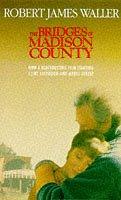 The Bridges of Madison County, Robert James Waller
 “Confessions Part II”,
 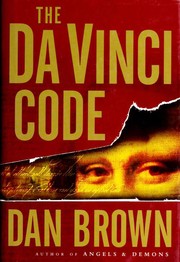 The Da Vinci Code, Dan Brown
 “Love The Way You Lie”,
  The Search, Nora Roberts
 “Butter”,
  The Paper Palace, Miranda Cowley Heller