Our front page for July 6 — written and set by The Yesterday Times from the events below. Not an archival document.
Day of the year
187
Days left in 2026
178
In 2026 it falls on a
Monday
Star sign
Cancer
Birthstone
Ruby
On July 6 in 2013, 13 years ago, Boeing 777's First Fatal Crash Kills 3 in San Francisco. This page reports 12 stories from the date, 25 people born on this day.
The stories in full
Aviation
2013 — Boeing 777's First Fatal Crash Kills 3 in San Francisco
Asiana Airlines Flight 214 crashed on San Francisco's Runway 28L, killing three of the 307 aboard and injuring 187, with 49 seriously; the first fatal Boeing 777 accident since 1995.
The tail section of Asiana Airlines Flight 214 lay broken on Runway 28L at San Francisco International Airport, its fuselage charred and split open. The Boeing 777, flying from Seoul, crashed on final approach this morning, killing three of the 307 people aboard and injuring 187, 49 of them seriously.
The crash is the first fatal accident involving the Boeing 777 since the aircraft entered service in 1995. The National Transportation Safety Board said the crew mismanaged the airplane's final approach.
Two Chinese nationals, Wang Linjia and Ye Mengyuan, were found dead outside the aircraft after being ejected in the crash.
Asiana Airlines Flight 214 crashed on final approach into Runway 28L at San Francisco International Airport on July 6, 2013.
Of the 307 people on board, three were killed and 187 were injured, 49 of them seriously.
This was the first fatal crash of a Boeing 777 since the aircraft type entered service in 1995.
The NTSB concluded the accident was caused by the flight crew's mismanagement of the airplane's final approach.
Two Chinese nationals, Wang Linjia and Ye Mengyuan, were found dead outside the aircraft after being ejected during the crash.
Atomic Energy
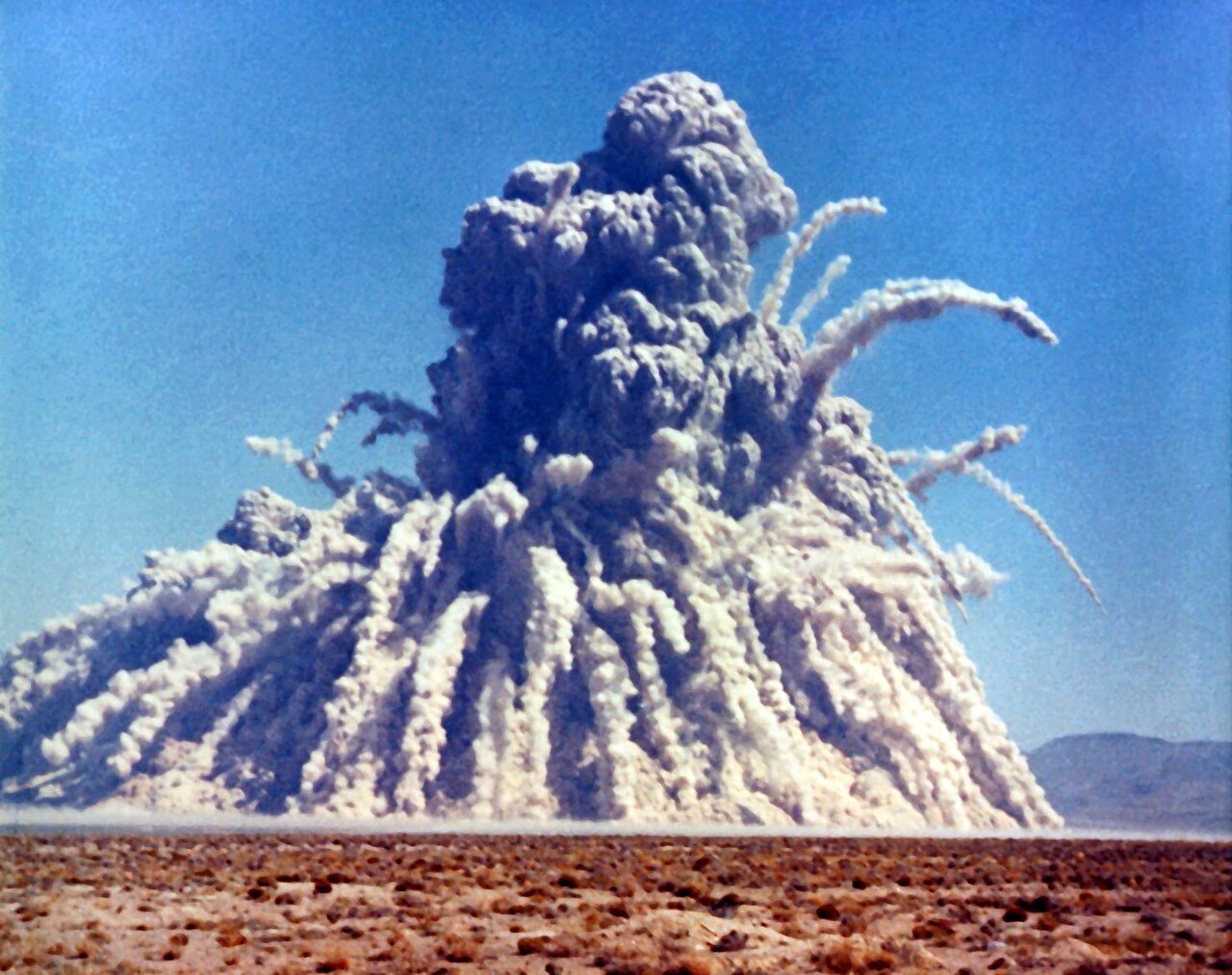
1962 — Sedan Blast Opens New Era in Atomic Earthmoving
The Sedan test at Yucca Flat produced the largest man-made crater in the United States, officials said.
The Atomic Energy Commission's Sedan test, aimed at proving nuclear explosives can move earth for peaceful projects, has left the largest man-made crater in the United States. The shot, fired in Area 10 of Yucca Flat at the Nevada test site, was part of Project Plowshare, the program exploring civilian uses for atomic energy.
The device was thermonuclear, with a fission yield under 30 percent and a fusion yield of about 70 percent. It measured 43 centimeters in diameter, 96.5 centimeters in length, and weighed 212.2 kilograms.
Officials acknowledged the test's radioactive fallout contaminated more U.S. residents than any other nuclear test, a matter of continuing concern.
The Sedan test took place in Area 10 of Yucca Flat at the Nevada National Security Site.
Its radioactive fallout contaminated more U.S. residents than any other nuclear test.
The resulting Sedan Crater is the largest human-made crater in the United States.
The Sedan device was thermonuclear with a fission yield under 30% and fusion yield about 70%.
The device measured 43 cm in diameter, 96.5 cm in length, and weighed 212.2 kg.
Public Works
1940 — Story Bridge Opens, Linking Brisbane's Two Shores
Sir Leslie Wilson opens Australia's longest cantilever bridge, with tolls collected until 1947.
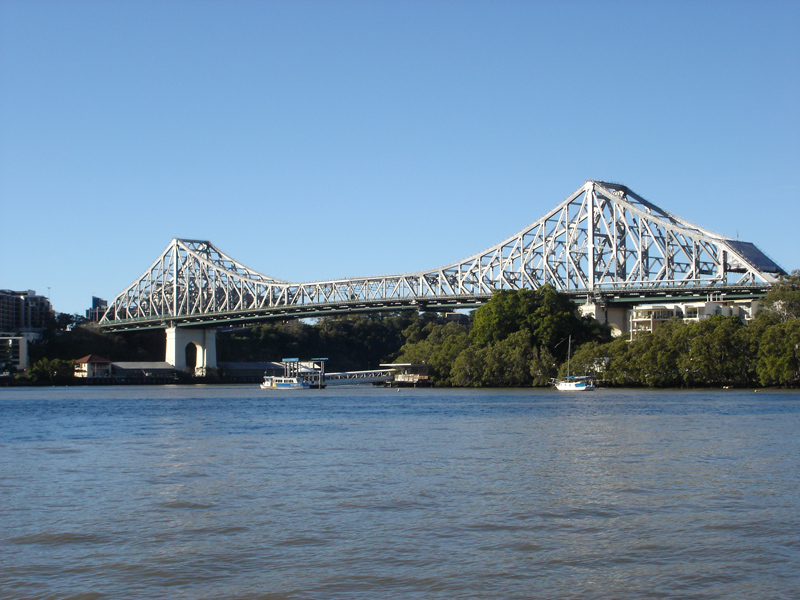
The Story Bridge in Brisbane, Australia's longest cantilever bridge, spans the Brisbane River — MagpieShooter
In an era when great bridges were the measure of a city's ambition, Brisbane today took its place among them, as the Story Bridge, the longest cantilever span in Australia, was opened by the Governor of Queensland, Sir Leslie Wilson. The bridge, which connects Fortitude Valley to Kangaroo Point across the Brisbane River, had been known as the Jubilee Bridge in honour of King George V until its completion, and now bears the name of John Douglas Story, the influential public servant who advocated so strongly for its construction.
Sir Leslie, in declaring the bridge open before a large gathering, spoke of the vision and perseverance that had brought the project to fruition, and of the hopes that the new crossing would knit together the city's northern and southern reaches. The road across the span is named the Bradfield Highway, a tribute to the engineer who designed the Sydney Harbour Bridge and whose counsel guided this undertaking.
For the thousands of citizens who queued to walk the deck on this first day, the bridge offered a panorama of the river and the city, and the promise of easier passage for years to come. The bridge will be operated as a toll crossing, with charges to be collected until 1947.
The bridge was opened on 6 July 1940 by Sir Leslie Orme Wilson, Governor of Queensland.
Until its completion, the bridge was known as the Jubilee Bridge in honour of King George V.
It was named after influential public servant John Douglas Story, who advocated strongly for its construction.
The road across the bridge is named Bradfield Highway.
The bridge connects Fortitude Valley to Kangaroo Point.
Continental Affairs
1809 — Napoleon Crushes Austria at Wagram
Napoleon's army of more than 150,000 defeats Archduke Charles, forcing a retreat and opening the way to peace.
Napoleon, at the head of a combined French, German and Italian army of more than 150,000 men, has decisively defeated the Austrian forces under Archduke Charles at Wagram, near Vienna. The battle, fought over two days on the 5th and 6th of July, was the largest in European history to this time, with the Austrians fielding over 130,000 troops.
Archduke Charles, seeing his lines broken, admitted defeat and led his army in retreat towards mid-afternoon on the 6th, frustrating the enemy's attempts to pursue. The victory opens the way to the Treaty of Schönbrunn, which will cost the Austrian Empire a sixth of its subjects and several territories.
In recognition of his services, the Emperor has bestowed upon Marshal Louis-Alexandre Berthier the title of 1st Prince of Wagram, a fitting reward for the chief of staff who helped plan this great success. The battle ends the War of the Fifth Coalition, and Austria now sues for peace.
The Battle of Wagram, fought on 5–6 July 1809, was the largest battle in European history up to that time.
Napoleon amassed a French, German and Italian army of over 150,000 men for the battle, while the Austrians had over 130,000 men.
Archduke Charles admitted defeat and led a retreat towards mid-afternoon on 6 July, frustrating enemy attempts to pursue.
The resulting Treaty of Schönbrunn meant the loss of one sixth of the Austrian Empire's subjects, along with some territories.
Emperor Napoleon bestowed on Louis-Alexandre Berthier the victory title of 1st Prince of Wagram after the battle.
Parliament
2009 — Kosor Wins Vote, Becomes Croatia's First Female
Parliament approved Jadranka Kosor's cabinet with 83 votes in favor out of 153 members.
Jadranka Kosor, who made history as Croatia's first female prime minister — premier.gov.ru
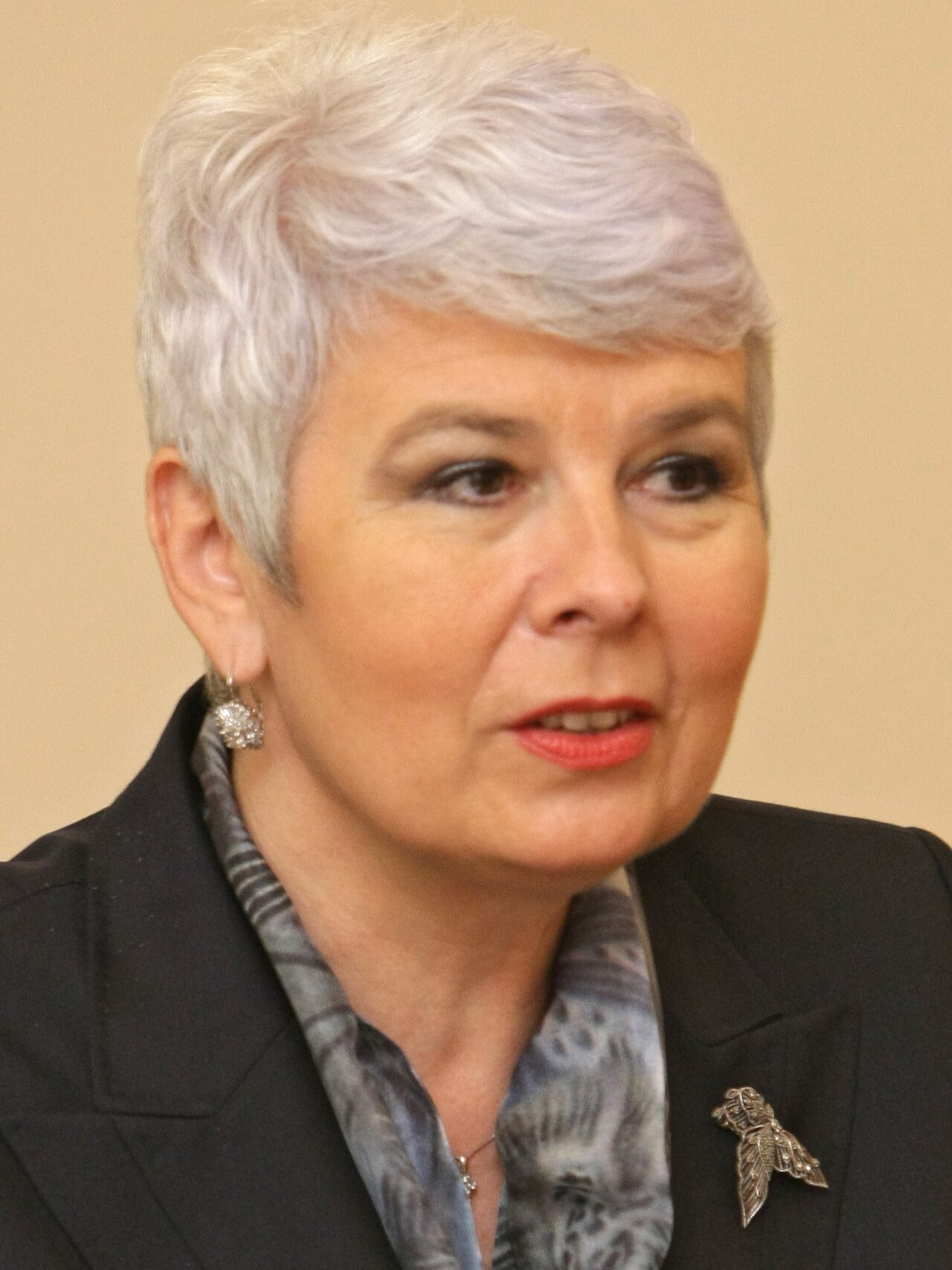
83. That was the number of votes in favor when Parliament approved Jadranka Kosor's cabinet on 6 July 2009, making her the first female prime minister of Croatia since independence and the third in the republic's history.
Kosor, 56, a former journalist and minister, steps into the role after Ivo Sanader resigned suddenly on 1 July and suggested her as his successor. President Stjepan Mesić invited Kosor to form a government after Sanader's departure.
The opposition, however, has been harsh. Sanader has been called a coward and Kosor his puppet, with demands for an early general election echoing through the chamber.
Kosor now faces the task of leading a nation grappling with economic woes and the slow grind of European Union accession talks. Her cabinet, approved with the support of 83 of 153 members, reflects the ruling Croatian Democratic Union's continued hold on power.
The new prime minister has pledged continuity with Sanader's policies, but her critics question whether she can step out of his shadow. As she takes office, the country watches to see if the first woman at the helm will bring change or merely serve as a placeholder.
Parliament approved Kosor's cabinet with 83 votes in favor out of 153 members on 6 July 2009.
Kosor became the first female prime minister of Croatia since independence and the third in the republic's history.
Ivo Sanader resigned suddenly on 1 July 2009 and suggested Kosor as the next prime minister.
The opposition called Sanader a coward and Kosor his puppet, demanding an early general election.
President Stjepan Mesić invited Kosor to form a government after Sanader's resignation.
The War
1777 — Americans Abandon Ticonderoga; Public Indignation Grows
American troops completed a retreat from advancing British forces on July 6, 1777, sparking public uproar, as the British occupied the fort without opposition.
American troops at Fort Ticonderoga in New York completed a retreat from advancing British forces on July 6, 1777, sparking an uproar among the public. British Lieutenant General John Burgoyne's 8,000-man army occupied the high ground above the fort, forcing the withdrawal.
The American garrison under General Arthur St. Clair numbered only about 3,000 effectives, deemed inadequate for defense. The uncontested surrender of Ticonderoga, widely believed to be virtually impregnable, has caused indignation. General St. Clair and his superior, General Philip Schuyler, have been vilified by Congress.
British forces occupied Fort Ticonderoga and Mount Independence without opposition on July 6.
British Lieutenant General John Burgoyne's 8,000-man army occupied high ground above Fort Ticonderoga, forcing the American withdrawal.
The American garrison under General Arthur St. Clair numbered only about 3,000 effectives, deemed inadequate for defense.
The uncontested surrender of Ticonderoga caused an uproar because it was widely believed to be virtually impregnable.
General St. Clair and his superior General Philip Schuyler were vilified by Congress after the retreat.
British forces occupied Fort Ticonderoga and Mount Independence without opposition on July 6, 1777.
Court Chronicle
1483 — Richard III Crowned King of England
Richard III was crowned on July 6, 1483, the last monarch of the House of York and Plantagenet dynasty.
In Westminster Abbey, the crown was placed upon the head of Richard III on July 6, 1483. He is the last monarch of the House of York and the Plantagenet dynasty.
Richard III was crowned King of England on July 6, 1483.
He was the last monarch of the House of York and the Plantagenet dynasty.
Richard's coronation followed a declaration by an assembly of lords and commoners on June 25, 1483, proclaiming him rightful king.
The marriage of Edward IV was declared bigamous, barring Edward V and his siblings from inheriting the throne.
Edward V and his brother Richard, Duke of York, disappeared from the Tower of London around August 1483.
Christendom's Shield
1614 — Knights Repulse Ottoman Assault on Malta
The Knights Hospitaller, based on Malta since 1530, repelled the final Ottoman assault in 1614, preserving their stronghold until 1798.
The Ottoman Empire's final attempt to conquer Malta was repulsed by the Knights Hospitaller, securing the island for Christendom. The Knights, based on Malta since 1530, repelled the assault in 1614, ending Ottoman designs on the island. Their victory preserved their stronghold.
The Ottoman attempt to conquer Malta in 1614 was repulsed by the Knights Hospitaller.
The Knights Hospitaller were based on Malta from 1530 to 1798.
War Fronts
1941 — Saïo Garrison Surrenders After Three-Month Siege
On 6 July 1941, General Pietro Gazzera and eight generals yielded with over 6,000 soldiers.
The long campaign in East Africa has reached its end. On 6 July 1941, the Italian garrison at Saïo surrendered, ending a three-month siege.
General Pietro Gazzera, with eight of his generals and over 6,000 soldiers, laid down arms.
General Pietro Gazzera surrendered along with eight of his generals and over 6,000 Italian soldiers.
The surrender was formally accepted by Belgian forces under General Auguste Gilliaert on 6 July 1941.
The siege culminated in an Allied assault on 3 July 1941, after which Gazzera sued for peace.
The Italian garrison at Saïo was besieged by Belgo-Congolese troops, British Commonwealth forces, and local Ethiopian resistance fighters.
Northern Ireland Desk
1997 — Five Days of Unrest Erupt in Nationalist Areas
1,500 soldiers and riot police in 100 armoured vehicles moved in at 3:30am on 6 July as five days of unrest began.
The RUC and British Army moved in at 3:30am on 6 July, with 1,500 soldiers and riot police in 100 armoured vehicles, as five days of unrest began over the Drumcree march.
On 6 July 1997 at 3:30am, 1,500 soldiers and riot police swept into the nationalist area in 100 armoured vehicles.
The RUC and British Army fired more than 2,500 plastic bullets at rioters during the unrest from 6 to 11 July 1997.
More than 100 civilians and 65 security force personnel were injured in the five days of unrest.
A 13-year-old boy went into a coma after being struck on the head by a plastic bullet during the riots.
The Provisional IRA carried out at least nine attacks on British troops during the weekend of 6 July 1997 alone.
War Cabinet
1915 — First Meeting of Allied Premiers at Calais
Asquith and Viviani met on 6 July 1915; Kitchener agreed to 70 divisions.
The first face-to-face meeting between British and French prime ministers took place at Calais on 6 July 1915. No formal record was kept, and proceedings were chaotic. Kitchener agreed to a French proposal for a 70-division British force, requiring conscription. Each side left with different expectations about the main offensive.
The Calais Conference on 6 July 1915 was the first face-to-face meeting between British PM H. H. Asquith and French PM René Viviani.
No formal record was made of the conference decisions due to poor organisation and absence of secretaries.
Lord Kitchener agreed to a French proposal that the British Expeditionary Force reach 70 divisions, requiring conscription.
Asquith opened the conference with a speech in halting French, hastily translated from English by diplomat George Clerk.
Maurice Hankey described the conference as 'chaos' with 'stone age' proceedings, as all discussion was in French.
Home News
1685 — King's Forces Rout Monmouth Rebels at Sedgemoor
King James II’s troops defeated Monmouth’s forces at Sedgemoor on 6 July 1685.
Troops loyal to King James II defeated those of James Scott, Duke of Monmouth, at the Battle of Sedgemoor on 6 July 1685, ending the Monmouth Rebellion.
Monmouth had landed with three ships at Lyme Regis in early June, and one of his officers declared him the legitimate king at Taunton.
Monmouth landed with three ships at Lyme Regis in Dorset in early June 1685.
One of Monmouth's officers declared him the legitimate king in the town of Taunton in Somerset.
Monmouth was beheaded for treason on 15 July 1685.
What the papers printed that morning
Real front pages from 6 July 1962, scanned by the Library of Congress. These are archival documents, not our work.
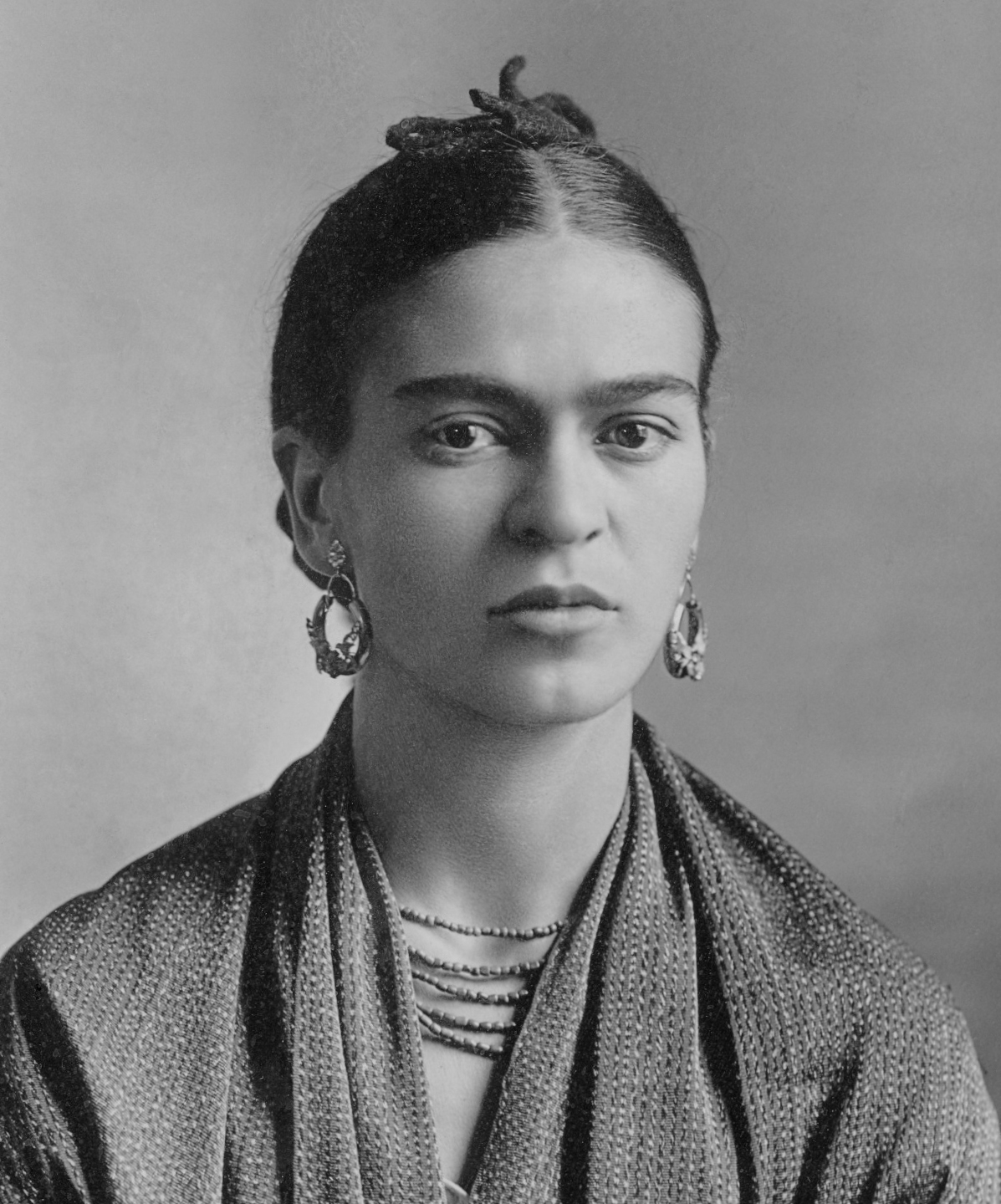
1907Frida KahloMagdalena Carmen Frida Kahlo y Calderón was a Mexican painter known for her many portraits, self-portraits, and works inspired by the nature and artifacts of Mexico.
1980Pau Gasol(46 this year)Pau Gasol Sáez is a Spanish former professional basketball player who played in the National Basketball Association (NBA) for 18 seasons, primarily as a power forward.
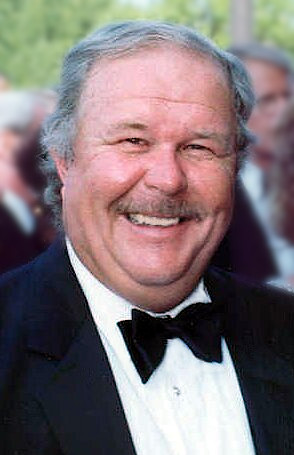
1937Ned BeattyNed Thomas Beatty was an American actor.
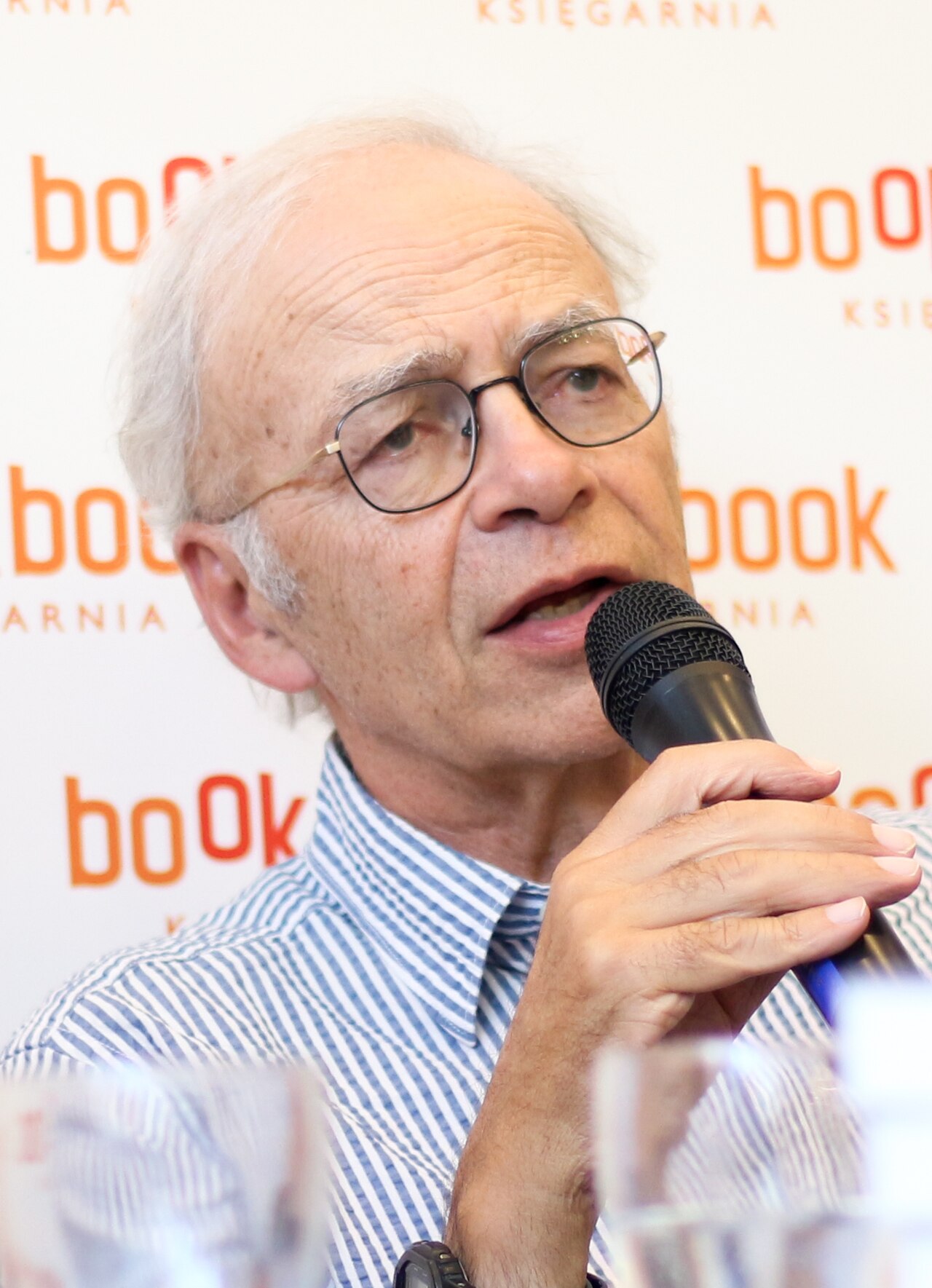
1946Peter Singer(80 this year)Peter Albert David Singer is an Australian moral philosopher who is Emeritus Ira W. DeCamp Professor of Bioethics at Princeton University.
1912Heinrich HarrerHeinrich Harrer was an Austrian mountaineer, explorer, writer, sportsman, geographer, and an SS sergeant.
1923Wojciech JaruzelskiWojciech Witold Jaruzelski was a Polish military general, politician and de facto leader of the Polish People's Republic from 1981 until 1989, serving as a military dictator from 13 December 1981 until 22 July 1983.
1981Nnamdi Asomugha(45 this year)Nnamdi Asomugha is a Nigerian-American actor, director, producer, and former professional football cornerback who played 11 seasons in the National Football League (NFL) with the Oakland Raiders, Philadelphia Eagles, and San Francisco 49ers.
1423Antonio ManettiAntonio di Tuccio Manetti was an Italian mathematician and architect from Florence.
1796Nicholas I of RussiaNicholas I was Emperor of Russia, King of Poland, and Grand Duke of Finland from 1825 to 1855.
1831Sylvester PennoyerSylvester Pennoyer was an American educator, attorney, and politician in Oregon.
1840José María Velasco GómezJosé María Tranquilino Francisco de Jesús Velasco Gómez Obregón, generally known as José María Velasco, was a 19th-century Mexican polymath, most famous as a painter who made Mexican geography a symbol of national identity through his paintings.
1914Viola DesmondViola Irene Desmond was a Canadian civil and women's rights activist and businesswoman of Black Nova Scotian descent.
1924Mahim BoraMahim Bora was a prominent Indian writer and educationist from Assam.
1927Jan Hein DonnerJohannes Hendrikus (Hein) Donner was a Dutch chess grandmaster and writer.
1928Bernard MalgrangeBernard Malgrange was a French mathematician who worked on differential equations and singularity theory.
1940Jeannie SeelyMarilyn Jeanne Seely was an American singer, songwriter, record producer, and author.
1946Fred Dryer(80 this year)John Frederick Dryer is an American actor, radio host, and former professional football player who played as a defensive end in the National Football League for 13 years with the New York Giants and Los Angeles Rams, participating in 176 games and recorded 103 career sacks starting in 1969 until his retirement in 1981, and is the only NFL player to score two safeties in one game.
1948Brad Park(78 this year)Douglas Bradford Park is a Canadian former professional ice hockey player.
1951Lorna Golding(75 this year)Lorna Golding is the wife of the 8th Prime Minister of Jamaica, Bruce Golding.
1953Nanci GriffithNanci Caroline Griffith was an American singer, guitarist, and songwriter.
1954Willie Randolph(72 this year)William Larry Randolph is an American former professional baseball second baseman, coach, and manager.
1958Jennifer Saunders(68 this year)Jennifer Jane Saunders is an English comedian, actress, singer, impressionist, satirist and screenwriter.
197550 Cent(51 this year)Curtis James Jackson III, known professionally as 50 Cent, is an American rapper, actor, television producer, record executive, and businessman.
1978Kevin Senio(48 this year)Kevin Senio is a former New Zealand rugby union professional who most recently played professionally for ASM Clermont Auvergne.
1978Tia Mowry(48 this year)Tia Dashon Mowry is an American actress.
Quote of the Day
“There is nothing either good or bad, but thinking makes it so.” — William Shakespeare, Hamlet
July 6 History Quiz
Which aircraft model was involved in the first fatal Boeing 777 crash at San Francisco airport?
Boeing 777-200ER
Who was crowned King of England on July 6, 1483?
Richard III
What was the name of the U.S. nuclear test conducted for civilian purposes on July 6, 1962?
Every event on this page was picked by hand from the historical record, written up as a news report, and checked against its source. Photographs are matched to the event they illustrate and verified before they are used. Sources are linked on each story.


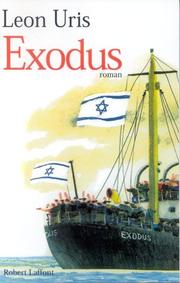 Exodus, Leon Uris
 The Shoes of the Fisherman, Morris West
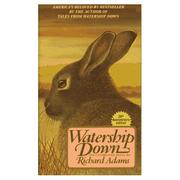 Watership Down, Richard Adams
 “Sussudio”,
 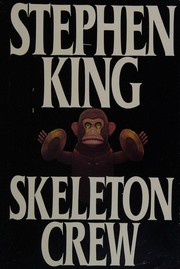 Skeleton Crew, Stephen King
 “Rush Rush”,
  “Hot In Herre”,
 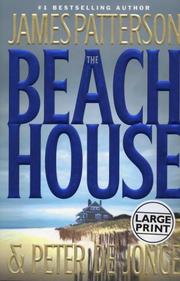 The Beach House, James Patterson and Peter de Jonge
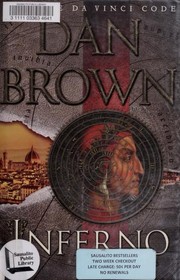 Inferno, Dan Brown
 “I Had Some Help”,
  The Housemaid Is Watching, Freida McFadden