Our front page for September 11 — written and set by The Yesterday Times from the events below. Not an archival document.
Day of the year
254
Days left in 2026
111
In 2026 it falls on a
Friday
Star sign
Virgo
Birthstone
Sapphire
On September 11 in 2001, 25 years ago, Terrorists Kill 2,977; Hijackers Turn Planes Into Weapons. This page reports 12 stories from the date, 25 people born on this day.
The stories in full
Terror Desk
2001 — Terrorists Kill 2,977; Hijackers Turn Planes Into Weapons
Nineteen men seize four airliners — striking the World Trade Center, the Pentagon, and a Pennsylvania field; the deadliest terrorist attack in history rewrites American security.
The calculus of American vulnerability changed in four hours this morning as coordinated hijackings transformed commercial aircraft into guided missiles, killing 2,977 people in New York, Virginia, and Pennsylvania.
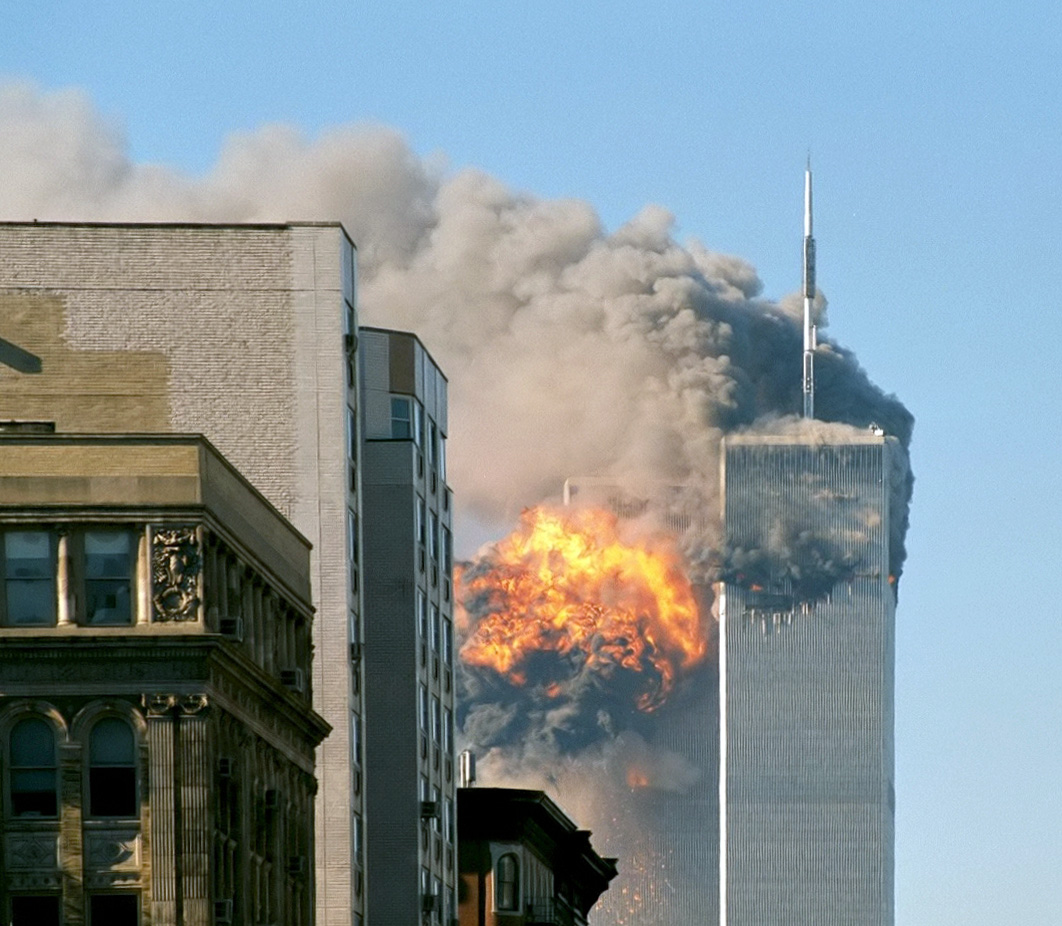
Mohamed Atta, piloting American Airlines Flight 11, struck the North Tower of the World Trade Center at 8:46 a.m. Seventeen minutes later, Marwan al-Shehhi flew United Airlines Flight 175 into the South Tower. A jet explodes into the south tower of the World Trade Center.
At 9:37 a.m., Hani Hanjour crashed American Airlines Flight 77 into the Pentagon, causing partial collapse of the building's west side. The fourth aircraft, United Airlines Flight 93, went down at 10:03 a.m. in a field near Shanksville, Pennsylvania, after passengers fought back against hijackers. The plane's intended target remains unknown.
The 19 hijackers came from four Arab nations: 15 from Saudi Arabia, two from the United Arab Emirates, one from Egypt, and one from Lebanon. All were members of al-Qaeda, the terrorist network based in Afghanistan.
The toll includes 343 New York City firefighters and 72 law enforcement officers. Recovery operations continue at all three sites. The nation has closed its airspace; international flights are diverted.
Nineteen terrorists hijacked four airliners, flying one into each of the Twin Towers, one into the Pentagon, and crashing one in Pennsylvania.
The attacks killed 2,977 victims, including 343 firefighters and 72 law enforcement officers, making it the deadliest terrorist attack in history.
Mohamed Atta flew American Airlines Flight 11 into the North Tower at 8:46 a.m., and Marwan al-Shehhi flew United Airlines Flight 175 into the South Tower at 9:03 a.m.
Hani Hanjour flew American Airlines Flight 77 into the Pentagon at 9:37 a.m., causing a partial collapse.
United Airlines Flight 93 crashed into a field near Shanksville, Pennsylvania, at 10:03 a.m. after passengers revolted against the hijackers.
2011 — Sept. 11 Memorial Opens to Families on Tenth Anniversary
The eight-acre memorial's twin pools, each nearly an acre, honor 2,977 killed in 2001 and six who died in the 1993 bombing.
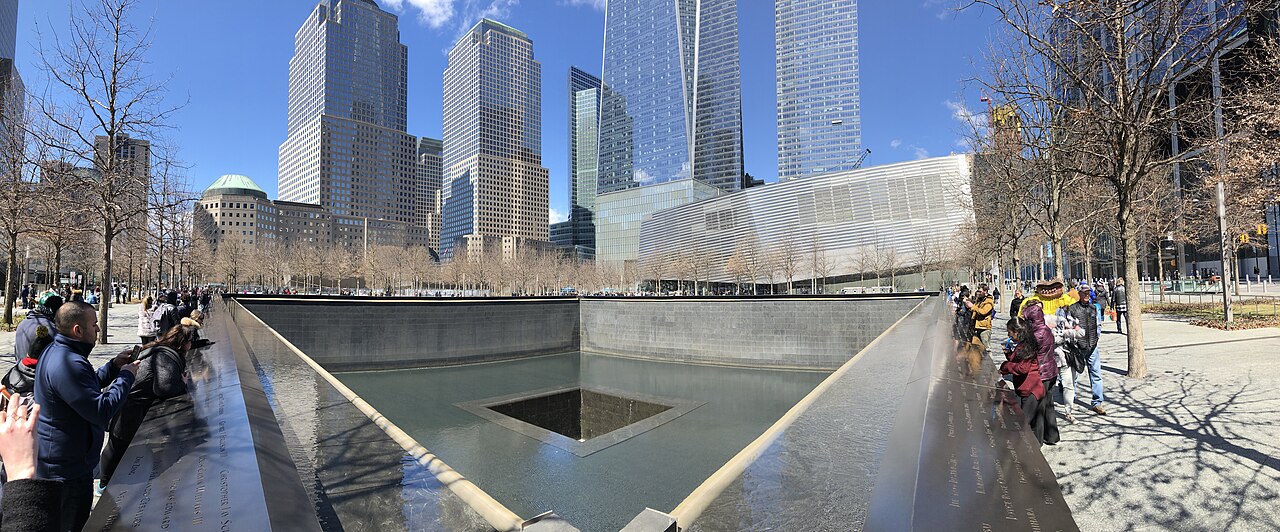
Visitors gather at the memorial pools during the dedication ceremony — Ken Lund
In the rhythm of national mourning, ten years have marked the passage from raw wound to ritualized remembrance, and this morning that evolution reaches its architectural expression as the National September 11 Memorial opens to family members in Lower Manhattan.
The dedication ceremony at the eight-acre site honors the 2,977 killed in the 2001 attacks and the six who died in the 1993 World Trade Center bombing. Visitors gather at the memorial pools during the dedication ceremony. The memorial's twin reflecting pools, each nearly an acre, occupy the footprints of the fallen towers.
The site opens to the general public following tomorrow's ceremonies. President Barack Obama and former President George W. Bush are expected to attend the dedication. The accompanying museum remains under construction.
A dedication ceremony is held at the United States National September 11 Memorial on the 10th anniversary of the September 11 attacks in New York City, and the memorial opens to family members.
1814 — Macdonough Wins Decisive Battle on Lake Champlain
The American victory at Plattsburgh halted the British invasion.
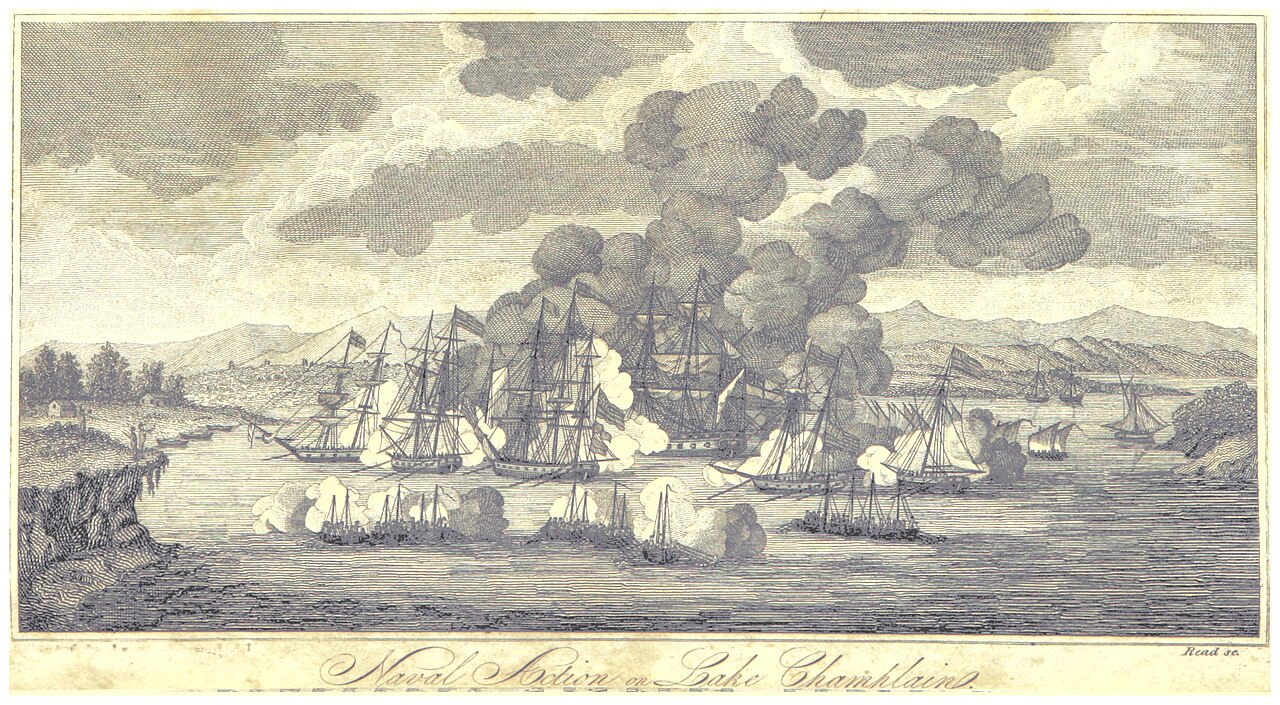
American and British ships exchange fire on Lake Champlain — Wikimedia Commons
Commodore Thomas Macdonough turned his flagship Saratoga and delivered a raking fire that shattered the British line this afternoon. The climax of the Battle of Plattsburgh unfolded as Macdonough's squadron engaged the fleet commanded by Captain George Downie. Downie was killed early in the engagement. The victory clinched a major United States triumph in the War of 1812.
War of 1812: The climax of the Battle of Plattsburgh, a major United States victory in the war.
1973 — Pinochet Seizes Chile; Troops Storm Palace, Allende Dies
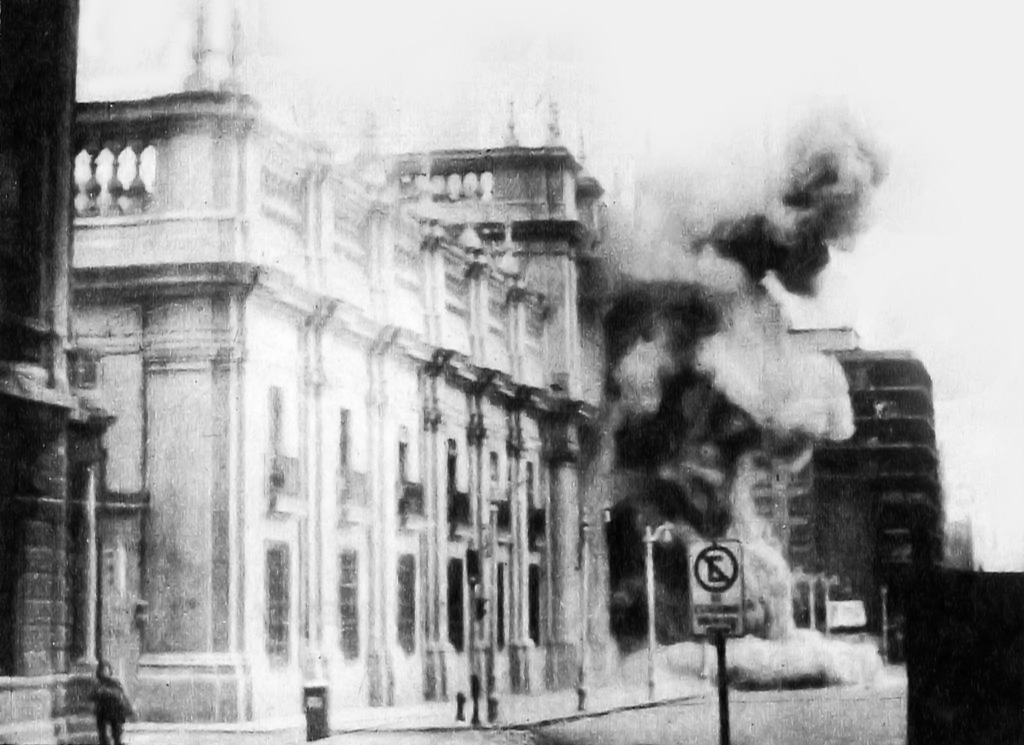
Allende, 65, refused to resign before troops stormed La Moneda, and the junta he fell to immediately imposed a 6 p.m. curfew after his 1970 election gave way to Pinochet's siege.
Thirty-seven days of mounting tension erupted into open civil war this morning as General Augusto Pinochet, commander of the Santiago garrison, ordered troops against the presidential palace and toppled the democratically elected government of Salvador Allende.
Smoke rises from La Moneda palace as troops attack. Allende, 65, who had refused to resign despite chronic economic crisis and military pressure, was confirmed dead by evening. The circumstances remain disputed; the junta claims suicide, while unconfirmed reports suggest he fell in the palace assault.
Pinochet's coup united the three armed services and the national police against the Unidad Popular coalition. Tanks ringed the capital by dawn. Radio Nacional, seized by military forces, broadcast martial music and announcements that the armed forces had "recovered" Chile from Marxist control.
The junta immediately declared a state of siege, imposed press censorship, and ordered arrests of leftist officials and union leaders. Curfew extends from 6 p.m. to 6 a.m. Washington, which had maintained cool relations with Allende, acknowledged the new regime but withheld formal recognition pending developments.
Allende, a physician and lifelong socialist, was elected in 1970 in a three-way race decided by Congress. His nationalization of copper mines and land reform had alienated middle-class Chileans and provoked CIA-supported opposition. The exact toll of today's fighting remains unknown.
A coup in Chile, headed by General Augusto Pinochet, topples the democratically elected president Salvador Allende.
1683 — Sobieski's Winged Hussars Break Ottoman Siege of Vienna
Polish cavalry with feathered wings streaming from their backs shattered the two-month encirclement that had gripped the Habsburg capital.
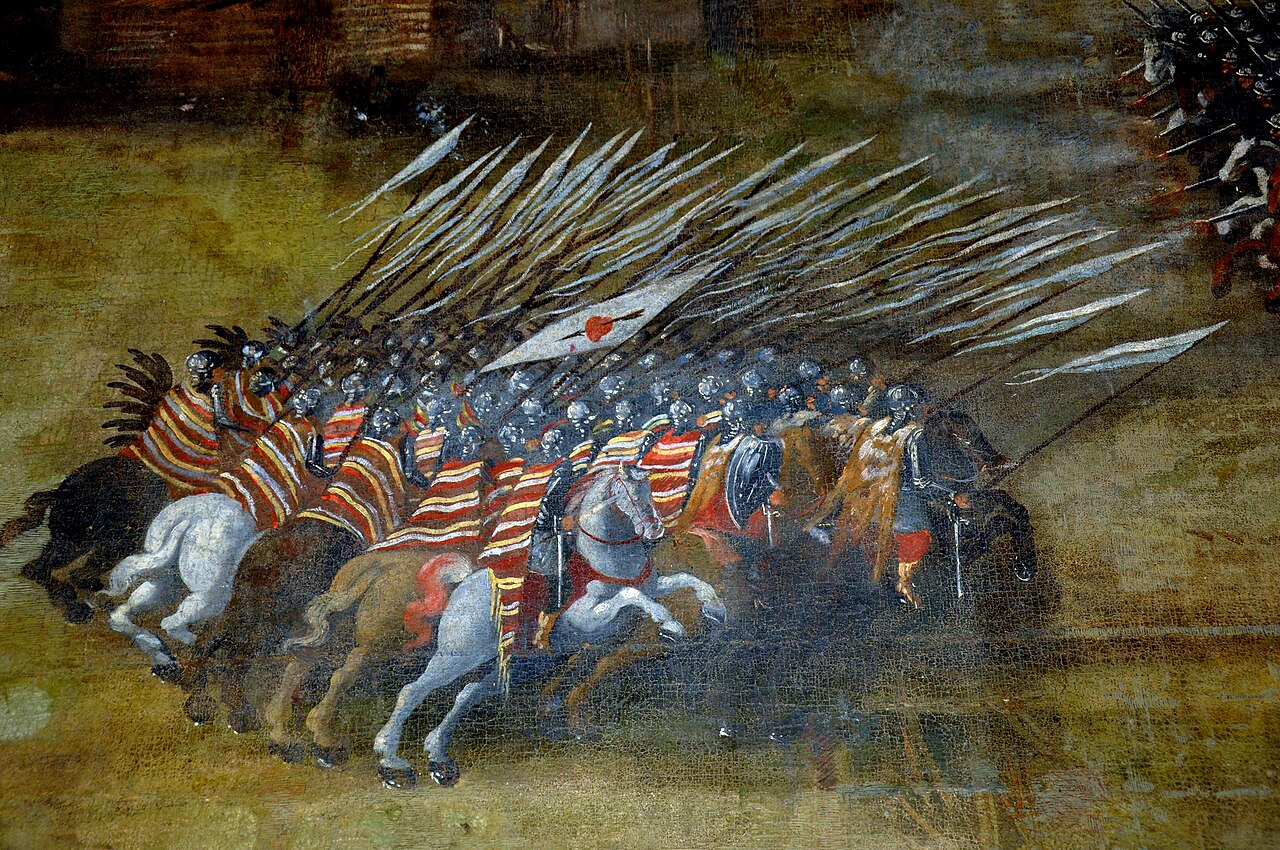
Polish winged Hussars charge with lances raised during the battle — Wikimedia Commons
King John III Sobieski of Poland has led coalition forces in lifting the Ottoman siege of Vienna, his famed winged Hussars breaking the blockade with lances raised ahead of the decisive battle for the city.
The Polish monarch commanded the largest cavalry charge in recorded memory, some thousands of horsemen descending upon the Turkish lines with feathered wings streaming from their backs. The assault shattered the encirclement that had gripped Vienna for two months, preserving the Habsburg capital from surrender.
Ottoman forces under Kara Mustafa had invested the city in July, digging trenches and mining walls in methodical siege warfare.
Coalition forces, including the famous winged Hussars, led by Polish King John III Sobieski lift the siege laid by Ottoman forces ahead of the Battle of Vienna.
1941 — Bulldozers Break Ground on World's Largest Office Building as Pentagon Construction Begins
In 1941, a massive five-sided fortress rises from Virginia mud to house an army at war.
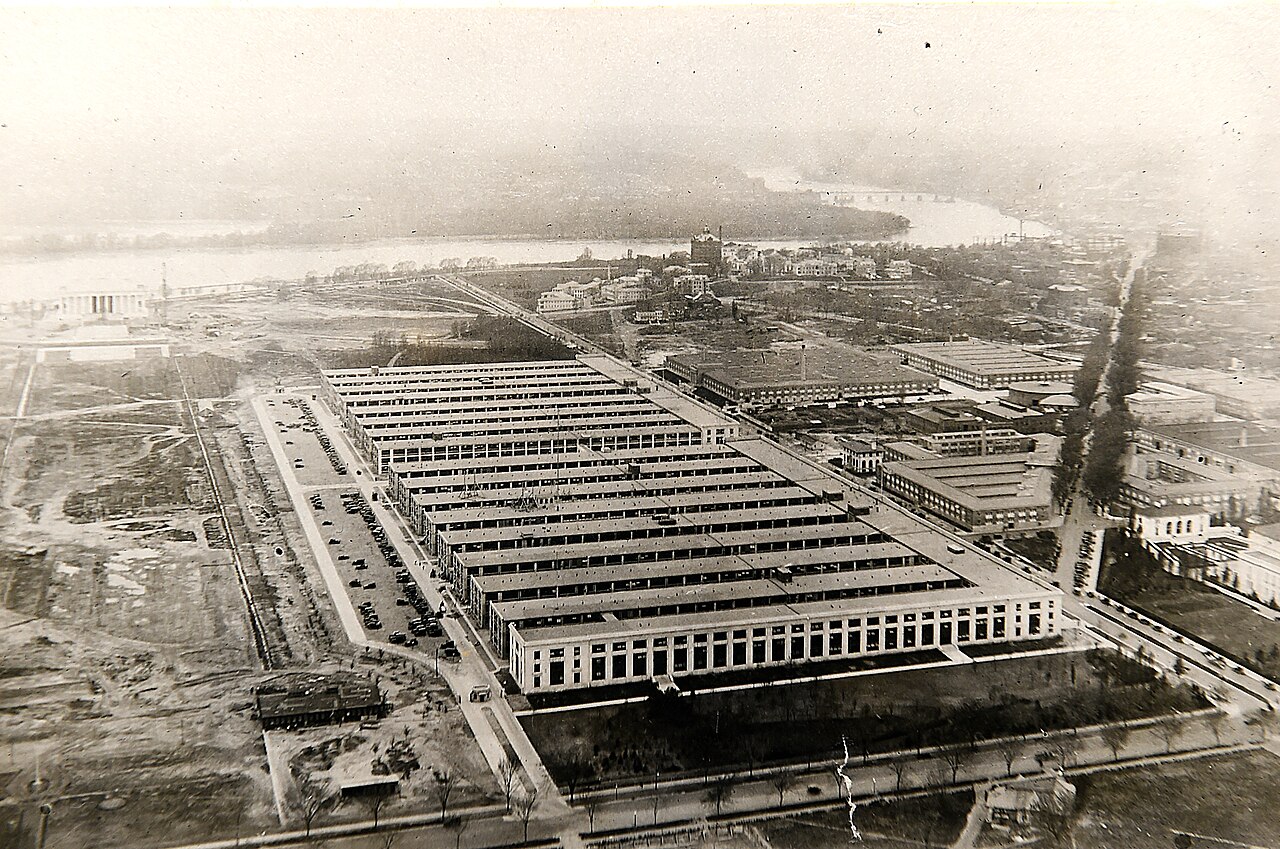
Aerial view of the Pentagon building under construction — United States Navy
The first earth turned at Arlington's old Hoover Field, where muddy ruts now mark the footprint of war's greatest office. Construction has begun on the Pentagon, a five-sided headquarters to house the swelling machinery of American defense. Army engineers broke ground this morning on the $35 million project. The building will consolidate the War Department's scattered bureaus under one roof.
The first U.S. spacecraft to reach Mars since 1976 enters orbit, promising the most detailed surface maps yet assembled.
NASA's Mars Global Surveyor fired its engines this morning to enter Mars orbit. It is the first U.S. spacecraft to reach the red planet since the Viking landers of 1976. The probe will assemble the most detailed maps yet of the Martian surface.
2023 — Storm Daniel Breaches Derna Dams, Killing Thousands in Libya
A hurricane-force deluge overwhelms aging infrastructure in a port city already scarred by conflict.
Two dams collapsed above the Libyan coastal city of Derna after Storm Daniel struck. The hurricane-strength storm had gathered over the overheated Ionian Sea. Thousands died when floodwaters swept whole neighborhoods into the sea. The disaster became the Mediterranean's deadliest flood.
The Libyan city of Derna experiences catastrophic floods after Storm Daniel causes two dams to collapse, killing thousands of people.
2012 — U.S. Ambassador Killed in Libya Consulate Assault
J. Christopher Stevens dies with Foreign Service Officer Sean Smith when armed militants stormed the Benghazi compound at 9:40 p.m. local time.
U.S. Ambassador J. Christopher Stevens was killed Tuesday night when a heavily armed group attacked the American consulate in Benghazi, Libya. Foreign Service Officer Sean Smith also died in the 9:40 p.m. assault on the diplomatic compound.
The attack occurred at 9:40 p.m. local time on September 11, 2012, against the American diplomatic compound in Benghazi.
U.S. Ambassador J. Christopher Stevens and Foreign Service Officer Sean Smith were killed in the initial attack.
A mortar attack on a CIA annex at 4:00 a.m. on September 12 killed CIA contractors Tyrone S. Woods and Glen Doherty and wounded ten others.
Members of the Islamic militant group Ansar al-Sharia carried out the coordinated attack, which was later found to be premeditated.
30,000 Libyans marched through Benghazi condemning Ansar al-Sharia after the attack.
The author of the Federalist Papers becomes the first to hold the new office under President Washington, with duties to commence forthwith.
Alexander Hamilton, co-author of the Federalist Papers, has been appointed the first Secretary of the Treasury of these United States. The new officer will serve under President George Washington.
Hamilton's appointment fills a post created by Act of Congress to manage the nation's revenue and public credit.
Hamilton served as the first U.S. secretary of the treasury from 1789 to 1795 under President George Washington.
Hamilton founded America's first political party, the Federalist Party, in 1791.
Hamilton successfully argued that implied powers in the U.S. Constitution allowed creation of the First Bank of the United States.
In 1790, Hamilton persuaded Congress to establish the U.S. Revenue Cutter Service to protect American shipping.
Scottish voters approved creation of a new legislature within the United Kingdom, returning powers to Edinburgh after nearly 300 years.
Scotland voted today to establish a devolved parliament within the United Kingdom. The nationwide referendum delivered a clear mandate for the new legislature.
The vote marks the most significant change in Scottish governance since the 1707 Act of Union.
After a nationwide referendum, Scotland votes to establish a devolved parliament within the United Kingdom.
1995 — Kasparov and Anand Open World Title Match Above Manhattan
The 1995 PCA championship begins at 1,353 feet above the harbor in the South Tower.
The clouds parted at 1,353 feet above New York Harbor as Garry Kasparov and Viswanathan Anand sat down to play. The first game of the PCA World Chess Championship 1995 opened Tuesday on the 107th floor of the World Trade Center's South Tower.
The first game of the PCA World Chess Championship 1995, pitting incumbent champion Garry Kasparov against challenger Viswanathan Anand, takes place on the 107th floor of the World Trade Center's South Tower in New York City.
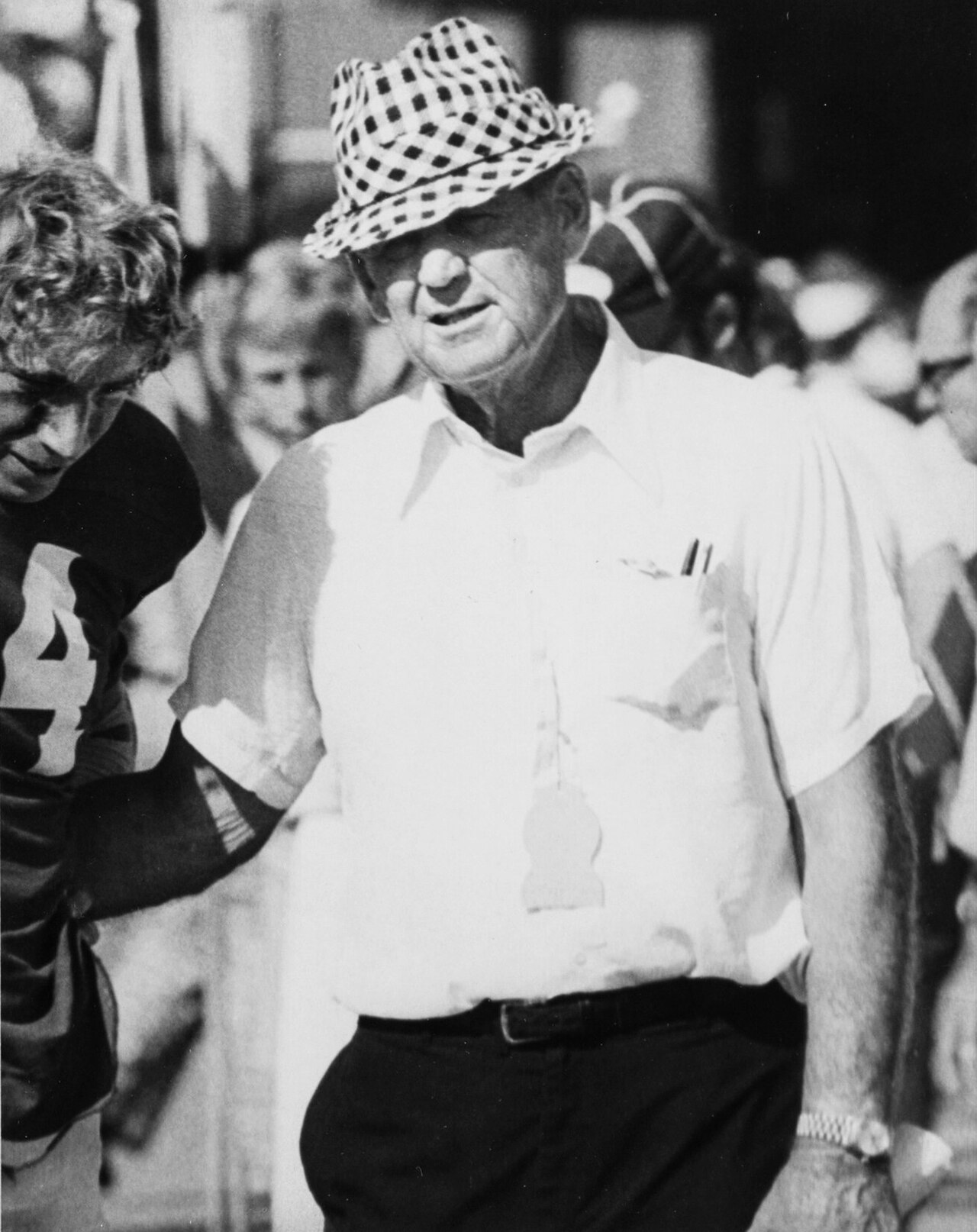
1913Bear BryantPaul William "Bear" Bryant was an American college football player and coach.
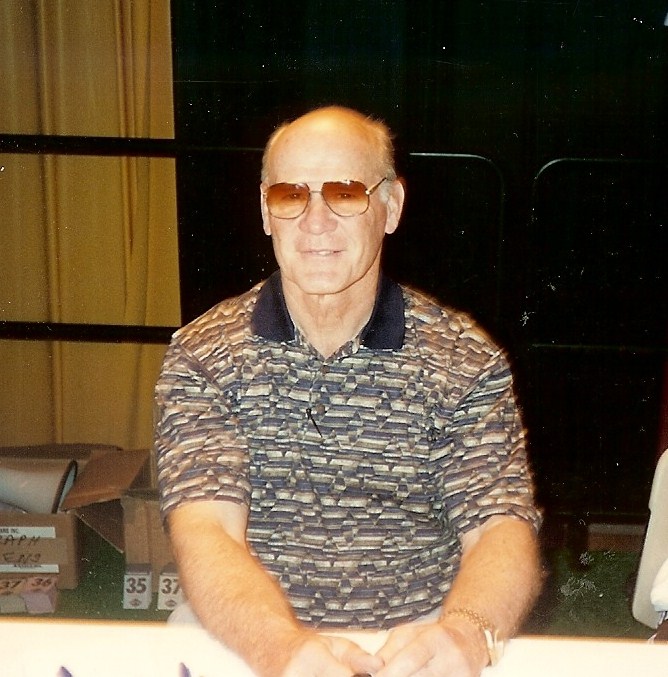
1924Tom LandryThomas Wade Landry was an American professional football coach, player, and World War II bomber pilot.
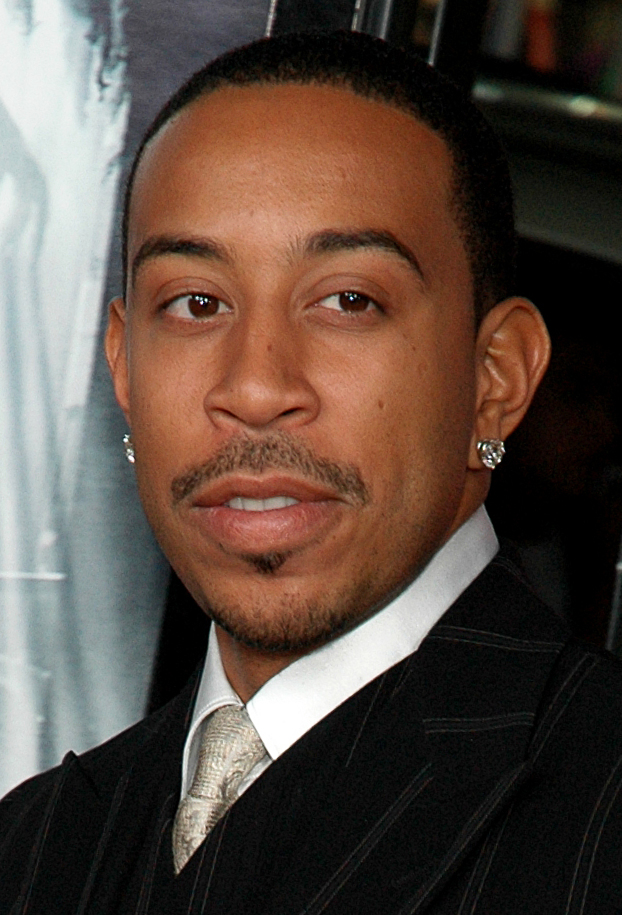
1977Ludacris(49 this year)Christopher Brian Bridges, known professionally as Ludacris, is an American rapper and actor.
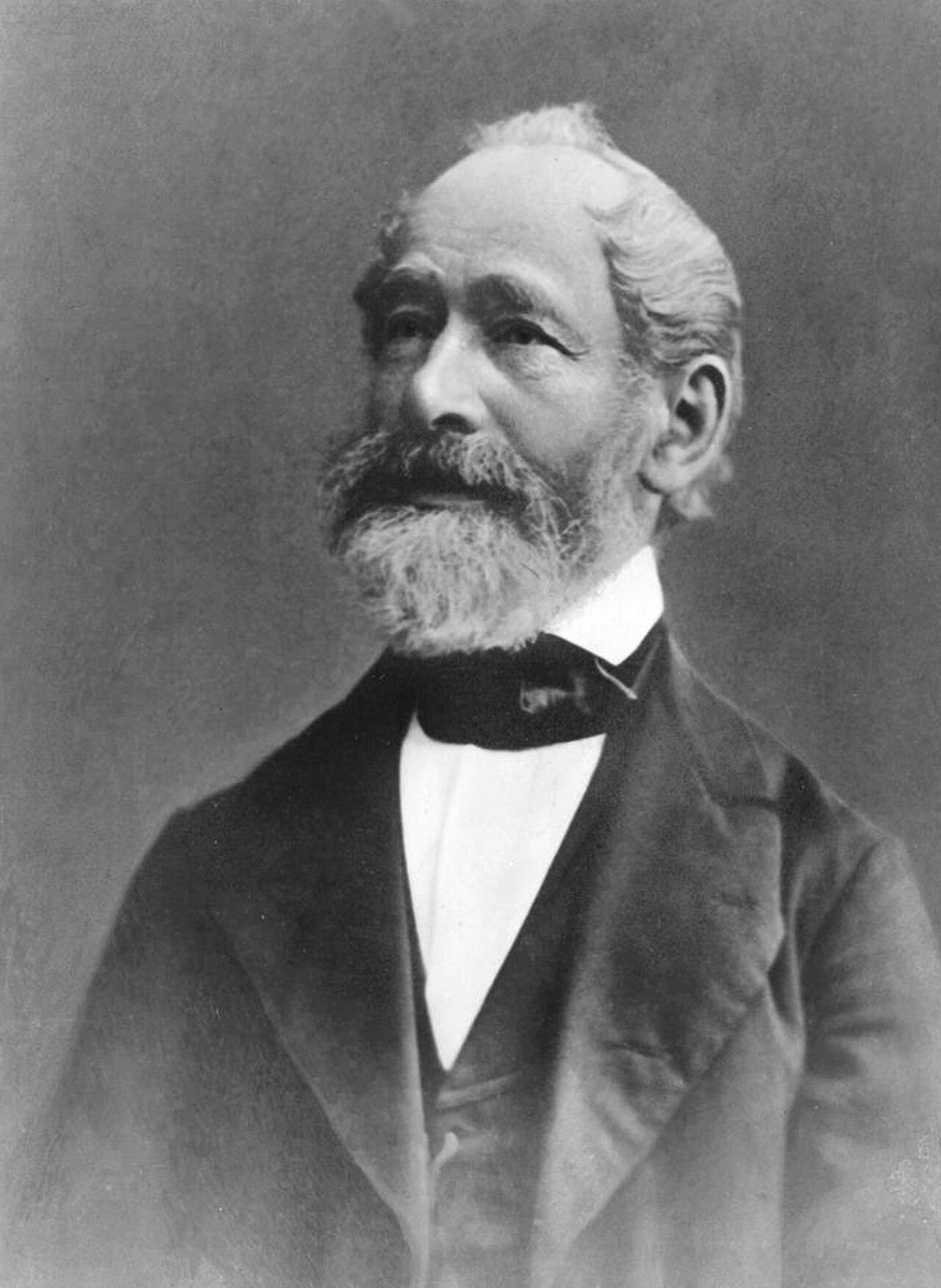
1816Carl ZeissCarl Zeiss was a German scientific instrument maker, optician and businessman.
1903Theodor AdornoTheodor W. Adorno was a German philosopher, cultural, and music critic.
1917Ferdinand MarcosFerdinand Emmanuel Edralin Marcos Sr. was a Filipino lawyer, dictator, and kleptocrat who served as the tenth president of the Philippines from 1965 to 1986.
1924Rudolf VrbaRudolf Vrba was a Slovak-Jewish biochemist who, as a teenager in 1942, was deported to the Auschwitz concentration camp in German-occupied Poland.
1885D. H. LawrenceDavid Herbert Lawrence was an English novelist, short story writer, poet, playwright, literary critic, travel writer, essayist, and painter.
1913Jacinto ConvitJacinto Convit García was a Venezuelan physician and scientist, known for developing a vaccine to prevent leprosy and his studies to treat cancer.
1917Donald BlakesleeDonald James Matthew Blakeslee was an American pilot and officer in the United States Air Force, whose aviation career began as a pilot in the Royal Canadian Air Force flying Spitfire fighter aircraft during World War II.
1923Vasilije MokranjacVasilije Mokranjac was a Serbian composer, professor of composition at the Faculty of Music in Belgrade and a member of the Serbian Academy of Sciences and Arts.
1935Gherman TitovGherman Stepanovich Titov was a Soviet and Russian cosmonaut who, on 6 August 1961, became the second human to orbit the Earth, aboard Vostok 2, preceded by Yuri Gagarin on Vostok 1.
1937Robert Crippen(89 this year)Robert Laurel Crippen is an American retired naval officer and aviator, test pilot, aerospace engineer, and astronaut.
1953Renée GeyerRenée Rebecca Geyer was an Australian singer who was an acclaimed jazz, soul and R&B musician.
1958Roxann Dawson(68 this year)Roxann Dawson, also credited as Roxann Biggs and Roxann Biggs-Dawson, is an American actress and director.
1963Dave Bidini(63 this year)Dave Bidini is a Canadian musician and writer.
1965Bashar al-Assad(61 this year)Bashar Hafez al-Assad is a former Syrian politician, medical doctor, and military officer who served as the president of Syria from 2000 until his overthrow in 2024 after the Syrian civil war.
1967Harry Connick Jr.(59 this year)Joseph Harry Fowler Connick Jr. is an American singer, pianist, composer, actor, and former television host.
1969Stefano Cagol(57 this year)Stefano Cagol is an Italian contemporary artist living in Italy, Germany and Norway.
1979David Pizarro(47 this year)David Marcelo Pizarro Cortez is a Chilean former professional footballer who played as a midfielder.
1980Antônio Pizzonia(46 this year)Antônio Reginaldo Pizzonia Júnior is a Brazilian professional racing driver who has raced in Formula One and the Champ Car World Series.
1981Dylan KleboldEric David Harris and Dylan Bennet Klebold were an American mass murder duo who perpetrated the Columbine High School massacre, where they killed 13 students and one teacher, and wounded 23 others.
1981Michael Sukkar(45 this year)Michael Sven Sukkar is an Australian former politician who was the Assistant Treasurer and Minister for Housing and as the Minister for Homelessness, Social and Community Housing in the Abbott-Turnbull-Morrison Liberal government.
1983Vivian Cheruiyot(43 this year)Vivian Jepkemoi Cheruiyot is a Kenyan long-distance runner.
1986LaToya Sanders(40 this year)LaToya Antoinette Sanders, also known as Lara Sanders in Turkey, is an American-Turkish professional basketball coach and former player.
Quote of the Day
“Cowards die many times before their deaths; The valiant never taste of death but once.” — William Shakespeare, Julius Caesar
September 11 History Quiz
On September 11, 2001, which of these was NOT one of the four hijacked flights?
Delta Air Lines Flight 93
The National September 11 Memorial opened to the public in which year?
2011
On September 11, 1973, Pinochet's coup overthrew which Chilean president?
Every event on this page was picked by hand from the historical record, written up as a news report, and checked against its source. Photographs are matched to the event they illustrate and verified before they are used. Sources are linked on each story.


 “Michael”,
  The Agony and the Ecstasy, Irving Stone
 “Go Away Little Girl”,
 The Exorcist, William Peter Blatty
 Different Seasons, Stephen King
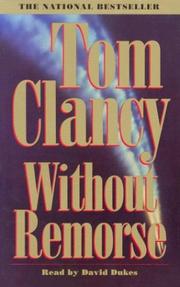 Without Remorse, Tom Clancy
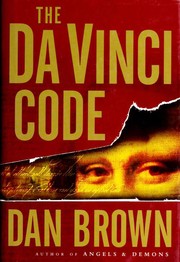 The Da Vinci Code, Dan Brown
 “Love The Way You Lie”,
 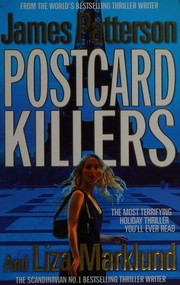 The Postcard Killers, James Patterson and Liza Marklund
 “Butter”,
  Bloodless, Douglas Preston and Lincoln Child