Our front page for September 12 — written and set by The Yesterday Times from the events below. Not an archival document.
Day of the year
255
Days left in 2026
110
In 2026 it falls on a
Saturday
Star sign
Virgo
Birthstone
Sapphire
On September 12 in 1928, 98 years ago, Hurricane Smashes Guadeloupe; 1,200 Dead, Island Ruined. This page reports 10 stories from the date, 25 people born on this day.
The stories in full
Colonial Affairs
1928 — Hurricane Smashes Guadeloupe; 1,200 Dead, Island Ruined
Storm of unprecedented violence strikes with only hours' warning — three-fourths of population homeless — damage exceeds 800 million francs
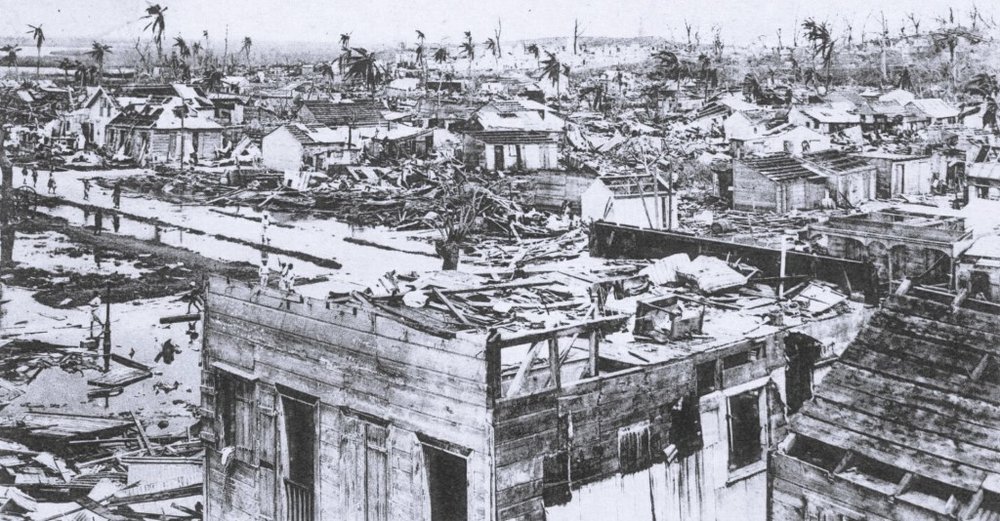
Ruined houses and flooded streets after the hurricane struck Guadeloupe — Wikimedia Commons
POINTE-À-PITRE, September 12 — The age of Caribbean hurricanes reached its cruelest hour today as a tempest of extraordinary violence struck Guadeloupe without mercy, leaving at least 1,200 dead and the French colony in ruins. The storm, already being called the Okeechobee hurricane for the lake it menaces next, came with Category 4 winds of 140 miles per hour and may have gusted to 186 miles per hour, a figure that defies the instruments of measurement.
U.S. Consul William H. Hunt, who witnessed the destruction from Basse-Terre, reported the hurricane struck "with unprecedented suddenness." The island received scant advance warning. Telegraph lines fell silent. Ships at anchor vanished from their moorings. By nightfall, the sugar economy that sustained four generations lay splintered across flooded fields.
Damage is estimated at more than 800 million francs, or $31.45 million in American currency. The French government has pledged 420 million francs in immediate relief. Whether such sums can rebuild what the wind dismantled remains the question before the colonial office in Paris.
The storm now charts west-northwest, threatening the Bahamas and the United States with the same force that has already made this September day the deadliest in Guadeloupe's recorded history.
The hurricane struck Guadeloupe on September 12 with Category 4 intensity and winds of 140 mph.
At least 1,200 people died on Guadeloupe, with damage estimated at just over 800 million francs ($31.45 million USD).
The hurricane may have produced wind gusts as high as 186 mph (299 km/h) on Guadeloupe.
About three-fourths of Guadeloupe's population was left homeless by the hurricane.
Guadeloupe received little advance notice; the hurricane struck 'with unprecedented suddenness,' according to U.S. Consul William H. Hunt.
1962 — Kennedy Vows U.S. Will Put Man on Moon Before Decade's End
Kennedy restated the 1961 lunar goal before 35,000 in Rice Stadium on September 12, framing the 1970 deadline as a test of national will.
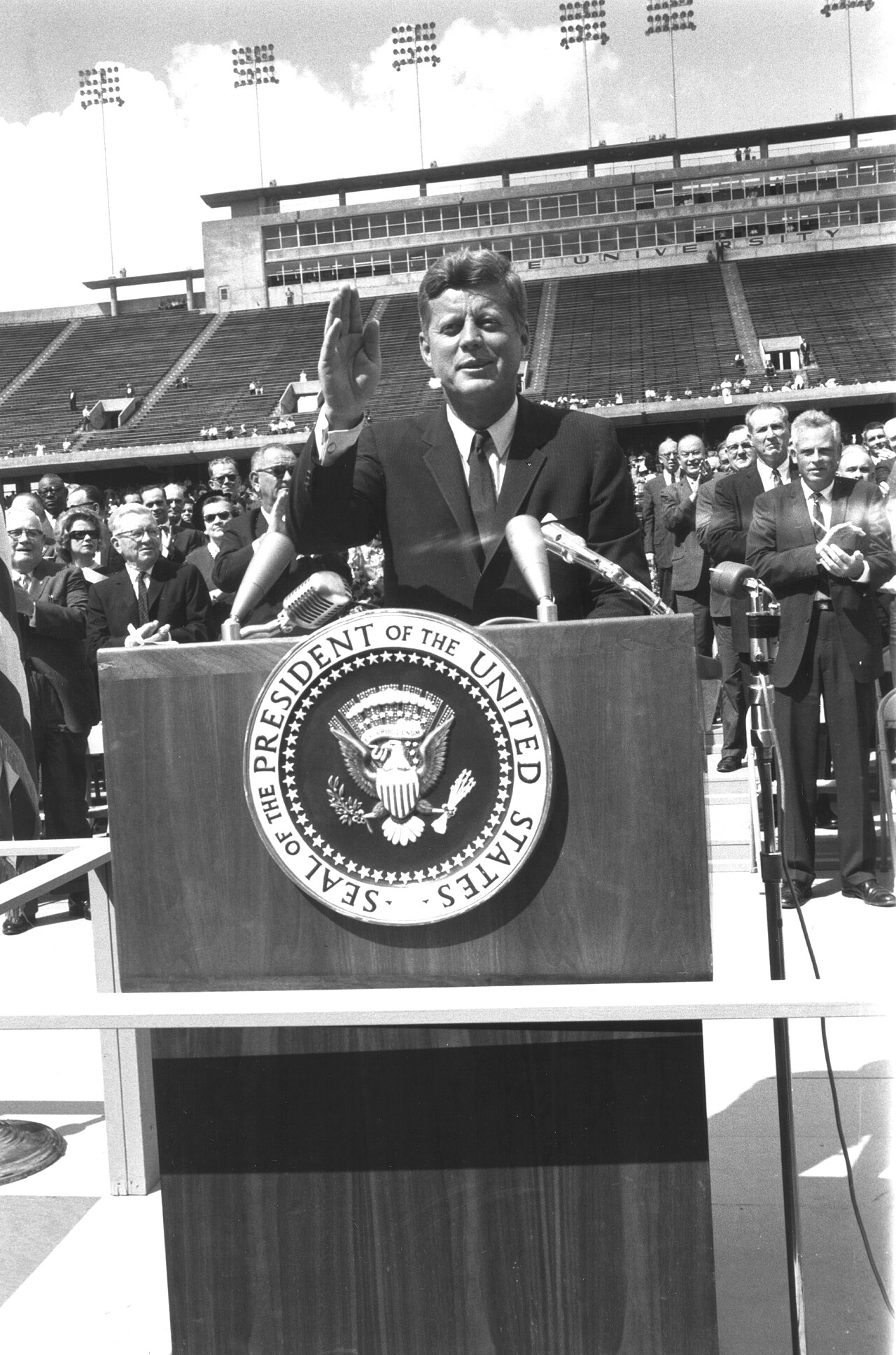
President Kennedy speaks at Rice Stadium in Houston — NASA
HOUSTON, September 12 — President John F. Kennedy stood before 35,000 Texans in Rice Stadium this afternoon and restated the nation's commitment to land a man on the Moon before 1970, declaring the Apollo program not merely an ambition but a test of American will.
Kennedy, who first announced the lunar goal in May 1961, returned to the theme with renewed urgency. "We choose to go to the Moon in this decade and do the other things," he said, "not because they are easy, but because they are hard." The line drew sustained applause from the crowd gathered at Rice University.
The President noted that the United States had not yet sent an astronaut into orbit, while Soviet cosmonauts had logged days in space. Yet he expressed confidence that the Moon itself would mark the measure of national purpose. The Apollo program continues under his direction with that objective fixed.
His speech, delivered in the heat of a Texas afternoon, framed the space race as economic and educational opportunity as much as military necessity. Rice University, with its storied engineering school, stands to benefit from the billions flowing to Houston's new Manned Spacecraft Center.
President Kennedy spoke at Rice University in Houston on September 12, 1962.
Kennedy reiterated the goal of landing a man on the Moon before 1970.
The Apollo program continued under Kennedy's presidency with the Moon landing objective.
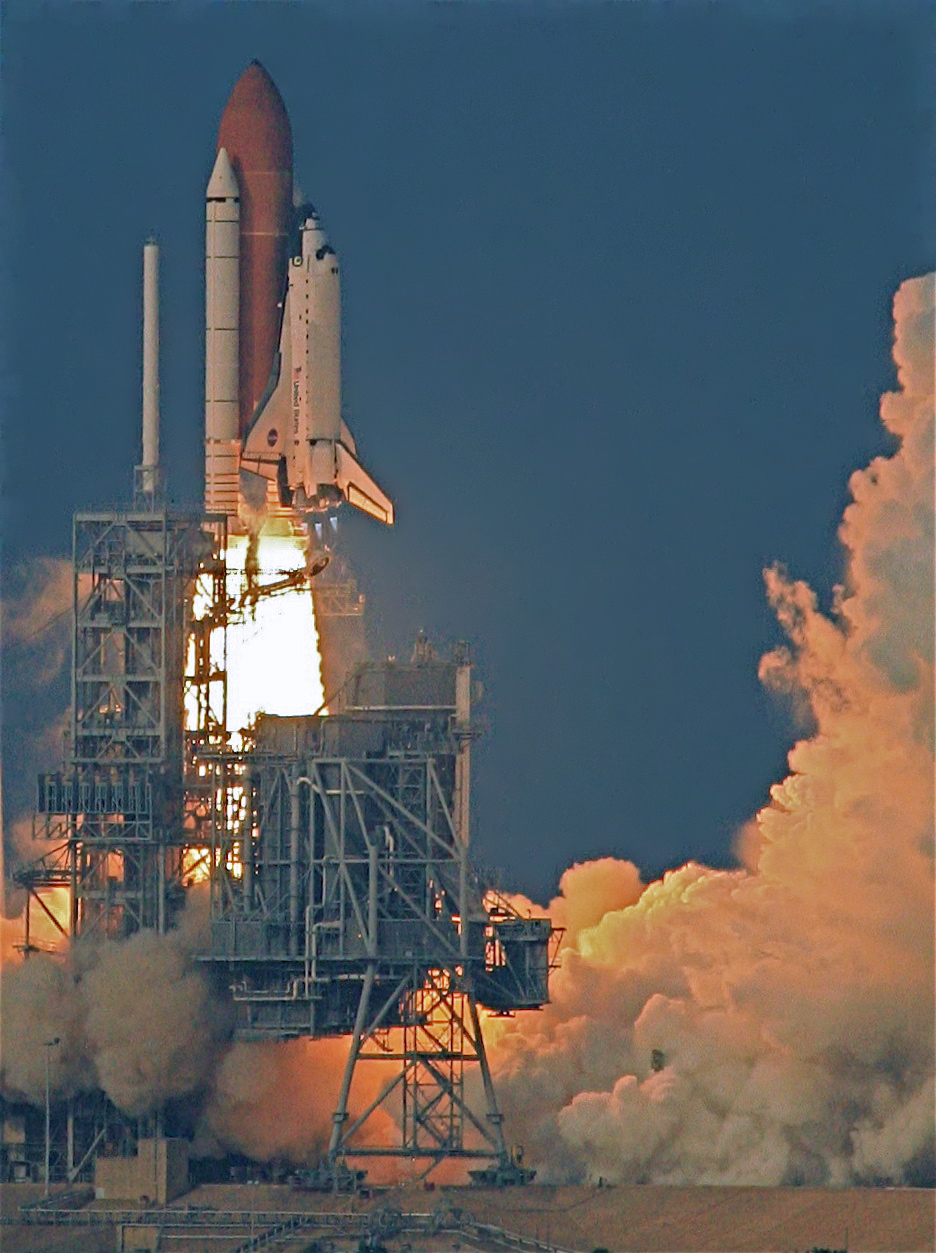
CAPE CANAVERAL, September 12 — Mae Jemison, a physician and engineer from Chicago, became the first Black woman in space today as Space Shuttle Endeavour lifted off on a mission of science and precedent.
Jemison, 36, joins six crewmates on the eight-day STS-47 Spacelab flight. Her presence marks a milestone three decades after Soviet cosmonaut Valentina Tereshkova became the first woman in space in 1963, and nine years after Sally Ride became the first American woman aboard a shuttle in 1983.
The Endeavour crew will conduct materials processing and life sciences experiments in Spacelab-J, a joint venture with Japan. Jemison trained as mission specialist.
Mae Jemison became the first woman of color in space in 1992.
Jemison flew on the Space Shuttle Endeavour.
The first woman in space was Soviet Valentina Tereshkova on June 16, 1963.
Sally Ride became the first US woman in space on the 1983 seventh Space Shuttle mission.
1933 — Hungarian Physicist Szilard Conceives Chain Reaction in London
Idea comes at Southampton Row crossing after reading Rutherford's dismissal of atomic power
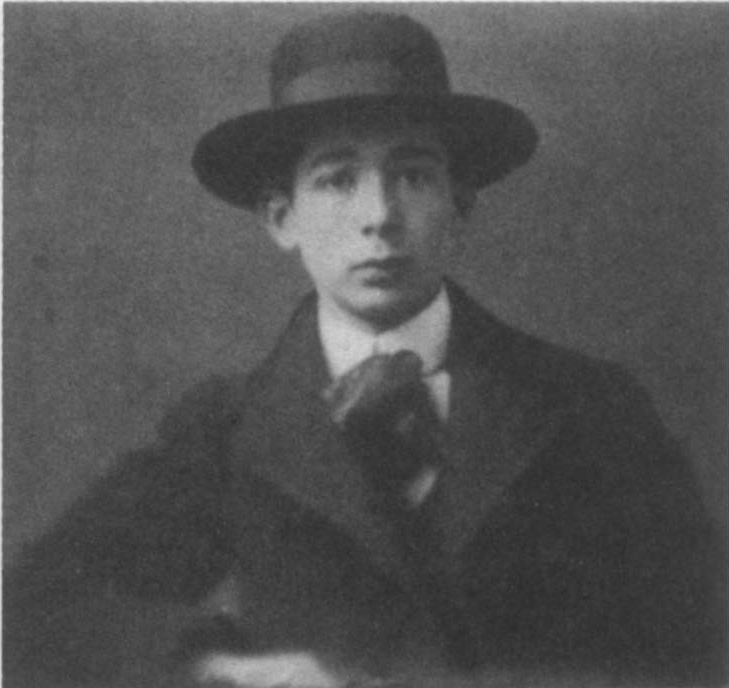
the physicist in the year he conceived the chain reaction — Wikimedia Commons
LONDON, September 12 — Leo Szilard, a Hungarian physicist lately arrived in Bloomsbury, conceived the principle of the nuclear chain reaction this morning while waiting to cross Southampton Row near Russell Square.
The inspiration followed his reading of a Times account in which Lord Rutherford dismissed the practical possibility of atomic energy.
On September 12, 1933, Leo Szilard read a Times article summarizing Lord Rutherford's speech rejecting the feasibility of atomic energy.
Szilard was waiting for a stoplight at Southampton Row near Russell Square in Bloomsbury, London when he conceived the nuclear chain reaction.
The morning of September 12, 1933, was cool, humid, and dull, with drizzling rain beginning in early afternoon.
Szilard never mentioned his destination that morning; he often walked to think and may have had none.
As he crossed the street, Szilard later said, 'time cracked open before him and he saw a way to the future.'
1846 — Browning and Barrett Wed in Secret; Flee to Italy
The poets marry September 12 at St. Marylebone, where no witness saw; her father forbids all his children to wed.
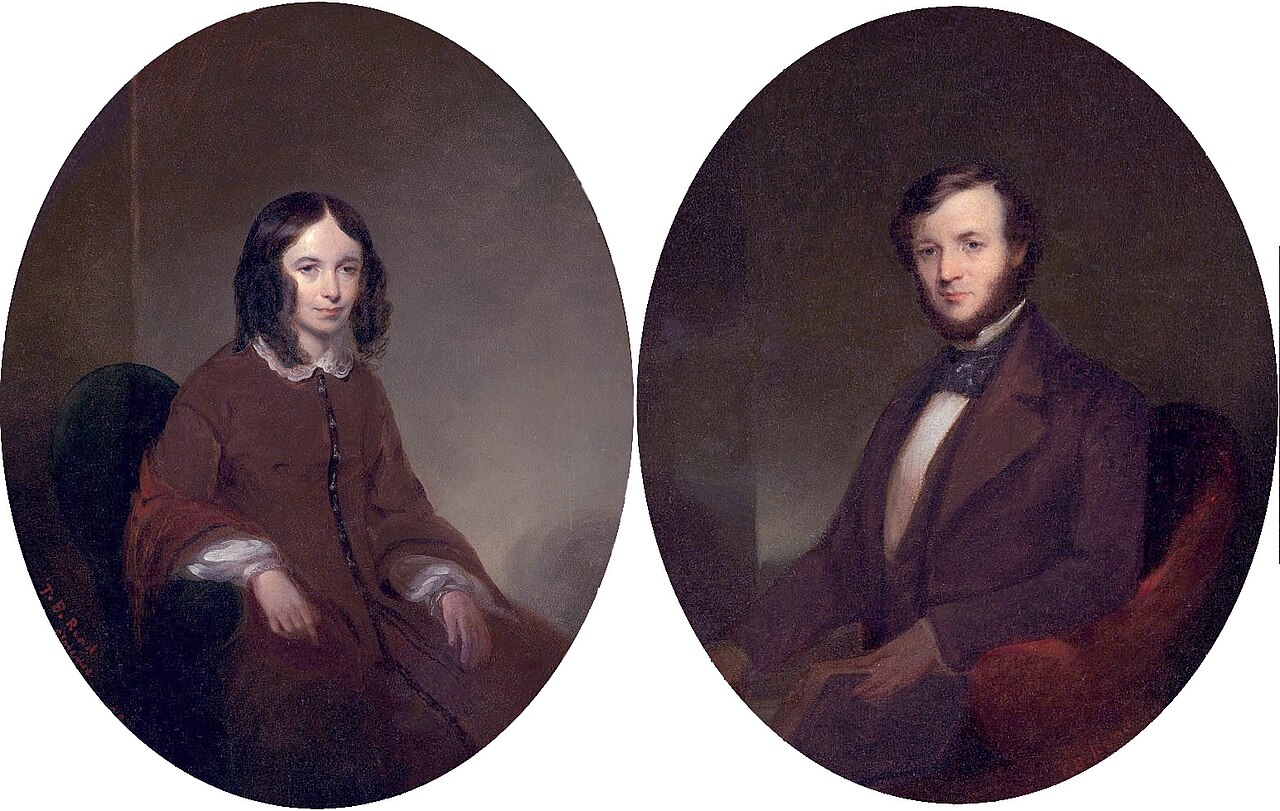
Elizabeth Barrett and Robert Browning, the poets, in 1846 — Thomas Buchanan Read
LONDON, September 12 — In a small church at St. Marylebone, two poets stood before the clergy this morning and spoke their vows where no prying eye might witness. Robert Browning and Elizabeth Barrett are man and wife.
The marriage was conducted in strictest secrecy, for Miss Barrett's father, Mr. Barrett of Wimpole Street, forbids all his children to wed.
Robert Browning married fellow poet Elizabeth Barrett on 12 September 1846.
The marriage was initially secret because Elizabeth's domineering father disapproved of marriage for any of his children.
Mr. Barrett disinherited Elizabeth after the marriage, as he did each of his children who married.
The couple journeyed to Italy for Elizabeth's health immediately after their secret wedding.
1942 — Japanese Attack Edson's Ridge to Seize Henderson Field
Japan's second try to reclaim Henderson Field began September 12 with 6,000 troops, a month after its August 21 defeat.
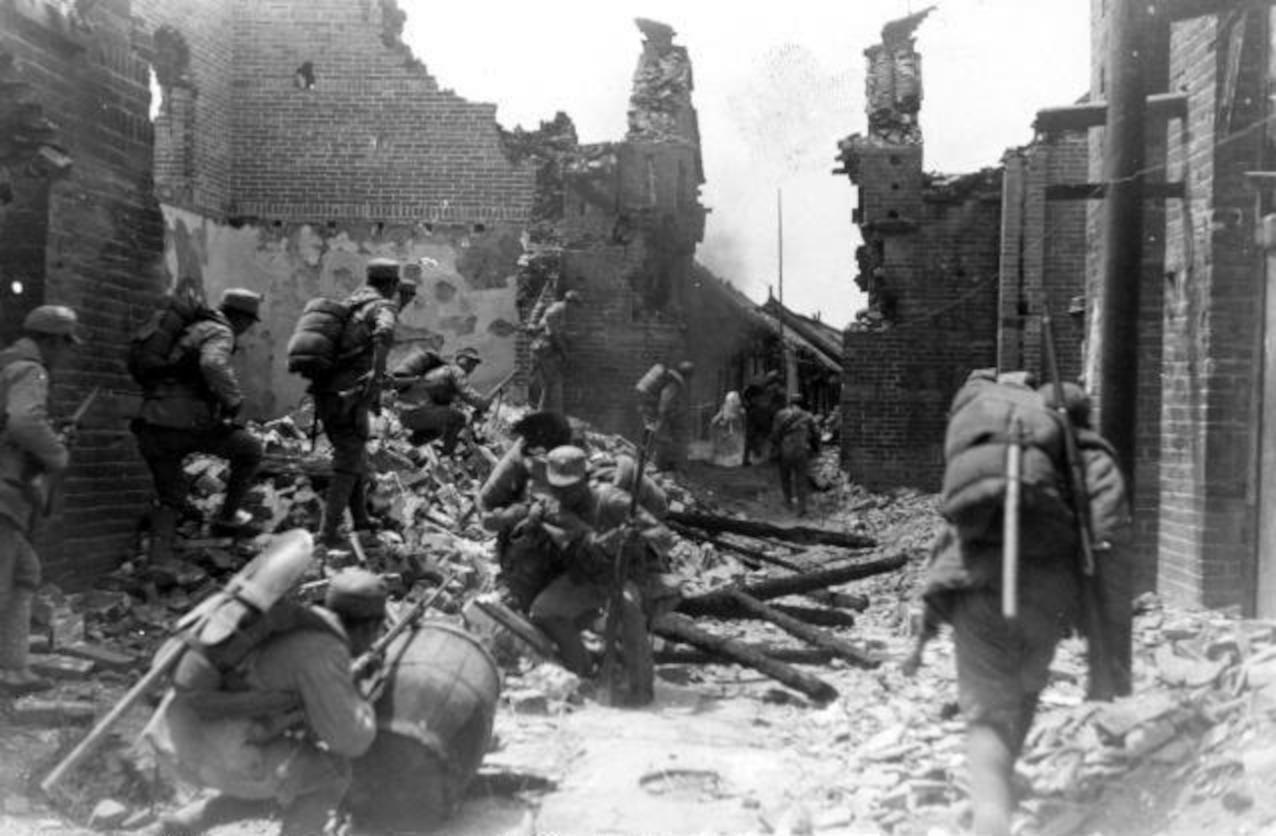
Marines advance through rubble during fighting for Henderson Field — Wikimedia Commons
GUADALCANAL, September 12 — Control of the Solomon Islands hangs on a single airstrip, and this night the Japanese empire has staked 6,000 soldiers to take it back. The Battle of Edson's Ridge opened after dark as Major General Kiyotake Kawaguchi sent his troops against the Allied perimeter defending Henderson Field.
This is Japan's second attempt to recapture the field. The first, at the Tenaru River on August 21, ended in bloody repulse.
The Battle of Edson's Ridge took place from 12 to 14 September 1942 on Guadalcanal.
Major General Kiyotake Kawaguchi commanded 6,000 Japanese soldiers in the attack at Edson's Ridge.
The Japanese force was defeated at Edson's Ridge, and survivors regrouped west of the Matanikau River.
The first Japanese attempt to recapture Henderson Field failed on 21 August in the Battle of the Tenaru.
2003 — Typhoon Maemi, Strongest on Record, Slams South Korea; 117 Dead, ₩5.52 Trillion in Damage
Winds hit 190 km/h at landfall west of Busan — 1.47 million households lose power, 25,000 homeless as President Roh declares disaster areas nationwide.
SEOUL, September 12 — In the annals of Korean weather observation, which began in earnest in 1904, no storm has matched what struck this morning. Typhoon Maemi made landfall just west of Busan with sustained winds estimated at 190 km/h (120 mph), surpassing even Typhoon Sarah's benchmark from 1959 to become the most powerful typhoon in South Korea's recorded history.
The toll is severe: 117 dead across the republic, 25,000 left homeless, and 1.47 million households without electricity. Damage is calculated at ₩5.52 trillion, or US$4.8 billion. On Jeju Island, instruments captured the nation's most extreme conditions yet recorded — wind gusts peaking at 216 km/h (134 mph) and barometric pressure falling to 950 mbar.
Maemi was the most powerful typhoon to strike South Korea since record-keeping began in 1904.
The typhoon made landfall just west of Busan with winds estimated at 190 km/h (120 mph), surpassing Typhoon Sarah in 1959.
Maemi killed 117 people in South Korea and caused ₩5.52 trillion (US$4.8 billion) in damage.
About 1.47 million households lost power, and 25,000 people were left homeless across South Korea.
On Jeju Island, wind gusts peaked at 216 km/h (134 mph) and pressure fell to 950 mbar, both national records.
1910 — Mahler's "Symphony of a Thousand" Premieres to Thunderous Ovation in Munich
Half an hour of applause greets the massive choral work — the composer's greatest triumph and his last premiere.
MUNICH, September 12 — Gustav Mahler raised his baton tonight at the Neue Musik-Festhalle and conducted what promoters have billed as the "Symphony of a Thousand," a work of unprecedented scale for chorus, orchestra and soloists. The premiere of his Eighth Symphony proved the crowning success of his lifetime.
At the final chord, the hall erupted. Reports indicate the ovation lasted half an hour.
The premiere of Mahler's Eighth Symphony in Munich on 12 September 1910 was a triumph and easily his biggest lifetime success.
The symphony was advertised by its promoters as the "Symphony of a Thousand."
At its conclusion, applause and celebrations reportedly lasted for half an hour.
It was the last of Mahler's works to be premiered in his lifetime.
1977 — Black Consciousness Leader Steve Biko Dies After Police Beating
The 30-year-old founder of the Black Consciousness Movement drew 20,000 mourners to his September 12 funeral after dying from brain injuries sustained during police interrogation.
PORT ELIZABETH, September 12 — More than 20,000 mourners filled the streets for the funeral of Steve Biko, the 30-year-old anti-apartheid activist who died after being beaten in police custody here.
Biko, founder of the Black Consciousness Movement, was arrested in August and held for several days at security police headquarters. He suffered severe brain injuries during interrogation, according to accounts reaching opposition figures.
Steve Biko was beaten to death by state security officers following his arrest in August 1977.
Over 20,000 people attended Biko's funeral.
Biko was placed under a banning order in February 1973, which lasted until his death in 1977.
Biko was held in custody in Port Elizabeth for several days and severely beaten during interrogation, suffering brain injuries.
Peter Gabriel's protest song 'Biko' was released in 1980 and banned in South Africa as a security threat.
2015 — Illegal Mining Explosives Kill 104 in Indian Warehouse Blast
The September 12 blast in Madhya Pradesh began with a cooking gas cylinder in a warehouse, killing 104.
PETLAWAD, India, September 12 — An explosion of illegally stored mining detonators killed 104 people in this Madhya Pradesh town when stored gelignite ignited in a warehouse and triggered a second blast.
The initial explosion, which authorities now believe began in the warehouse rather than the adjacent restaurant as first suspected, involved a cooking gas cylinder and spread to sticks of gelignite.
The blast killed 104 people and was caused by illegally stored explosives and a cooking gas cylinder.
Authorities initially suspected the first explosion occurred in a crowded restaurant but later believed it started in a warehouse.
The explosion damaged both the restaurant building and the warehouse, and killed people at a nearby bus stop.
There were two explosions; the second involved stored sticks of gelignite detonating in the warehouse.
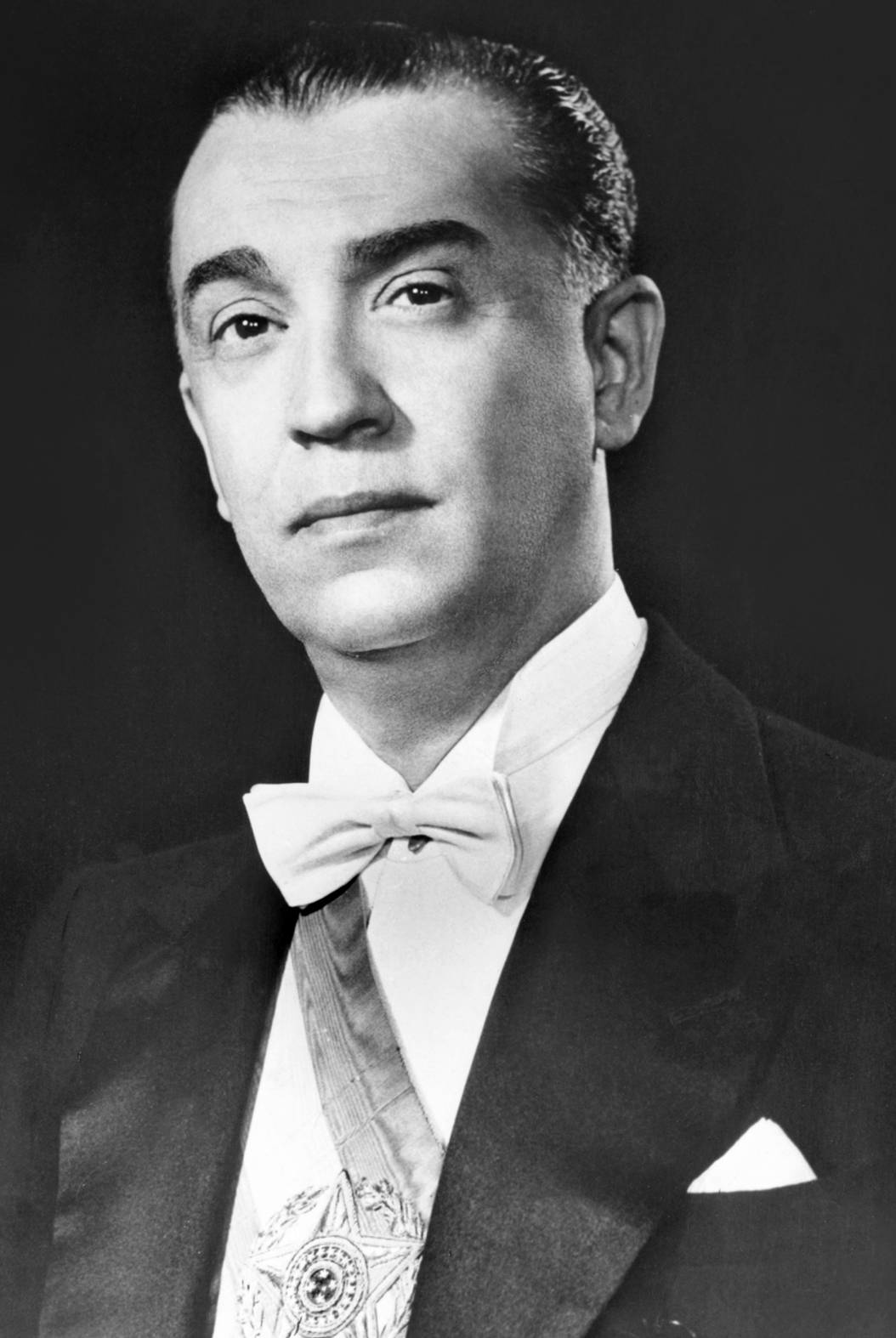
1902Juscelino KubitschekJuscelino Kubitschek de Oliveira, also known by his initials JK, was a Brazilian politician who served as the 21st president of Brazil from 1956 to 1961.
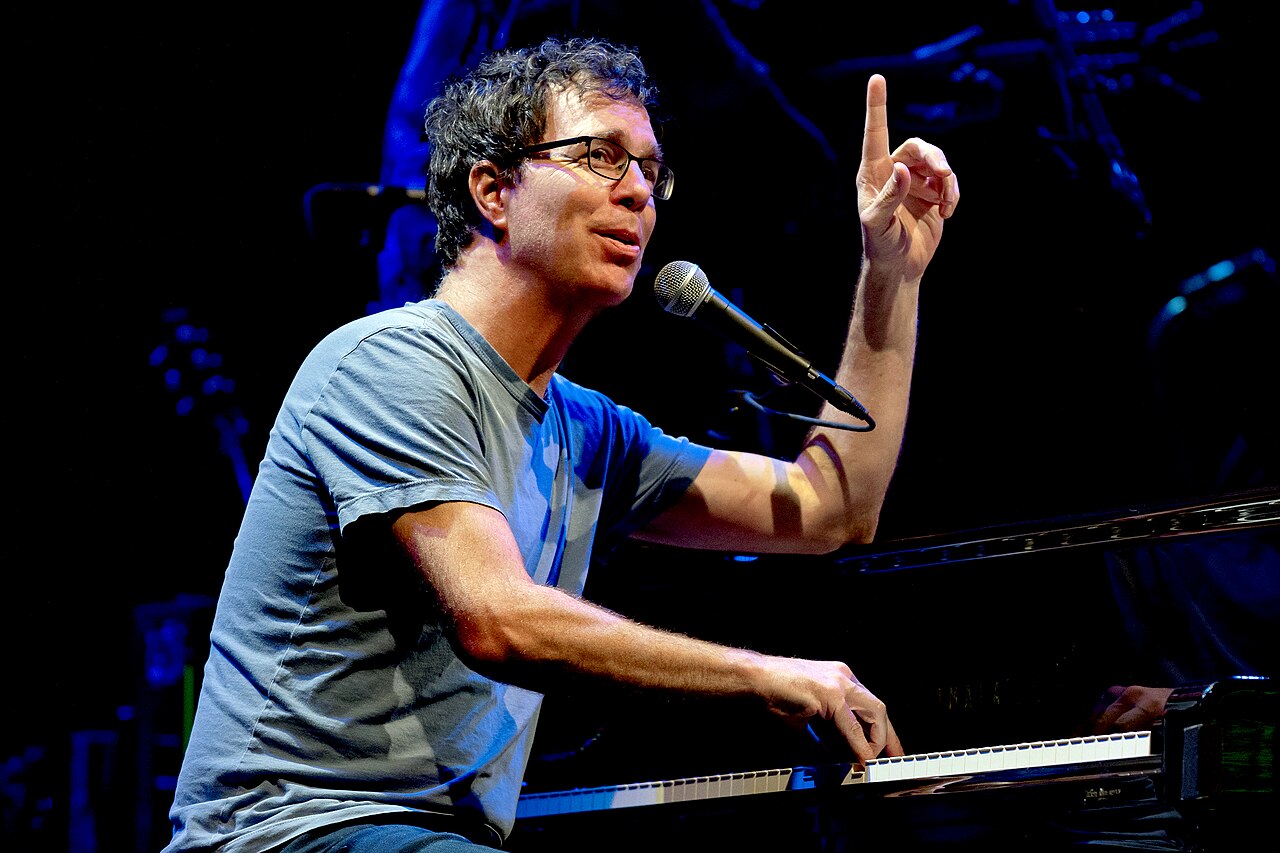
1966Ben Folds(60 this year)Benjamin Scott Folds is an American singer-songwriter.
1969Max Boot(57 this year)Max A. Boot is a Russian-born naturalized American author, editorialist, lecturer, and military historian.
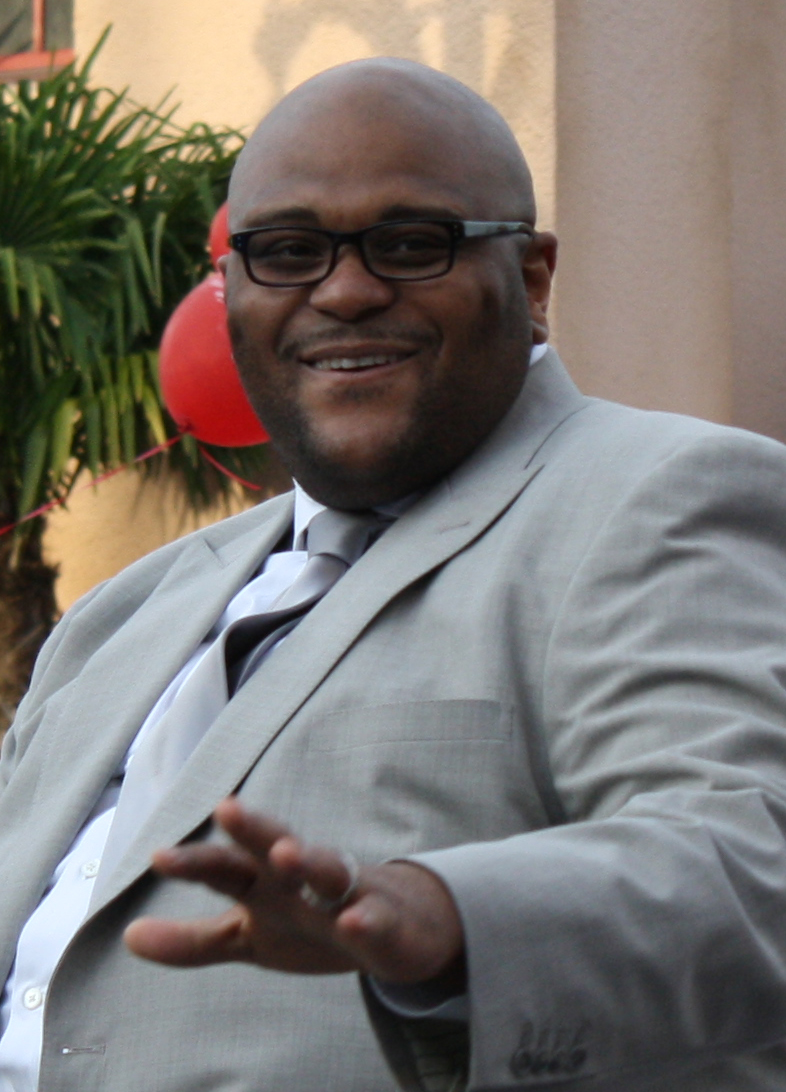
1978Ruben Studdard(48 this year)Christopher Theodore Ruben Studdard is an American singer and actor.
1983Sergio Parisse(43 this year)Sergio Francesco Parisse is an Italian-Argentine former rugby union player.
1945John Mauceri(81 this year)John Francis Mauceri is an American conductor, composer, author, and educator whose work has focused on orchestral music, opera, Broadway, and film-related repertoire.
1977Nathan Bracken(49 this year)Nathan Wade Bracken is a former Australian cricketer.
1415John MowbrayJohn Mowbray, 3rd Duke of Norfolk,, Earl Marshal was a fifteenth-century English magnate who, despite having a relatively short political career, played a significant role in the early years of the Wars of the Roses.
1739Mary Bosanquet FletcherMary Bosanquet Fletcher was an English preacher credited with persuading John Wesley, a founder of Methodism, to allow women to preach in public.
1862Carl EytelCarl Eytel was a German American artist who built his reputation for paintings and drawings of desert subjects in the American Southwest.
1880H. L. MenckenHenry Louis Mencken was an American journalist, essayist, satirist, cultural critic, and scholar of American English.
1882Ion AgârbiceanuIon Agârbiceanu was an Austro-Hungarian-born Romanian writer, journalist, politician, theologian and Greek-Catholic priest.
1884Martin KleinMartin Klein was an Estonian wrestler who competed for the Russian Empire at the 1912 Summer Olympics.
1885Heinrich HoffmannHeinrich Hoffmann was a German Nazi politician and publisher who was Adolf Hitler's official photographer and a member of his inner circle.
1898Alma MoodieAlma Mary Templeton Moodie was an Australian violinist who established an excellent reputation in Germany in the 1920s and 1930s. She was regarded as being among the foremost female violinists during the inter-war years, along with such players as Erica Morini, Jelly d'Arányi and Kathleen Parlow; and she premiered violin concertos by Kurt Atterberg, Hans Pfitzner and Ernst Krenek.
1921Stanisław LemStanisław Herman Lem was a Polish writer.
1935Richard HuntRichard Howard Hunt was an American artist and sculptor.
1944Barry WhiteBarry Eugene White was an American R&B, soul and disco singer, songwriter, actor, and record producer.
1949Irina Rodnina(77 this year)Irina Konstantinovna Rodnina is a Russian politician and retired figure skater, who is the only pair skater to win 10 successive World Championships (1969–78) and three successive Olympic gold medals.
1950Marguerite Blais(76 this year)Marie Josephine Marguerite Blais is a Canadian politician, journalist, radio host and television host from Quebec.
1950Mike Murphy(76 this year)Michael John Murphy is a Canadian former professional ice hockey player who played in the National Hockey League for 13 years for the St. Louis Blues, New York Rangers and the Los Angeles Kings and has been assistant and head coach in the NHL for the Los Angeles Kings, Ottawa Senators, Vancouver Canucks, Toronto Maple Leafs and the New York Rangers.
1951Joe Pantoliano(75 this year)Joseph Peter Pantoliano is an American actor who has played more than 150 roles across film, television, and theater.
1952Neil PeartNeil Ellwood Peart was a Canadian musician, songwriter and author, who was the drummer, percussionist, and primary lyricist of the progressive rock band Rush.
1953Nan Goldin(73 this year)Nancy Goldin is an American photographer and activist.
1958Wilfred Benítez(68 this year)Wilfred "Wilfredo" Benítez Rosa, better known as Wilfred Benitez, is a Puerto Rican former professional boxer and the youngest world champion in the sport's history.
Quote of the Day
“Early to bed, and early to rise, makes a man healthy, wealthy, and wise.” — Benjamin Franklin, Poor Richard's Almanack
September 12 History Quiz
Which spacecraft carried Mae Jemison into orbit on September 12, 1992?
Endeavour
In what year did President Kennedy deliver his famous Moon speech in Houston on September 12?
1962
Where did anti-apartheid activist Steve Biko die in police custody on September 12, 1977?
Every event on this page was picked by hand from the historical record, written up as a news report, and checked against its source. Photographs are matched to the event they illustrate and verified before they are used. Sources are linked on each story.


 “It's Now Or Never”,

 Love Story, Erich Segal
 “Endless Love”,
 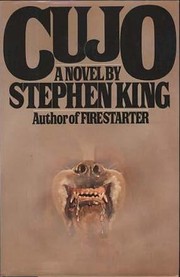 Cujo, Stephen King
 “End Of The Road (From "Boomerang")”,
 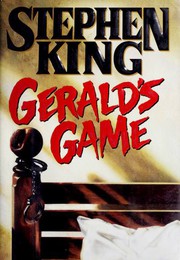 Gerald's Game, Stephen King
 South of Broad, Pat Conroy
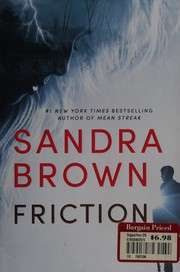 Friction, Sandra Brown
 “Dynamite”,
  Royal, Danielle Steel