Our front page for September 17 — written and set by The Yesterday Times from the events below. Not an archival document.
Day of the year
260
Days left in 2026
105
In 2026 it falls on a
Thursday
Star sign
Virgo
Birthstone
Sapphire
On September 17 in 1978, 48 years ago, Egypt and Israel Sign Peace Framework at Camp David. This page reports 12 stories from the date, 25 people born on this day.
The stories in full
White House Diplomatic Desk
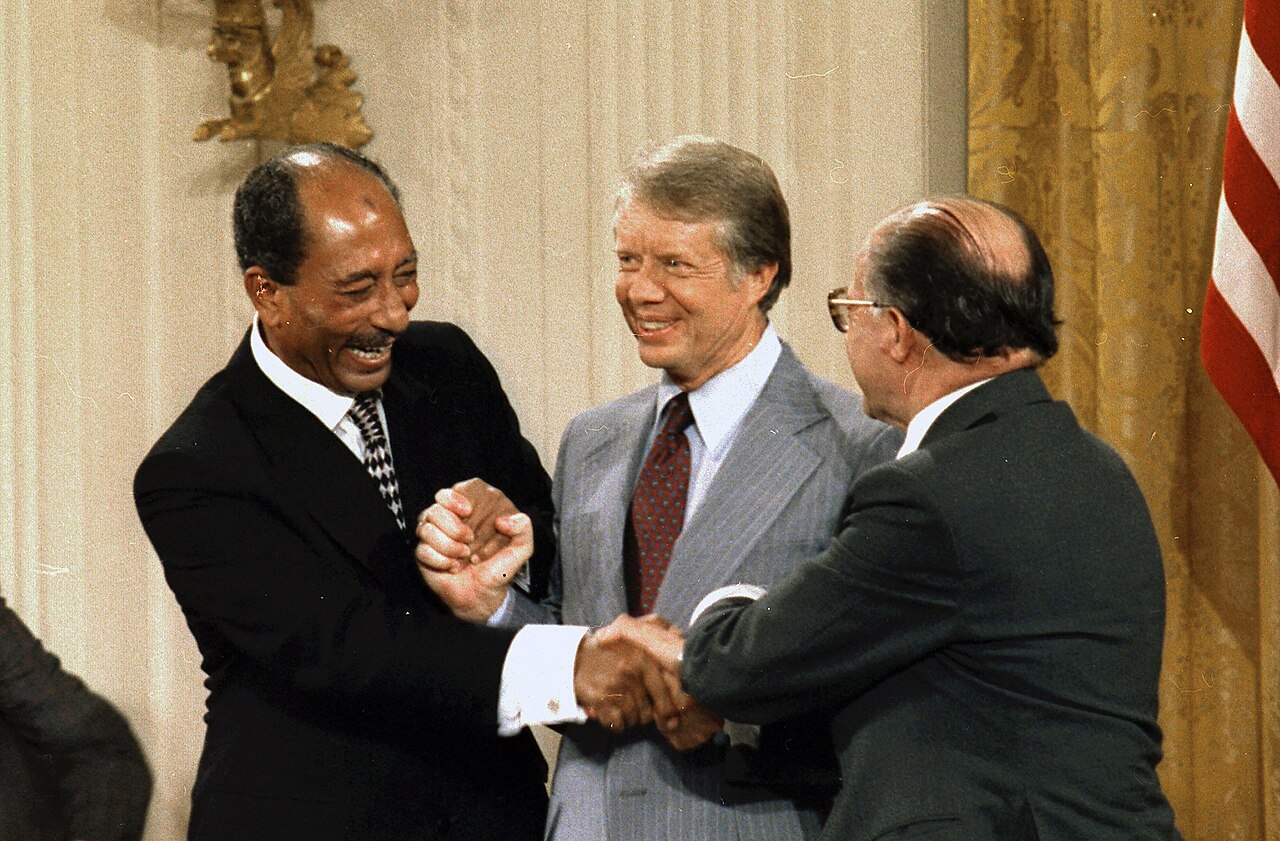
1978 — Egypt and Israel Sign Peace Framework at Camp David
After nearly two weeks of isolated negotiations in Maryland's mountains, the leaders committed to full peace after 30 years of hostility.
The Egyptian, American and Israeli leaders join hands after signing the accords — Not know or unknown
President Carter presided over the signing of the Camp David Accords, a pair of framework agreements promising peace between Egypt and Israel. Prime Minister Menachem Begin and President Anwar Sadat signed the accords at the presidential retreat after intensive negotiation. The first framework provides peace within three months, including Israeli withdrawal from the Sinai Peninsula. The second establishes a five-year transitional period for Palestinian self-government in the West Bank and Gaza Strip. Carter, who shuttled between the leaders, called the outcome a victory for peace.
The Camp David Accords are signed by Israel and Egypt.
1939 — Red Army Crosses Polish Border; Moscow Moves Without Declaration of War as Two-Front War Opens
Soviet forces crossed into Poland on 17 September 1939 without declaring war, 16 days after the German invasion that the Molotov–Ribbentrop Pact of 23 August 1939 had secretly enabled.
The age of aggression in Europe entered its decisive phase today as Soviet forces poured across Poland's eastern frontier, joining Nazi Germany in the dismemberment of a sovereign state. The Soviet Union invaded Poland on 17 September 1939, 16 days after Nazi Germany's attack from the country from the west, conducting the operation without a formal declaration of war.
The invasion was indirectly indicated in the secret protocol of the Molotov–Ribbentrop Pact signed on 23 August 1939, the non-aggression treaty between Moscow and Berlin that stunned observers with its revelation of shared aims.
The Soviet Union invaded Poland on 17 September 1939, 16 days after Nazi Germany's attack from the west.
The invasion was conducted without a formal declaration of war, as stated in the source.
The Red Army vastly outnumbered Polish defenders and encountered only limited resistance.
Some 320,000 Poles were made prisoners of war by the Soviet forces.
The invasion was indirectly indicated in the secret protocol of the Molotov–Ribbentrop Pact signed on 23 August 1939.
1980 — Walesa Unites Shipyard Committees as Solidarity Becomes National Force
Twenty Inter-factory Founding Committees merge into one organization, NSZZ Solidarność, creating the first independent labor union in an Eastern Bloc country.
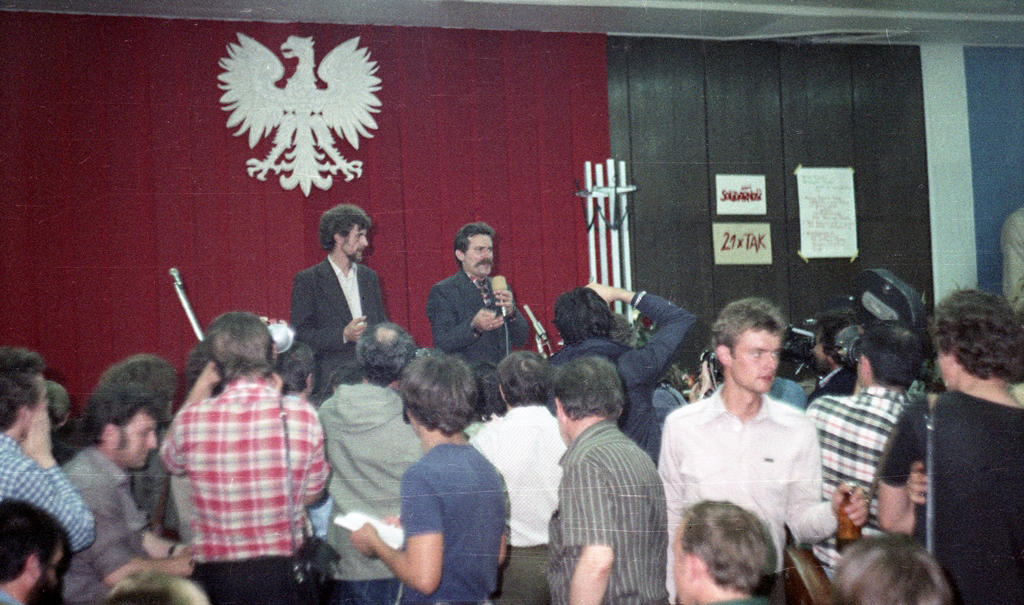
Lech Walesa speaks at the founding meeting of Solidarity in Gdansk — Zygmunt Błażek
Lech Walesa today presided over the consolidation of Poland's scattered strike committees into a single national movement, as over twenty Inter-factory Founding Committees merged into one national organization, NSZZ Solidarność. The shipyard electrician, who rose to prominence during the Gdańsk strikes, has become the recognized voice of Polish labor's unprecedented challenge to party control.
Solidarity, a Polish trade union, was founded as the first independent labor union in an Eastern Bloc country.
Solidarity was founded on August 14, 1980, at the Lenin Shipyard in Gdańsk, Poland.
On September 17, 1980, over twenty Inter-factory Founding Committees merged into one national organization, NSZZ Solidarność.
Solidarity's membership peaked at 10 million in September 1981, representing one-third of Poland's working-age population.
The union was the first independent trade union in a Warsaw Pact country to be recognized by the state.
Solidarity officially registered on November 10, 1980.
1787 — Constitution Signed; Convention Closes After 116 Days
Thirty-nine delegates affix their names to a document establishing a federal republic, concluding four months of deliberation.
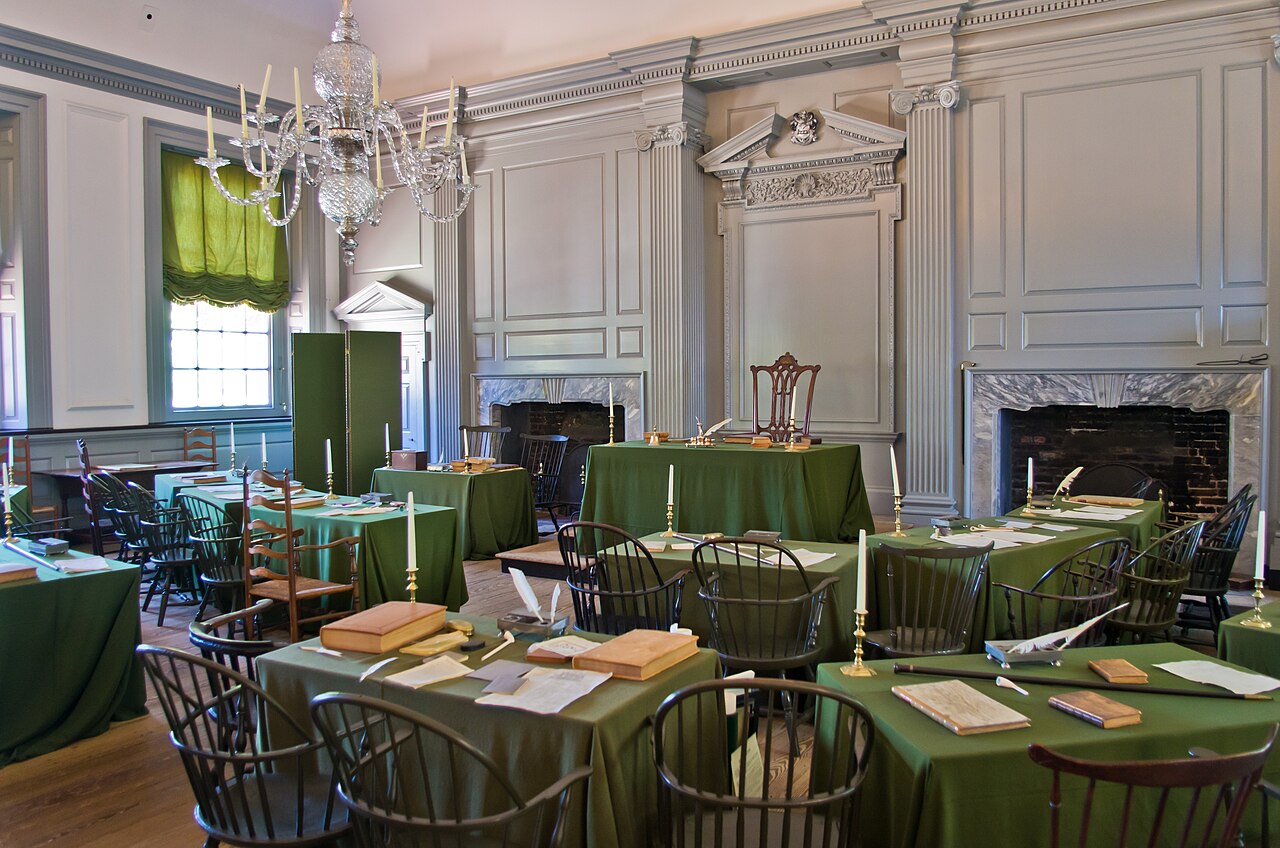
The Assembly Room at Independence Hall, set for the delegates — Antoine Taveneaux
Thirty-nine names were inscribed this afternoon on a parchment that will govern, if ratified, a nation stretching from the Atlantic to the Mississippi. The United States Constitution was signed at Independence Hall in Philadelphia, bringing the Constitutional Convention to an end after 116 days of often contentious deliberation. George Washington, presiding officer, was first to sign; Benjamin Franklin, at 81 the eldest delegate, observed that the sun painted on the President's chair had grown brighter. The document creates a federal government of three branches with enumerated powers and replaces the Articles of Confederation. Three delegates present declined to sign; their objections will be tested in ratifying conventions where nine of thirteen states must approve. The delegates have dispersed, yet the parchment carried from the State House contains a frame of government founded on consent of the governed. Franklin told the delegates he had studied the sun on Washington's chair throughout the session, uncertain whether it depicted a rising or setting sun; he was now persuaded it was rising. The ink was barely dry when copies were ordered for transmission to the states.
The United States Constitution is signed at Independence Hall in Philadelphia, bringing the Constitutional Convention to an end.
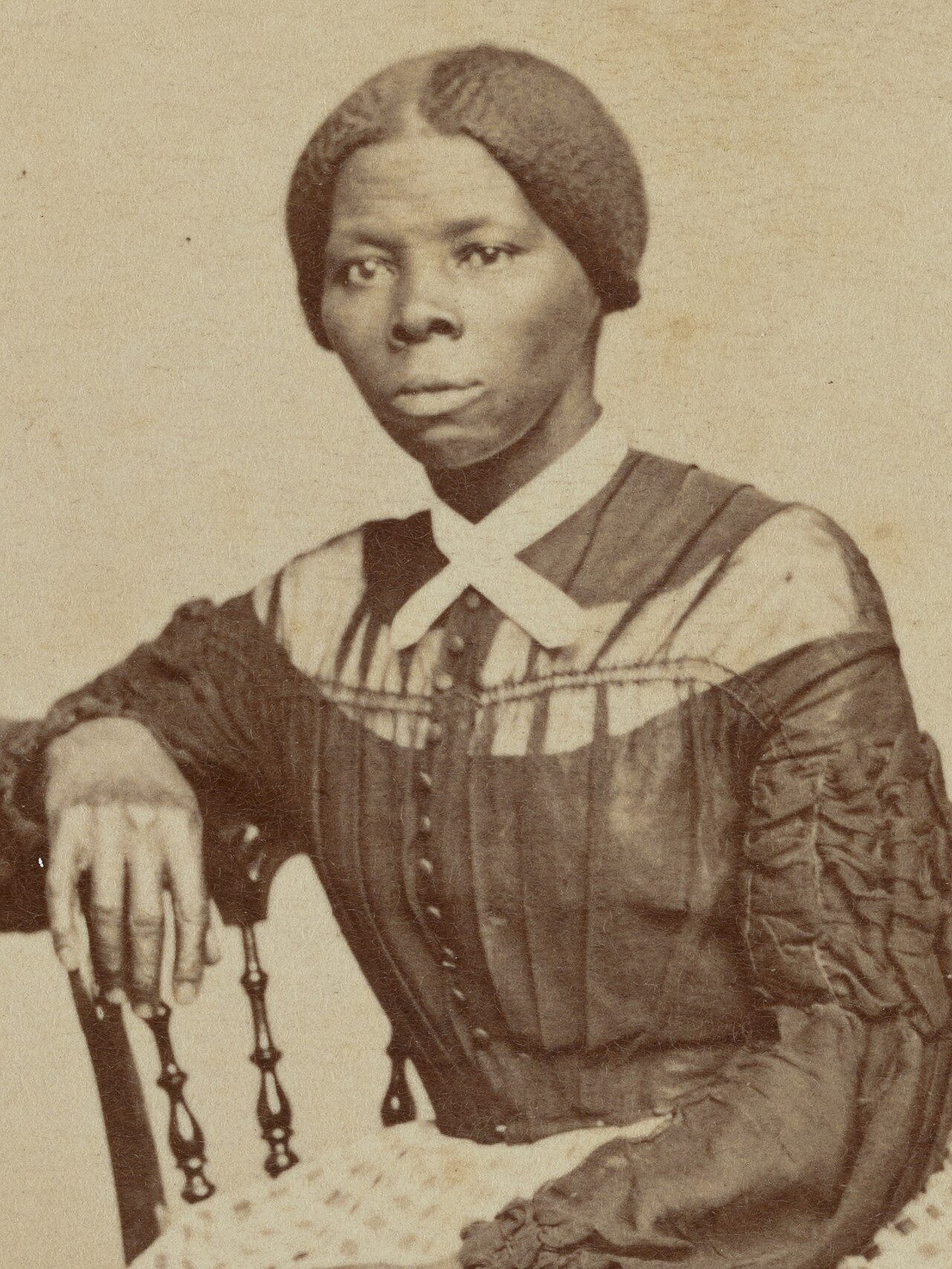
Harriet Tubman, a slave of about thirty years, has escaped from bondage in Maryland and made her way to Philadelphia, aided by friends of both colors along the route.
Tubman fled this county in 1849, fearing she would be sold south. She guided herself by the north star through nights of travel. No sooner had she gained the free city than she resolved to return to Maryland. She means to bring out her family, and speaks of conducting others to liberty. Those who aided her passage report a woman of uncommon purpose.
Tubman fled the area in 1849, believing she would be sold.
She followed the 'north star' and was aided by white and black people to make her way north.
In 1849 Tubman escaped to Philadelphia, only to return to Maryland to rescue her family soon after.
2001 — NYSE Reopens After Longest Shutdown Since Depression
The exchange resumed trading at 9:30 a.m. following a four-day halt after the September 11 attacks.
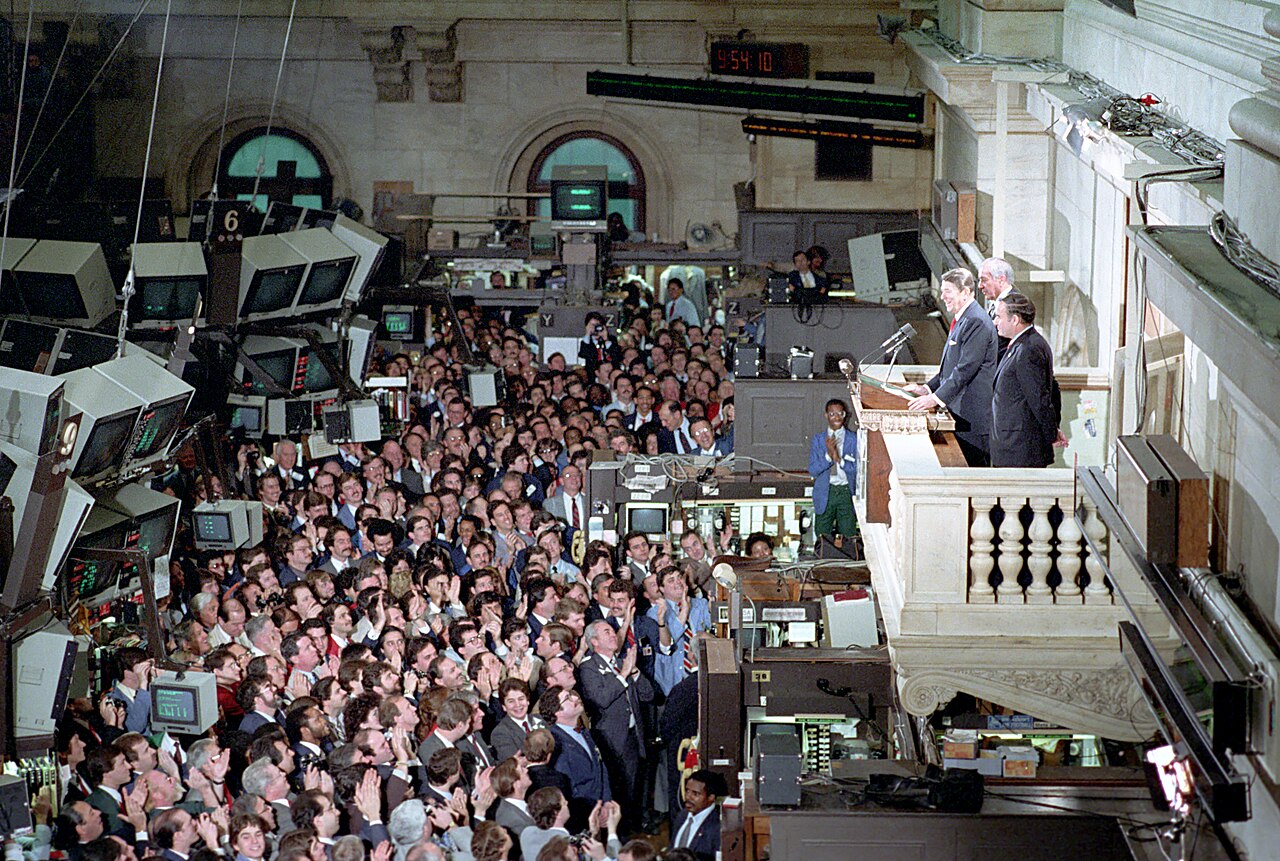
Traders and officials gather as the exchange reopens for business — President (1981-1989
The New York Stock Exchange reopened for trading at 9:30 a.m. after its longest closure since the Great Depression. The four-day shutdown followed the September 11 terrorist attacks that destroyed the World Trade Center two blocks away. Market makers and specialists returned to the floor in reduced numbers, some wearing photographs of missing colleagues. The opening bell was preceded by a moment of silence for the victims. The Nasdaq and American Stock Exchange opened simultaneously after testing systems Sunday.
The New York Stock Exchange reopens for trading after the September 11 attacks, the longest closure since the Great Depression.
1985 — Reagan Breaks Four-Year Silence on AIDS Crisis
President Reagan publicly acknowledged AIDS for the first time since the disease emerged in the United States.
The death of actor Rock Hudson last month forced a reckoning that years of activist pressure could not: President Ronald Reagan today publicly acknowledged AIDS for the first time, four years after the disease emerged in the United States.
Reagan publicly acknowledged AIDS for the first time on September 17, 1985, four years after the disease was first identified in the United States.
The 1985 illness and death of actor Rock Hudson from AIDS marked a turning point in how Reagan and the American public viewed the disease.
Reagan did not give an address on AIDS until 1987, two years after his first public acknowledgment.
White House Press Secretary Larry Speakes jokingly insinuated reporter Lester Kinsolving was gay during a 1983 press briefing on AIDS.
An estimated 300,000 people had been exposed to AIDS by December 1984, according to a question from reporter Lester Kinsolving.
1962 — NASA Names Nine Astronauts for Apollo Moon Landing Program
NASA expands its astronaut corps with new trainees joining the Mercury Seven to prepare for lunar missions.
In an era when the heavens themselves became contested ground between superpowers, NASA on this date announced the selection of nine astronauts who will train to walk upon the moon.
The Next Nine, chosen for the Apollo program, join the Mercury Seven in the astronaut corps.
NASA announced the Next Nine astronauts on September 17, 1962.
The Next Nine were selected for the Apollo program aimed at landing humans on the Moon.
The first crewed Moon landing was Apollo 11 in 1969, with Neil Armstrong and Buzz Aldrin.
Six crewed Moon landings occurred between 1969 and 1972, all under the Apollo program.
The last Apollo crewed landing was Apollo 17 in December 1972, with Gene Cernan and Harrison Schmitt.
1862 — McClellan's 87,000 Meet Lee Near Sharpsburg; Carnage Unmatched
22,726 dead, wounded, or missing make this the bloodiest single day in American history.
Major General George B. McClellan, commanding the Army of the Potomac, has met Confederate General Robert E. Lee near Sharpsburg, Maryland, and Antietam Creek in the day's terrible fighting. Lee's 55,000 held the field. The toll reached 22,726.
The Battle of Antietam remains the bloodiest single day in American history, with 22,726 dead, wounded, or missing.
Union soldiers Corporal Barton W. Mitchell and First Sergeant John M. Bloss discovered Lee's Special Order 191 wrapped around three cigars.
Confederate General Robert E. Lee's Army of Northern Virginia numbered about 55,000 men at Antietam.
Union Major General George B. McClellan commanded an 87,000-man Army of the Potomac at the battle.
The battle took place near Sharpsburg, Maryland, and Antietam Creek on September 17, 1862.
2011 — Adbusters Email Sparks Plan to Occupy Wall Street
The Canadian anti-consumerist magazine proposed a peaceful occupation to protest corporate influence on democracy.
Adbusters Foundation proposed a peaceful occupation of Wall Street in mid-2011. Senior editor Micah White said the protest was suggested via their email list. The demand was a presidential commission to separate money from politics. A poster featuring a dancer atop the Charging Bull promoted the event. On July 13, 2011, staff created the #OCCUPYWALLSTREET hashtag on Twitter.
In mid-2011, Adbusters Foundation proposed a peaceful occupation of Wall Street to protest corporate influence on democracy.
Adbusters' senior editor Micah White said the protest was suggested via their email list and 'spontaneously taken up by all the people of the world.'
Adbusters' website stated their demand was 'a presidential commission to separate money from politics.'
Adbusters promoted the protest with a poster featuring a dancer atop Wall Street's iconic Charging Bull.
On 13 July 2011, Adbusters staff created the #OCCUPYWALLSTREET hashtag on Twitter.
1991 — Finnish Student Posts Linux Kernel 0.01 to Internet
Linus Torvalds releases first version of free Unix-like operating system source code.
The first version of the Linux kernel (0.01) is released to the Internet. Finnish computer science student Linus Torvalds has made the source code available for download, inviting programmers worldwide to test and improve the Unix-like operating system he began developing as a personal project.
The first version of the Linux kernel (0.01) is released to the Internet.
1976 — NASA Unveils Space Shuttle Enterprise in California Ceremony
First orbital vehicle named for television starship; test flights to begin next year.
Beneath the wide California sky at the Rockwell International plant in Palmdale, the Space Shuttle Enterprise is unveiled by NASA. The ceremony marks the public debut of the first orbital spacecraft built for the nation's reusable fleet.
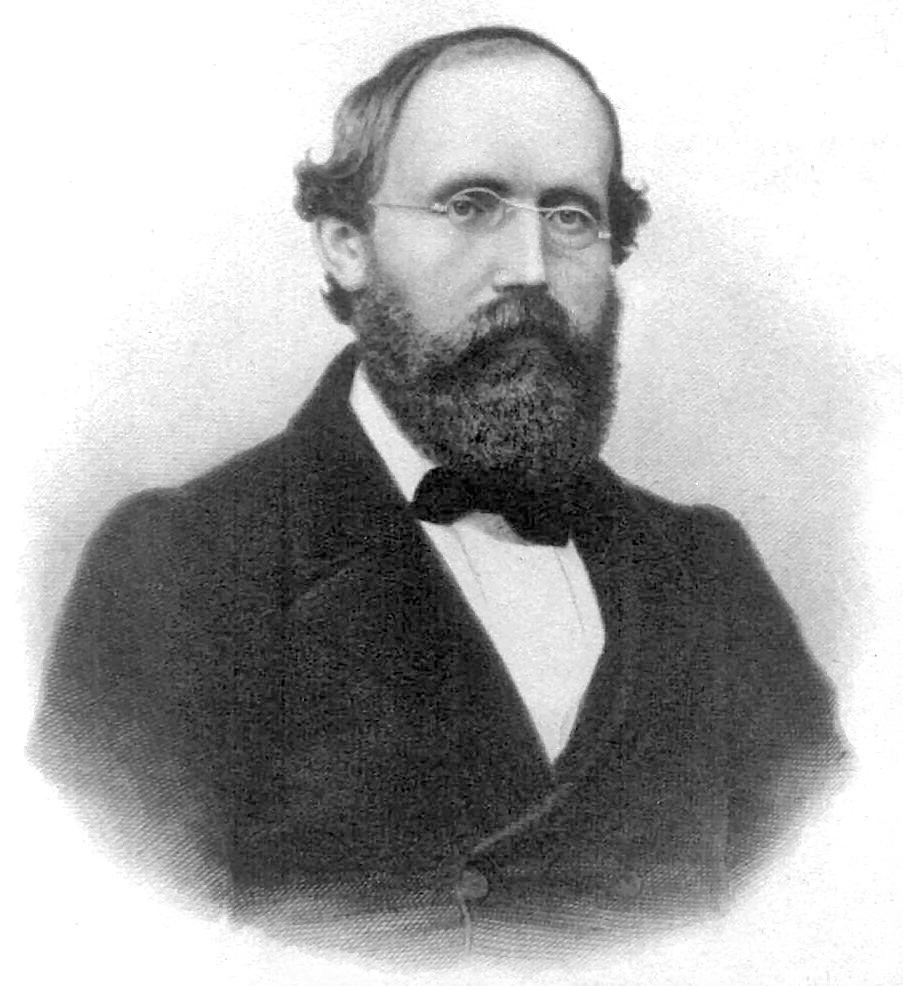
1826Bernhard RiemannGeorg Friedrich Bernhard Riemann was a German mathematician who made profound contributions to analysis, number theory, and differential geometry.
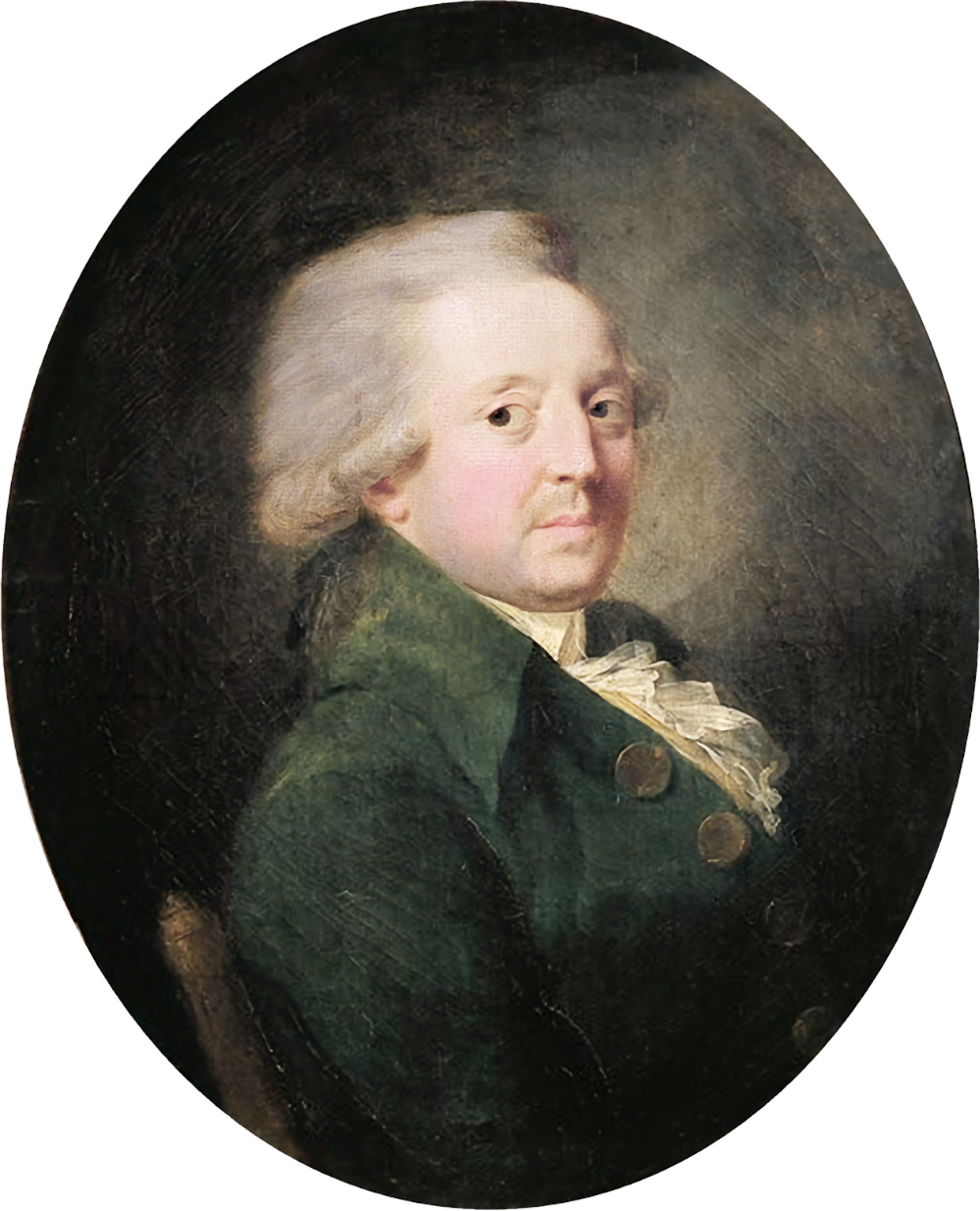
1743Marquis de CondorcetMarie Jean Antoine Nicolas de Caritat, Marquis of Condorcet, known as Nicolas de Condorcet, was a French philosopher, political economist, politician, and mathematician.
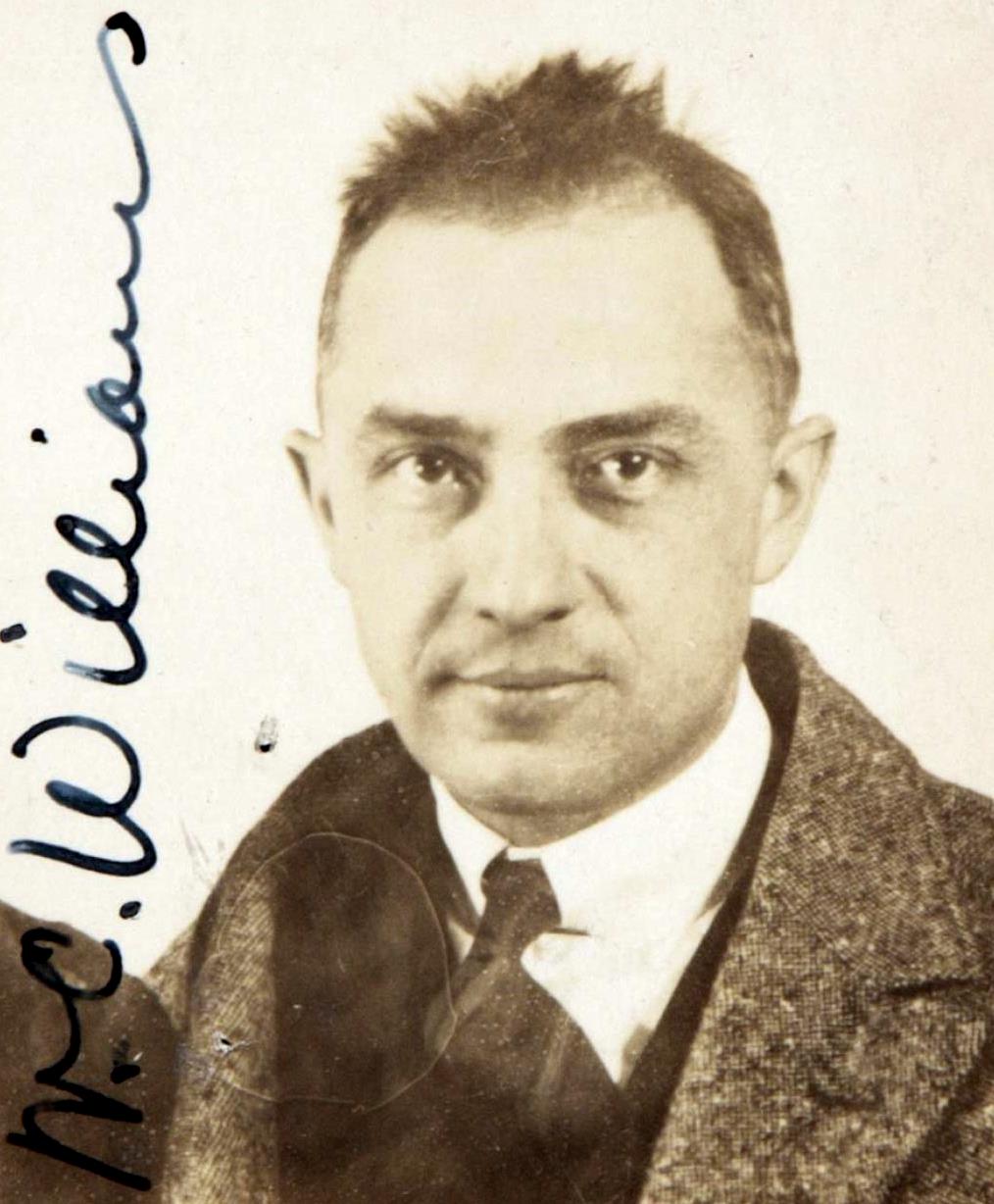
1883William Carlos WilliamsWilliam Carlos Williams was an American poet and physician closely associated with modernism and imagism.
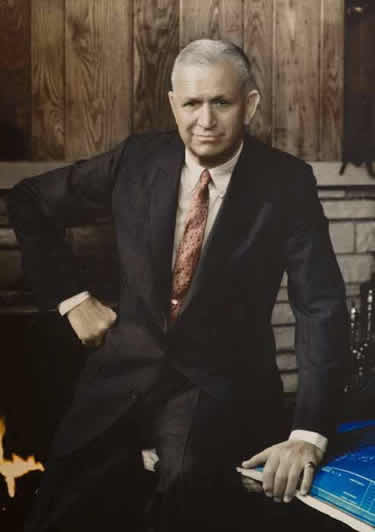
1900J. Willard MarriottJohn Willard Marriott Sr. was an American entrepreneur and businessman.
1915M. F. HusainMaqbool Fida Husain was an Indian painter and film director who painted narrative paintings in a modified Cubist style.
1918Chaim HerzogChaim Herzog was an Irish-Israeli politician, military officer, lawyer and author who served as President of Israel from 1983 to 1993.
1932Robert B. ParkerRobert Brown Parker was an American writer, primarily of fiction within the mystery/detective genre.
1550Paul VPope Paul V, born Camillo Borghese, was head of the Catholic Church and ruler of the Papal States from 16 May 1605 to his death, in January 1621.
1884Charles GriffesCharles Tomlinson Griffes was an American composer for piano, chamber ensembles and voice.
1906Edgar WayburnEdgar Arthur Wayburn was an American environmentalist who served as the president of the Sierra Club five times in the 1960s. He has been recognized as one of the least-known yet most successful defenders of America's natural heritage.
1906J. R. JayewardeneJunius Richard Jayewardene, also known by his initials JR, was a Sri Lankan lawyer, who served as prime minister of Sri Lanka from 1977 to 1978 and as president of Sri Lanka from 1978 to 1989.
1909Elizabeth EnrightElizabeth Wright Enright Gillham was an American writer of children's books, an illustrator, writer of short stories for adults, literary critic and teacher of creative writing.
1929David Craig(97 this year)Marshal of the Royal Air Force David Brownrigg Craig, Baron Craig of Radley, is a retired Royal Air Force officer and member of the House of Lords.
1932Samuel OgbemudiaSamuel Osaigbovo Ogbemudia was a Nigerian army officer and politician.
1944Reinhold Messner(82 this year)Reinhold Andreas Messner is an Italian climber, explorer, and author from the German-speaking province of South Tyrol.
1945Phil Jackson(81 this year)Philip Douglas Jackson is an American former professional basketball player, coach, and executive in the National Basketball Association (NBA).
1953Altaf Hussain(73 this year)Altaf Hussain is a British Pakistani politician who is known as the founder of the Muttahida Qaumi Movement.
1953Junior BridgemanUlysses Lee "Junior" Bridgeman Jr. was an American professional basketball player and businessman.
1961Jim Cornette(65 this year)James Mark Cornette is an American author, sports historian, and podcaster who previously worked in the professional wrestling industry as an agent, booker, color commentator, manager, photographer, promoter, trainer, and occasional professional wrestler.
1961Ty Tabor(65 this year)Ty Tabor is an American musician.
1962Baz Luhrmann(64 this year)Bazmark Anthony "Baz" Luhrmann is an Australian film director, producer, writer and actor whose various projects extend from film and television into opera, theatre, music and the recording industries.
1967Malik Yoba(59 this year)Abdul-Malik Kashie Yoba is an American actor.
1971Mike Catt(55 this year)Michael John Catt OBE is a South African-born former rugby union player who played for the England national rugby union team.
1975Jimmie Johnson(51 this year)Jimmie Kenneth Johnson is an American professional stock car racing driver and team owner.
1977Simone Perrotta(49 this year)Simone Perrotta is a former professional footballer who played as a midfielder.
Quote of the Day
“You don't know about me without you have read a book by the name of The Adventures of Tom Sawyer.” — Mark Twain, Adventures of Huckleberry Finn
September 17 History Quiz
In what year was the U.S. Constitution signed at Independence Hall on September 17?
1787
Which two leaders signed the Camp David Accords on September 17, 1978?
Menachem Begin and Anwar Sadat
What was the name of the Polish trade union founded on September 17, 1980?
Every event on this page was picked by hand from the historical record, written up as a news report, and checked against its source. Photographs are matched to the event they illustrate and verified before they are used. Sources are linked on each story.



 “You Can't Hurry Love”,
  Valley of the Dolls, Jacqueline Susann
 “I Just Want To Be Your Everything”,
  The Thorn Birds, Colleen McCullough
 “Maniac”,
  “I'll Make Love To You”,
  Debt of Honor, Tom Clancy
 “Gold Digger”,
  Point Blank, Catherine Coulter
 Flash and Bones, Kathy Reichs
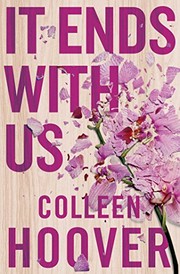 It Ends with Us, Colleen Hoover