Our front page for September 1 — written and set by The Yesterday Times from the events below. Not an archival document.
Day of the year
244
Days left in 2026
121
In 2026 it falls on a
Tuesday
Star sign
Virgo
Birthstone
Sapphire
On September 1 in 1939, 87 years ago, German Troops Storm Poland as Hitler Opens European War. This page reports 10 stories from the date, 25 people born on this day.
The stories in full
Berlin Diplomatic
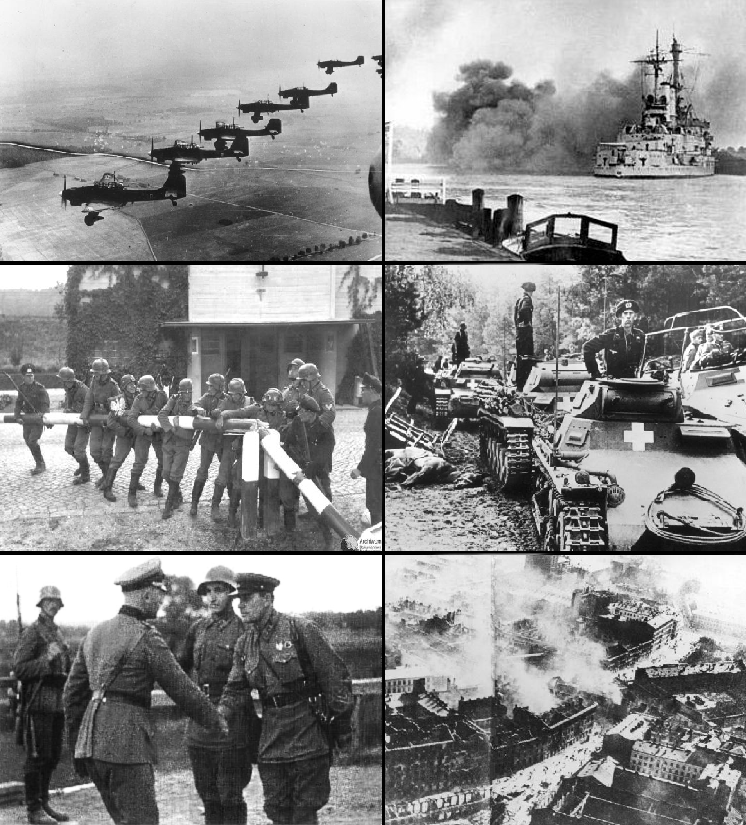
1939 — German Troops Storm Poland as Hitler Opens European War
German forces crossed into Poland on September 1, one week after the Molotov–Ribbentrop Pact, with France and Britain pledging war within 48 hours unless withdrawal occurred and Soviet troops set to invade from the east later that month.
German and Soviet troops meet on Polish soil — Ai6z83xl3g
German forces crossed into Poland before dawn on September 1, attacking multiple locations including Wieluń and the Westerplatte peninsula at Danzig. The invasion followed the Molotov–Ribbentrop Pact signed one week earlier between Germany and the Soviet Union. France and Britain, bound by treaty obligations to Poland, announced they would declare war on Germany within 48 hours unless immediate withdrawal occurred. The pact contained a secret protocol dividing Eastern Europe; Soviet forces would invade eastern Poland later that month. The campaign ended in early October with Germany and the Soviet Union dividing Poland under the German–Soviet Frontier Treaty.
German forces attacked multiple locations in Poland, including Wieluń and Westerplatte, on September 1, 1939.
The invasion began after the Molotov–Ribbentrop Pact between Germany and the Soviet Union, signed one week before.
On 17 September, the Soviet Red Army invaded Eastern Poland under a secret protocol of the pact.
Poland's allies, France and the U.K., declared war on Germany on 3 September 1939.
The campaign ended on 6 October 1939 with Germany and the Soviet Union dividing Poland under the German–Soviet Frontier Treaty.
1923 — 105,000 Dead as Great Kantō Quake Levels Tokyo and Yokohama; Fires Rage for Days
The temblor struck at noon on September 1, 1923 — Japan's deadliest natural disaster reduces the nation's industrial heart to rubble and ash.
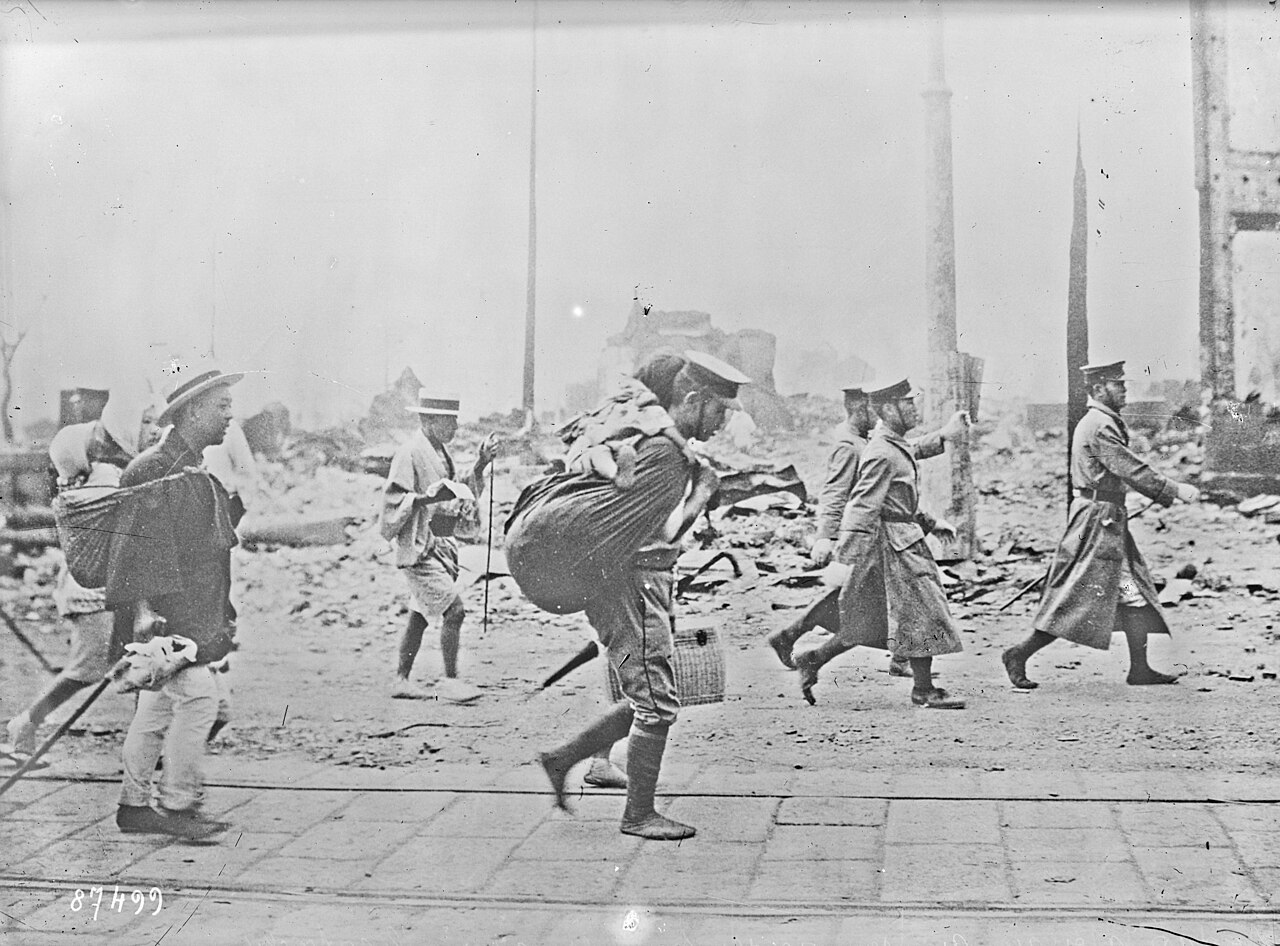
Survivors carry belongings through the rubble of Yokohama — Agence Rol
TOKYO, September 1 — One hundred five thousand persons are dead, and Japan's two greatest cities lie in ruins, after the Great Kantō Earthquake struck the main island of Honshū at two minutes before noon today.
The initial shock, lasting four to six minutes by varying accounts, registered magnitude estimates that seismologists place near 7.9. Fires erupted within minutes of the temblor and have burned unchecked through evening, consuming what the quake left standing. The casualty figure, though provisional, already establishes this as the most lethal earthquake in recorded Japanese history and among the deadliest natural disasters of modern times.
Tokyo's Shitamachi district, densely packed with wooden structures, suffered near-total incineration. Yokohama, the principal port, reports its waterfront destroyed and much of the foreign settlement flattened. Survivors carry belongings through rubble-choked streets as aftershocks continue. The imperial palace sustained damage; Emperor Taishō is reported safe.
Military units have been mobilized for rescue and firefighting. Telegraph communication with outlying provinces remains sporadic. Casualty counts are expected to rise as remote areas are reached.
The Great Kantō Earthquake devastates Tokyo and Yokohama, killing about 105,000 people.
1985 — Robert Ballard Expedition Locates Titanic Wreck in North Atlantic Depths
The 1985 American-French team led by Ballard and Jean-Louis Michel ends 73 years of searching.
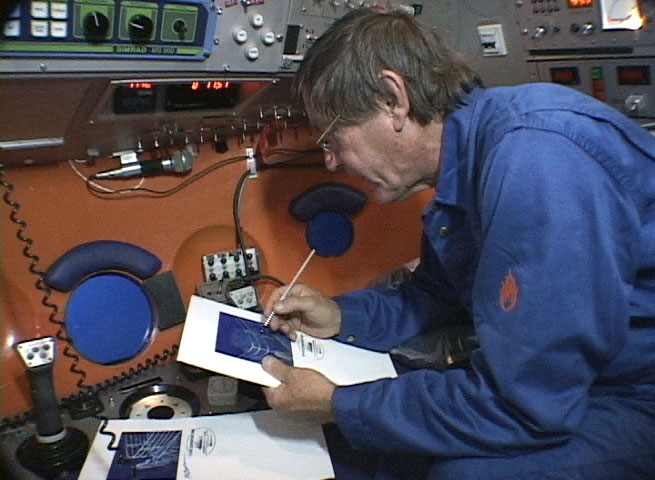
The expedition leader studies sonar images aboard the research vessel — Roger L. Bansemer
WOODS HOLE, Mass., September 1 — An American-French expedition led by Robert Ballard and Jean-Louis Michel has discovered the wreck of the Titanic in the North Atlantic, 73 years after the liner struck an iceberg and sank with more than 1,500 aboard.
Ballard, a marine geologist with the Woods Hole Oceanographic Institution, and Michel, his French counterpart, located the hull fragments using sonar and submersible photography at a depth of approximately 12,500 feet, some 400 miles south of Newfoundland. The expedition leader studied sonar images aboard the research vessel as confirmation came through.
The Titanic, on its maiden voyage from Southampton to New York, sank April 15, 1912. Previous searches since 1981 had failed.
The wreck of the Titanic is discovered by an American-French expedition led by Robert Ballard and Jean-Louis Michel.
1983 — Soviet Fighter Destroys Korean Airliner Over Sakhalin; 269 Dead
A Soviet interceptor fired missiles into a Boeing 747 carrying 246 passengers and 23 crew, downing it near Sakhalin.
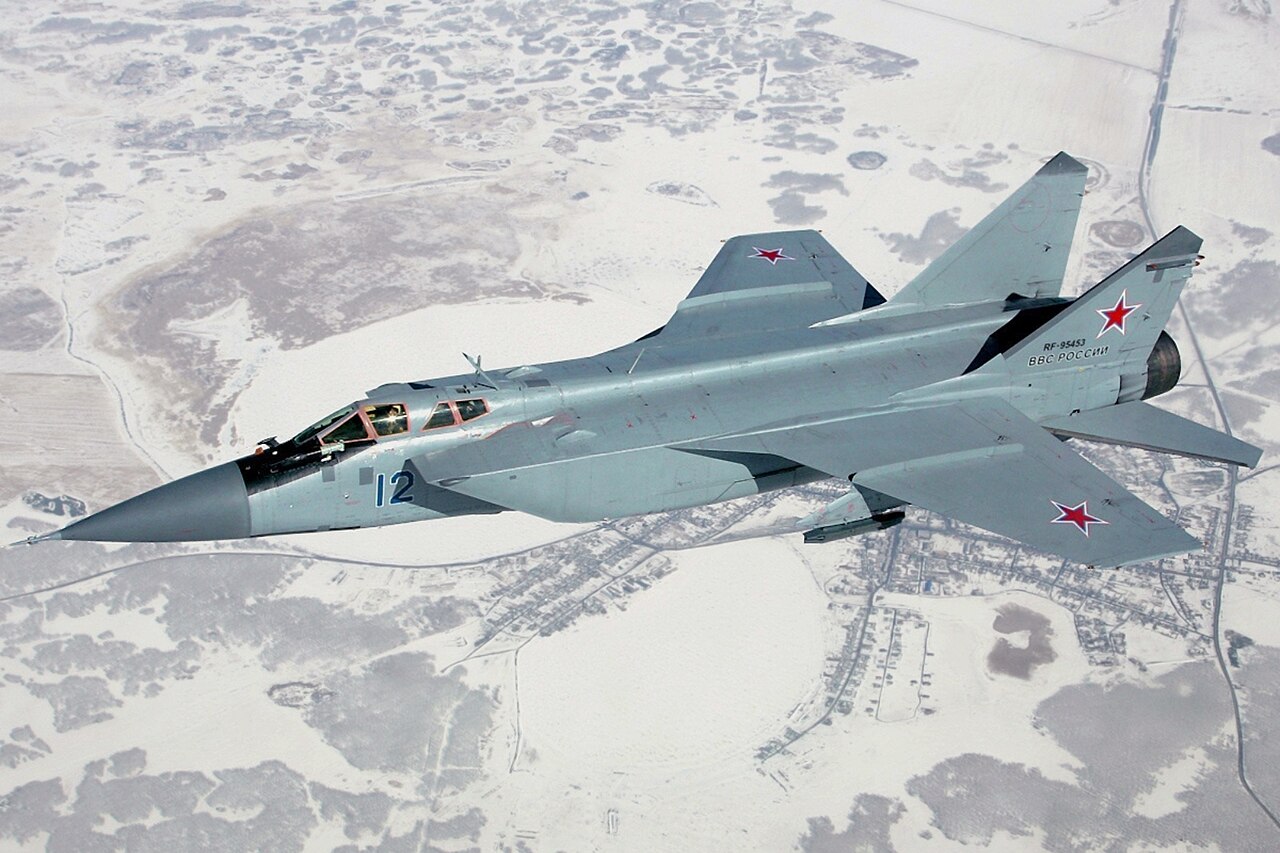
A Soviet MiG-31 interceptor flies over snow-covered terrain — Dmitriy Pichugin
MOSCOW, September 1 — A Soviet Sukhoi Su-15 interceptor shot down Korean Air Lines Flight 007 near Sakhalin Island in the north Pacific early this morning, killing all 246 passengers and 23 crew aboard the Boeing 747.
Soviet authorities initially denied knowledge of the incident. The civilian airliner had drifted into Soviet airspace due to a navigational error by the crew. The Su-15 pilot fired warning shots, then air-to-air missiles.
All 246 passengers and 23 crew aboard Korean Air Lines Flight 007 were killed.
The Soviet Sukhoi Su-15 interceptor fired air-to-air missiles after warning shots, destroying the Boeing 747-230B.
The flight drifted into Soviet airspace due to a navigational mistake by the crew.
U.S. Representative Larry McDonald from Georgia was among the passengers.
The Soviet Union initially denied knowledge but later admitted shooting down the aircraft, claiming it was a spy mission.
1897 — Boston Digs First Subway in America; Tremont Tunnel Opens
Electric trains now run beneath Beacon Hill, banishing street traffic above.
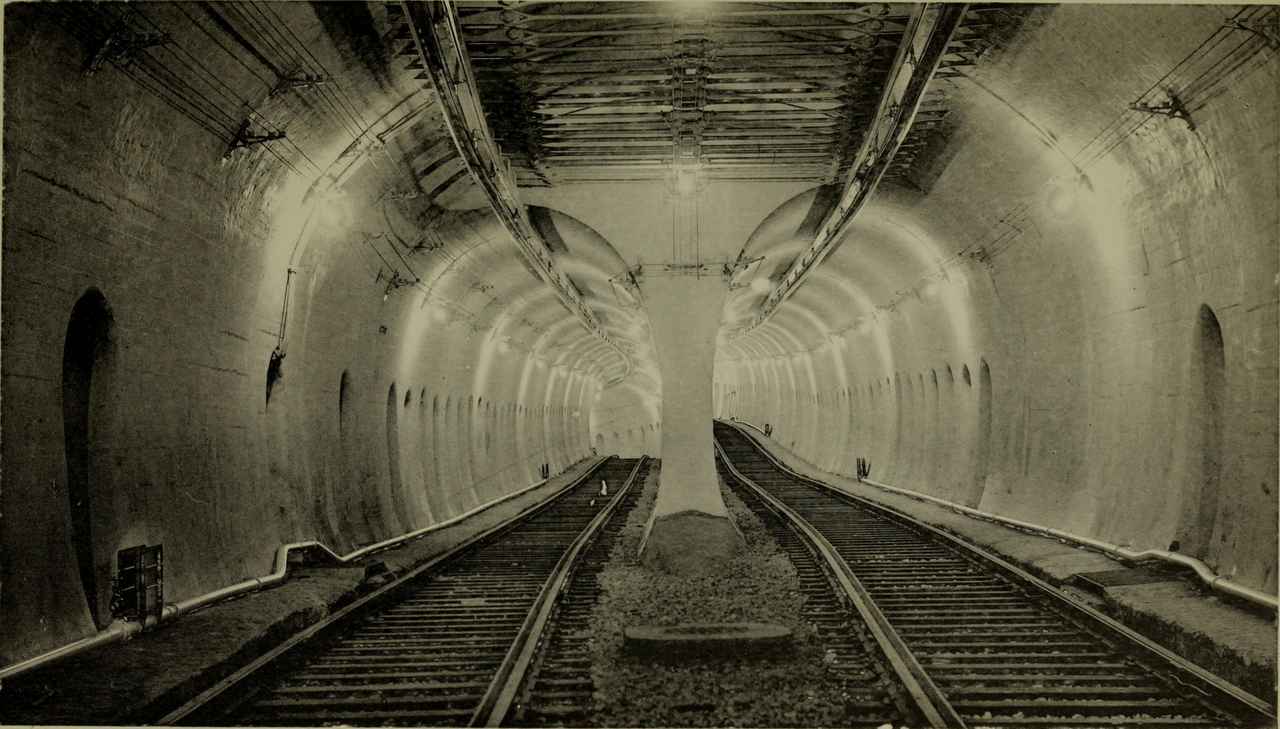
The newly opened Tremont Street Subway tunnel with twin tracks and electric lighting — Boston Transit Commission
BOSTON, September 1 — The age of American underground transit began here today when the Tremont Street Subway threw open its portals, becoming the first subterranean rapid transit system on the continent. The twin-track tunnel, lit by electricity and free of the horse-cars and steam traffic that once choked the avenue, carries passengers beneath Beacon Hill in a feat of civil engineering long doubted possible.
The Tremont Street Subway in Boston opens, becoming the first underground rapid transit system in North America.
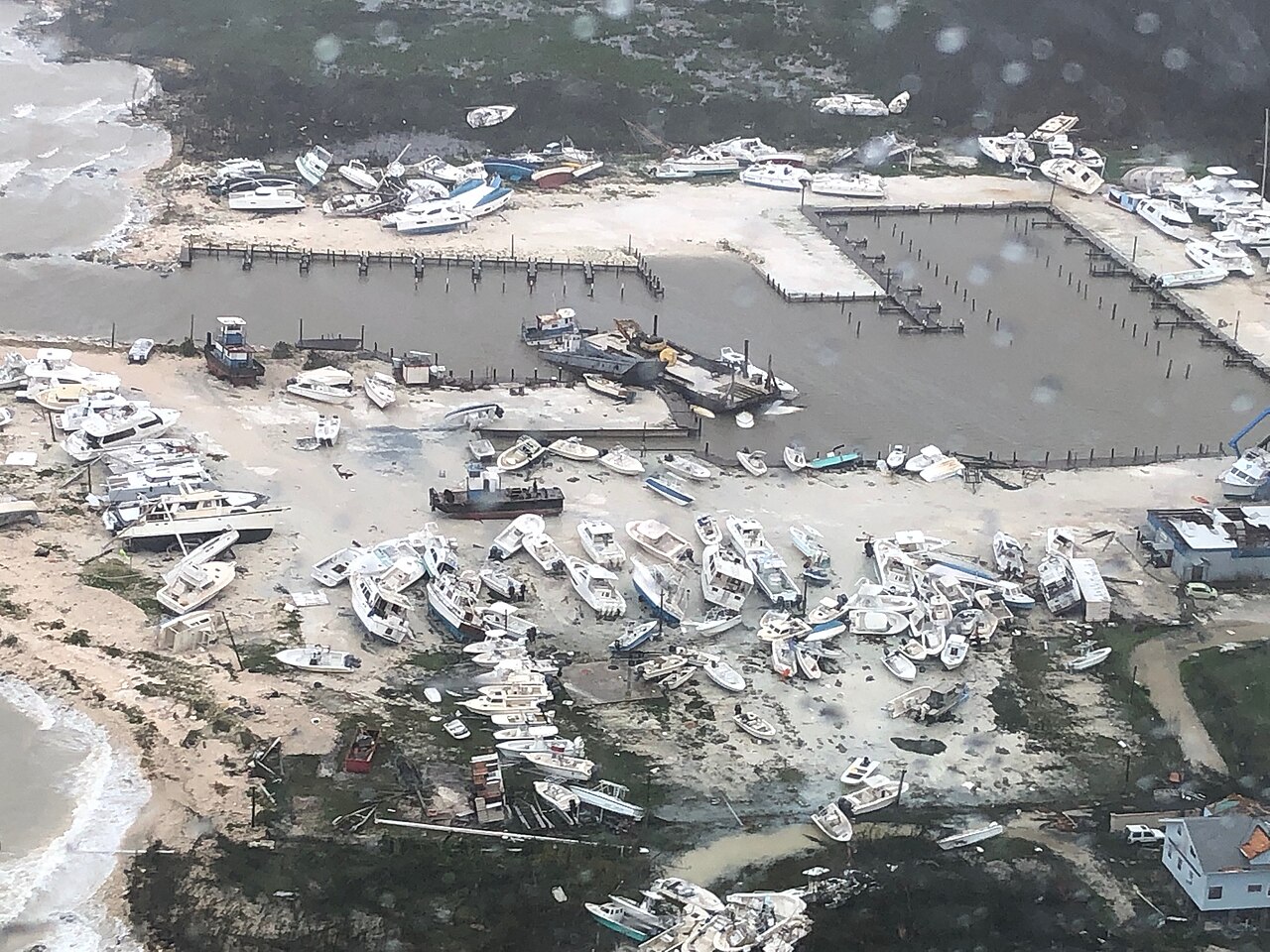
NASSAU, September 1 — In an era of warming seas and intensifying storms, Hurricane Dorian has redefined Atlantic destruction, making landfall on Great Abaco Island at 16:40 UTC with sustained winds of 185 mph and a central pressure of 910 millibars.
Dorian made landfall on Great Abaco Island at 16:40 UTC on September 1 with sustained winds of 185 mph (298 km/h) and a central pressure of 910 millibars.
Dorian tied with the 1935 Labor Day hurricane and Hurricane Melissa for the highest wind speeds at landfall in the Atlantic basin.
Dorian stalled just north of Grand Bahama for about 24 hours, unleashing unrelenting winds.
At least 70,000 people were left homeless in the Bahamas after Dorian's catastrophic damage.
Dorian caused at least 77 direct deaths in the Bahamas, with 245 people still missing as of August 2020.
1972 — Fischer Defeats Spassky, Ends Soviet Reign as 11th World Chess Champion
American grandmaster wins Cold War match in Reykjavík after 6–0 qualifying sweeps.
REYKJAVÍK, September 1 — Bobby Fischer, the 29-year-old American grandmaster whose demands and delays nearly derailed the event, has become the 11th World Chess Champion, defeating Soviet titleholder Boris Spassky in a match widely publicized as a Cold War confrontation. Fischer's victory ends 24 years of Soviet dominance over the championship.
The Brooklyn-born prodigy swept his qualifying matches against Soviet Mark Taimanov and Denmark's Bent Larsen by 6–0 scores, unprecedented shutouts in candidates competition. The title match against Spassky, held in the Icelandic capital, attracted more worldwide interest than any chess championship before or since.
Fischer's triumph marks the first time an American has held the title since Wilhelm Steinitz in the 19th century.
Fischer swept qualifying matches against Mark Taimanov and Bent Larsen by 6–0 scores.
The title match against Boris Spassky was held in Reykjavík, Iceland.
The match attracted more worldwide interest than any chess championship before or since.
Fischer became the 11th World Chess Champion with his victory over Soviet Boris Spassky.
1952 — Hemingway Publishes 'The Old Man and the Sea,' Calls It His Best Work
Hemingway drafted the novel in eight weeks after the negative critical reception of his previous book.
NEW YORK, September 1 — Ernest Hemingway has published The Old Man and the Sea, the novel he drafted in eight weeks and declared "the best I can write ever for all of my life." The book, which became a Book-of-the-Month Club selection immediately upon release, arrives after the negative critical reception of his previous novel, Across the River and Into the Trees.
The Old Man and the Sea became a Book-of-the-Month Club selection and made Hemingway an international celebrity.
Hemingway wrote the draft of The Old Man and the Sea in eight weeks, calling it 'the best I can write ever for all of my life'.
The novel won the Pulitzer Prize for Fiction in May 1953.
Hemingway wrote The Old Man and the Sea after the negative critical reception of Across the River and Into the Trees.
1859 — Solar Storm Blinds Telegraphs and Lights Sky Over Cuba in History's Worst Magnetic Event
A solar eruption observed 1 September 1859 struck Earth in 17.6 hours, disabling telegraphs and painting auroras across tropical skies.
British astronomer Richard Carrington observed an unprecedented solar flare on the morning of 1 September 1859. Fellow observer Richard Hodgson independently recorded the same eruption. The resulting coronal mass ejection reached Earth in just 17.6 hours. Telegraph systems across Europe and North America failed, shocking operators. Auroras appeared as far south as Cuba, Mexico, Hawaii and Colombia.
The Carrington Event was the most intense geomagnetic storm in recorded history, peaking on 1–2 September 1859.
British astronomers Richard Carrington and Richard Hodgson independently recorded the first observations of a solar flare on 1 September 1859.
The coronal mass ejection traveled 150 million km to Earth in 17.6 hours, far faster than typical CMEs.
Auroras were visible as far south as Cuba, Mexico, Hawaii, and Colombia, and gold miners in the Rocky Mountains mistook the glow for morning.
Telegraph systems across Europe and North America failed, giving operators electric shocks and allowing some to transmit without battery power.
1939 — Oppenheimer, Student Find Collapsed Stars Real; Mathematics Bends Space to Final Point
The Oppenheimer–Snyder model, published this week in Physical Review, shows stars collapsing until space itself admits no light.
BERKELEY, California, September 1 — In a cramped office at the University of California, J. Robert Oppenheimer and his graduate student Hartland Snyder have spent months wrestling with Einstein's equations, and this week they emerge with a startling verdict: stars can collapse past all known limits, bending space itself until no light escapes.
Their paper, published in the current Physical Review, presents the Oppenheimer–Snyder model.
J. Robert Oppenheimer and his student Hartland Snyder publish the Oppenheimer–Snyder model, proving for the first time in contemporary physics how black holes could develop.
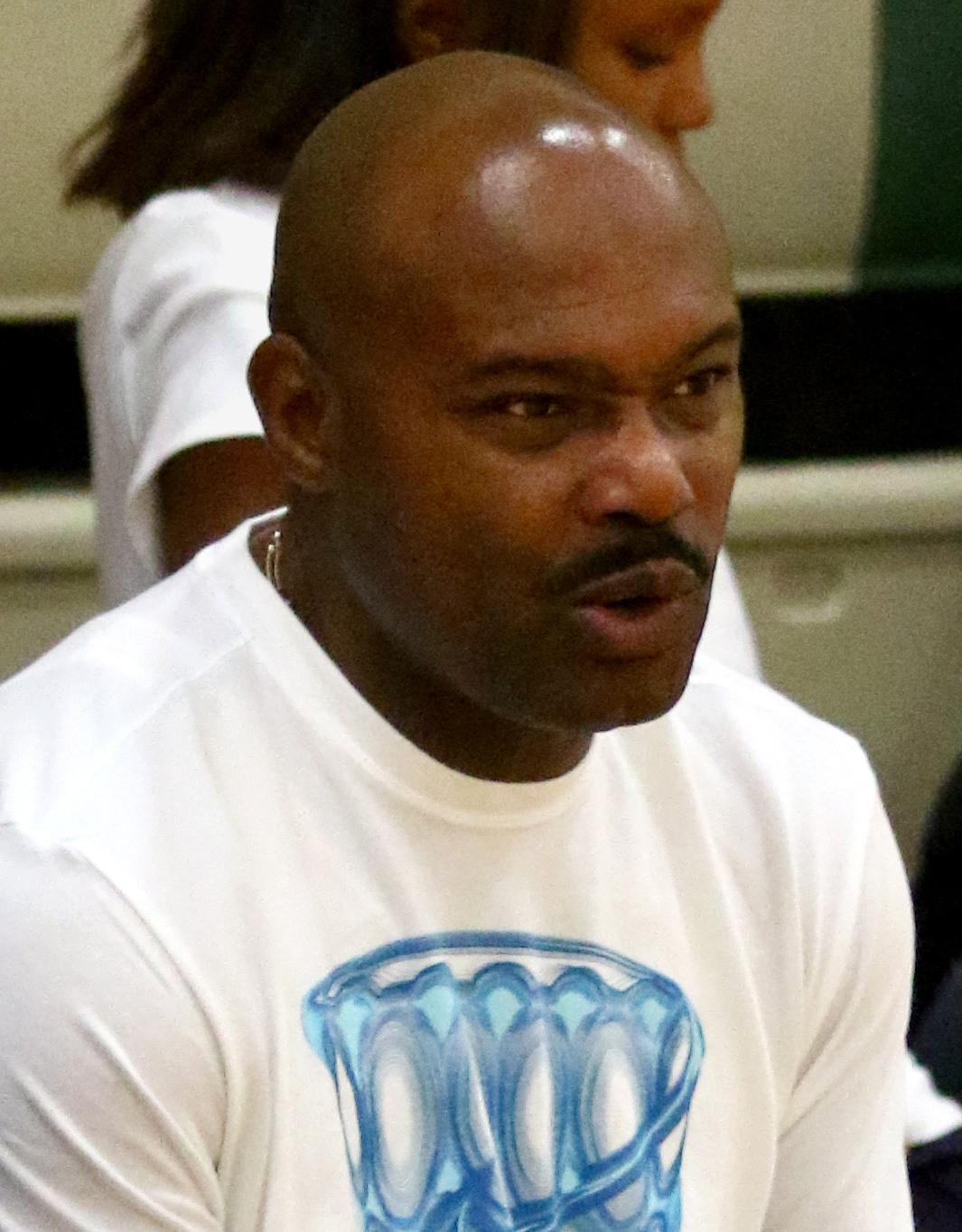
1966Tim Hardaway(60 this year)Timothy Duane Hardaway Sr. is an American former professional basketball player.
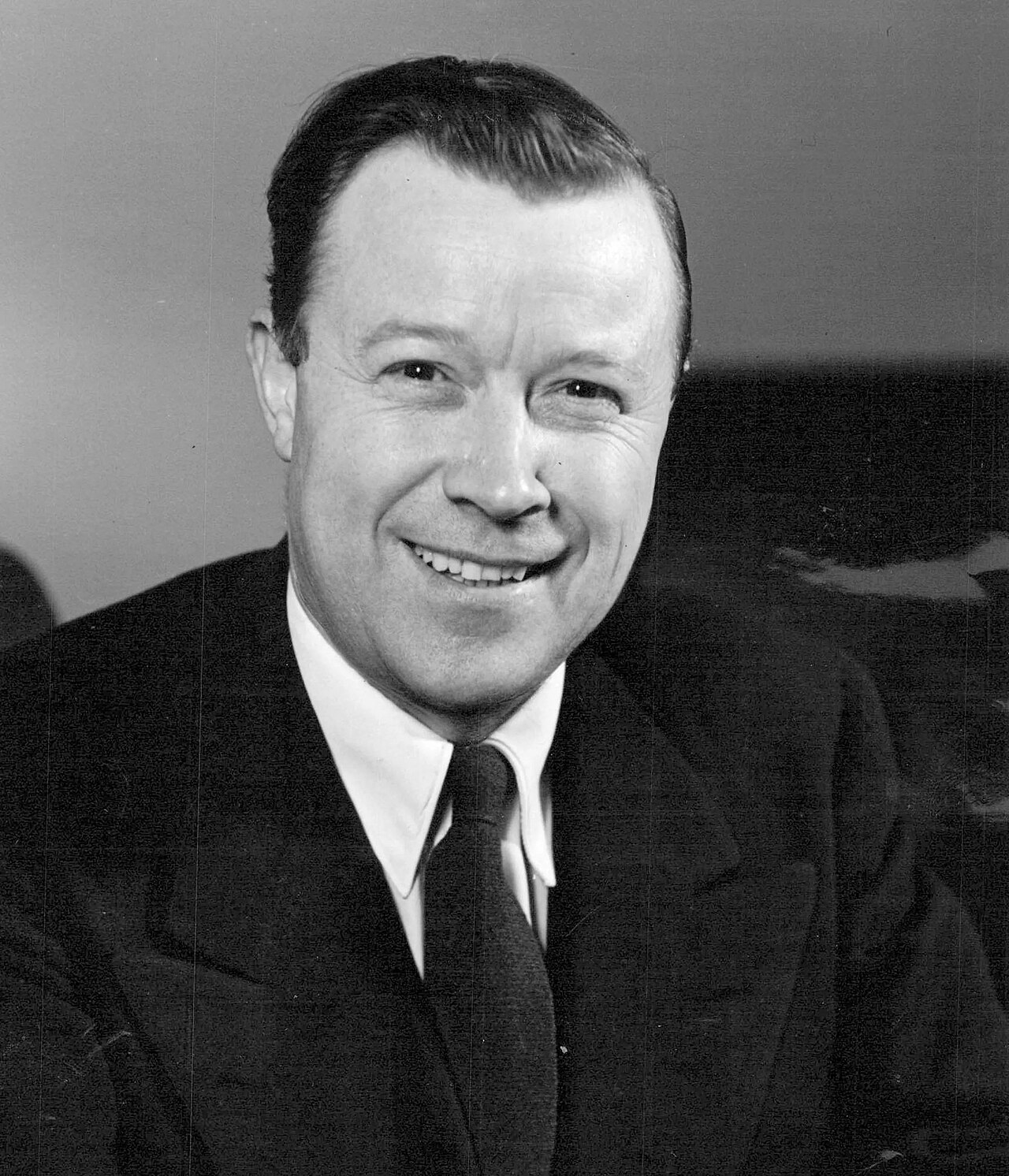
1907Walter ReutherWalter Philip Reuther was an American leader of organized labor and civil rights activist who built the United Automobile Workers (UAW) into one of the most progressive labor unions in American history.
1981Clinton Portis(45 this year)Clinton Earl Portis is an American former professional football running back who played in the National Football League (NFL) for nine seasons.
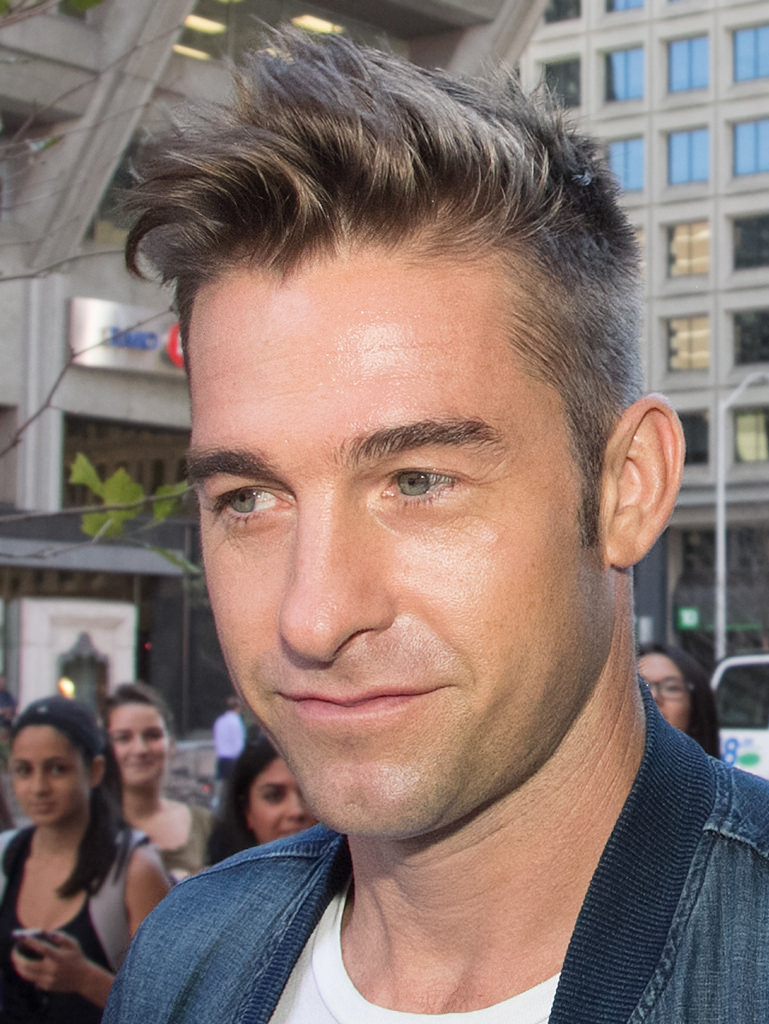
1975Scott Speedman(51 this year)Robert Scott Speedman is a Canadian actor and model.
1850Jim O'RourkeJames Henry O'Rourke, nicknamed "Orator Jim", was an American professional baseball player in the National Association, the National League, and the Players' League who played primarily as a left fielder.
1851John ClumJohn Philip Clum was an Indian agent for the San Carlos Apache Indian Reservation in the Arizona Territory.
1855Innokenty AnnenskyInnokenty Fyodorovich Annensky (Russian: Инноке́нтий Фёдорович А́нненский, IPA: [ɪnɐˈkʲenʲtʲɪj ˈfʲɵdərəvʲɪtɕ ˈanʲɪnskʲɪj] ; was a poet, critic, scholar, and translator, representative of the first wave of Russian Symbolism, although he was not well known for his poetry until after his death.
1856Sergei WinogradskySergei Nikolaevich Winogradsky (Russian: Сергей Николаевич Виноградский; Ukrainian: Сергій Миколайович Виноградський; 13 September [O.S. 1 September] 1856 – 24 February 1953), also published under the name Sergius Winogradsky, was a Ukrainian and Russian microbiologist, ecologist and soil scientist who pioneered the cycle-of-life concept.
1868Henri BourassaJoseph-Napoléon-Henri Bourassa was a French Canadian political leader and publisher.
1873João Ferreira Sardo the founder of Gafanha da NazaréJoão Ferreira Sardo, known as Prior Sardo, was a Portuguese presbyter, civic leader, and entrepreneur who founded the parish of Gafanha da Nazaré during the final years of the Kingdom of Portugal and the early Portuguese First Republic.
1884Hilda Rix NicholasHilda Rix Nicholas was an Australian artist.
1906Eleanor Alice Burford (Jean Plaidy)Eleanor Alice Hibbert was an English writer of historical romances.
1909E. Herbert NormanEgerton Herbert Norman was a Canadian diplomat and historian.
1920Richard FarnsworthRichard William Farnsworth was an American actor and stuntman.
1925Art PepperArthur Edward Pepper Jr. was an American jazz musician, mostly as an alto saxophonist.
1931Cecil ParkinsonCecil Edward Parkinson, Baron Parkinson, was a British Conservative Party politician and cabinet minister.
1939Lily Tomlin(87 this year)Mary Jean "Lily" Tomlin is an American actress, comedian, writer, singer, and producer.
1939Rico CartyRicardo Adolfo Jacobo Carty was a Dominican professional baseball player.
1952Michael MasseeMichael Groo Massee was an American actor.
1956Bernie Wagenblast(70 this year)Bernadette Wagenblast is an American transportation journalist, radio personality and voice-over artist.
1960Eric Adams(66 this year)Eric Leroy Adams is an American politician and former police officer who served as the 111th mayor of New York City from 2022 to 2025.
1967Steve Pemberton(59 this year)Steven James Pemberton is a British actor, comedian, director and writer.
1973J.D. Fortune(53 this year)Jason Dean Bennison, better known by his stage name J.D. Fortune, is a Canadian singer and songwriter.
1974Burn Gorman(52 this year)Burn Hugh Gorman is an American-born, English actor.
1982Zoe Lister-Jones(44 this year)Zoe Lister-Jones is an American actress and filmmaker who co-starred as Jen Collins Short in the CBS sitcom Life in Pieces from 2015 to 2019.
Quote of the Day
“If you know the enemy and know yourself, you need not fear the result of a hundred battles.” — Sun Tzu (trans. Lionel Giles), The Art of War
September 1 History Quiz
Which event marked the beginning of World War II in Europe on September 1, 1939?
Germany invades Poland
Who became the first World Chess Champion from the United States by defeating Boris Spassky on September 1, 1972?
Bobby Fischer
What massive disaster struck Tokyo and Yokohama on September 1, 1923, killing over 140,000 people?
Every event on this page was picked by hand from the historical record, written up as a news report, and checked against its source. Photographs are matched to the event they illustrate and verified before they are used. Sources are linked on each story.



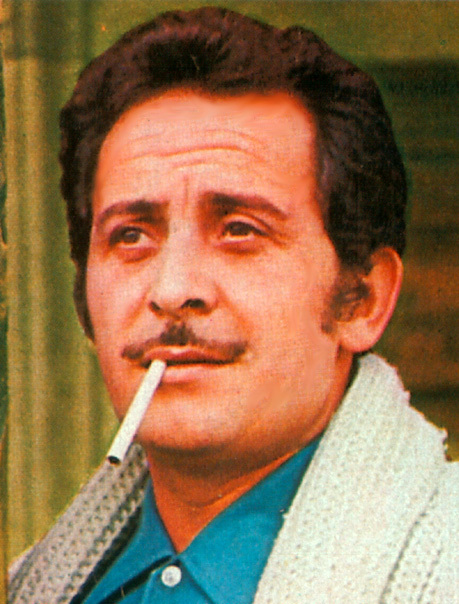 “Nel Blu Dipinto Di Blu (Volare)”,
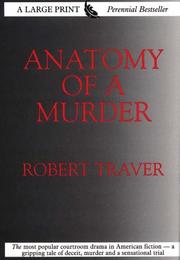 Anatomy of a Murder, Robert Traver
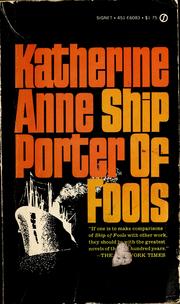 Ship of Fools, Katherine Anne Porter
 Breakfast of Champions, Kurt Vonnegut
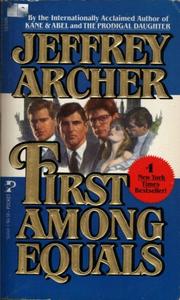 First Among Equals, Jeffrey Archer
 “If Wishes Came True”,
 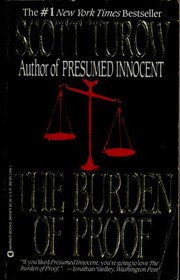 The Burden of Proof, Scott Turow
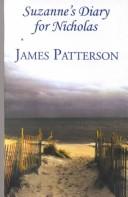 Suzanne's Diary for Nicholas, James Patterson
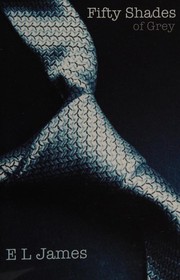 Fifty Shades of Grey, E. L. James