Our front page for September 19 — written and set by The Yesterday Times from the events below. Not an archival document.
Day of the year
262
Days left in 2026
103
In 2026 it falls on a
Saturday
Star sign
Virgo
Birthstone
Sapphire
On September 19 in 1985, 41 years ago, Quake Kills Thousands, Levels City Blocks; 100,000 Homeless. This page reports 10 stories from the date, 25 people born on this day.
The stories in full
Mexico Desk
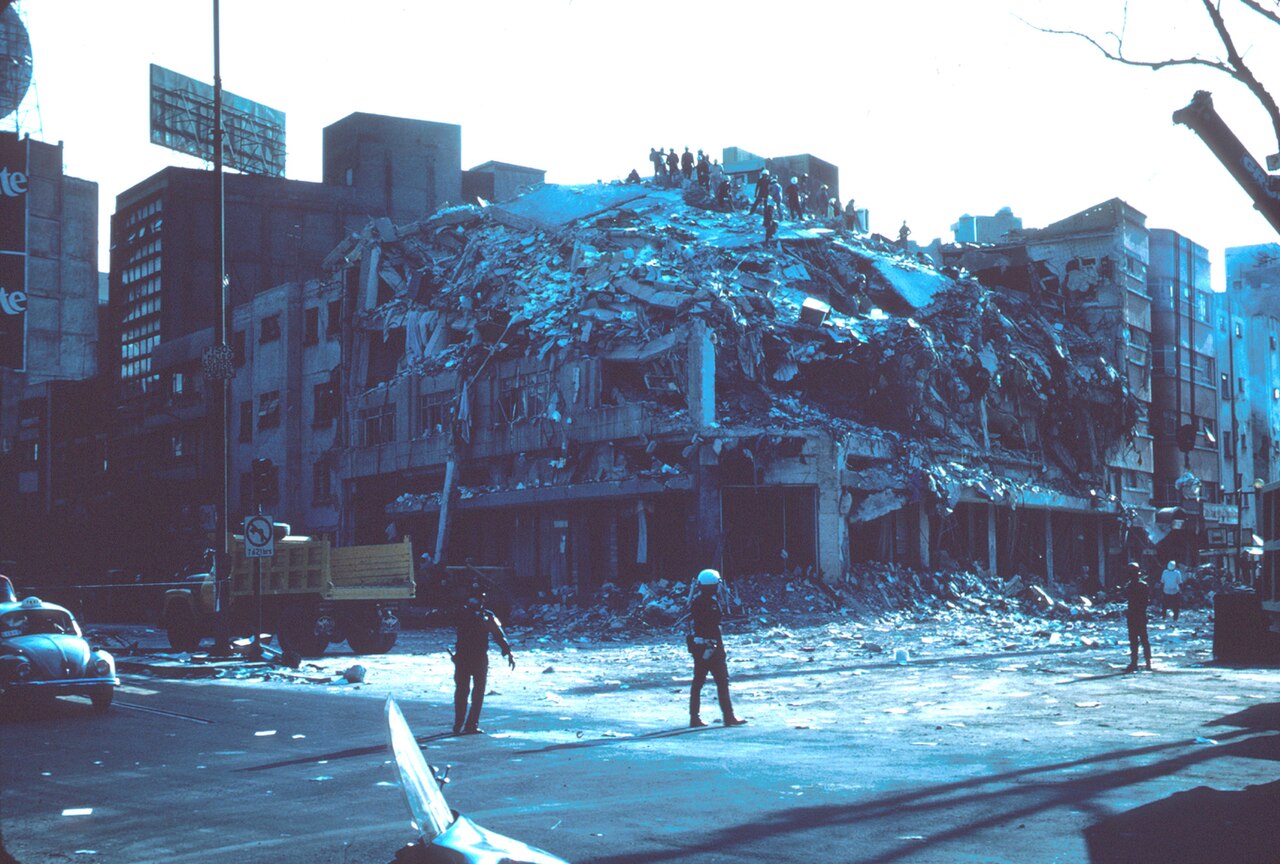
1985 — Quake Kills Thousands, Levels City Blocks; 100,000 Homeless
An Mw 8.0 temblor struck the capital at morning rush hour — the death toll passes 9,000 as rescue crews pick through pancaked concrete.
Rescuers clawed through rubble of collapsed buildings in Mexico City, searching for survivors beneath tons of concrete that crumbled when an earthquake registering Mw 8.0 struck at mid-morning.
The death toll stands at least 9,000, authorities said, with up to 100,000 left homeless across the shattered metropolis. The temblor hit at 7:17 a.m. local time, sending high-rise towers swaying and then crashing into the streets below. Apartment blocks folded like decks of cards; hospitals, schools and government offices collapsed.
Emergency crews worked through darkness, sometimes with bare hands, pulling bodies and the occasional living victim from the wreckage. The scale of destruction overwhelmed official response. Makeshift morgues filled plazas. Water mains ruptured; fires burned uncontrolled in several districts.
The quake's epicenter lay offshore along the Michoacán coast, but the soft lakebed beneath the capital amplified the shaking. Engineers said the worst damage came in buildings constructed before strict codes were enforced in the 1970s. The government declared a state of emergency and appealed for international aid.
The 1985 Mexico City earthquake was an Mw 8.0 event that struck on September 19.
The earthquake killed thousands of people in Mexico City.
1991 — German Hikers Find 5,300-Year-Old Mummy Frozen in Austrian Glacier
A copper-bladed axe, longbow and grass-stuffed leather shoes accompanied the man who lay at 3,210 meters for fifty-three centuries before discovery on September 19.
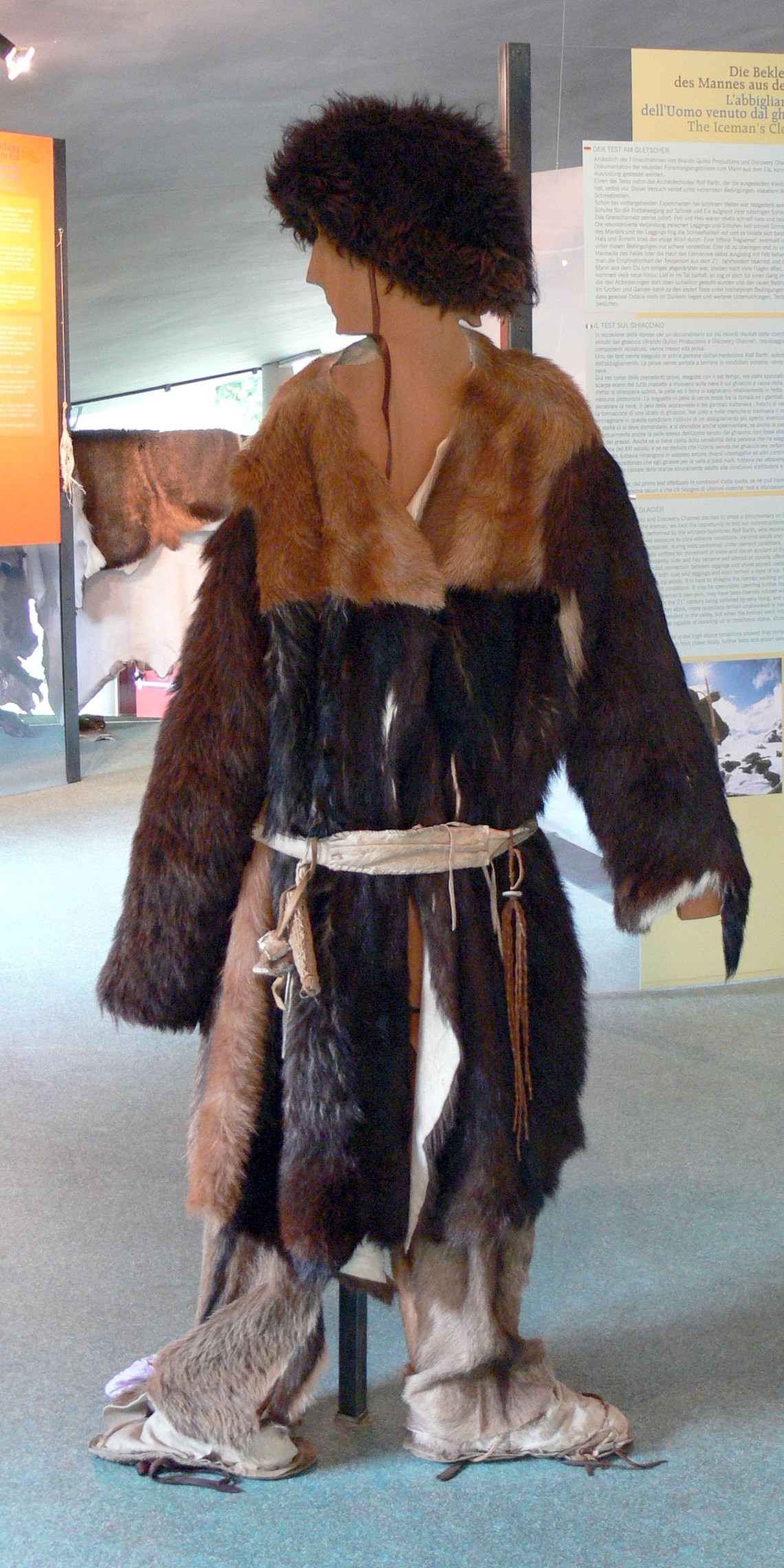
Reconstructed clothing of the 3300 BC Alpine iceman — Wolfgang Sauber
The oldest intact human body ever recovered from ice lay for fifty-three centuries at 3,210 meters on the east ridge of the Fineilspitze before German tourists Helmut and Erika Simon stumbled upon him September 19.
Ötzi, named for the Ötztal Alps where he rested, is a natural mummy of a man dating from about 3300 BC. His leathery skin, tattooed joints and intact organs stunned the archaeological world. He wore leather shoes stuffed with grass, a grass cloak, and carried a copper-bladed axe, a flint dagger and a longbow.
Recovery proved damaging. A pneumatic drill snapped his bow. His left arm broke when workers forced the corpse into a coffin for helicopter transport. Archaeologist Konrad Spindler estimated the body at least 4,000 years old based on initial examination at the Innsbruck medical examiner's office.
Pollen analysis indicates Ötzi spent childhood near Feldthurns in South Tyrol, then lived in valleys roughly 50 kilometers north. His stomach held ibex meat and einkorn wheat eaten within two hours of death. The find has ignited debate over which nation owns the body; initial assumptions placed him in Austria, but surveys will determine the precise border.
Ötzi was discovered on September 19, 1991, by German tourists Helmut and Erika Simon at 3,210 meters on the east ridge of the Fineilspitze.
The body was extracted on September 22 and transported to the medical examiner's office in Innsbruck, where archaeologist Konrad Spindler dated it to at least 4,000 years old.
Land surveys in October 1991 proved the body was located 92.56 meters inside Italian territory, contrary to initial assumptions.
Ötzi's belongings were damaged during recovery, including his longbow snapped by a pneumatic drill and his left arm broken while being forced into a coffin.
Analysis of pollen and tooth enamel indicates Ötzi spent childhood near Feldthurns, South Tyrol, and later lived in valleys about 50 kilometers farther north.
1893 — New Zealand Women Win Vote as Governor Signs Suffrage Bill
Royal Assent came on 19 September 1893 after Kate Sheppard's petition of nearly 32,000 signatures and an 8 September Legislative Council vote of 20 to 18.
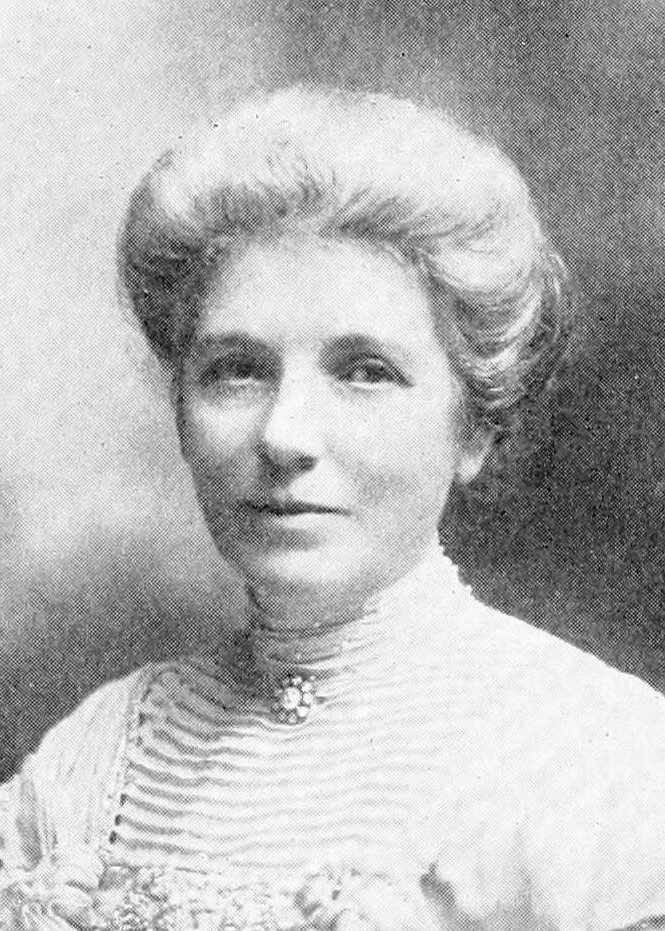
Kate Sheppard, leader of the women's suffrage movement — H. H. Clifford, see
Governor Lord Glasgow gave Royal Assent to the Electoral Bill on 19 September 1893, making New Zealand the first country in the world to grant women the right to vote in parliamentary elections.
The victory followed a suffrage campaign led by Kate Sheppard, a Women's Christian Temperance Union activist who gathered nearly 32,000 signatures for the 1893 petition, almost a quarter of adult European women in the colony. The bill passed the Legislative Council on 8 September by 20 votes to 18 after two councillors changed sides.
Women will vote for the first time in the election scheduled for 28 November.
Governor Lord Glasgow gave Royal Assent to the Electoral Bill on 19 September 1893.
Nearly 32,000 signatures were presented in the 1893 petition, almost a quarter of adult European women in New Zealand.
The bill passed the Upper House by 20 votes to 18 on 8 September 1893 after two councillors changed sides.
Women voted for the first time in the election held on 28 November 1893.
New Zealand became the first country in the world to grant women the right to vote in parliamentary elections.
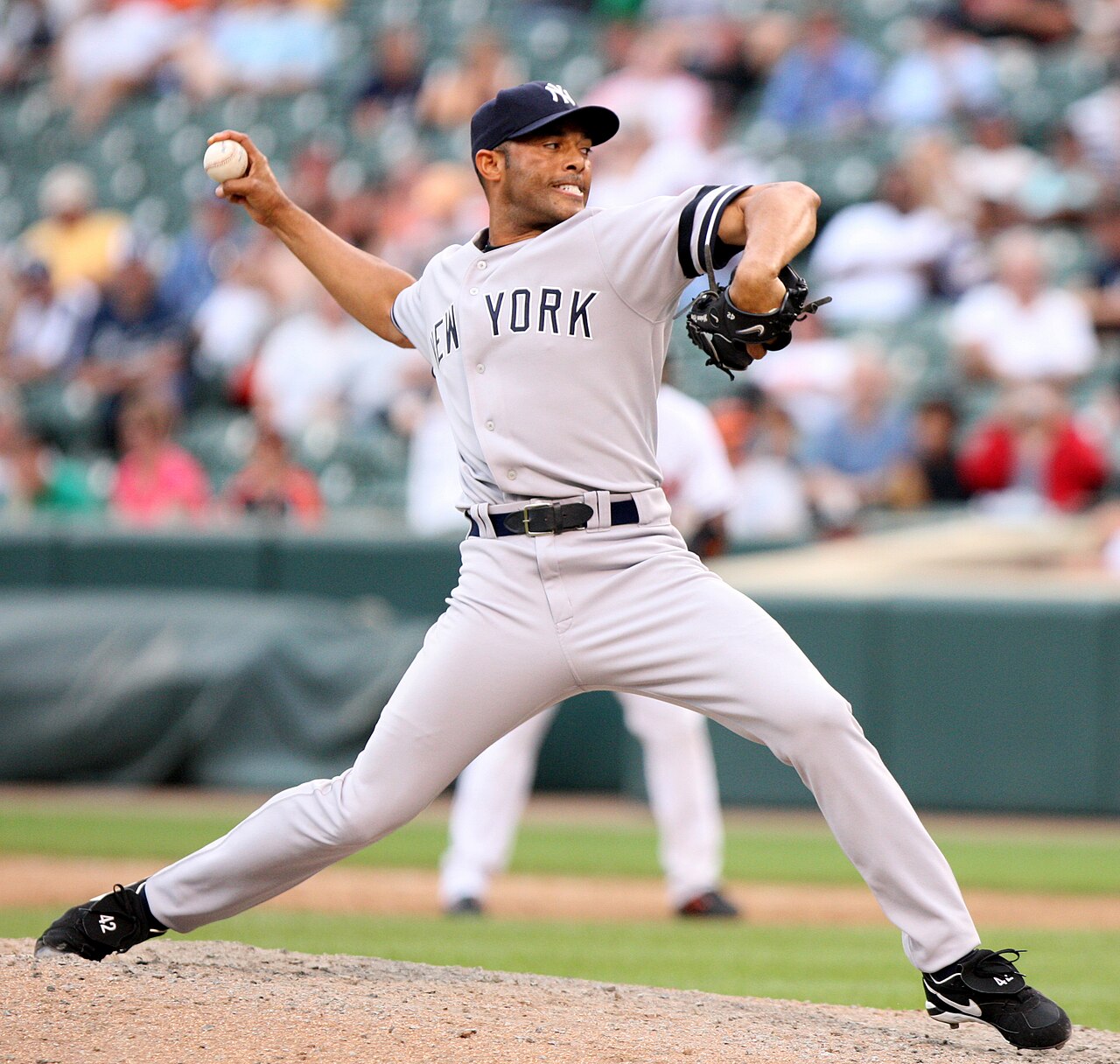
Mariano Rivera delivered a cutter for the final out at Yankee Stadium, securing his 602nd career save and surpassing Trevor Hoffman to become Major League Baseball's all-time leader.
The 41-year-old Panamanian, in his 17th season with New York, has five World Series rings and 13 All-Star selections. The record came in his 1,105th appearance, all in pinstripes since 1995. The save preserved a 6-4 Yankees victory over the Minnesota Twins. Rivera tipped his cap to the crowd of 42,202 and was mobbed by teammates at the mound. Trevor Hoffman, the previous record holder, congratulated Rivera in a statement released by the Padres.
Mariano Rivera broke the MLB career saves record on September 19, 2011.
Rivera finished his career with 652 saves, the most in MLB history.
Rivera spent his entire 19-season MLB career with the New York Yankees, from 1995 to 2013.
Rivera was a 13-time All-Star and five-time World Series champion.
Rivera is the only player elected unanimously to the Baseball Hall of Fame by the BBWAA, in 2019.
1940 — Pole Enters Auschwitz as Spy; Underground Network Forms Inside
Witold Pilecki took false name, prisoner number 4859, to build resistance inside German camp.
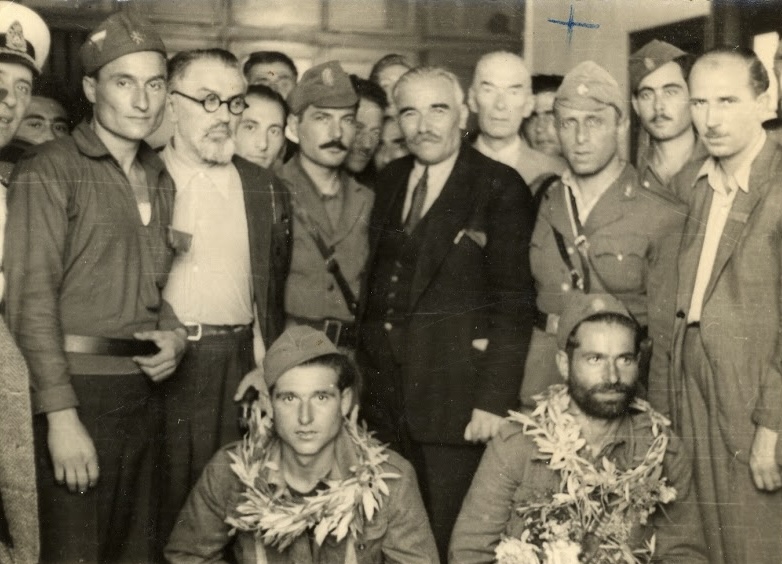
Polish resistance fighters gather before the mission to Auschwitz — Bichoes78
Witold Pilecki, a Polish Underground cavalry officer, deliberately exposed himself to capture during a Warsaw street roundup on September 19. He was transported to Auschwitz under the false name Tomasz Serafiński and assigned prisoner number 4859. Intelligence from inside the camp now reaches Polish High Command.
On 19 September 1940, Pilecki deliberately went out during a street roundup in Warsaw and was caught by Germans.
Pilecki used the false name Tomasz Serafiński and was assigned prisoner number 4859 at Auschwitz.
Pilecki organized the underground resistance organization Związek Organizacji Wojskowej (ZOW) inside Auschwitz.
From October 1940, ZOW sent its first report about Auschwitz to Home Army Headquarters in Warsaw.
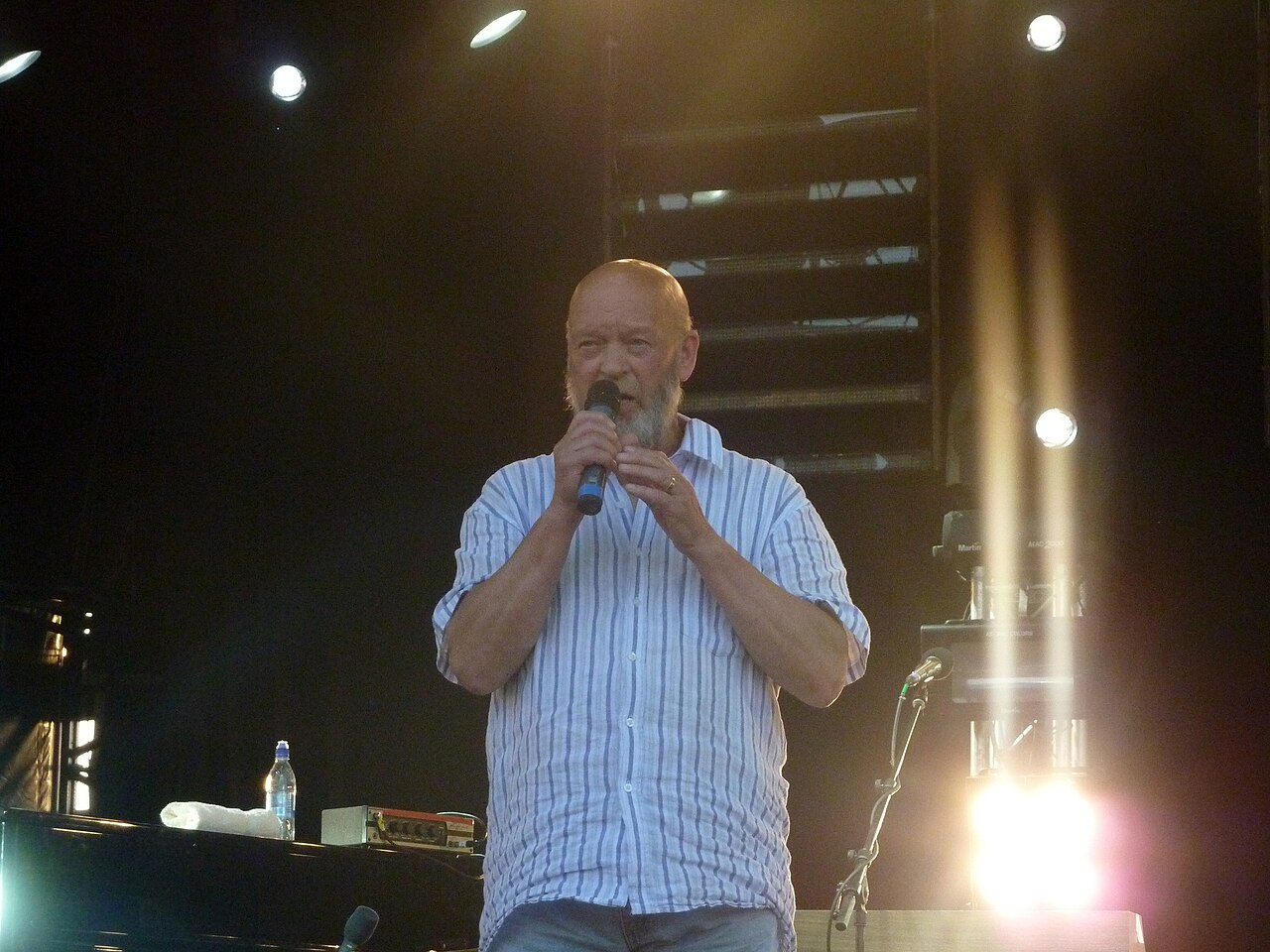
The long English tradition of open-air musical gathering entered a new chapter this autumn with an event that may prove more than a footnote. On Saturday, September 19, 1970, dairy farmer Michael Eavis opened Worthy Farm near Pilton, Somerset, to 1,500 ticket-holders for what he billed the Pop, Blues & Folk Festival.
Stackridge, the Bristol-based group, opened the proceedings.
The first Glastonbury Festival, then called the Pop, Blues & Folk Festival, was hosted by Michael Eavis on Saturday 19 September 1970.
Attended by 1,500 people, the festival took place at Worthy Farm near Pilton, Somerset.
Michael Eavis decided to host the festival after seeing an open-air Led Zeppelin concert at the 1970 Bath Festival.
The band Stackridge opened the first Glastonbury Festival in 1970.
1863 — Bragg, Reinforced by Longstreet, Opens Battle; Union Forces Face Defeat at Chickamauga
Confederate forces reinforced by Longstreet's Corps struck the Union line in northwestern Georgia, opening a decisive engagement along Chickamauga Creek.
General Braxton Bragg, commanding the Confederate Army of Tennessee, struck the Union line in northwestern Georgia today, opening what promises to be the decisive engagement of the western campaign. Reinforced by the arrival of Lieutenant General James Longstreet's Corps from Virginia, Bragg moved against Major General William Rosecrans and the Army of the Cumberland.
The battle, joined along Chickamauga Creek, marks Bragg's first opportunity to unite his full strength against the divided Union forces. Rosecrans had believed the Confederates were retreating toward Atlanta; instead, Bragg turned to fight.
Major General George Henry Thomas of Kentucky, commanding the Union XIV Corps, established a defensive stand on the left of the Federal line.
The Battle of Chickamauga was the one clear Confederate victory in the western theater.
Confederate General Braxton Bragg, reinforced by Lt. Gen. James Longstreet's Corps, defeated Union General William Rosecrans.
Union Maj. Gen. George Henry Thomas made a defensive stand during the Battle of Chickamauga.
After his defeat, Rosecrans retreated to Chattanooga, Tennessee, where Bragg then besieged him in the Chattanooga campaign.
1356 — English Rout French at Poitiers; Black Prince Captures King John II
Edward the Black Prince's army routed the French at Poitiers on 19 September 1356, taking King John II and many nobles captive.
The French king himself sits in English custody tonight after a battle that outstrips even Crécy in calamity for the crown of France. On this day, September 19, 1356, Edward the Black Prince and his army routed the French host at Poitiers, and King John II was taken prisoner along with great numbers of his nobility.
The Battle of Poitiers was fought on 19 September 1356.
The Black Prince's English army routed the French at Poitiers.
Gascon noble Jean de Grailly led a mounted unit concealed in a forest during the battle.
De Grailly's flanking movement cut off the French retreat and captured King John II.
King John II of France was taken prisoner along with many of his nobles.
1950 — Allied Forces Halt North Korean Drive at Nam River; 35th Infantry Wins Presidential Citation
Allied forces repelled the final North Korean assault today, ending 19 days of fighting at the Nam and Naktong Rivers; the 35th Infantry Regiment, 25th Infantry Division, earned a Presidential Unit Citation for stopping the Korean People's Army 7th Division.
Allied forces today repelled the final North Korean assault at the Battle of Nam River, ending 19 days of fighting along the Nam and Naktong Rivers in South Korea.
The U.S. 35th Infantry Regiment, 25th Infantry Division, stopped a crossing by the Korean People's Army 7th Division. The regiment's stand earned it a Presidential Unit Citation.
The Battle of Nam River was fought from August 31 to September 19, 1950, in South Korea near the Nam and Naktong Rivers.
The US 35th Infantry Regiment, 25th Infantry Division, repelled a crossing by the KPA 7th Division across the Nam River.
The 35th Infantry's performance earned the regiment a Presidential Unit Citation.
KPA troops crossed the Nam River at 00:30 on September 1 after 300 ROK National Police scattered at the first fire.
The battle was part of the larger Battle of Pusan Perimeter, one of several large engagements fought simultaneously.
1982 — Computer Scientist Invents :-) and :-( to Signal Tone in Online Messages
Scott Fahlman's two-character sequences first appeared today on the university's bulletin board system.
A Carnegie Mellon University computer scientist has given the wired world a way to smile—and frown—through text alone.
Scott Fahlman today posted the first documented emoticons, :-) and :-(, on the university's bulletin board system. The sideways faces, composed of standard keyboard characters, offer readers immediate cues to a writer's intent.
Fahlman proposed the symbols to distinguish jokes from serious statements in electronic discussions.
Scott Fahlman posts the first documented emoticons :-) and :-( on the Carnegie Mellon University bulletin board system.
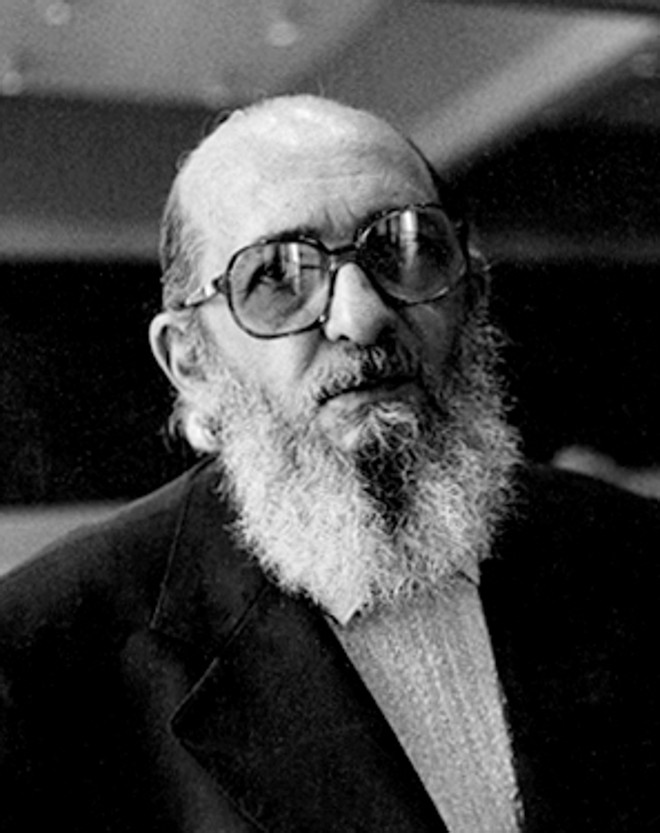
1921Paulo FreirePaulo Reglus Neves Freire was a Brazilian educator and Marxist philosopher whose work has affected global thought on education.
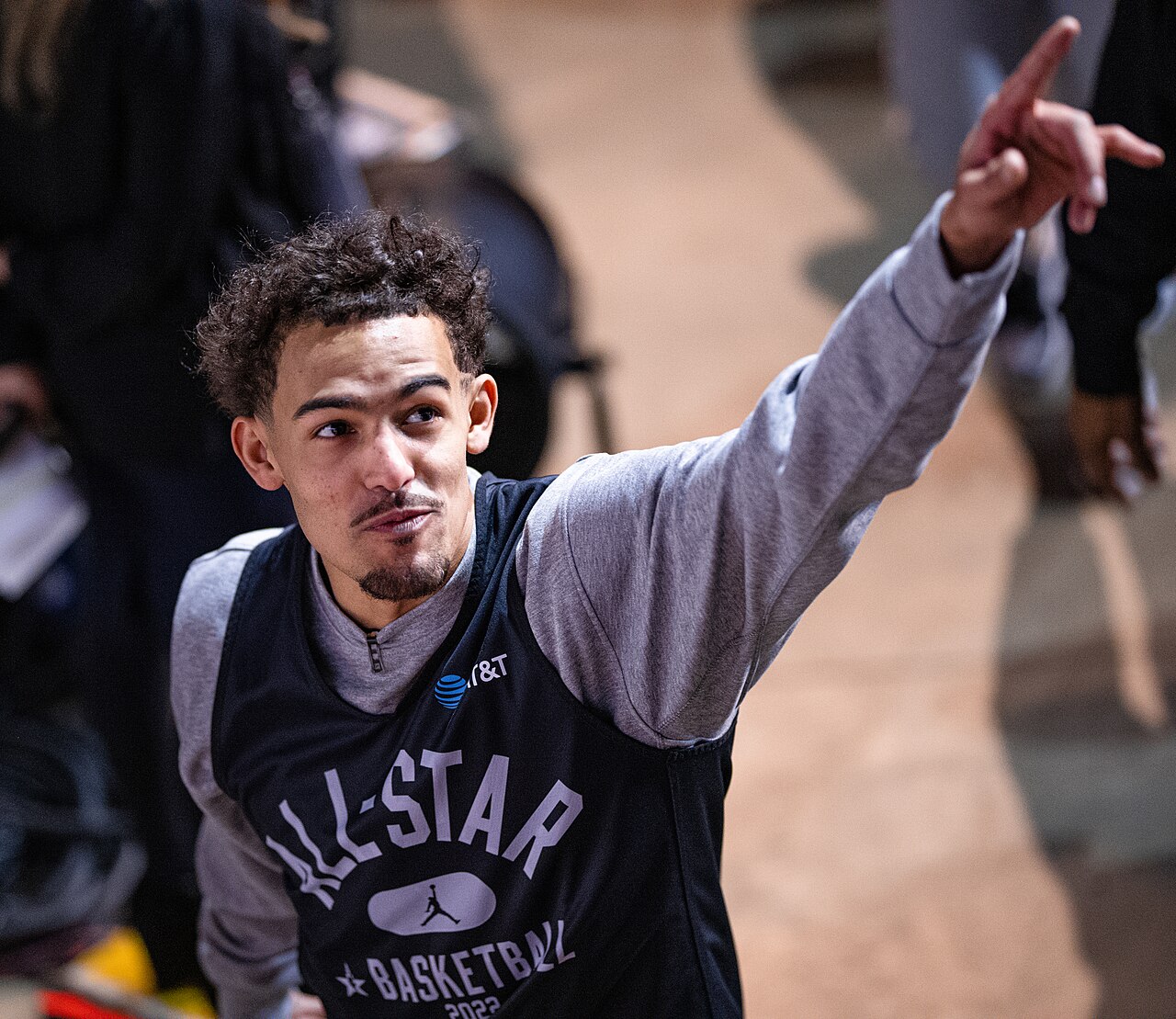
1998Trae Young(28 this year)Rayford Trae Young is an American professional basketball player for the Washington Wizards of the National Basketball Association (NBA).
1991CJ McCollum(35 this year)Christian James McCollum is an American professional basketball player for the Atlanta Hawks of the National Basketball Association (NBA).
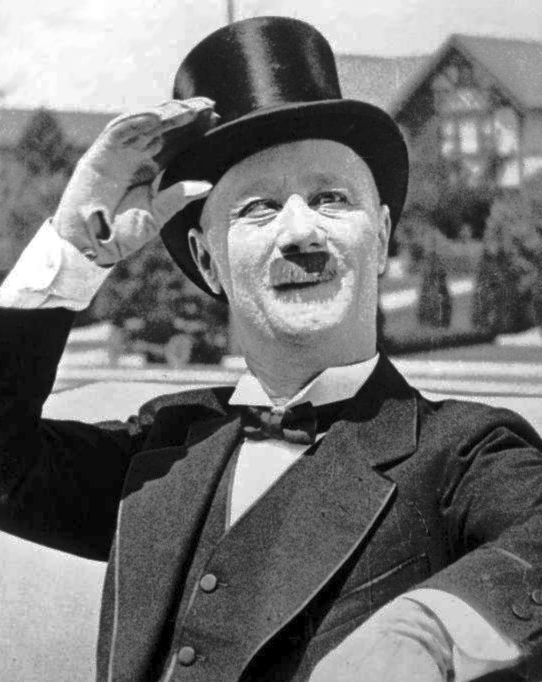
1869Ben TurpinBernard "Ben" Turpin was an American comedian and actor, best remembered for his work in silent films.
1560Thomas CavendishSir Thomas Cavendish was an English explorer and privateer known as "The Navigator" because he was the first to deliberately attempt to emulate Sir Francis Drake, raiding Spanish towns and ships in the Pacific and then returning by circumnavigating the globe.
1915Germán ValdésGermán Genaro Cipriano Teodoro Gómez Valdés y Castillo, known as Tin-Tan, was a Mexican actor, comedian and singer, specialized in the musical genre of bolero.
1995Brent Faiyaz(31 this year)Christopher Brent Wood, known professionally as Brent Faiyaz, is an American singer, songwriter, rapper, and record producer.
866Leo VI the WiseLeo VI, also known as Leo the Wise, was Byzantine emperor from 886 to 912.
1824William SellersWilliam Sellers was a mechanical engineer, manufacturer, businessman, noted abolitionist, and inventor who filed more than 90 patents, most notably the design for the United States standard screw thread, the standard bolt and machine screw thread still used today.
1883Mabel VernonMabel Vernon was an American suffragist, pacifist, and a national leader in the United States suffrage movement.
1910Margaret LindsayMargaret Lindsay was an American film actress.
1922Willie PepGuglielmo Papaleo, better known as Willie Pep, was an American professional boxer who held the World Featherweight Championship twice between the years of 1942 and 1950.
1937Abner HaynesAbner Haynes was an American professional football player who was a halfback and return specialist in the American Football League (AFL).
1941Mariangela MelatoMariangela Caterina Melato, sometimes billed as Maria Angela Melato, was an Italian actress.
1943Joe MorganJoe Leonard Morgan was an American professional baseball second baseman who played 22 seasons in Major League Baseball (MLB) for the Houston Colt .45s / Astros, Cincinnati Reds, San Francisco Giants, Philadelphia Phillies, and Oakland Athletics from 1963 to 1984.
1949Sidney Wicks(77 this year)Sidney Wicks is an American former professional basketball player in the National Basketball Association (NBA).
1961Artur Ekert(65 this year)Artur Konrad Ekert is a professor of quantum physics at the Mathematical Institute, University of Oxford, professorial fellow in quantum physics and cryptography at Merton College, Oxford, Lee Kong Chian Centennial Professor at the National University of Singapore and the founding director of the Centre for Quantum Technologies (CQT).
1963David Seaman(63 this year)David Andrew Seaman is an English former footballer who played as a goalkeeper.
1966Yoshihiro Takayama(60 this year)Yoshihiro Takayama is a Japanese former professional wrestler and mixed martial artist.
1969Candy Dulfer(57 this year)Candy Dulfer is a Dutch jazz and pop saxophonist.
1969Kostya Tszyu(57 this year)Konstantin Borisovich "Kostya" Tszyu is a Russian-Australian former professional boxer who competed from 1992 to 2005.
1973Javier Duarte(53 this year)Javier Duarte de Ochoa is a Mexican politician and kleptocrat, formerly affiliated with the Institutional Revolutionary Party (PRI), who served as Governor of Veracruz from 2010 to 2016.
1980James Ellison(46 this year)James Desmond Ellison is an English motorcycle racer.
1980Dimitri Yachvili(46 this year)Dimitri Yachvili Markarian is a French former rugby union footballer who played as a scrum-half for Biarritz and France.
1985Nathanael Liminski(41 this year)Nathanael Liminski is a German politician from the Christian Democratic Union (CDU).
Quote of the Day
“Once upon a midnight dreary, while I pondered, weak and weary.” — Edgar Allan Poe, The Raven and Other Poems
September 19 History Quiz
In which year did Witold Pilecki voluntarily enter Auschwitz to build a resistance network?
1940
What was the magnitude of the devastating 1985 Mexico City earthquake?
8.0
Which university professor posted the first smiley emoticon on September 19, 1982?
Every event on this page was picked by hand from the historical record, written up as a news report, and checked against its source. Photographs are matched to the event they illustrate and verified before they are used. Sources are linked on each story.

![Front page of The herald, Los Angeles [Calif.], 19 September 1893](https://tile.loc.gov/image-services/iiif/service:ndnp:curiv:batch_curiv_ogilby_ver01:data:sn85042461:00280769514:1893091901:0179/full/pct:50/0/default.jpg)
![Front page of New-York tribune, New York [N.Y.], 19 September 1893](https://tile.loc.gov/image-services/iiif/service:ndnp:dlc:batch_dlc_mazda_ver02:data:sn83030214:00175038668:1893091901:0223/full/pct:50/0/default.jpg)


 “Ain't No Mountain High Enough”,
 Love Story, Erich Segal
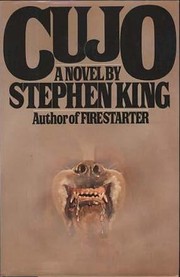 Cujo, Stephen King
 “End Of The Road (From "Boomerang")”,
 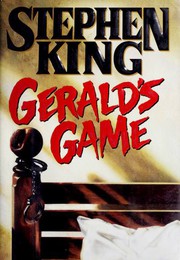 Gerald's Game, Stephen King
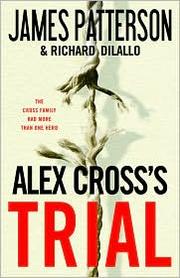 Alex Cross's Trial, James Patterson and Richard DiLallo
 “What Do You Mean?”,
  “WAP”,
  Thick as Thieves, Sandra Brown