Our front page for September 16 — written and set by The Yesterday Times from the events below. Not an archival document.
Day of the year
259
Days left in 2026
106
In 2026 it falls on a
Wednesday
Star sign
Virgo
Birthstone
Sapphire
On September 16 in 1844, 182 years ago, Mendelssohn Finishes Violin Concerto, His Last. This page reports 10 stories from the date, 25 people born on this day.
The stories in full
Musical Intelligence
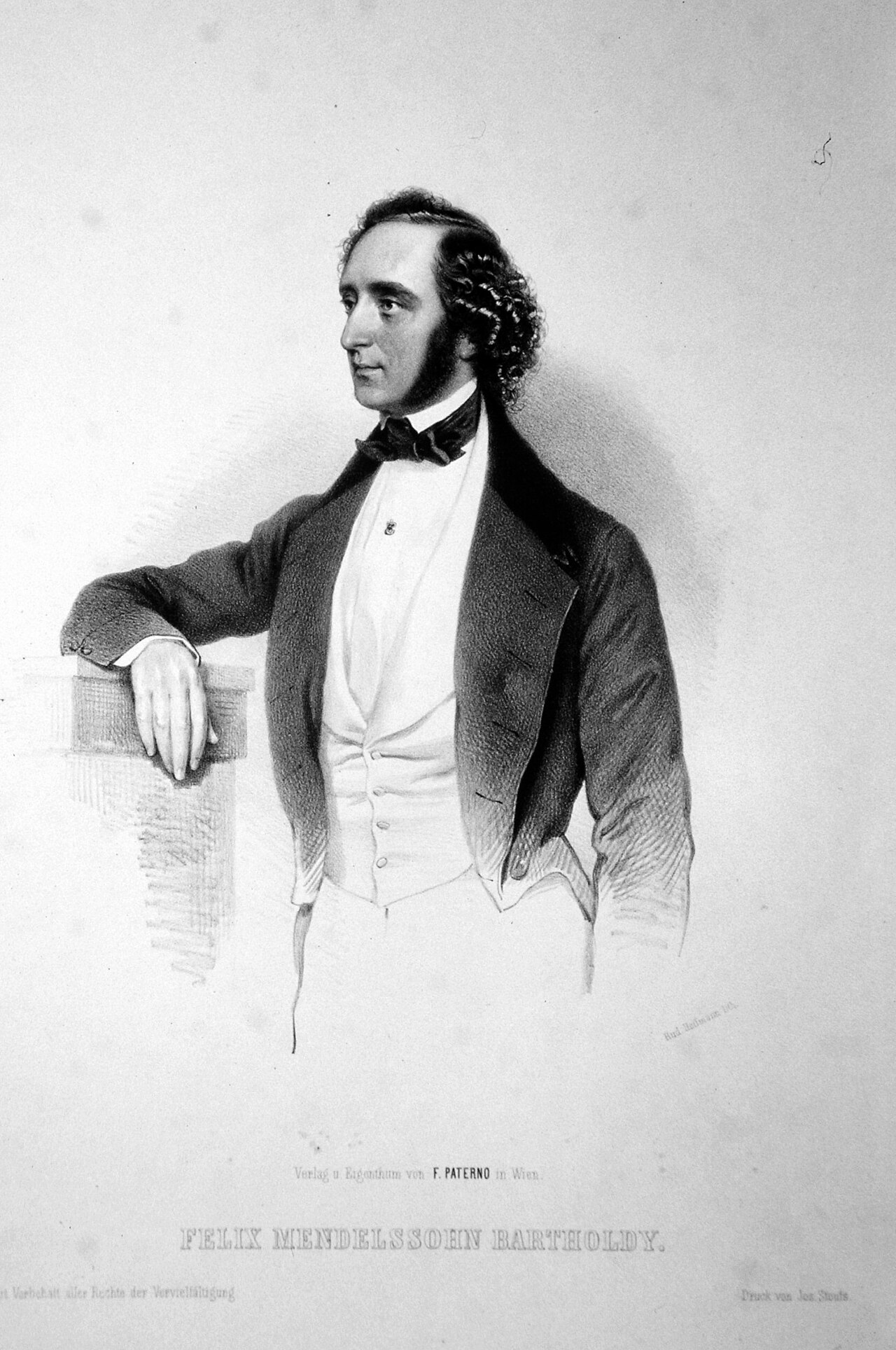
1844 — Mendelssohn Finishes Violin Concerto, His Last
The E minor work, six years in the making for Ferdinand David, will premiere in March at Leipzig's Gewandhaus; illness keeps the composer from its podium.
At his desk in Leipzig, the quill lifts from the final bar of a work that overturns the old etiquette of orchestral display. Felix Mendelssohn, thirty-five and director of the Gewandhaus concerts, has this day dated the autograph score of his Violin Concerto in E minor — the sixteenth day of September, 1844. This concerto, his last in the form, breaks with tradition before the first tutti ends. The solo violin enters at once, singing its main theme without the customary orchestral preamble. Such audacity was promised six years past, when Mendelssohn wrote to Ferdinand David, the Gewandhaus concertmaster, proposing a work tailored to his bow. The premiere awaits 13 March 1845. David will stand as soloist. Mendelssohn, by his own physician's orders, will not conduct; the baton passes to Niels Gade, his Danish deputy. The composer in the year he finished the concerto appears drawn and hurried, the illness that kept him from Dresden now threatening larger engagements. The E minor concerto, swift and singing, runs just under half an hour — compressing the old three-movement architecture into continuous argument. Copyists take the score tonight. The parts must be ready for March.
The autograph score of the Violin Concerto is dated 16 September 1844.
Mendelssohn originally proposed the concerto to Ferdinand David in a letter dated 30 July 1838.
The concerto was first performed on 13 March 1845 in Leipzig with Ferdinand David as soloist.
Mendelssohn was unable to conduct the premiere due to illness; Niels Gade conducted instead.
The concerto opens with the solo violin entering almost immediately, playing the tune in E minor.
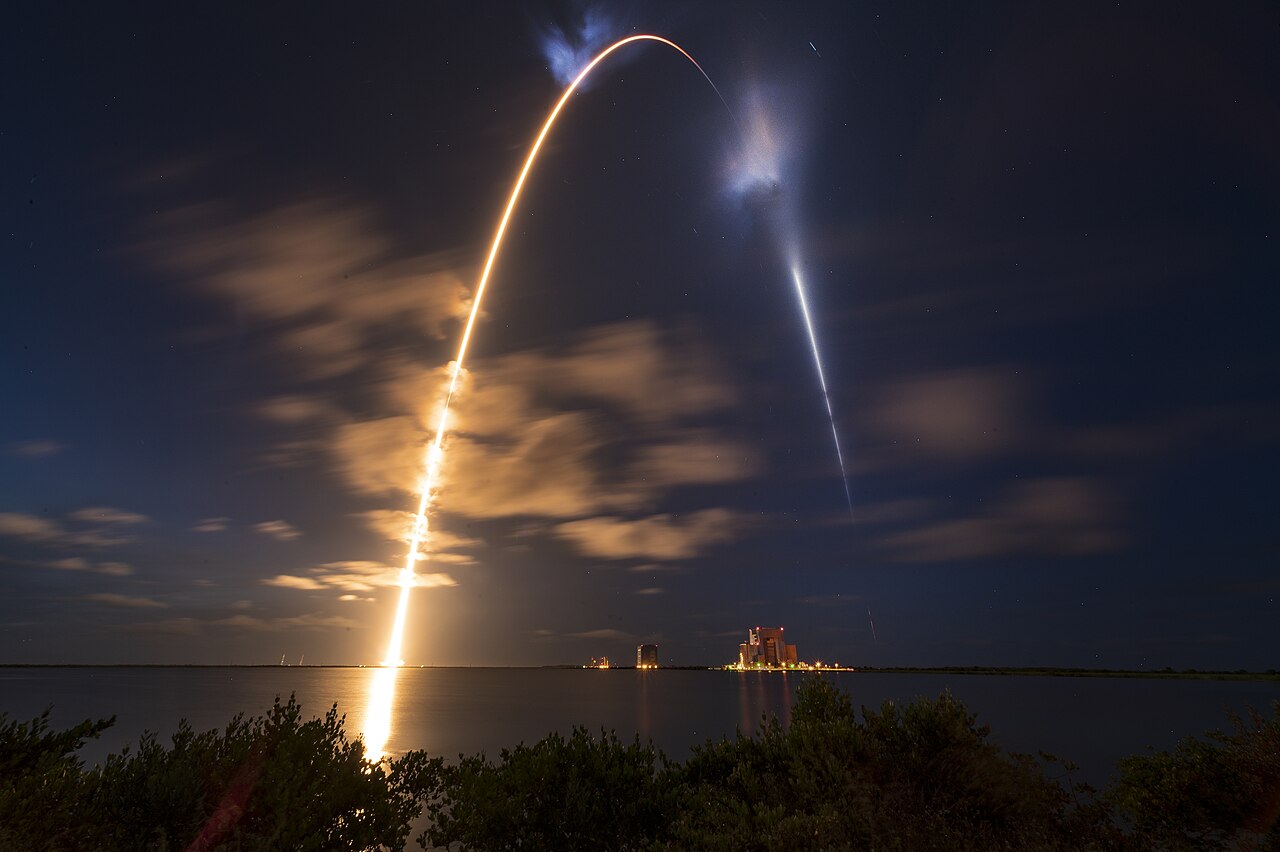
The age of government monopoly on human spaceflight ended this morning with a pillar of flame at Kennedy Space Center. Inspiration4, the first private orbital crewed mission in history, achieved liftoff aboard a Falcon 9 rocket, carrying four civilians to an altitude no purely commercial traveler has previously reached.
Unlike the brief suborbital hops that marked earlier private ventures, this Crew Dragon capsule will circle Earth for multiple days at orbital altitude. The launch from Florida's historic pad 39A represents SpaceX's expansion from cargo and government astronaut delivery to fully commercial human spaceflight. The four-person crew, selected and trained over months, carry no professional astronauts. Their three-day free-flight trajectory, unattached to the International Space Station, demonstrates that civilian access to Earth orbit has moved from aspiration to operational reality. Insurance markets, regulatory frameworks, and competing providers now face a changed landscape.
Inspiration4, the first private orbital crewed spaceflight, is launched from the Kennedy Space Center.
1914 — Austrian Garrison at Przemyśl Surrounded; Siege Opens
Russian armies complete encirclement of the Galician fortress, beginning what may prove the war's first major siege operation.
In the grinding arithmetic of the Eastern Front, where numbers of men and rounds of shell contend against fixed works, the fortress of Przemyśl has passed into that condition which modern war makes perilous — investment by superior force.
World War I: The Siege of Przemyśl (present-day Poland) begins.
1987 — Nations Sign Montreal Protocol to Halt Ozone Layer Destruction
The agreement mandates the elimination of chlorofluorocarbons and halons found in aerosols, refrigerants, and solvents, with trade penalties for those outside the pact and financial assistance for developing nations seeking alternatives.
Twenty-four nations committed today to history's most comprehensive environmental treaty, signing the Montreal Protocol to phase out industrial chemicals blamed for shredding the ozone layer.
The agreement sets mandatory timetables for eliminating chlorofluorocarbons and halons used in aerosols, refrigerants, and solvents. Scientists have warned that continued depletion threatens increased skin cancers, crop damage, and disruption of marine food chains.
U.S. negotiators hailed the pact as proof that industrialized nations can act before ecological damage becomes irreversible. The treaty includes trade sanctions against non-signatories and establishes a fund to help developing countries adopt alternative technologies.
Ratification requires approval by at least eleven nations representing two-thirds of global CFC consumption. Environmental groups pressed for faster phase-out schedules than the treaty mandates.
The Montreal Protocol is signed to protect the ozone layer from depletion.
1810 — Priest Hidalgo Begins Mexico's Independence With Dawn Rebellion
The Grito de Dolores summons parishioners in Dolores toward Mexico City.
Father Miguel Hidalgo rang his church bell before dawn in the village of Dolores. With the Grito de Dolores, he began Mexico's fight for independence from Spain. His call to rebellion summoned parishioners to arms. The movement swept toward Mexico City.
With the Grito de Dolores, Father Miguel Hidalgo begins Mexico's fight for independence from Spain.
1776 — Rebels Repulse British in Manhattan, Restore Army Spirit
Washington claims first battlefield success as rebels check British pursuit and steady retreating army.
General George Washington has won his first battlefield success of this rebellion, a sharp engagement on the heights of Harlem that checked British pursuit and steadied his retreating army.
The battle took place on September 16, 1776, in what is now the Morningside Heights area and east into future Harlem neighborhoods of Manhattan.
Continental Army forces under Generals Washington, Greene, and Putnam totaled around 9,000 men, opposed by about 5,000 British under Major General Henry Clinton.
British casualties were officially reported by General Howe at 14 killed and 78 wounded.
The battle was Washington's first battlefield success of the war and helped restore the confidence of the Continental Army after several defeats.
During the flanking attack, Lieutenant Colonel Thomas Knowlton and Major Andrew Leitch were both shot and fatally injured.
1620 — Mayflower Departs With Colonists Bound for Virginia Plantations
The 180-ton Mayflower carries scores of Separatists and adventurers toward a Virginia plantation despite late-season tempests.
The great age of plantation doth now extend its hand across the Atlantic, for this morning the ship Mayflower, of some 180 tons burden, made sail from Plymouth harbour bearing passengers bound for the northern parts of Virginia.
The company aboard, being Separatists of Leiden and other English adventurers, number in scores. They go to establish a settled plantation under patent of the Virginia Company. The voyage is like to last six weeks or more, God willing, with the season late for such crossing.
This plantation moveth forward despite hazard of tempest and the savage coasts afore them.
Pilgrims set sail for Virginia from Plymouth, England in the Mayflower.
1979 — East German Families Flee in Homemade Balloon
Two families spent over a year preparing a craft built from 800 square metres of fabric before successfully flying to Bavaria.
Peter Strelzyk and Günter Wetzel put their families into a homemade hot air balloon Saturday night and rose over the East German border into Bavaria, completing an escape that took more than a year and a half of secret preparation. The two families—eight people including four children aged 2 to 15—had tried once before. On July 3, their first balloon came down 180 metres short of the border. The craft that carried them to freedom was built from 800 square metres of taffeta fabric purchased in Leipzig for 4,800 DDM. Total weight: 750 kilograms.
Eight people from two families escaped from East Germany to West Germany on 16 September 1979.
The escape was the result of over a year and a half of preparations involving three different balloons.
A first attempt on 3 July 1979 failed when the balloon landed 180 metres short of the border.
The balloon was made from 800 square metres of taffeta fabric purchased in Leipzig for 4,800 DDM.
The families included four children aged 2 to 15, and the total weight was calculated at 750 kilograms.
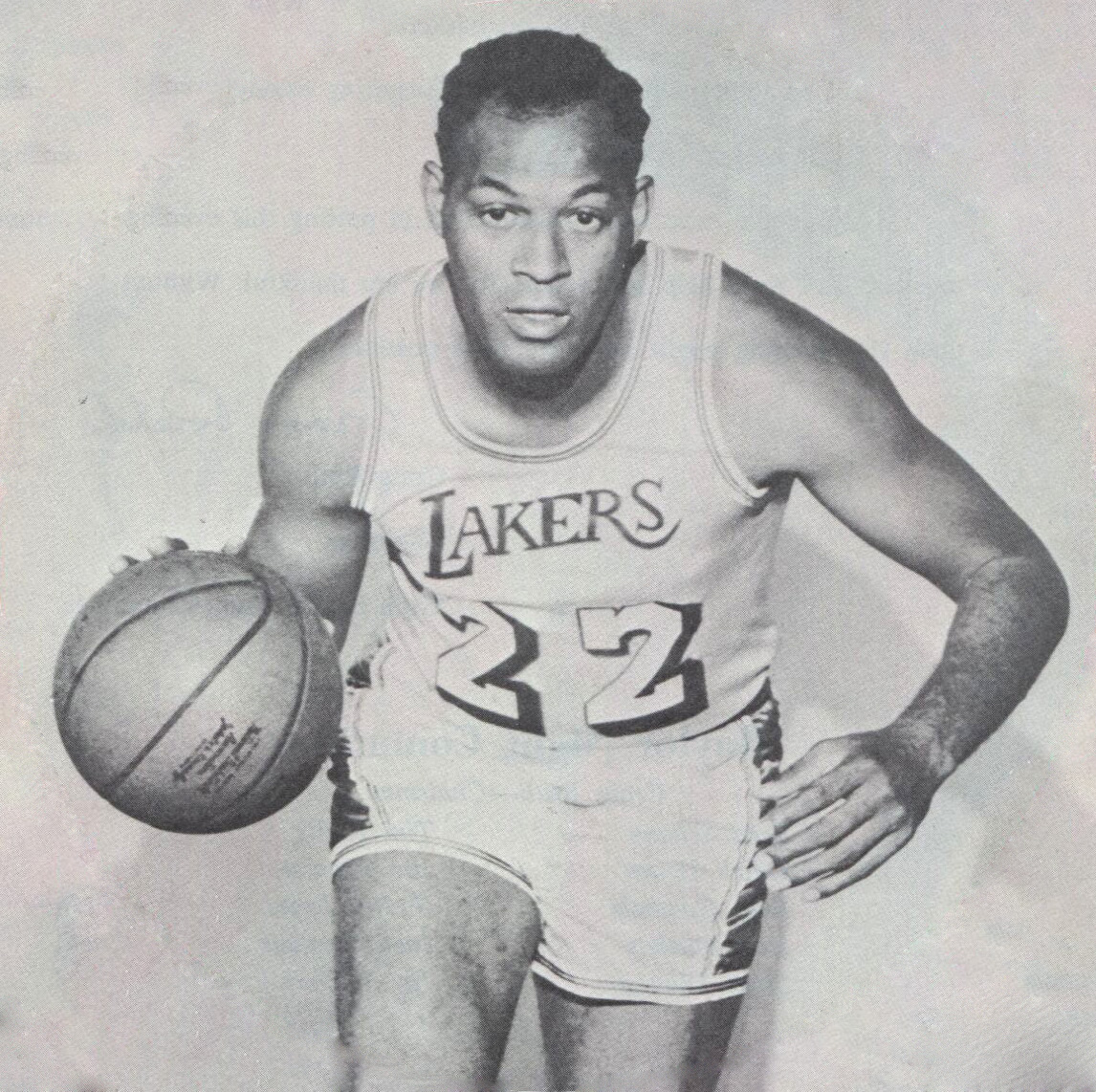
1934Elgin BaylorElgin Gay Baylor was an American professional basketball player, coach, and executive.
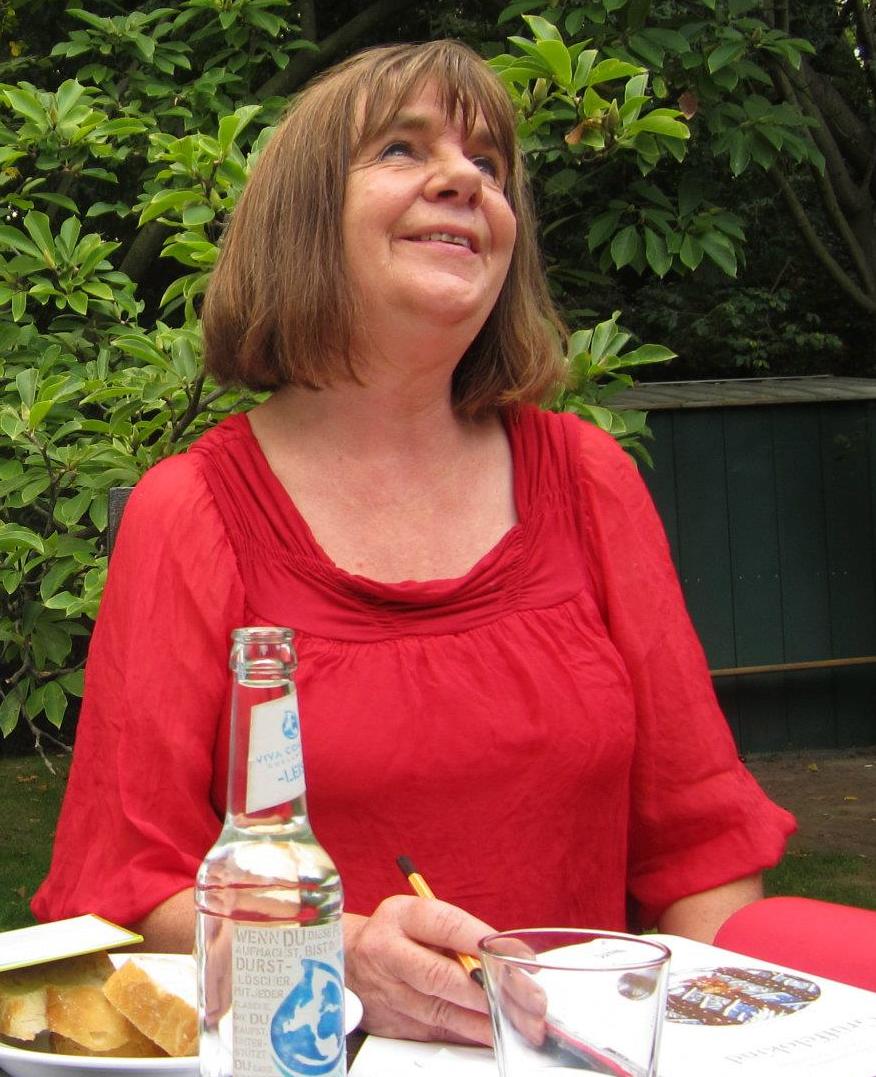
1948Julia Donaldson(78 this year)Dame Julia Catherine Donaldson is a British writer and playwright, and the 2011–2013 Children's Laureate.
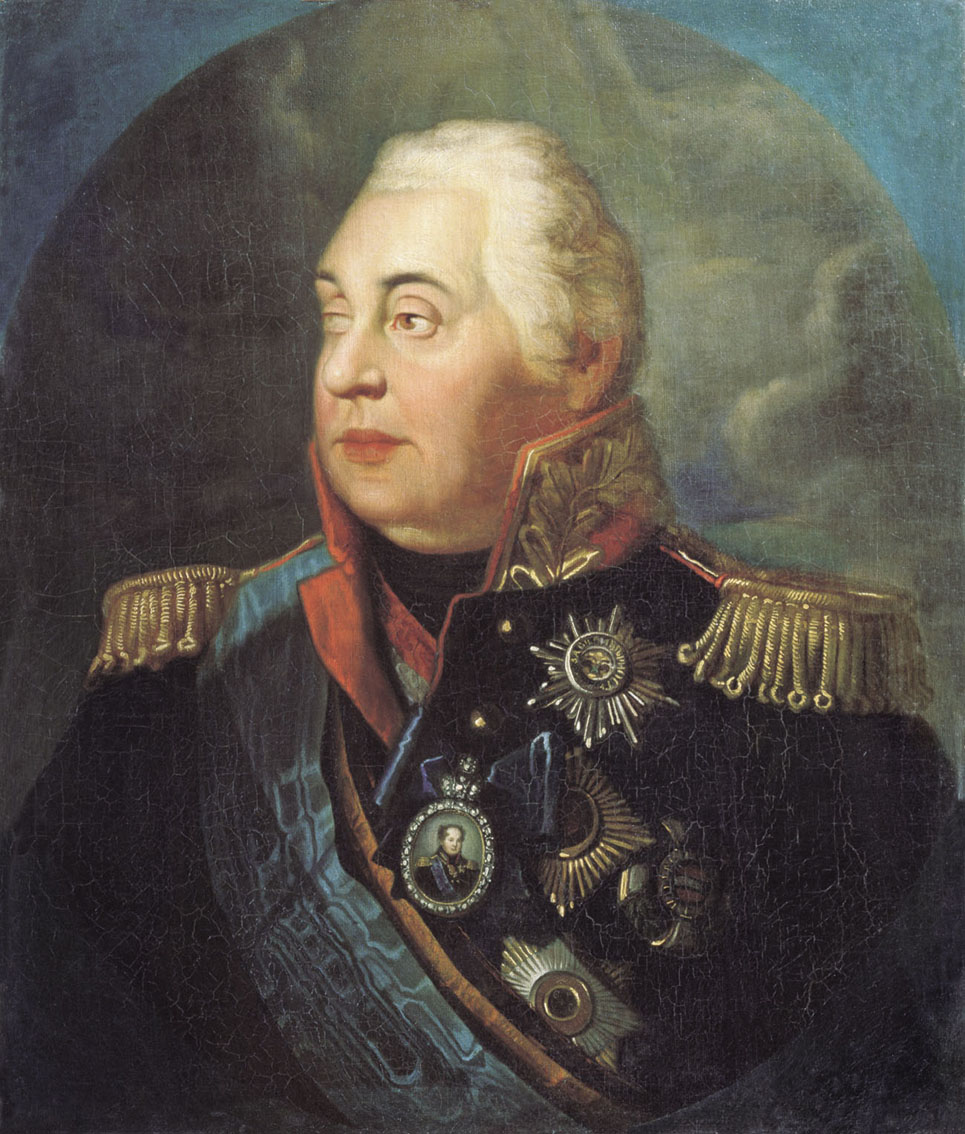
1745Mikhail KutuzovPrince Mikhail Illarionovich Golenishchev-Kutuzov-Smolensky was a field marshal of the Russian Empire.
1981Fan Bingbing(45 this year)Fan Bingbing is a Chinese actress.
1782Daoguang Emperor of ChinaThe Daoguang Emperor, also known by his temple name Emperor Xuanzong of Qing, personal name Minning, was the seventh emperor of the Qing dynasty, and the sixth Qing emperor to rule over China proper.
1921Jon HendricksJohn Carl Hendricks, known professionally as Jon Hendricks, was an American jazz lyricist and singer.
1921Ursula FranklinUrsula Martius Franklin was a Canadian metallurgist, activist, research physicist, author, and educator who taught at the University of Toronto for more than 40 years.
508Yuan DiEmperor Yuan of Liang, personal name Xiao Yi (蕭繹), courtesy name Shicheng (世誠), childhood name Qifu (七符), was an emperor of the Chinese Liang dynasty.
1386Henry V of EnglandHenry V, also called Henry of Monmouth, was King of England, Lord of Ireland, and Duke of Aquitaine from 1413 until his death in 1422.
1678Henry St JohnHenry St. John, 1st Viscount Bolingbroke was a British Tory politician and philosopher.
1823Francis ParkmanFrancis Parkman Jr. was an American historian, best known as author of The Oregon Trail: Sketches of Prairie and Rocky-Mountain Life and his monumental seven-volume France and England in North America.
1838James J. HillJames Jerome Hill was an American railway entrepreneur.
1888W. O. BentleyWalter Owen Bentley, was an English engineer who founded Bentley in London.
1916Marie Vieux-ChauvetMarie Vieux-Chauvet was a Haitian novelist, playwright, and short story writer.
1921Korla PanditKorla Pandit, was an American exotica musician, composer, pianist, and organist.
1924Raoul CoutardRaoul Coutard was a French cinematographer.
1926Robert H. SchullerRobert Harold Schuller was an American Christian televangelist, pastor, motivational speaker, and author.
1927Sadako OgataSadako Ogata, née Nakamura , was a Japanese academic, diplomat, author, administrator, and professor emerita at the Roman Catholic Sophia University.
1930Anne FrancisAnne Lloyd Francis was an American actress known for her pioneering roles in the science fiction film Forbidden Planet (1956) and the television action-drama series Honey West (1965–1966).
1932Micky Stewart(94 this year)Michael James Stewart is an English former cricketer, coach and administrator.
1950Henry Louis Gates Jr.(76 this year)Henry Louis Gates Jr., popularly known by his childhood nickname "Skip", is an American literary critic, professor, historian, and filmmaker who serves as the Alphonse Fletcher University Professor and the director of the Hutchins Center for African and African American Research at Harvard University.
1959Tim Raines(67 this year)Timothy Raines Sr., nicknamed "Rock", is an American professional baseball coach and former player.
1973Alexander Vinokourov(53 this year)Alexander Nikolayevich Vinokourov is a Kazakhstani former professional road bicycle racer and the current general manager of UCI WorldTeam XDS Astana Team.
1975Shannon Noll(51 this year)Shannon Neil Noll is an Australian singer-songwriter who first came to prominence as runner-up of the first season of Australian Idol in 2003, which led to him being signed to Sony BMG.
1978Brian Sims(48 this year)Brian Kendall Sims is an American politician, activist and attorney.
Quote of the Day
“Nothing is so painful to the human mind as a great and sudden change.” — Mary Shelley, Frankenstein
September 16 History Quiz
What was the name of SpaceX's first all-private orbital spaceflight launched on September 16, 2021?
Inspiration4
Which international treaty to protect the ozone layer was signed on September 16, 1987?
Montreal Protocol
Who issued the famous 'Grito de Dolores' call for Mexican independence on September 16, 1810?
Every event on this page was picked by hand from the historical record, written up as a news report, and checked against its source. Photographs are matched to the event they illustrate and verified before they are used. Sources are linked on each story.


![Front page of Daily national intelligencer, Washington City [D.C.], 16 September 1844](https://tile.loc.gov/image-services/iiif/service:ndnp:dlc:batch_dlc_buford_ver01:data:sn83026172:00211678021:1844091601:0227/full/pct:50/0/default.jpg)
![Front page of New-York daily tribune, New-York [N.Y.], 16 September 1844](https://tile.loc.gov/image-services/iiif/service:ndnp:dlc:batch_dlc_gritty_ver02:data:sn83030213:00206530200:1844091601:0573/full/pct:50/0/default.jpg)
 The Arrangement, Elia Kazan
 “Black & White”,
  Clear and Present Danger, Tom Clancy
 “Gangsta's Paradise (From "Dangerous Minds")”,
  From Potter's Field, Patricia Cornwell
 The Bear and the Dragon, Tom Clancy
 Y" Is for Yesterday, Sue Grafton
 “Paint The Town Red”,
 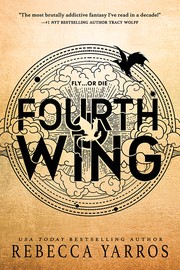 Fourth Wing, Rebecca Yarros