Our front page for September 4 — written and set by The Yesterday Times from the events below. Not an archival document.
Day of the year
247
Days left in 2026
118
In 2026 it falls on a
Friday
Star sign
Virgo
Birthstone
Sapphire
On September 4 in 1998, 28 years ago, Stanford Duo Launches Google Search Engine. This page reports 13 stories from the date, 25 people born on this day.
The stories in full
Silicon Valley Beat
1998 — Stanford Duo Launches Google Search Engine
Two 25-year-old Stanford doctoral candidates unveiled a search engine this week that indexes 24 million web pages, backed by $100,000 in seed funding.
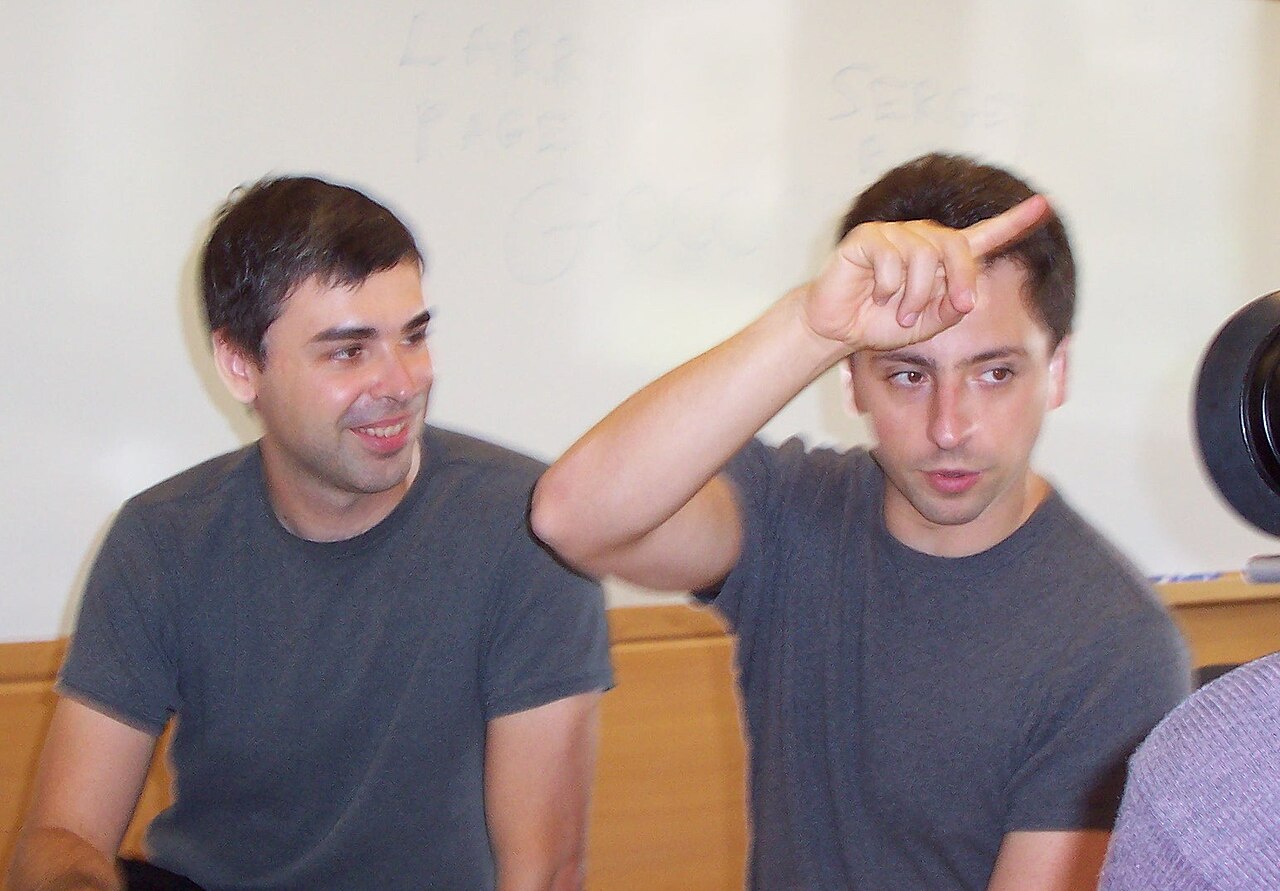
Larry Page and Sergey Brin in their Stanford office — Ehud Kenan
Two computer science doctoral candidates in a cluttered Stanford office have unleashed what they claim is a fundamentally better way to find information on the World Wide Web.
Larry Page and Sergey Brin, both 25, unveiled Google this week, a search engine they built in their dorm rooms that ranks web pages by analyzing the relationships between them. The pair developed the technology, which they call PageRank, over three years of research at Stanford.
Google, named after the mathematical term "googol," already indexes 24 million web pages. Page and Brin have secured $100,000 in seed funding from Sun Microsystems co-founder Andy Bechtolsheim.
Google is founded by Larry Page and Sergey Brin, two PhD students at Stanford University.
1972 — Spitz Makes History with Seven Gold Medals at Munich Games
Mark Spitz becomes the first competitor to win seven medals at a single Olympic Games in 1972.
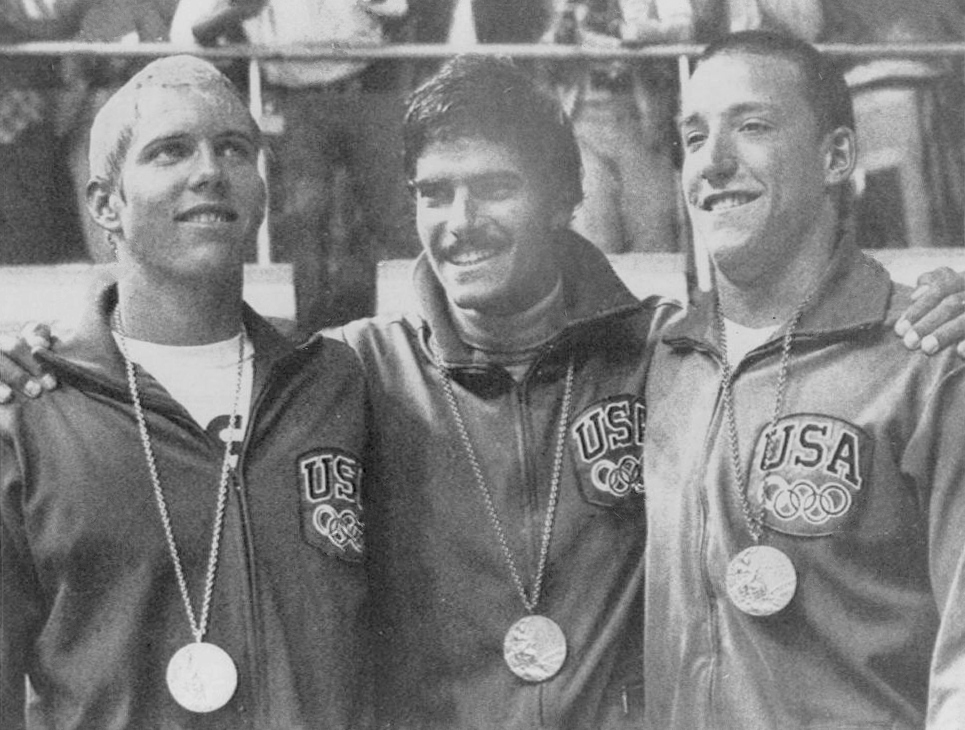
Mark Spitz stands with two teammates wearing their Olympic medals — UPI
No athlete had ever dominated an Olympics like this. Mark Spitz, the 22-year-old American swimmer from Modesto, California, completed his unprecedented sweep Monday by winning his seventh gold medal at the XX Olympiad in Munich, a feat never before achieved in a single Games. Spitz captured gold in the 100-meter butterfly, 100-meter freestyle, 200-meter butterfly, 200-meter freestyle, 4x100 freestyle relay, 4x200 freestyle relay, and 4x100 medley relay. He set world records in all seven events.
Mark Spitz becomes the first competitor to win seven medals at a single Olympic Games.
1886 — Geronimo Surrenders to Miles, Ending Apache Wars
In 1886, after almost 30 years of fighting, Apache leader Geronimo surrendered to General Nelson Miles in Arizona.
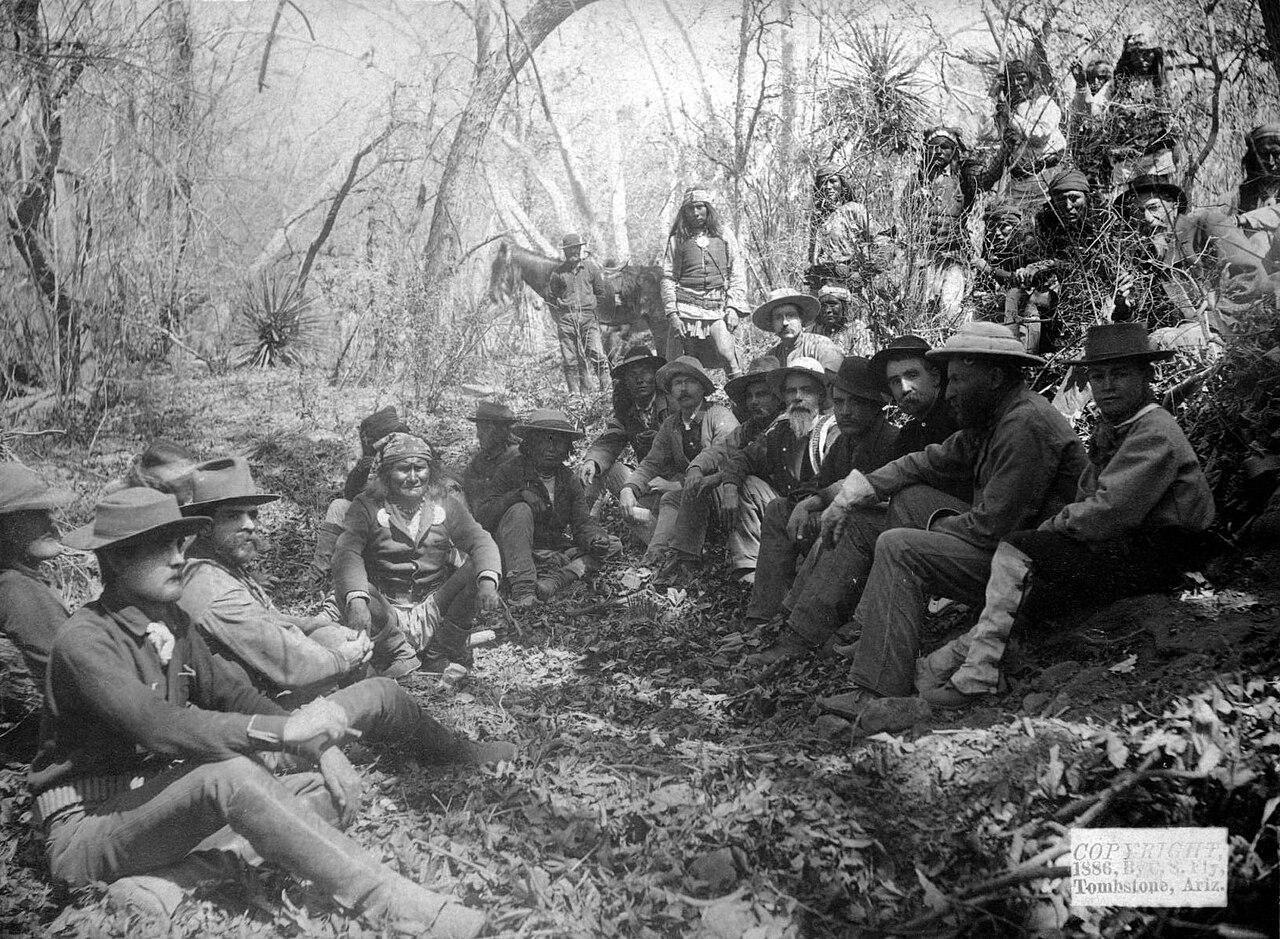
Geronimo sits with General Miles and officers at the surrender council — C. S. Fly
The long and bloody chapter of Apache resistance in the American Southwest drew to a close today with the surrender of the Chiricahua war leader Geronimo to United States forces under Brigadier General Nelson A. Miles.
Geronimo, whose band of 38 warriors had eluded capture for five months through the mountains of Arizona and Mexico, laid down his arms at Skeleton Canyon.
American Indian Wars: After almost 30 years of fighting, Apache leader Geronimo, with his remaining warriors, surrenders to General Nelson Miles in Arizona.
476 — Odoacer Deposes Romulus Augustulus, Ends Western Empire
In 476, Odoacer deposed Emperor Romulus Augustulus, the last Western Roman emperor, proclaiming himself King of Italy.
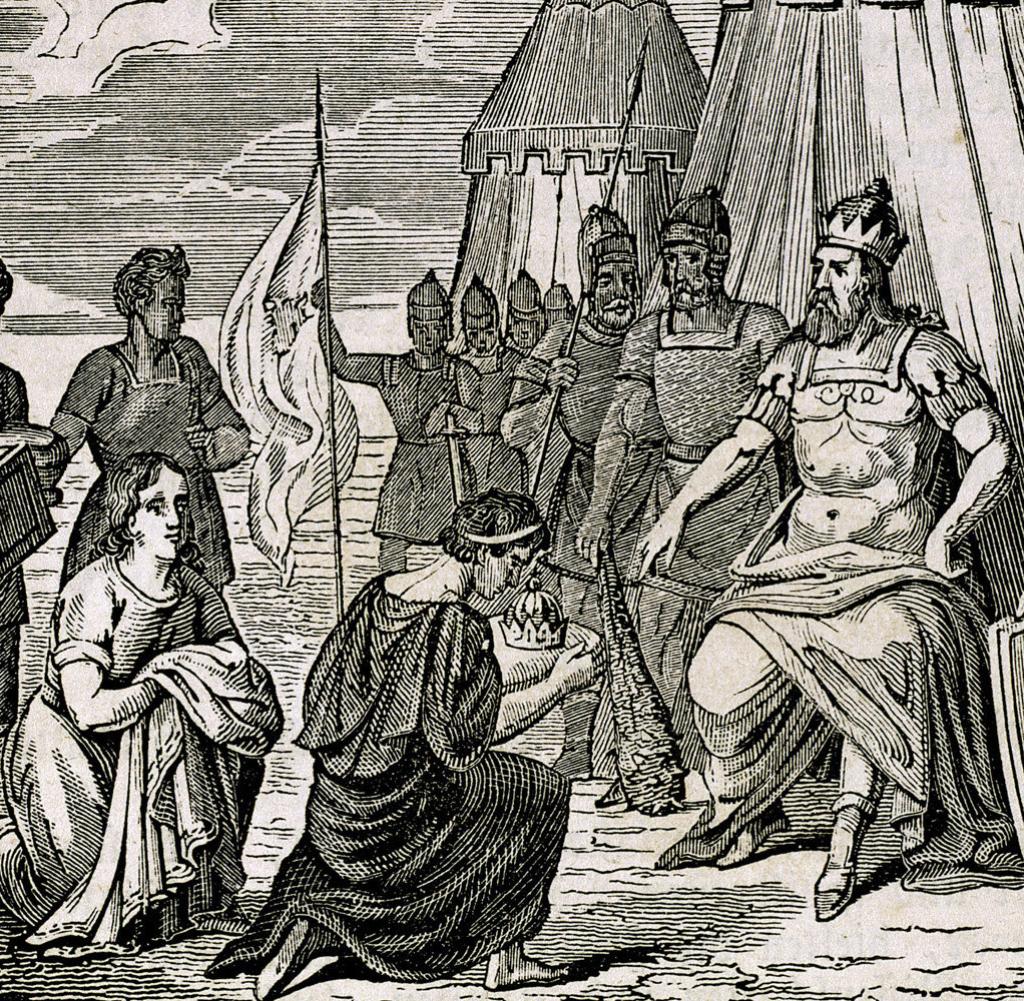
The last emperor kneels to offer his crown to the barbarian king — Norexqo
Romulus Augustulus, boy emperor of the Western Romans, has been stripped of his purple by the Germanic chieftain Odoacer, who seized Ravenna and now styles himself King of Italy.
The deposition in 476 ends the Western Roman Empire after nearly five centuries of rule.
Odoacer deposed Emperor Romulus Augustulus, the last Western Roman emperor, in 476.
The Roman Senate sent the imperial insignia to the Eastern Roman emperor Zeno after the deposition.
By 476, the Western Roman Emperor wielded negligible military, political, or financial power.
Odoacer was a Germanic barbarian king who captured Ravenna to end the Western Empire.
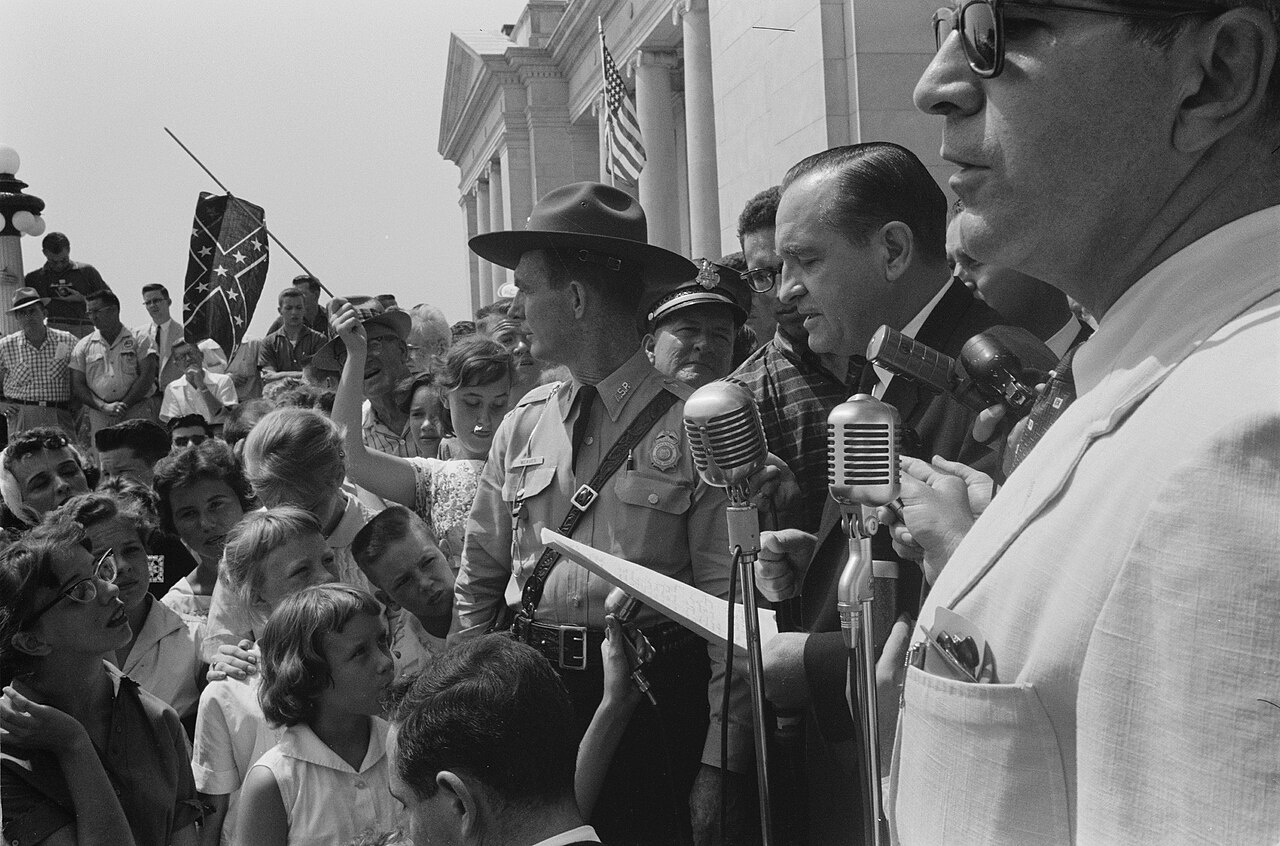
1957 — Faubus Sends Guard to Block Nine Black Students at Little Rock High
1957: Governor deploys Arkansas National Guard to enforce segregation at Central High.
A state trooper stands guard as officials address the crowd outside Central High School — John T. Bledsoe
Nine became zero at the schoolhouse door.
Governor Orval Faubus deployed the Arkansas National Guard this morning to prevent nine African-American students from entering Little Rock Central High School. The nine students—Ernest Green, Elizabeth Eckford, Jefferson Thomas, Terrence Roberts, Carlotta Walls LaNier, Minnijean Brown, Gloria Ray Karlmark, Thelma Mothershed, and Melba Pattillo Beals—were turned away by a line of soldiers.
Governor Orval Faubus deployed the Arkansas National Guard on September 4, 1957, to block nine black students from entering Little Rock Central High School.
The nine students, known as the Little Rock Nine, included Ernest Green, Elizabeth Eckford, Jefferson Thomas, Terrence Roberts, Carlotta Walls LaNier, Minnijean Brown, Gloria Ray Karlmark, Thelma Mothershed, and Melba Pattillo Beals.
President Dwight D. Eisenhower issued Executive Order 10730, federalizing the Arkansas National Guard and ordering them to support integration on September 23, 1957.
Mayor Woodrow Wilson Mann of Little Rock asked President Eisenhower to send federal troops, leading to the deployment of the 101st Airborne Division on September 24, 1957.
Elizabeth Eckford recalled the sight of a line of soldiers blocking the students, which made national headlines and polarized the nation.
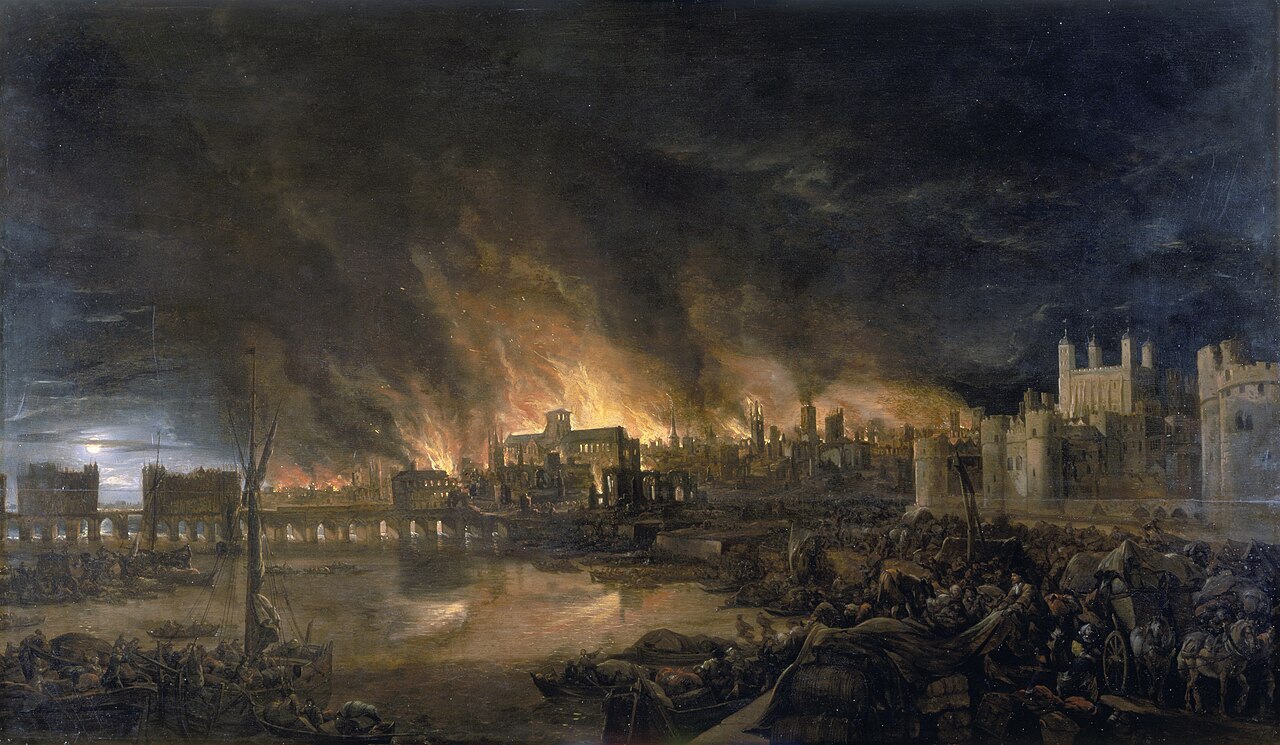
1666 — Great Fire Consumes London in Third Day of Ruin
1666: The most destructive damage from the Great Fire of London occurred.
Flames consume the city across the river, crowds flee in boats — Unknown artist
The Great Fire of London reached its peak of devastation this day, the third of its raging.
Flames consumed the city across the river as crowds fled in boats. The destruction proved the most destructive yet seen in the capital, leveling vast stretches of timber and thatch.
From this ruin rose a transformation: insurance companies later established firefighting units to protect their insured buildings.
The Great Fire of London spurred insurance companies to establish firefighting units to protect their insured buildings.
The London Fire Engine Establishment was formed on 1 January 1833 under James Braidwood, with 80 firefighters and 13 fire stations.
The Monument to the Great Fire of London is located in the City of London.
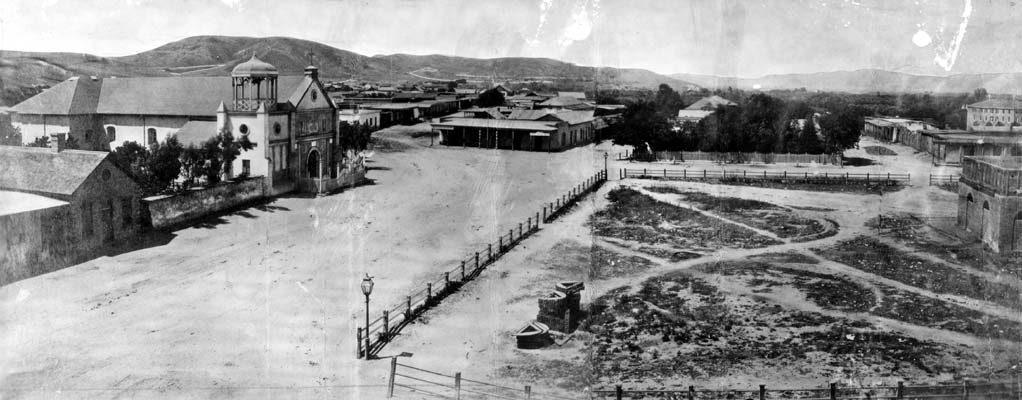
El Pueblo de Nuestra Señora La Reina de los Ángeles welcomed its first dawn this day. Forty-four Spanish settlers founded the village, establishing Spain's claim to California's fertile coast. The expedition came from Mission San Gabriel and selected ground near the Porciúncula River. Colonists from Mexican presidios and mission settlements laid out house lots around a central plaza.
Los Angeles is founded as El Pueblo de Nuestra Señora La Reina de los Ángeles (The Village of Our Lady, the Queen of the Angels) by 44 Spanish settlers.
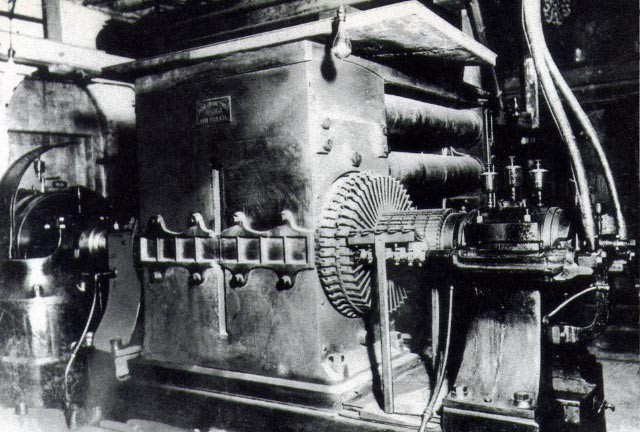
1882 — Pearl Street Station Lights New York as First Commercial Power Plant in Operation
1882: Edison's plant becomes the first to supply electricity to paying customers.
The Edison dynamo at Pearl Street Station, September 1882 — Wikimedia Commons
The age of paid electric light has begun.
The Pearl Street Station in New York City became today the first power plant to supply electricity to paying customers. Thomas Edison's system, centered on the station at 255-257 Pearl Street, now serves subscribers in the surrounding district.
The Pearl Street Station in New York City becomes the first power plant to supply electricity to paying customers.
1813 — Major General Jackson Wounded in Nashville Tavern Affray
A pistol ball extracted from Jackson's left arm after a violent public-house altercation with his aide-de-camp leaves the Tennessee militia commander's recovery uncertain.
In this season of war against the British and their Indian allies, the rude customs of the frontier have once again intruded upon the ranks of our commanders. Major General Andrew Jackson, lately appointed to head the Tennessee militia, lies grievously wounded at Nashville, having received a ball in the left arm during a violent altercation in a public house.
The dispute arose between General Jackson and young Thomas Hart Benton, a lawyer of rising note who serves as aide-de-camp to the general. Words turned to blows, and blows to pistol fire. Surgeons have extracted the ball, though with such mangling of the limb that Jackson's recovery remains uncertain.
Future US President Andrew Jackson was shot and severely injured in a tavern brawl with future US Senator Thomas Hart Benton.
1985 — Rice Team Isolates Buckyball, New Form of Carbon-60
A Rice team has isolated a hollow sphere of carbon atoms arranged like a geodesic dome.
Richard Smalley and his collaborators at Rice University have isolated a novel molecular structure of pure carbon, a hollow sphere of sixty atoms arranged in the pattern of a geodesic dome.
The team named the substance Buckminsterfullerene, honoring the architect R. Buckminster Fuller, whose domes anticipated its geometry.
The discovery of Buckminsterfullerene, the first fullerene molecule of carbon.
1970 — Allende Wins Chile Presidency in Historic Vote
Salvador Allende is elected President of Chile.
Salvador Allende, the Socialist physician who has sought the office three times before, has at last been elected President of Chile by congressional vote, becoming the first Marxist head of state chosen by free ballot in the Americas. Congress confirmed his narrow plurality after weeks of tense negotiations. His Popular Unity coalition now faces a divided legislature. Supporters gathered in Santiago's Plaza Bulnes until after midnight.
1956 — Lewis Ends Narnia Saga With 'Last Battle' Release
The Bodley Head has published the concluding novel of C.S. Lewis's Chronicles of Narnia series.
A lion roars for the last time today on British bookshelves. C.S. Lewis has released The Last Battle, the concluding novel of his Chronicles of Narnia series, through The Bodley Head.
The Last Battle was published by The Bodley Head in 1956.
The novel won the annual Carnegie Medal from the Library Association for the year's best children's book by a British subject.
The book was illustrated by Pauline Baynes, whose work has been retained in many later editions.
The story concludes with the termination of the Narnia world by Aslan after a 'last battle' that is practically lost.
Macmillan US published an American edition of The Last Battle within the calendar year of 1956.
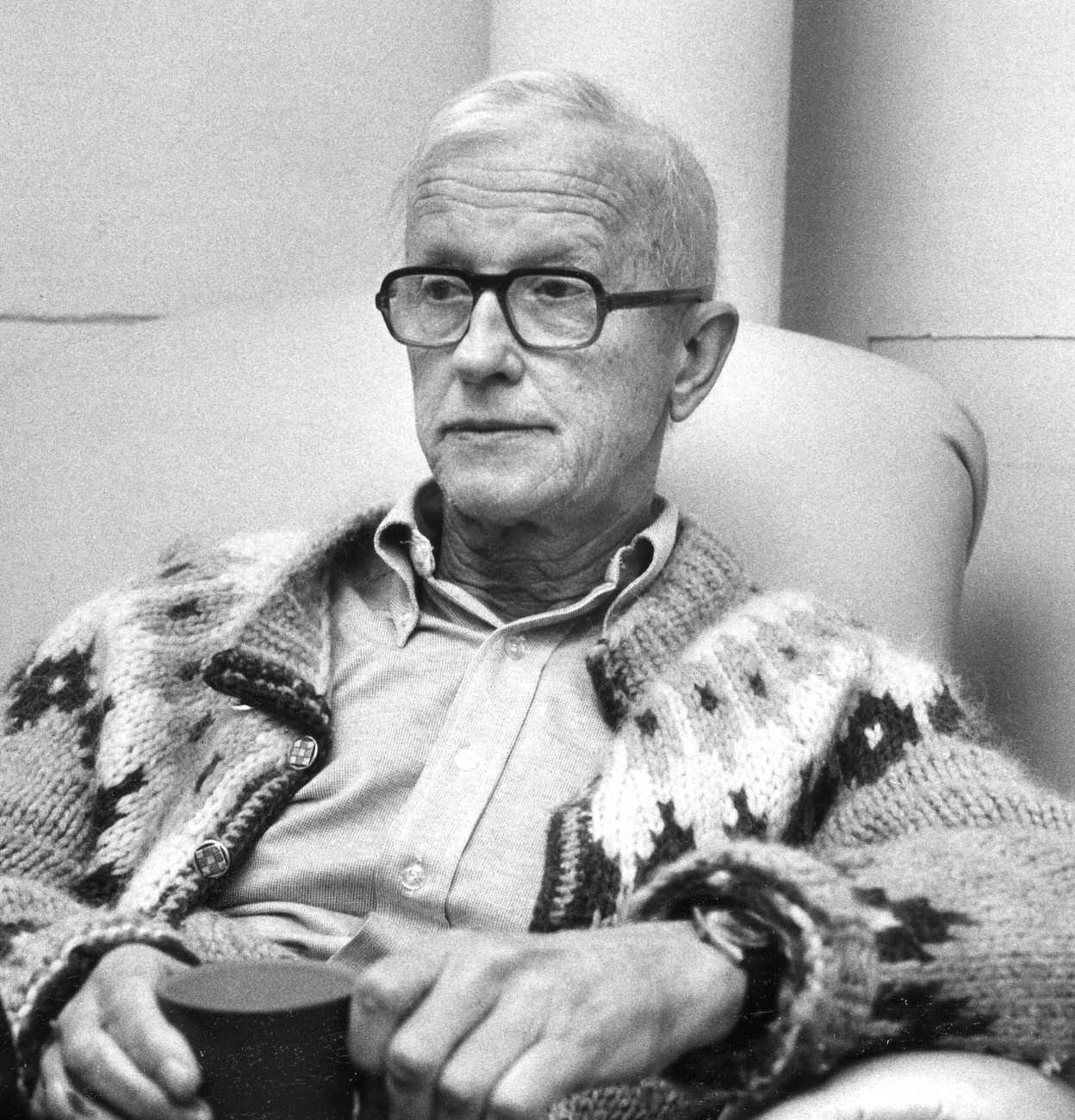
1906Max DelbrückMax Ludwig Henning Delbrück was a German–American biophysicist who participated in launching the molecular biology research program in the late 1930s. He stimulated physical scientists' interest into biology, especially as to basic research to physically explain genes, mysterious at the time.
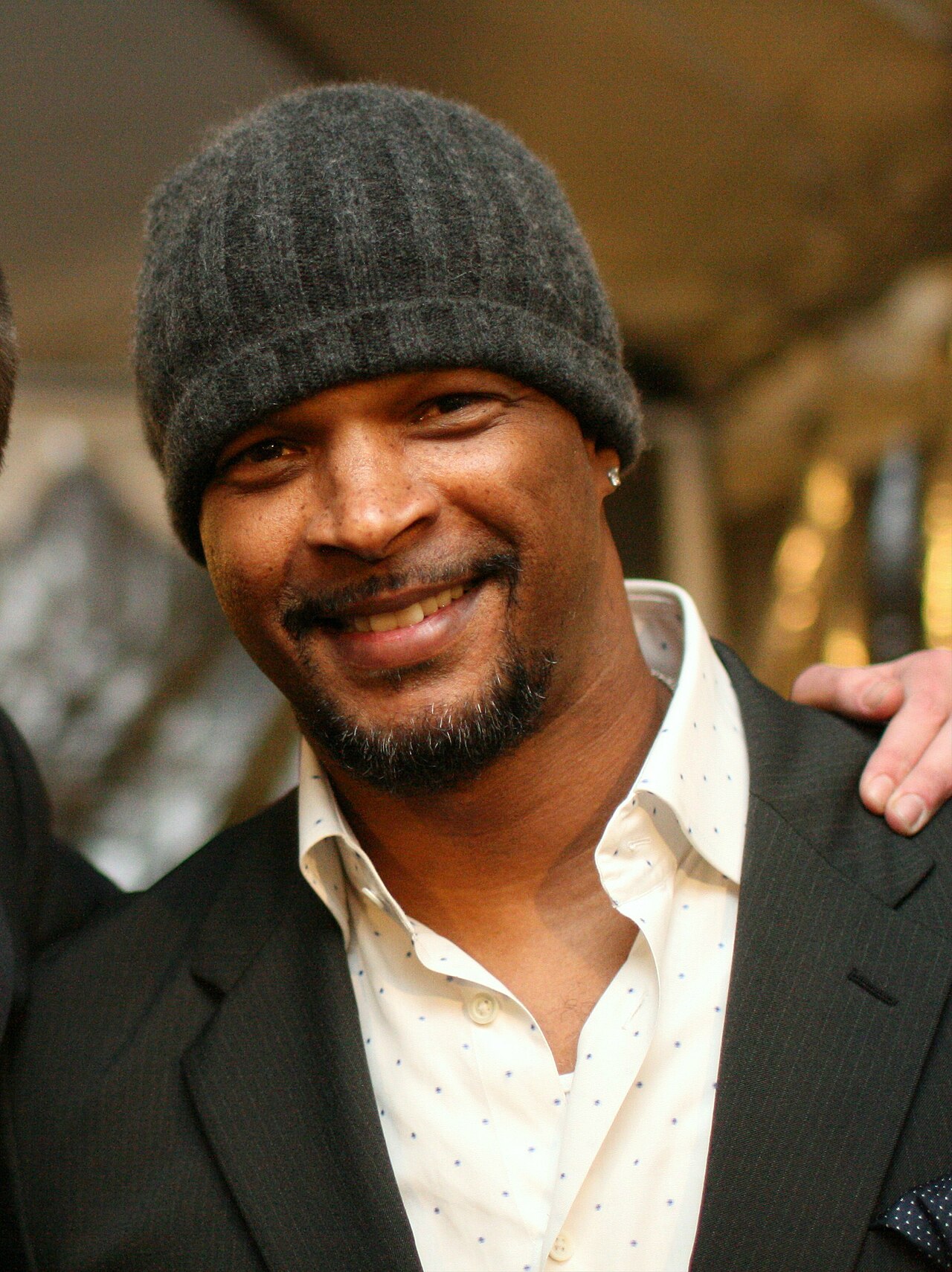
1960Damon Wayans(66 this year)Damon Kyle Wayans Sr. is an American stand-up comedian, actor, producer, and writer.
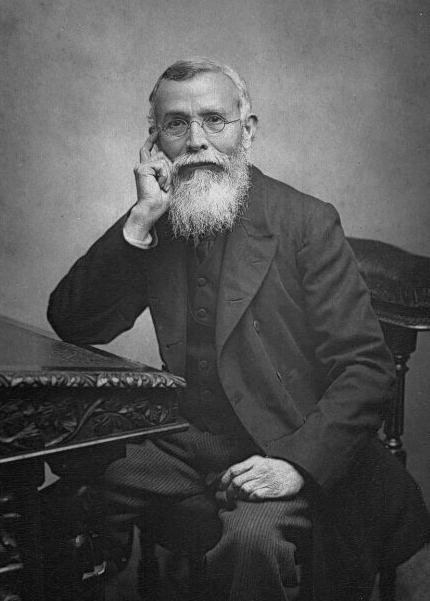
1825Dadabhai NaorojiDadabhai Naoroji was an Indian political leader, merchant, scholar, and writer who played a role in both Indian and British public life.
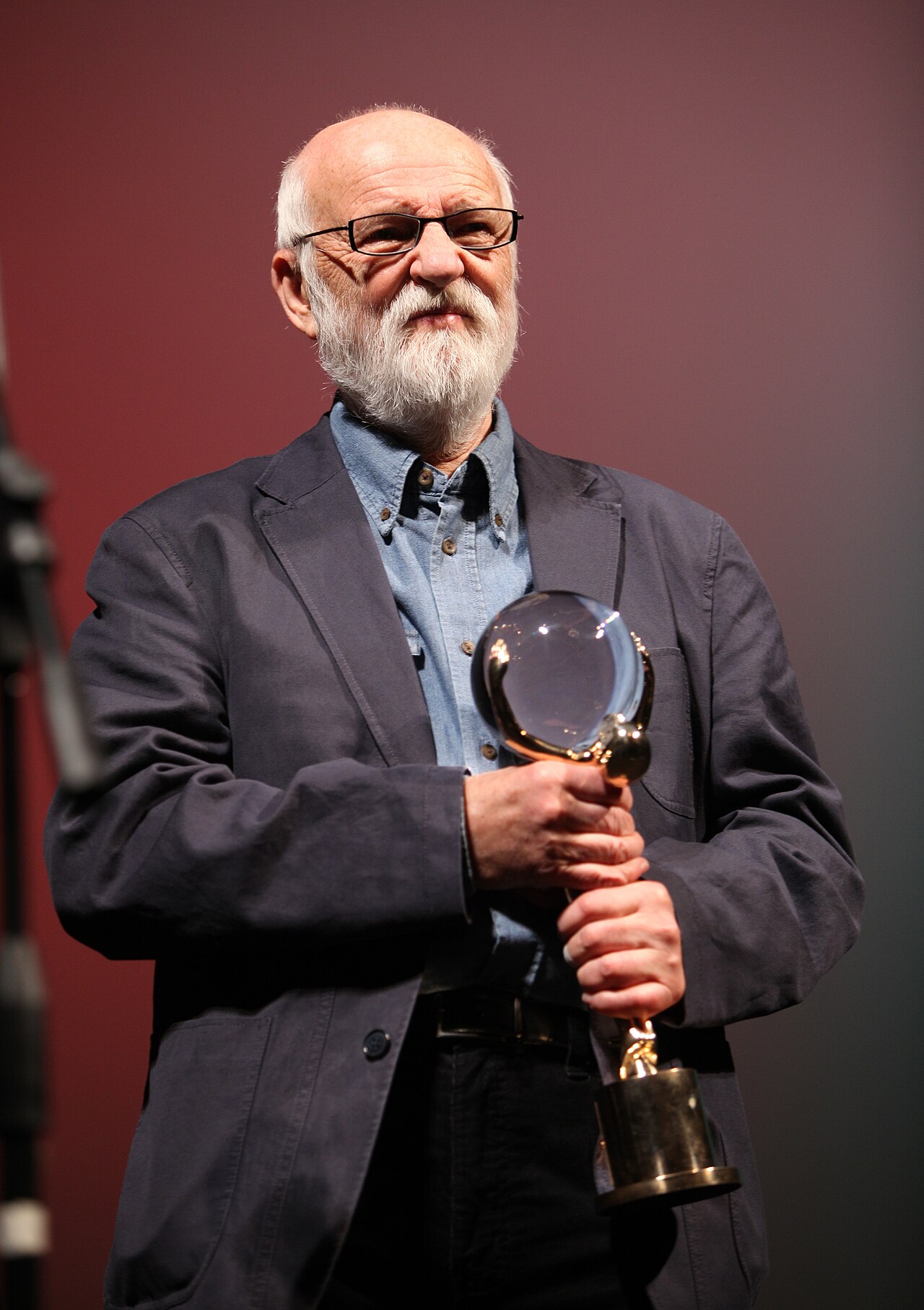
1934Jan Švankmajer(92 this year)Jan Švankmajer is a Czech retired filmmaker, animator, writer, playwright and artist.
1968John DiMaggio(58 this year)John William DiMaggio is an American actor.
1908Edward DmytrykEdward Dmytryk was a Canadian-born American film director and editor.
1963John Vanbiesbrouck(63 this year)John Vanbiesbrouck, nicknamed "the Beezer" and "JVB", is an American professional ice hockey executive and former player.
1850Luigi CadornaLuigi Cadorna, was an Italian general, Marshal of Italy and Count, most famous for being the Chief of Staff of the Italian Army from 1914 until late 1917 during World War I. He commanded the Italian army on the Italian front, a theatre marked by trench warfare and attrition on the Eastern Alps and Isonzo river.
1894Daniel van der MeulenDaniel van der Meulen was a Dutch civil servant who served as the consul to Jeddah from 1926 through 1931.
1896Antonin ArtaudAntoine Maria Joseph Paul Artaud, better known as Antonin Artaud, was a French artist who worked across a variety of media.
1913Kenzō TangeKenzō Tange was a Japanese architect.
1919Émile BouchardJoseph Émile Alcide "Butch" Bouchard was a Canadian ice hockey player who played defence with the Montreal Canadiens in the National Hockey League from 1941 to 1956.
1924Joan AikenJoan Delano Aiken was an English writer specialising in supernatural fiction and children's alternative history novels.
1925Asa Earl CarterAsa Earl Carter was an American segregationist and Ku Klux Klan organizer who was prominent in the 1950s for his activism and later as a Western fiction novelist.
1926Ivan IllichIvan Dominic Illich was an Austrian Catholic priest, theologian, philosopher, and social critic.
1926Bert OlmsteadMurray Albert Olmstead was a Canadian professional ice hockey player who was a left winger for the Montreal Canadiens, Chicago Black Hawks and Toronto Maple Leafs in the National Hockey League (NHL) for 13 seasons.
1929Thomas EagletonThomas Francis Eagleton was an American lawyer who served as a United States senator from Missouri from 1968 to 1987.
1932Vince DooleyVincent Joseph Dooley was an American college football coach.
1934Clive GrangerSir Clive William John Granger was a British econometrician known for his contributions to nonlinear time series analysis.
1936Judea Pearl(90 this year)Judea Pearl is an Israeli-American electrical engineer, computer scientist and philosopher, best known for championing the probabilistic approach to artificial intelligence and the development of Bayesian networks.
1949Darryl CottonDarryl Grant Cotton was an Australian pop, rock singer-songwriter, television presenter and actor.
1951Judith Ivey(75 this year)Judith Lee Ivey is an American actress and theatre director.
1958Drew Pinsky(68 this year)David Drew Pinsky, commonly known as Dr. Drew, is an American media personality, internist, and addiction medicine specialist.
1960Kim Thayil(66 this year)Kim Anand Thayil is an American musician best known as the lead guitarist of the Seattle-based rock band Soundgarden, which he co-founded with singer Chris Cornell and bassist Hiro Yamamoto in 1984.
1966Yanka DyagilevaYana Stanislavovna "Yanka" Dyagileva was a Russian poet and singer-songwriter, and one of the most popular figures of her time in the Siberian underground music scene.
Quote of the Day
“Reader, I married him.” — Charlotte Brontë, Jane Eyre
September 4 History Quiz
Which company was founded by Larry Page and Sergey Brin on September 4, 1998?
Google
How many gold medals did Mark Spitz win at the 1972 Munich Olympics?
Seven
In what year did the Great Fire of London reach its peak on September 4?
Every event on this page was picked by hand from the historical record, written up as a news report, and checked against its source. Photographs are matched to the event they illustrate and verified before they are used. Sources are linked on each story.


![Front page of Sacramento daily record-union, Sacramento [Calif.], 4 September 1886](https://tile.loc.gov/image-services/iiif/service:ndnp:curiv:batch_curiv_mojave_ver01:data:sn82014381:00175036507:1886090401:0396/full/pct:50/0/default.jpg)

 “Michael”,
  The Agony and the Ecstasy, Irving Stone
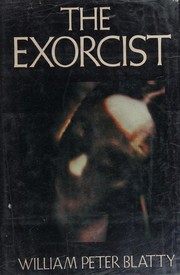 The Exorcist, William Peter Blatty
 Different Seasons, Stephen King
 “Can't Help Falling In Love (From "Sliver")”,
 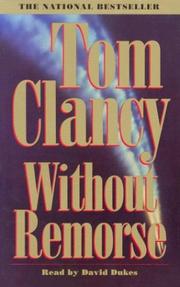 Without Remorse, Tom Clancy
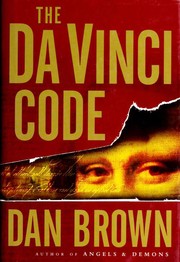 The Da Vinci Code, Dan Brown
 “Love The Way You Lie”,
  “Stay”,
  Billy Summers, Stephen King