Our front page for September 27 — written and set by The Yesterday Times from the events below. Not an archival document.
Day of the year
270
Days left in 2026
95
In 2026 it falls on a
Sunday
Star sign
Libra
Birthstone
Sapphire
On September 27 in 1908, 118 years ago, Ford Model T Leaves Plant; Mass Motor Age Dawns. This page reports 8 stories from the date, 25 people born on this day.
The stories in full
Detroit Automotive
1908 — Ford Model T Leaves Plant; Mass Motor Age Dawns
The first production machine rolls from Piquette Avenue this morning — 15,000 orders flood in within forty-eight hours — engineers Galamb, Farkas and Wills claim the design.
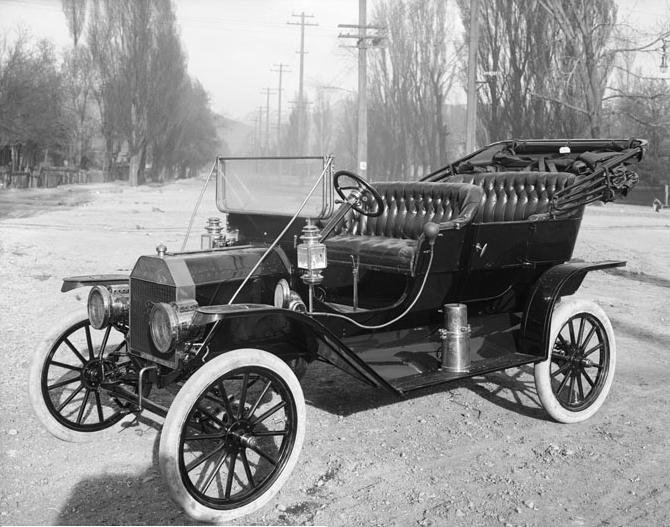
The first Ford Model T stands on a Detroit road — Harry Shipler
DETROIT, September 27 — The first production Ford Model T automobile left the Ford Piquette Avenue Plant here this morning, completing its journey from factory floor to open road. The machine, built August 12 and held for final preparation, marks the commencement of what its makers promise will be the mass use of automobiles in the United States.
Within two days of the Model T's release, 15,000 orders have been placed. The demand has astonished even Henry Ford's own salesmen, who had prepared for interest but not for this deluge.
The vehicle was mainly designed by engineers Joseph A. Galamb, Eugene Farkas, and Childe Harold Wills, working under Ford's direction. Its front-mounted 177-cubic-inch inline four-cylinder engine produces 20 horsepower and propels the car to a top speed of 42 miles per hour.
The initial price stands at $780, though company officials hint that mass production savings may lower this figure substantially in years to come. The first Model T stands ready on a Detroit road, its brass radiator gleaming.
The first production Model T was built on August 12, 1908, and left the factory on September 27, 1908, at the Ford Piquette Avenue Plant in Detroit.
Within two days after the Model T's release, 15,000 orders were placed.
The Model T was mainly designed by engineers Joseph A. Galamb, Eugene Farkas, and Childe Harold Wills.
The first Model T had a front-mounted 177-cubic-inch inline four-cylinder engine producing 20 hp, with a top speed of 42 mph.
The Model T's initial price was $780 in 1910, dropping to $290 by 1924 due to mass production savings.
1940 — Three Powers Sign Berlin Pact; Axis Alliance Formed Against America
Ribbentrop, Ciano and Kurusu put their names to a ten-year military alliance — Hitler watches from the chamber — Hungary rushes to join before Romania can accede.
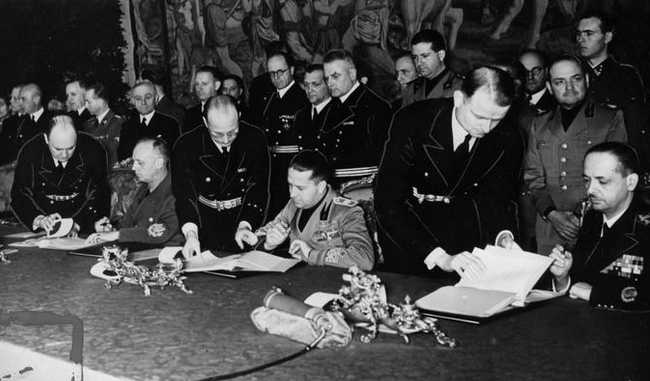
Representatives of Germany, Italy and Japan sign the Tripartite Pact in Berlin — Wikimedia Commons
BERLIN, September 27 — In the Chancellery here this afternoon, three foreign ministers bent to a table and signed their nations into war's formal embrace. Joachim von Ribbentrop for Germany, Galeazzo Ciano for Italy, and Saburō Kurusu for Japan completed the Tripartite Pact as Adolf Hitler looked on, creating a military alliance now called the Axis.
The pact, signed in triplicate, recognizes Japanese leadership in Greater East Asia and German-Italian leadership in Europe. Its animating target, diplomats here acknowledge, is the United States.
Article 3 binds each signatory to assist the others if attacked by any power not presently engaged in the European War or the Sino-Japanese conflict. The term runs ten years.
Hungary has already moved to become the first adherent. Its ambassador pressed for immediate accession, determined to precede Romania. Representatives of Germany, Italy and Japan sign the Tripartite Pact in Berlin as cameras record the moment.
The Tripartite Pact was signed in Berlin on 27 September 1940 by Joachim von Ribbentrop, Galeazzo Ciano, and Saburō Kurusu in the presence of Adolf Hitler.
The pact recognized Japan's leadership in Greater East Asia and Germany and Italy's leadership in Europe, and was directed primarily at the United States.
Article 3 of the pact required signatories to assist one another if attacked by a power not then involved in the European War or the Japanese-Chinese conflict.
The pact was to remain in force for ten years and was signed in triplicate at Berlin on the 27th day of September 1940.
Hungary was the first nation to join the pact after its signing, with its ambassador urging accession before Romania could join.
DARLINGTON, September 27 — The age of steam-powered public carriage has begun. This morning George Stephenson drove Locomotion No. 1 on the first train of the Stockton and Darlington Railway, the world's first public railway to employ steam locomotives.
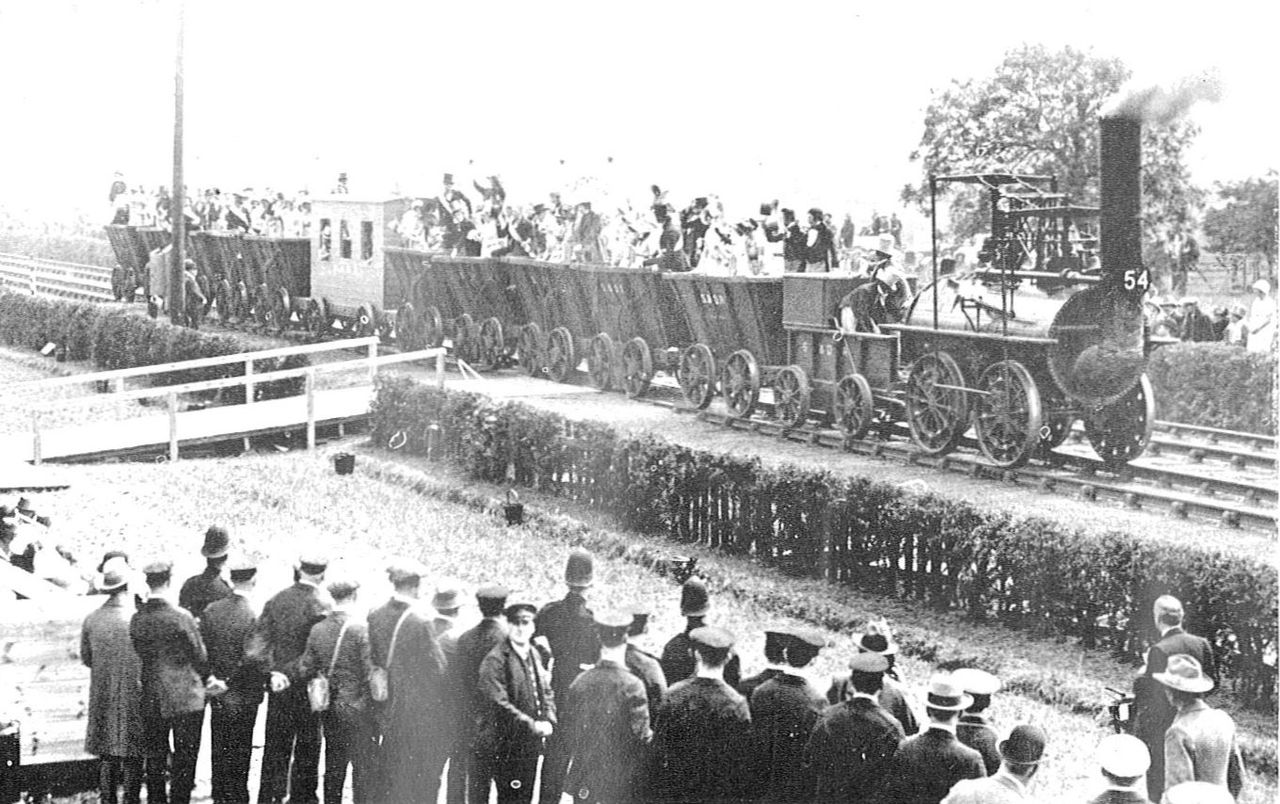
The train comprised the locomotive, eleven coal wagons, the passenger coach "Experiment," and twenty additional wagons bearing passengers and workmen. Around 300 tickets had been sold, but observers estimate twice that number crowded aboard.
The entire formation weighed some 80 metric tons and stretched 400 feet. Maximum speed reached 12 miles per hour, though delays reduced the average to 8. A derailed wagon and a blocked feed pump valve slowed progress. The 8.7-mile journey to Darlington required two hours.
Locomotion No 1 hauls the first train on the Stockton and Darlington Railway as spectators line the embankments.
On 27 September 1825, Locomotion No. 1 was driven by George Stephenson on the first public railway train.
The train consisted of the locomotive, eleven wagons of coal, the passenger coach 'Experiment', and 20 more wagons carrying passengers and workmen.
Around 300 tickets had been sold, but about twice as many people were believed to have been aboard the train.
The train weighed an estimated 80 metric tons, was 400 feet long, and reached a maximum speed of 12 mph.
It took two hours to complete the first 8.7 miles to Darlington, slowed by a derailed wagon and a blocked feed pump valve, averaging 8 mph.
1988 — Aung San Suu Kyi Launches National League for Democracy in Burma
The 1988 uprising's aftermath brings a new political force — retired army officials aid the founding — the daughter of the independence hero becomes general secretary.
RANGOON, September 27 — In the trembling aftermath of the 8888 Uprising, pro-democracy activist Aung San Suu Kyi has founded the National League for Democracy with assistance from several retired army officials. She assumes the post of general secretary. The party emerges as the military junta's principal civilian challenger.
Aung San Suu Kyi formed the National League for Democracy on September 27, 1988, with help from several retired army officials.
She became the general secretary of the NLD upon its founding.
The NLD was formed during the aftermath of the 8888 Uprising, a pro-democracy movement violently suppressed by the military junta.
Less than a year later, on July 20, 1989, Aung San Suu Kyi was placed under house arrest.
In the 1990 general election, the NLD won 81% of parliamentary seats, but the military government nullified the results.
Rabbani flees as Taliban capture Kabul and establish Islamic Emirate — Najibullah, sheltered at UN mission since April 1992, seized and killed.
KABUL, September 27 — President Burhanuddin Rabbani has fled his capital before advancing Taliban forces who today captured Kabul and established the Islamic Emirate of Afghanistan.
Former President Mohammad Najibullah, who had sheltered at the United Nations mission here since April 1992, was seized, tortured and murdered by Taliban fighters.
Taliban captured Kabul on 27 September 1996, establishing the Islamic Emirate of Afghanistan.
Former president Mohammad Najibullah had taken refuge at the United Nations mission in Kabul since April 1992.
Kabul's population fell from 2,000,000 to 500,000 during the 1992–1996 war, with 500,000 fleeing in the first four months.
The Taliban captured Kandahar in late 1994, Herat in 1995, and Jalalabad in early September 1996 before taking Kabul.
By 1996, the Taliban, supported by Pakistan's Inter-Services Intelligence, seized approximately 90% of Afghanistan.
On September 27, the duke and his forces departed the Somme to pursue the English crown.
THE SOMME, September 27 — Duke William of Normandy and his army have put to sea from the river's mouth this day, bound for England's shores to press his claim to the crown. The fleet, riding a favorable wind, carries some seven thousand men and horses. Provisions were loaded at Saint-Valery-sur-Somme after a week of delay. Court astrologers had counseled patience until the autumn gales subsided.
William the Conqueror and his army set sail from the mouth of the Somme river, beginning the Norman conquest of England.
1962 — Rachel Carson's 'Silent Spring' Appears Today; Book Spurs Drive for Federal Environmental Protection
Rachel Carson, 55, spent four years researching pesticides after gaining notice with The Sea Around Us in 1951; her new volume's serialization in The New Yorker and publication today have conservation groups reporting surging membership as legislators predict hearings on federal oversight of toxic substances.
NEW YORK, September 27 — Rachel Carson's book Silent Spring has been published today, and its examination of pesticide dangers is already stirring a national environmental movement and calls for creation of a U.S. Environmental Protection Agency.
The former marine biologist and author argues that indiscriminate use of chemicals like DDT threatens wildlife and human health alike. Carson, 55, who gained notice with The Sea Around Us in 1951, spent four years researching agricultural spraying and its ecological consequences.
Chemical manufacturers have challenged her science, but the book has serialized in The New Yorker and commands wide attention. Conservation groups report surging membership. Legislators in Washington predict hearings on federal oversight of toxic substances. Carson's critics question her credentials; supporters call her warnings timely and necessary.
The volume takes its title from a spring without bird song.
Rachel Carson's book Silent Spring is published, inspiring an environmental movement and the creation of the U.S. Environmental Protection Agency.
1998 — Google Declares Today Its Official Founding Date
Stanford graduate students' search engine, now incorporated and operating from a Menlo Park garage, retroactively claims September 27 as its official birthday.
MENLO PARK, September 27 — The Google internet search engine, developed by Stanford graduate students Larry Page and Sergey Brin, has retroactively claimed this date as its official birthday.
The Menlo Park company, now incorporated and operating from a garage on Santa Margarita Avenue, announced the commemorative designation this week.
The Google internet search engine retroactively claims this date as its birthday.
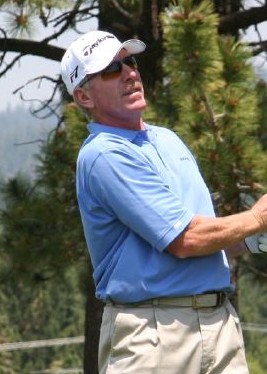
1949Mike Schmidt(77 this year)Michael Jack Schmidt is an American former professional baseball third baseman who spent his entire 18-year Major League Baseball (MLB) career with the Philadelphia Phillies from 1972 to 1989.
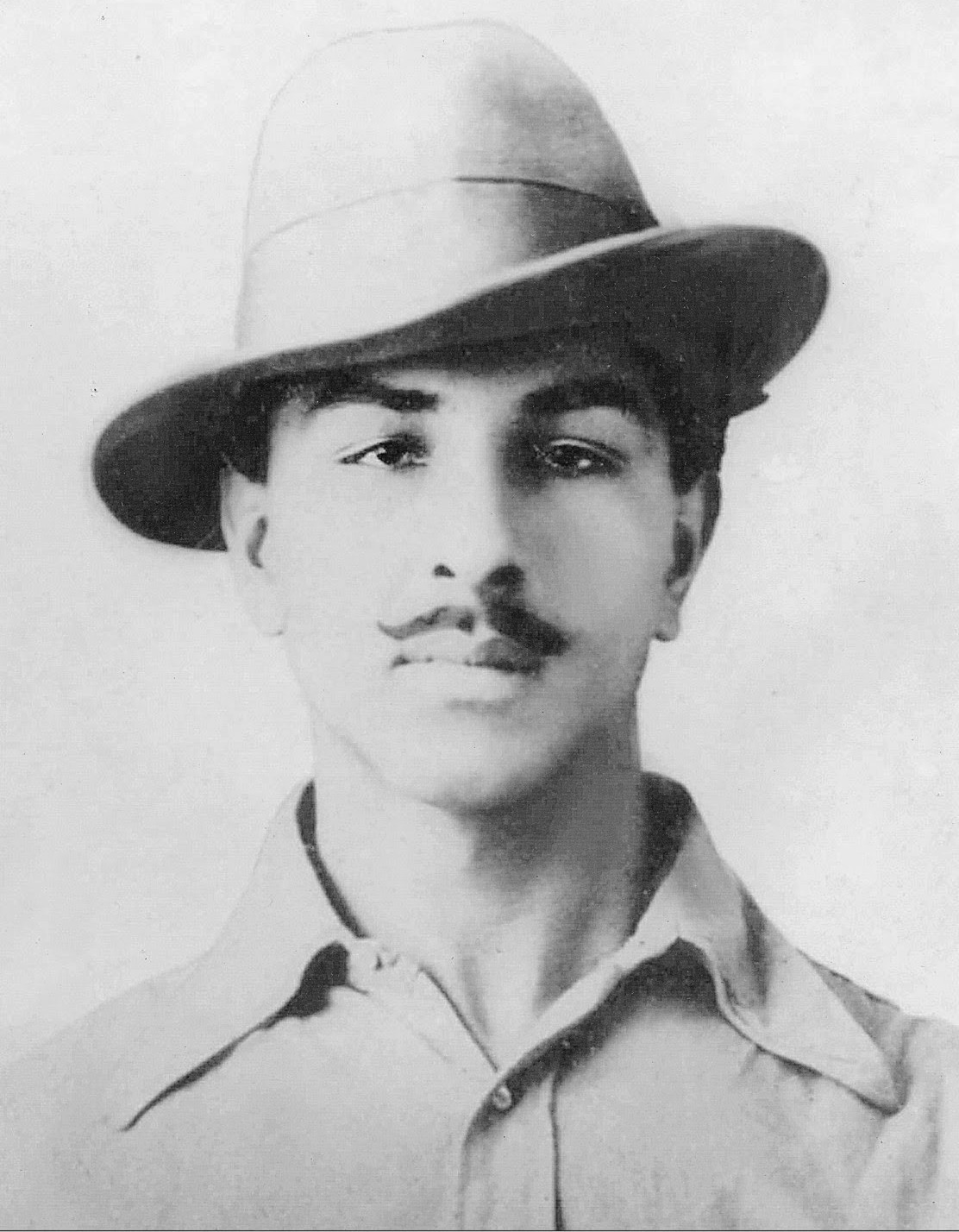
1907Bhagat SinghBhagat Singh was an Indian anti-colonial revolutionary who participated in the mistaken murder of a junior British police officer in December 1928 in what was intended to be retaliation for the death of an Indian nationalist.
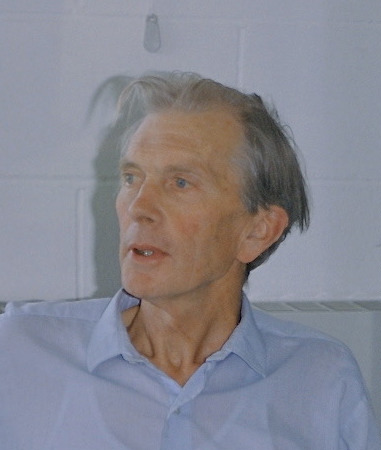
1918Martin RyleSir Martin Ryle was an English radio astronomer who developed revolutionary radio telescope systems and used them for accurate location and imaging of weak radio sources.
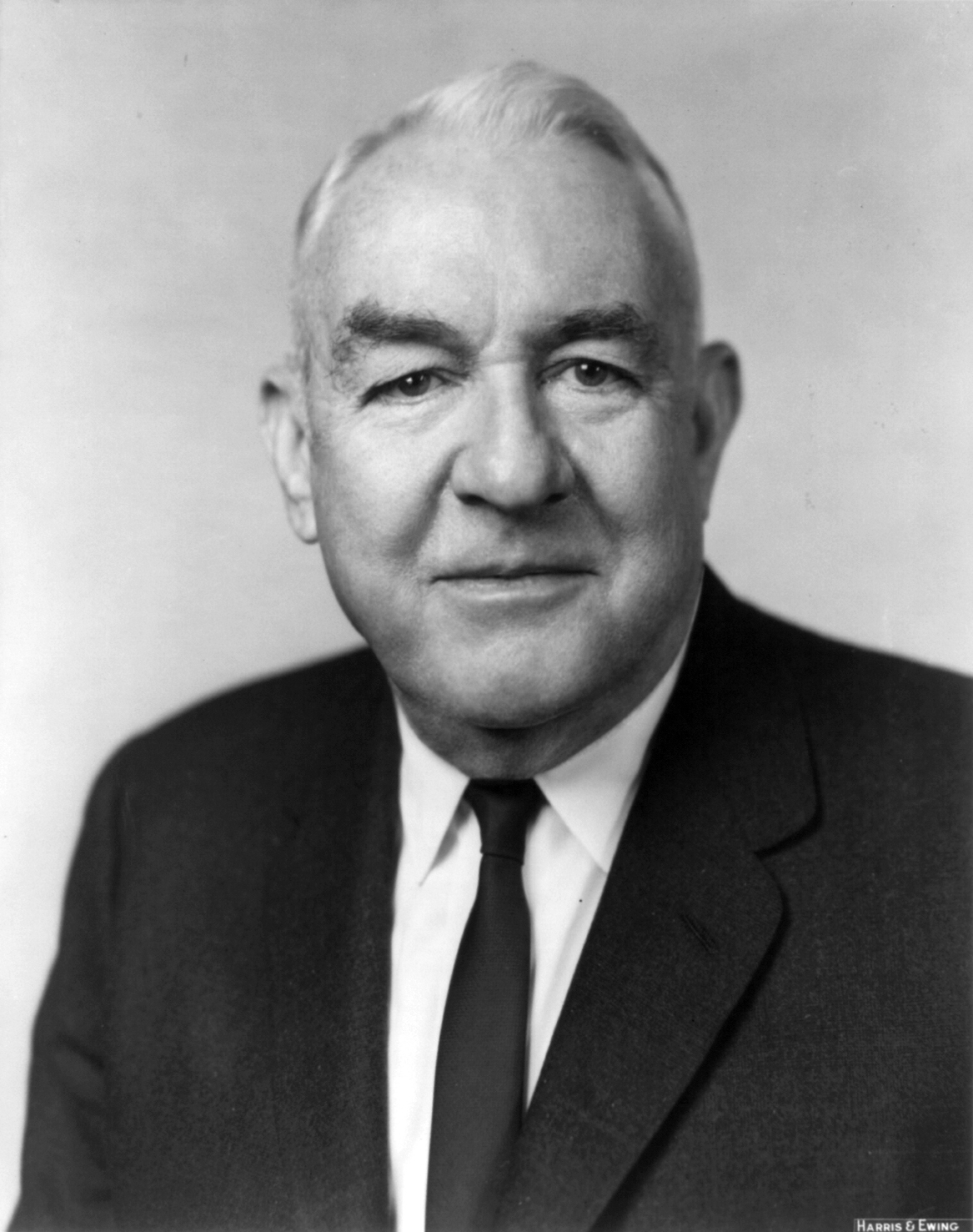
1896Sam ErvinSamuel James Ervin Jr. was an American politician who served as a U.S. senator from North Carolina from 1954 to 1974.
1953Diane Abbott(73 this year)Diane Julie Abbott is a British politician who has served as a Member of Parliament (MP) for Hackney North and Stoke Newington since 1987.
1442John de la PoleJohn de la Pole, 2nd Duke of Suffolk, KG, was a major magnate in 15th-century England.
1507Guillaume RondeletGuillaume Rondelet, also known as Rondeletus/Rondeletius, was Regius professor of medicine at the University of Montpellier in southern France and Chancellor of the University between 1556 and his death in 1566.
1657Sofia Alekseyevna of RussiaSophia Alekseyevna was a Russian princess who ruled as regent of Russia from 1682 to 1689.
1818Hermann KolbeAdolph Wilhelm Hermann Kolbe was a German chemist and academic, and a major contributor to the birth of modern organic chemistry.
1840Alfred Thayer MahanAlfred Thayer Mahan was a United States Navy (USN) officer and historian whom John Keegan called "the most important American strategist of the nineteenth century." His 1890 book The Influence of Sea Power upon History, 1660–1783 won immediate recognition, especially in Europe, and with the publication of its 1892 successor, The Influence of Sea Power upon the French Revolution and Empire, 1793–1812, he affirmed his status as a globally-known and regarded military strategist, historian, and theorist.
1925Robert EdwardsSir Robert Geoffrey Edwards was a British physiologist and pioneer in reproductive medicine, and in-vitro fertilisation (IVF) in particular.
1931Freddy Quinn(95 this year)Freddy Quinn is a former Austrian singer and actor whose popularity in the German-speaking world soared in the late 1950s and 1960s. As Hans Albers had done two generations before him, Quinn adopted the persona of the rootless wanderer who goes to sea but longs for a home, family and friends.
1932Geoff BentGeoffrey Bent was an English footballer who played as a left back for Manchester United from 1948 until 1958.
1934Wilford BrimleyAnthony Wilford Brimley was an American actor.
1935Al MacNeilAllister Wences MacNeil was a Canadian professional ice hockey player, coach and executive.
1943Randy Bachman(83 this year)Randolph Charles Bachman is a Canadian guitarist, singer, and songwriter.
1944Angélica María(82 this year)Angélica María Hartman Ortiz is a Mexican singer and actress.
1947Meat LoafMichael Lee Aday, known professionally as Meat Loaf, was an American singer and actor.
1947Liz Torres(79 this year)Elizabeth Larrieu Torres is an American actress, singer, and comedian.
1947Denis Lawson(79 this year)Denis Stamper Lawson is a Scottish actor.
1965Peter MacKay(61 this year)Peter Gordon MacKay is a Canadian lawyer and politician, who served as Member of Parliament from 1997 to 2015 and as Minister of Justice and Attorney General (2013–2015), Minister of National Defence (2007–2013), and Minister of Foreign Affairs (2006–2007) in the Cabinet of Canada under Prime Minister Stephen Harper.
1973Indira Varma(53 this year)Indira Anne Varma is a British actress and narrator.
1973Stanislav Pozdnyakov(53 this year)Stanislav Alekseyevich Pozdnyakov is a Russian former fencer, five-time Olympian (1992–2008), and five-time Olympic medalist in individual and team sabre competitions who previously served as president of the Russian Olympic Committee from 2018 to 2024.
1980Ehron VonAllen(46 this year)Ehron VonAllen is an American singer in the electronic pop genre, record producer, recording artist and remixer, currently based in Hollywood, California.
1980Asashōryū Akinori(46 this year)Asashōryū Akinori is a Mongolian former professional sumo wrestler (rikishi).
Quote of the Day
“All that we see or seem is but a dream within a dream.” — Edgar Allan Poe, The Raven and Other Poems
September 27 History Quiz
Which vehicle was completed in Detroit on September 27, 1908?
Ford Model T
Which countries formed the Axis powers in the 1940 Tripartite Pact?
Germany, Italy, Japan
What was the name of the first public steam locomotive?
Every event on this page was picked by hand from the historical record, written up as a news report, and checked against its source. Photographs are matched to the event they illustrate and verified before they are used. Sources are linked on each story.
![Front page of Omaha daily bee, Omaha [Neb.], 27 September 1908](https://tile.loc.gov/image-services/iiif/service:ndnp:nbu:batch_nbu_quarrie_ver01:data:sn99021999:00280779015:1908092701:0466/full/pct:50/0/default.jpg)

![Front page of Los Angeles herald, Los Angeles [Calif.], 27 September 1908](https://tile.loc.gov/image-services/iiif/service:ndnp:curiv:batch_curiv_pescadero_ver01:data:sn85042462:00175035710:1908092701:0436/full/pct:50/0/default.jpg)

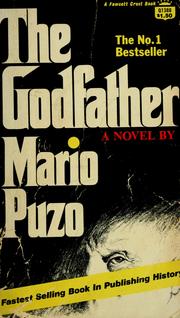 The Godfather, Mario Puzo
 “I'm Sorry”,
 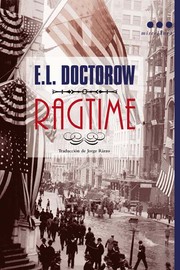 Ragtime, E. L. Doctorow
 “Upside Down”,
 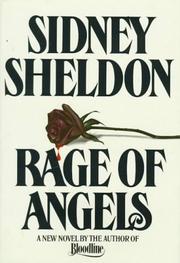 Rage of Angels, Sidney Sheldon
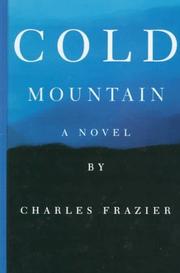 Cold Mountain, Charles Frazier
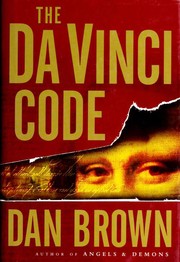 The Da Vinci Code, Dan Brown
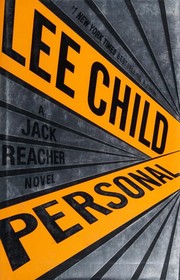 Personal, Lee Child
 Framed in Death, J. D. Robb