Our front page for September 15 — written and set by The Yesterday Times from the events below. Not an archival document.
Day of the year
258
Days left in 2026
107
In 2026 it falls on a
Tuesday
Star sign
Virgo
Birthstone
Sapphire
On September 15 in 2008, 18 years ago, Lehman Brothers Files Chapter 11; $600 Billion in Assets. This page reports 12 stories from the date, 25 people born on this day.
The 158-year-old investment bank's collapse, with more than $600 billion in assets and roughly 25,000 employees, drove the Dow down 4.5 percent — its worst single-session drop since 2001 — while 110,000 brokerage customers face recovery of $106 billion under separate proceedings.
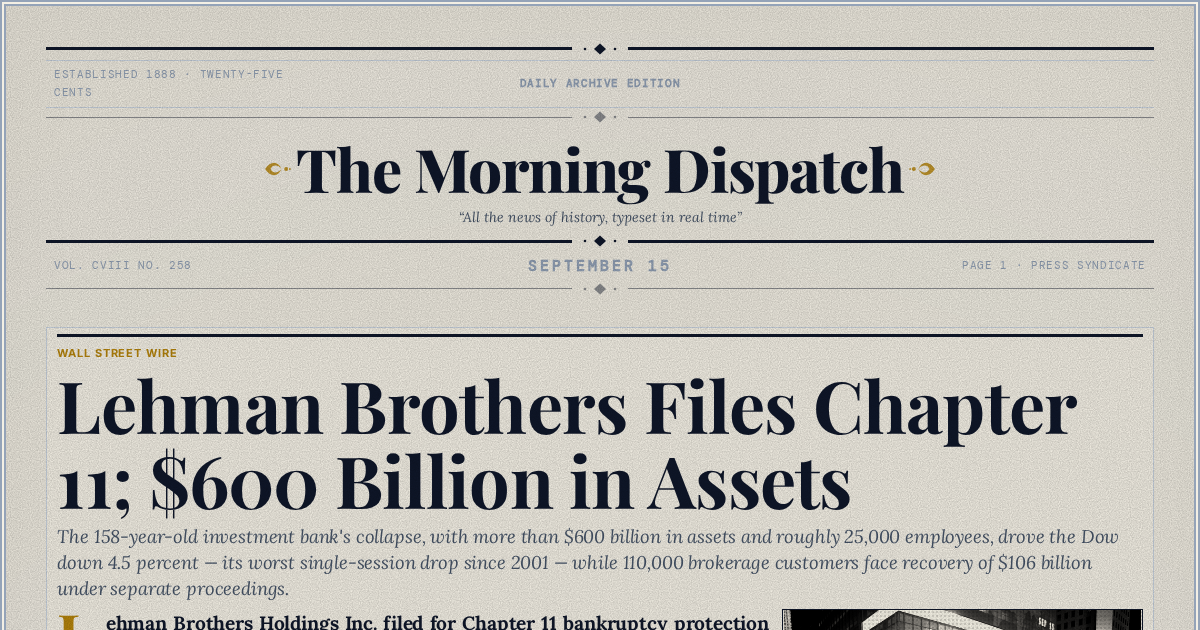
Television crews gather outside the Lehman Brothers headquarters after the bankruptcy filing — Robert Scoble
Lehman Brothers Holdings Inc. filed for Chapter 11 bankruptcy protection today, becoming the largest bankruptcy filing in U.S. history with more than $600 billion in assets under management.
The 158-year-old investment bank, which employed roughly 25,000 people worldwide, succumbed to crushing losses tied to subprime mortgages and illiquid real estate holdings. The filing sent shockwaves through global markets, driving the Dow Jones Industrial Average down 4.5 percent — its steepest single-session decline since the September 11, 2001 terrorist attacks.
Television crews massed outside Lehman's Seventh Avenue headquarters in Manhattan as employees streamed out carrying boxes of personal belongings. The firm's collapse marks the most dramatic failure yet of the 2007–2008 financial crisis.
Barclays PLC announced it had reached agreement to acquire Lehman's North American investment-banking and trading operations, a deal expected to close within days. The British bank will take control of key Lehman divisions but assumes no liability for the parent company's bankruptcy.
Lehman's 110,000 brokerage customers will recover their full $106 billion in assets under separate Securities Investor Protection Corporation proceedings. General unsecured creditors, however, are projected to receive approximately 41 cents on the dollar.
Lehman Brothers filed for Chapter 11 bankruptcy protection on September 15, 2008, holding over $600 billion in assets.
The bankruptcy filing triggered a 4.5% one-day drop in the Dow Jones Industrial Average, the largest since September 11, 2001.
Lehman was the fourth-largest U.S. investment bank with about 25,000 employees worldwide before its collapse.
Lehman's bankruptcy was largely due to its heavy involvement in subprime mortgages and exposure to less liquid assets.
Barclays announced an agreement to purchase a controlling interest in Lehman's North American investment-banking and trading divisions the day after the filing.
1916 — British Mark I Tanks Roll Into Battle at Flers–Courcelette
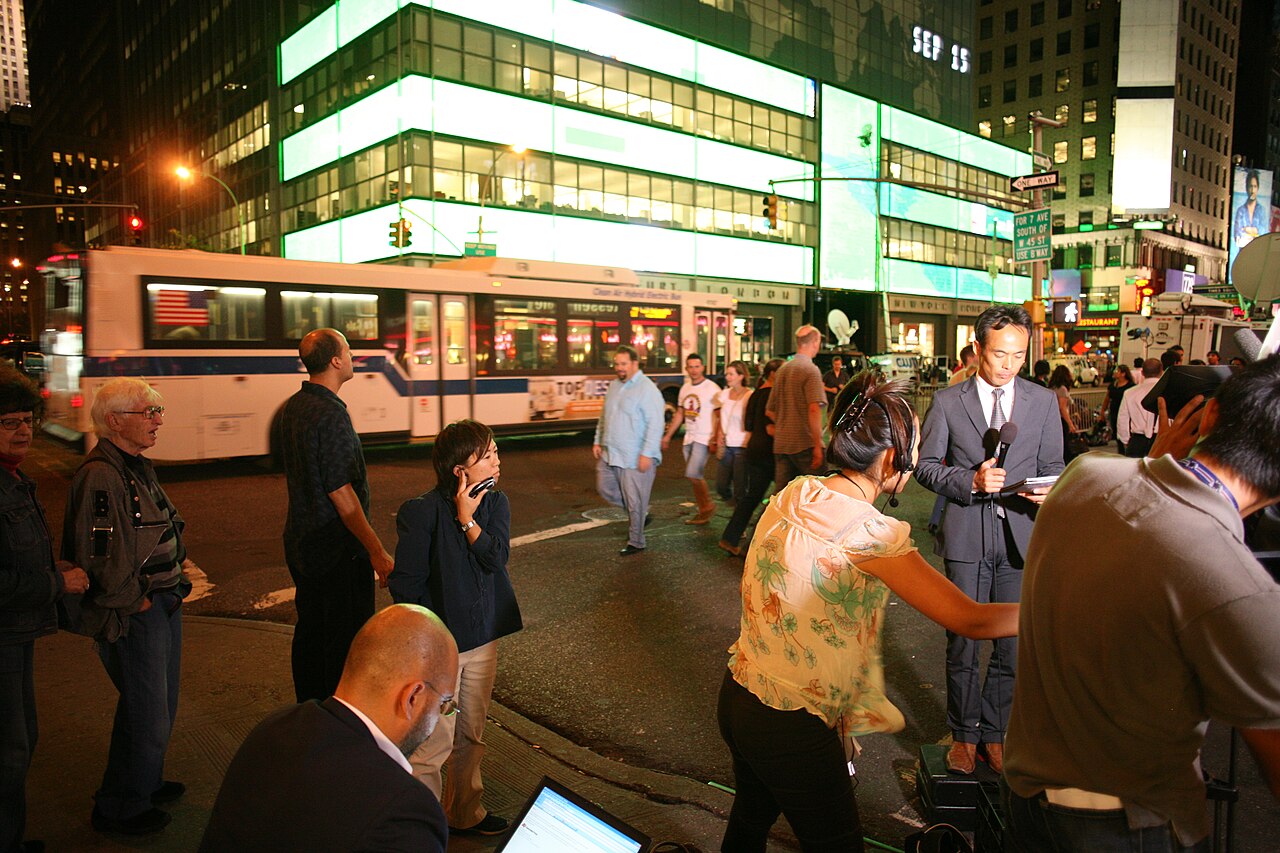
Three Mark I tanks, including the D1 Male mounting 6-pounder guns, made the first combat deployment of armored vehicles at Flers–Courcelette after months earlier leaving sheds at Lincoln and Elswick.
A British Mark I tank on manoeuvres before first combat use — Bain News Service
Three huge mechanical monsters lumbered across the churned earth of the Somme this morning, frightening German soldiers who had never seen their like.
The British Mark I tank designated D1, a Male variant mounting 6-pounder guns, led the first combat deployment of armored fighting vehicles at the Battle of Flers–Courcelette. Signaller Bert Chaney, watching from the trenches, reported that the strange machines sent enemy troops scrambling in confusion. The devices had left their assembly sheds at Lincoln and Elswick only months before, part of an initial order of 150 placed 12 February with Fosters of Lincoln and the Metropolitan Railway Carriage & Wagon Company.
To preserve secrecy during rail transport, the crates bore the misleading label "With Care to Petrograd."
The first tank used in combat was a British Mark I Male designated D1 at the Battle of Flers-Courcelette on 15 September 1916.
Signaller Bert Chaney reported that 'three huge mechanical monsters' frightened German soldiers on the battlefield.
The first order for tanks was placed on 12 February 1916, with a total of 150 built by Fosters and Metropolitan Railway.
To conceal their purpose, the first tanks were labelled 'With Care to Petrograd.'
1835 — HMS Beagle Anchors at Galápagos; Darwin Lands at San Cristobal
The voyage that would reshape natural philosophy brings the survey vessel to the easternmost island of the archipelago.
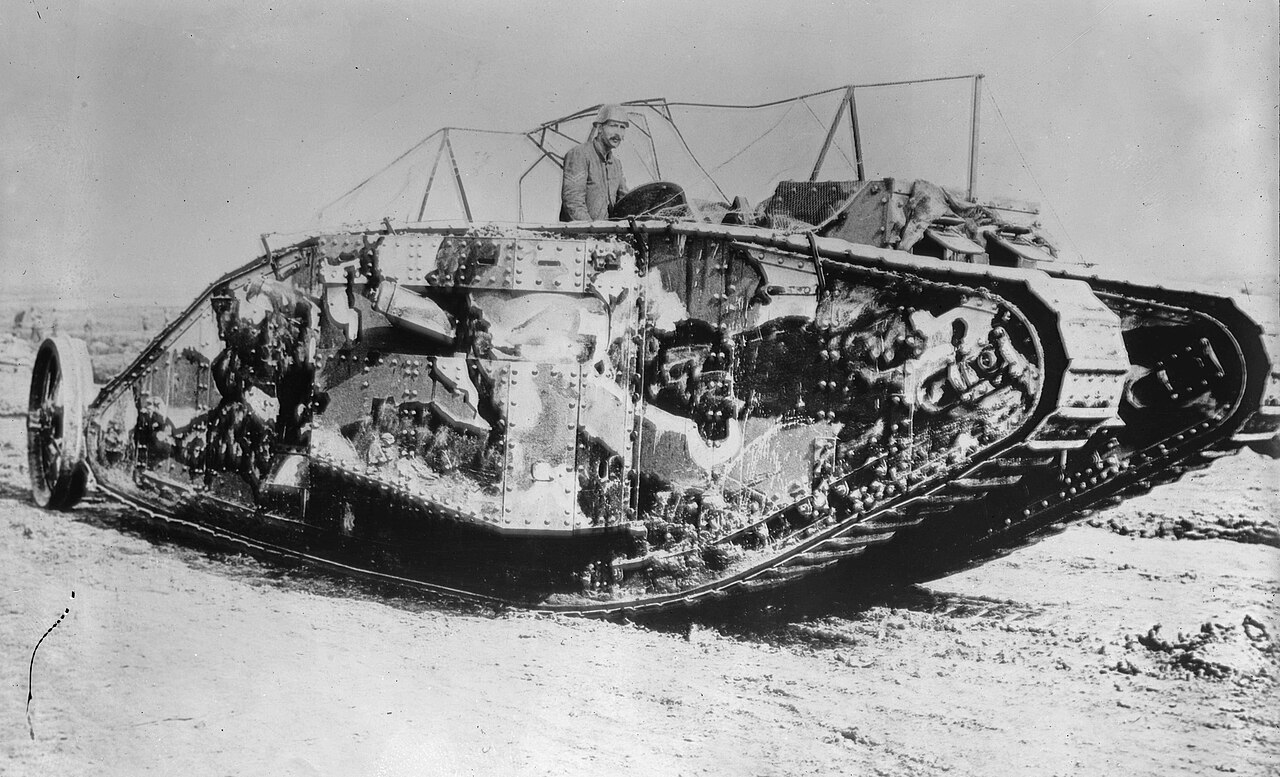
The survey ship Beagle anchors off the Galápagos while islanders paddle out in canoes — R. T. Pritchett
The observations made here will overturn fixed notions of creation itself. HMS Beagle, bearing the naturalist Charles Darwin, has reached the Galápagos Islands and dropped anchor off San Cristobal, the easternmost of the group.
The ship made landfall this day at Chatham, as the island is also known. Gentlemen aboard report strange varieties of tortoise and finch that vary from isle to isle, specimens to be collected and catalogued for shipment to England.
HMS Beagle, with Charles Darwin aboard, reaches the Galápagos Islands. The ship lands at Chatham or San Cristobal, the easternmost of the archipelago.
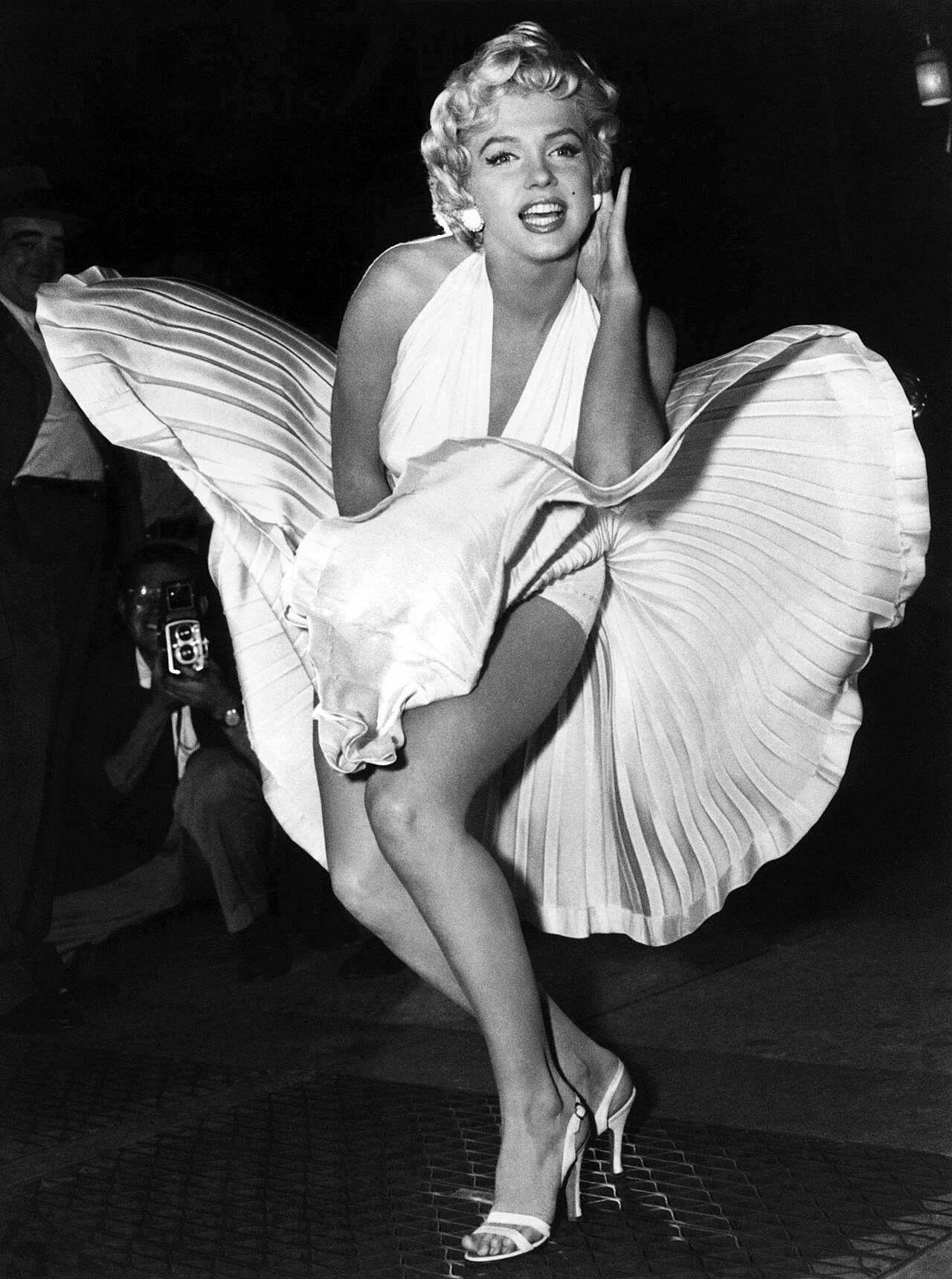
1954 — Marilyn Monroe Shoots Subway Grate Scene for 'Seven Year Itch'
The white dress was designed by William Travilla while his wife Dona Drake was away; Joe DiMaggio reportedly despised it.
Monroe stands over the subway grate as her white dress billows upward — Sam Shaw
The summer of 1954 belonged to wide screens and wider skirts, to television's encroachment and the last gasp of the great studio machines. In the middle of it, Billy Wilder attempted something simpler: a white dress and a subway grate.
The director filmed Marilyn Monroe standing over a ventilation shaft outside the Trans-Lux 52nd Street Theatre at 1:00 a.m. this morning, the scene scheduled for maximum crowd control. Hundreds of fans materialized anyway, pressing against police barricades, shouting, flashbulbs popping. Wilder abandoned the location within hours.
The production retreated to Stage 9 at 20th Century Fox, where technicians recreated the Lexington Avenue setting under controlled conditions. There, Monroe performed the shot that would become the signature image of the decade: dress billowing, shoulders bare, laughing down at the camera.
Costume designer William Travilla had constructed the white halter dress in a single day while his wife, actress Dona Drake, was vacationing in Hawaii. Monroe's husband, baseball star Joe DiMaggio, is said to have hated the garment. The marriage would not survive the year.
The scene was scheduled to shoot on the street outside the Trans-Lux 52nd Street Theatre at 1:00 am on September 15, 1954.
Hundreds of fans gathered to watch the filming, so director Billy Wilder reshot the moment on a set at 20th Century Fox.
The white dress was designed by costume designer William Travilla in 1954 while his wife Dona Drake was on vacation.
Monroe's husband at the time, Joe DiMaggio, is said to have 'hated' the dress.
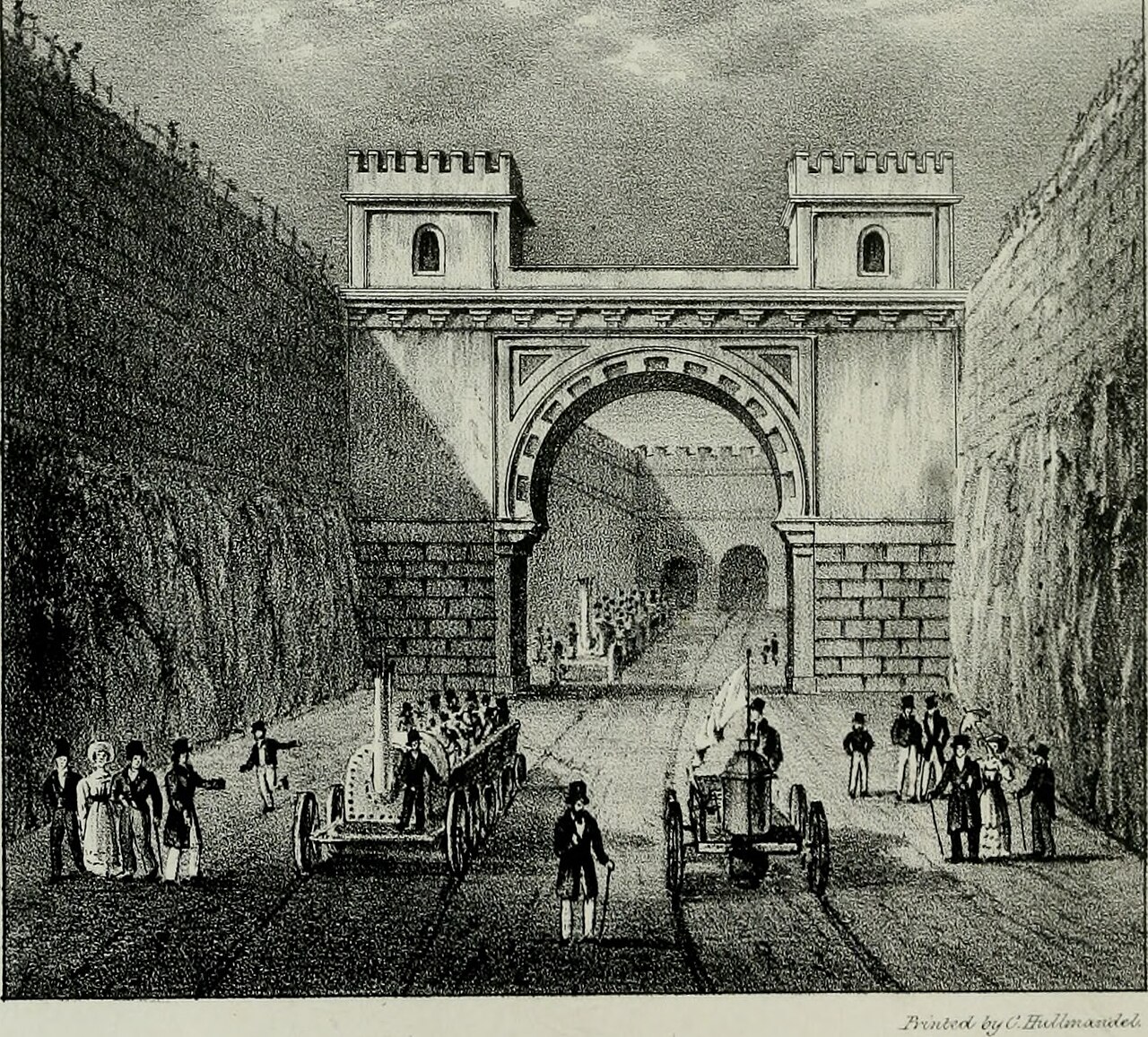
1830 — DUKE OPENS LIVERPOOL-MANCHESTER RAIL; MP SLAIN BY LOCOMOTIVE
The Liverpool and Manchester Railway becomes the first to rely exclusively on steam power, with the Duke of Wellington present.
The Duke of Wellington's train enters the Liverpool Road cutting at the railway's opening — Internet Archive Book Images
The Duke of Wellington, Prime Minister, this day presided over the opening of the Liverpool and Manchester Railway, the first locomotive-hauled line to unite two great cities, and the first to forbid horse-drawn traffic entirely. His Grace rode in the opening train, drawn by the engine Northumbrian, as it entered the Liverpool Road cutting.
The railway runs double-track throughout, with proper signalling, timetables, and mail service—novelties upon the iron road. Termini stand at Liverpool Road in Manchester and Crown Street in Liverpool.
Tragedy marred the occasion. William Huskisson, Member for Liverpool, fell upon the track and was struck by the locomotive Rocket. He died of his injuries. The Duke's train halted, but could not save him.
The Liverpool and Manchester Railway was the first to rely exclusively on steam locomotives, with no horse-drawn traffic permitted.
On opening day, William Huskisson, MP for Liverpool, was killed after being struck by the locomotive Rocket.
The Duke of Wellington, the Prime Minister, rode in the opening train drawn by the locomotive Northumbrian.
The railway had termini at Liverpool Road in Manchester and Crown Street in Liverpool.
It was the first railway to be entirely double track and have a true signalling system, timetables, and mail service.
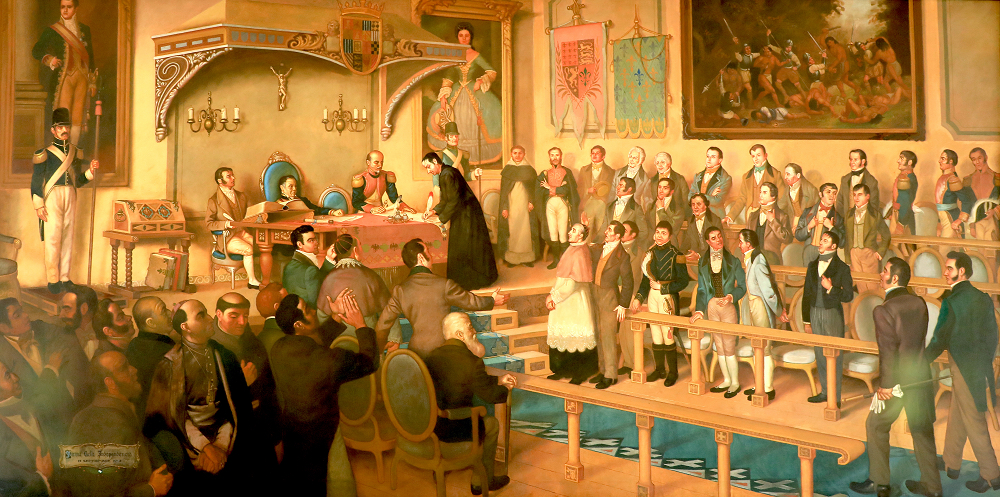
1821 — CENTRAL AMERICA DECLARES INDEPENDENCE FROM MADRID; GUATEMALA COUNCIL ACTS
The Provincial Council of Guatemala, led by Gabino Gaínza with an Act drafted by José Cecilio del Valle, proclaimed Central America's independence from the Spanish Empire in a ceremony witnessed at the site now called Centennial Park.
The Provincial Council of the Province of Guatemala, assembled at the National Palace in Guatemala City, this day proclaimed the independence of Central America from the Spanish Empire. Gabino Gaínza presided; Honduran man of letters José Cecilio del Valle penned the Act.
Signatories included José Matías Delgado, José Lorenzo de Romaña, and José Domingo Diéguez. The declaration names the site, now called Centennial Park, as witness to the proceedings.
The Act of Independence of Central America was proclaimed by the Provincial Council of the Province of Guatemala on 15 September 1821.
The meeting was chaired by Gabino Gaínza and the text was written by Honduran intellectual José Cecilio del Valle.
Representatives including José Matías Delgado, José Lorenzo de Romaña, and José Domingo Diéguez signed the Act.
The declaration took place at the National Palace in Guatemala City, the site now known as Centennial Park.
Article 2 of the Act called for a congress to decide the form of government, but the congress never met.
1776 — BRITISH LAND UNOPPOSED AT KIP'S BAY; AMERICANS FLEE
General William Howe seizes the beachhead that places New York City in British hands.
General William Howe landed British forces at Kip's Bay on Manhattan this morning without opposition, American defenders having abandoned their positions under artillery fire. The landing places New York City under British control.
The Americans fled before the British advance, leaving arms and baggage behind.
British forces under General William Howe landed at Kip's Bay, Manhattan, on September 15, 1776.
The landing at Kip's Bay enabled Howe to seize control of New York City.
The British landing at Kip's Bay was followed by the Battle of Harlem Heights on September 16, 1776.
1862 — Jackson Takes Harpers Ferry; 12,000 Union Soldiers Captured
Confederate artillery on Maryland Heights and Loudoun Heights fired for three days before Stonewall Jackson accepted the garrison's surrender this morning.
Confederate Major General Thomas J. 'Stonewall' Jackson positioned nearly 50 guns on Maryland Heights and at the base of Loudoun Heights. The artillery thundered for three days before the garrison surrendered this morning. Confederate forces captured more than 12,000 Union prisoners at Harpers Ferry. Union commander Colonel Dixon S. Miles was mortally wounded by an artillery shell before he could surrender.
Confederate forces captured more than 12,000 Union prisoners at Harpers Ferry.
Union commander Colonel Dixon S. Miles was mortally wounded by an artillery shell before he could surrender.
Confederate Major General Thomas J. 'Stonewall' Jackson positioned nearly 50 guns on Maryland Heights and at the base of Loudoun Heights.
The battle lasted from September 12 to September 15, 1862, as part of the Maryland Campaign.
Jackson's men rushed to Sharpsburg, Maryland, to rejoin General Robert E. Lee for the Battle of Antietam after processing the prisoners.
1935 — Nuremberg Laws Remove Citizenship, Bar Mixed Unions
German Jews became state subjects under statutes enacted at today's special Reichstag session.
The Reich Citizenship Law restricted citizenship to people of 'German or related blood'. The Law for the Protection of German Blood and German Honour forbade marriages and sexual relations between Jews and Germans. A November decree would define who was legally Jewish. Prosecutions were delayed until after the 1936 Berlin Olympics.
The Nuremberg Laws were enacted on 15 September 1935 at a special session of the Reichstag during the annual Nuremberg Rally.
The Law for the Protection of German Blood and German Honour prohibited marriages and sexual relations between Jews and Germans.
The Reich Citizenship Law restricted citizenship to people of 'German or related blood', reducing others to state subjects without full rights.
A supplementary decree on 14 November 1935 defined who was legally considered Jewish and brought the Reich Citizenship Law into effect.
Prosecutions under the laws were delayed until after the 1936 Summer Olympics in Berlin to avoid international criticism.
1791 — De Gouges Publishes Declaration of Rights for Woman and Female Citizen
1791: French playwright answers revolutionary constitution with 17 articles demanding female equality.
Playwright Olympe de Gouges published today the Declaration of the Rights of Woman and of the Female Citizen. The text answers the 1789 Declaration of the Rights of Man and of the Citizen. She dedicated it to Queen Marie Antoinette, calling her the most detested of women. The declaration opens by asking whether man is capable of fairness.
Olympe de Gouges published the Declaration of the Rights of Woman and of the Female Citizen on 15 September 1791.
The declaration was written in response to the 1789 Declaration of the Rights of Man and of the Citizen.
De Gouges dedicated the text to Queen Marie Antoinette, whom she described as 'the most detested' of women.
The declaration opens with the quote: 'Man, are you capable of being fair? A woman is asking: at least you will allow her that right.'
De Gouges wrote the declaration shortly after the French Constitution of 1791 was ratified by King Louis XVI.
1978 — Ali Decisions Spinks, Becomes First Three-Time Heavyweight Champ
Muhammad Ali takes 15-round unanimous decision at New Orleans Superdome.
Muhammad Ali made history again. The 36-year-old former champion outpointed Leon Spinks over 15 rounds at the Superdome in New Orleans tonight to become the first boxer ever to win the world heavyweight title three times.
At the Superdome in New Orleans, Muhammad Ali outpoints Leon Spinks in a rematch to become the first boxer to win the world heavyweight title three times.
2017 — Parsons Green Bucket Bomb Injures 30 on London Tube Train
Thirty passengers suffered burns aboard the District line when a homemade bucket bomb partially exploded at 08:20 BST.
Thirty passengers suffered burns when a homemade bomb partially exploded aboard an eastbound District line train at Parsons Green station in West London at approximately 08:20 BST this morning. The device, a "bucket bomb" containing TATP and shrapnel, failed to detonate fully.
The explosion occurred at around 08:20 BST on a District line train at Parsons Green station in London.
Thirty people were treated for burns caused by a 'bucket bomb' containing TATP and shrapnel that failed to detonate fully.
Police arrested the main suspect, 18-year-old Iraqi asylum seeker Ahmed Hassan, at the Port of Dover the next day.
Hassan had arrived in the United Kingdom two years earlier claiming asylum and lived with an elderly couple in Sunbury-on-Thames.
The incident was classified by Europol as a case of jihadist terrorism.
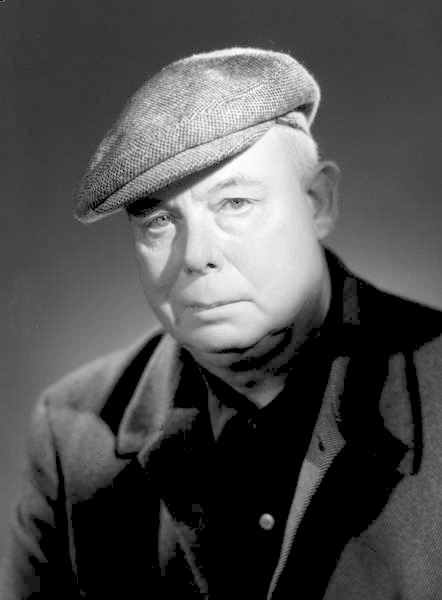
1894Jean RenoirJean Renoir was a French filmmaker, actor, producer and author.
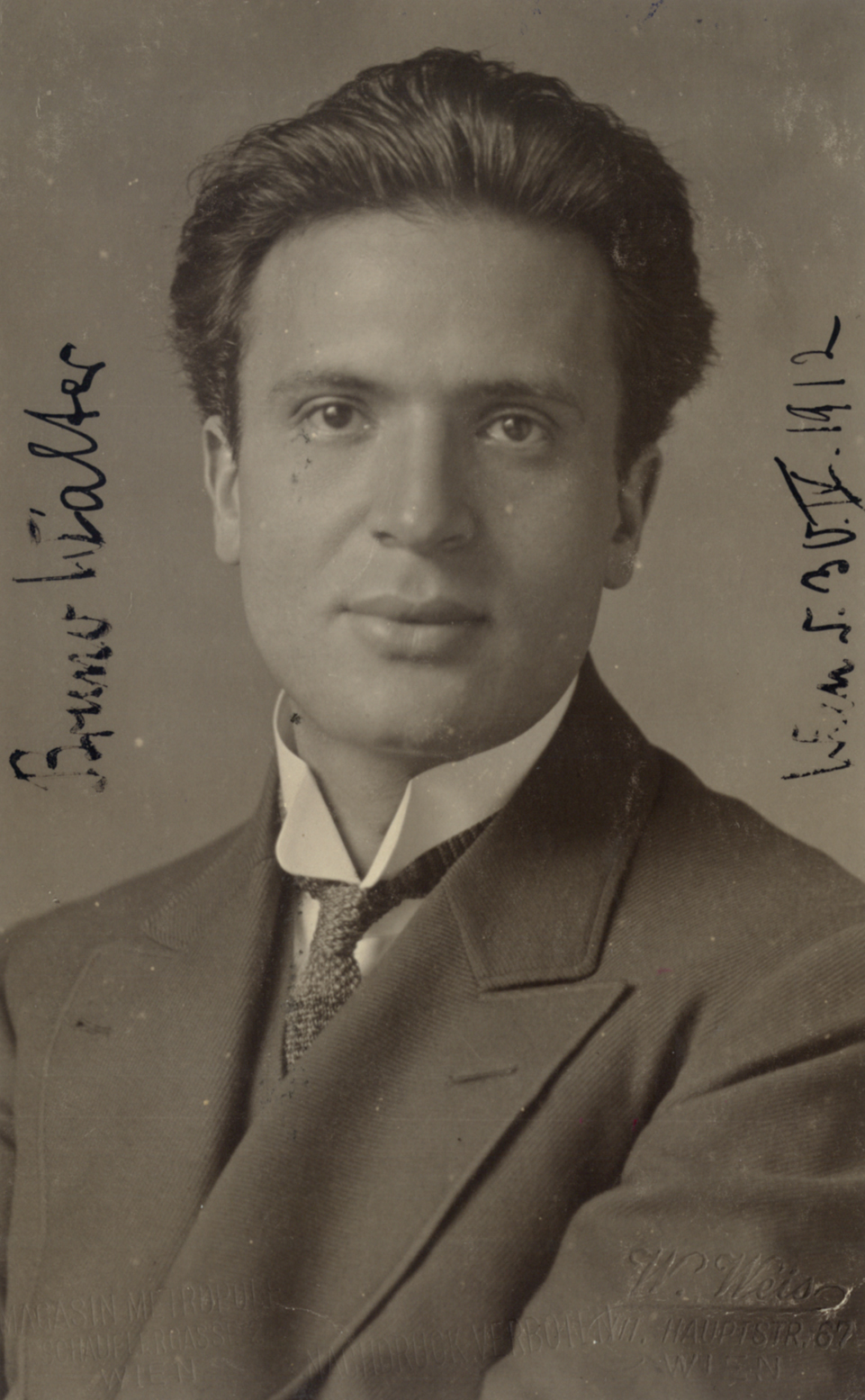
1876Bruno WalterBruno Walter was a German-born conductor, pianist, and composer.
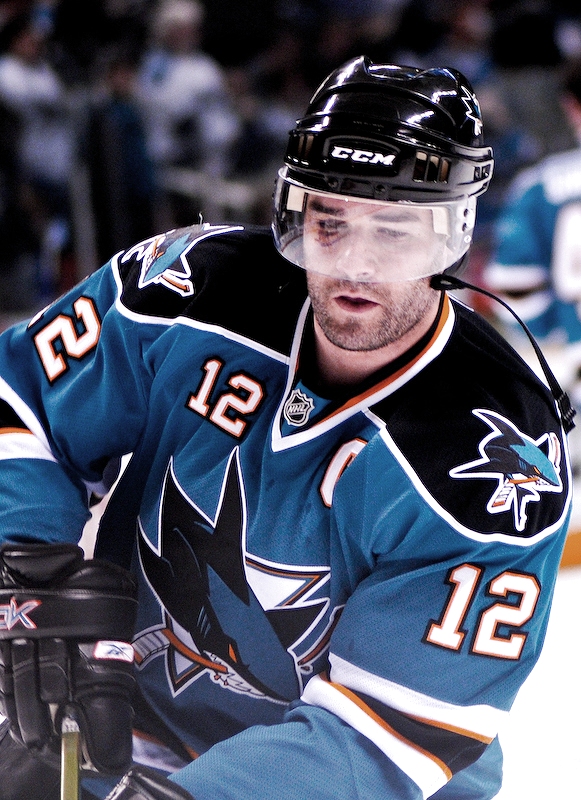
1979Patrick Marleau(47 this year)Patrick Denis Marleau is a Canadian former professional ice hockey forward.
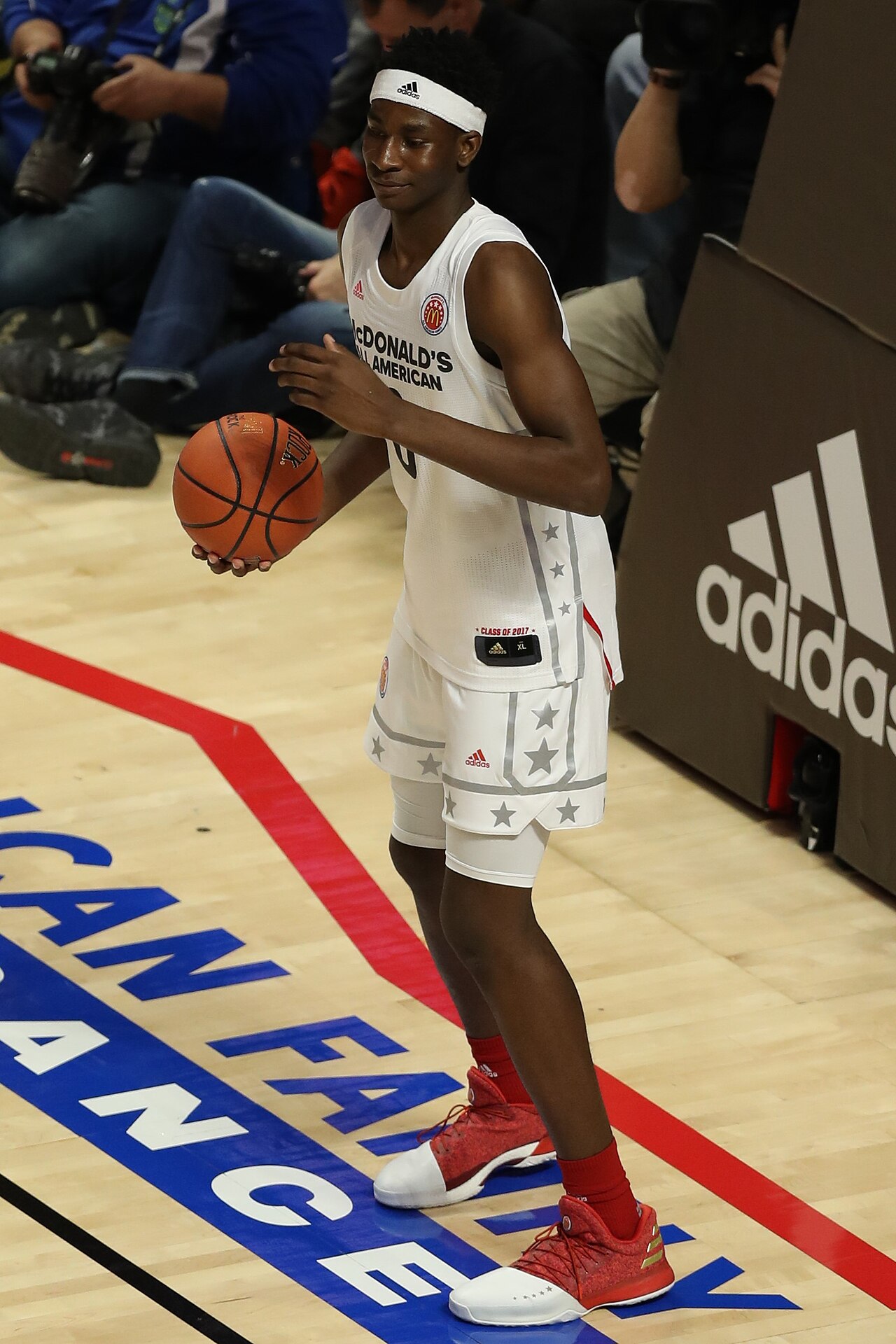
1999Jaren Jackson Jr.(27 this year)Jaren Walter Jackson Jr., nicknamed "The Block Panther", and also known by his initials JJJ, is an American professional basketball player for the Utah Jazz of the National Basketball Association (NBA).
1922Bob AndersonRobert James Gilbert Anderson was an English Olympic fencer and a renowned film fight choreographer, with a cinema career that spanned more than 50 years and included films such as Highlander, The Three Musketeers, Barry Lyndon, The Princess Bride, The Mask of Zorro, the Star Wars film series, The Lord of the Rings film series, the James Bond film series and the Pirates of the Caribbean film series.
1938Gaylord PerryGaylord Jackson Perry was an American right-handed pitcher in Major League Baseball (MLB) who played for eight teams from 1962 to 1983, becoming one of the most durable and successful pitchers in history.
1533Catherine of AustriaCatherine of Austria was one of the fifteen children of Ferdinand I, Holy Roman Emperor and Anna of Bohemia and Hungary.
1852Edward BouchetEdward Alexander Bouchet was an American physicist and educator.
1913Johannes SteinhoffJohannes "Macky" Steinhoff was a Luftwaffe fighter ace during World War II, German general, and NATO official.
1918Phil LamasonPhillip John Lamason, was a pilot in the Royal New Zealand Air Force (RNZAF) during the Second World War, who rose to prominence as the senior officer in charge of 168 Allied airmen taken to Buchenwald concentration camp, Germany, in August 1944.
1918Nipsey RussellJulius "Nipsey" Russell was an American entertainer best known for his appearances as a panelist on game shows from the 1960s through the 1990s, including Match Game, Password, Hollywood Squares, To Tell the Truth, and Pyramid.
1919Fausto CoppiAngelo Fausto Coppi was an Italian cyclist, the dominant international cyclist of the years after the Second World War.
1925Carlo RambaldiCarlo Rambaldi was an Italian special effects and makeup effects artist.
1933Rafael Frühbeck de BurgosRafael Frühbeck de Burgos was a Spanish conductor and composer.
1936Ashley CooperAshley John Cooper AO was an Australian tennis player who played between 1953 and 1968.
1937Robert Lucas Jr.Robert Emerson Lucas Jr. was an American economist at the University of Chicago.
1937King Curtis IaukeaCurtis Piehu Iaukea III was an American professional wrestler better known as King Curtis Iaukea.
1945Jessye NormanJessye Mae Norman was an American opera singer and recitalist.
1952Richard Brodeur(74 this year)Richard Brodeur, is a Canadian former professional ice hockey goaltender.
1954Hrant DinkHrant Dink was a Turkish-Armenian journalist, human rights activist, founder and editor-in-chief of Agos.
1956Ned Rothenberg(70 this year)Ned Rothenberg is an American multi-instrumentalist and composer.
1961Dan Marino(65 this year)Daniel Constantine Marino Jr. is an American former professional football quarterback who played in the National Football League (NFL) for 17 seasons with the Miami Dolphins.
1961Helen Margetts(65 this year)Helen Zerlina Margetts is Professor of Political Science and Public Policy at the London School of Economics and Director of the LSE Data Science Institute.
1971Nathan Astle(55 this year)Nathan John Astle is a former New Zealand cricketer, who played all formats of the game.
1976Brett Kimmorley(50 this year)Brett "Noddy" Kimmorley is an Australian rugby league coach and former professional rugby league footballer who played in the 1990s, 2000s, & early 2010s. A New South Wales interstate and Australian international representative halfback, he last played for the Canterbury-Bankstown Bulldogs of the NRL.
Quote of the Day
“Four score and seven years ago our fathers brought forth on this continent, a new nation, conceived in Liberty, and dedicated to the proposition that all men are created equal.” — Abraham Lincoln, Complete Works of Abraham Lincoln
September 15 History Quiz
What was the filing date of Lehman Brothers' historic bankruptcy in 2008?
September 15
In which 1955 film did Marilyn Monroe film the famous subway grate scene?
The Seven Year Itch
Where did tanks see their first combat use in 1916?
Every event on this page was picked by hand from the historical record, written up as a news report, and checked against its source. Photographs are matched to the event they illustrate and verified before they are used. Sources are linked on each story.


 “Nel Blu Dipinto Di Blu (Volare)”,
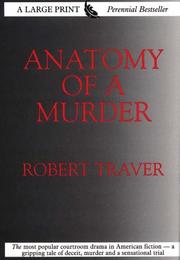 Anatomy of a Murder, Robert Traver
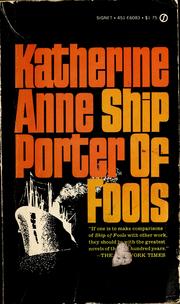 Ship of Fools, Katherine Anne Porter
 “Delta Dawn”,
  The Hollow Hills, Mary Stewart
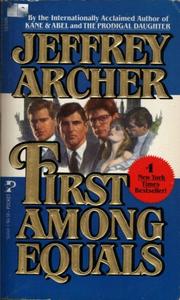 First Among Equals, Jeffrey Archer
 “Release Me”,
  Memories of Midnight, Sidney Sheldon
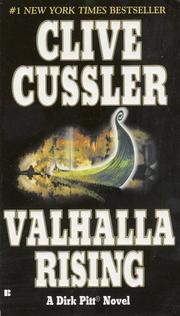 Valhalla Rising, Clive Cussler
 “Whistle”,
 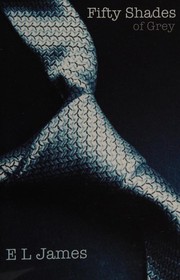 Fifty Shades of Grey, E. L. James