Our front page for September 6 — written and set by The Yesterday Times from the events below. Not an archival document.
Day of the year
249
Days left in 2026
116
In 2026 it falls on a
Sunday
Star sign
Virgo
Birthstone
Sapphire
On September 6 in 1995, 31 years ago, Ripken Breaks Gehrig's Iron-Man Mark at 2,131 Games. This page reports 8 stories from the date, 25 people born on this day.
The stories in full
Ballpark
1995 — Ripken Breaks Gehrig's Iron-Man Mark at 2,131 Games
At 35, Ripken reached 2,131 consecutive games to break the 56-year-old, 2,130-game standard that Gehrig set across 14 seasons before dying at 37.
The shortstop signs a bat for the president after breaking the record — Uncredited; White House
The age of iron men had long passed into baseball lore when Cal Ripken Jr. stepped to his position at shortstop Tuesday night, the 2,131st consecutive time he had done so. The number eclipsed Lou Gehrig's mark of 2,130, which had stood since 1939 as the sport's most hallowed record of endurance.
Ripken, 35, broke the 56-year-old standard that Gehrig set across 14 seasons with the New York Yankees, a streak ended only by the fatal illness that claimed the Yankee first baseman at age 37. The Baltimore Orioles shortstop had not missed a game since May 30, 1982.
The moment, voted in an MLB.com poll as the league's most memorable, drew a 22-minute ovation from the Camden Yards crowd. President Bill Clinton was among those present; photographs show Ripken signing a bat for the chief executive after the record became official.
Gehrig's record had long seemed unapproachable, a relic of Depression-era baseball when players suited up wounded or weary. Ripken's pursuit carried none of that desperation, only the methodical accumulation of appearances through 13-plus seasons of ordinary scheduling.
The shortstop added a home run in the fourth inning, a flourish that even Gehrig might have appreciated.
Ripken broke Lou Gehrig's consecutive games record of 2,130, which had stood for 56 years.
Fans voted the moment as the league's 'most memorable moment' in an MLB.com poll.
Ripken played his 2,131st consecutive game on September 6, 1995.
1492 — Columbus Raises Anchor at Gomera, Bound for Cipango by Westering Route
The Genoese admiral departs the Canary Islands with three caravels, seeking the Indies by sails no Christian has set before.
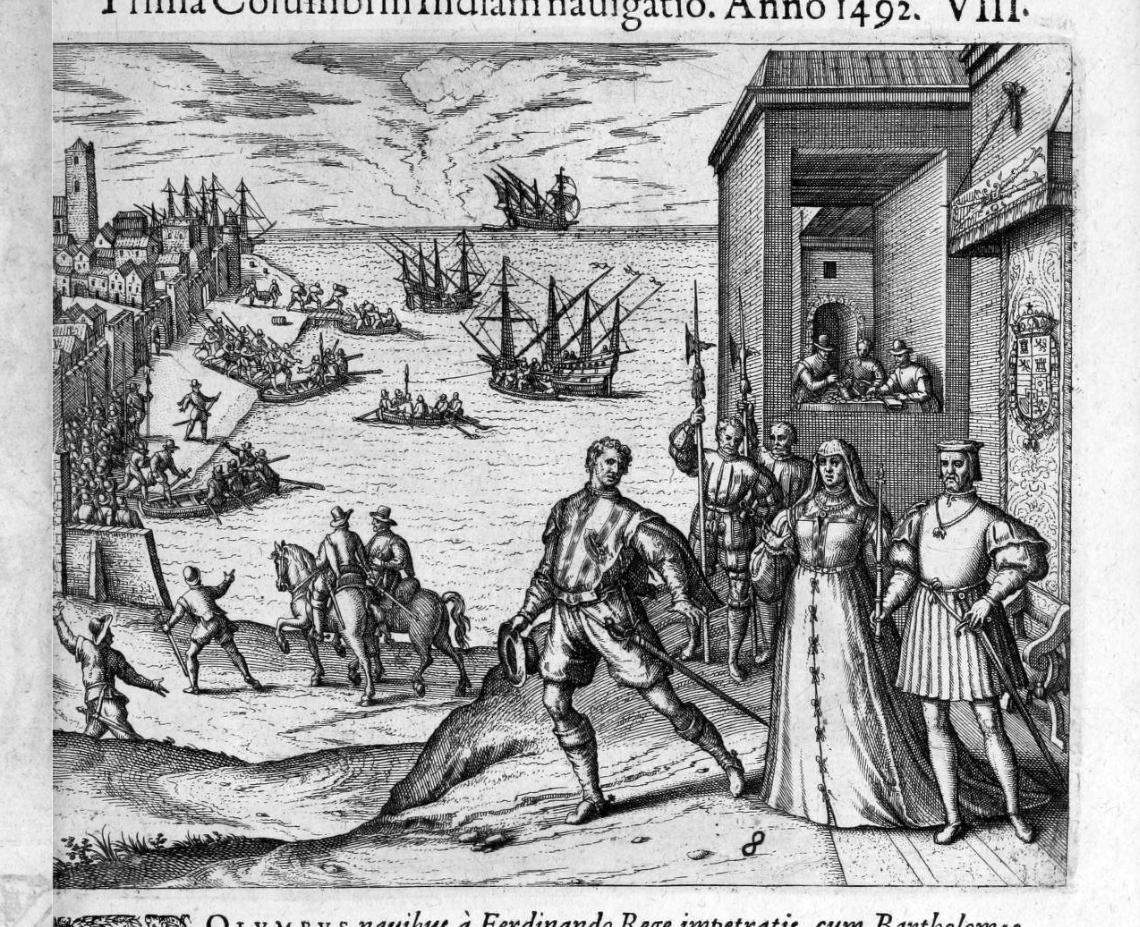
The fleet sails from Palos de la Frontera, August 1492 — Theodor De Bry
Christopher Columbus weighed anchor this day at San Sebastián de La Gomera in the Canary Islands, setting his three ships upon the open Atlantic in search of the eastern shores of Asia. The Genoese navigator, sailing under commission of Their Catholic Majesties Ferdinand and Isabella of Castile and Aragon, departed the Port of Palos in August last with the caravels Niña, Pinta, and Santa María.
His course carries westward, contrary to the counsel of learned men who hold such passage impossible. Columbus maintains that the Ocean Sea is narrower than the philosophers reckon, and that Cipango and the domains of the Great Khan lie but weeks ahead.
The fleet made brief landfall at the Canaries to take on wood and water and repair the Pinta, whose rudder had come unshipped. The Santa María, flagship of the expedition, carries the admiral's standard; the Niña and Pinta are commanded by brothers of the Pinzón family of Palos.
Word of the departure spreads through the islands. Columbus has vowed to return within months, bearing news of the Indies and the wealth thereof.
Columbus wrote a letter aboard the caravel Niña on 15 February 1493 announcing the completion of his first voyage.
Columbus claimed to have taken possession of islands in the Indian Ocean, unaware he had reached a new continent.
Printed versions of Columbus's letter appeared in Barcelona by early April 1493 and in Rome around May 1493.
Columbus's fleet lost the flagship Santa María, which he said he left behind with colonists at La Navidad in Hispaniola.
Columbus set sail from the Port of Palos in August 1492 with three ships and made landfall in the Bahamas on 12 October 1492.
2018 — India's Supreme Court Strikes Down Colonial-Era Gay Sex Ban in Unanimous Ruling
India's five-judge bench ended 157 years of criminalized homosexuality by unanimous order Thursday, though Section 377 still applies to minors, non-consensual acts, and bestiality.
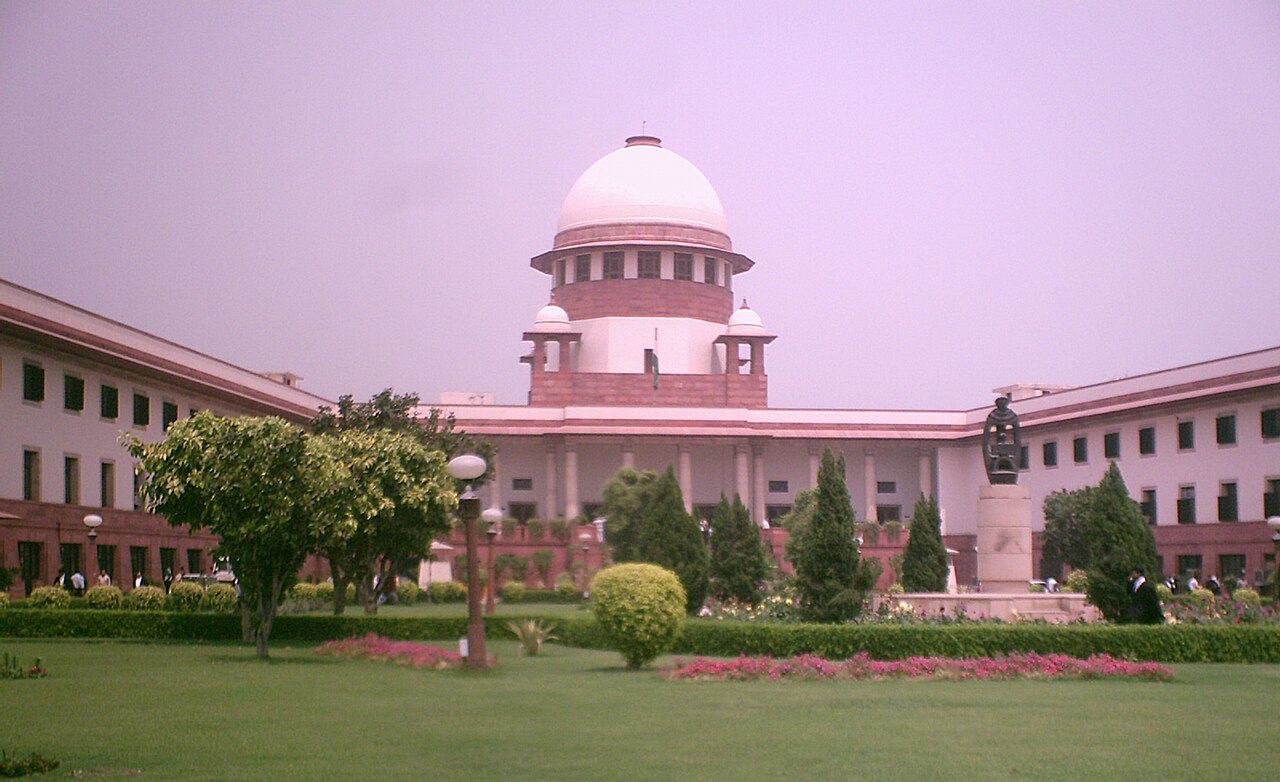
Section 377 fell Thursday by unanimous order of the Supreme Court of India, ending 157 years of criminalized homosexuality rooted in British colonial law. The five-judge bench declared unconstitutional the application of the statute to consensual same-sex acts between adults, though the provision remains in force for sex with minors, non-consensual acts, and bestiality.
Chief Justice Dipak Misra delivered the judgment in Navtej Singh Johar v. Union of India, joined by Justices R.F. Nariman, D.Y. Chandrachud, A.M. Khanwilkar, and Indu Malhotra. The court's language was sweeping: the restriction was deemed "irrational, indefensible and manifestly arbitrary."
The ruling reversed the court's own 2013 decision that had upheld Section 377, a reversal that activists called historic for the world's largest democracy. The 2013 judgment had itself overturned a 2009 Delhi High Court ruling.
The Penal Code provision, imported from England in 1860, carried penalties up to life imprisonment.
On 6 September 2018, the Supreme Court of India ruled unanimously that Section 377 was unconstitutional for consensual same-sex adult sex.
The judgment was delivered by a five-judge bench comprising Chief Justice Dipak Misra and Justices R. F. Nariman, D. Y. Chandrachud, A. M. Khanwilkar, and Indu Malhotra.
The court declared the application of Section 377 to consensual homosexual sex between adults as 'irrational, indefensible and manifestly arbitrary'.
Section 377 remained in force for sex with minors, non-consensual sexual acts, and bestiality after the ruling.
The ruling in Navtej Singh Johar v. Union of India overturned the 2013 Supreme Court decision that had upheld Section 377.
1901 — Anarchist Shoots President McKinley at Buffalo Exposition; Assailant Seized
Czolgosz fires twice at close range as McKinley extends his hand; the wounded executive is taken to hospital.
President William McKinley was shot Friday at the Pan-American Exposition in Buffalo, New York, by Leon Czolgosz, an anarchist who concealed a revolver beneath a handkerchief. The assailant approached the receiving line at the Temple of Music and fired twice as McKinley extended his hand.
President William McKinley died on September 14, 1901, eight days after being shot by Leon Czolgosz.
McKinley was the fourth U.S. president to be assassinated, following Abraham Lincoln and James A. Garfield.
Leon Czolgosz, an anarchist, shot McKinley on September 6, 1901.
2017 — Hurricane Irma Slams Barbuda at Peak Strength, 180 MPH Winds Recorded
Hurricane Irma became the first Category 5 storm to strike the Leeward Islands when it hit Barbuda at 05:45 UTC.
The tenor bell tolled disaster before dawn. At 05:45 UTC, Hurricane Irma crashed into Barbuda at peak intensity, becoming the first Category 5 hurricane ever to strike the Leeward Islands.
Early on September 6, 2017, Hurricane Irma peaked with sustained winds of 180 mph and a minimum pressure of 914 hPa.
At 05:45 UTC on September 6, Irma made landfall on Barbuda at peak intensity as a Category 5 hurricane.
Irma was the first Category 5 hurricane to strike the Leeward Islands on record.
Irma was the strongest tropical cyclone worldwide in 2017 in terms of wind speed.
The storm's central pressure of 914 mbar was the lowest in the Atlantic since Hurricane Dean in 2007.
1916 — Piggly Wiggly Opens in Memphis, Ends Era of Counter Service
Saunders' Memphis innovation lets shoppers pick their own goods, eliminating the need for clerks to retrieve items from behind counters.
Clarence Saunders opened the first self-service grocery store in Memphis this year. Piggly Wiggly abolished the 'over the counter' system where clerks fetched goods. Customers now select their own items from shelves. The store requires far fewer clerks to operate.
The first self-service grocery store, Piggly Wiggly, opened in 1916 in Memphis, Tennessee.
Clarence Saunders, an inventor and entrepreneur, founded the first self-service grocery store.
Before Piggly Wiggly, grocery stores operated 'over the counter' with customers asking a clerk to retrieve items.
Saunders' invention required a much smaller number of clerks to service customers.
A 1929 Time article stated the store's success was due to novelty, neat packages, and large advertising appropriations.
1997 — Diana's Funeral Draws Estimated 2.5 Billion Global Viewers in Unprecedented Television Vigil
2,000 mourners fill Westminster Abbey as Elton John performs rewritten 'Candle in the Wind' and gun carriage bears princess on final journey.
In an age when television had already shrunk the globe, the death of a princess proved how thoroughly the medium could command collective grief. An estimated 2.5 billion people worldwide watched the funeral of Diana, Princess of Wales, on September 6, 1997, making it one of the most-watched televised events in history.
The ceremony began at 9:08 am when the tenor bell of Westminster Abbey tolled. Two thousand people attended the service inside, while the British television audience averaged 32.10 million, one of the UK's highest viewing figures ever recorded.
Diana's coffin traveled from Kensington Palace on a gun carriage drawn by riders of the King's Troop. Elton John sang a 1997 rendition of "Candle in the Wind" with new lyrics written as tribute to the princess.
The figures suggest one in three humans alive witnessed the rites.
The funeral began at 9:08 am on 6 September 1997 when the tenor bell of Westminster Abbey tolled.
Diana's coffin was carried from Kensington Palace on a gun carriage by riders of the King's Troop.
Two thousand people attended the ceremony at Westminster Abbey.
The British television audience averaged 32.10 million, one of the UK's highest viewing figures.
An estimated 2 to 2.5 billion people watched worldwide, making it one of the most-watched televised events in history.
1566 — Suleiman the Magnificent Dies at 71 in Hungarian Campaign Tent
Suleiman expired at 71 on September 6, 1566, one day before Szigetvár fell; Sokollu Mehmed Pasha hid the death for 48 days.
Suleiman the Magnificent, longest-reigning sultan of the Ottoman Empire, died at 71 in his tent on September 6, 1566, commanding an expedition to Hungary one day before Szigetvár's fall.
Grand Vizier Sokollu Mehmed Pasha concealed the death for 48 days to prevent soldiers from abandoning the siege.
Suleiman died in his tent on September 6, 1566, one day before the fall of Szigetvár.
His death was kept secret for 48 days to prevent Ottoman soldiers from abandoning the siege.
A courier was dispatched with a message for Suleiman's successor, Selim II.
Suleiman's heart, liver, and other organs were buried in Turbék, outside Szigetvár.
Grand Vizier Sokollu Mehmed Pasha kept the sultan's death secret during the retreat.
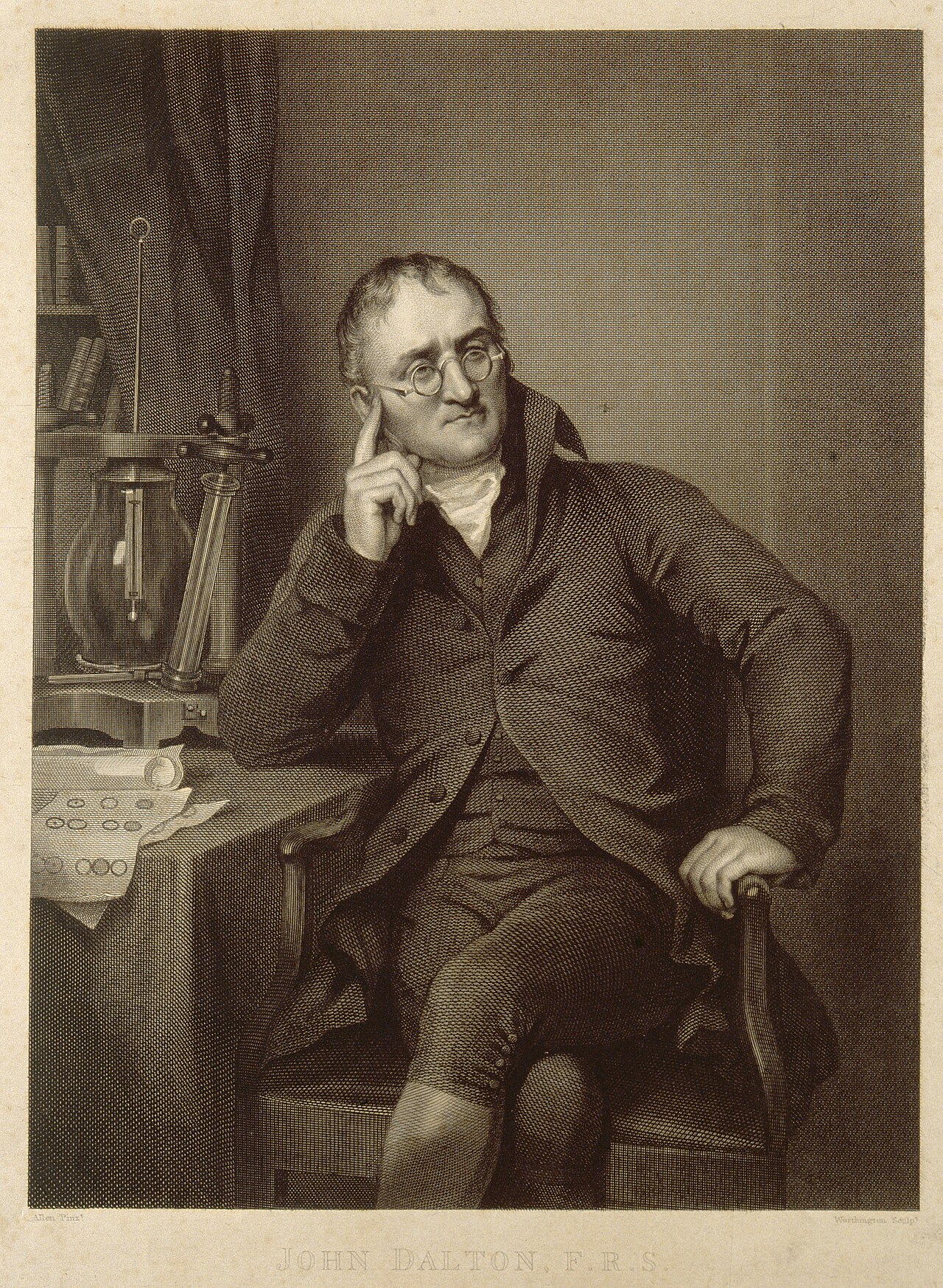
1766John DaltonJohn Dalton was an English chemist, physicist, and meteorologist whose work laid the foundations of modern atomic theory and stoichiometric chemistry.
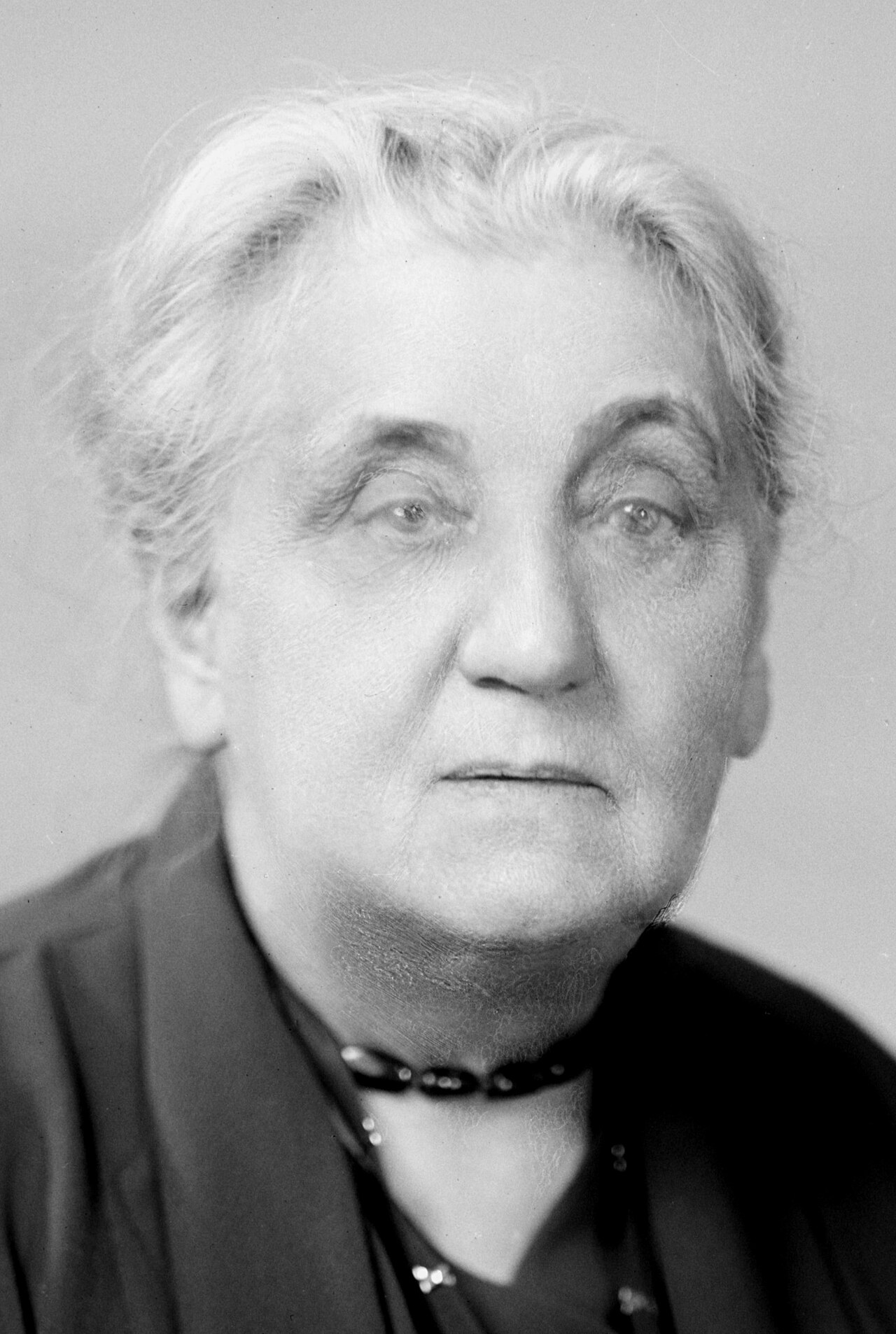
1860Jane AddamsLaura Jane Addams was an American settlement activist, reformer, social worker, sociologist, public administrator, philosopher, and author.
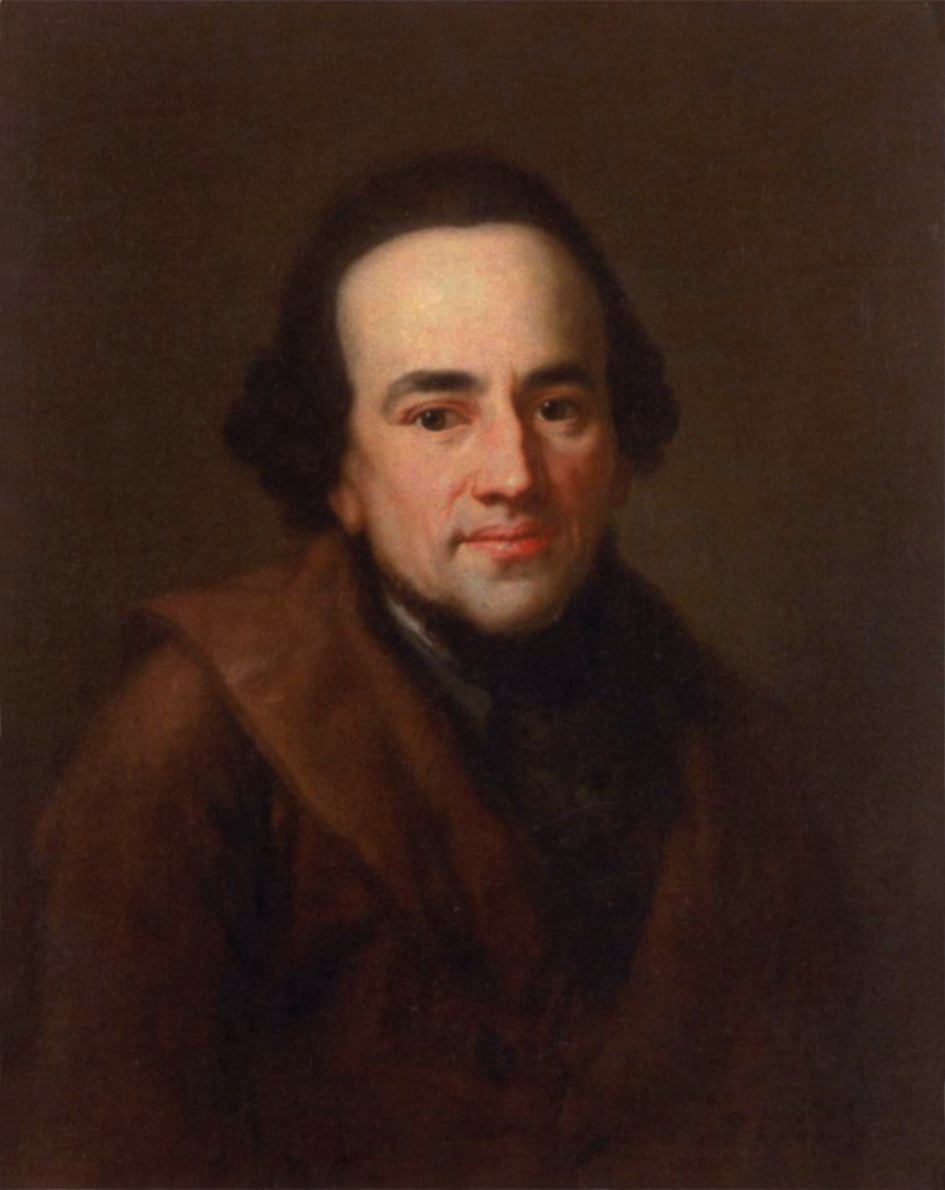
1729Moses MendelssohnMoses Mendelssohn was a German-Jewish philosopher and theologian.
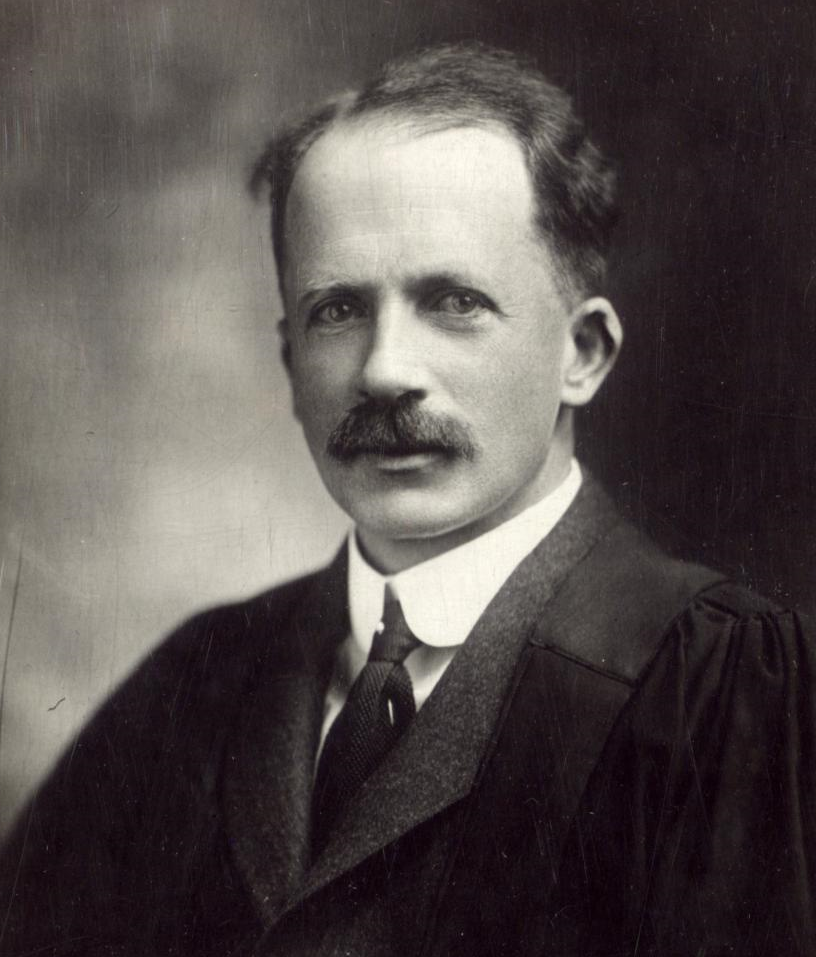
1876John MacleodJohn James Rickard Macleod, was a Scottish biochemist and physiologist.
1906Luis Federico LeloirLuis Federico Leloir was an Argentine physician and biochemist who received the 1970 Nobel Prize in Chemistry for his discovery of the metabolic pathways by which carbohydrates are synthesized and converted into energy in the body.
1757Gilbert du MotierMarie-Joseph Paul Yves Roch Gilbert du Motier, Marquis de La Fayette, known in the United States as Lafayette, was a French military officer and politician who volunteered to join the Continental Army, led by General George Washington, in the American Revolutionary War.
1857Zelia NuttallZelia Maria Magdalena Nuttall was an American archaeologist and anthropologist who specialised in pre-Aztec Mexican cultures and pre-Columbian manuscripts.
1899Billy RoseBilly Rose was an American impresario, theatrical showman, lyricist and columnist.
1900Julien GreenJulien Green, often Julian Green, was an American writer who lived most of his life in France and wrote primarily in French, although he also wrote some works in English.
1920Elvira PagãElvira Olivieri Cozzolino, better known by her stage name Elvira Pagã, was a Brazilian vedette, actress, singer, writer, and painter.
1931Bud ShrakeEdwin A. "Bud" Shrake Jr. was an American journalist, sportswriter, novelist, biographer and screenwriter.
1935Isabelle Collin DufresneIsabelle Collin Dufresne, known professionally as Ultra Violet, was a French-American artist, actress, and writer.
1938Joan Tower(88 this year)Joan Tower is a Grammy-winning contemporary American composer, concert pianist, and conductor.
1961Wendi Richter(65 this year)Victoria "Wendi" Richter is an American occupational therapist and former professional wrestler.
1963Mark Chesnutt(63 this year)Mark Nelson Chesnutt is an American country music singer and songwriter.
1967William DuVall(59 this year)William Bradley DuVall is an American musician.
1968Saeed Anwar(58 this year)Saeed Anwar is a Pakistani former cricketer and captain of the national Test and ODI teams.
1968Christopher Brookmyre(58 this year)Christopher Brookmyre is a Scottish novelist whose novels, generally in a crime or police procedural frame, mix comedy, politics, social comment and action with a strong narrative.
1970DJ Spooky(56 this year)Paul Dennis Miller, known professionally as DJ Spooky, That Subliminal Kid, is an American electronic and experimental hip hop musician whose work is often called by critics "illbient" or "trip hop".
1978Homare Sawa(48 this year)Homare Sawa is a Japanese former professional footballer who played as a forward and midfielder.
1980Kerry Katona(46 this year)Kerry Jayne Elizabeth Katona is an English media personality and former singer.
1984William Porterfield(42 this year)William Thomas Stuart Porterfield is an Irish former cricketer from Northern Ireland and a former captain of the Ireland cricket team.
1985Lauren Lapkus(41 this year)Dorthea Lauren Allegra Lapkus is an American actress and comedian, known for portraying Susan Fischer in the Netflix comedy-drama series Orange Is the New Black, Denise in The Big Bang Theory (2018–2019), and Jess in the HBO comedy-drama series Crashing (2017–2019).
1993Alex Poythress(33 this year)Alex Poythress is an American-born naturalized Ivorian professional basketball player for Zenit Saint Petersburg of the VTB United League.
1995Mustafizur Rahman(31 this year)Mustafizur Rahman is a Bangladeshi international cricketer.
Quote of the Day
“If you know the enemy and know yourself, you need not fear the result of a hundred battles.” — Sun Tzu (trans. Lionel Giles), The Art of War
September 6 History Quiz
On September 6, 1995, Cal Ripken Jr. broke whose record for most consecutive MLB games played?
Lou Gehrig
In which year did the Supreme Court of India strike down Section 377, decriminalizing homosexuality?
2018
Where did Christopher Columbus first make landfall on his 1492 voyage?
Every event on this page was picked by hand from the historical record, written up as a news report, and checked against its source. Photographs are matched to the event they illustrate and verified before they are used. Sources are linked on each story.




 “Honky Tonk Women”,
  The Love Machine, Jacqueline Susann
 “Rhinestone Cowboy”,
 Ragtime, E. L. Doctorow
 “Upside Down”,
 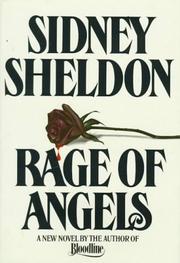 Rage of Angels, Sidney Sheldon
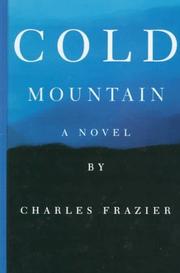 Cold Mountain, Charles Frazier
 The Teeth of the Tiger, Tom Clancy
 Outlander, Diana Gabaldon
 We Are All Guilty Here, Karin Slaughter