Our front page for September 2 — written and set by The Yesterday Times from the events below. Not an archival document.
Day of the year
245
Days left in 2026
120
In 2026 it falls on a
Wednesday
Star sign
Virgo
Birthstone
Sapphire
On September 2 in 1998, 28 years ago, Swissair Jet Crashes Off Nova Scotia, 229 Dead. This page reports 13 stories from the date, 25 people born on this day.
The stories in full
Aviation Safety
1998 — Swissair Jet Crashes Off Nova Scotia, 229 Dead
Smoke in the cockpit preceded the loss of contact with the McDonnell Douglas MD-11, which plunged into the Atlantic about 10 kilometers southwest of the village shortly after 10 p.m., killing 215 passengers and 14 crew.
Two hundred twenty-nine people died when Swissair Flight 111 crashed into the ocean off Peggy's Cove, Nova Scotia, tonight, making it the deadliest aviation accident in Canadian history.
The McDonnell Douglas MD-11, en route from New York to Geneva, plummeted into the Atlantic about 10 kilometers southwest of the fishing village shortly after 10 p.m. local time. All 215 passengers and 14 crew members perished.
Search vessels and aircraft from Canadian Forces Base Shearwater raced to the crash site in St. Margaret's Bay as dawn broke. Recovery crews reported debris scattered across a wide area and confirmed no survivors.
Swissair, the national carrier of Switzerland, expressed shock and announced it would dispatch officials to assist families. The aircraft had declared an emergency due to smoke in the cockpit before contact was lost.
Peggy's Cove, a tourist destination known for its lighthouse, became the center of an international recovery operation.
Swissair Flight 111 crashes near Peggy's Cove, Nova Scotia; all 229 people on board are killed.
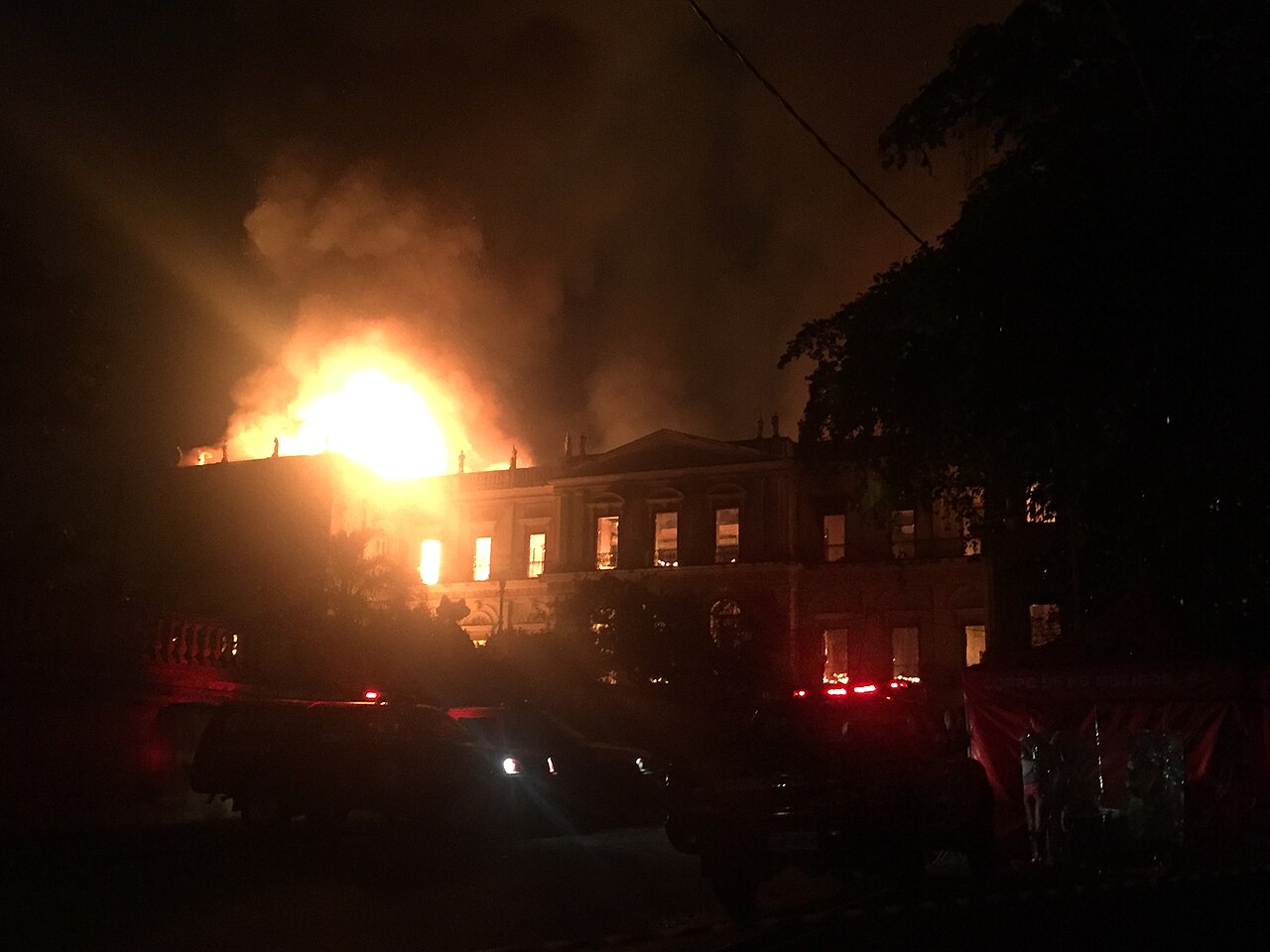
2018 — Fire Devours Brazil's National Museum in Rio
The 1818-founded Rio museum, steward of 20 million items, lost its 200-year-old palace and the 12,000-year-old Luzia Woman to flames after hydrants failed.
Flames consume the roof of the National Museum of Brazil — Felipe Milanez
A massive fire destroyed most of the Paço de São Cristóvão, which houses the National Museum of Brazil, in Rio de Janeiro on Sunday night.
The blaze consumed the 200-year-old former imperial palace, home to archaeological and anthropological treasures including the 12,000-year-old remains of Luzia Woman, Marajoara vases, and Egyptian mummies. Flames consumed the roof as firefighters struggled with hydrants that reportedly failed.
Founded in 1818, the museum held 20 million items spanning paleontology, ethnography, and natural history.
National Museum of Brazil fire, A massive fire destroys most of the Paço de São Cristóvão, which houses the National Museum of Brazil, in Rio de Janeiro. The museum holds important archaeοlogical and anthropological objects, including the remains of the Luzia Woman, Marajoara vases and Egyptian mummies.
1935 — Labor Day Hurricane Kills 400 on Florida Keys
The Category 5 storm, with winds above 160 miles per hour, killed at least 400 on the Florida Keys today.
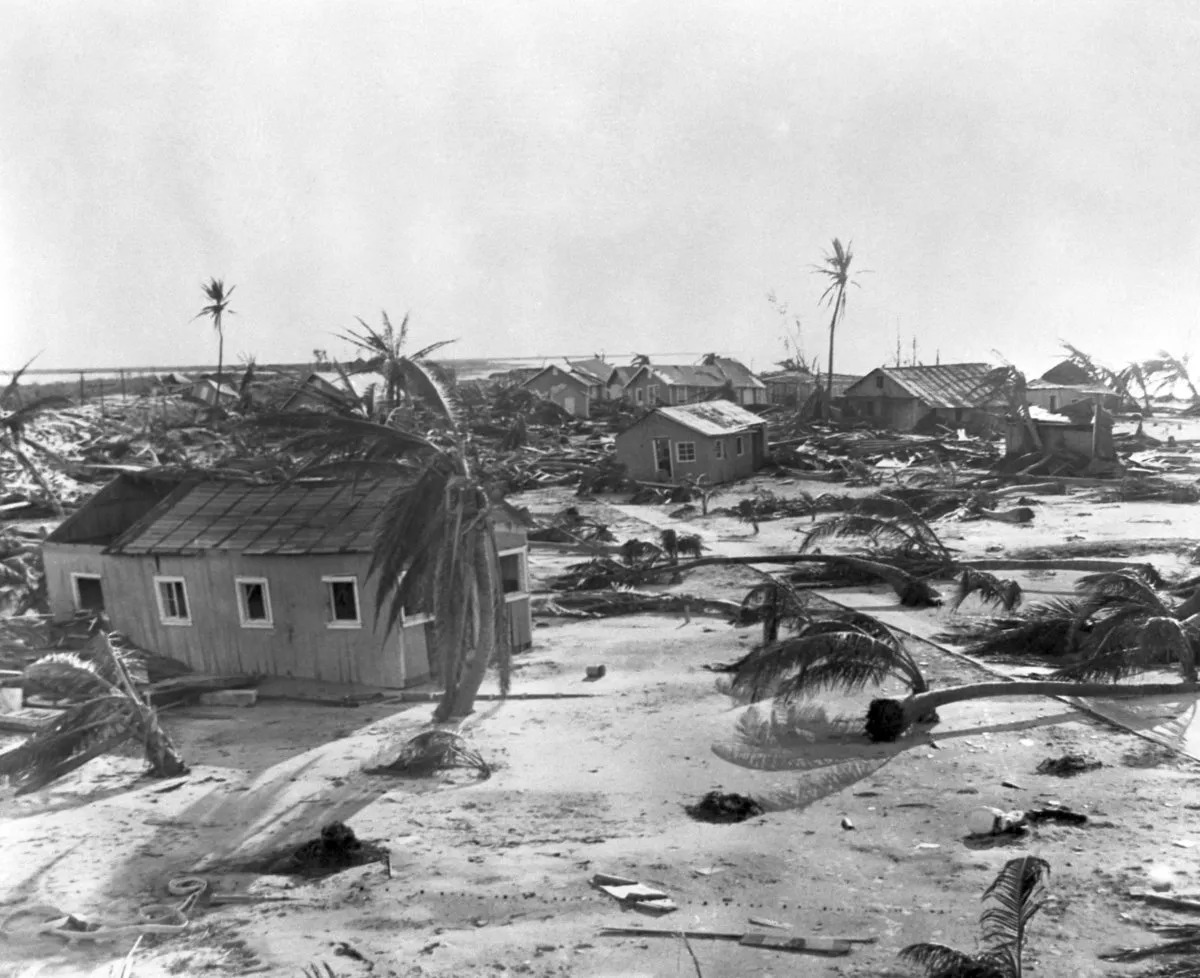
Houses flattened and palm trees uprooted on Long Key after the hurricane struck — Wikimedia Commons
Houses flattened and palm trees uprooted on Long Key marked the path of the Labor Day Hurricane, the most intense storm ever to strike the United States, which made landfall today killing at least 400.
The unnamed Category 5 hurricane, with winds estimated above 160 miles per hour, slammed the Florida Keys this afternoon. The death toll is expected to rise as rescue parties reach isolated areas.
The Labor Day Hurricane, the most intense hurricane to strike the United States, makes landfall at Long Key, Florida, killing at least 400.
2019 — California Dive Boat Fire Kills 34 Off Santa Cruz Island
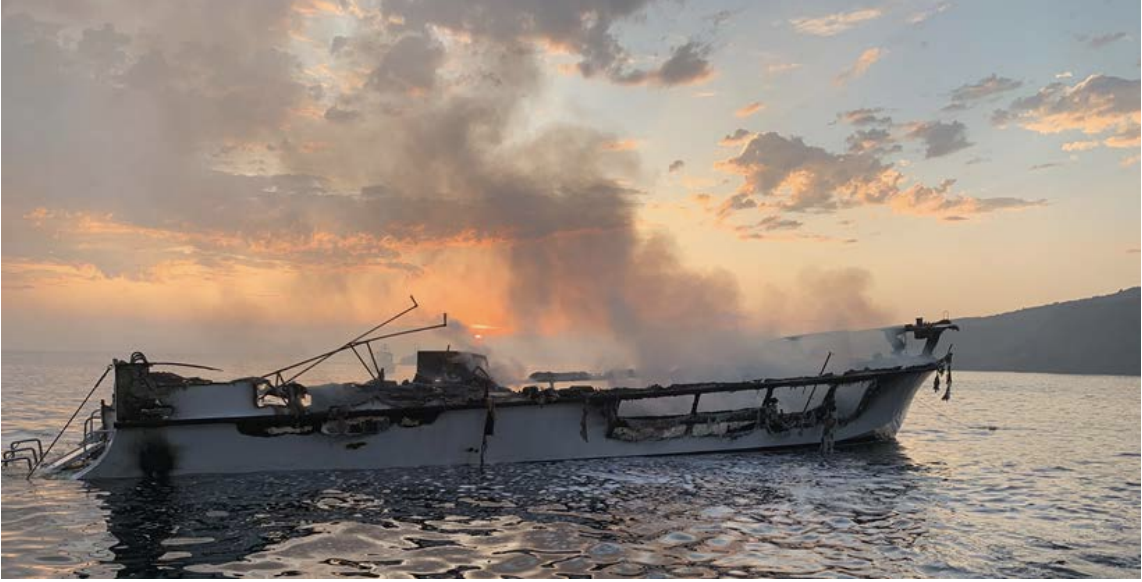
The 75-foot vessel burned before dawn while anchored about 20 miles off the Santa Barbara coast, killing 33 passengers and one crew member below deck while five crew members sleeping above survived.
The worst maritime disaster in modern California history claimed 34 lives when the dive boat MV Conception caught fire and sank near Santa Cruz Island early this morning.
The 75-foot vessel burned before dawn while anchored off the north shore of the island, about 20 miles from the Santa Barbara coast. Five crew members sleeping on deck survived; all 33 passengers and one crew member below deck perished.
The dive boat MV Conception catches fire and sinks near Santa Cruz Island, killing 34.
-31 — Octavian's Fleet Crushes Antony, Cleopatra at Actium
Octavian's ships defeated Antony and Cleopatra in the waters off Actium, destroying the rival naval power and sealing the alliance's fate.
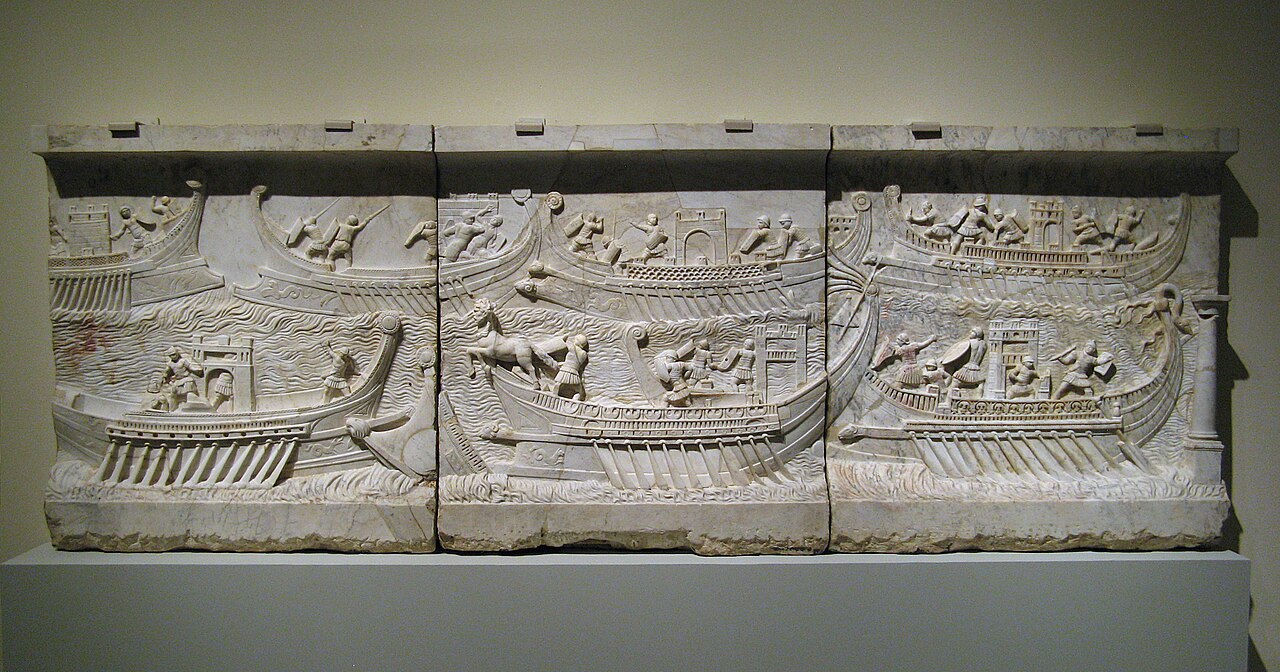
Roman relief shows warships in battle formation — Mark Landon
In the twilight of Rome's republican centuries, when generals commanded private armies and the Mediterranean was a prize for rival warlords, the forces of Octavian met the combined fleets of Mark Antony and Cleopatra in the waters off Actium. Octavian's ships defeated the opposing force in the decisive engagement of the Final War of the Roman Republic. The battle, fought off the western coast of Greece, destroyed Antony's naval power and sealed the fate of the doomed alliance.
Final War of the Roman Republic: Battle of Actium: Off the western coast of Greece, forces of Octavian defeat troops under Mark Antony and Cleopatra.
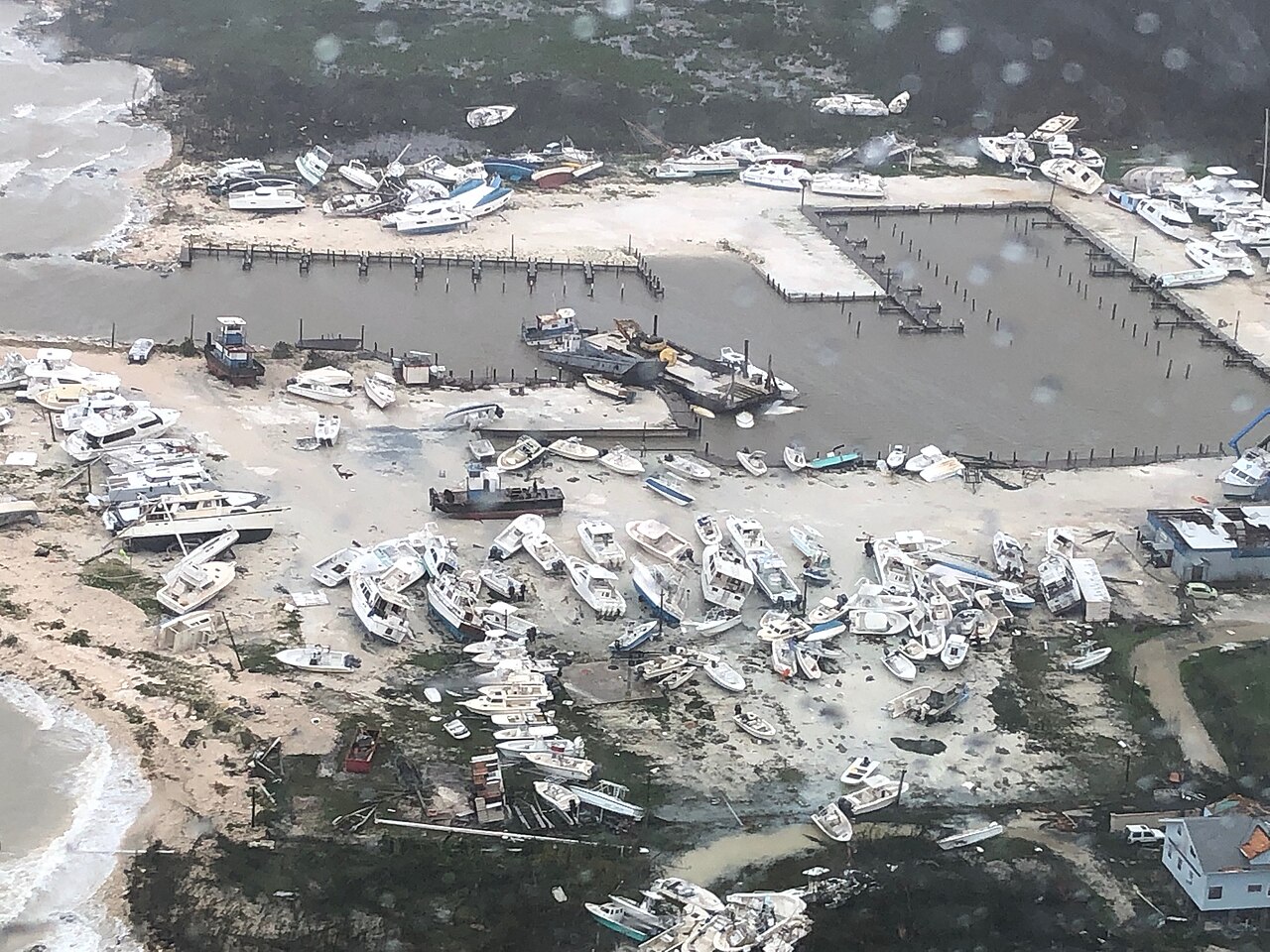
Hurricane Dorian parked over the Bahamas as a category 5 storm Monday, flattening neighborhoods and killing at least five people with what the prime minister called "total devastation." The storm's 185 mph winds shredded Grand Bahama and Abaco, trapping residents in flooding homes. "We are in the midst of a historic tragedy," Prime Minister Hubert Minnis said. Dorian stalled for more than 24 hours, complicating rescue efforts.
Hurricane Dorian, a category 5 hurricane, devastates the Bahamas, killing at least five.
1666 — Fire Razes London: 70,000 Homeless, Cathedral Falls
The blaze that began in Pudding Lane consumed four-fifths of the city's dwellings.
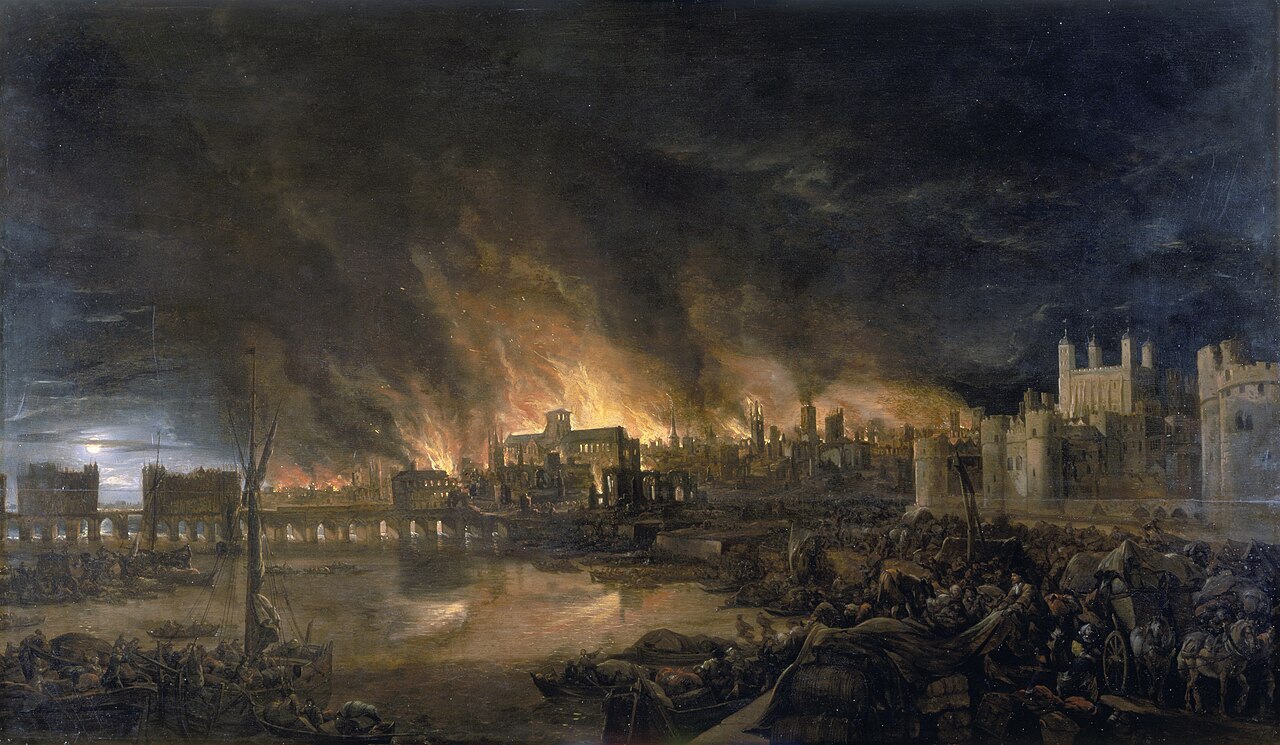
Flames consume London as boats crowd the river to escape — Unknown artist
Seventy thousand of London's eighty thousand inhabitants lost their homes when a fire broke out in Pudding Lane shortly after midnight Thursday and burned for five days. The conflagration started in Thomas Farriner's bakery and spread unchecked through the wooden city. Lord Mayor Sir Thomas Bloodworth hesitated to order firebreaks until Thursday night, allowing flames to reach St Paul's Cathedral and leap the River Fleet toward Whitehall Palace.
The fire started shortly after midnight on Sunday 2 September 1666 in Thomas Farriner's bakery on Pudding Lane.
Firefighting was delayed by the hesitation of Lord Mayor Sir Thomas Bloodworth, who did not order firebreaks until Sunday night.
The fire destroyed St Paul's Cathedral and leaped the River Fleet, threatening Charles II's court at Whitehall Palace.
The fire was halted by a dropped east wind and the Tower of London garrison using gunpowder to create effective firebreaks.
Pudding Lane was named by butchers of Eastcheap Market who used it to transport offal to waste barges on the Thames.
1923 — Massacres of Koreans and Chinese Follow 1923 Kantō Quake
Rumors of sabotage sparked weeks of lynch-mob killings across the region.
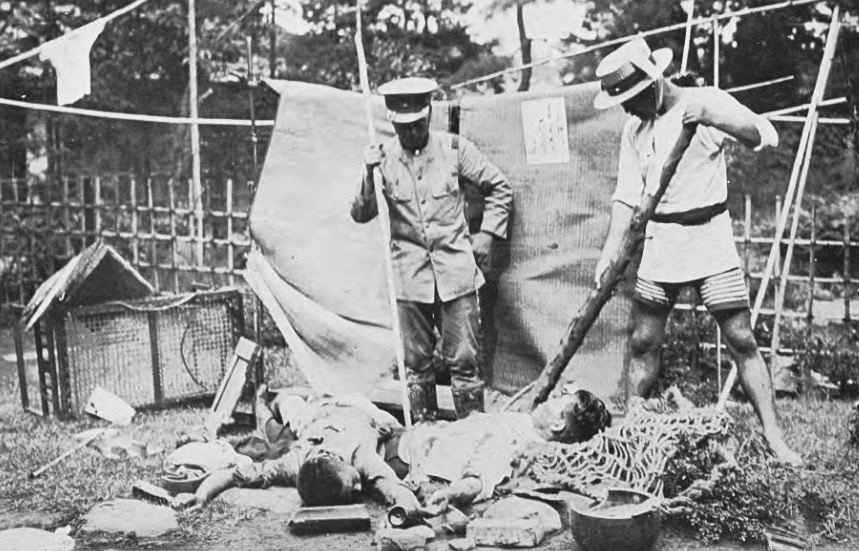
Police and a civilian stand over bodies of victims in a ruined garden — Wikimedia Commons
Lynch mobs of Japanese have killed thousands of Korean and Chinese civilians over several weeks following the 1923 Great Kantō earthquake. The attackers acted on rumors that Koreans conducted sabotage. Killings began in the disaster's aftermath and spread across the Kantō region. The government has acknowledged no official toll.
Kantō Massacre: Amid rumors that Koreans had been conducting acts of sabotage in the aftermath of the 1923 Great Kantō earthquake, lynch mobs of Japanese begin massacring thousands of civilians over the course of several weeks, mainly ethnic minorities such as Koreans and Chinese.
1792 — Mobs Kill 200 Priests, Three Bishops and Royalist Prisoners in Paris Streets
The September Massacres of 1792 claimed over two hundred clergy and unknown numbers of imprisoned suspects.
The Abbaye prison stank of powder and panic when the killing began. For three days, rampaging mobs have slaughtered three Roman Catholic bishops, more than two hundred priests, and prisoners believed to be royalist sympathizers in what survivors already call the September Massacres. The violence erupted as Prussian armies advance on the capital. Revolutionary committees sanctioned the killings as necessary security. Bodies piled in courtyards while cart drivers refused burial duty. The Convention meets in emergency session.
During what became known as the September Massacres of the French Revolution, rampaging mobs slaughter three Roman Catholic bishops, more than two hundred priests, and prisoners believed to be royalist sympathizers.
1859 — Telegraph Wires Fail Worldwide as Unprecedented Solar Storm Strikes Earth
The Carrington Event stands as the strongest geomagnetic storm on record.
Operators from Boston to Bombay found their needles frozen or wildly dancing, unable to transmit the merest dot. The Carrington Event, the strongest geomagnetic storm on record, has crippled the electric telegraph networks that bind the civilized world.
Richard Carrington of the Royal Observatory first spotted the solar flare. Within eighteen hours, auroras blazed in tropical skies. Fires erupted from charged equipment.
The Carrington Event is the strongest geomagnetic storm on record.
1945 — Ho Chi Minh Declares Independent Vietnam Republic
Communist chief proclaims new state in Hanoi, cites revolutionary precedents
HANOI, Sept. 2. Communist leader Ho Chi Minh today proclaimed the Democratic Republic of Vietnam, seizing the moment after the end of the Nguyễn dynasty. His declaration cited American and French revolutionary precedents. The proclamation marks Vietnam's first bid for independence from foreign dominion in decades.
Communist leader Ho Chi Minh proclaimed the Democratic Republic of Vietnam after the end of the Nguyễn dynasty.
The $6.4 billion Eastern span replacement opens after the 1989 Loma Prieta earthquake damaged the old span.
Governor Jerry Brown pulled the ceremonial lever, and traffic flowed across the $6.4 billion Eastern span replacement of the San Francisco–Oakland Bay Bridge at 10:15 pm Monday. The 1989 Loma Prieta earthquake had damaged the old span.
The new bridge features a single-tower suspension design.
The Eastern span replacement of the San Francisco–Oakland Bay Bridge opens at 10:15 pm at a cost of $6.4 billion, after the 1989 Loma Prieta earthquake damaged the old span.
1945 — Japan Signs Surrender Aboard Missouri, Ending World War II
The Japanese Instrument of Surrender was signed September 2, 1945 on the deck of the U.S. Navy battleship Missouri in Tokyo Bay.
World War II ended this morning with the stroke of a pen. The Missouri, commissioned only last year, lay at anchor in the gray waters off Yokosuka as the documents changed hands. Allied commanders stood in dress whites on her teak deck, the Stars and Stripes hanging at the stern above the spot where the signatures were affixed.
The Japanese Instrument of Surrender was signed on the deck of the U.S. Navy battleship Missouri in Tokyo Bay.
The signing formally ended World War II, with Japan complying with the Potsdam Declaration of the Allies.
Missouri is an Iowa-class battleship, the last battleship commissioned by the United States, completed in 1944.
The surrender ceremony occurred on September 2, 1945, after Emperor Hirohito announced Japan's surrender on August 15.
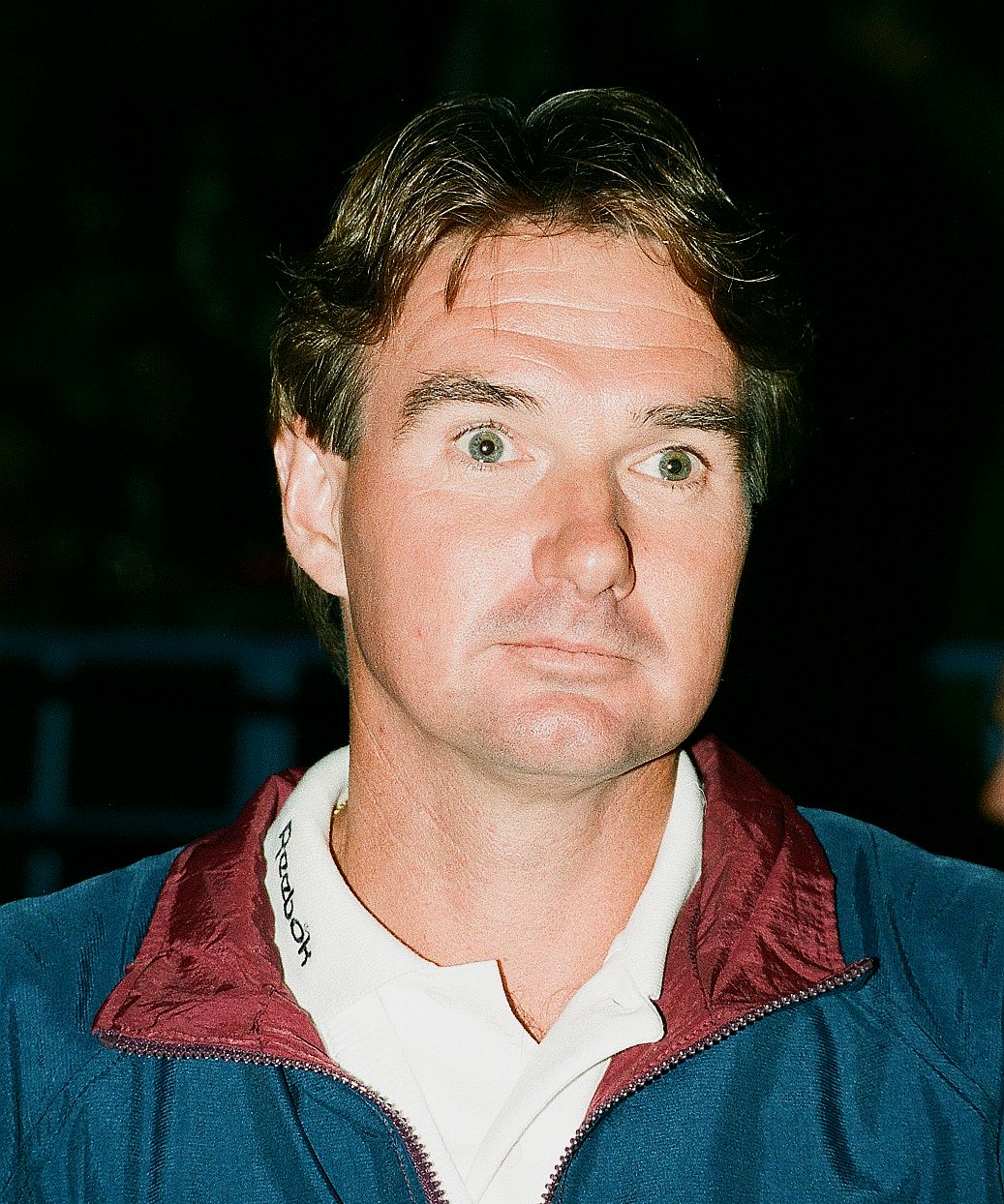
1952Jimmy Connors(74 this year)James Scott Connors is an American former professional tennis player as well as an author, a tennis commentator, and a coach.
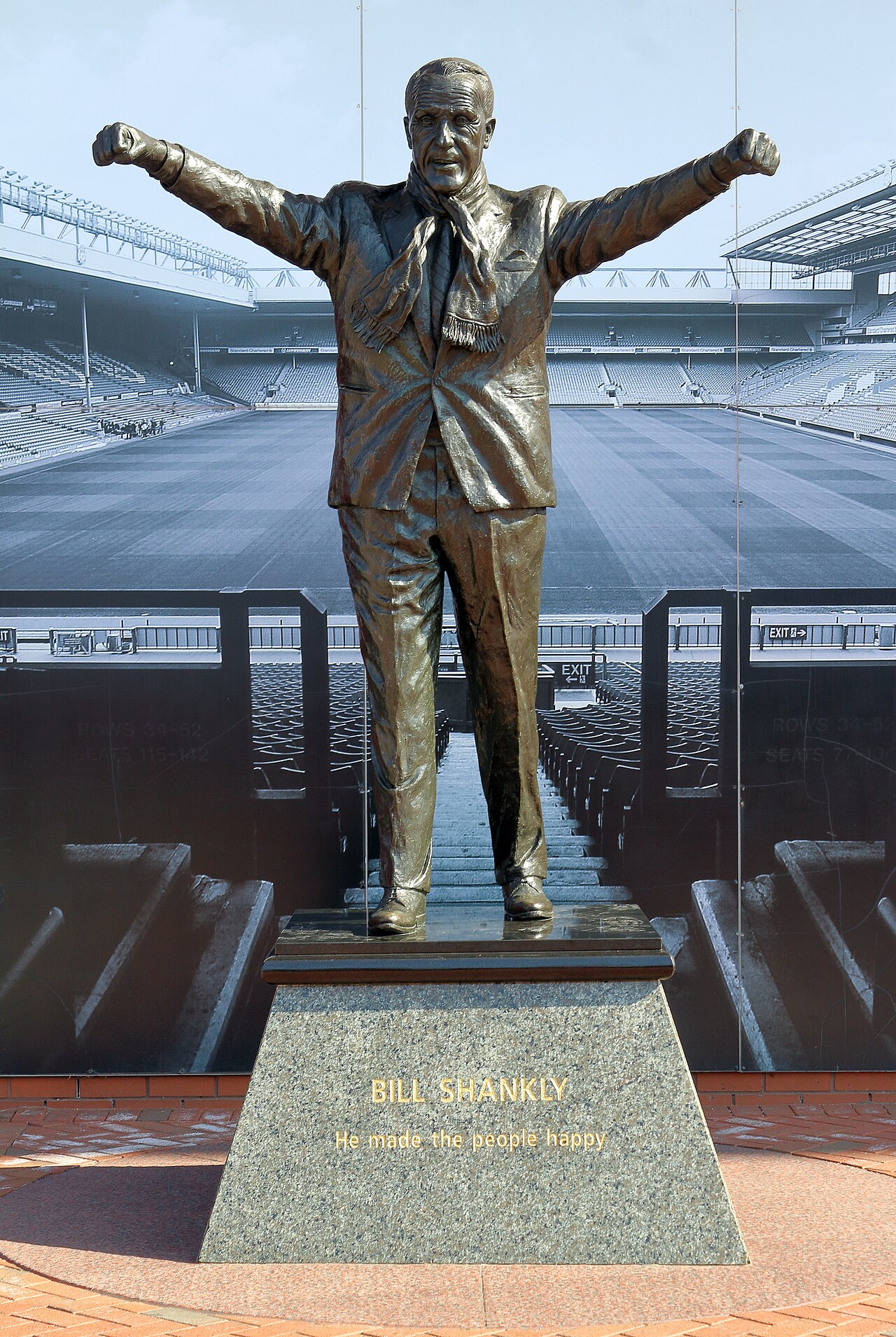
1913Bill ShanklyWilliam Shankly was a Scottish football player and manager who is best known for his time as manager of Liverpool.
1960Eric Dickerson(66 this year)Eric Demetric Dickerson is an American former professional football player who was a running back for 11 seasons in the National Football League (NFL).
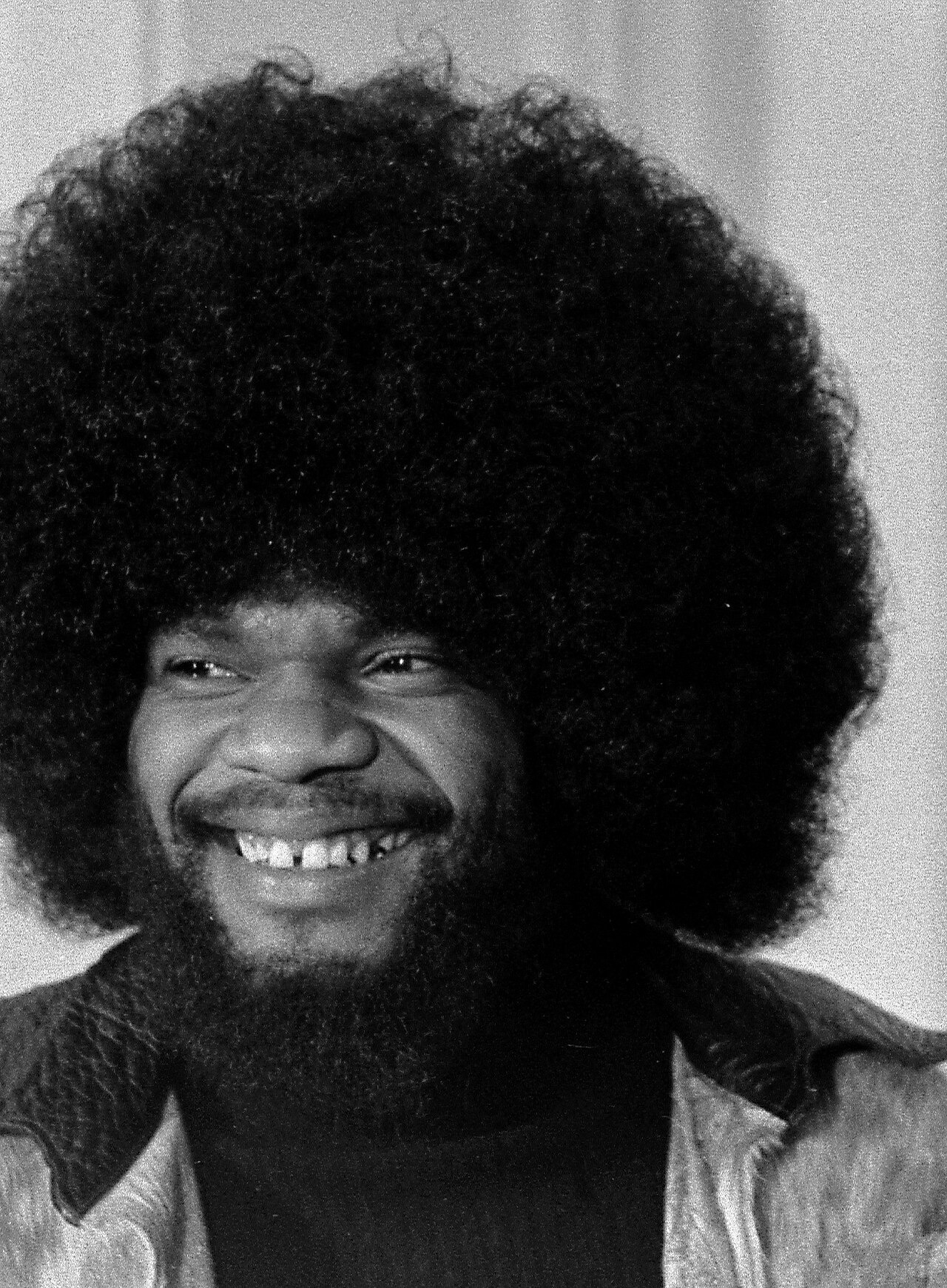
1946Billy PrestonWilliam Everett Preston was an American keyboardist, singer, and songwriter whose work encompassed R&B, rock, soul, funk, and gospel.
1877Frederick SoddyFrederick Soddy FRS was an English radiochemist who explained, with Ernest Rutherford, that radioactivity is due to the transmutation of elements, now known to involve nuclear reactions.
1987Scott Moir(39 this year)Scott Patrick Moir is a Canadian retired ice dancer and coach.
1830William P. FryeWilliam Pierce Frye was an American politician from Maine.
1838LiliʻuokalaniLiliʻuokalani was the only queen regnant and the last sovereign monarch of the Hawaiian Kingdom, ruling from January 29, 1891, until the overthrow of the Hawaiian Kingdom on January 17, 1893, in a coup that was led by the Committee of Safety, composed of seven foreign residents and six Hawaiian Kingdom subjects of American descent in Honolulu.
1883Archduchess Elisabeth Marie of AustriaArchduchess Elisabeth Marie Henriette Stephanie Gisela of Austria was the only child of Rudolf, Crown Prince of Austria, and Princess Stéphanie of Belgium.
1884Frank LaubachFrank Charles Laubach, from Benton, Pennsylvania was a Congregational Christian missionary educated at Union Theological Seminary and Columbia University, and a mystic known as "The Apostle to the Illiterates." In 1915, while working among Muslims at a remote location in the Philippines, he developed the "Each One Teach One" literacy program.
1894Joseph RothMoses Joseph Roth was an Austro-Hungarian journalist and novelist, best known for his family saga Radetzky March (1932), about the decline and fall of the Austro-Hungarian Empire, his novel of Jewish life Job (1930) and his seminal essay "Juden auf Wanderschaft", a fragmented account of the Jewish migrations from eastern to western Europe in the aftermath of World War I and the Russian Revolution.
1901Andreas EmbirikosAndreas Embirikos was a Greek surrealist poet, writer, photographer, and one of the first Greek psychoanalysts.
1901Adolph RuppAdolph Frederick Rupp was an American college basketball coach.
1913Israel GelfandIsrael Moiseevich Gelfand, also written Israïl Moyseyovich Gel'fand, or Izrail M. Gelfand was a prominent Soviet and American mathematician, one of the greatest mathematicians of the 20th century, biologist, teacher and organizer of mathematical education.
1917Cleveland AmoryCleveland Amory was an American author, reporter, television critic, commentator and animal rights activist.
1931Alan SimpsonAlan Kooi Simpson was an American politician from Wyoming who served as a member of the Wyoming House of Representatives representing Park County, Wyoming from 1965 to 1977 and as a member of the United States Senate from 1979 to 1997.
1941Sadhana ShivdasaniSadhana Shivdasani, known mononymously as Sadhana, was an Indian actress who worked primarily in Hindi films.
1943Joe SimonJoseph Simon was an American soul and R&B musician.
1946Walt Simonson(80 this year)Walter Simonson is an American comic book writer and artist, best known for a run on Marvel Comics' Thor from 1983 to 1987, during which he created the character Beta Ray Bill.
1953John Zorn(73 this year)John Zorn is an American composer, conductor, producer, arranger and saxophonist who "deliberately resists category".
1954Gai Waterhouse(72 this year)Gabriel Marie "Gai" Waterhouse is an Australian horse trainer and businesswoman.
1965Lennox Lewis(61 this year)Lennox Claudius Lewis is a boxing commentator and former professional boxer who competed in the heavyweight division from 1989 to 2003.
1968Cynthia Watros(58 this year)Cynthia Michele Watros is an American actress recognized for her roles in both daytime and primetime television.
1976Syleena Johnson(50 this year)Syleena Johnson is an American R&B and soul singer-songwriter and actress.
1980Hiroki Yoshimoto(46 this year)Hiroki Yoshimoto is a Japanese race car driver.
Quote of the Day
“Christmas won't be Christmas without any presents.” — Louisa May Alcott, Little Women
September 2 History Quiz
On September 2, 1945, Japan formally surrendered aboard which U.S. Navy battleship?
USS Missouri
The 1935 Labor Day Hurricane, which struck Florida, was the first recorded Category 5 hurricane to make landfall in which country?
United States
The Carrington Event of 1859, the most intense geomagnetic storm in recorded history, was observed by British astronomer Richard Carrington and caused massive disruptions to what technology of the era?
Every event on this page was picked by hand from the historical record, written up as a news report, and checked against its source. Photographs are matched to the event they illustrate and verified before they are used. Sources are linked on each story.
![Front page of The Indianapolis times, Indianapolis [Ind.], 2 September 1935](https://tile.loc.gov/image-services/iiif/service:ndnp:in:batch_in_jillette_ver01:data:sn82015313:0038334976A:1935090201:0391/full/pct:50/0/default.jpg)


 The Arrangement, Elia Kazan
 “Cold Hearted”,
  The Russia House, John le Carré
 “You Are Not Alone”,
  From Potter's Field, Patricia Cornwell
 Winter Solstice, Rosamunde Pilcher
 “Despacito”,
  Fourth Wing, Rebecca Yarros