Our front page for August 31 — written and set by The Yesterday Times from the events below. Not an archival document.
Day of the year
243
Days left in 2026
122
In 2026 it falls on a
Monday
Star sign
Virgo
Birthstone
Peridot
On August 31 in 1997, 29 years ago, Diana, Princess of Wales, Dies in Paris Crash. This page reports 12 stories from the date, 25 people born on this day.
The stories in full
World Desk
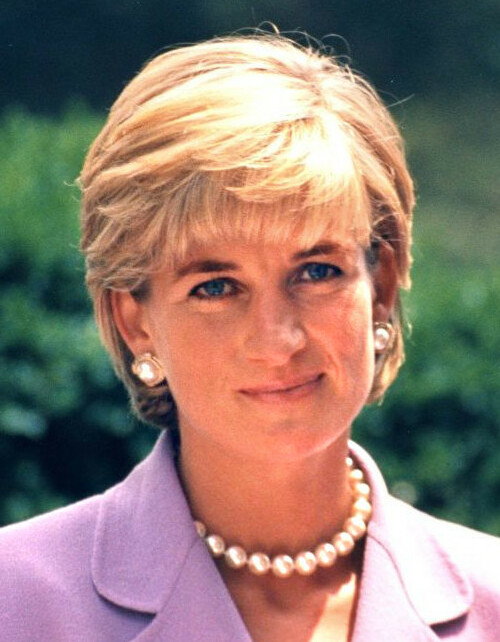
1997 — Diana, Princess of Wales, Dies in Paris Crash
The People's Princess is gone, felled in a Paris tunnel at 36 — a death that stuns a mourning world and leaves two nations in shock.
In the summer of 1997, the world seemed to move to the rhythm of Diana, Princess of Wales — her charity crusades, her candid television confessions, her very presence a kind of public property. Then, in the small hours of August 31, that presence was extinguished. Diana died from injuries sustained in a car crash in the Pont de l'Alma tunnel in Paris. She was 36.
Her companion, Dodi Fayed, and their chauffeur, Henri Paul, were found dead inside the Mercedes. The only survivor was the bodyguard, Trevor Rees-Jones, who was pulled from the wreckage with serious injuries. The car was travelling at an estimated 105 km/h (65 mph), more than twice the 50 km/h (31 mph) speed limit, when it slammed into a pillar in the tunnel.
French investigators would later conclude, in a report that year, that Paul, intoxicated and under the influence of prescription drugs, lost control of the vehicle. A British inquest in 2008 returned a verdict of unlawful killing, citing grossly negligent driving by Paul and the pursuing paparazzi, who had been chasing the couple's car through the streets of Paris.
Diana's funeral, televised from Westminster Abbey, was watched by an estimated 2.5 billion people worldwide. The flags at Buckingham Palace flew at half-mast, and the flowers piled up outside Kensington Palace in a tide of grief. Her sons, Princes William and Harry, walked behind the coffin, heads bowed, as the world looked on.
Diana, Princess of Wales, died from injuries sustained in a car crash in the Pont de l'Alma tunnel in Paris on 31 August 1997.
Dodi Fayed and chauffeur Henri Paul were found dead inside the car; bodyguard Trevor Rees-Jones was the only survivor.
The Mercedes was travelling at an estimated 105 km/h (65 mph), more than twice the 50 km/h (31 mph) speed limit.
A French investigation in 1999 concluded that Henri Paul, intoxicated and under the influence of prescription drugs, lost control of the vehicle.
A 2008 British inquest returned a verdict of unlawful killing, citing grossly negligent driving by Henri Paul and the pursuing paparazzi.
Music Desk
1969 — Dylan Returns to Stage at Isle of Wight
Bob Dylan, in a cream suit, plays his first paid concert since 1966 before about 150,000 attendees.
Bob Dylan came back to the stage on the final night of the Isle of Wight Festival, his first paid performance since a motorcycle accident sidelined him in 1966. Dressed in a cream suit that recalled Hank Williams, Dylan strolled out before an audience of approximately 150,000 people gathered at Wootton Creek over the three-day festival, and eased into a set backed by the Band.
The crowd, which had waited years for this return, heard countryfied reworkings of older songs such as 'Maggie's Farm' and 'Like a Rolling Stone.' Dylan, relaxed and smiling, seemed to enjoy the warm summer night, trading verses with the Band and drawing cheers with every familiar line.
Among the celebrities in the audience were George Harrison, John Lennon, Ringo Starr, and Keith Richards, all of whom had come to see the folk-rock poet resume his live career.
Dylan performed his first paid show since his 1966 motorcycle accident at the 1969 Isle of Wight Festival.
Dylan arrived on stage in a cream suit recalling Hank Williams, backed by the Band.
George Harrison, John Lennon, Ringo Starr, and Keith Richards were among the celebrities attending the festival.
Dylan's set included countryfied versions of earlier songs such as 'Maggie's Farm' and 'Like a Rolling Stone'.
The festival attracted an audience of approximately 150,000 at Wootton Creek on the Isle of Wight.
TV Desk
2010 — The Bill Ends: 4.4 Million Watch Final Episode
The longest-running British police drama ended with a two-part finale on ITV, drawing 4.4 million viewers.
The Bill, the longest-running police drama in British television history, broadcast its final episode last night, and 4.4 million viewers tuned in to say goodbye. The two-part finale, titled "Respect," aired on ITV on August 31 and was dedicated to "the men and women of the Metropolitan Police Service past and present."
The final scene showed Superintendent Jack Meadows, the longest-serving character, exiting Sun Hill station and driving off into the night. For millions, it was the end of an era that began in 1983 as a one-off film and grew into a fixture of British scheduling.
The final episode, titled "Respect", aired in two parts on 31 August 2010.
The finale was dedicated to "the men and women of the Metropolitan Police Service past and present".
The final scene showed Superintendent Jack Meadows, the longest serving character, exiting the station and driving off.
The finale was watched by 4.4 million viewers.
Following the final episode, ITV aired a documentary titled "Farewell The Bill".
Asia Desk
2002 — Typhoon Rusa Kills 236 in South Korea
The most powerful typhoon in 43 years slammed into Goheung, unleashing record rain and flooding that left 236 dead.
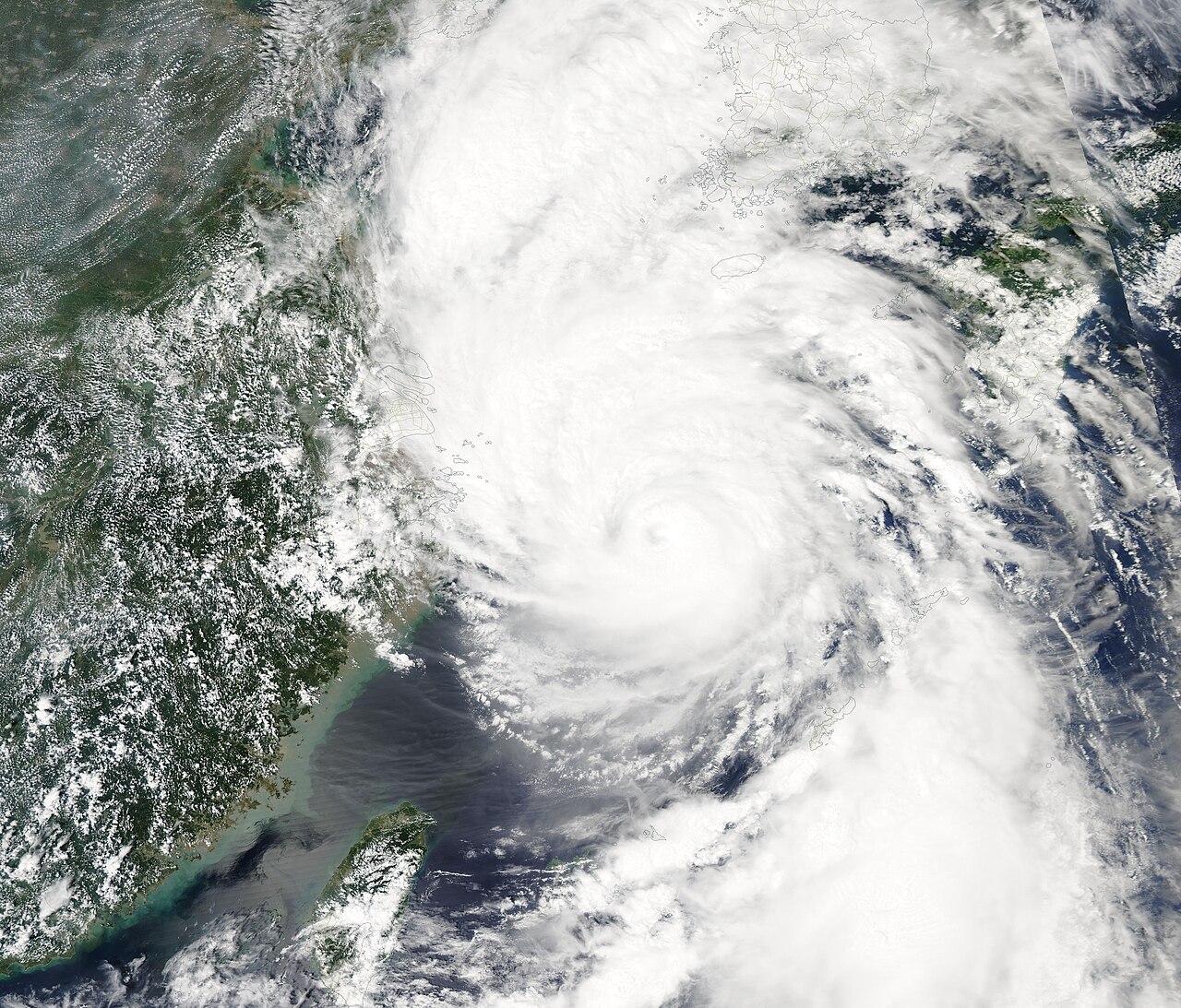
Typhoon Rusa approaches the Korean Peninsula, bringing devastating winds and record-breaking rainfall to Korea — MODIS Land Rapid Response Team et al.
Typhoon Rusa slammed into South Korea's southern coast on Saturday, killing at least 236 people and leaving a trail of devastation across the country. The storm, which made landfall in Goheung, was the most powerful typhoon to hit South Korea in 43 years, packing winds that tore roofs off buildings and sent waves crashing over seawalls.
As the typhoon moved inland, it dumped record-breaking rainfall, triggering floods and landslides that swept away homes and roads. Rescue workers, battling strong winds and rising waters, pulled survivors from collapsed buildings and flooded villages. The death toll, already at 236, was expected to rise as emergency teams reached isolated areas.
The government mobilized thousands of troops to help with relief efforts, while President Kim Dae-jung declared a state of emergency in affected regions. The storm knocked out power to over a million homes and destroyed crops just weeks before the harvest, compounding the misery for farming communities.
In the hardest-hit areas, entire neighborhoods were submerged, with residents taking refuge on rooftops and in schools. The typhoon also disrupted transportation, with flights cancelled and rail services suspended. As the waters receded, the focus shifted to recovery, but the full scale of the damage was only beginning to emerge.
Typhoon Rusa killed 236 people in South Korea.
Patent Office Notes
1897 — Edison's Kinetoscope Patented; Precursor to Moving Pictures
The patent covers a peephole viewer that shows films to one person at a time, a device first demonstrated to women's clubs in 1891.
The patent office at Washington has granted to Thomas A. Edison a patent for his Kinetoscope, the machine that shows moving pictures to a single observer through a peephole viewer. The device, largely developed by Mr. Edison's assistant, Mr. William Kennedy Laurie Dickson, between 1889 and 1892, has been exhibited commercially in New York City since April 14, 1894, when ten films were shown. Mr. Edison first announced his intentions in October 1888, filing a caveat that the machine would do "for the Eye what the phonograph does for the Ear." The name, from the Greek kineto and scopos, meaning "to view movement," was adopted in March 1889. A prototype was first shown to the National Federation of Women's Clubs on May 20, 1891.
The Kinetoscope was designed for films to be viewed by one person at a time through a peephole viewer window.
The Kinetoscope was largely developed by Edison's employee William Kennedy Laurie Dickson between 1889 and 1892.
The first commercial exhibition of Kinetoscopes took place in New York City on April 14, 1894, with 10 different films.
Edison filed a preliminary patent caveat in October 1888 announcing plans for a device that would do 'for the Eye what the phonograph does for the Ear'.
The Kinetoscope name was derived from the Greek roots kineto- ('movement') and scopos ('to view') in a March 1889 caveat.
War Intelligence
1814 — British Repulsed at Caulk's Field; Captain Parker Slain
American militia, led by Lieutenant Colonel Philip Reed, killed 41 of the enemy, including the British captain, while losing but three wounded.
The repulse of a British landing party at Caulk's Field, in Maryland, has dealt a sharp blow to the enemy's designs on the Chesapeake. On the night of the engagement, under a full moon, a force of American militia commanded by Lieutenant Colonel Philip Reed, a veteran of the Revolution, met and drove back the invaders, killing 41, among them Captain Sir Peter Parker of the Royal Navy, who, mortally wounded in the thigh, bled to death on the field. The British, composed of sailors and Royal Marines, lost heavily in the moonlight, while the Americans suffered only three wounded.
British Captain Sir Peter Parker was mortally wounded in the thigh and bled to death during the battle.
American militia forces were commanded by Lieutenant Colonel Philip Reed, a veteran of the American Revolution.
British casualties totaled 41, while American casualties were only three wounded.
The battle took place at night under a full moon, which exposed the British soldiers during their advance.
In 2012, an archaeological survey of the battlefield discovered 721 artifacts, including musket balls and cannon ammunition.
Home Front Despatches
1940 — Two Destroyers Lost to Mines Off Texel; 300 Dead
Two Royal Navy destroyers were lost to mines off Texel, with around 300 men killed.
The war at sea exacts a grim toll. Off the island of Texel, on the Dutch coast, two Royal Navy destroyers have been lost to mines, and two other vessels damaged in the same incident, with the loss of around 300 men.
Two Royal Navy destroyers were lost to mines off Texel, Netherlands, on August 31, 1940.
Two other vessels were damaged in the same incident off Texel.
Around 300 men were killed in the mine incident off Texel.
Aviation Desk
2019 — Six Die in Norway Helicopter Crash During Festival Flight
A 27-year-old Swedish pilot was at the controls when the sightseeing helicopter crashed, killing all six aboard.
Fredrik Lindmark, a 27-year-old Swedish pilot, was at the controls of the sightseeing helicopter that crashed in the mountains of Skoddevarre, in Alta Municipality, Norway, killing all six aboard.
The helicopter, an Airbus AS350 registered LN‑OFU, crashed in the mountains of Skoddevarre in Alta Municipality, Norway, killing all six on board.
The crash occurred during a sightseeing tour offered by the music festival Høstsprell, which had provided the service for seven years.
The Norwegian Safety Investigation Authority found no technical faults and concluded the crash was due to servo transparency caused by heavy load and rapid fluctuations.
The aircraft lacked a crash-resistant fuel system, causing a fire that inflicted lethal burns on the victims.
The pilot, Fredrik Lindmark, 27, from Sweden, had only 256 total flight hours and 17 hours on the AS350 type.
Foreign Desk
1939 — Nazis Stage 'Polish' Raid on Gleiwitz Radio
SS officers in Polish uniforms seized the station and broadcast a short anti-German message.
The German radio station Sender Gleiwitz was seized last night by men in Polish uniforms, in an attack that Berlin says proves Polish aggression. The raiders broadcast a short anti-German message in Polish before withdrawing.
The Gleiwitz incident was one of about two dozen similar false flag attacks staged by Nazi Germany.
The attackers were German SS officers wearing Polish uniforms, not Polish saboteurs.
SS officer Alfred Naujocks organized the attack under orders from Reinhard Heydrich and Gestapo chief Heinrich Müller.
The operation was code-named "Grossmutter gestorben" (Grandmother died).
The attackers seized the Gleiwitz station and broadcast a short anti-German message in Polish.
London Police News
1888 — Murdered Woman Found in Buck's Row
Mary Ann Nichols's body was discovered at 3:40 am by a carman, 150 yards from the London Hospital.
The body of Mary Ann Nichols, said to be the first victim of the Whitechapel murderer, was found in Buck's Row at 3:40 this morning by Charles Allen Cross, a carman. The spot lies 150 yards from the London Hospital. She had been turned away from her lodging-house for lack of the 4d bed fee. A comb and piece of mirror were found among her effects.
Mary Ann Nichols's body was discovered at 3:40 am by carman Charles Allen Cross in Buck's Row, 150 yards from the London Hospital.
Nichols had been turned away from her lodging-house for lacking the 4d bed fee, replying, 'I'll soon get my doss money. See what a jolly bonnet I've got now.'
Her belongings included a white pocket handkerchief, a comb, a piece of mirror, and petticoats marked 'Lambeth Workhouse P.R.'
Three horse-slaughterers from a nearby knacker's yard—Harry Tomkins, James Mumford, and Charles Britten—were questioned but eliminated as suspects.
Nichols was buried on 6 September 1888 in a polished elm coffin with a brass plaque, in public grave number 210752 at City of London Cemetery.
Weather Bureau
1942 — Matagorda Hurricane Dies Out After 8 Deaths
The remnant low of the Matagorda hurricane dissipated today, closing the book on the costliest storm of the 1942 Atlantic season.
The remnant low of the Matagorda hurricane dissipated today, closing the book on the costliest storm of the 1942 Atlantic season. The remnant low dissipated inland over Texas, ending the storm’s two-day assault on the coast.
The hurricane dissipated into a remnant low on August 31, 1942.
The hurricane caused $26.5 million in damages and eight deaths.
The hurricane made landfall near Matagorda on August 30 as a Category 3 hurricane with winds of 115 mph (185 km/h).
Approximately 50,000 people were evacuated from Galveston, Texas alone.
A storm surge of 14.7 ft (4.5 m) inundated the city of Matagorda.
Constantinople Dispatches
1876 — Sultan Murad V Deposed After 93 Days
Deposed after 93 days, Murad V is replaced by his half-brother, whose reign began May 30.
The Ottoman throne changed hands today as Sultan Murad V, judged mentally unfit to rule, was deposed after a reign of exactly 93 days. His half-brother, Abdul Hamid II, was crowned sultan this same day.
The deposition, sanctioned by the Şeyhülislam, ends Murad's brief tenure, which began May 30.
Murad V's reign lasted exactly 93 days, from 30 May to 31 August 1876.
He was deposed on the grounds of mental illness, with a sanction by Şeyhülislam.
His half-brother Abdul Hamid II succeeded him and was crowned sultan on 31 August 1876.
After deposition, Murad was confined to Çırağan Palace, not permitted to leave by order of Abdul Hamid.
Murad's family spent nearly 30 years confined to Çırağan Palace, from his deposition in 1876 to his death in 1904.
What the papers printed that morning
Real front pages from 31 August 1897, scanned by the Library of Congress. These are archival documents, not our work.
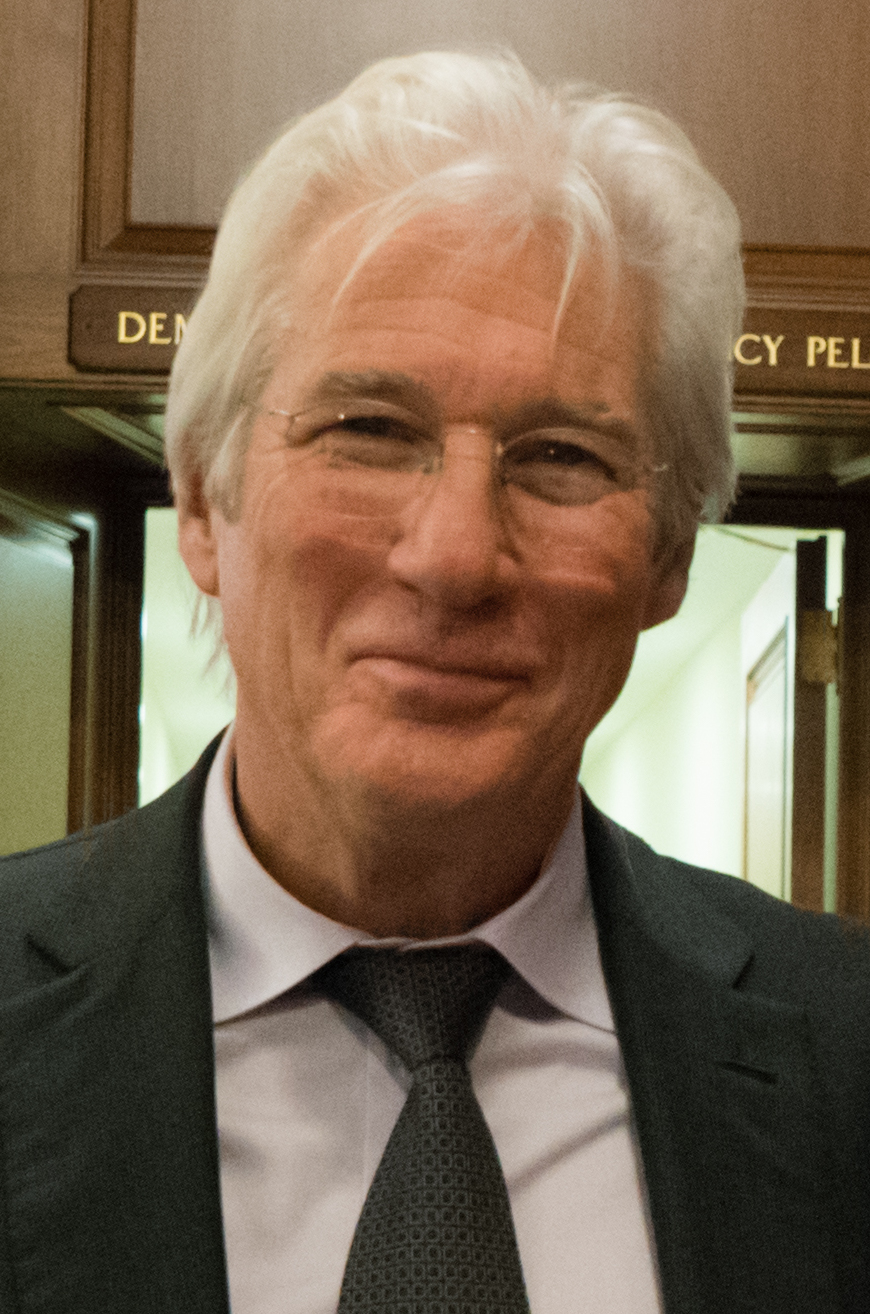
1949Richard Gere(77 this year)Richard Tiffany Gere is an American actor.
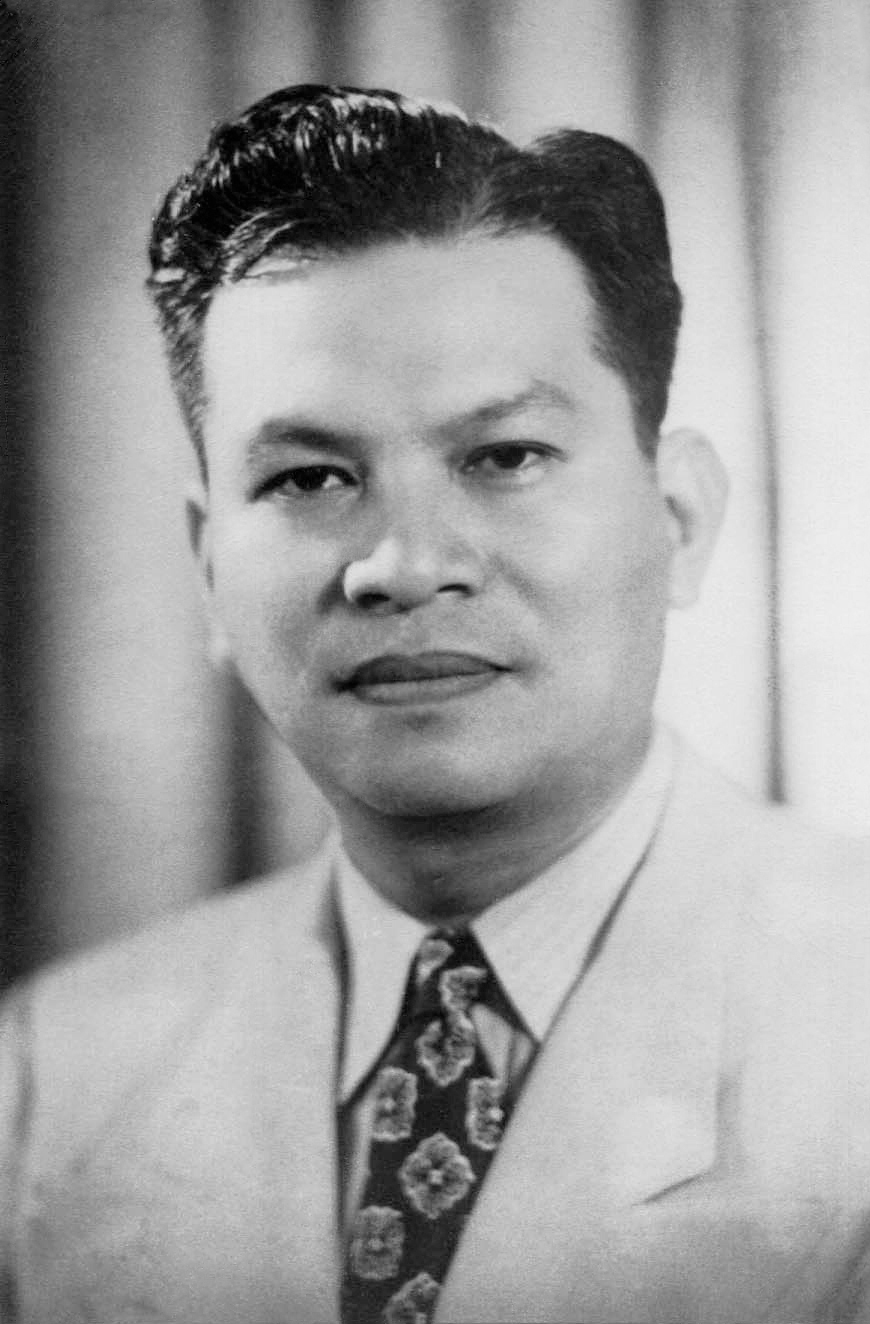
1907Ramon MagsaysayRamon del Fierro Magsaysay Sr. was a Filipino politician and military officer who was the seventh president of the Philippines, serving from 1953 until his death in 1957.
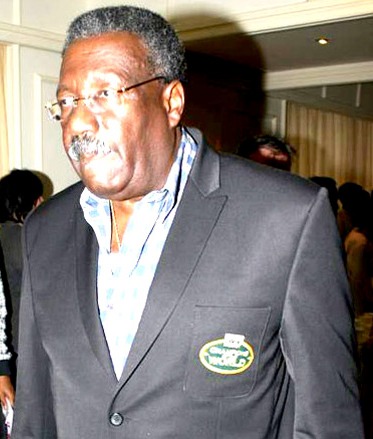
1944Clive Lloyd(82 this year)Sir Clive Hubert Lloyd is a Guyanese-British former cricketer and captain of the West Indies cricket team.
1542Isabella de' MediciPrincess Isabella Romola de' Medici, Duchess of Bracciano, was a Tuscan noblewoman, daughter of Cosimo I de' Medici, first Grand Duke of Tuscany, and Eleanor of Toledo.
1767Henry Joy McCrackenHenry Joy McCracken was an Irish republican executed in Belfast for his part in leading United Irishmen in the Rebellion of 1798.
1797Ramón CastillaRamón Castilla y Marquesado was a Peruvian caudillo who served twice as President of Peru, first in 1845–1851, and then in 1855–1862.
1802Husein GradaščevićHusein Gradaščević (Husein-kapetan), also known as Zmaj od Bosne, was an Ottoman Bosnian military commander who led an uprising against the Tanzimat, a system of political reforms with aim to modernise the Ottoman Empire.
1870Maria MontessoriMaria Tecla Artemisia Montessori was an Italian physician and educator best known for her philosophy of education and her writing on scientific pedagogy.
1884George SartonGeorge Alfred Leon Sarton was a Belgian-American chemist and historian.
1890Nätti-JussiJuho Vihtori Nätti, known as "Nätti-Jussi" was a Finnish forest laborer.
1905Robert BacherRobert Fox Bacher was an American nuclear physicist and one of the leaders of the Manhattan Project.
1907Altiero SpinelliAltiero Spinelli was an Italian politician, political theorist and European federalist, referred to as one of the founding fathers of the European Union.
1916Danny LitwhilerDaniel Webster Litwhiler was an American professional baseball player and coach.
1931Jean BéliveauJoseph Arthur Jean Béliveau was a Canadian professional ice hockey player who played parts of 20 seasons with the National Hockey League's (NHL) Montreal Canadiens from 1950 to 1971.
1941William DeWitt, Jr.(85 this year)William Orville DeWitt Jr. is an American businessman who is currently the principal owner, managing partner and chairman of the St. Louis Cardinals, a professional baseball franchise which competes in Major League Baseball (MLB).
1945Itzhak Perlman(81 this year)Itzhak Perlman is an Israeli-American violinist.
1946Tom Coughlin(80 this year)Thomas Richard Coughlin is an American former football coach and executive of the National Football League (NFL).
1963Rituparno GhoshRituparno Ghosh was an Indian film director, actor, writer and lyricist.
1968Hideo Nomo(58 this year)Hideo Nomo is a Japanese former baseball pitcher who played in Nippon Professional Baseball (NPB) and Major League Baseball (MLB).
1969Andrew CunananAndrew Phillip Cunanan was an American spree killer who murdered five people over three months from April 27 to July 15, 1997.
1970Debbie Gibson(56 this year)Deborah Ann Gibson is an American singer, songwriter, and actress.
1971Chris Tucker(55 this year)Christopher Tucker is an American stand-up comedian and actor.
1973Scott Niedermayer(53 this year)Scott Niedermayer is a Canadian former ice hockey player and current special assignment coach of the Anaheim Ducks.
1979Yuvan Shankar Raja(47 this year)Yuvan Shankar Raja, also known as U1, is an Indian composer and playback singer.
1979Mark Johnston(47 this year)Mark Johnston is a former freestyle swimmer from Canada, who competed at two consecutive Summer Olympic Games, Sydney, Australia in 2000 and Athens, Greece in 2004.
Quote of the Day
“What's in a name? That which we call a rose By any other name would smell as sweet.” — William Shakespeare, Romeo and Juliet
August 31 History Quiz
In which city did Princess Diana's fatal car crash occur?
Paris
Which band headlined the 1969 Isle of Wight Festival alongside Bob Dylan?
The Who
What did Thomas Edison's Kinetoscope, patented on this day, achieve?
Every event on this page was picked by hand from the historical record, written up as a news report, and checked against its source. Photographs are matched to the event they illustrate and verified before they are used. Sources are linked on each story.

![Front page of New York journal and advertiser, New York [N.Y.], 31 August 1897](https://tile.loc.gov/image-services/iiif/service:sgp:sgpbatches:batch_dlc_bleecker_ver02:data:sn83030180:print2447:1897083101:0653/full/pct:50/0/default.jpg)

![Front page of The San Francisco call, San Francisco [Calif.], 31 August 1897](https://tile.loc.gov/image-services/iiif/service:ndnp:curiv:batch_curiv_fredsplace_ver01:data:sn85066387:00175037585:1897083101:0465/full/pct:50/0/default.jpg)

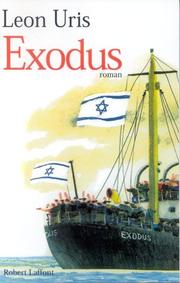 Exodus, Leon Uris
 “My Boyfriend's Back”,
 The Shoes of the Fisherman, Morris West
 “(You're) Having My Baby”,
 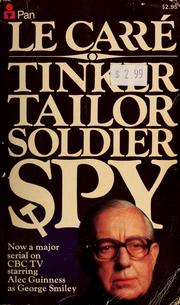 Tinker Tailor Soldier Spy, John le Carré
 “The Power Of Love”,
 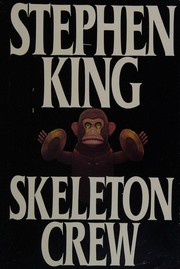 Skeleton Crew, Stephen King
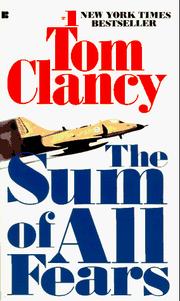 The Sum of All Fears, Tom Clancy
 “Dilemma”,
 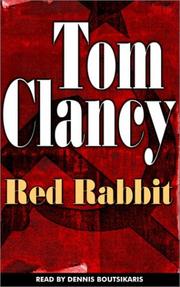 Red Rabbit, Tom Clancy
 Burn, Maya Banks
 “A Bar Song (Tipsy)”,
  It Ends with Us, Colleen Hoover