Our front page for August 2 — written and set by The Yesterday Times from the events below. Not an archival document.
Day of the year
214
Days left in 2026
151
In 2026 it falls on a
Sunday
Star sign
Leo
Birthstone
Peridot
On August 2 in 1939, 87 years ago, Einstein Warns Roosevelt of Atomic Peril. This page reports 8 stories from the date, 25 people born on this day and 15 who died on it. Portiuncola Indulgence ("Pardon of Assisi"), the plenary indulgence related to St. Francis of Assisi (Catholic Church).
The stories in full
National Desk
1939 — Einstein Warns Roosevelt of Atomic Peril
Albert Einstein signs a letter, drafted by Leo Szilard, warning that Germany may be building atomic bombs and urging the U.S. to begin its own nuclear program.
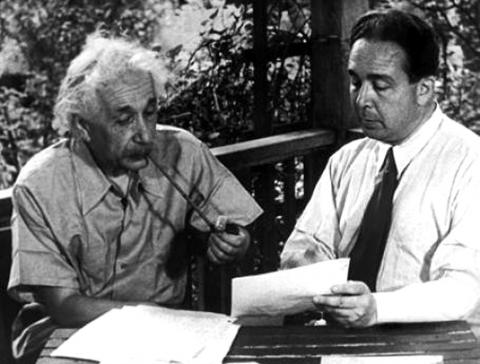
Albert Einstein and Leo Szilard review the letter urging FDR to develop atomic weapons — Time Life Pictures
PEHCONIC, Long Island, Aug. 2 — Albert Einstein has signed a letter to President Roosevelt warning that Germany may be building atomic bombs and urging the United States to start its own nuclear program.
The letter, drafted by the Hungarian physicist Leo Szilard, was carried here today by Szilard and a fellow physicist, Edward Teller, to obtain the famed scientist's signature. It warns that a single bomb carried by boat could destroy an entire port and the surrounding territory.
The letter notes that Germany has stopped the sale of uranium from Czechoslovakian mines it has taken over, a move that suggests Berlin is husbanding the element for military experiments. Einstein, who fled Nazi Germany in 1933, has long urged the democracies to keep pace in physics.
The two Hungarians drove out to the quiet shore community to put the finished document before Einstein, who reviewed it and signed without hesitation. Szilard has been pressing for months for a way to bring the danger to official notice in Washington.
The letter is expected to be delivered to the White House in the coming weeks. What the president may do with it is not yet known, but those close to the physicists believe it will spur an American effort to master the atom before the Germans do.
The letter was written by Leo Szilard and signed by Albert Einstein on August 2, 1939.
The letter warned that Germany might develop atomic bombs and urged the United States to start its own nuclear program.
Szilard and fellow Hungarian physicist Edward Teller drove to Long Island on August 2 to obtain Einstein's signature.
The letter stated that a single bomb carried by boat could destroy an entire port and surrounding territory.
The letter noted Germany had stopped the sale of uranium from Czechoslovakian mines it had taken over.
Science Desk
1932 — Caltech Physicist Proves Existence of Antimatter
Caltech physicist's new photographs confirm a particle predicted by Dirac.
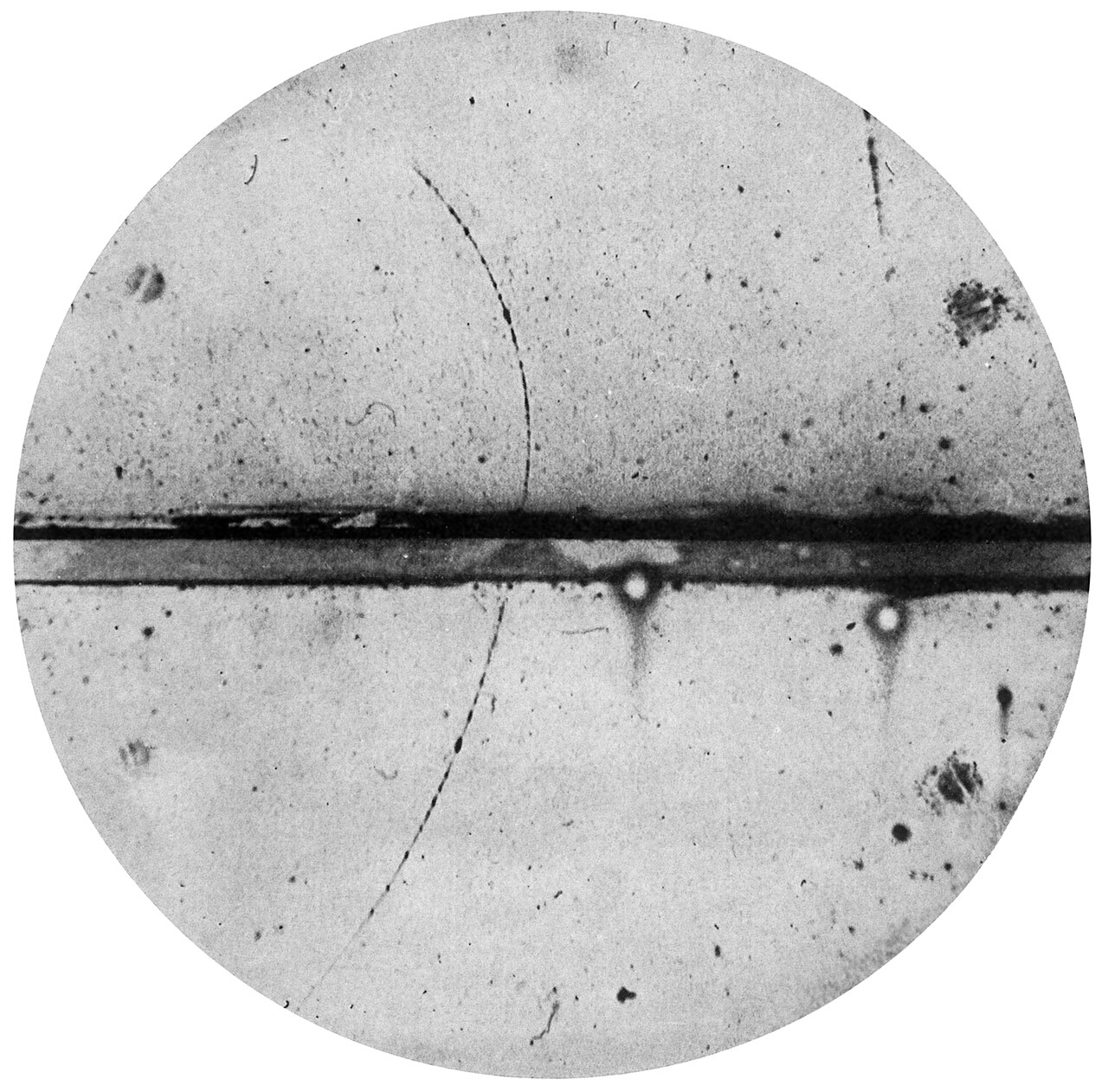
Carl David Anderson's cloud chamber photograph providing the first evidence of the positron — Carl D. Anderson (1905–1991)
PASADENA, Aug. 2 — Carl David Anderson, a physicist at the California Institute of Technology, has proved the existence of antimatter with the discovery of a positive electron, the positron.
Anderson first detected the particles in cosmic rays using a cloud chamber, and then produced conclusive proof by shooting gamma rays from thorium C'' into various materials, creating positron-electron pairs. His photographs show a track that curves as a positive particle would in a magnetic field.
The discovery validates the theoretical prediction made by Paul Dirac, whose equations had suggested that every particle has a mirror-image counterpart. Anderson's work, published in the Physical Review, is the first experimental confirmation.
The physicist has acknowledged that his research was inspired by the earlier work of a Caltech classmate, Chung-Yao Chao, whose cloud chamber observations hinted at the new particle. Anderson pursued the question with a stronger magnetic field and sharper photographs.
Anderson first detected positrons in cosmic rays using a cloud chamber.
Anderson produced conclusive proof by shooting gamma rays from ThC'' (208Tl) into materials, creating positron-electron pairs.
Anderson's discovery validated Paul Dirac's theoretical prediction of the positron's existence.
Anderson shared the 1936 Nobel Prize in Physics with Victor Hess for the positron discovery.
Anderson acknowledged his discovery was inspired by the work of Caltech classmate Chung-Yao Chao.
Washington Bureau
1923 — Coolidge Sworn In as 30th President After Harding's Death
Vice president takes oath in family parlor after Warren G. Harding's fatal heart attack; new chief executive pledges continuity.
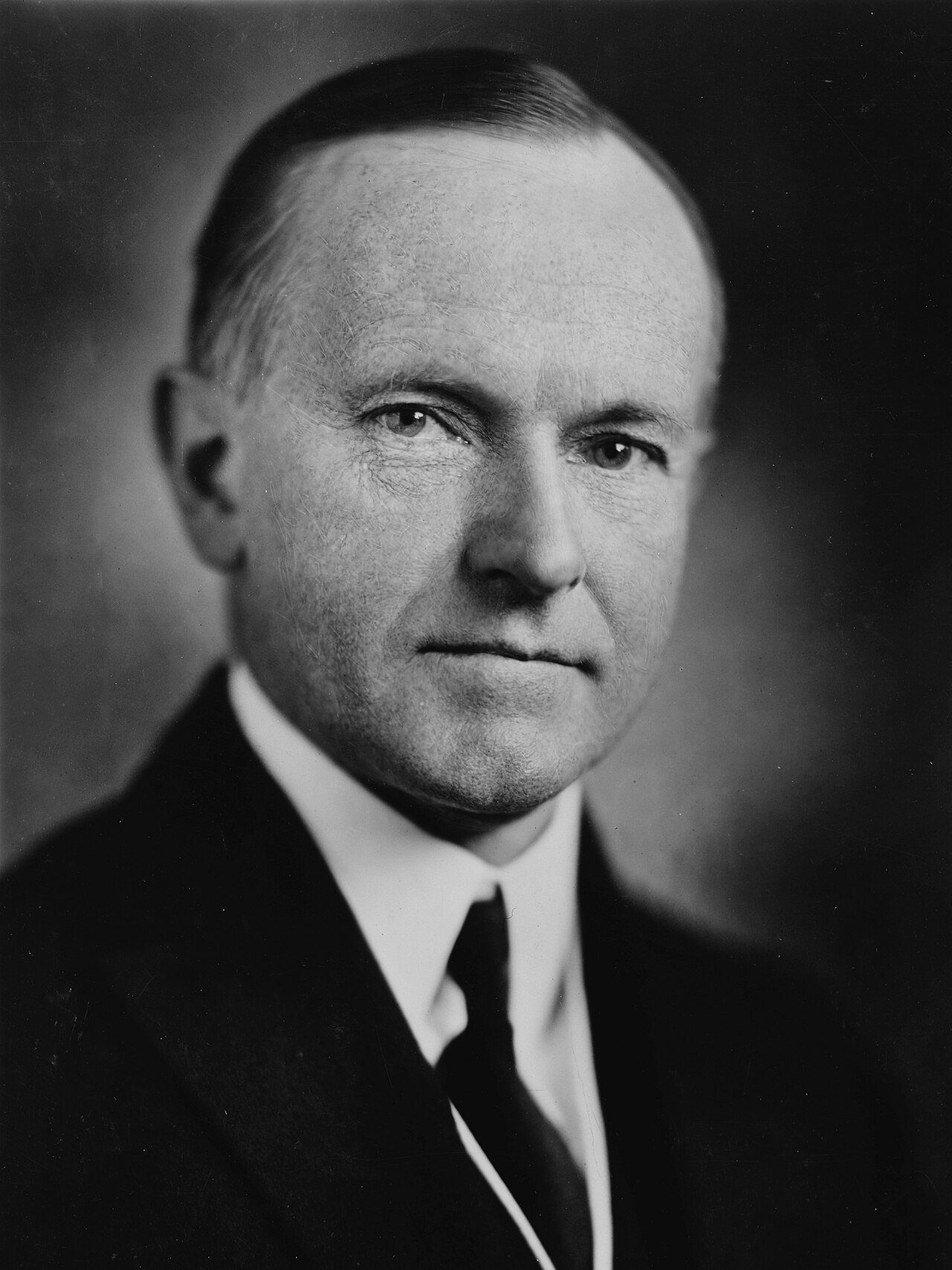
Vice president takes oath in family parlor after Warren G. Harding's fatal heart attack; new chief executive pledges continuity. — Harris & Ewing
WASHINGTON, Aug. 2 — Calvin Coolidge became the 30th president of the United States today upon the sudden death of Warren G. Harding, who suffered a fatal heart attack.
Coolidge, who was vice president, took the oath of office in the family parlor of his home in Plymouth Notch, Vermont, with his father, a notary public, administering the oath at 2:47 a.m. The new president, born on July 4, 1872, in that same village, is the only chief executive born on Independence Day.
Reports from the capital say the cabinet has been notified, and Coolidge is expected to travel to Washington shortly. The nation mourns Harding, who died in San Francisco, but the government continues without interruption.
Coolidge became president upon Warren G. Harding's sudden death on August 2, 1923.
Coolidge's father, a notary public, administered the oath of office in the family parlor at 2:47 a.m. on August 3, 1923.
Coolidge was the only U.S. president born on Independence Day, July 4, 1872, in Plymouth Notch, Vermont.
Coolidge delivered the first ever radio broadcast from the White House on February 22, 1924.
Lee de Forest recorded Coolidge on the White House lawn with Phonofilm on August 11, 1924, creating the first audiovisual recording of a US president.
Court Circular
1100 — King William Rufus Slain by Arrow in New Forest
King William II, known as William Rufus, is dead after an arrow through the lung while hunting in the New Forest.
WINCHESTER, Aug. 2 — King William II of England, known as William Rufus, is dead, killed by an arrow through the lung while hunting in the New Forest.
The arrow was loosed by one of his own men, a hunting companion, in what many call an inaccurate shot.
King William II, also known as William Rufus, died in the New Forest in 1100.
Many claim William II was killed by an inaccurate arrow shot from his hunting companion.
Local folklore asserted William II's death was punishment for crimes committed when his father created the New Forest.
Seventeenth-century writer Richard Blome provides detail on William II's death in the New Forest.
Rock Desk
1971 — Who's Next Tops UK Charts, Cementing Who's Rock Legacy
The Who's fifth album, released today, becomes their only UK chart-topper.
LONDON, Aug. 2 — The Who's new album, Who's Next, released today, has become their first and only record to top the UK charts. The fifth studio album from the English rock band grew out of Pete Townshend's abandoned Lifehouse project; eight of its nine songs derive from that rock opera.
Who's Next is the fifth studio album by the English rock band the Who, released on 2 August 1971.
The album developed from the aborted Lifehouse project, a multi-media rock opera conceived by guitarist Pete Townshend.
Eight of the nine songs on Who's Next were from Lifehouse, with the lone exception being John Entwistle's 'My Wife'.
The cover photo, shot by Ethan Russell, referenced the monolith in the 1968 film 2001: A Space Odyssey.
The Who recorded Who's Next with assistance from recording engineer Glyn Johns at Olympic Studios.
Engineering Notes
1870 — Tower Subway Opens Beneath Thames
London's new underground railway carries passengers through a 1,340-foot tunnel for a penny or two.
LONDON, Aug. 2 — In an age of iron and steam, the Tower Subway, a new underground railway beneath the Thames, opens today, joining the earliest tube lines in the world. The 1,340-foot tunnel features a 2 ft 6 in narrow-gauge railway and a cable-hauled wooden carriage.
The Tower Subway opened on 2 August 1870, charging 2d for first class and 1d for second class.
First class ticket holders received priority for the lifts and when boarding the carriage.
The 1,340-foot tunnel featured a 2 ft 6 in narrow-gauge railway and a cable-hauled wooden carriage.
The subway company went into receivership in November 1870 due to unreliability and uneconomic operation.
The Tower Subway railway closed on 7 December 1870, only four months after its opening.
National Affairs
1790 — First Census Completed; Population 3,929,214
Secretary Jefferson's marshals count 3,929,214 inhabitants across thirteen states and the Southwest Territory.
PHILADELPHIA, Aug. 2 — Secretary of State Thomas Jefferson, having directed the marshals in their collections, today declared the first United States census officially completed, with the nation's residential population enumerated at 3,929,214. The count, taken as of Census Day, August 2, 1790, covered all thirteen states and the Southwest Territory. The published report runs 56 pages and cost $44,377.28. The census shows the proportion of slaves to the free population at 17.8 percent, the highest ever recorded by any U.S. census. Already, almost one-third of the original data have been lost or destroyed since their documentation. Jefferson said the count will guide the apportionment of representatives and direct taxes, as the Constitution requires.
The 1790 census recorded a total U.S. population of 3,929,214 inhabitants as of Census Day, August 2, 1790.
The published census report was 56 pages and cost $44,377.28.
Almost one-third of the original 1790 census data have been lost or destroyed since their documentation.
Secretary of State Thomas Jefferson directed the marshals who collected data from all thirteen states and the Southwest Territory.
The 1790 census's proportion of slaves to the free population was 17.8%, the highest ever recorded by any U.S. census.
Classical Desk
-338 — Philip of Macedon Crushes Athens, Thebes at Chaeronea
Victory secures Macedonian hegemony over most of ancient Greece.
CHAERONEA, Aug. 2 — In a single decisive engagement, the allied army of Philip II of Macedon has overcome the combined forces of Athens and Thebes, securing Macedonian hegemony over most of ancient Greece.
After Chaeronea, Philip II established the Hellenic League, a federation of Greek states with himself as hegemon.
Philip II was elected commander-in-chief of Greece for a planned invasion of the Achaemenid Empire.
Philip II's assassination led to the immediate succession of his son Alexander, who later invaded the Achaemenid Empire.
What the papers printed that morning
Real front pages from 2 August 1939, scanned by the Library of Congress. These are archival documents, not our work.
1776 Delegates Sign United States Declaration of Independence — 250 years agosource
1943 Future President Kennedy Saves Crew After PT-109 Sunk — 83 years agosource
1610 Henry Hudson Sails Into Hudson Bay — 416 years agosource
1982 Helsinki Metro Opens as Finland's First Rapid Transit — 44 years agosource
1918 First Canadian General Strike Takes Place in Vancouver — 108 years agosource
1274 Edward I Returns from Crusade, Crowned King of England — 752 years agosource
1858 British Raj Replaces Company Rule in India — 168 years agosource
1869 Japan Abolishes Edo Society Class System — 157 years agosource
1991 Space Shuttle Atlantis Launches on STS-43 Mission — 35 years agosource
1873 First Cable Car Operates in San Francisco — 153 years agosource
1944 Macedonian Republic Born, Celebrated as Day of Republic — 82 years agosource
1989 Pakistan Re-admitted to Commonwealth of Nations — 37 years agosource
1784 First British Mail Coach Service Runs Bristol to London — 242 years agosource
Famous birthdays on August 2
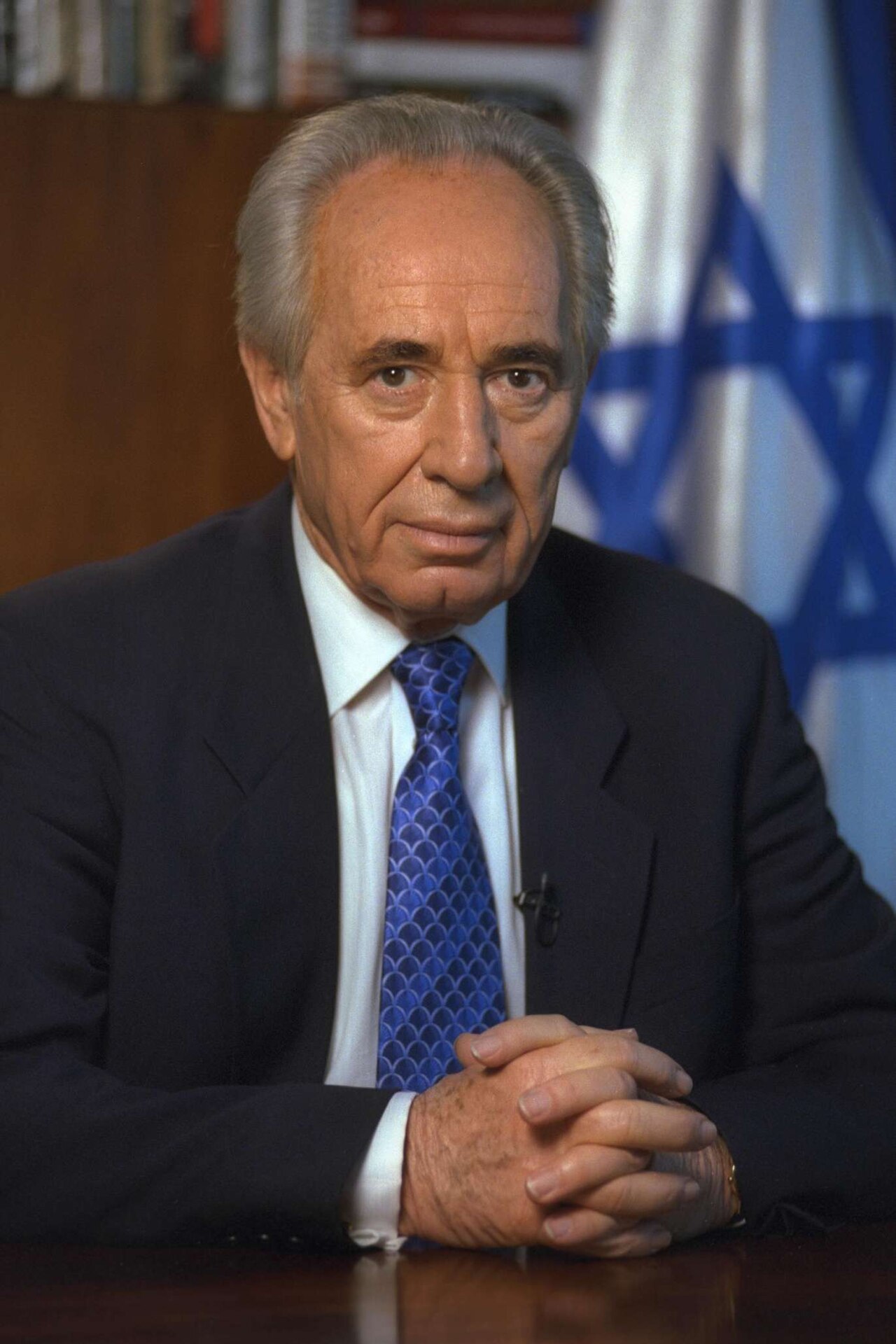
1923Shimon PeresShimon Peres was an Israeli politician and statesman who served as the prime minister of Israel from 1984 to 1986 and from 1995 to 1996 and as the president of Israel from 2007 to 2014.
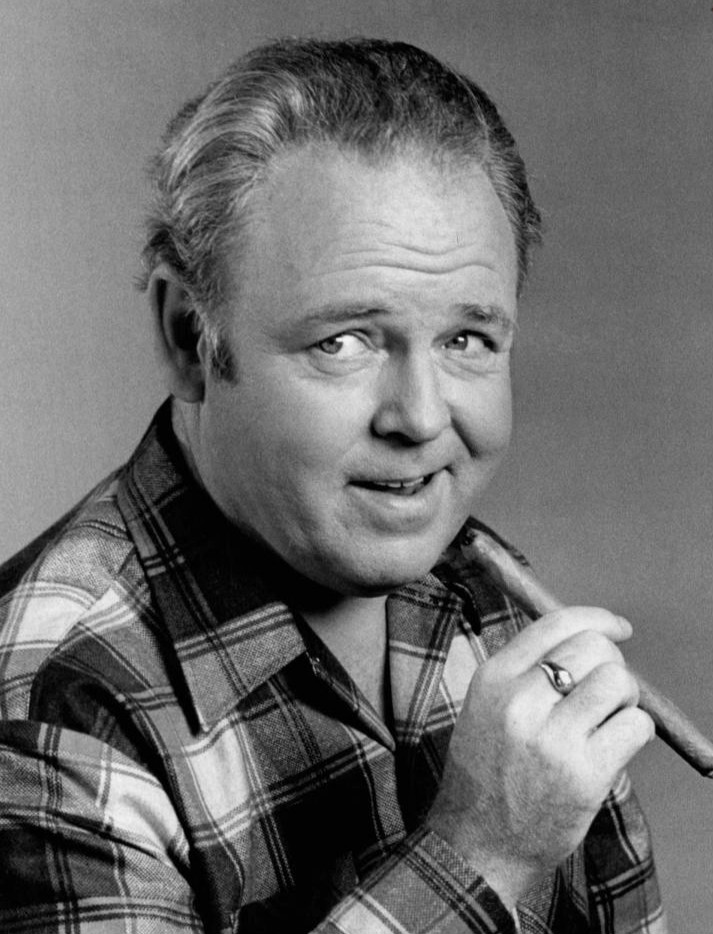
1924Carroll O'ConnorJohn Carroll O'Connor was an American actor whose television career spanned over four decades.
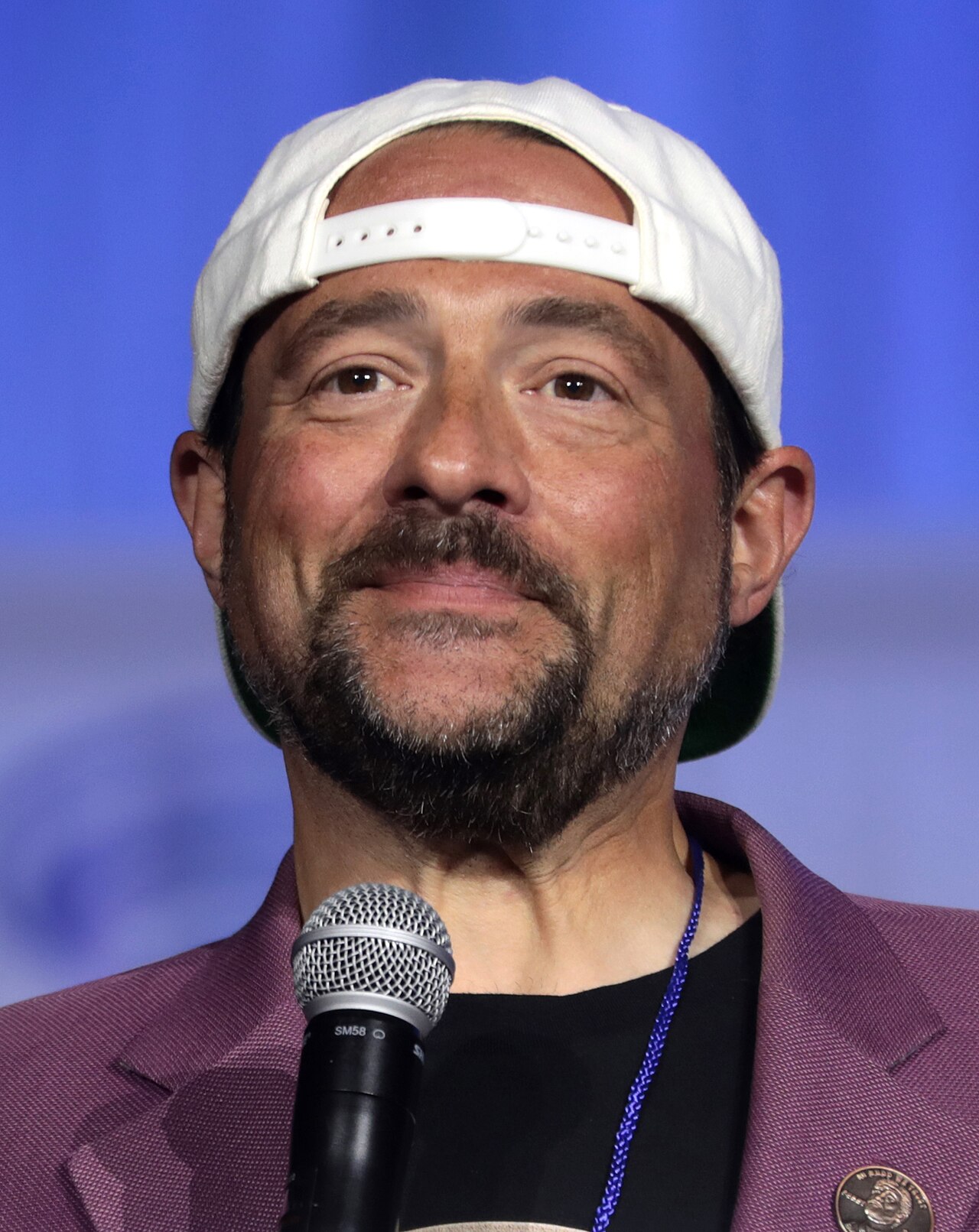
1970Kevin Smith(56 this year)Kevin Patrick Smith is an American filmmaker, actor, and podcaster.
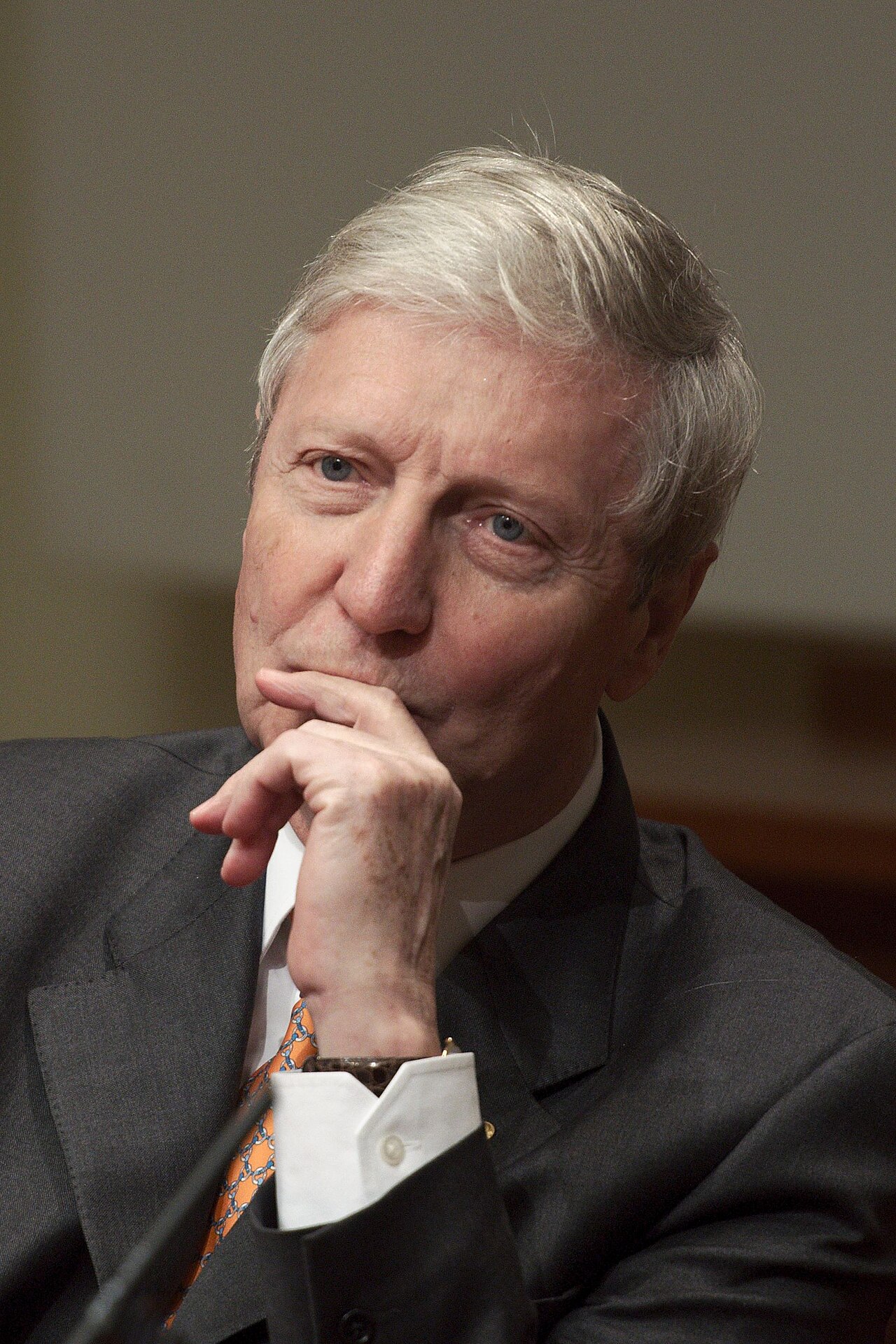
1941Jules A. Hoffmann(85 this year)Jules Alphonse Nicolas Hoffmann is a Luxembourgish-French biologist.
1990Skylar Diggins(36 this year)Skylar Kierra Diggins is an American professional basketball player for the Chicago Sky of the Women's National Basketball Association (WNBA) and for the Lunar Owls of Unrivaled.
1696Mahmud IMahmud I, known as Mahmud the Hunchback, was the sultan of the Ottoman Empire from 1730 to 1754.
1740Jean Baptiste Camille CanclauxJean Baptiste Camille de Canclaux was a French army commander during the French Revolution and a Peer of France.
1754Pierre Charles L'EnfantPierre "Peter" Charles L'Enfant was a French-American artist, professor, and military engineer.
1865Irving BabbittIrving Babbitt was an American academic and literary critic, noted for his founding role in a movement that became known as the New Humanism, a significant influence on literary discussion and conservative thought in the period between 1910 and 1930.
1871John French SloanJohn French Sloan was an American painter and etcher.
1880Arthur DoveArthur Garfield Dove was an American artist.
1894Bertha LutzBertha Maria Júlia Lutz was a Brazilian zoologist, politician, and diplomat.
1900Helen MorganHelen Morgan was an American singer and actress who worked in films and on the stage.
1902Mina ReesMina Spiegel Rees was an American mathematician.
1916Alfonso A. OssorioAlfonso Angel Yangco Ossorio was a Filipino American abstract expressionist artist who was born in Manila in 1916 to wealthy Filipino parents from the province of Negros Occidental.
1923Ike WilliamsIsiah "Ike" Williams was an American professional boxer known as the Trenton Tornado.
1924James BaldwinJames Arthur Baldwin was an American writer and civil rights activist who garnered acclaim for his essays, novels, plays, and poems.
1936Anthony PayneAnthony Edward Payne was an English composer, music critic and musicologist.
1937Billy CannonBilly Abb Cannon Sr. was an American professional football player who was a halfback and tight end in the American Football League (AFL) and National Football League (NFL).
1939John W. Snow(87 this year)John William Snow is an American economist, attorney, and businessman who is the former CEO of CSX Corporation and served as the 73rd United States secretary of the treasury under U.S. President George W. Bush.
1942Isabel Allende(84 this year)Isabel Angélica Allende Llona is a Chilean-American writer.
1951Andrew GoldAndrew Maurice Gold was an American multi-instrumentalist, singer, songwriter, and record producer who influenced much of the Los Angeles-dominated pop/soft rock sound in the 1970s. Gold performed on scores of records by other artists, especially Linda Ronstadt, and had his own success with the U.S. top 40 hits "Lonely Boy" (1977) and "Thank You for Being a Friend" (1978), as well as the UK top five hit "Never Let Her Slip Away" (1978).
1953Donnie Munro(73 this year)Donnie Munro is a Scottish musician and politician, best known as the former lead singer of the band Runrig.
1960Neal Morse(66 this year)Neal Morse is an American singer, musician and composer based in Nashville, Tennessee.
1965Joe Hockey(61 this year)Joseph Benedict Hockey is an Australian former politician and diplomat.
Died on August 2
855Ahmad ibn HanbalAhmad ibn Hanbal was an Arab jurist and founder of the Hanbali school who is widely recognized as the scholar who memorized the most Hadiths in Islamic history.
1988Raymond CarverRaymond Clevie Carver Jr. was an American short story writer and poet.
1996Obdulio VarelaObdulio Jacinto Muiños Varela was a Uruguayan football player.
1997William S. BurroughsWilliam Seward Burroughs II was an American writer and visual artist.
2020Suzanne PerlmanSuzanne Perlman was a Hungarian-Dutch visual artist known for her expressionist portraits and landscape paintings.
1967Walter Terence StaceWalter Terence Stace was a British civil servant, educator, public philosopher and epistemologist, who wrote on Hegel, mysticism, and moral relativism.
2023Nitin Chandrakant DesaiNitin Chandrakant Desai was an Indian art director, production designer, and film and television producer.
2016Ahmed ZewailAhmed Hassan Zewail was an Egyptian-American chemist, known as the "father of femtochemistry".
1788Thomas GainsboroughThomas Gainsborough was an English painter, draughtsman and printmaker who specialised in portrait and landscape painting.
1876"Wild Bill" HickokJames Butler Hickok, better known as "Wild Bill" Hickok, was a folk hero of the American Old West known for his life on the frontier as a soldier, scout, lawman, cattle rustler, gunslinger, gambler, showman, and actor, and for his involvement in many famous gunfights.
1972Paul GoodmanPaul Goodman was an American writer and public intellectual best known for his 1960s works of social criticism.
1923Joseph WhittyMichael Joseph Whitty was an Irish militant and Republican activist who was the youngest of the 22 Irish republicans who died while on hunger strike in the 20th century.
1986Roy CohnRoy Marcus Cohn was an American lawyer, prosecutor, and conservative political activist.
1983James JamersonJames Lee Jamerson was an American bassist.
1834Harriet ArbuthnotHarriet Arbuthnot was an early 19th-century English diarist, social observer and political hostess on behalf of the Tory party.
Holidays and observances
August 2 (Eastern Orthodox liturgics)
Basil Fool for Christ (Russian Orthodox Church)
Ceferino Giménez Malla
Centola and Helen
Joan of Aza
Justin Russolillo
Peter Julian Eymard
Plegmund
Pope Stephen I
Portiuncola Indulgence ("Pardon of Assisi"), the plenary indulgence related to St. Francis of Assisi (Catholic Church).
Samuel David Ferguson (Episcopal Church)
Day of Azerbaijani cinema (Azerbaijan)
Quote of the Day
“Early to bed, and early to rise, makes a man healthy, wealthy, and wise.” — Benjamin Franklin, Poor Richard's Almanack
August 2 History Quiz
Who co-authored the letter to President Roosevelt warning about German atomic bomb research?
Leó Szilárd
What particle did Carl David Anderson discover on this date, which led to his Nobel Prize?
Positron
Which British engineer oversaw the construction of the Tower Subway under the Thames?
Every event on this page was picked by hand from the historical record, written up as a news report, and checked against its source. Photographs are matched to the event they illustrate and verified before they are used. Sources are linked on each story.


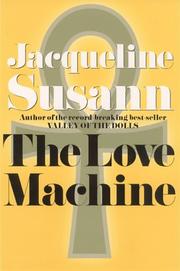 The Love Machine, Jacqueline Susann
 The Moneychangers, Arthur Hailey
 “Magic”,
 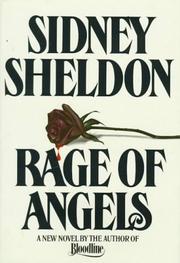 Rage of Angels, Sidney Sheldon
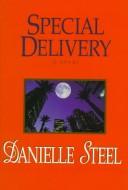 Special Delivery, Danielle Steel
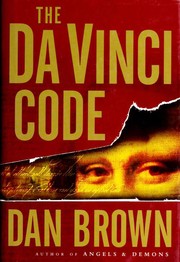 The Da Vinci Code, Dan Brown
 “Rude”,
  Act of War, Brad Thor
 “Ordinary”,
  Rose in Chains, Julie Soto