Our front page for August 19 — written and set by The Yesterday Times from the events below. Not an archival document.
Day of the year
231
Days left in 2026
134
In 2026 it falls on a
Wednesday
Star sign
Leo
Birthstone
Peridot
On August 19 in 1944, 82 years ago, Paris Rises Against the Hun As Allies Close. This page reports 11 stories from the date, 25 people born on this day.
The stories in full
War Desk
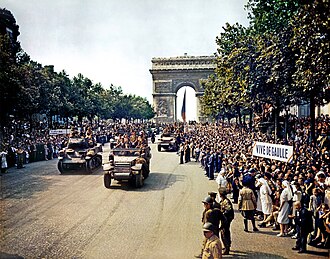
1944 — Paris Rises Against the Hun As Allies Close
Parisians rise against occupiers after four years of German rule, as Allied forces close in
The long night of occupation is breaking over Paris. After four years of German rule, the city has risen, and the sound of its liberation mingles with the roar of Allied guns closing from every side. French citizens, long chafing under the Nazi yoke, have taken to the streets, manning barricades and firing on the occupiers as the enemy’s grip begins to crumble.
Reports reaching this office describe a capital in tumult. Police have joined the uprising, and resistance fighters, armed with whatever they could lay hands on, are engaging German patrols in the boulevards and alleys of the city. The tricolor is said to fly once more from public buildings, and the cries of "Vive la France" echo through the streets.
The German command, taken by surprise, has responded with tanks and machine-gun fire, but the spirit of the people is unbroken. The arrival of Allied forces, pressing hard on the heels of the retreating enemy, has given heart to the defenders of the city.
Paris, the City of Light, which has known four years of darkness, now burns with a new flame. The battle for its streets is fierce, but the outcome is no longer in doubt. The occupation is ending, and with it, the shame of surrender that has hung over France since 1940.
The world watches as the capital of a once-proud nation reclaims its honor.
World War II: Liberation of Paris: Paris, France rises against German occupation with the help of Allied troops.
Bach leads premiere of his new sacred cantata, BWV 137, in Leipzig.
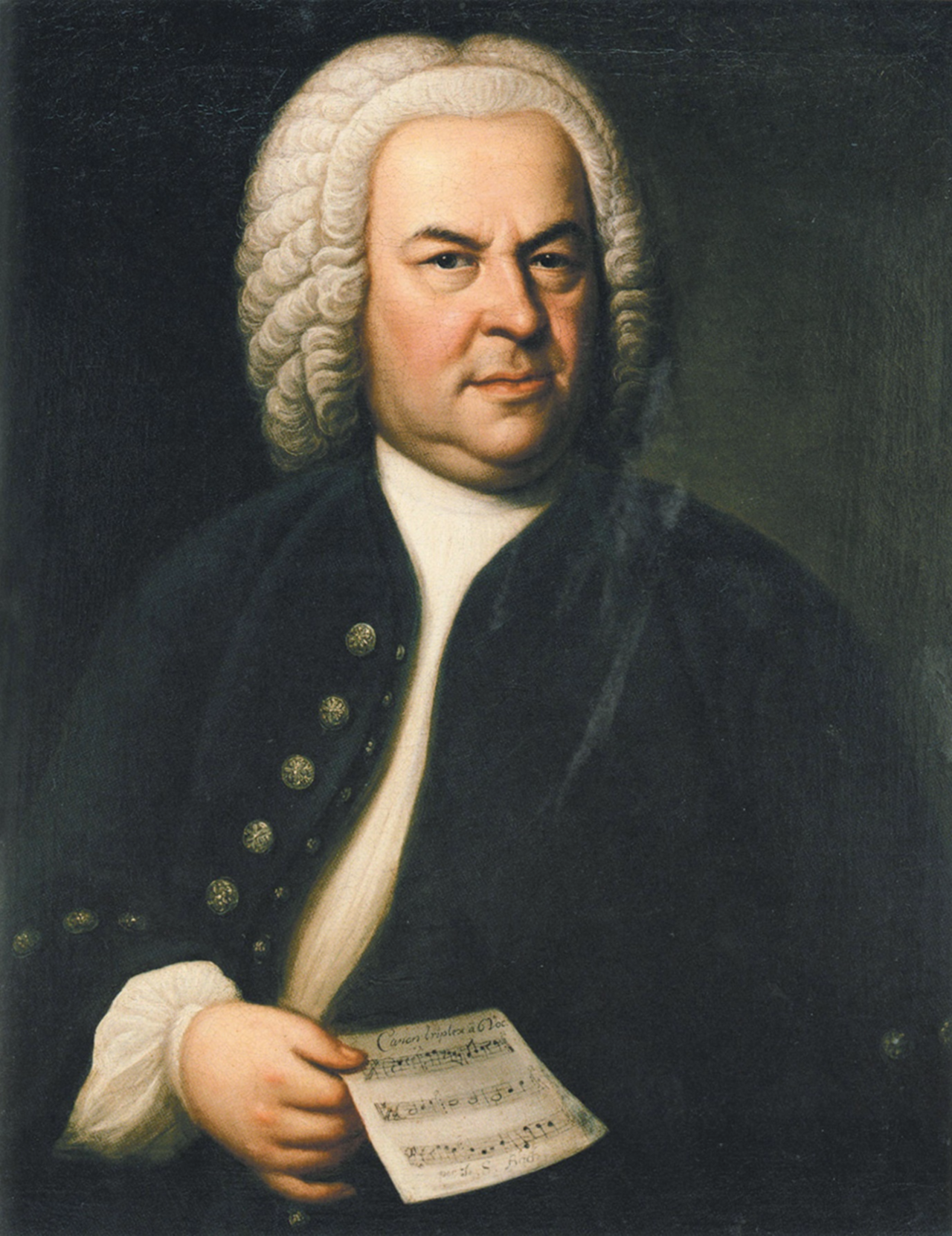
Johann Sebastian Bach, who debuts his sacred cantata BWV 137 in Leipzig — Elias Gottlob Haussmann
Johann Sebastian Bach, the distinguished Kapellmeister of Leipzig, on August 19 led the first performance of his new sacred cantata, "Lobe den Herren, den mächtigen König der Ehren," at the city's principal church. The work, which sets the unchanged text of Joachim Neander's beloved hymn, was heard for the first time in the service for the Nineteenth Sunday after Trinity, in the fourth year of the composer's tenure in this city.
Bach, who has long been admired for his mastery of the chorale, has here adopted the omnes versus style, setting all stanzas of the hymn without alteration. This new cantata, numbered BWV 137 in the catalogue of his works, is the only chorale cantata of his third cycle to follow this manner, and it bears the mark of his genius for weaving intricate counterpoint around a familiar melody.
The congregation, accustomed to the Kapellmeister's learned and expressive church music, was treated to a work of singular beauty. The instruments and voices joined in praise, and the text, well known to all, was rendered with a freshness that seemed to spring anew from the composer's pen.
Bach composed the cantata BWV 137 for the 19th Sunday after Trinity during his fourth year in Leipzig.
BWV 137 is the only chorale cantata of Bach's third cantata cycle and follows the omnes versus style.
The cantata BWV 137 sets all stanzas of the hymn 'Lobe den Herren, den mächtigen König der Ehren' unchanged.
Plebiscite confirms merger of president and chancellor with nearly 90 percent approval, while Hamburg's support falls just under 80 percent.
The Reich has spoken, and its answer is yes. In a national referendum held today, the German people voted to approve the merging of the offices of president and chancellor, thereby confirming Adolf Hitler as the sole and supreme leader of the nation. The vote comes seventeen days after the death of President Paul von Hindenburg, and it is seen as the final step in the consolidation of the Führer's authority.
Official figures, announced this evening from the Ministry of the Interior, show that the "yes" vote received slightly less than 90 percent of the total, a margin that speaks to the overwhelming support of the people for their leader. Yet the results are not without their pockets of resistance. In Hamburg, the vote in favor stood at just under 80 percent, the lowest of any region in the Reich, a fact that suggests a measure of discontent even in these times of national unity.
The campaign for the referendum was marked by an intensity that left little room for doubt. Storm troopers were stationed at polling stations across the country, and in many places the polling booths were removed, leaving voters to cast their ballots in full view of the party's men. The effect was to make clear the consequences of any hesitation.
Hitler himself took to the airwaves to press the case.
The referendum was held on 19 August 1934, seventeen days after President Paul von Hindenburg's death.
Voters were asked to approve the merger of the offices of national president and national chancellor, with powers passing to Adolf Hitler.
The government used widespread intimidation, including stationing storm troopers at polling stations and removing polling booths.
Officially, 'yes' won with slightly less than 90% of the vote, but support was lowest in Hamburg at just under 80%.
Hitler declared a 'virtual national holiday' on 17 August 1934 to address the German people over 4.3 million registered radio sets.
Bonnie Prince Charlie raises the Jacobite standard, beginning the rising of 1745.
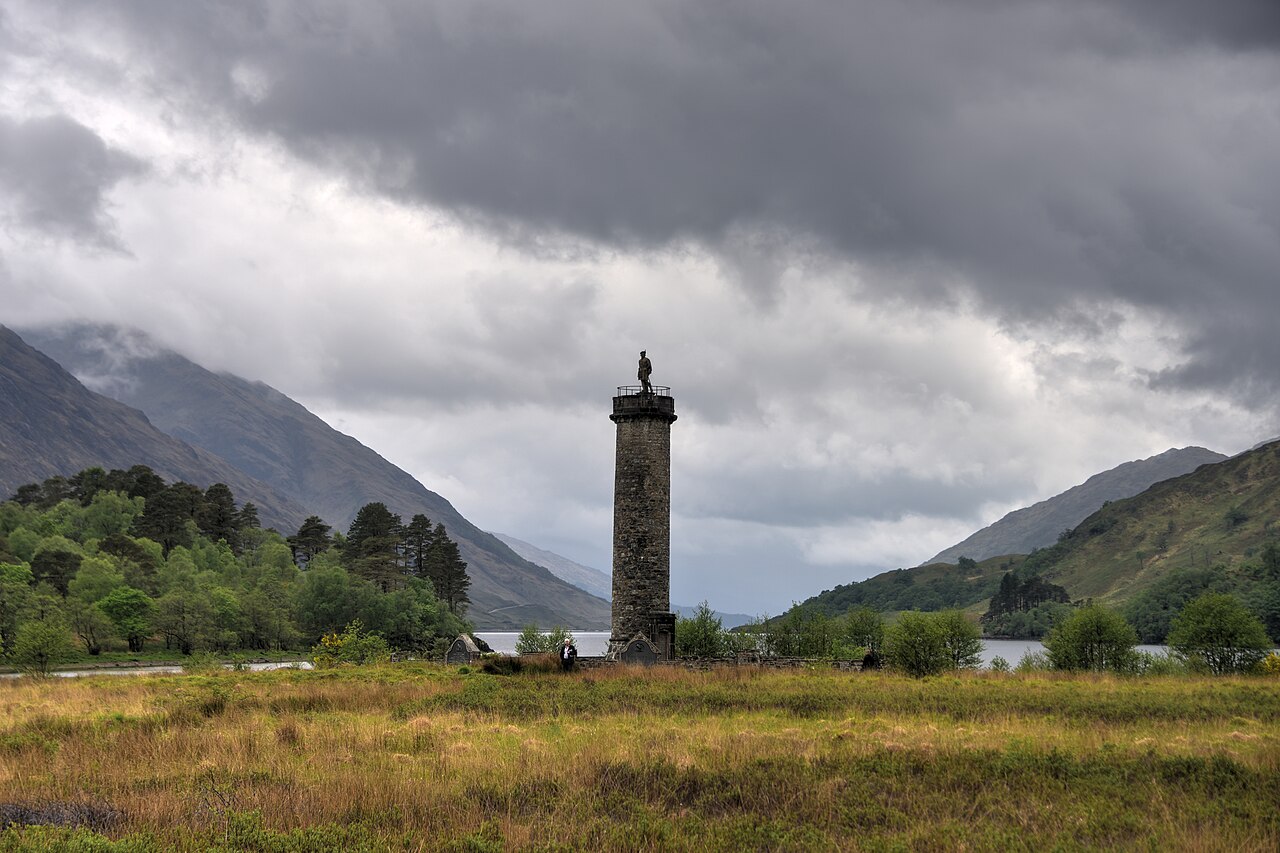
The Glenfinnan Monument marks the site where Bonnie Prince Charlie raised his Jacobite standard — August Schwerdfeger
Charles Edward Stuart, known to his followers as Bonnie Prince Charlie, today raised the Jacobite standard on the shores of Loch Shiel, proclaiming the cause of his father, James, and beginning the rising of 1745. A member of Clan Macfie, one of two pipers at the prince's side, played as the banner was unfurled above the assembled Highlanders.
Stuart, claiming the British throne for his father, then distributed brandy to the gathered clansmen, a gesture that was received with cheers. The rising, which has been long in preparation, now moves to the field of battle.
Charles Edward Stuart raised his standard on the shores of Loch Shiel on 19 August 1745.
The 18-metre Glenfinnan Monument was erected 70 years later to commemorate the event.
Brandy was distributed to the assembled Highlanders after Stuart claimed the British throne.
A member of Clan Macfie was one of two pipers with Stuart as he raised his banner above Glenfinnan.
The Jacobite rising ended in failure at the Battle of Culloden on 16 April 1746.
2002 — Mi-26 Crash in Chechnya Kills 127 in Worst Helicopter
Overloaded with 142 soldiers and designed for only 80, the Mi-26 was downed by a 9K38 Igla missile; 127 died, and 14 survivors later succumbed to burns.
The wreckage of a Russian Mil Mi-26 helicopter smoldered Wednesday in a minefield at Khankala military air base, where Chechen separatists brought it down with a shoulder-fired missile, killing 127 people in the deadliest helicopter crash in history.
The separatists used a Russian-made 9K38 Igla surface-to-air missile to strike the troop carrier, which was overloaded with 142 soldiers and officers, mostly from the 20th Guards Motor Rifle Division, though designed to carry 80 troops.
Crash-landing in the minefield, some survivors were killed by anti-personnel mine explosions. Only the crew of five and 29 passengers escaped through the small cockpit exit hatch; 14 survivors later died from severe burns.
President Vladimir Putin declared a national day of mourning for August 22, and the media called the crash "the second Kursk."
Chechen separatists used a Russian-made 9K38 Igla shoulder-fired surface-to-air missile to down the helicopter.
The helicopter was overloaded with 142 soldiers and officers, mostly from the 20th Guards Motor Rifle Division, though designed to carry 80 troops.
The Mi-26 crash-landed in a minefield at Khankala military air base, and some survivors were killed by anti-personnel mine explosions.
Only the crew of five and 29 passengers escaped through the small cockpit exit hatch; 14 survivors later died from severe burns.
Russian President Vladimir Putin declared a national day of mourning for 22 August 2002, and the media called the crash 'the second Kursk'.
1953 — Shah Restored in Iran as CIA, MI6 Topple Mosaddegh
Western-backed coup ends premier's rule, returns Pahlavi to throne.
The government of Premier Mohammad Mosaddegh in Iran has been overthrown, with the Shah, Mohammad Reza Pahlavi, reinstated to the throne, in a coup supported by the American Central Intelligence Agency and Britain's MI6.
Cold War: The CIA and MI6 help to overthrow the government of Mohammad Mosaddegh in Iran and reinstate the Shah Mohammad Reza Pahlavi.
Allied attack on French coast in 1942 repulsed, with Canadian assault ending in failure.
In 1942, Allied forces struck at the French coast, but the Dieppe Raid failed. The 2nd Canadian Infantry Division led the amphibious assault, which was repulsed. German fire pinned down the landing force, and the beaches fell silent by late morning.
World War II: Operation Jubilee (The Dieppe Raid): The 2nd Canadian Infantry Division leads an amphibious assault by allied forces on Dieppe, France and fails.
Investors valued Google at $27 billion as shares opened at $100, an 18 percent jump from the $85 IPO price, raising $1.67 billion.
$27 billion. That is the value investors placed on Google Inc. as its shares began trading on the Nasdaq today. The search engine's initial public offering priced at $85, but opened at $100, an 18 percent jump. The offering raised $1.67 billion for the company and early investors.
Google Inc. has its initial public offering on Nasdaq.
1812 — Constitution Captures Guerriere in Sea Fight
American frigate takes British man-of-war after a sharp engagement; foe left a burning wreck.
In a sharp engagement off the Nova Scotia coast, the American frigate Constitution has taken His Majesty's ship Guerriere. The battle lasted a scarce half-hour before the British vessel, her masts gone and hull shattered, struck her colors. Her crew, numbering near two hundred and seventy, were taken off, and the prize was set alight and blown up. This day, the Constitution's crew saw their oaken sides turn aside the enemy's shot, whence the name Old Ironsides is now everywhere spoken. Captain Isaac Hull commands the American ship, and reports the loss of but seven men killed and seven wounded.
War of 1812: American frigate USS Constitution defeats the British frigate HMS Guerriere off the coast of Nova Scotia, Canada earning the nickname "Old Ironsides".
1960 — Soviet Ship Bears Dogs, Mice, Plants Into Orbit
Soviet satellite carries two dogs, 40 mice, two rats, and plants; recovery expected after orbital flight.
Aboard a spacecraft circling the Earth, two dogs, Belka and Strelka, are making history. The Soviet Union launched Korabl-Sputnik 2 this morning, carrying the two dogs, 40 mice, two rats, and a variety of plants. The satellite, the first to carry animals into orbit and return them, is expected to land safely after completing its mission. Officials here said the flight tests life-support systems for future manned space travel. The dogs' vital signs are being transmitted to ground stations.
Sputnik program: Korabl-Sputnik 2: The Soviet Union launches the satellite with the dogs Belka and Strelka, 40 mice, two rats and a variety of plants.
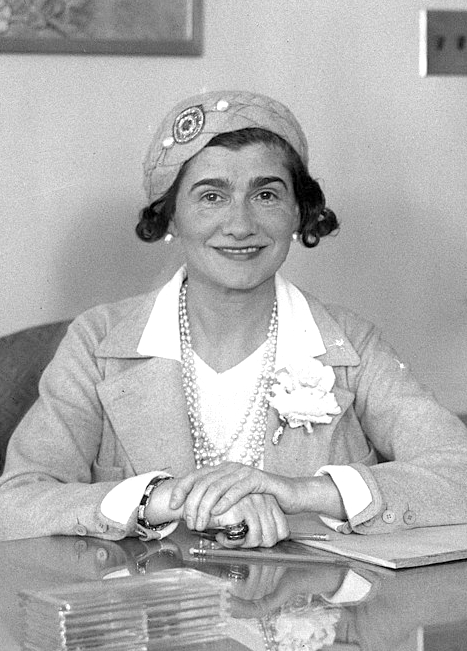
1883Coco ChanelGabrielle Bonheur "Coco" Chanel was a French fashion designer and businesswoman.
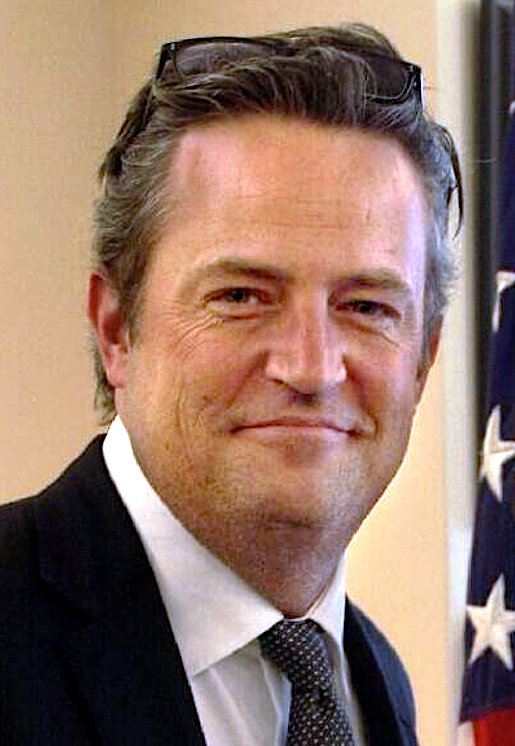
1969Matthew PerryMatthew Langford Perry was an American and Canadian actor.
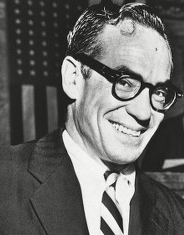
1919Malcolm ForbesMalcolm Stevenson Forbes was an American businessman and politician most prominently known as the publisher of Forbes magazine, which was founded by his father B. C. Forbes.
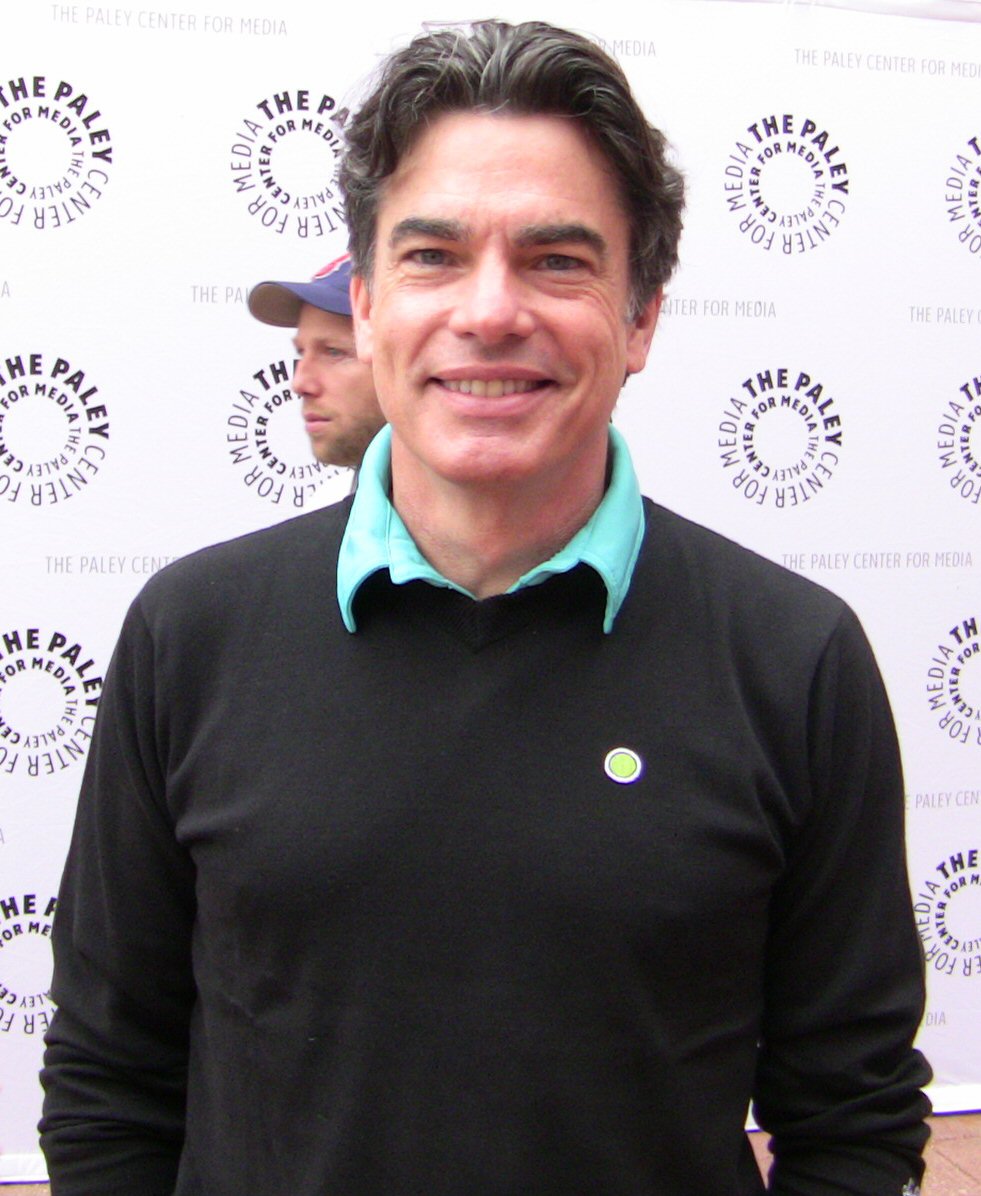
1955Peter Gallagher(71 this year)Peter Killian Gallagher is an American actor.
1965Kyra Sedgwick(61 this year)Kyra Minturn Sedgwick is an American film and television actress.
1711Edward BoscawenAdmiral of the Blue Edward Boscawen, was a Royal Navy officer and politician.
1815Harriette Newell Woods BakerHarriette Newell Woods Baker was an American author of books for children, and editor.
1835Tom WillsThomas Wentworth Wills was an Australian sportsman who is credited with being Australia's first cricketer of significance and a founder of Australian rules football.
1858Ellen WillmottEllen Ann Willmott was an English horticulturist.
1871Orville WrightThe Wright brothers, Orville Wright and Wilbur Wright, were American aviation pioneers generally credited with inventing, building, and flying the world's first successful airplane.
1883José Mendes CabeçadasJosé Mendes Cabeçadas Júnior, OTE, ComA, MPCE, commonly known as Mendes Cabeçadas, was a Portuguese Navy officer, Freemason and republican, having a major role in the preparation of the revolutionary movements that created and ended the Portuguese First Republic: the 5 October revolution in 1910 and the 28 May coup d'état of 1926.
1900Gilbert RyleGilbert Ryle was a British philosopher, principally known for his critique of Cartesian dualism, for which he coined the phrase "ghost in the machine".
1914Rose HeilbronDame Rose Heilbron, DBE was a British barrister who served later as a High Court judge.
1915Ring Lardner, Jr.Ringgold Wilmer Lardner Jr. was an American screenwriter and novelist.
1935Bobby Richardson(91 this year)Robert Clinton Richardson Jr. is an American former professional baseball second baseman.
1943Billy J. Kramer(83 this year)William Howard Ashton, known professionally as Billy J. Kramer, is an English pop singer.
1944Eddy Raven(82 this year)Edward Garvin Futch, known professionally as Eddy Raven, is an American country music singer and songwriter.
1947Gerald McRaney(79 this year)Gerald Lee McRaney is an American television and film actor.
1950Sudha Murty(76 this year)Sudha Murty is an Indian educator, author, and philanthropist.
1956Adam Arkin(70 this year)Adam Arkin is an American actor and director.
1957Martin Donovan(69 this year)Martin Donovan is an American actor.
1960Morten Andersen(66 this year)Morten Andersen, nicknamed "the Great Dane", is a Danish-American former professional football kicker who played in the National Football League (NFL) for 25 seasons, most notably with the New Orleans Saints and Atlanta Falcons.
1965James Tomkins(61 this year)James Bruce Tomkins is an Australian rower, seven-time World Champion and a three-time Olympic gold medalist.
1970Fat Joe(56 this year)Joseph Antonio Cartagena, better known by his stage name Fat Joe, is an American rapper.
1978Thomas Jones(48 this year)Thomas Quinn Jones is an American actor and former professional football player.
Quote of the Day
“What's in a name? That which we call a rose By any other name would smell as sweet.” — William Shakespeare, Romeo and Juliet
August 19 History Quiz
On August 19, 1942, which Allied port was the target of a disastrous raid?
Dieppe
Which two dogs were launched into space by the Soviets on August 19, 1960?
Belka and Strelka
What ship earned the nickname 'Old Ironsides' after defeating HMS Guerriere on August 19, 1812?
USS Constitution
August 19 leans War Desk: 2 of the 11 events we hold for this date come from it.
Every event on this page was picked by hand from the historical record, written up as a news report, and checked against its source. Photographs are matched to the event they illustrate and verified before they are used. Sources are linked on each story.


 “All You Need Is Love”,
 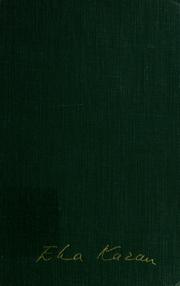 The Arrangement, Elia Kazan
 Polar Star, Martin Cruz Smith
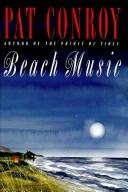 Beach Music, Pat Conroy
 “Despacito”,
 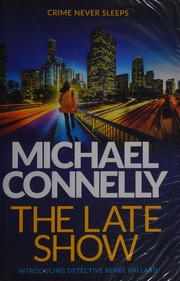 The Late Show, Michael Connelly
 “Last Night”,
 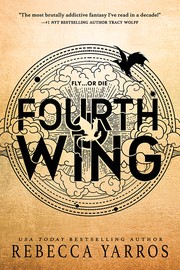 Fourth Wing, Rebecca Yarros