Our front page for August 23 — written and set by The Yesterday Times from the events below. Not an archival document.
Day of the year
235
Days left in 2026
130
In 2026 it falls on a
Sunday
Star sign
Virgo
Birthstone
Peridot
On August 23 in 1991, 35 years ago, World Wide Web Opens to Public. This page reports 9 stories from the date, 25 people born on this day and 15 who died on it.
The stories in full
Science Desk
1991 — World Wide Web Opens to Public
CERN's invention, built by Tim Berners-Lee, is now free to all Internet users — a global information system that may reshape research and daily life.
At the European Laboratory for Particle Physics in Geneva, a modest computer program that a British physicist wrote in his spare time has quietly become the most talked-about tool in the digital world. Today, 23 August 1991, the World Wide Web, invented by Tim Berners-Lee while working at CERN in 1989, was released to the entire Internet. No longer confined to the laboratory's own machines, the hypertext system that links documents across continents is now open to any user with a connection.
Berners-Lee and his team built the first web server and browser by December 1990, and the handful of enthusiasts who have seen it say it works with startling simplicity. A user types an address, and pages appear, with highlighted words that leap to other pages on other computers. The technology is being given away free of charge by the laboratory, which sees its mission as basic science rather than commerce.
Already, in the months since word spread, roughly 50 websites have been created, most of them at universities and research institutes.
Tim Berners-Lee invented the World Wide Web while working at CERN in 1989.
The technology was released to the whole Internet on 23 August 1991.
CERN made the Web protocol and code available royalty-free on 30 April 1993.
Within two years of its release, there were 50 websites created.
The first web server and browser were built by Berners-Lee and his team by December 1990.
Foreign Desk
1939 — Reich and Soviets Sign Ten-Year Non-Aggression
Treaty in Moscow, backdated to 23 August, commits both sides to neither aid nor ally with an enemy of the other.
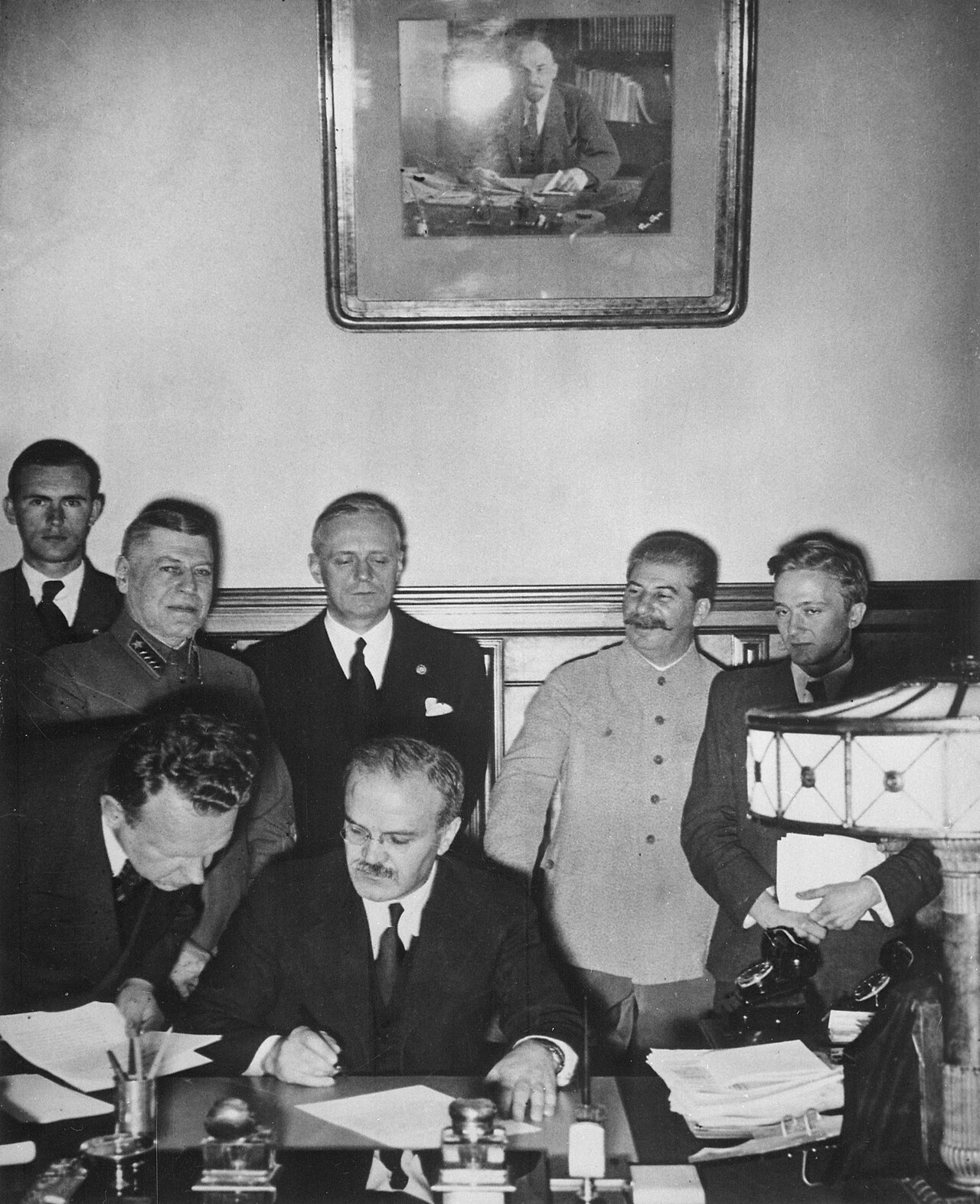
Europe's balance of power shifted today as Nazi Germany and the Soviet Union, bitter ideological foes, signed a ten-year mutual non-aggression treaty in Moscow. The pact, backdated to 23 August, commits both sides to neither aid nor ally with an enemy of the other. The signing followed a week of feverish negotiations in the Kremlin. A secret protocol, its existence unacknowledged, partitions Poland and the Baltic states into German and Soviet spheres of influence.
The pact was signed in Moscow on 24 August 1939 but backdated to 23 August 1939.
The secret protocol partitioned Poland and allotted Latvia, Estonia, Finland and Bessarabia to the Soviet sphere.
A week after signing, on 1 September 1939, Germany invaded Poland.
The Soviet Union invaded Poland on 17 September 1939, one day after the Supreme Soviet approved the pact.
The pact was terminated on 22 June 1941 when Germany launched Operation Barbarossa and invaded the Soviet Union.
National News
2006 — Kidnap Victim, Held Eight Years, Escapes in Vienna Suburb
Natascha Kampusch, abducted as a child in Vienna, escaped from her captor's house, and the suspect later died by suicide, police said.
Natascha Kampusch, abducted at age ten in Vienna, escaped while cleaning her kidnapper's white van when he stepped away for a mobile phone call. She ran about 200 meters through neighboring gardens and streets, jumping fences, and knocked on a neighbor's window, identifying herself as Natascha Kampusch. Police arrived after the neighbor called, and the kidnapper died by suicide at a nearby station.
Natascha Kampusch escaped while cleaning her kidnapper's white van; he walked away to take a mobile phone call.
She ran approximately 200 meters through neighboring gardens and streets, jumping fences.
She knocked on the window of a 71-year-old neighbor, Inge T, saying, 'I am Natascha Kampusch.'
Police arrived at 1:04 pm after the neighbor called, and took Kampusch to Deutsch-Wagram station.
Kidnapper Wolfgang Přiklopil died by suicide by train at a nearby station upon her escape.
Chronicle of the Realm
1305 — Wallace Hanged, Drawn, and Quartered for Treason
Scottish rebel leader executed at Smithfield after capture near Glasgow; head set on London Bridge, quarters sent to four towns.
William Wallace, who led the Scots against England through years of war, met his end today at Smithfield, hanged, drawn, and quartered for high treason and crimes against English civilians. Forced to wear a crown of laurel leaves, he was drawn to the place of execution, then hanged, but cut down before death. His body was emasculated, eviscerated, and his entrails burned before him, and finally he was beheaded and his corpse quartered. The head was set on London Bridge, and the quarters sent to Newcastle, Berwick, Stirling, and Perth, that all may see the price of rebellion.
Wallace was forced to wear a crown of laurel leaves and drawn to Smithfield for execution.
He was hanged, cut down before dying, emasculated, eviscerated, and then beheaded.
His entrails were burned before him and his corpse quartered.
Wallace's head was set on London Bridge and his quarters sent to Newcastle, Berwick, Stirling, and Perth.
Wallace was captured in Robroyston, near Glasgow, in August 1305 and handed over to King Edward I.
Maritime News
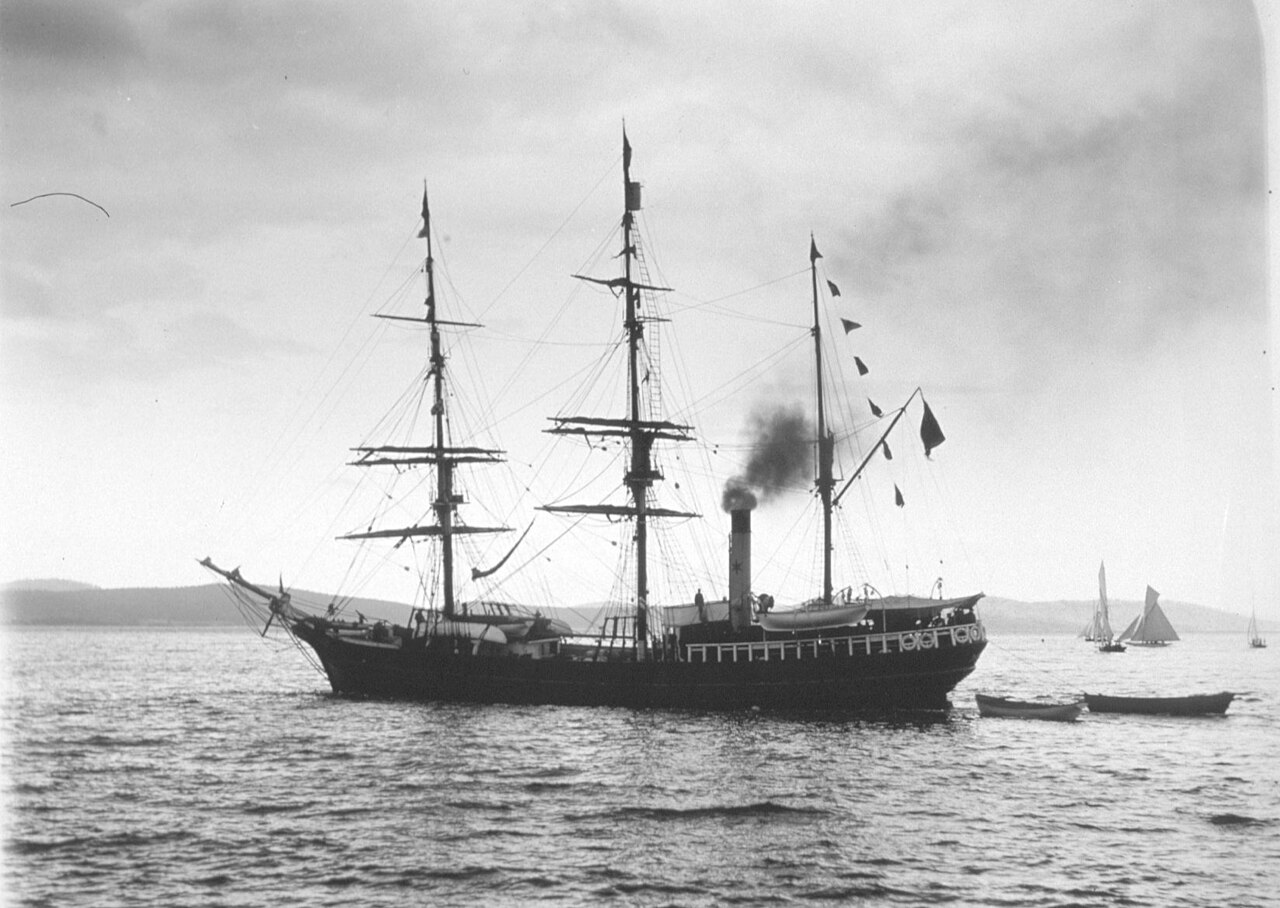
1898 — Southern Cross Sails for Antarctic
The Southern Cross, carrying 31 men, departs London with the first sledge dogs ever taken on an Antarctic expedition.
The Southern Cross, the vessel for the first British Antarctic expedition, departs London — Wikimedia Commons
Ninety sledge dogs, the first ever taken on an Antarctic expedition, sailed from London today aboard the Southern Cross. The vessel, bound for the frozen south, was inspected by the Duke of York, who presented a Union Flag to the ship. The Southern Cross carries 31 men on the first British venture of the Heroic Age of Antarctic Exploration.
The Southern Cross departed London on 23 August 1898 after inspection by the Duke of York, the future King George V.
The Duke of York presented a Union Flag to the Southern Cross during the inspection before departure.
The ship carried 31 men and 90 Siberian sledge dogs, the first dogs taken on an Antarctic expedition.
Baltic Desk
1989 — Two Million Join Baltic Chain for Freedom
Human chain stretches 600 kilometers from Tallinn to Vilnius on pact's 50th anniversary.
Approximately two million people joined hands today to form a human chain across Estonia, Latvia, and Lithuania, in a powerful demonstration for independence. The Baltic Way stretched 600 kilometers (373 miles) from Tallinn to Vilnius, spanning 675.5 kilometres (419.7 mi) across the three Soviet republics. The demonstration occurred on the 50th anniversary of the Molotov-Ribbentrop Pact between the Soviet Union and Nazi Germany. Organized by the popular fronts of the three republics, the chain symbolized their unity in the Singing Revolution.
Approximately two million people joined hands to form a human chain across Estonia, Latvia, and Lithuania on August 23, 1989.
The Baltic Way human chain stretched 600 kilometers (373 miles) from Tallinn to Vilnius.
The demonstration occurred on the 50th anniversary of the Molotov-Ribbentrop Pact between the Soviet Union and Nazi Germany.
The Baltic Way was organized by the popular fronts of Estonia, Latvia, and Lithuania to symbolize unity.
From the Court at St. James's
1775 — King Proclaims Colonies in Rebellion
In 1775, George III branded American leaders traitors after armed conflict broke out at Lexington and Concord.
At St. James's, the King has issued a proclamation declaring elements of the American colonies to be in a state of "open and avowed rebellion." George III has branded the American leaders traitors, and a year of fighting has ensued. The Second Continental Congress had sent petitions to the Crown for intervention with Parliament, but the King and Parliament ignored them. Armed conflict began between British regulars and colonial militiamen at the Battles of Lexington and Concord in April 1775. In the colonies, Thomas Paine's pamphlet Common Sense has referred to George III as "the Royal Brute of Great Britain."
George declared the American leaders to be traitors and a year of fighting ensued.
The Second Continental Congress sent petitions to the Crown for intervention with Parliament, but the King and Parliament ignored them.
Armed conflict began between British regulars and colonial militiamen at the Battles of Lexington and Concord in April 1775.
Thomas Paine's book Common Sense referred to George III as 'the Royal Brute of Great Britain'.
War Office
1914 — BEF Holds Germans at Mons, Then Retreats
British troops suffer over 1,600 casualties in first major action of the war.
The British Expeditionary Force, in its first major action of the war, held up the German advance at Mons until the evening of 23 August, then began a retreat. The BEF, commanded by General Sir John French, comprised six infantry divisions and five cavalry brigades. The British suffered just over 1,600 casualties at the Battle of Mons. After the battle, the BEF retreated 400 km in thirteen days, ending at the River Marne. The retreat began under cover of darkness, with units marching through the night.
The British Expeditionary Force first engaged the German army at Mons on 23 August 1914.
The British held up the German advance at Mons until the evening of 23 August, then began a retreat.
The British suffered just over 1,600 casualties at the Battle of Mons.
The BEF retreated 400 km in thirteen days after the Battle of Mons, ending at the River Marne.
The BEF was commanded by General Sir John French and comprised six infantry divisions and five cavalry brigades.
War Front
1943 — Red Army Halts Nazi Drive at Kursk; Hitler Calls Off Offensive
On July 12, the Soviets launched Operation Kutuzov against the German rear on the northern side.
In the fifth summer of the war, the great German offensive against the Kursk salient has been broken. The Battle of Kursk, the largest single engagement in the history of warfare, ended in a decisive Soviet victory, giving the Red Army the strategic initiative for the remainder of the conflict.
The attack, code-named Operation Citadel, opened on July 5 with the aim of pinching off the salient. That first day proved the costliest in aerial warfare history, with more aircraft shot down than on any other day. Within a week, Hitler cancelled the offensive, partly to shift forces to Italy in response to the Allied invasion of Sicily.
On July 12, the Soviets launched Operation Kutuzov against the German rear on the northern side.
The Battle of Kursk is the single largest battle in the history of warfare.
The opening day of the battle, 5 July, was the single costliest day in the history of aerial warfare in terms of aircraft shot down.
The battle began with the German offensive Operation Citadel on 5 July, aiming to pinch off the Kursk salient.
On 12 July, the Soviets launched Operation Kutuzov against the rear of German forces on the northern side.
The battle was the first time in World War II that a German strategic offensive was halted before breaking through enemy defenses.
What the papers printed that morning
Real front pages from 23 August 1939, scanned by the Library of Congress. These are archival documents, not our work.
2023 Chandrayaan-3 achieves India's first Moon landing — 3 years agosource
1990 East and West Germany announce reunification for October 3 — 36 years agosource
1966 Lunar Orbiter 1 takes first photo of Earth from Moon — 60 years agosource
1990 Armenia declares independence from Soviet Union — 36 years agosource
1954 Lockheed C-130 Hercules takes first flight — 72 years agosource
1944 Allied forces liberate Marseille in World War II — 82 years agosource
1975 Wave Hill walk-off begins for Indigenous land rights — 51 years agosource
1923 First mid-air refueling sets endurance flight record — 103 years agosource
1541 Jacques Cartier lands near Quebec on third voyage — 485 years agosource
1970 Cesar Chavez leads large farm worker strike — 56 years agosource
1873 Albert Bridge in London opens to traffic — 153 years agosource
1954 Cruise of the Kings royal cruise departs Marseille — 72 years agosource
Famous birthdays on August 23
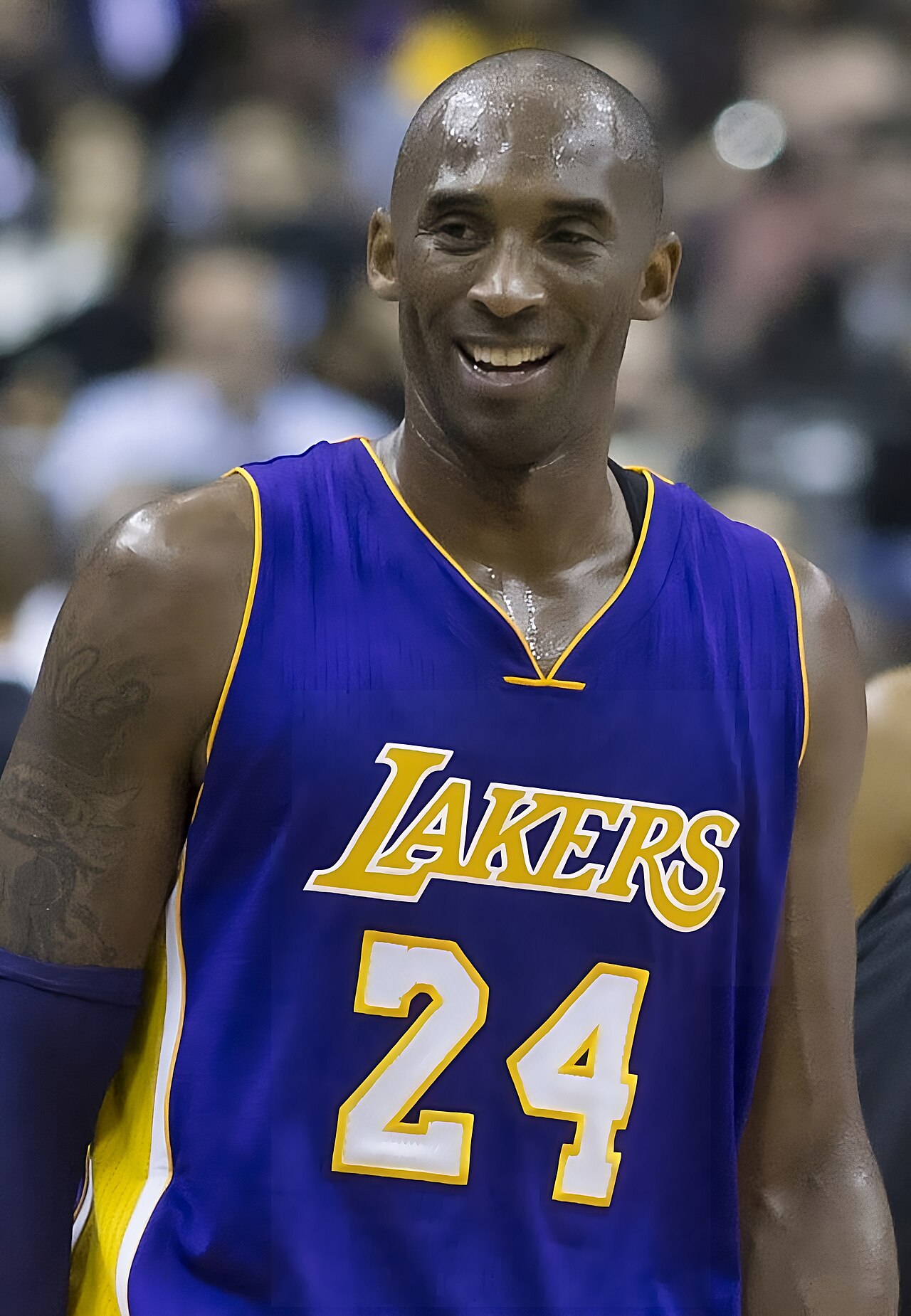
1978Kobe BryantKobe Bean Bryant was an American professional basketball player.
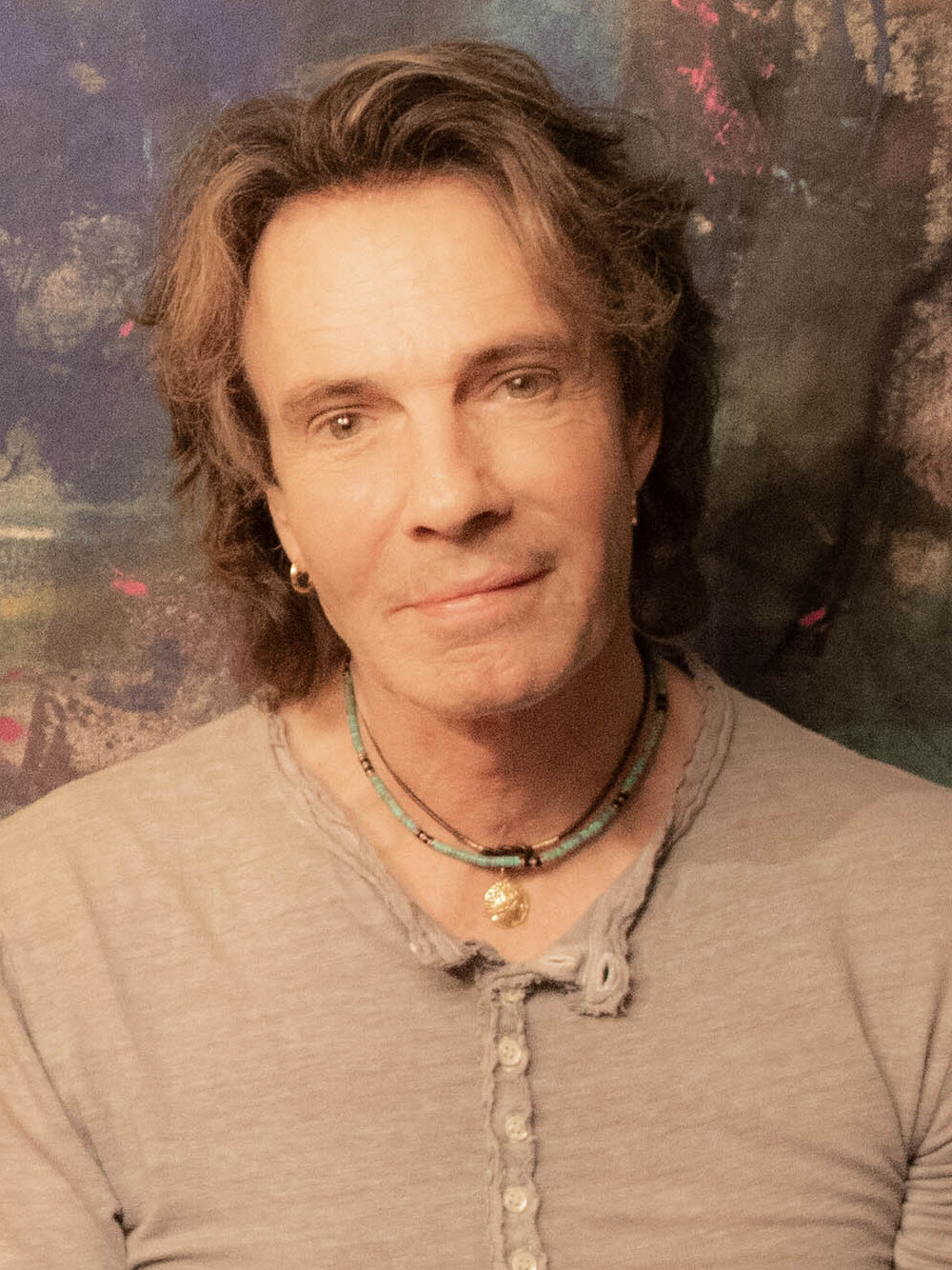
1949Rick Springfield(77 this year)Richard Lewis Springthorpe, known professionally as Rick Springfield, is an Australian-American musician and actor.
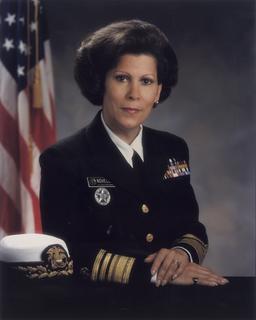
1944Antonia Novello(82 this year)Antonia Coello Novello is a Puerto Rican physician and public health administrator.
1579Thomas DempsterThomas Dempster was a Scottish scholar and historian.
1872Tanguturi PrakasamTanguturi Prakasam, also known as Prakasam Pantulu, was an Indian jurist, politician, and Gandhian anti-colonial nationalist.
1884Ogden L. MillsOgden Livingston Mills was an American lawyer, businessman and politician.
1901John Sherman CooperJohn Sherman Cooper was an American politician, jurist, and diplomat.
1910Giuseppe MeazzaGiuseppe Meazza was an Italian football manager and player.
1913Bob CrosbyGeorge Robert Crosby was an American jazz singer and bandleader, best known for his group the Bob-Cats, which formed around 1935.
1924Madeleine RiffaudMarie-Madeleine Riffaud was a French Resistance fighter, poet, journalist and war correspondent.
1927Allan KaprowAllan Kaprow was an American performance artist, installation artist, painter, and assemblagist.
1929Zoltán CziborZoltán Czibor was a Hungarian footballer who played for several Hungarian clubs, including Ferencváros and Budapest Honvéd, and the Hungary national team before joining CF Barcelona.
1930Michel RocardMichel Rocard was a French politician and a member of the Socialist Party (PS).
1936Henry Lee LucasHenry Lee Lucas, also known as the Confession Killer, was an American murderer and serial killer who was convicted of murdering his mother in 1960 and two others in 1983.
1943Rodney AlcalaRodney James Alcala, also known as John Berger and John Burger, was an American serial killer and convicted sex offender who was sentenced to death in California for five murders committed between 1977 and 1979.
1951Jimi JamisonJimmy Wayne Jamison was an American singer.
1956Andreas FloerAndreas Floer was a German mathematician who made seminal contributions to symplectic topology, and mathematical physics, in particular the invention of Floer homology.
1962Shaun Ryder(64 this year)Shaun William George Ryder is an English singer, songwriter, and television personality.
1976Scott Caan(50 this year)Scott Caan is an American actor, director, photographer, writer, and former rapper.
1978Andrew Rannells(48 this year)Andrew Scott Rannells is an American actor.
1980Nadine Jolie Courtney(46 this year)Nadine Jolie Courtney is an American lifestyle writer, novelist, and former media personality.
1982Natalie Coughlin(44 this year)Natalie Anne Coughlin Hall is an American former competition swimmer and twelve-time Olympic medalist.
1986Sky Blu(40 this year)Skyler Austen Gordy, better known by his stage name Sky Blu, is an American singer, rapper, record producer, DJ, and dancer.
1987Darren Collison(39 this year)Darren Michael Collison is an American former professional basketball player who played in the National Basketball Association (NBA).
1988Kim Matula(38 this year)Kim Matula is an American actress.
Died on August 23
2023Yevgeny PrigozhinYevgeny Viktorovich Prigozhin was a Russian mercenary leader, rebel commander, and oligarch.
2013Vesna RožičVesna Rožič was a Slovenian chess player.
1831Ferenc KazinczyFerenc Kazinczy was a Hungarian author, poet, translator, neologist, an agent in the regeneration of the Hungarian language and literature at the turn of the 19th century.
1892Deodoro da FonsecaManuel Deodoro da Fonseca was a Brazilian politician and military officer who served as the head of provisional government and the first president of Brazil.
1367Gil Álvarez Carrillo de AlbornozGil Álvarez Carrillo de Albornoz more commonly Gil de Albornoz ; c. 1295/1310 – 23 August 1367), was a Spanish curial cardinal, archbishop of Toledo from 13 May 1338 to 17 December 1350.
2013Tatyana ZaslavskayaTatyana Ivanovna Zaslavskaya was a Russian economic sociologist and a theoretician of perestroika.
1967Nathaniel CartmellNathaniel John Cartmell, also known as Nat and Nate, was an American athlete who won medals at two editions of the Olympic Games.
1900Kuroda KiyotakaCount Kuroda Kiyotaka was a Japanese politician and general who served as prime minister of Japan from 1888 to 1889.
2005Brock PetersBrock Peters was an American actor, best known for playing the villainous "Crown" in the 1959 film version of Porgy and Bess, and Tom Robinson in the 1962 film To Kill a Mockingbird.
1927Bartolomeo VanzettiNicola Sacco and Bartolomeo Vanzetti were Italian immigrants and anarchists, controversially accused of murdering Alessandro Berardelli and Frederick Parmenter, a guard and a paymaster, during the April 15, 1920, armed robbery of the Slater and Morrill Shoe Company in Braintree, Massachusetts, United States.
1994Zoltán FábriZoltán Fábri was a Hungarian film director and screenwriter.
2013Charles LisanbyCharles Alvin Lisanby Jr. was an American production designer who had a formative role for scenic design in early color television.
2023Dmitry UtkinDmitry Valerievich Utkin was a Russian military officer and mercenary.
1926Rudolph ValentinoRodolfo Pietro Filiberto Raffaele Guglielmi di Valentina d'Antonguolla, known professionally as Rudolph Valentino or just as Valentino, was an Italian-born actor and dancer.
2013William GlasserWilliam Glasser was an American psychiatrist.
Holidays and observances
Battle of Kursk Day (Russia)
Asterius, Claudius, and Neon
August 23 (Eastern Orthodox liturgics)
Blessed Juan María de la Cruz
Lupus (Luppus) of Novae
Philip Benitius
Rose of Lima
Tydfil
Éogan of Ardstraw
Day of the National Flag (Ukraine)
Liberation from Fascist Occupation Day (Romania)
International Day for the Remembrance of the Slave Trade and its Abolition
Quote of the Day
“It is much safer to be feared than loved.” — Niccolò Machiavelli (trans. W. K. Marriott), The Prince
August 23 History Quiz
Who signed the Molotov-Ribbentrop Pact for Nazi Germany?
Joachim von Ribbentrop
In what year did two million people form a human chain across the Baltic states?
1989
Which battle saw a major Soviet victory over German forces in 1943?
Every event on this page was picked by hand from the historical record, written up as a news report, and checked against its source. Photographs are matched to the event they illustrate and verified before they are used. Sources are linked on each story.



 “Honky Tonk Women”,
  The Love Machine, Jacqueline Susann
 “Fallin' In Love”,
 Looking for Mr. Goodbar, Judith Rossner
 “Magic”,
  Rage of Angels, Sidney Sheldon
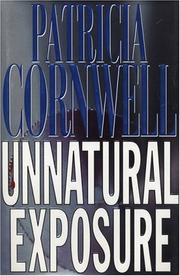 Unnatural Exposure, Patricia Cornwell
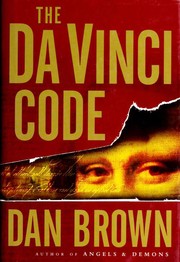 The Da Vinci Code, Dan Brown
 “Rude”,
 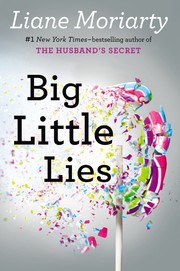 Big Little Lies, Liane Moriarty
 “Ordinary”,
  My Friends, Fredrik Backman