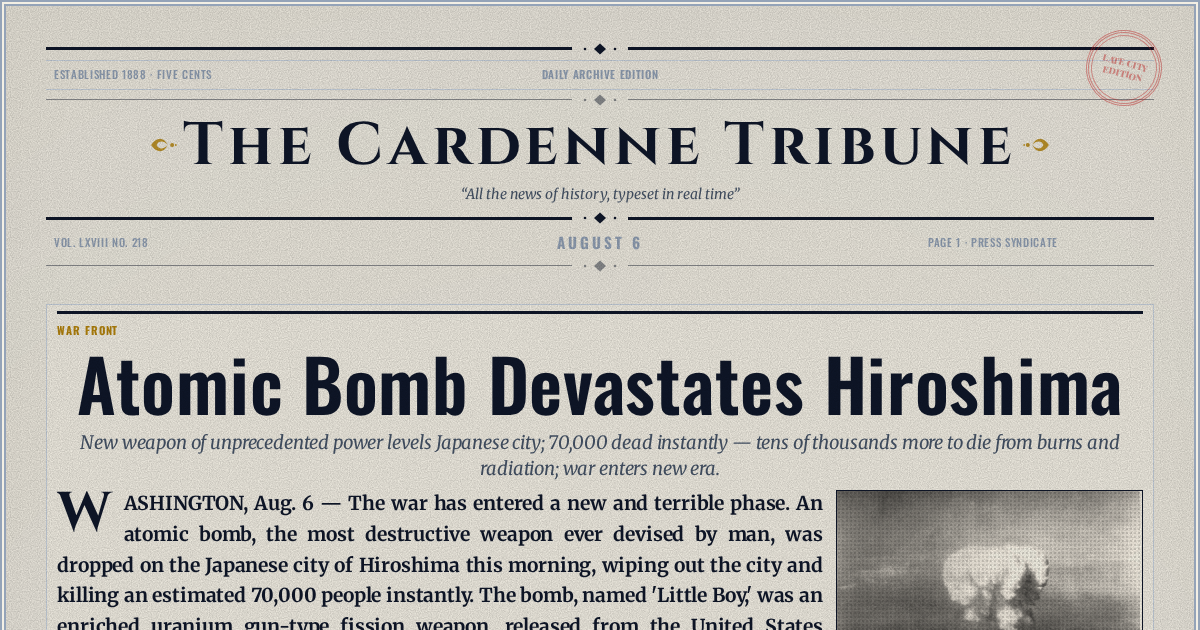
Our front page for August 6 — written and set by The Yesterday Times from the events below. Not an archival document.
Day of the year
218
Days left in 2026
147
In 2026 it falls on a
Thursday
Star sign
Leo
Birthstone
Peridot
On August 6 in 1945, 81 years ago, Atomic Bomb Devastates Hiroshima. This page reports 8 stories from the date, 25 people born on this day.
The stories in full
War Front
1945 — Atomic Bomb Devastates Hiroshima
New weapon of unprecedented power levels Japanese city; 70,000 dead instantly — tens of thousands more to die from burns and radiation; war enters new era.
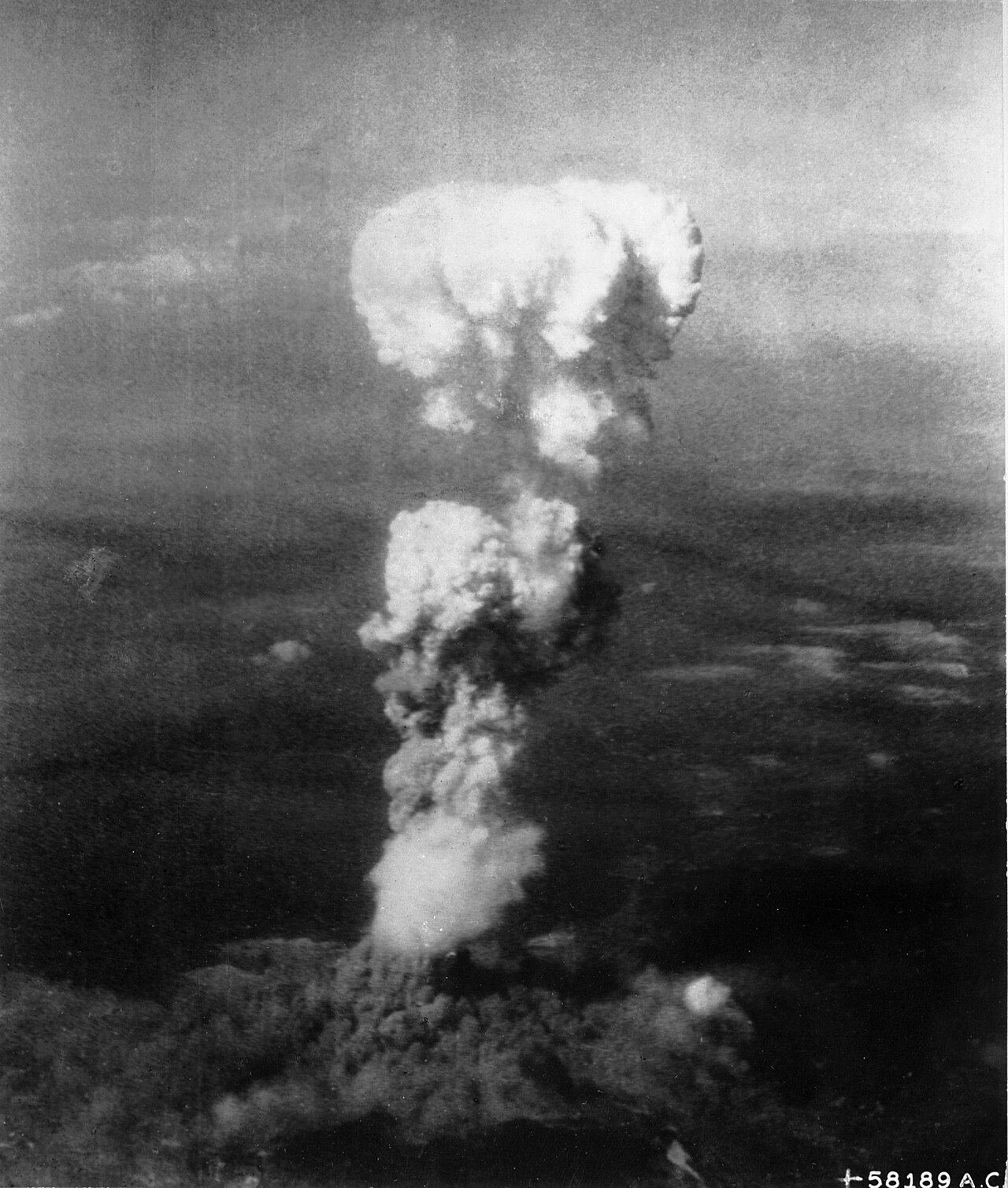
The atomic mushroom cloud rises over Hiroshima following the 1945 United States nuclear attack — George R. Caron
WASHINGTON, Aug. 6 — The war has entered a new and terrible phase. An atomic bomb, the most destructive weapon ever devised by man, was dropped on the Japanese city of Hiroshima this morning, wiping out the city and killing an estimated 70,000 people instantly. The bomb, named 'Little Boy,' was an enriched uranium gun-type fission weapon, released from the United States Army Air Forces B-29 bomber Enola Gay.
The blast leveled the city, and early reports reaching this office indicate that some 90 percent of the dead were civilians, despite a military garrison of 24,000 troops. In the coming two to four months, the death toll is expected to climb to between 90,000 and 166,000, as thousands succumb to burns and radiation poisoning. Roughly half of all these deaths occurred on the first day.
The order for the attack was issued on July 25 by Gen. Thomas T. Handy, acting chief of staff, who directed that atomic bombs be used against Hiroshima and other Japanese cities. The mushroom cloud rose over the city as the B-29 made its getaway, and observers described a blinding flash followed by a column of smoke and fire.
President Truman, in a statement, called the bomb a harnessing of the basic power of the universe and warned Japan of a 'rain of ruin' unless it surrendered. The full measure of the devastation is still being assessed, but the age of atomic warfare has begun.
The United States detonated an atomic bomb over Hiroshima on August 6, 1945.
The bomb, named 'Little Boy', was an enriched uranium gun-type fission weapon.
The bombing killed 90,000 to 166,000 people in Hiroshima over the next two to four months.
Roughly half of the deaths in Hiroshima occurred on the first day.
Despite a military garrison of 24,000 troops, some 90% of the dead in Hiroshima were civilians.
National Desk
1965 — Johnson Signs Voting Rights Act, Outlaws Literacy Tests
President puts into law measure that bans discriminatory practices and is called the most effective civil rights legislation in the nation's history.
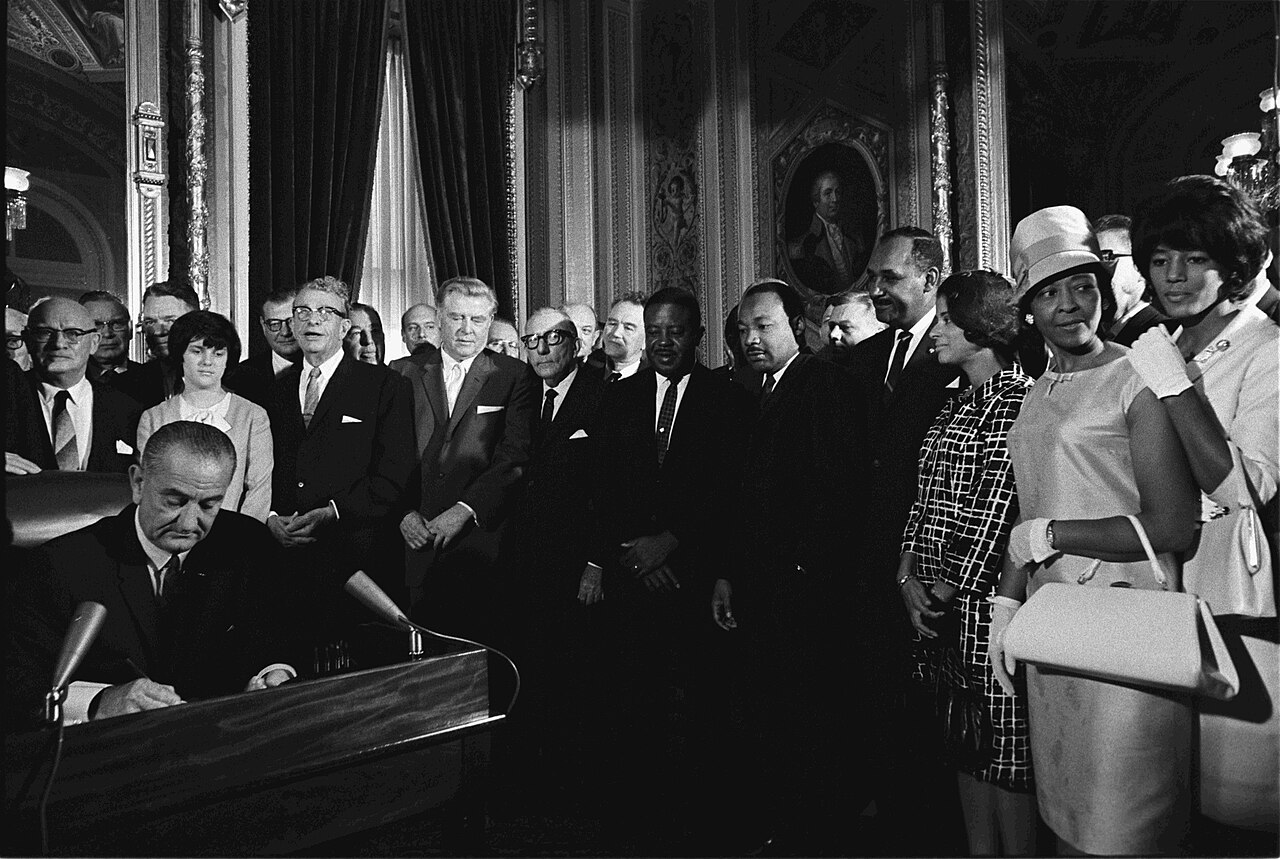
President Lyndon B. Johnson signs the Voting Rights Act into law in 1965 — Yoichi Okamoto
WASHINGTON, Aug. 6 — In the long struggle for equal rights, this day may stand with the Emancipation Proclamation. President Lyndon B. Johnson today signed the Voting Rights Act into law, outlawing literacy tests and other discriminatory devices that for generations have kept Negroes from the ballot box in the South and elsewhere.
The President, in a ceremony in the Capitol, called the act a triumph for freedom, and the National Archives has termed it 'the most significant statutory change' in federal-state voting relations since Reconstruction. The law prohibits racial discrimination in voting and is widely regarded as the most effective federal civil rights legislation ever enacted.
Johnson's action is a cornerstone of his Great Society program, aimed at expanding civil rights and opportunity for all Americans. Under the new law, federal examiners may be sent to any county where fewer than half the voting-age residents are registered, and literacy tests are suspended in states where they have been used to deny the franchise.
Negro leaders hailed the signing, but noted that enforcement will be the test. The law takes effect immediately, and the first federal examiners are expected to be on duty in the South within weeks.
President Lyndon B. Johnson signed the Voting Rights Act into law on August 6, 1965.
The act prohibits racial discrimination in voting and is considered the most effective federal civil rights legislation ever enacted.
The act outlawed literacy tests and other devices historically used to disenfranchise racial minorities.
The National Archives called the act 'the most significant statutory change' in federal-state voting relations since Reconstruction.
Johnson's signing of the act was part of his Great Society domestic agenda aimed at expanding civil rights.
Science Desk
1996 — NASA Scientists Say Meteorite May Hold Signs of Martian Life
ALH84001, found in Antarctica in 1984, contains tiny structures that could be fossil evidence, but researchers urge caution.
HOUSTON, Aug. 6 — A team of NASA scientists, led by Dr. David S. McKay, announced today that a meteorite discovered in Antarctica may contain evidence of primitive life on Mars, a finding that, if confirmed, would be the first proof that life exists beyond Earth.
The meteorite, designated ALH84001, was found in the Allan Hills of Antarctica on Dec. 27, 1984, by the ANSMET project. It is one of the oldest known Martian meteorites, crystallized from molten rock 4.091 billion years ago, and was blasted from Mars by an impact about 17 million years ago, falling to Earth about 13,000 years ago.
McKay and his colleagues say the rock contains tiny structures, 20 to 100 nanometres in diameter, similar in size to theoretical nanobacteria. They say these structures, along with certain mineral compounds, could be interpreted as fossil evidence of ancient microbial life.
However, the scientists stressed that further tests were inconclusive, and that the findings are not proof of life. The announcement prompted President Clinton to give a formal televised speech, calling the potential discovery 'a moment that will be remembered.'
The meteorite Allan Hills 84001 was found in Antarctica on December 27, 1984, by the ANSMET project.
On August 6, 1996, NASA scientists led by David S. McKay announced the meteorite may contain trace evidence of Martian life.
The structures found on ALH84001 are 20–100 nanometres in diameter, similar in size to theoretical nanobacteria.
President Bill Clinton gave a formal televised speech about the potential discovery of extraterrestrial life.
ALH84001 is one of the oldest Martian meteorites, crystallized from molten rock 4.091 billion years ago.
European Theater
1944 — Allies Battle Germans at Saint-Malo
83rd Infantry Division attacks Saint-Malo, held by about 8,000 German troops, after assault launched yesterday.
ALLIED HEADQUARTERS, Aug. 6 — The historic walled city of Saint-Malo, held by about 8,000 German troops, is under attack by American forces of the 83rd Infantry Division, which launched its first assault on Saturday and occupied Cancale today.
The historic walled city of Saint-Malo was almost totally destroyed by American shelling and bombing in late August and early September 1944.
Colonel Andreas von Aulock, the German commander, refused to surrender, saying he would defend St. Malo to the last man even if the last man had to be himself.
The first American attack was launched by the 83rd Infantry Division on 5 August 1944, and Cancale was occupied by the Americans on August 6.
About eight thousand German troops were in Saint-Malo itself when the battle began.
On 13 August, the walled city was on fire and a short truce was declared to allow French civilians to flee.
South Asia Desk
2010 — Ladakh Flash Floods Kill at Least 255, Tourists Among Dead
A cloudburst triggered flash floods across Ladakh, killing at least 255 people, including six foreign tourists.
LEH, India, Aug. 6 — A cloudburst between midnight and 12:30 a.m. unleashed flash floods that killed at least 255 people in Ladakh, officials said. The floods struck a 6-kilometre-wide band along the Indus River, where rainfall reached 250 millimetres in places.
At least 255 people died, six of them foreign tourists, after a cloudburst triggered flash floods in Ladakh on 6 August 2010.
The cloudburst occurred between 0000 and 0030 hours IST on 6 August 2010.
The most intense rainfall was concentrated in a 6-kilometre-wide band parallel to the Indus River.
Estimated rainfall reached 250 millimetres in some places, with 75 millimetres falling over Leh in 30 minutes.
Flash floods damaged 71 towns and villages, including Leh, and left 9,000 people directly affected.
Pacific Bureau
1997 — Korean Air Jet Crashes on Guam Hill; 228 Dead, Girl Survives
Flight 801 crashed while approaching runway 6L, killing 228 of 254 aboard.
ASAN-MAINA, Guam, Aug. 6 — The burning wreckage of Korean Air Flight 801 sat on Bijia Peak south of Nimitz Hill, where 228 of the 254 people aboard died. The Boeing 747-300 crashed while approaching runway 6L, whose glideslope system was out of service.
The Boeing 747-300 crashed on Bijia Peak, south of Nimitz Hill, in Asan-Maina, Guam.
229 of the 254 people aboard died, making it the deadliest aviation accident in American dependent territory.
The glideslope Instrument Landing System for runway 6L was out of service, but Captain Park mistakenly believed it was in service.
The crew used an outdated aeronautical chart missing a 724 ft obstruction symbol at the NIMITZ VOR.
11-year-old Rika Matsuda survived the crash after her mother Shigeko died in the fire; she was discovered by Governor Carl Gutierrez.
Science & Technology Desk
1991 — Berners-Lee Invites Collaboration on World Wide Web Project
Tim Berners-Lee's public invitation could reshape how the Internet shares information, linking documents worldwide.
GENEVA, Aug. 6 — The Internet may soon become a web of linked documents, thanks to a project proposed by Tim Berners-Lee, a British programmer at CERN. Berners-Lee today posted a public invitation on Usenet for collaboration on the WorldWideWeb, a system of interlinked hypertext documents accessible via the Internet. He has already built the first browser, named WorldWideWeb, running on NeXTSTEP, and published the first website from CERN's network in December 1990. His March 1989 proposal, accepted by manager Mike Sendall as "vague, but exciting," has gained a partner in Robert Cailliau, who independently proposed a hypertext system. The technology has been released to other research institutions since January, and a wider release is expected later this month.
Berners-Lee posted a public invitation for collaboration with the WorldWideWeb project on Usenet on August 6, 1991.
Berners-Lee designed and built the first web browser, called WorldWideWeb, running on the NeXTSTEP operating system.
The first website, describing the project, was published on December 20, 1990, and was available from the CERN network.
Berners-Lee's March 1989 proposal was accepted by his manager Mike Sendall, who called it 'vague, but exciting'.
Robert Cailliau independently proposed a hypertext system at CERN and joined Berners-Lee as a partner in developing the web.
Continental Affairs
1777 — Bloody Battle of Oriskany Fought; Herkimer Wounded
Battle fought six miles east of Fort Stanwix ranks among the war's bloodiest.
ORISKANY, New York, Aug. 6 — In this year of rebellion, the woods near Fort Stanwix have run red with blood. The Battle of Oriskany, fought six miles east of the fort, stands among the war's bloodiest.
Brigadier General Nicholas Herkimer commanded about 800 militiamen and 60–100 Oneida warriors.
The ambush occurred in a small valley 6 miles east of Fort Stanwix, near the Oneida village of Oriska.
The Americans suffered roughly 465 dead, wounded, or captured; the British force lost 93.
Herkimer was mortally wounded during the battle.
British Indigenous allies' morale was damaged when a sortie from Fort Stanwix looted their camp.
What the papers printed that morning
Real front pages from 6 August 1945, scanned by the Library of Congress. These are archival documents, not our work.
1911Lucille BallLucille Désirée Ball was an American comedian, actress, producer, and studio executive.
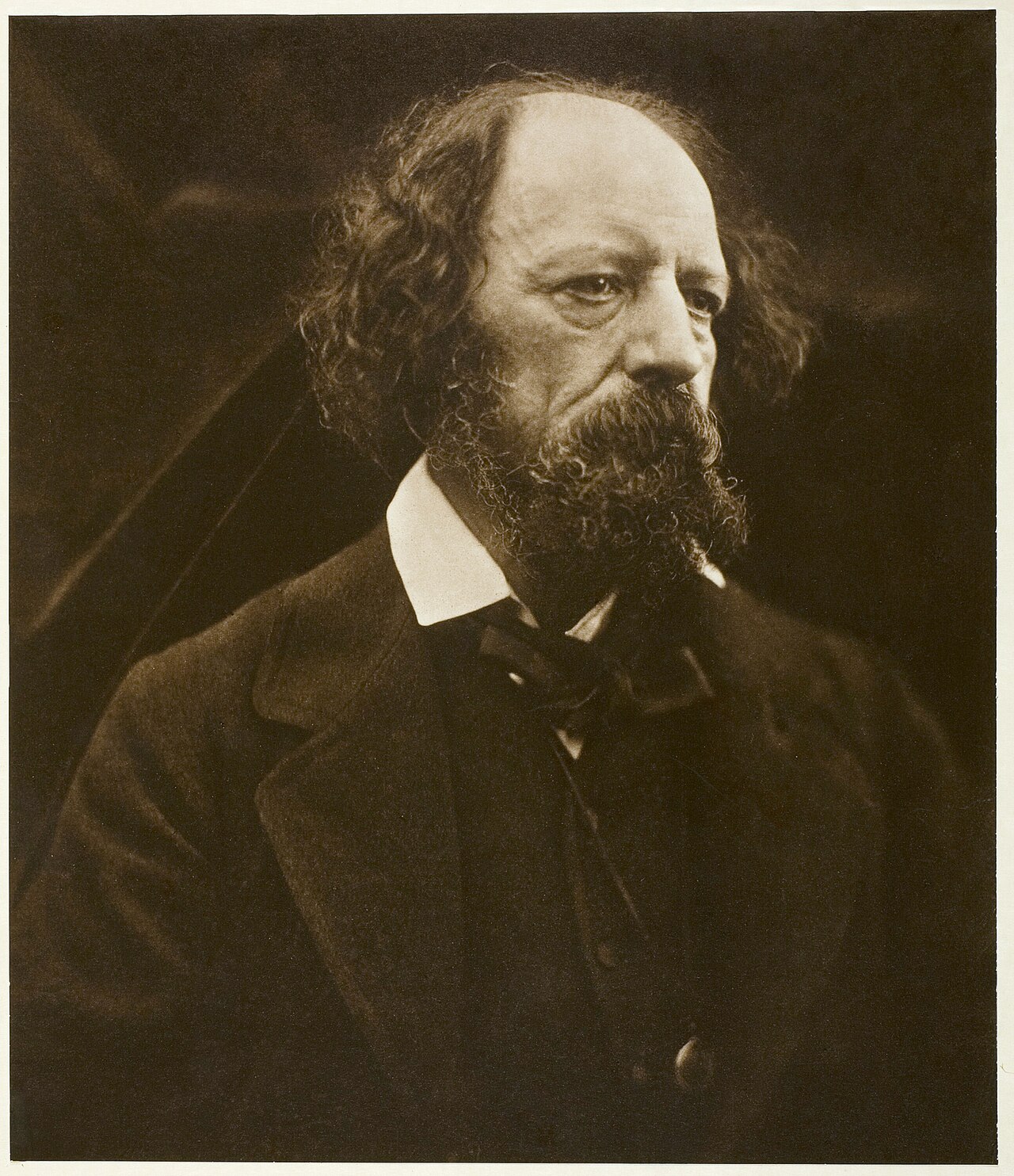
1809AlfredAlfred Tennyson, 1st Baron Tennyson was an English poet.
1962Michelle Yeoh(64 this year)Michelle Yeoh Choo Kheng is a Malaysian actress.
1972Geri Halliwell(54 this year)Geraldine Estelle Halliwell-Horner is an English singer, songwriter, television personality, author, and actress.
1572Fakhr-al-Din IIFakhr al-Din Ma'n, commonly known as Fakhr al-Din II or Fakhreddine II, was the paramount Druze emir of Mount Lebanon from the Ma'n dynasty, an Ottoman governor of Sidon-Beirut and Safed, and ruler over much of the Levant from the 1620s to 1633.
1848Susie TaylorSusie King Taylor was an American nurse, educator, and memoirist.
1883Scott NearingScott Nearing was an American radical economist, educator, writer, political activist, pacifist, vegetarian and advocate of simple living.
1883Constance Georgina AdamsConstance Georgina Adams, also known as Constance Georgina Tardrew, was a South African housewife and collector of botanical specimens.
1886Florence GoodenoughFlorence Laura Goodenough was an American psychologist and professor at the University of Minnesota who studied child intelligence and various problems in the field of child development.
1903Virginia Foster DurrVirginia Foster Durr was an American civil rights activist and lobbyist.
1904Henry IbaHenry Payne “Hank” Iba was an American basketball coach and college athletics administrator.
1916Dom MintoffDominic Mintoff was a Maltese socialist politician, architect, and civil engineer who was leader of the Labour Party from 1949 to 1984, and was Prime Minister of Malta from 1955 to 1958, when Malta was still a British colony, and again, following independence, from 1971 to 1984.
1923Paul HellyerPaul Theodore Hellyer was a Canadian engineer, politician, writer, and commentator.
1924Samuel BowersSamuel Holloway Bowers Jr. was an American white supremacist who co-founded the White Knights of the Ku Klux Klan and became its first Imperial Wizard.
1926Frank FinlayFrancis Finlay was an English actor.
1928Andy WarholAndy Warhol was an American artist and filmmaker.
1937Baden Powell de AquinoBaden Powell de Aquino, known professionally as Baden Powell, was a Brazilian virtuoso guitarist and composer.
1940Mukhu Aliyev(86 this year)Mukhu Gimbatovich Aliyev is a Russian politician who served as the 2nd Head of the Republic of Dagestan, a federal subject of Russia.
1956Bill Emmott(70 this year)William John Emmott is an English journalist, author, and consultant best known as the editor-in-chief of The Economist newspaper from 1993 to 2006.
1959Rajendra Singh(67 this year)Rajendra Singh is an Indian water conservationist and environmentalist from Alwar district, Rajasthan in India.
1961Mary Ann Sieghart(65 this year)Mary Ann Corinna Howard Sieghart is an English author, journalist, consultant, radio presenter and former assistant editor of The Times, where she wrote columns about politics, social affairs and life in general.
1963Kevin MitnickKevin David Mitnick was an American computer security consultant, author, and convicted hacker.
1969Simon Doull(57 this year)Simon Blair Doull is a New Zealand radio personality, commentator, and former international cricketer.
1969Elliott SmithSteven Paul Smith, known as Elliott Smith, was an American musician and singer-songwriter.
1973Stuart O'Grady(53 this year)Stuart Peter O'Grady is a retired Australian road bicycle racer, who rode as a professional between 1995 and 2013.
Quote of the Day
“Christmas won't be Christmas without any presents.” — Louisa May Alcott, Little Women
August 6 History Quiz
Which U.S. president authorized the atomic bombing of Hiroshima?
Harry S. Truman
What was the code name of the atomic bomb dropped on Hiroshima?
Little Boy
The World Wide Web proposal by Tim Berners-Lee was submitted to which organization?
Every event on this page was picked by hand from the historical record, written up as a news report, and checked against its source. Photographs are matched to the event they illustrate and verified before they are used. Sources are linked on each story.


 “Wild Thing”,
  Valley of the Dolls, Jacqueline Susann
 “I Just Want To Be Your Everything”,
  The Thorn Birds, Colleen McCullough
 “Every Breath You Take”,
  “Stay (I Missed You) (From "Reality Bites")”,
 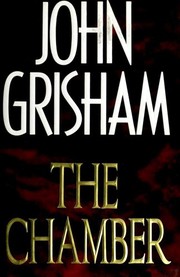 The Chamber, John Grisham
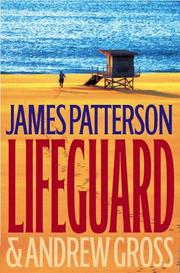 Lifeguard, James Patterson and Andrew Gross
 “Party Rock Anthem”,
 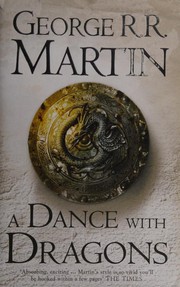 A Dance with Dragons, George R. R. Martin
 “About Damn Time”,
  Where the Crawdads Sing, Delia Owens