Our front page for August 7 — written and set by The Yesterday Times from the events below. Not an archival document.
Day of the year
219
Days left in 2026
146
In 2026 it falls on a
Friday
Star sign
Leo
Birthstone
Peridot
On August 7 in 1942, 84 years ago, Marines Storm Guadalcanal, Opening Pacific Offensive. This page reports 8 stories from the date, 25 people born on this day.
U.S. Marines of the 1st Marine Division landed on Tulagi, Gavutu–Tanambogo, and Guadalcanal, opening the first American offensive of the war.
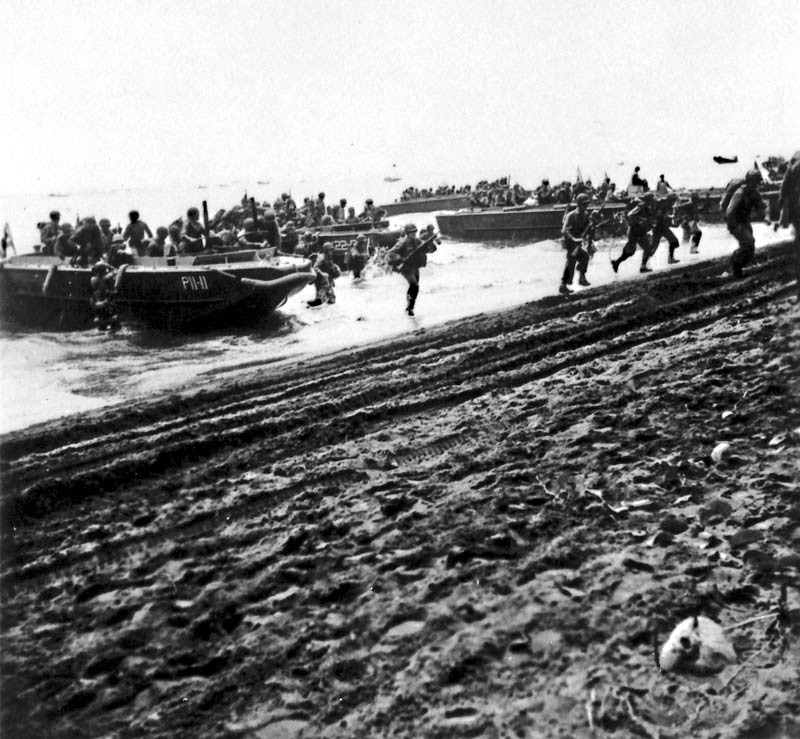
U.S. Marines storm the beaches of Guadalcanal, launching the first major American Pacific offensive — U.S. Marine Corps
WASHINGTON, Aug. 7 — In the gray light of dawn, the long American road back across the Pacific began. U.S. Marines of the 1st Marine Division, under Major General Alexander Vandegrift, landed on Tulagi, Gavutu–Tanambogo, and Guadalcanal in the Solomon Islands, opening the first American offensive of the war. The blows struck at Japan's southern perimeter, where she had built an airfield to menace the sea lanes to Australia. The Allied expeditionary force, 75 warships and transports assembled near Fiji on July 26, brought the fight to the enemy's doorstep. On Tulagi and Gavutu–Tanambogo, Japanese Navy troops resisted fiercely, fighting almost to the last man, and the beaches ran red before the islands were secured. Japanese strength on the two small islands and nearby islets stood at about 900 troops, with 2,800 personnel on Guadalcanal itself. Carrier aircraft from the USS Wasp dive-bombed Japanese installations and destroyed 15 seaplanes near the islands, winning the sky for the landing force. The campaign now joined will test both sides for six months, from August 7, 1942, through February 9, 1943, as the Marines dig in and the enemy rallies to drive them back. The outcome of this Solomon fight will shape the whole Pacific war.
U.S. Marines of the 1st Marine Division, commanded by Major General Alexander Vandegrift, landed on Tulagi, Gavutu–Tanambogo, and Guadalcanal.
The landings on Tulagi and Gavutu–Tanambogo were fiercely resisted by Japanese Navy troops who fought almost to the last man.
The Allied expeditionary force consisted of 75 warships and transports, assembled near Fiji on 26 July 1942.
The Japanese had about 900 troops on Tulagi and nearby islands and 2,800 personnel on Guadalcanal by August 1942.
The landings initiated the six-month-long Guadalcanal campaign, which lasted from 7 August 1942 to 9 February 1943.
Automobile Desk
1909 — Mrs. Ramsey First Woman to Drive Across Continent
A 22-year-old mother completed a 3,800-mile drive from New York to San Francisco in 59 days.
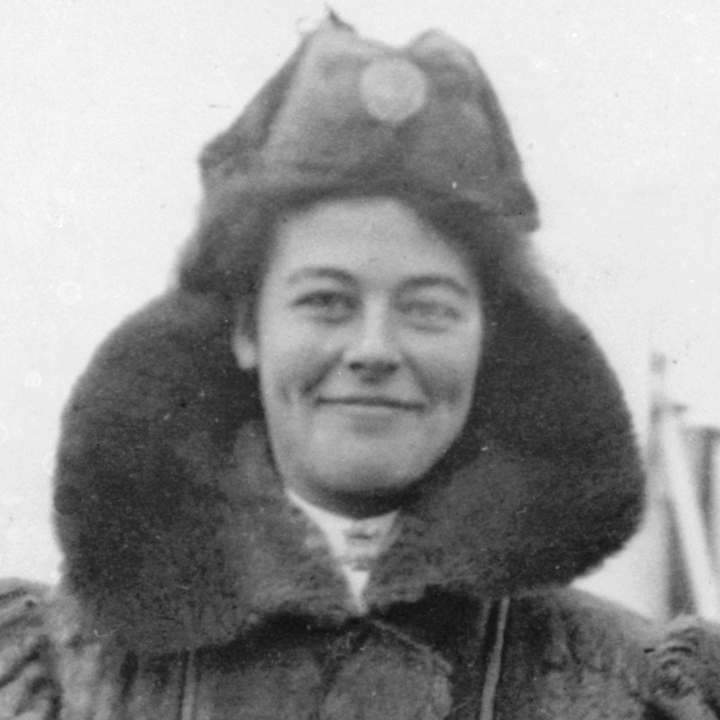
Alice Huyler Ramsey, the first woman to drive an automobile across the United States — Bain News Service
SAN FRANCISCO, Aug. 7 — Alice Huyler Ramsey, a 22-year-old housewife and mother from Hackensack, New Jersey, rolled into this city today, the first woman to drive an automobile across the United States. She sat at the wheel of a Maxwell touring car, covered with dust, and behind her stretched 3,800 miles of road, mud, and adventure. She left the Maxwell Motors dealership at 1930 Broadway Street in New York on June 9, with three women companions, none of whom could drive. The party reached Chicago on June 18, and then pushed on through the prairies and mountains, with no road maps for the Western country. John D. Murphy of the Boston Herald, who handled publicity, traveled ahead by train to prepare each stop, and in the West he went ahead in another car, following telephone lines to keep from getting lost. The trip took 59 days.
Alice Huyler Ramsey, a 22-year-old housewife and mother from Hackensack, New Jersey, drove a Maxwell automobile 3,800 miles from Manhattan to San Francisco.
Ramsey departed from the Maxwell Motors dealership at 1930 Broadway Street in New York on June 9, 1909, with three non-driving female companions.
The journey took 59 days, with Ramsey reaching Chicago on June 18 and arriving in San Francisco on August 6.
John D. Murphy of the Boston Herald handled publicity for Ramsey, traveling ahead by train to prepare for each stop.
Since there were no road maps for the Western U.S., Murphy went ahead in another car and followed telephone lines to avoid getting lost.
Cold War Beat
1987 — Cox Swims From U.S. to Soviet Union in Bering Strait
In 2 hours and 5 minutes, Lynne Cox swam 4.3 kilometers from Little Diomede, Alaska, to Big Diomede in the Soviet Union, in water measured at 3.3 degrees Celsius.
LITTLE DIOMEDE, Alaska, Aug. 7 — In 2 hours and 5 minutes, Lynne Cox swam from the United States to the Soviet Union, becoming the first person to cross the Bering Strait between the two nations. She covered a 4.3-kilometer course from Little Diomede Island, Alaska, to Big Diomede Island in the Soviet Union, in water measured at 3.3 degrees Celsius, or 37.9 degrees Fahrenheit. The swim, through the narrow channel that separates the two superpowers, was done without a wetsuit, and her body was coated with grease to ward off the cold. A Soviet escort boat watched her progress, and on the far shore she was greeted by Soviet officials. Cox, a long-distance swimmer from California, had trained for the crossing for years. Her feat was hailed as a gesture of goodwill between the United States and the Soviet Union, and she was congratulated jointly by President Ronald Reagan and Soviet leader Mikhail Gorbachev. The Bering Strait, long a symbol of the Cold War divide, was crossed by a lone woman in a bathing suit. Cox said she felt the water was cold, but that the welcome was warm.
Lynne Cox swam a 4.3-kilometer course between the Diomede Islands from Alaska to the Soviet Union.
The swim took place in water at 3.3 degrees Celsius (37.9 degrees Fahrenheit) during the Cold War.
Cox was congratulated jointly by U.S. President Ronald Reagan and Soviet leader Mikhail Gorbachev.
Weather Desk
1955 — Diane Brews in Atlantic, Seen as Billion-Dollar
Hurricane Diane, a potential billion-dollar disaster, formed today from a tropical wave.
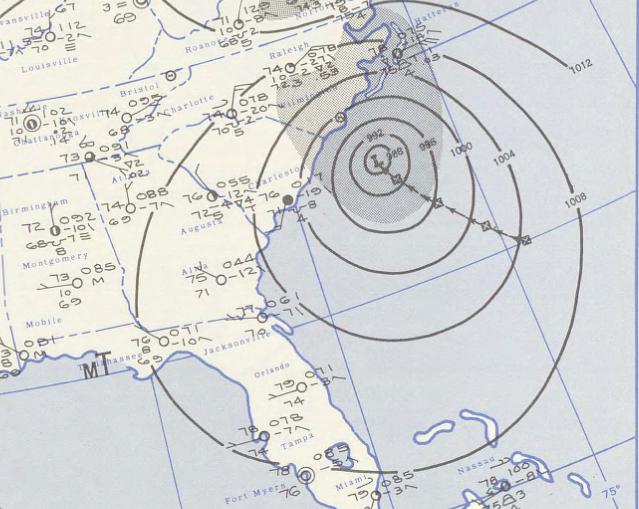
MIAMI, Aug. 7 — Hurricane Diane, the first Atlantic storm to be described as a potential billion-dollar disaster, formed today from a tropical wave between the Lesser Antilles and Cape Verde. The storm, now moving westward, is expected to strengthen as it approaches the Caribbean. Meteorologists watch it closely, mindful that the 1955 season has already been costly. Earlier this month, Hurricane Connie raked the East Coast, and Diane may follow a similar path. If it strikes the mainland, the damage could be heavy. In a report issued by the Weather Bureau, officials noted that the storm could bring torrential rains and flooding. The bureau has not yet issued hurricane warnings, but coastal residents are advised to monitor the storm's progress. Diane is the latest in a series of tropical cyclones that have formed in the deep Atlantic this year. The storm's development was first detected by reconnaissance aircraft. Its future course remains uncertain.
Hurricane Diane formed on August 7 from a tropical wave between the Lesser Antilles and Cape Verde.
It made landfall near Wilmington, North Carolina, as a strong tropical storm on August 17, five days after Hurricane Connie.
Rushing waters demolished about 150 road and rail bridges and breached or destroyed 30 dams.
Nationwide, Diane killed at least 184 people and destroyed 813 houses, with 14,000 homes heavily damaged.
Taking into account indirect losses, Diane was described as 'the first billion dollar hurricane.'
Machines & Science Desk
1944 — IBM Gives Harvard Giant Calculator That Computes by Program
Mark I, weighing 9,445 pounds and measuring 51 feet long, arrives at Harvard after proving itself in a March 29, 1944 Manhattan Project test.
CAMBRIDGE, Mass., Aug. 7 — A gleaming, glass-enclosed machine nearly as long as a freight car stood in Harvard University's physics laboratory today as IBM formally presented its first program-controlled calculator to the university. The device, which will be known as the Mark I, weighs about 9,445 pounds and contains 765,000 electromechanical components.
The calculator is 51 feet long, 8 feet high, and 2 feet deep, occupying 816 cubic feet. It can perform three additions or subtractions per second; a multiplication takes six seconds. The sleek enclosure was designed by Norman Bel Geddes at IBM's expense.
Already the Mark I has proved its worth. On March 29, 1944, John von Neumann used it to run one of its first programs, testing implosion for the Manhattan Project.
The ASCC was officially presented to Harvard University on August 7, 1944.
The Mark I used 765,000 electromechanical components and weighed about 9,445 pounds.
The machine was 51 feet long, 8 feet high, and 2 feet deep, occupying 816 cubic feet.
One of the first programs on the Mark I, initiated March 29, 1944, by John von Neumann, tested implosion for the Manhattan Project.
The Mark I could perform three additions or subtractions per second, with multiplication taking six seconds.
Army Orders
1782 — Washington Creates Badge for Common Soldier's Valor
Purple heart award opens road to glory in patriot army
NEWBURGH, Aug. 7 — For the first time in modern history, common soldiers may now win a military decoration for valor. General George Washington today announced at his headquarters the establishment of the Badge of Military Merit, a purple heart, to recognize unusual gallantry or extraordinary fidelity.
General George Washington announced the Badge of Military Merit at his Headquarters in Newburgh on August 7, 1782.
Washington designed the badge as a purple heart to recognize unusual gallantry or extraordinary fidelity in soldiers.
Three badges were created that day: two Honorary Badges of Distinction and one Badge of Military Merit.
This was the first time in modern history that military awards were presented to common soldiers.
Washington wrote that 'the road to glory in a patriot army and a free country is…open to all.'
European Desk
1946 — Soviets Demand Joint Rule of the Dardanelles in Note to Turkey
Moscow's note follows the Aug. 7 sharpening of the Turkish Straits crisis.
MOSCOW, Aug. 7 — The long-simmering Turkish Straits crisis has entered a sharper phase. The note demanded revision of the Montreux Treaty and joint military control of passage.
On August 7, 1946, the Soviets presented a note to the Turkish Foreign Ministry demanding the Montreux Treaty be re-examined.
The Soviet note stated that Turkey's handling of the straits no longer represented the security interests of fellow Black Sea nations.
The Soviet Union demanded joint military control of passage through the Turkish Straits, which connect the Black Sea to the Mediterranean.
The crisis was a catalyst, along with the Greek Civil War, for the creation of the Truman Doctrine.
The visit of the American battleship USS Missouri on April 6, 1946, further angered the Soviets.
War Fronts
1914 — French Open War With Assault on Mulhouse; Bonneau Sacked
General Bonneau's VII Corps crossed the frontier August 7, occupied Mulhouse August 8, and was forced out by August 10, leading to his dismissal.
PARIS, Aug. 7 — General Louis Bonneau led the VII Corps across the frontier today in what is France's first attack of the war, an assault on the Alsatian town of Mulhouse. The offensive, intended to recover Alsace from Germany, began this morning. The French occupied Mulhouse but were forced out by German counter-attacks, and Bonneau was sacked after the retirement to Belfort.
A second offensive by the reinforced VII Corps, renamed the Army of Alsace under General Paul Pau, began. The French took 3,000 prisoners during the pursuit of Germans eastwards over the Rhine. Joffre has ordered the offensive to continue, but by then preparations were halted due to French defeats in Lorraine and the Ardennes.
The Battle of Mulhouse began on 7 August 1914 and was the opening attack of the First World War by the French Army against the German Empire.
The French occupied Mulhouse on 8 August and were then forced out by German counter-attacks on 10 August.
General Louis Bonneau, the VII Corps commander, was sacked after the French retired to Belfort.
A second French offensive by the reinforced VII Corps, renamed the Army of Alsace under General Paul Pau, began on 14 August.
The French took 3,000 prisoners during the pursuit of Germans eastwards over the Rhine by 19 August.
What the papers printed that morning
Real front pages from 7 August 1942, scanned by the Library of Congress. These are archival documents, not our work.
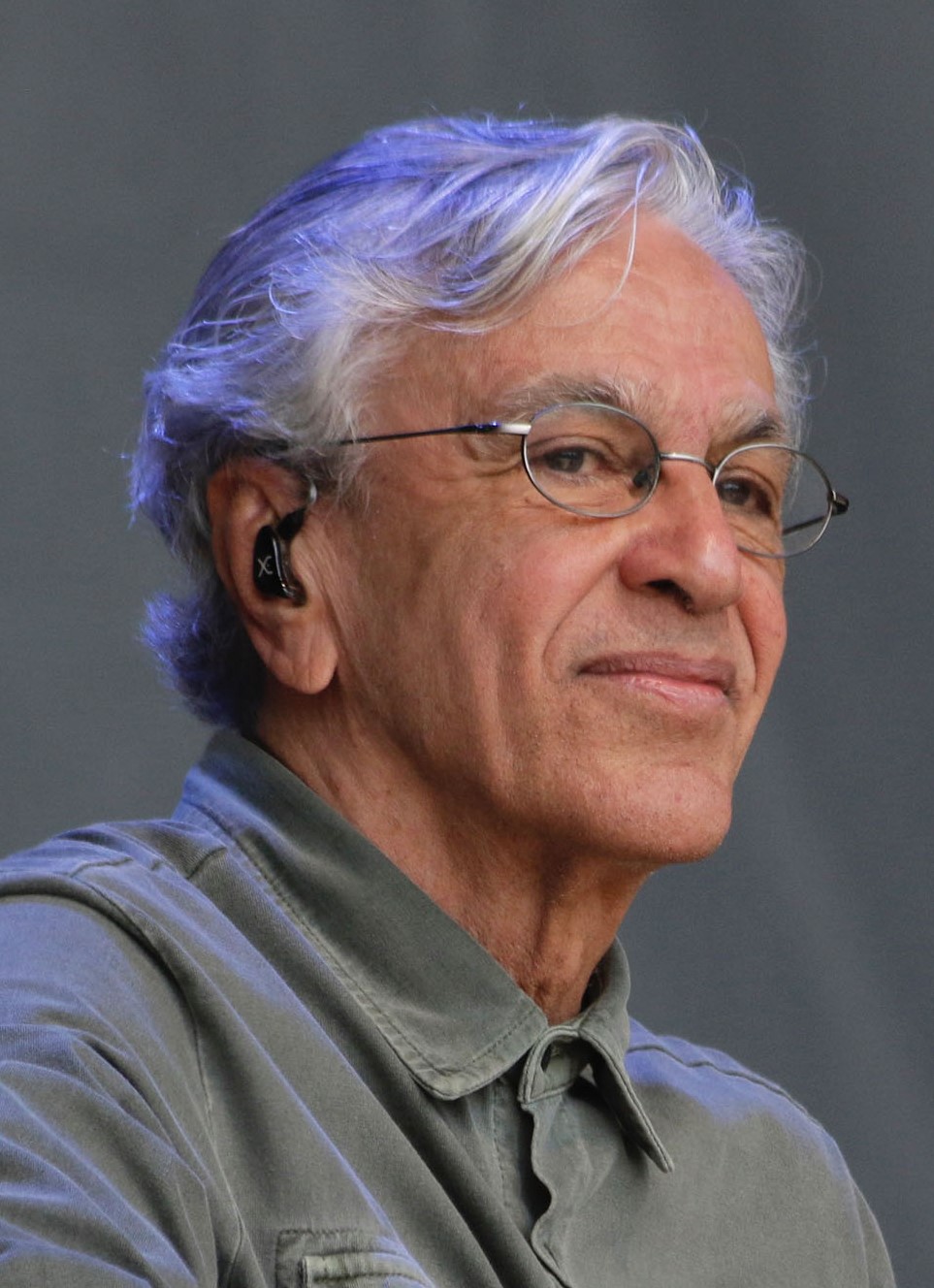
1942Caetano Veloso(84 this year)Caetano Emanuel Viana Teles Veloso is a Brazilian singer-songwriter, musician, writer, and political activist.
1960David Duchovny(66 this year)David William Duchovny is an American actor, writer, director and musician.
1999Sydney McLaughlin-Levrone(27 this year)Sydney Michelle McLaughlin-Levrone is an American hurdler and sprinter who holds the world record for the 400 meters hurdles and the American record for the flat 400 meters.
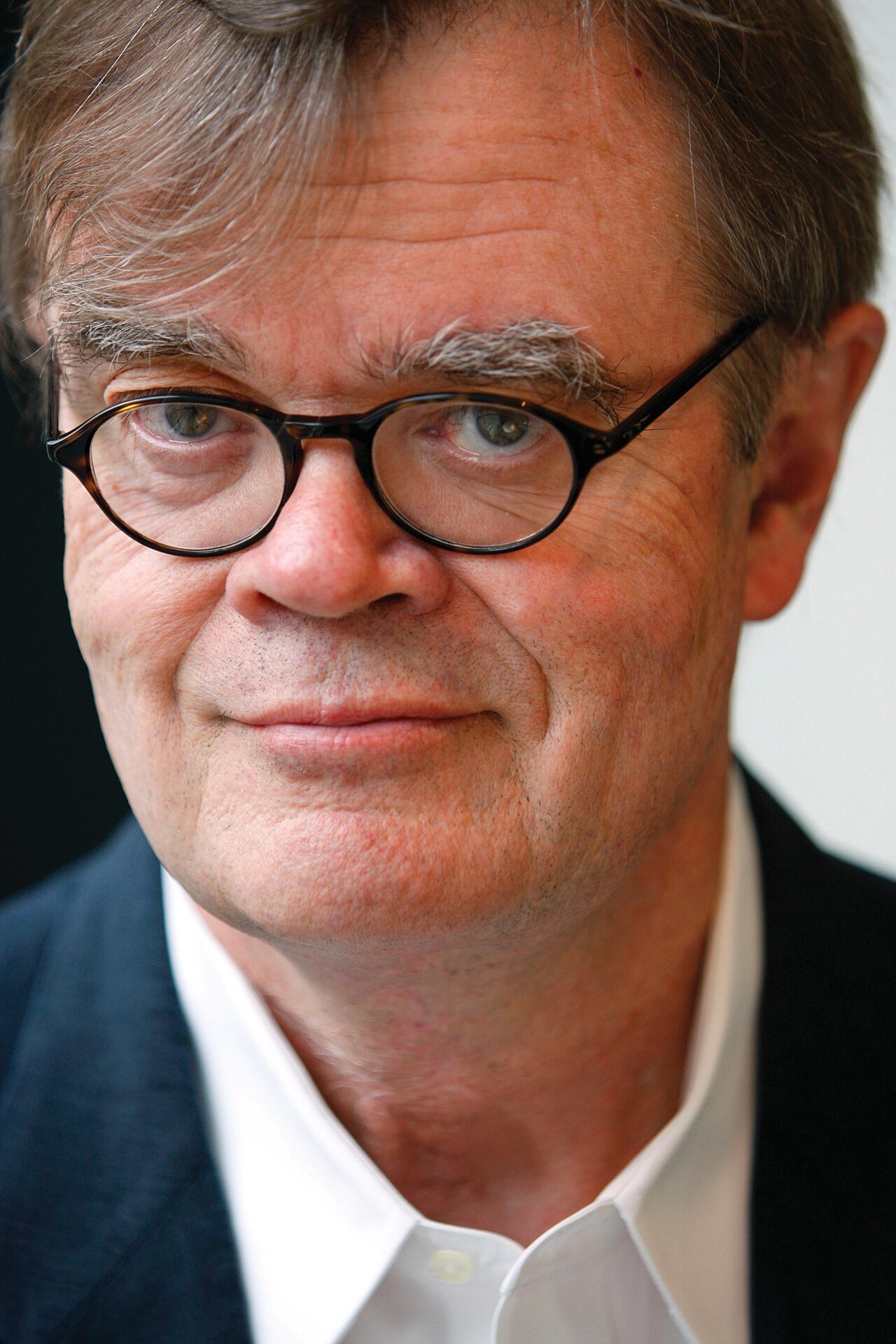
1942Garrison Keillor(84 this year)Gary Edward "Garrison" Keillor is an American author, singer, humorist, voice actor, and radio personality.
1945Alan Page(81 this year)Alan Cedric Page is an American former Minnesota Supreme Court judge and professional football player.
1975Édgar Rentería(51 this year)Édgar Enrique Rentería Herazo, nicknamed "the Barranquilla Baby", is a Colombian former professional baseball shortstop.
1560Elizabeth BáthoryCountess Elizabeth Báthory of Ecsed was a Hungarian noblewoman and alleged serial killer from the powerful House of Báthory, who owned land in the Kingdom of Hungary.
1726James BowdoinJames Bowdoin II was an American politician from Boston, Massachusetts who was active during the American Revolution and the following decade.
1826August AhlqvistKarl August Engelbrekt Ahlqvist, who wrote as A. Oksanen, was a Finnish professor, poet, scholar of the Finno-Ugric languages, author, and literary critic.
1862Henri Le SidanerHenri Eugène Augustin Le Sidaner was an intimist painter known for his paintings of domestic interiors and quiet street scenes.
1890Elizabeth Gurley FlynnElizabeth Gurley Flynn was an American labor leader and feminist.
1904Ralph BuncheRalph Johnson Bunche was an American political scientist and diplomat who received the 1950 Nobel Peace Prize for his late 1940s mediation in the Arab–Israeli conflict.
1928Owen LuderHarold Owen Luder was a British architect who designed a number of notable and sometimes controversial buildings in the United Kingdom in the 1960s and 1970s, many in an uncompromising brutalist design, and many now demolished.
1928James RandiJames Randi was a Canadian-American stage magician, author, and scientific skeptic who extensively challenged paranormal and pseudoscientific claims.
1942Carlos MonzónCarlos Roque Monzón, nicknamed Escopeta (Shotgun), was an Argentine professional boxer who held the undisputed world middleweight championship for seven years, and successfully defended his title 14 times against 11 different fighters.
1955Wayne Knight(71 this year)Wayne Elliot Knight is an American actor.
1958Alberto Salazar(68 this year)Alberto Salazar is an American former track coach and long-distance runner.
1965Raul MaloRaul Francisco Martínez-Malo Jr. was an American singer, songwriter, guitarist and record producer.
1966Shobna Gulati(60 this year)Shobna Gulati is an English actor and presenter.
1972Gerry Peñalosa(54 this year)Geronimo "Gerry" J. Peñalosa is a Filipino boxing promoter and former professional boxer who competed from 1989 to 2010.
1973Danny Graves(53 this year)Daniel Peter Graves is a former professional baseball player and current baseball analyst.
1975Megan Gale(51 this year)Megan Kate Gale is an Australian model and actress.
1975Koray Candemir(51 this year)Koray Candemir is a Turkish musician, songwriter, and record producer.
1981David Testo(45 this year)David Testo is an American retired soccer player who, after his playing career ended in 2011, became the first male American professional player of that sport to come out as gay.
1982Juan Martín Hernández(44 this year)Juan Martín Hernández is an Argentine retired rugby union player.
Quote of the Day
“All the world's a stage, And all the men and women merely players.” — William Shakespeare, As You Like It
August 7 History Quiz
On August 7, 1942, which Allied force landed on Guadalcanal to begin the first major offensive in the Pacific?
U.S. Marines
In 1953, Lynne Cox swam between which two landmasses, making her the first to do so?
United States and Soviet Union
Which hurricane in 1955 became the first Atlantic hurricane to cause $1 billion in damages?
Every event on this page was picked by hand from the historical record, written up as a news report, and checked against its source. Photographs are matched to the event they illustrate and verified before they are used. Sources are linked on each story.


 The Agony and the Ecstasy, Irving Stone
 “How Can You Mend A Broken Heart”,
 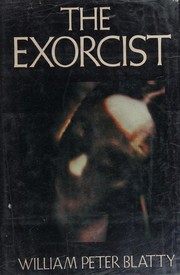 The Exorcist, William Peter Blatty
 “Eye Of The Tiger”,
  The Prodigal Daughter, Jeffrey Archer
 “Can't Help Falling In Love (From "Sliver")”,
  The Bridges of Madison County, Robert James Waller
 R" Is for Ricochet, Sue Grafton
 “Love The Way You Lie”,
  “Butter”,
  The Cellist, Daniel Silva