Our front page for August 25 — written and set by The Yesterday Times from the events below. Not an archival document.
Day of the year
237
Days left in 2026
128
In 2026 it falls on a
Tuesday
Star sign
Virgo
Birthstone
Peridot
On August 25 in 1975, 51 years ago, Springsteen's 'Born to Run' Captures the Moment. This page reports 11 stories from the date, 25 people born on this day.
The stories in full
Music Desk
1975 — Springsteen's 'Born to Run' Captures the Moment
Third album, two years in the making, storms the charts at No. 3.
In a year when rock was fragmenting into disco and punk, one record has summoned a sweeping, streetwise romanticism that feels like a declaration. Bruce Springsteen's third album, Born to Run, arrives today on Columbia Records, and it is the sound of a man staking his claim.
Co-produced by Springsteen, manager Mike Appel, and Jon Landau, the record took from January 1974 to July 1975 to cut, with six months alone spent on the title track. The cover, showing Springsteen leaning on saxophonist Clarence Clemons's shoulder, has already become iconic.
Born to Run has climbed to No. 3 on the Billboard Top LPs & Tape chart. Two singles, "Born to Run" and "Tenth Avenue Freeze-Out," are spinning on radio. The songs are dense, fervent, and built for the road.
Born to Run is Springsteen's third studio album, released on August 25, 1975, through Columbia Records.
The album was co-produced by Springsteen, his manager Mike Appel, and producer Jon Landau.
Recording took place from January 1974 to July 1975, with six months spent on the title track alone.
The album cover features Springsteen leaning on saxophonist Clarence Clemons's shoulder and is considered iconic.
Born to Run reached number three on the US Billboard Top LPs & Tape chart.
Space Desk
1989 — Voyager 2 Glimpses Neptune's Rings
Probe sweeps past the planet, confirming what had only been suspected.
Neptune, captured by Voyager 2 during its historic 1989 flyby of the planet — NASA
Voyager 2 has done it again. The NASA spacecraft, now 4.4 billion miles from Earth, made its closest approach to Neptune today, passing within 3,000 miles of the planet's cloud tops and sending back definitive proof that Neptune has rings.
Launched from Cape Canaveral, Florida, on August 20, 1977, Voyager 2 has already swept past Jupiter in 1979, Saturn in 1981, and Uranus in 1986. It is the only spacecraft ever to have visited the ice giants. The new images, captured during the flyby, show a dynamic blue world with a Great Dark Spot and thin, faint rings that had been hinted at but never confirmed.
Scientists at the Jet Propulsion Laboratory are poring over the data, which also includes details of Neptune's large moon Triton. The encounter marks the final planetary stop on Voyager 2's grand tour.
Voyager 2's closest approach to Neptune occurred on August 25, 1989.
Voyager 2 is the only spacecraft to have visited the ice giant planets Uranus and Neptune.
The probe confirmed the existence of rings around Neptune during its flyby.
Voyager 2 was launched by NASA on August 20, 1977, from Cape Canaveral, Florida.
The spacecraft's primary mission included visits to Jupiter in 1979, Saturn in 1981, Uranus in 1986, and Neptune in 1989.
Entertainment Desk
2001 — Singer Aaliyah Dies in Bahamas Crash
Overloaded plane goes down 200 feet from runway; eight others killed.
Singer Aaliyah, who died in a 2001 plane crash in the Bahamas — mika-photography.com
Singer Aaliyah, 22, was killed Saturday night when the overloaded Cessna 402B carrying her and her record company crew crashed shortly after takeoff from Marsh Harbour Airport in the Bahamas, about 200 feet from the runway. The aircraft, certified for seven passengers, was carrying eight. All eight passengers and the pilot died.
The singer had just finished filming the music video for "Rock the Boat," directed by Hype Williams, with nearly sixty people working on the production. Pilot Luis Morales III had warned passengers the plane was overloaded, but they insisted on flying to Miami. Investigators say Morales falsified records on his experience and qualifications to fly the Cessna 402.
Aaliyah, whose albums included One in a Million, was a rising star in R&B and film.
The Cessna 402B crashed shortly after takeoff from Marsh Harbour Airport, about 200 feet from the runway.
The aircraft was overloaded with eight passengers, exceeding its certified maximum of seven.
Pilot Luis Morales III warned passengers the plane was overloaded, but they insisted on flying to Miami Saturday night.
Aaliyah and eight others died in the crash on August 25, 2001, after filming the music video for 'Rock the Boat'.
The pilot falsified records on his experience and qualifications to fly the Cessna 402 aircraft.
Venetian Science
1609 — Galileo Shows Telescope to Lawmakers
Astronomer displays improved spyglass to Venetian officials.
Galileo Galilei, the astronomer who demonstrated his revolutionary telescope to Venetian lawmakers — Justus Sustermans
Galileo Galilei, the astronomer and professor at the University of Padua, demonstrated his improved telescope to Venetian lawmakers on August 25, 1609. The instrument, which he has refined, magnifies objects nine times and reveals the stars of the Milky Way, the phases of Venus, and the four largest moons of Jupiter.
Galileo has taught geometry, mechanics, and astronomy at Padua since 1592. The demonstration is part of his efforts to secure patronage and recognition for his work.
Galileo demonstrated his improved telescope to Venetian lawmakers on August 25, 1609.
Galileo built an improved telescope that allowed him to observe the stars of the Milky Way, phases of Venus, and four largest satellites of Jupiter.
Galileo taught geometry, mechanics, and astronomy at the University of Padua from 1592 until 1610.
Archaeology
2012 — Richard III's Skeleton Found Under Leicester Car Park
University of Leicester confirms bones are those of the last Plantagenet king, found beneath a city centre car park.
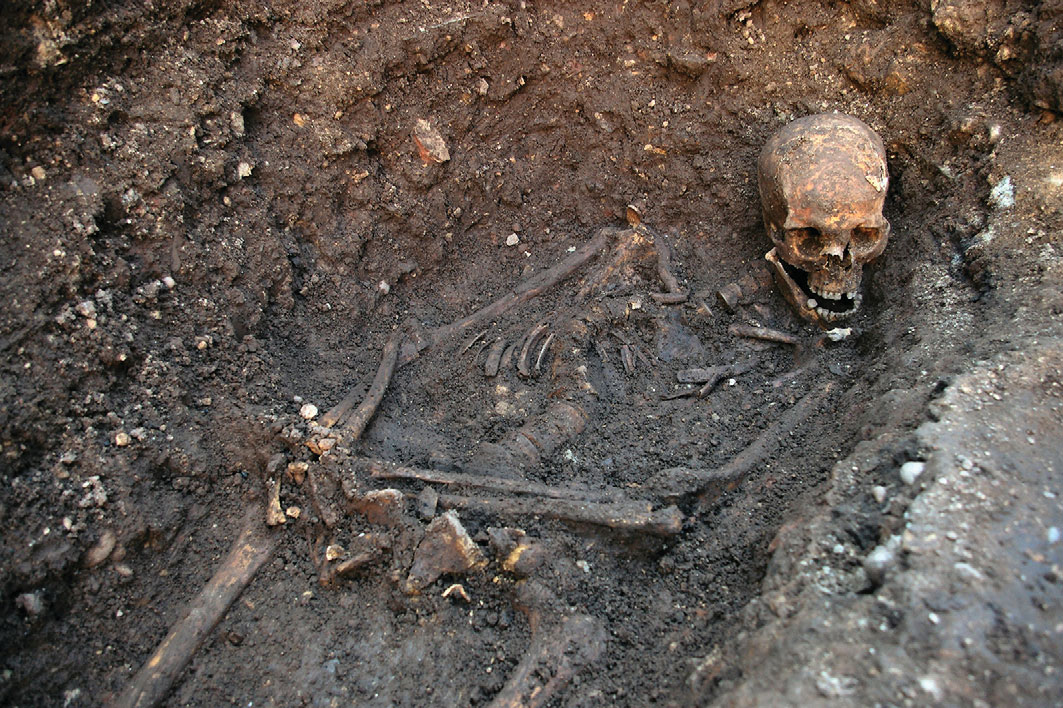
The skeleton of King Richard III discovered beneath a Leicester car park — Richard Buckley et al.
The bones lay in a grave hacked out of the chancel floor of a long-vanished friary church, rough-hewn and too short for a king. But the skeleton unearthed beneath a Leicester city centre car park has been identified as that of Richard III, the last Plantagenet king of England, the University of Leicester announced.
The remains were found on the site of the former Greyfriars Church, now a municipal parking lot, after an excavation commissioned by Ricardian author Philippa Langley with assistance from the Richard III Society. The university's scholars matched the skeleton through radiocarbon dating, trauma analysis, and comparison of mitochondrial DNA.
A key witness in the identification was Michael Ibsen, a 16th-generation great-nephew of Richard III, who provided a mouth-swab DNA sample on 24 August 2012. The excavators located Greyfriars Church by 5 September and found the skeleton in the church's choir.
The bones bear marks of battle, including a cleaved skull, consistent with accounts of Richard's death at Bosworth Field in 1485. The discovery ends a 500-year search for the king, whose body was said to have been buried at Leicester's Greyfriars after his defeat by Henry Tudor.
The skeleton was found beneath a modern city centre car park on the site of the former Greyfriars Church in Leicester.
The excavation was commissioned by Ricardian author Philippa Langley with assistance from the Richard III Society.
The University of Leicester identified the skeleton as Richard III through radiocarbon dating, trauma analysis, and mitochondrial DNA comparison.
Michael Ibsen, a 16th-generation great-nephew of Richard III, provided a mouth-swab DNA sample on 24 August 2012.
The excavators located Greyfriars Church by 5 September 2012 and discovered the skeleton in the church's choir.
Pacific War
1942 — Japs Strike Milne Bay; Allies Hold Airfields
Japanese naval infantry attack the Australian base at Milne Bay and meet fierce resistance.
The first major Pacific battle in which Allied land forces decisively defeated the Japanese opened today at Milne Bay, as enemy naval infantry, the Kaigun Tokubetsu Rikusentai, attacked the Australian base on the eastern tip of New Guinea.
Japanese naval infantry, known as Kaigun Tokubetsu Rikusentai, attacked Allied airfields at Milne Bay on 25 August 1942.
The Japanese initially landed a force roughly equivalent to one battalion, miscalculating the garrison size due to poor intelligence.
Allied air superiority, including Royal Australian Air Force aircraft, destroyed part of the Japanese invasion force's landing craft.
The battle ended on 7 September 1942 with Japanese withdrawal, often called the first major Pacific battle where Allies decisively defeated Japanese land forces.
Milne Bay is a sheltered 250-square-kilometre bay at the eastern tip of Papua, 35 km long and 16 km wide.
War in Europe
1914 — Louvain Library Burned; 230,000 Books Lost
German troops set fire to the Catholic university's library at 11:30 pm, destroying medieval manuscripts and incunabula.
The sack of Louvain has reached its darkest hour, as German troops set fire to the town's Catholic university library at around 11:30 pm on August 25, destroying more than 230,000 books, including 750 medieval manuscripts and 800 incunabula.
German soldiers set fire to the university library at around 11:30 pm on August 25, 1914.
The fire destroyed more than 230,000 books, including 750 medieval manuscripts and 800 incunabula.
The library was housed in the 14th-century cloth hall, and the fire burned for several days.
U.S. ambassador Brand Whitlock rescued the rector of the American College of Louvain, who recounted the destruction.
The sack of Leuven killed 248 civilians and destroyed 1,120 of the town's 8,928 homes.
Royal Chronicle
1270 — Philip III Proclaimed King of France in Tunis
Philip III, 25 and stricken with dysentery, proclaimed king in Tunis after his father's death on crusade.
Philip III, aged 25 and stricken with dysentery, was proclaimed King of France in Tunis on 25 August, following the death of his father Louis IX during the Eighth Crusade. The new king, the third of his name, now faces the task of extracting the crusading host from Africa.
Louis IX died in Tunis on 25 August 1270 during the Eighth Crusade, and his son Philip III was proclaimed king there.
Philip III, aged 25 and stricken with dysentery, was proclaimed king in Tunis following his father's death.
Philip's brother John Tristan, Count of Valois, died on 3 August 1270 from dysentery during the same crusade.
A treaty was concluded on 5 November 1270 between the kings of France, Sicily, Navarre and the Caliph of Tunis.
Philip III was formally anointed as king at Reims in 1271 after returning to France.
Court & Charter
1537 — King Grants Charter to Fraternity of Artillery
Henry VIII authorizes the Fraternity or Guild of Artillery of Longbows, Crossbows and Handgonnes for the realm's defence.
The eldest regiment of the British Army had its beginning this day, when King Henry VIII granted a royal charter to the Fraternity or Guild of Artillery of Longbows, Crossbows and Handgonnes. The charter, dated August 25, 1537, authorizes the company for the realm's defence.
The royal charter on August 25, 1537, authorized the Fraternity or Guild of Artillery of Longbows, Crossbows and Handgonnes for the realm's defence.
The Honourable Artillery Company is the oldest regiment in the British Army and the second-oldest military unit in the world.
The word 'artillery' in the company's name originally meant any projectile, such as arrows shot from a bow.
Sporting Intelligence
1875 — Captain Webb Swims the Channel, First in History
After roughly 21 hours 40 minutes in the water, Captain Webb landed near Calais at 10:41 this morning, having swum about 39 miles (63 km).
Captain Matthew Webb has become the first man to swim across the English Channel, a feat accomplished in approximately 21 hours 40 minutes. He landed near Calais at 10:41 this morning, having swum about 39 miles (63 km) through the treacherous waters. The captain, who fell into his friends' arms upon arriving, slept at the Hotel de Paris. His achievement has stirred public admiration, with donations reaching £2,424 (about £240,000 today), part of which he gave to his father and part invested. Webb has dismissed his American rival Paul Boyton, who crossed in a survival suit, as 'an obvious fraud'.
After nearly 22 hours, Webb landed near Calais at 10:41 am on 25 August 1875, having swum about 39 miles (63 km).
Webb called his American rival Paul Boyton, who had crossed in a survival suit, 'an obvious fraud'.
Public donations raised Webb £2,424 (about £240,000 today), which he partly gave to his father and invested.
After the swim, Webb fell into his friends' arms and slept at the Hotel de Paris.
The Prussian War
1758 — Frederick's Army Strikes Russians at Zorndorf
Prussian force of 35,000 meets Russian army of 43,000; both sides suffer heavy losses before the enemy withdraws.
On the fields of Zorndorf, in present-day Sarbinowo, Poland, the Prussian army, 35,000 strong under Frederick, engaged the Russian force of 43,000 commanded by Count William Fermor. The battle raged with terrible slaughter: the Prussians lost 12,800 men, the Russians 18,000. After the contest, the Russians withdrew, and Frederick claimed victory. Yet some, like historian Daniel Marston, call it a 'draw', for both armies were too exhausted to fight another battle. The king's men have marched, their powder spent, leaving the field to the crows.
At Zorndorf, a Prussian army of 35,000 men under Frederick fought a Russian army of 43,000 commanded by Count William Fermor.
Both sides suffered heavy casualties: the Prussians lost 12,800 and the Russians 18,000.
The Russians withdrew after the battle, and Frederick claimed victory.
Historian Daniel Marston described Zorndorf as a 'draw' because both sides were too exhausted to fight another battle.
What the papers printed that morning
Real front pages from 25 August 1942, scanned by the Library of Congress. These are archival documents, not our work.
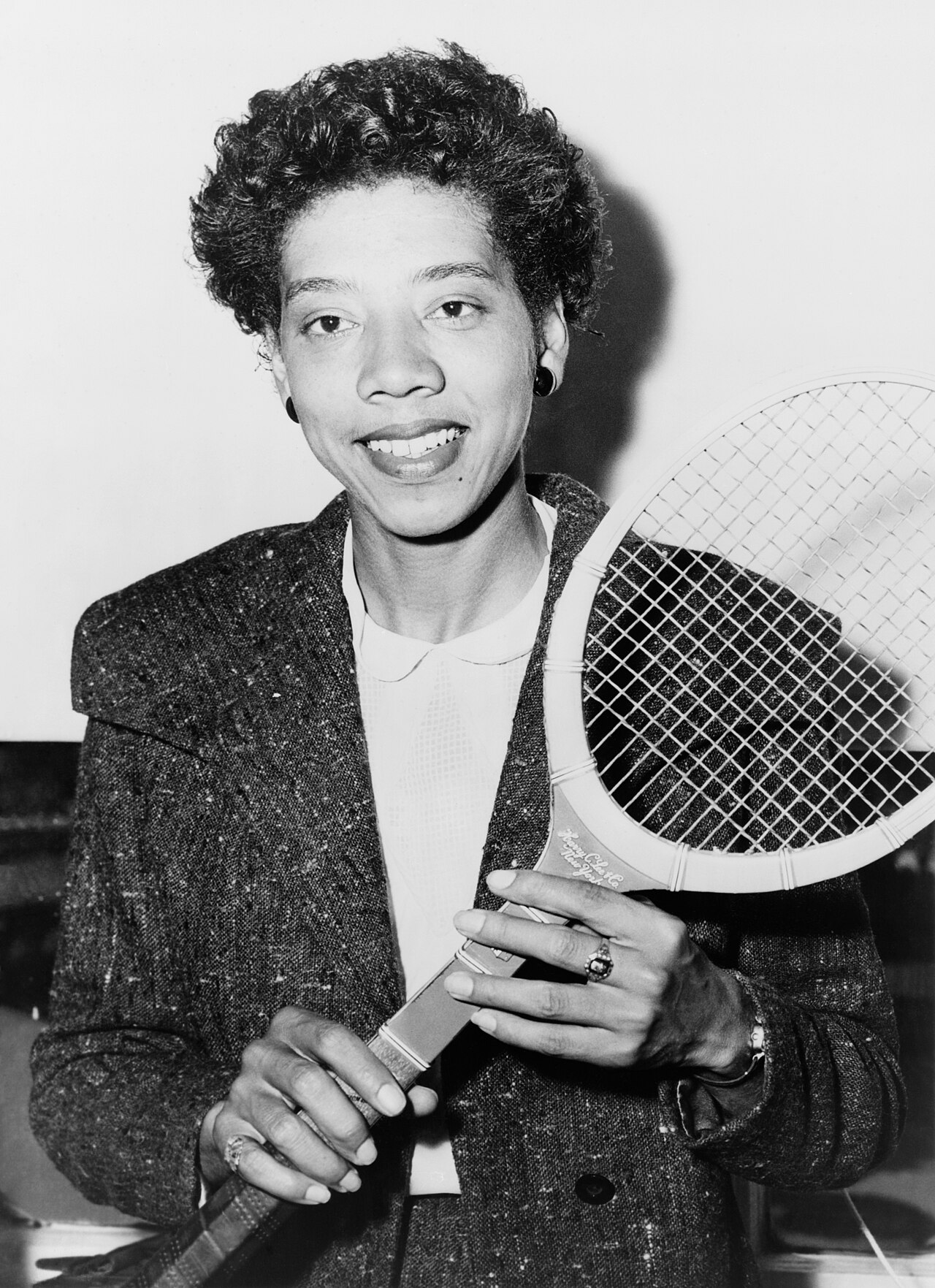
1927Althea GibsonAlthea Neale Gibson was an American tennis player and professional golfer, and one of the first Black athletes to cross the color line of international tennis.
1954Elvis Costello(72 this year)Declan Patrick MacManus, known professionally as Elvis Costello, is an English singer, songwriter, record producer, author, and television host.
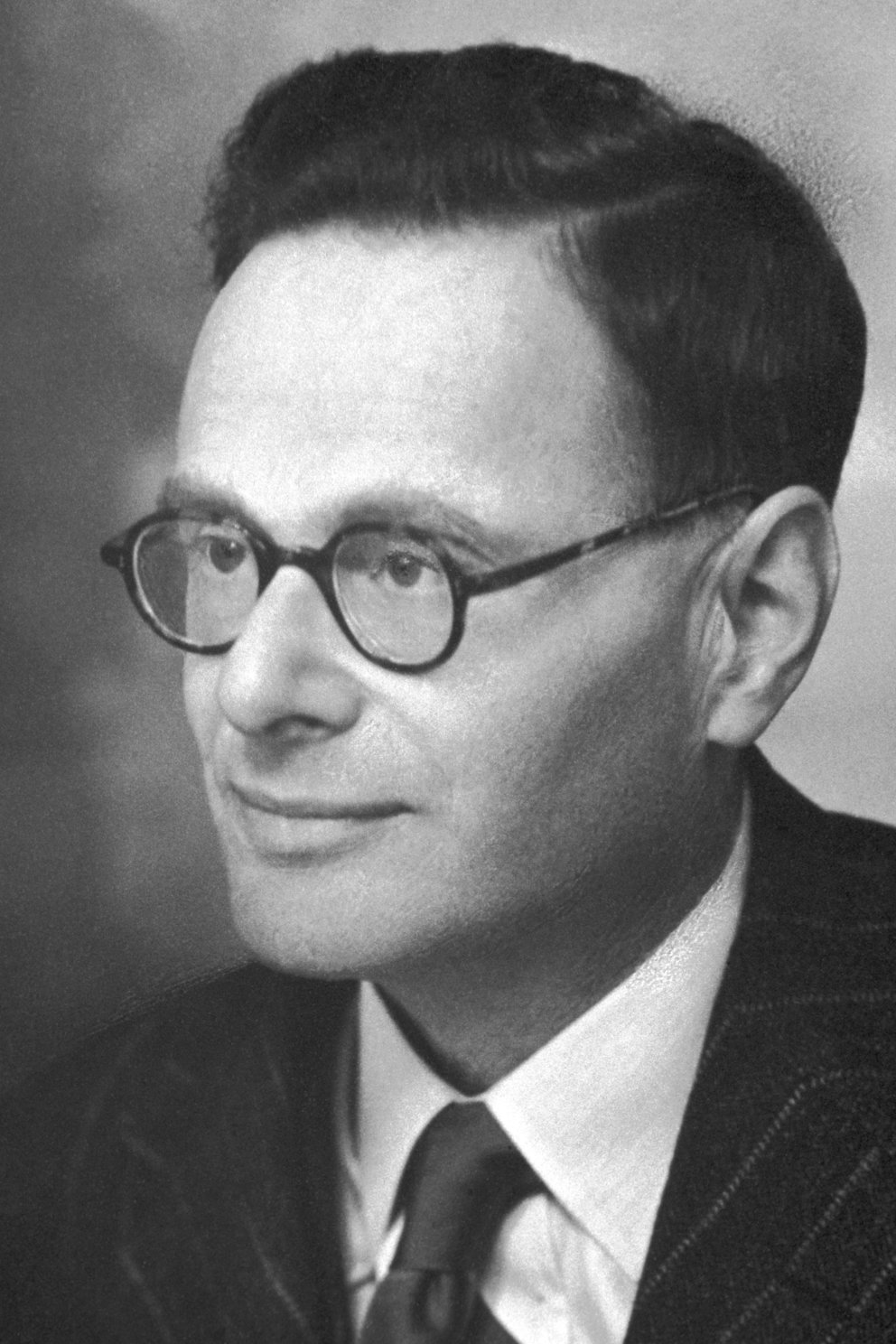
1900Hans Adolf KrebsSir Hans Adolf Krebs, FRS was a German-British biologist, physician and biochemist.
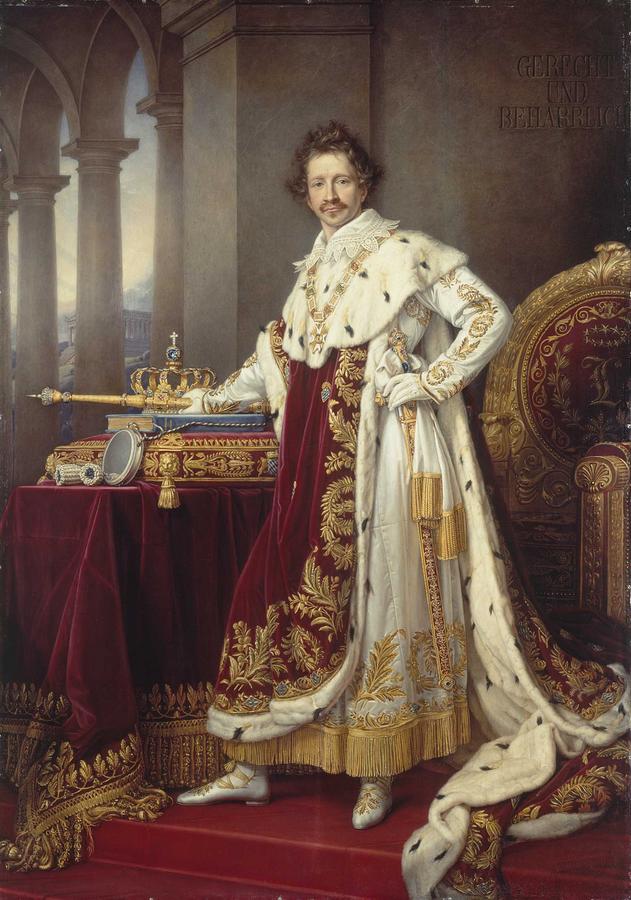
1786Ludwig I of BavariaLudwig I or Louis I was King of Bavaria from 1825 until the 1848 revolutions in the German states.
1850Charles RichetCharles Robert Richet was a French physiologist at the Collège de France and immunology pioneer.
1946Rollie Fingers(80 this year)Roland Glen Fingers is an American former right handed relief pitcher in Major League Baseball who played for three teams between 1968 and 1985.
1724George StubbsGeorge Stubbs was an English painter, best known for his paintings of horses.
1744Johann Gottfried HerderJohann Gottfried von Herder was a German philosopher, theologian, pastor, poet, and literary critic.
1803Luís Alves de Lima e SilvaLuís Alves de Lima e Silva, Duke of Caxias, nicknamed "o Pacificador" and "o Duque de Ferro", was an army officer, politician and monarchist of the Empire of Brazil.
1819Allan Pinkerton Scottish-American barrel makerAllan Pinkerton was a Scottish-American detective, spy, abolitionist, and cooper best known for creating the Pinkerton National Detective Agency in the United States and his claim to have obstructed the Baltimore Plot in 1861, preventing the assassination of then president-elect Abraham Lincoln.
1889Alexander MairAlexander Mair was an Australian politician who served as Premier of New South Wales from 5 August 1939 to 16 May 1941.
1902Stefan WolpeStefan Wolpe was a German-born American composer.
1912Erich HoneckerErich Ernst Paul Honecker was a German communist politician who led the German Democratic Republic from 1971 until shortly before the fall of the Berlin Wall in November 1989.
1918Leonard BernsteinLeonard Bernstein was an American conductor, composer, pianist, music educator, author, and humanitarian.
1919William P. FosterWilliam Patrick Foster, also known as The Law and The Maestro, was the director of the noted Florida A&M University Marching "100".
1919George WallaceGeorge Corley Wallace Jr. was an American politician and lawyer who was the 45th and longest-serving governor of Alabama, and the longest-serving governor from the Democratic Party.
1921Brian MooreBrian Moore, was a Northern Irish and Canadian writer.
1939Marshall BrickmanMarshall Jacob Brickman was an American screenwriter and director, best known for his collaborations with Woody Allen, with whom he shared the 1977 Academy Award for Best Original Screenplay for Annie Hall.
1943Pete Stemkowski(83 this year)Peter David Stemkowski is a Canadian former professional ice hockey player.
1944Jacques Demers(82 this year)Jacques Demers is a former Canadian Senator, former broadcaster and former professional ice hockey head coach.
1949Gene Simmons(77 this year)Gene Simmons, also known by his stage persona "the Demon", is an Israeli and American musician and songwriter.
1957Simon McBurney(69 this year)Simon Montagu McBurney is an English actor, playwright, and theatre and opera director.
1964Azmin Ali(62 this year)Mohamed Azmin bin Ali is a Malaysian politician who has served as the State Leader of the Opposition of Selangor and Member of the Selangor State Legislative Assembly (MLA) for Hulu Kelang since August 2023.
1965Sanjeev Sharma(61 this year)Sanjeev Sharma is a former Indian cricketer, entrepreneur and cricket coach who played in two Test matches and 23 One Day Internationals from 1988 to 1997.
1966Derek Sherinian(60 this year)Derek Sherinian is an American keyboardist who has toured and recorded for Alice Cooper, Billy Idol, and Joe Bonamassa, among others.
Quote of the Day
“You don't know about me without you have read a book by the name of The Adventures of Tom Sawyer.” — Mark Twain, Adventures of Huckleberry Finn
August 25 History Quiz
Which spacecraft made its closest approach to Neptune on August 25, 1989?
Voyager 2
In what year was the skeleton of King Richard III discovered under a Leicester car park?
2012
Who became the first person to swim the English Channel in 1875?
Every event on this page was picked by hand from the historical record, written up as a news report, and checked against its source. Photographs are matched to the event they illustrate and verified before they are used. Sources are linked on each story.






 Anatomy of a Murder, Robert Traver
 “The Loco-Motion”,
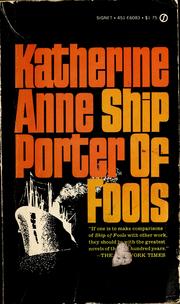 Ship of Fools, Katherine Anne Porter
 Breakfast of Champions, Kurt Vonnegut
 “Ghostbusters”,
  ...And Ladies of the Club, Helen Hooven Santmyer
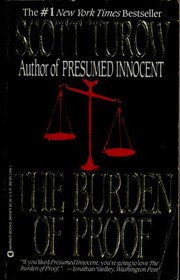 The Burden of Proof, Scott Turow
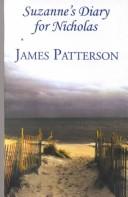 Suzanne's Diary for Nicholas, James Patterson
 “Whistle”,
 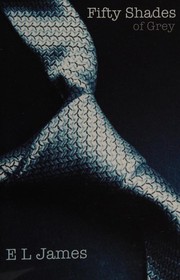 Fifty Shades of Grey, E. L. James