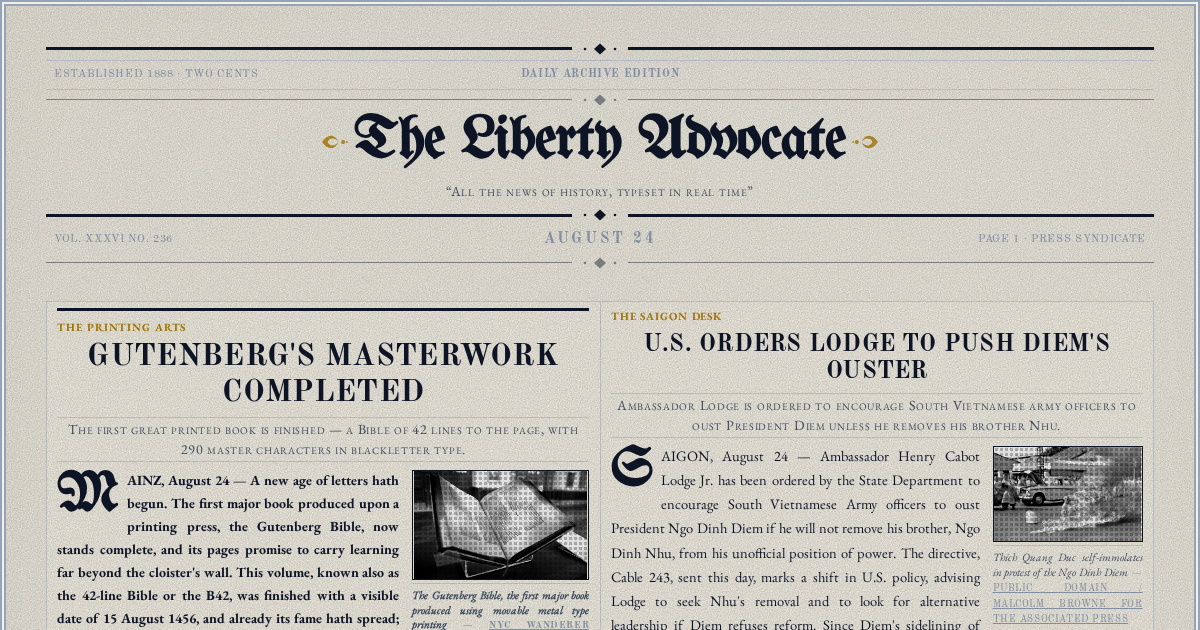
Our front page for August 24 — written and set by The Yesterday Times from the events below. Not an archival document.
Day of the year
236
Days left in 2026
129
In 2026 it falls on a
Monday
Star sign
Virgo
Birthstone
Peridot
On August 24 in 1456, 570 years ago, Gutenberg's Masterwork Completed. This page reports 13 stories from the date, 25 people born on this day.
The stories in full
The Printing Arts
1456 — Gutenberg's Masterwork Completed
The first great printed book is finished — a Bible of 42 lines to the page, with 290 master characters in blackletter type.
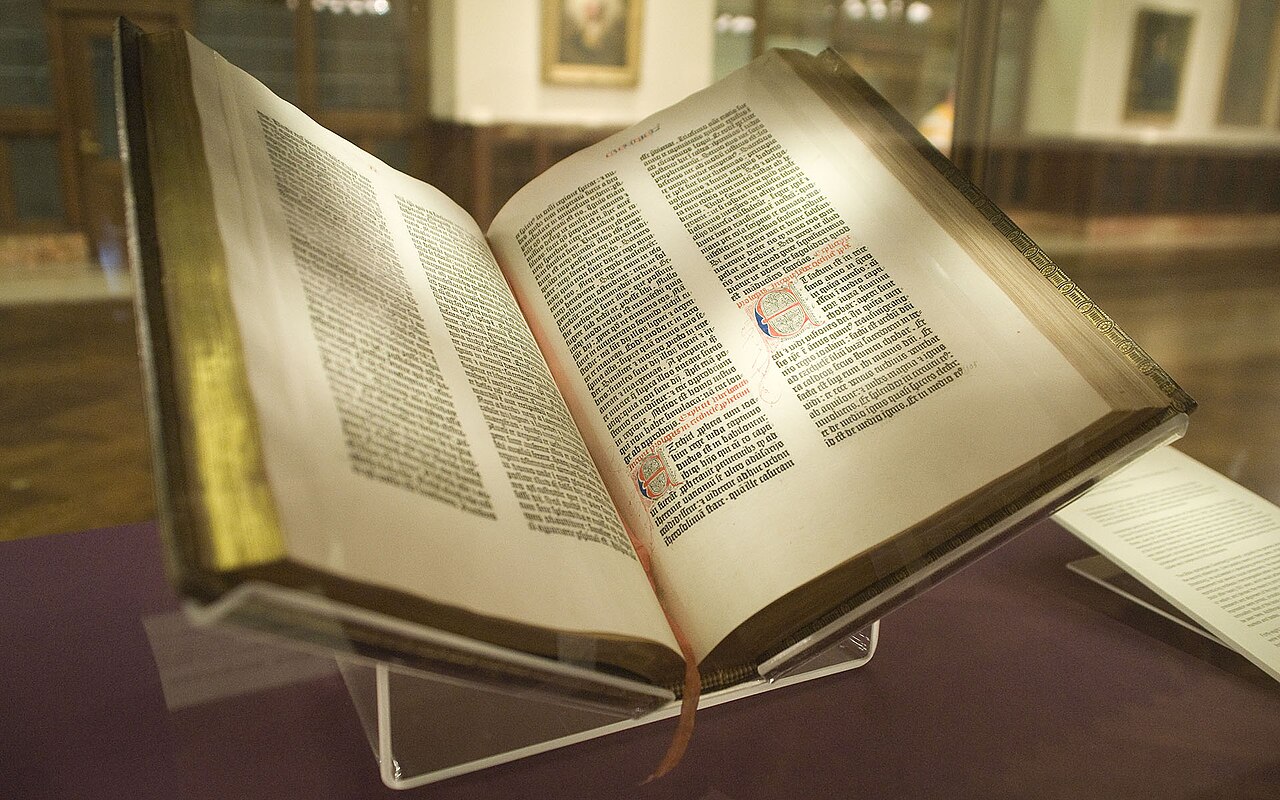
The Gutenberg Bible, the first major book produced using movable metal type printing — NYC Wanderer (Kevin Eng)
MAINZ, August 24 — A new age of letters hath begun. The first major book produced upon a printing press, the Gutenberg Bible, now stands complete, and its pages promise to carry learning far beyond the cloister's wall. This volume, known also as the 42-line Bible or the B42, was finished with a visible date of 15 August 1456, and already its fame hath spread; in March of the past year, the future Pope Pius II wrote of seeing its pages displayed in Frankfurt. Johann Gutenberg's craft masters a set of 290 characters for its blackletter type, and his oil-based ink, rich in copper, lead, and titanium, gives the text a lasting sheen.
The Gutenberg Bible is also known as the 42-line Bible, the Mazarin Bible or the B42.
Out of either 158 or 180 copies originally printed, 49 survive in at least substantial portion, 21 of them in entirety.
The copy with the earliest visible print date is marked as 15 August 1456.
In March 1455, the future Pope Pius II wrote that he had seen pages from the Gutenberg Bible displayed in Frankfurt.
Gutenberg developed an oil-based ink with a high metallic content of copper, lead, and titanium for printing.
The Capitol's Calamity
1814 — The President's House in Ashes
On August 24, British forces burned the President's House and Capitol in retribution for the American burning of York in 1813, following Napoleon's abdication in 1814.
WASHINGTON, August 24 — In the annals of this young republic, few days have borne such infamy as this, when the enemy's torch hath consumed the seat of our government. British forces, having invaded the capital, set fire to the President's House, destroying its interior and charring much of its exterior, and likewise the Capitol Building, in retribution for our own burning of York in April 1813. This calamity follows Britain's reinforcement of North America after Napoleon's abdication in April 1814.
British forces set the White House ablaze on August 24, 1814, destroying its interior and charring much of the exterior.
The burning of Washington in August 1814 followed Britain's reinforcement of North America after Napoleon's abdication in April 1814.
Reconstruction of the White House began almost immediately, and President James Monroe moved into the partially rebuilt residence in October 1817.
The burning of the Capitol Building during the British raid on Washington was retribution for American actions in York in April 1813.
The White House was designed by Irish-born architect James Hoban in the Neoclassical style, modeled on Leinster House in Dublin.
The Saigon Desk
1963 — U.S. Orders Lodge to Push Diem's Ouster
Ambassador Lodge is ordered to encourage South Vietnamese army officers to oust President Diem unless he removes his brother Nhu.
SAIGON, August 24 — Ambassador Henry Cabot Lodge Jr. has been ordered by the State Department to encourage South Vietnamese Army officers to oust President Ngo Dinh Diem if he will not remove his brother, Ngo Dinh Nhu, from his unofficial position of power. The directive, Cable 243, sent this day, marks a shift in U.S. policy, advising Lodge to seek Nhu's removal and to look for alternative leadership if Diem refuses reform. Since Diem's sidelining of Nhu is seen as virtually nil, the cable effectively means fomenting a coup.
On August 24, 1963, the Kennedy administration sent Cable 243 to Ambassador Lodge in Saigon, marking a change in US policy.
The message advised Lodge to seek the removal of Nhu from power and look for alternative leadership if Diệm refused reform.
The cable effectively meant fomenting a coup, as Diệm's sidelining of Nhu was seen as virtually nil.
The Voice of America broadcast a statement blaming Nhu for the raids and absolving the army of responsibility.
Pacific Fleet Despatch
1942 — Saratoga Planes Sink Jap Carrier Ryūjō
Third carrier battle of the Pacific — bombers from the Saratoga send the Ryūjō to the bottom near Santa Isabel Island.
ABOARD A U.S. NAVY CARRIER, August 24 — In the third carrier battle of the Pacific campaign, bombers from the aircraft carrier Saratoga have sunk the Japanese carrier Ryūjō near Santa Isabel Island, contributing to an Allied victory. The battle, which began this day and continues into tomorrow, has seen the two fleets never within sight of each other; all attacks have been delivered by carrier-based or land-based aircraft. Japan's losses include dozens of aircraft and their experienced aircrews, and reinforcements for Guadalcanal have been delayed. The Ryūjō, a light carrier, went down under a hail of bombs.
Bombers from the U.S. aircraft carrier Saratoga sank the Japanese aircraft carrier Ryūjō near Santa Isabel Island.
The Battle of the Eastern Solomons took place on 24–25 August 1942 and was the third carrier battle of the Pacific campaign.
Ryūjō was sunk by American carrier-based aircraft in the Battle of the Eastern Solomons on 24 August 1942.
The ships of the two adversaries were never within sight of each other; all attacks were carried out by carrier-based or land-based aircraft.
Japan's losses included dozens of aircraft and their experienced aircrews, and reinforcements for Guadalcanal were delayed.
Frontier Intelligence
1781 — Brant's Indians Slay Pennsylvania Militia
Mohawk Chief's Force Annihilates Rebel Company Near Aurora — 'Monster Brant' Name Denied
NEW YORK, August 24 — Joseph Brant, the Mohawk chieftain, hath led his Indians against a company of the Pennsylvania militia near present-day Aurora, in the Indiana country, and hath killed or taken the whole thereof. Brant, long a captain of the Mohawks and of the loyalist band termed Brant's Volunteers, hath warred stoutly against the rebels on the New York frontier. The Americans, falsely accusing him of cruelties, have styled him 'Monster Brant,' a calumny he doth reject. The affair occurred, it is said, at the mouth of Hogan's Creek, upon the Ohio, where the militia lay encamped.
Joseph Brant led American Indians who killed or captured all members of a Pennsylvania militia near present-day Aurora, Indiana.
Brant, a Mohawk leader, led Mohawk and colonial Loyalists known as Brant's Volunteers against rebels on the New York frontier.
Brant was falsely accused by Americans of committing atrocities and given the name 'Monster Brant.'
War Correspondence
1914 — Serbian Victory at Cer: First Allied Triumph
Austrian Panic on the Drina — Serbs Re-enter Šabac — Aerial Combat Marks the Battle
BELGRADE, August 24 — The thunder of Austrian guns has ceased along the Cer range, and the Serbs, re-entering Šabac this day, have ended the first Austro-Hungarian invasion of their land with the first Allied victory of the war. The battle opened on the night of August 15, when Serbian troops met Austrian outposts on Cer Mountain; by August 19, the enemy's morale had collapsed, thousands fleeing in panic, many drowning in the Drina. Serbian losses are put at 3,000 to 5,000 killed and 15,000 wounded, while Austrian wounded alone reach 30,000.
The battle began on the night of 15 August 1914 when Serbian troops encountered Austro-Hungarian outposts on Cer Mountain.
On 19 August, Austro-Hungarian morale collapsed; thousands fled in panic, with many drowning in the Drina River.
On 24 August, Serbs re-entered Šabac, ending the battle and the first Austro-Hungarian invasion of Serbia.
Serbian casualties were 3,000–5,000 killed and 15,000 wounded; Austro-Hungarian losses were far higher with 30,000 wounded.
The first aerial dogfight of World War I took place during the Battle of Cer.
Science Desk
2006 — Pluto Stripped of Planet Status by IAU Vote
Reclassification Makes It a Dwarf Planet — Eight Planets Now in Solar System
Pluto, reclassified as a dwarf planet — NASA et al.
PRAGUE, August 24 — The Solar System has changed its face. The International Astronomical Union, voting here, has redefined the term planet and classified Pluto as a dwarf planet, leaving eight known planets. The definition, proposed by Uruguayan astronomers Julio Ángel Fernández and Gonzalo Tancredi, failed Pluto because it has not cleared its neighborhood of smaller objects. The discovery of Eris in January 2005, thought slightly larger than Pluto, spurred the debate. NASA said it will adopt the new guidelines.
The IAU adopted the definition proposed by Uruguayan astronomers Julio Ángel Fernández and Gonzalo Tancredi.
Pluto was reclassified as a dwarf planet because it failed to clear its neighbourhood of smaller objects.
The IAU stated there are eight known planets in the Solar System under the new definition.
The discovery of Eris in January 2005, thought to be slightly larger than Pluto, spurred the reclassification debate.
Resolution 5B, which would have defined dwarf planets as a subtype of planet, was defeated at the same session.
Roman Chronicle
410 — Rome Falls to Visigoths After Eight Centuries
Alaric's Host Takes the City — St. Jerome Laments the Fall of the World's Captor
ROME, August 24 — After nearly eight hundred years, the city that once took the whole world has itself been taken. The Visigoths, under their king Alaric, who first united them in 395, have sacked Rome, the first foreign enemy to do so since the Gauls. Though Rome hath long ceased to be the seat of empire, Mediolanum having held that honor since 286 and Ravenna since 402, the blow is grievous.
The sack of Rome on 24 August 410 AD was the first time in almost 800 years that Rome had fallen to a foreign enemy.
The Visigoths were led by their king, Alaric I, who first united them in 395.
St. Jerome, living in Bethlehem, wrote: 'the city which had taken the whole world was itself taken'.
Rome was no longer the administrative capital of the Western Roman Empire, having been replaced by Mediolanum in 286 and Ravenna in 402.
The sacking of 410 is seen as a major landmark in the fall of the Western Roman Empire.
Foreign Desk
1966 — Red Guards Wreck Tibet's Holiest Temple, Lhasa Reports Say
Reports say the Jokhang, which houses a famed image of the Buddha, has been stripped of its sacred objects.
LHASA, Aug. 24 — Red Guards have vandalized the Jokhang, the holiest Buddhist temple in Tibet, according to reports reaching this office. The ancient shrine, revered as the spiritual heart of the Tibetan people, has been desecrated by the youthful militants who are carrying the Cultural Revolution to the remote Himalayan region.
The destruction was said to have occurred in recent days, as the Guards swept through Lhasa in a drive against all religious and traditional influences. The Jokhang, which houses a famed image of the Buddha, has been stripped of its sacred objects.
No official statement has been issued by the Chinese authorities. The extent of the damage remains unknown.
Cultural Revolution: Red Guards vandalised the Jokhang (depicted), the holiest Buddhist temple in Tibet.
Naval Affairs
1921 — R.38 Airship Falls in Humber; 44 of 49 Crew Perish
World's largest rigid airship breaks in two over Hull — five survivors picked up
HULL, Aug. 24 — The Royal Navy's airship R.38, the largest in the world, was destroyed over Hull this morning when her frame broke in two, hurling 44 of her 49 crew to their deaths. Only five men were saved from the wreckage, which plunged into the Humber estuary.
The great craft, 700 feet long, was on a trial flight.
The Royal Navy's R.38, the world's largest airship at the time, was destroyed by a structural failure over Hull, killing 44 of the 49 crew aboard.
Church News
1662 — Act of Uniformity Enforces New Prayer Book; Ministers Ejected
Nonconformist clergy quit benefices — statute keeps liturgy in force
LONDON, Aug. 24 — The Act of Uniformity this day enforces the Book of Common Prayer, containing the Administration of the Sacraments and other Rites and Ceremonies of the Church, as the sole liturgy of the Church of England.
The 1662 Book of Common Prayer remains the official prayer book of the Church of England.
The 1662 edition was published after the English Civil War, when the Prayer Book had been abolished.
The full title of the 1662 Book of Common Prayer includes 'Administration of the Sacraments and other Rites and Ceremonies of the Church'.
The 1662 prayer book is used in over 50 countries and over 150 different languages.
Politics Desk
1954 — Vargas Dead By Own Hand in Catete Palace
President shoots himself in chest; crisis over Vaz murder ends in tragedy
RIO DE JANEIRO, Aug. 24 — In his third-floor bedroom at Catete Palace, President Getúlio Vargas shot himself in the chest with a revolver at 8:45 this morning. The act came amid crisis, after generals demanded his resignation over the murder of Major Rubens Vaz.
Vargas shot himself in the chest with a revolver at 8:45 BRT on 24 August 1954 in his third-floor bedroom at Catete Palace.
The crisis began with the murder of Air Force Major Rubens Vaz during an assassination attempt outside 180 Rua Tonelero, home of Carlos Lacerda.
Lieutenant Gregório Fortunato, chief of Vargas' personal guard nicknamed 'Black Angel', was implicated in the murder.
Generals demanded Vargas' resignation amid military anger over the assassination attempt.
Vargas called a special cabinet meeting on the evening of 24 August, but rumors spread that army officers were implacable.
National Weather Desk
1992 — Andrew Ravages Florida as Category 5 Storm
A Category 5 storm with 165 mph winds makes landfall, leaving a trail of ruin.
HOMESTEAD, Fla., Aug. 24 — The costliest hurricane in Florida history has left a trail of ruin, with Andrew, a Category 5 storm packing 165 mph winds, making landfall on Elliott Key and then here, stripping homes to their concrete foundations.
Hurricane Andrew made landfall in Florida on Elliott Key and then Homestead as a Category 5 hurricane with 165 mph sustained winds.
Andrew destroyed more than 63,500 houses and damaged over 124,000 others in South Florida.
The hurricane caused $27.3 billion in damage in Florida, the costliest to hit the state at the time.
Andrew passed directly through Cutler Bay and Homestead, stripping many homes of all but their concrete foundations.
With a pressure of 922 hPa at landfall, Andrew was the most intense U.S. hurricane since Camille in 1969.
What the papers printed that morning
Real front pages from 24 August 1963, scanned by the Library of Congress. These are archival documents, not our work.
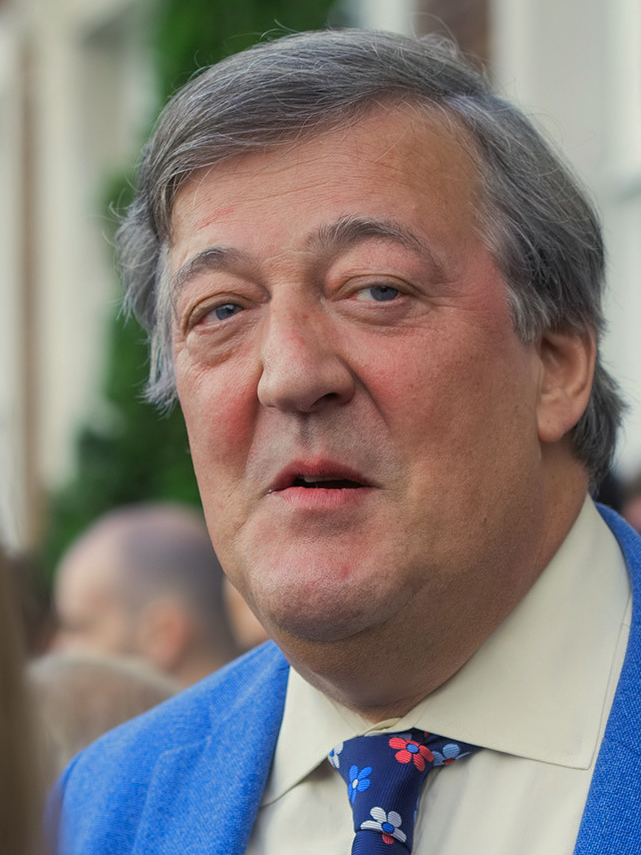
1957Stephen Fry(69 this year)Sir Stephen John Fry is an English actor, comedian, writer, and broadcaster.
1973Dave Chappelle(53 this year)David Khari Webber Chappelle is an American stand-up comedian, actor, and former sketch comedian.
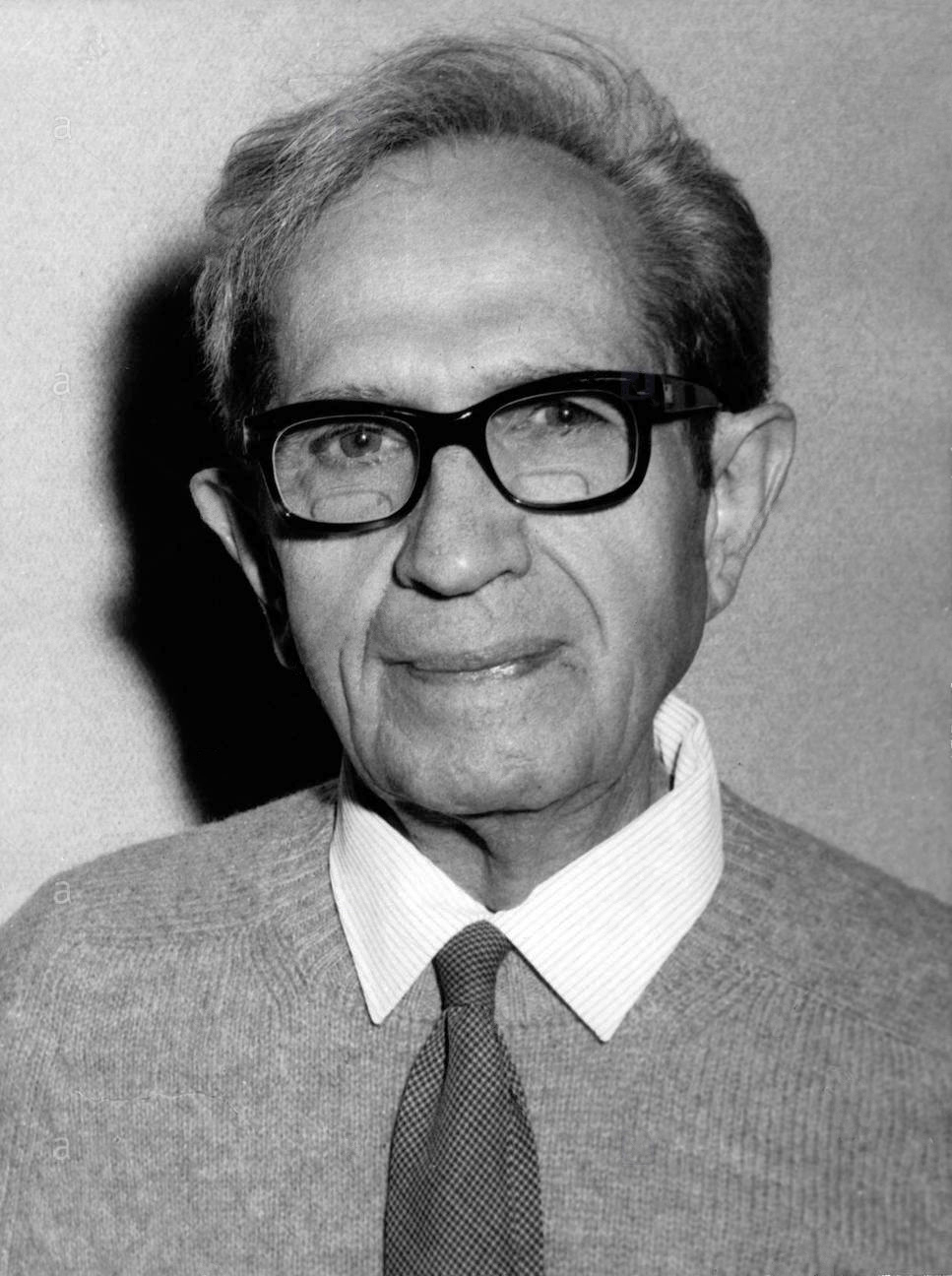
1899Albert ClaudeAlbert Claude was a Belgian-American cell biologist and medical doctor who shared the Nobel Prize in Physiology or Medicine in 1974 with Christian de Duve and George Emil Palade.
1951Orson Scott Card(75 this year)Orson Scott Card is an American writer known best for his science fiction works.
1198Alexander II of ScotlandAlexander II was King of Scotland from 1214 until his death.
1948Alexander McCall Smith(78 this year)Sir Alexander "Sandy" McCall Smith is a Rhodesian/Zimbabwean-Scottish legal scholar and author of fiction.
1987Anže Kopitar(39 this year)Anže Kopitar is a Slovenian former professional ice hockey player.
1358John I of CastileJohn I was King of Castile and León from 1379 until 1390.
1393Arthur IIIArthur III, more commonly known as Arthur de Richemont, was briefly Duke of Brittany from 1457 until his death.
1552Lavinia FontanaLavinia Fontana was an Italian Mannerist painter active in Bologna and Rome.
1635Peder GriffenfeldCount Peder Griffenfeld was a Danish statesman and royal favourite.
1852Agnes MarshallAgnes Bertha Marshall was an English culinary entrepreneur, inventor, and celebrity chef.
1872Max BeerbohmSir Henry Maximilian Beerbohm was an English essayist, parodist and caricaturist under the signature Max.
1895Richard CushingRichard James Cushing was an American prelate of the Catholic Church.
1899Jorge Luis BorgesJorge Francisco Isidoro Luis Borges was an Argentine short-story writer, essayist, poet and translator regarded as a key figure in Spanish-language and international literature.
1919J. Gordon EdwardsJ. Gordon Edwards was an American entomologist and proponent of the use and safety of the pesticide DDT.
1919Enrique LlanesEnrique Juan Yañez González , best known under the ring name Enrique Llanes, was a Mexican professional wrestler.
1922René LévesqueRené Lévesque was a Canadian politician and journalist who served as the 23rd premier of Quebec from 1976 to 1985.
1947Vladimir Masorin(79 this year)Admiral of the Fleet Vladimir Vasilyevich Masorin is a retired Russian naval officer who was Commander-in-Chief of the Russian Navy from 2005 to 2007.
1953Sam Torrance(73 this year)Samuel Robert Torrance is a Scottish former professional golfer and sports commentator.
1960Cal Ripken Jr.(66 this year)Calvin Edwin Ripken Jr., nicknamed "the Iron Man", is an American former professional baseball shortstop and third baseman who played his entire 21-season career in Major League Baseball (MLB) for the Baltimore Orioles (1981–2001).
1964Oteil Burbridge(62 this year)Oteil Burbridge is an American multi-instrumentalist who is primarily known for his skill on the bass guitar.
1965Reggie Miller(61 this year)Reginald Wayne Miller is an American former professional basketball player who played his entire 18-year career in the National Basketball Association (NBA) with the Indiana Pacers.
1972Ava DuVernay(54 this year)Ava Marie DuVernay is an American filmmaker.
1973Andrew Brunette(53 this year)Andrew D. Brunette is a Canadian professional ice hockey coach and former player who is the head coach for the Nashville Predators of the National Hockey League (NHL).
Quote of the Day
“It were not best that we should all think alike; it is difference of opinion that makes horse races.” — Mark Twain, The Tragedy of Pudd'nhead Wilson
August 24 History Quiz
In what year was the Gutenberg Bible completed?
1455
Which planet was reclassified as a dwarf planet by the IAU in 2006?
Pluto
Which city was sacked by the Visigoths in 410 AD, the first time in 800 years?
Every event on this page was picked by hand from the historical record, written up as a news report, and checked against its source. Photographs are matched to the event they illustrate and verified before they are used. Sources are linked on each story.
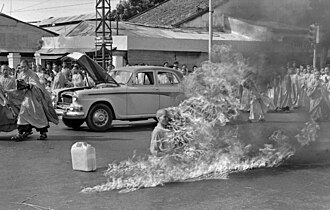



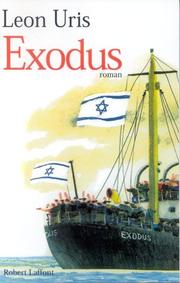 Exodus, Leon Uris
 The Shoes of the Fisherman, Morris West
 “(You're) Having My Baby”,
 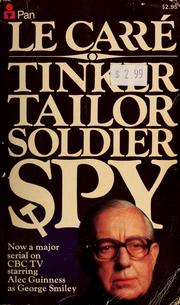 Tinker Tailor Soldier Spy, John le Carré
 “The Power Of Love”,
 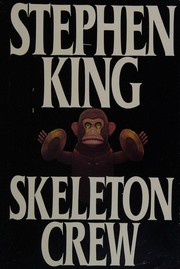 Skeleton Crew, Stephen King
 The Kitchen God's Wife, Amy Tan
 “Dilemma”,
  The Lovely Bones, Alice Sebold
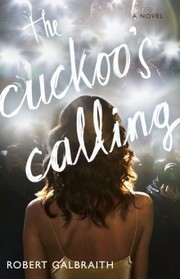 The Cuckoo's Calling, Robert Galbraith
 “A Bar Song (Tipsy)”,
  It Ends with Us, Colleen Hoover