Our front page for August 29 — written and set by The Yesterday Times from the events below. Not an archival document.
Day of the year
241
Days left in 2026
124
In 2026 it falls on a
Saturday
Star sign
Virgo
Birthstone
Peridot
On August 29 in 1831, 195 years ago, Faraday Demonstrates Electrical Induction. This page reports 10 stories from the date, 25 people born on this day.
The stories in full
Royal Institution Reports
1831 — Faraday Demonstrates Electrical Induction
A wave of electricity is made to travel through iron — a discovery that promises to transform the science of magnetism and galvanism.
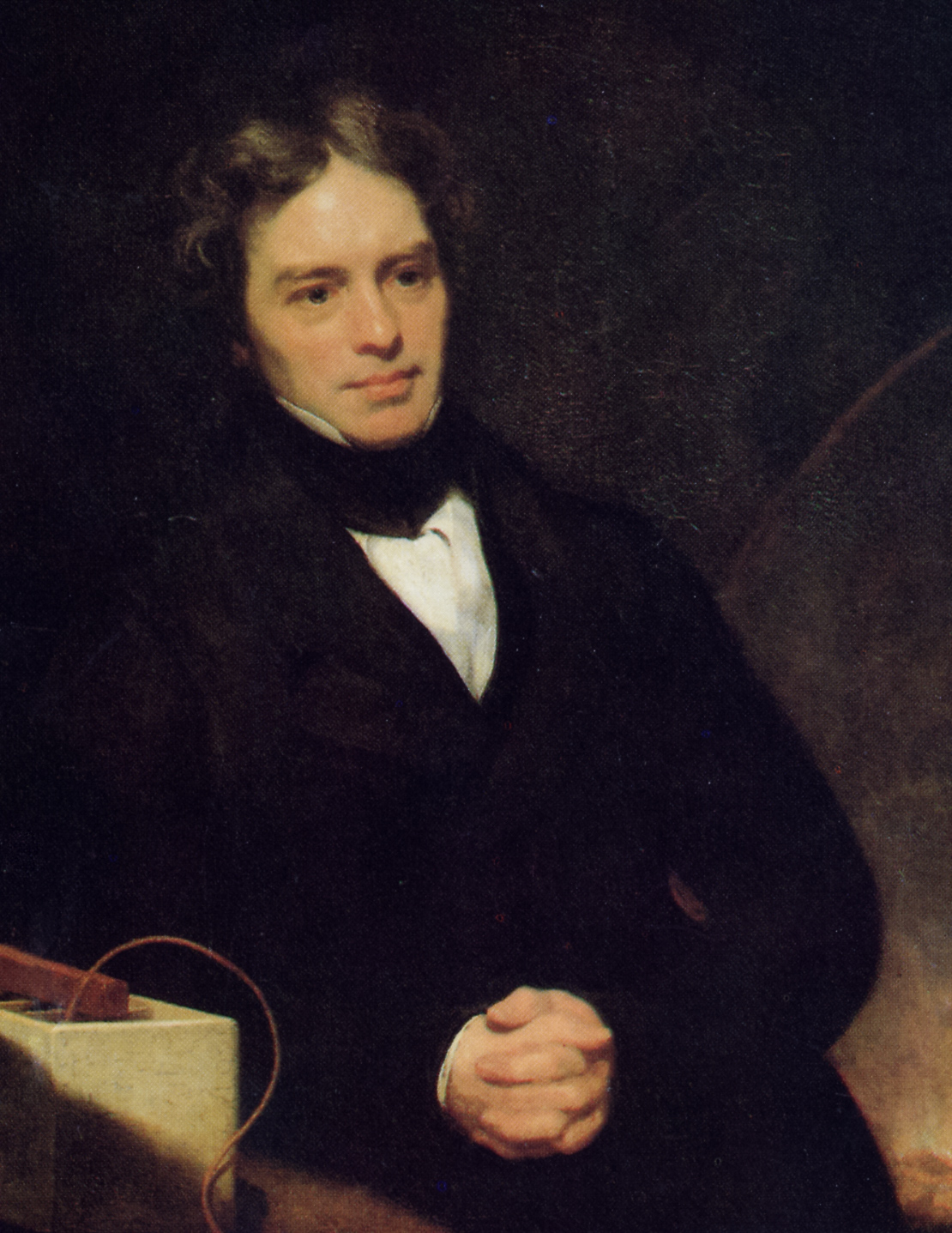
Scientist Michael Faraday, who pioneered the experimental discovery of electromagnetic induction — Thomas Phillips
LONDON, Aug. 29 — In the laboratory of the Royal Institution, an iron ring wound with two separate coils of wire has served to demonstrate a new and striking effect in electricity. Michael Faraday, the eminent experimental philosopher, this day performed an experiment which will be regarded as a landmark in the annals of natural philosophy.
Mr. Faraday wrapped two coils of wire about opposite sides of an iron ring, forming what may be described as a primitive toroidal transformer. Upon connecting one coil to a battery, he observed a brief deflection in a galvanometer attached to the second coil. The needle moved, and then returned to its rest, proving that the current induced in the second coil was momentary.
He has described the induced current as a 'wave of electricity' propagated through the iron. This phenomenon, which he calls electromagnetic induction, forms the basis of the law of induction which will bear his name. The experiment was recorded in his notebook this very day, the 29th of August, 1831.
The learned world will eagerly await the further researches of Mr. Faraday, whose labours have already illuminated the connection between electricity and magnetism. His discovery promises to yield new means of generating electrical currents, and may ultimately lead to practical applications of the most important kind. The scientific community stands in admiration of his genius.
The apparatus is simple, yet its implications are profound. Further experiments are planned to ascertain the full extent of this new force.
Faraday wrapped two coils of wire around opposite sides of an iron ring, forming a primitive toroidal transformer.
When he connected one coil to a battery, he observed a brief deflection in a galvanometer attached to the second coil.
He described the induced current as a 'wave of electricity' propagated through the iron.
Faraday's notebook on August 29, 1831 describes the experimental demonstration of induction.
Foreign Intelligence
1842 — Hong Kong Ceded to Britain; Opium War Ends
The island is granted in perpetuity as a harbour for British traders — a 27-million-dollar indemnity is imposed, and five ports are thrown open to commerce.
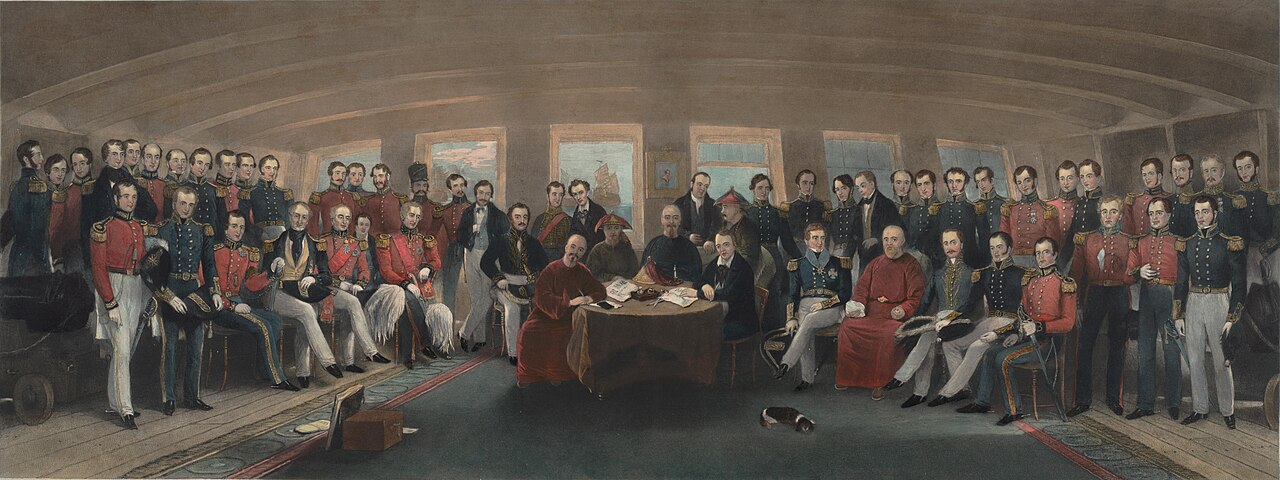
The island of Hong Kong has passed into the hands of the British Crown, a consequence of the treaty which has brought the hostilities with China to a close. The instrument, signed on board Her Majesty's ship Cornwallis, anchored in the Yangtze at Nanjing, has settled the terms of peace and opened a new era in the intercourse between the two empires.
By the thirteen articles of the treaty, the Qing government has ceded Hong Kong Island to Britain in perpetuity, to provide a harbour for British traders. The cession, effected by Article III, secures a station of great commercial importance. Sir Henry Pottinger, the British representative, signed the treaty on behalf of the Queen, while the Qing representatives Keying, Yilibu, and Niu Jian affixed their seals for the Emperor.
The treaty also imposes upon the Qing government a total indemnity of 27 million silver dollars, to be paid in instalments over three years. The Canton system, which had so long restricted foreign trade, is ended, and five treaty ports are opened to British commerce: Canton, Xiamen, Fuzhou, Ningbo, and Shanghai.
Ratification by the Daoguang Emperor and by Queen Victoria is expected in due course, and the trade of the East will henceforth flow through channels more freely opened. The treaty is styled an unequal one by some, but the British merchants rejoice in the enlarged field for their enterprise.
The treaty was signed on board HMS Cornwallis anchored in the Yangtze at Nanjing.
British representative Sir Henry Pottinger and Qing representatives Keying, Yilibu, and Niu Jian signed the thirteen-article treaty.
Article III ceded Hong Kong Island to Britain in perpetuity to provide a harbour for British traders.
The Qing government was obliged to pay a total of 27 million silver dollars in instalments over three years.
The treaty was ratified by the Daoguang Emperor on 27 October and Queen Victoria on 28 December 1842.
Mechanical Arts
1885 — Daimler Patents the First Motorcycle
Gottlieb Daimler's 264-cubic-centimetre machine, producing 0.37 kW at 600 revolutions per minute and reaching about 11 kilometres per hour, is patented.
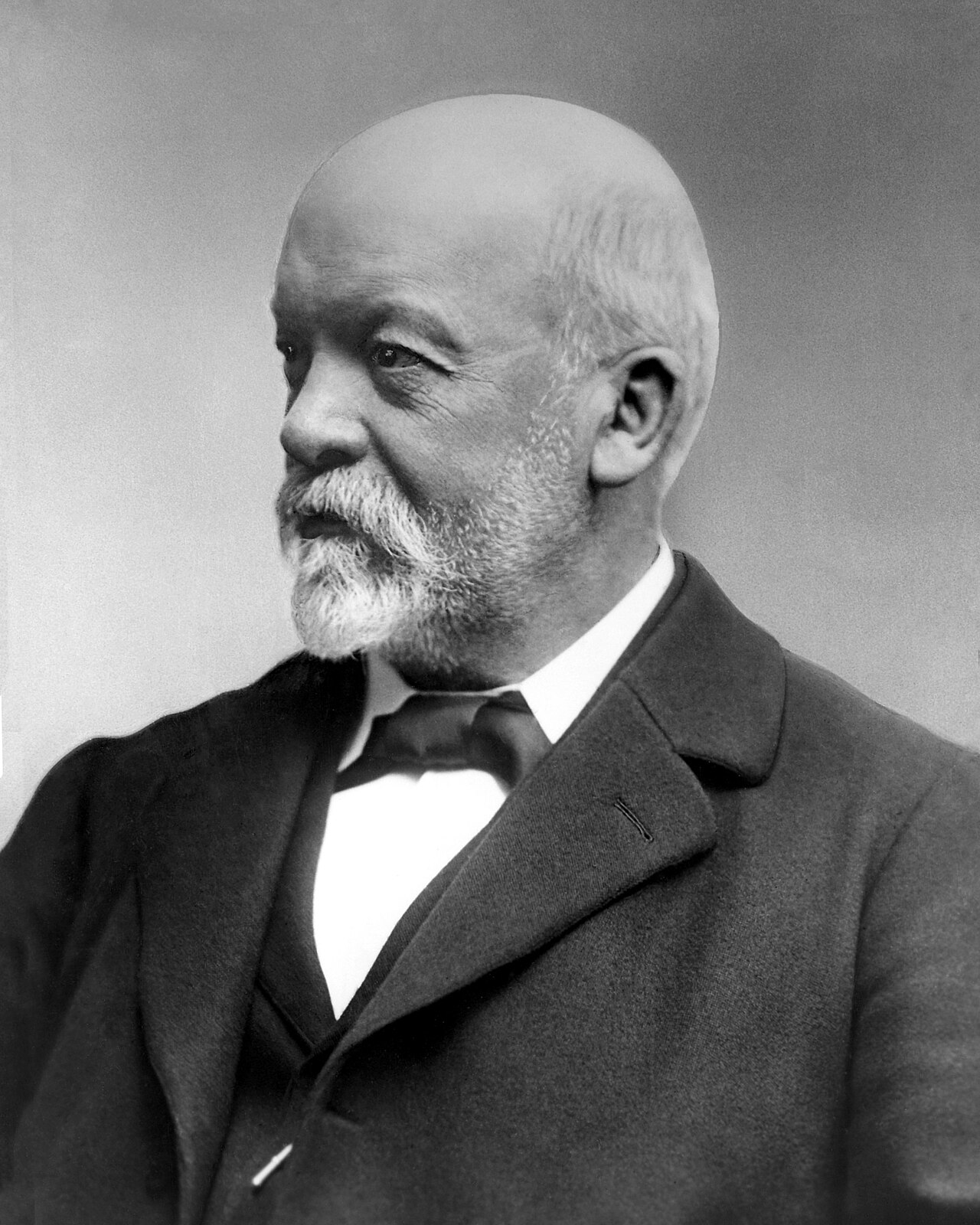
Gottlieb Daimler, the engineer who patented the world's first internal-combustion motorcycle in 1885 — Wikimedia Commons
In an age of steam and iron, a new machine has appeared that may one day rival the locomotive. Gottlieb Daimler, the engineer of Cannstatt, has taken out a patent for the world's first internal-combustion motorcycle, the Reitwagen, a two-wheeler fitted with a vertical cylinder engine.
The machine, built in concert with Wilhelm Maybach, is powered by a 264-cubic-centimetre single-cylinder engine, producing 0.37 kW at 600 revolutions per minute, and attaining a top speed of about 11 kilometres per hour. The Reitwagen is fitted with two iron tread wooden wheels and a pair of spring-loaded outrigger wheels to keep it upright.
Daimler and Maybach fitted a vertical cylinder engine to a two-wheeler in 1885, naming it the Petroleum Reitwagen.
The Reitwagen had a 264-cubic-centimetre single-cylinder engine producing 0.37 kW at 600 rpm, with a top speed of about 11 km/h.
Daimler's 17-year-old son Paul first rode the Reitwagen on November 18, 1885, from Cannstatt to Untertürkheim, Germany.
The original Reitwagen was destroyed in the 1903 Cannstatt fire that razed the Daimler-Motoren-Gesellschaft plant.
The Reitwagen used a hot tube ignition system, with the tube located directly under the seat, which caught fire during Paul Daimler's first ride.
Merseyside Beat
1959 — Quarrymen Open Club in Cellar
Mona Best's coffee club is launched with a skiffle group that counts John Lennon among its members.
Mona Best has opened the Casbah Coffee Club in the cellar of her home in Liverpool, and the Quarrymen, the group that will one day be known as the Beatles, played the opening night.
John Lennon, Paul McCartney, George Harrison and Brown, without a drummer, performed for about 300 local teenagers in the non-air-conditioned cellar.
The Casbah Coffee Club opened on 29 August 1959 in the cellar of Mona Best's home in Liverpool.
The Quarrymen performed the opening night with John Lennon, Paul McCartney, George Harrison and Brown, without a drummer.
About 300 local teenagers attended the opening concert in the non-air-conditioned cellar.
Lennon persuaded Mona Best to hire a guitarist named Harry so the Quarrymen could use his 40-watt amplifier.
Mona Best charged a half-crown annual membership for the Casbah Coffee Club.
AIR TRANSPORT
1960 — Air France Crash Off Dakar Kills 63
Super Constellation Down in Atlantic While Landing — Pilot Had Been Punished for Recklessness — Tribunal Finds Willful Misconduct
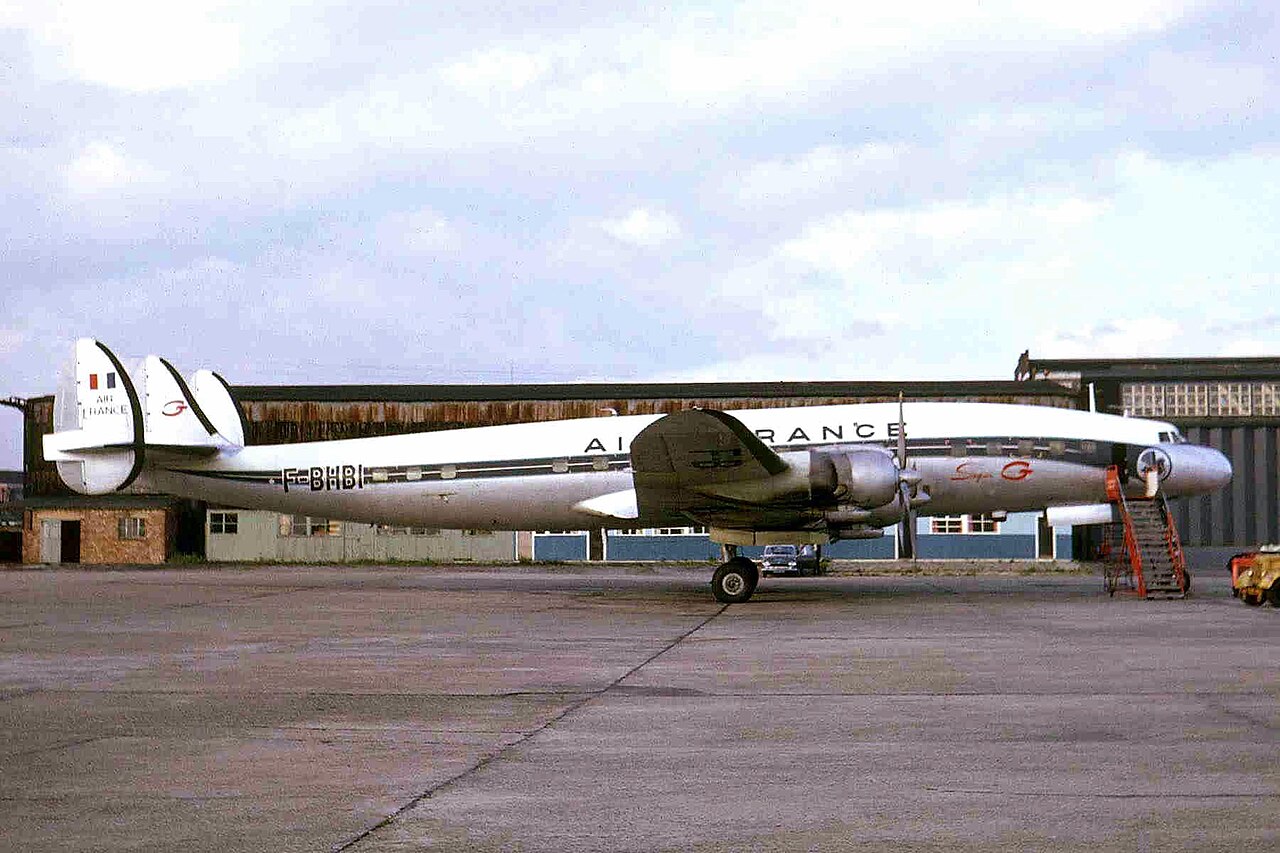
Air France Flight 343, which crashed off Dakar claiming the lives of 63 people — Ken Fielding
DAKAR, Aug. 29 — All 63 persons aboard Air France Flight 343 died when the Lockheed 1049G Super Constellation crashed into the Atlantic at 6:50 this morning while attempting to land at Yoff Airport. The 55 passengers and 8 crew were killed. A tribunal concluded the pilot, previously punished for recklessness, continued landing without instruments in bad weather, amounting to willful misconduct.
On 29 August 1960 at 06:50, Air France Flight 343 crashed into the Atlantic Ocean while attempting to land at Yoff Airport, Dakar.
All 55 passengers and 8 crew aboard the Lockheed 1049G Super Constellation were killed.
A tribunal concluded the pilot, previously punished for recklessness, continued landing without instruments in bad weather, amounting to willful misconduct.
The aircraft approached in low overcast with 7/8ths cloud cover at 2,000–3,000 feet, rain squalls, and thunderstorms.
FRONTIER NOTES
1911 — Last Yahi Indian Comes Out of Wilds
Ishi, About 49, Appears Near Oroville — Only Survivor of His Tribe — Lived Entire Life Outside White Culture
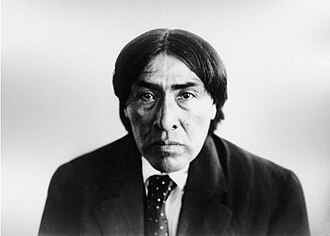
Ishi, the last known member of the Yahi people, after emerging from the wilderness — E.H. Kemp
OROVILLE, Aug. 29 — Ishi, the last known member of the Yahi tribe, emerged from the Sierra wilderness near this city today, after the deaths of his mother and remaining relatives. About 49 years old, he has lived his entire life outside settler-colonial culture. American anthropologists named him Ishi; he was the only Yahi known to Americans. His appearance marks the end of a tribe that had hidden from white civilization for decades.
Ishi, the last known Yahi survivor, emerged from the Sierra wilderness near Oroville, California, on August 29, 1911.
Ishi was about 49 years old when he emerged, after the deaths of his mother and remaining relatives.
He was named Ishi by American anthropologists and was the only Yahi known to Americans.
Ishi had lived his entire life outside of settler-colonial culture before emerging.
DOMESTIC INTELLIGENCE
1786 — Massachusetts Farmers, Led by Shays, Stop Court at Northampton
Regulators, Armed and Ordered, Prevent County Court From Sitting — Governor Denounces Mob Action — Militia Response Planned
NORTHAMPTON, Aug. 29 — A well-organized force of protestors, calling themselves Regulators, marched on this town today and prevented the county court from sitting. Angered by high tax burdens and disfranchisement, farmers of western Massachusetts, led by Daniel Shays, a Revolutionary War veteran and captain, have taken up arms against the federal government. The name Regulators recalls the North Carolina movement of the late 1760s. Governor James Bowdoin, denouncing the mob action, has as yet taken no military measures beyond planning militia responses. The court, unable to proceed, adjourned without transacting business.
On August 29, 1786, a well-organized force of protestors marched on Northampton and prevented the county court from sitting.
The protestors called themselves Regulators, a reference to the Regulator movement of North Carolina from the late 1760s.
Governor James Bowdoin issued a proclamation on September 2, 1786 denouncing the mob action but took no military measures beyond planning militia responses.
Daniel Shays, a Revolutionary War veteran and captain, participated in the Northampton action and became more active in the uprising in November 1786.
The Supreme Judicial Court of Massachusetts indicted 11 leaders of the rebellion as 'disorderly, riotous, and seditious persons' on September 19, 1786.
Nuclear Missiles Went From Minot to Barksdale Undetected for 36 Hours — Investigation Finds 'Erosion' of Standards
The Air Force's failure to detect six nuclear warheads aboard a B-52H for 36 hours has cost four commanders their jobs. The warheads, each mounted on an AGM-129 ACM cruise missile, were mistakenly loaded at Minot Air Force Base, North Dakota, and flown to Barksdale Air Force Base, Louisiana, without mandatory security precautions.
Six AGM-129 ACM cruise missiles, each loaded with a W80-1 nuclear warhead, were mistakenly transported from Minot to Barksdale.
The nuclear warheads remained undetected on the B-52H for 36 hours without mandatory security precautions.
Four USAF commanders were relieved of command after an investigation found nuclear handling procedures were violated.
The incident, called a Bent Spear, was initially concealed; the initial DoD report stated, 'No press interest anticipated.'
The investigation concluded there was 'an erosion of adherence to weapons-handling standards at Minot and Barksdale.'
Aviation Desk
1996 — Vnukovo Flight Crashes in Norway; 141 Dead
Russian airliner crashes into mountain on approach, killing all 141 aboard.
OSLO, Aug. 29 — In the gray Arctic light of a late summer morning, the Russian airliner that was to carry miners and their families home from the remote archipelago of Svalbard instead plowed into the granite flank of Operafjellet, killing all 141 people aboard. Norwegian investigators have taken charge of the inquiry, which they have named the Operafjell accident. The airliner, a Tupolev Tu-154M registered RA-85621, was chartered by Russian state coal miner Arktikugol, which the disaster later helped drive from Svalbard.
Flight 2801 crashed into Operafjellet on 29 August 1996 at 10:22:23 CEST during final approach to Svalbard Airport.
All 141 people aboard—11 crew and 130 passengers including three children—were killed, making it Norway's deadliest aviation accident.
The crash resulted from a series of small navigational errors that placed the aircraft 3.7 kilometers from the approach centerline at impact.
The aircraft, a Tupolev Tu-154M with registration RA-85621, was chartered by Russian state-owned coal miner Arktikugol.
The accident contributed to Arktikugol's closure of the Svalbard settlement Pyramiden two years later.
Washington Bureau
1949 — Soviets Set Off First Atom Bomb
Truman says Soviets detonated first atomic bomb, ending U.S. nuclear monopoly; blast yielded 22 kilotons on Aug. 29.
WASHINGTON, Aug. 29 — President Truman announced today that the Soviet Union has detonated its first atomic bomb, ending the American monopoly on nuclear power. The weapon, an implosion-type device with a solid plutonium core similar to the Fat Man dropped on Nagasaki, exploded at 7 a.m. Kazakhstan time at the Semipalatinsk test site, yielding 22 kilotons of TNT. U.S. aerial sampling detected the fallout four days later.
The RDS-1 test, code-named First Lightning, yielded 22 kilotons of TNT.
The test occurred on 29 August 1949 at 7:00 a.m. Kazakhstan Time at the Semipalatinsk Test Site.
The United States detected the test's fallout four days later via aerial sampling, and President Truman announced it on 23 September 1949.
The RDS-1 bomb was an implosion-type weapon with a solid plutonium core, similar to the Fat Man bomb.
Over 1,500 animals, 50 aircraft, and structures like houses and a bridge were placed at the test site to measure effects.
What the papers printed that morning
Real front pages from 29 August 1842, scanned by the Library of Congress. These are archival documents, not our work.
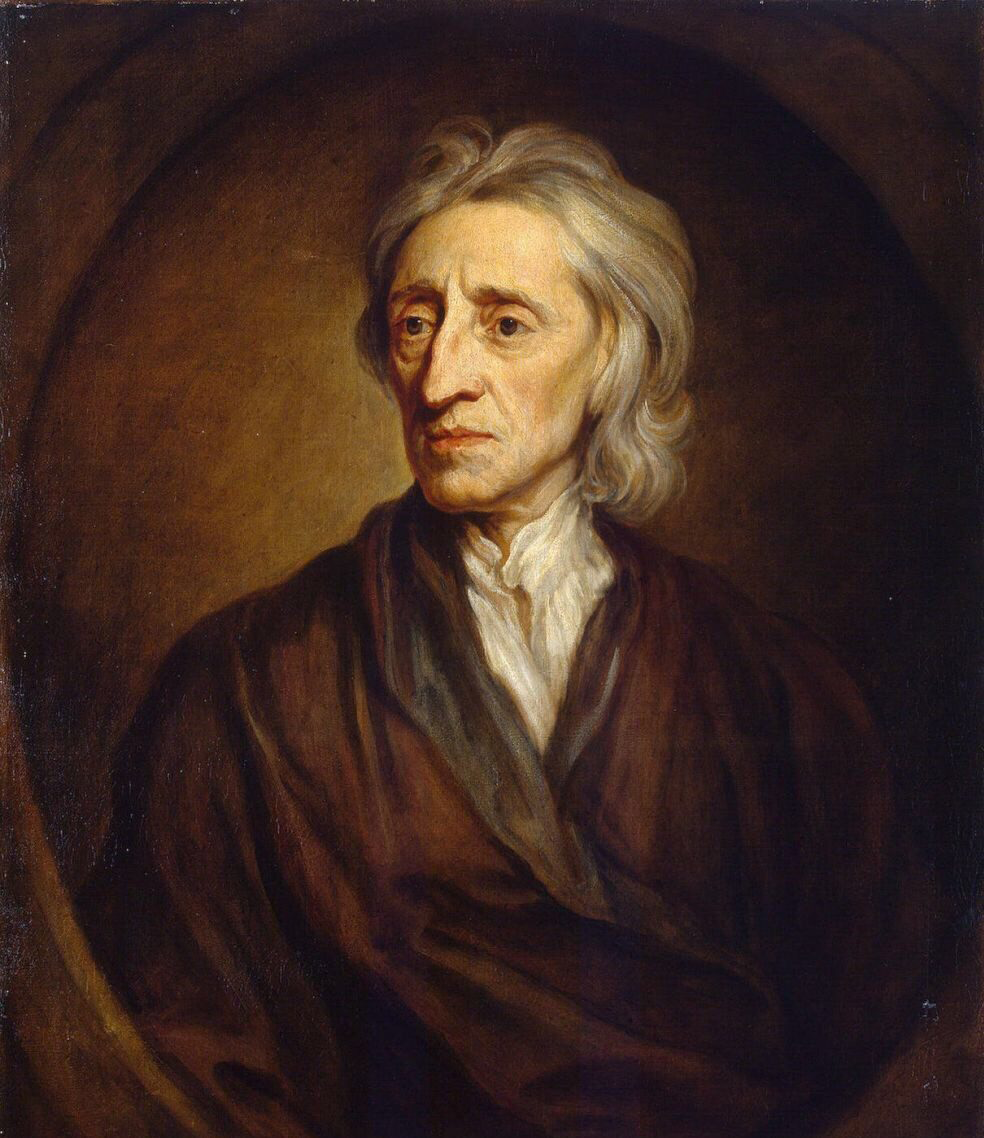
1632John LockeJohn Locke was an English philosopher and physician, widely regarded as one of the most influential of the Enlightenment thinkers and commonly known as the "father of liberalism".
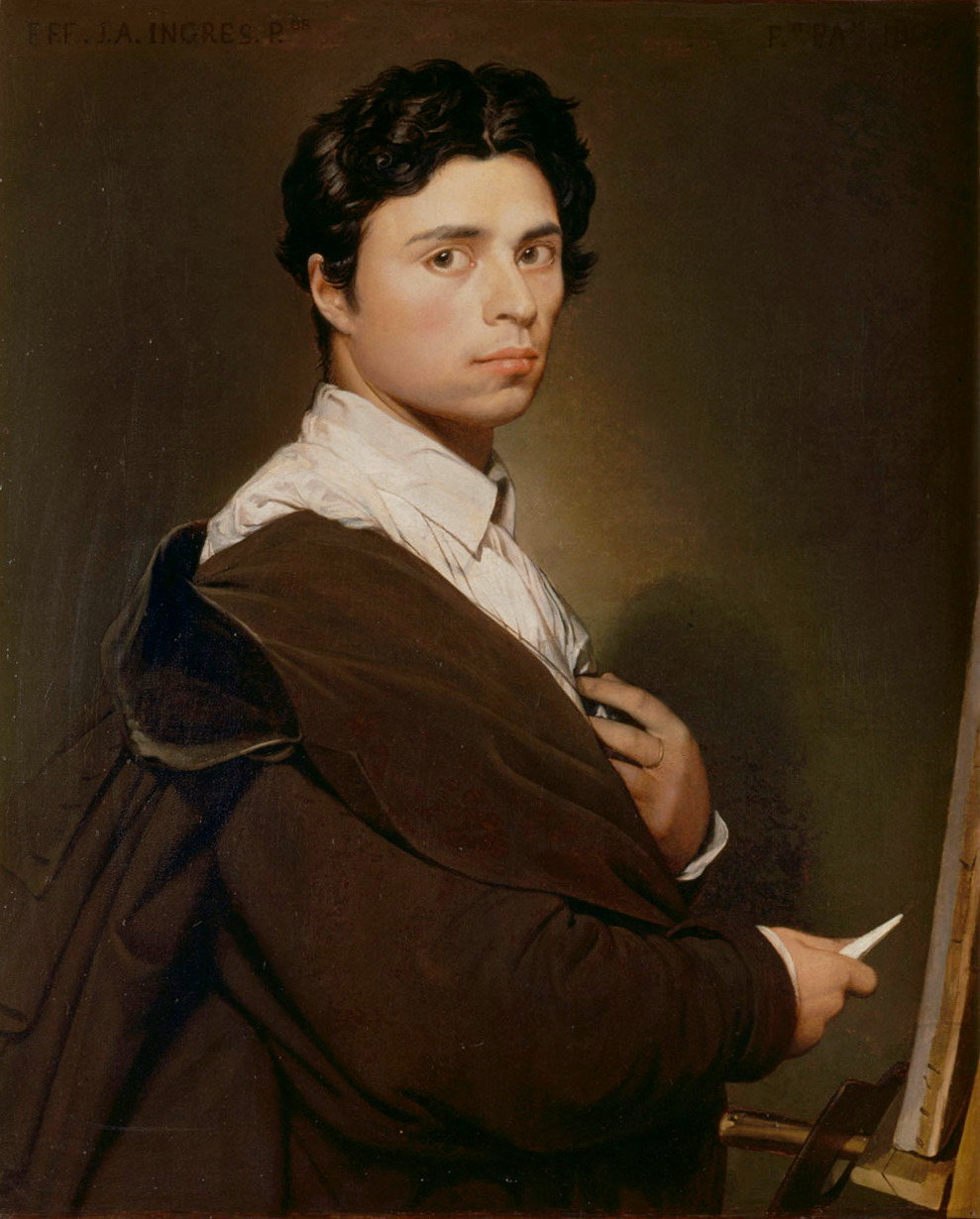
1780Jean-Auguste-Dominique IngresJean-Auguste-Dominique Ingres was a French Neoclassical painter.
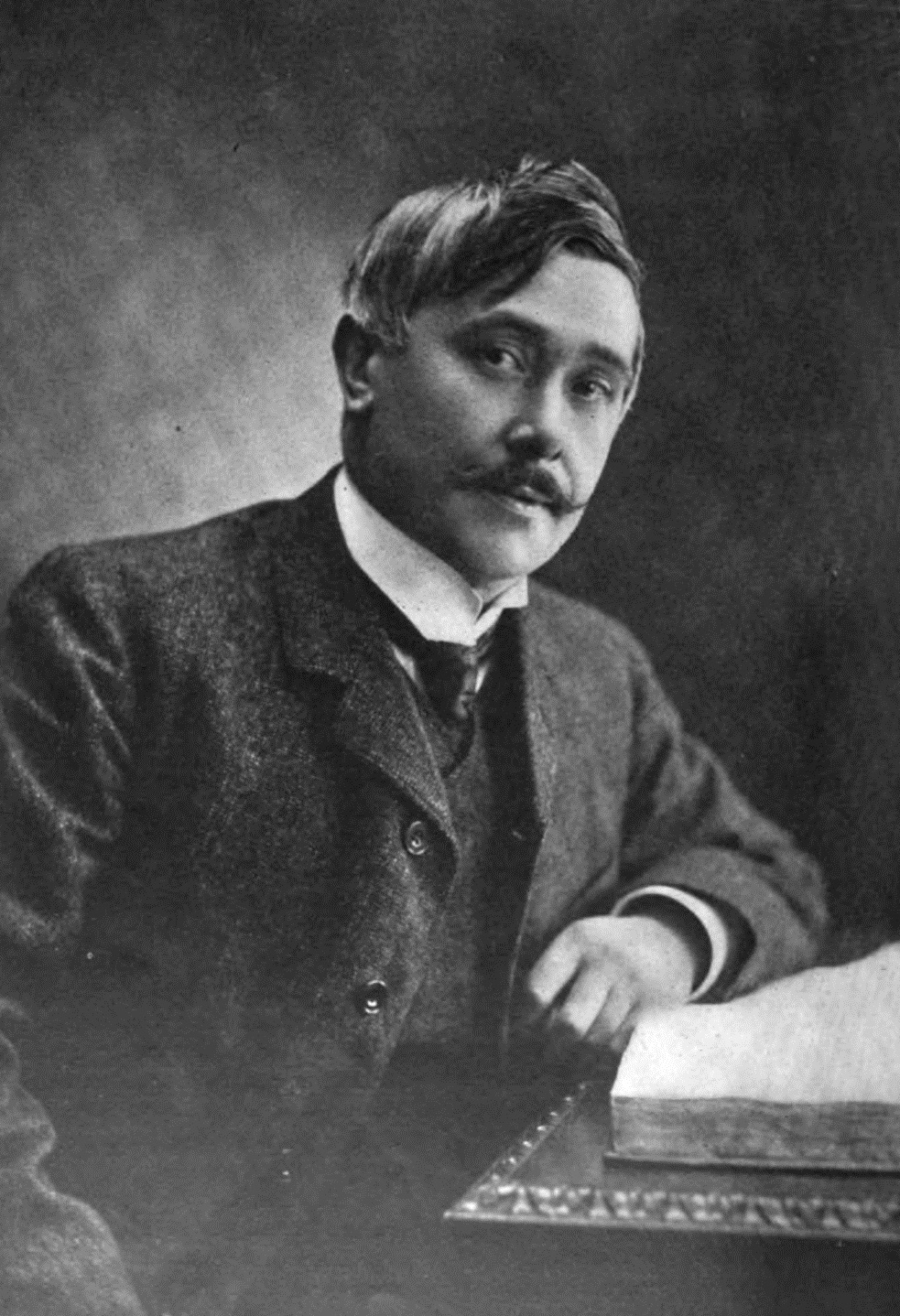
1862Maurice MaeterlinckMaurice Polydore Marie Bernard Maeterlinck, also known as Count/Comte Maeterlinck from 1932, was a Belgian playwright, poet, and essayist who was Flemish but wrote in French.
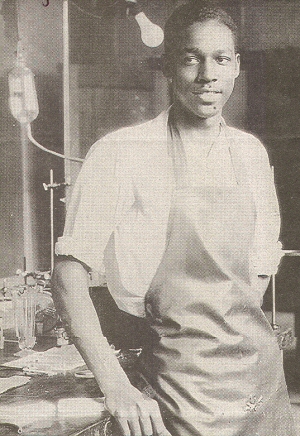
1910Vivien ThomasVivien Theodore Thomas was an American laboratory supervisor who, in the 1940s, played a major role in developing a procedure now called the Blalock–Thomas–Taussig shunt used to treat blue baby syndrome along with surgeon Alfred Blalock and cardiologist Helen B. Taussig.
1921Iris ApfelIris Apfel was an American businesswoman, interior designer, and fashion designer, known for her flamboyant style, outspoken personality and oversized eyeglasses.
1876Charles F. KetteringCharles Franklin Kettering sometimes known as Charles Fredrick Kettering was an American inventor, engineer, businessman, and the holder of 186 patents.
1969Lucero(57 this year)Lucero Hogaza León is a Mexican singer, actress, and television personality.
1347John HastingsJohn Hastings, 2nd Earl of Pembroke, was a fourteenth-century English nobleman and soldier.
1842Alfred ShawAlfred Shaw was a Victorian cricketer and rugby footballer, who bowled the first ball in Test cricket and was the first to take five wickets in a Test innings (5/35).
1876Kim KooKim Ku, also known by his art name Paekpŏm, was a Korean independence activist and statesman.
1920Charlie ParkerCharles Parker Jr., nicknamed "Bird" or "Yardbird", was an American jazz saxophonist, bandleader, and composer.
1922Richard BlackwellRichard Blackwell, also known as Mr. Blackwell, was an American fashion critic, journalist, television and radio personality, artist, child actor and fashion designer.
1924Dinah WashingtonDinah Washington was an American singer and pianist, one of the most popular Black female recording artists of the 1950s. Primarily a jazz vocalist, she performed and recorded in a wide variety of styles including blues, R&B, and traditional pop music, and gave herself the title of "Queen of the Blues".
1926Donn FendlerDonn Charles Fendler was an American author and public speaker.
1933Sorel EtrogSorel Etrog, was a Romanian-born Israeli-Canadian artist, writer, and primarily, a sculptor.
1934Dimitris PapamichaelDimitris Papamichael was a popular Greek actor and director.
1942Gottfried JohnGottfried John was a German stage, screen, and voice actor.
1958Lenny Henry(68 this year)Sir Lenworth George Henry is a British comedian, actor, presenter and writer.
1958Michael JacksonMichael Joseph Jackson was an American singer, songwriter, dancer, and philanthropist.
1959Nagarjuna(67 this year)Akkineni Nagarjuna is an Indian actor best known for his works primarily in Telugu cinema, as well as in a few Hindi and Tamil films.
1962Hiroki Kikuta(64 this year)Hiroki Kikuta is a Japanese composer and game designer.
1963Elizabeth Fraser(63 this year)Elizabeth Davidson Fraser is a Scottish singer.
1964Perri "Pebbles" Reid(62 this year)Perri Arlette Reid, known professionally as Pebbles, is an American singer, songwriter, businesswoman, pastor, record producer, and music executive.
1965Me'Shell Ndegéocello(61 this year)Meshell Ndegeocello is an American singer-songwriter, poet, and bassist.
1969Joe Swail(57 this year)Joe Swail is a Northern Irish former professional snooker player from Belfast.
Quote of the Day
“I celebrate myself, and sing myself.” — Walt Whitman, Leaves of Grass
August 29 History Quiz
What did Michael Faraday demonstrate on August 29, 1831?
Electromagnetic induction
Which treaty on August 29, 1842, ceded Hong Kong to Britain?
Treaty of Nanking
What did Gottlieb Daimler patent on August 29, 1885?
Every event on this page was picked by hand from the historical record, written up as a news report, and checked against its source. Photographs are matched to the event they illustrate and verified before they are used. Sources are linked on each story.

![Front page of Daily national intelligencer, Washington City [D.C.], 29 August 1842](https://tile.loc.gov/image-services/iiif/service:ndnp:dlc:batch_dlc_buford_ver01:data:sn83026172:00211677971:1842082901:0487/full/pct:50/0/default.jpg)
![Front page of New-York daily tribune, New-York [N.Y.], 29 August 1842](https://tile.loc.gov/image-services/iiif/service:ndnp:dlc:batch_dlc_gritty_ver02:data:sn83030213:00206530170:1842082901:0097/full/pct:50/0/default.jpg)
 “It's Now Or Never”,
 Love Story, Erich Segal
 “Endless Love”,
 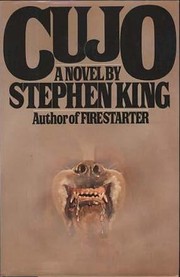 Cujo, Stephen King
 “End Of The Road (From "Boomerang")”,
 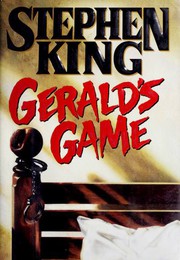 Gerald's Game, Stephen King
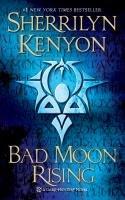 Bad Moon Rising, Sherrilyn Kenyon
 “Cheerleader”,
  Alert, James Patterson and Michael Ledwidge
 “WAP”,
  Where the Crawdads Sing, Delia Owens