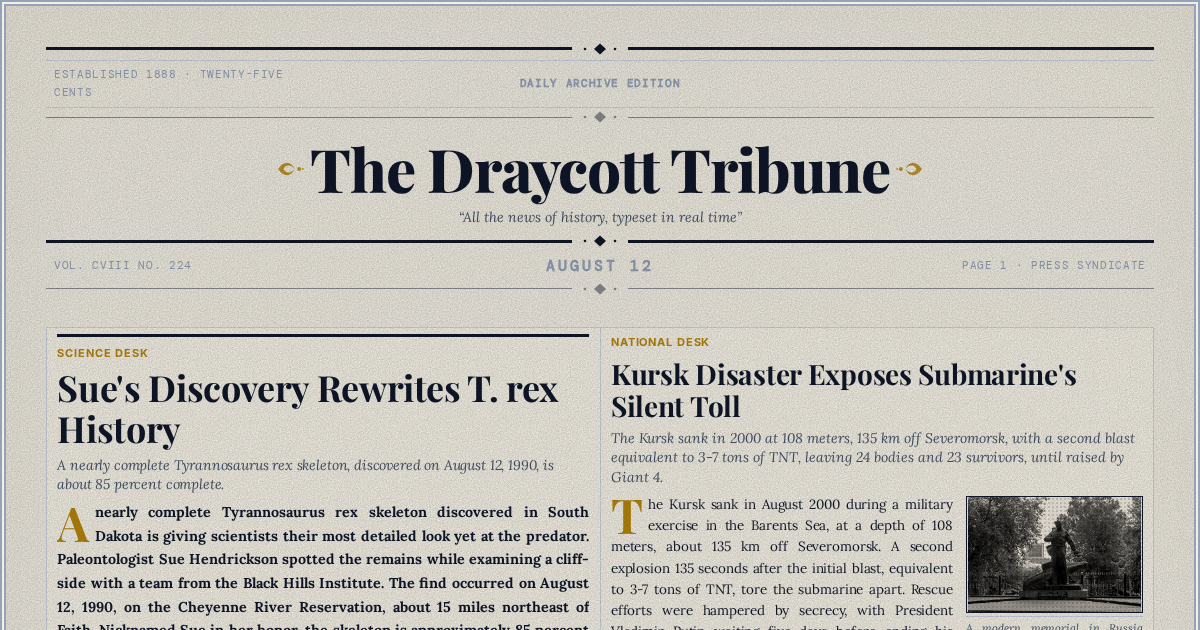
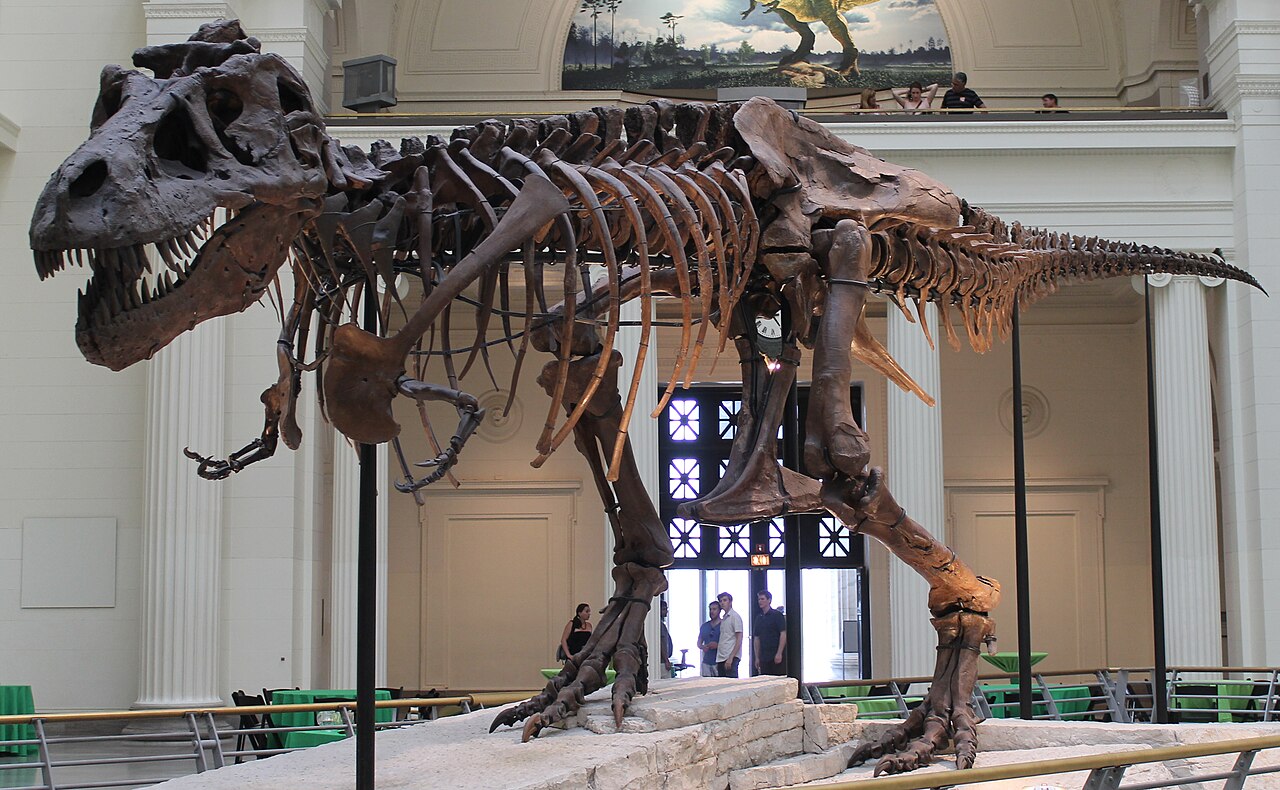
A nearly complete Tyrannosaurus rex skeleton discovered in South Dakota is giving scientists their most detailed look yet at the predator. Paleontologist Sue Hendrickson spotted the remains while examining a cliff-side with a team from the Black Hills Institute. The find occurred on August 12, 1990, on the Cheyenne River Reservation, about 15 miles northeast of Faith. Nicknamed Sue in her honor, the skeleton is approximately 85 percent complete, the most complete T. rex known. Now displayed at the Field Museum in Chicago, it promises extensive study and public wonder.
Sue Hendrickson discovered the T. rex skeleton on August 12, 1990, in the Cheyenne River Reservation.
The skeleton, nicknamed Sue, was found approximately 15 miles northeast of Faith, South Dakota.
Sue is the most complete Tyrannosaurus rex skeleton known to science, approximately 85% complete.
Hendrickson was examining a cliff-side with a team from the Black Hills Institute when she discovered the specimen.
The skeleton is now on display at the Field Museum in Chicago, Illinois.
The Kursk sank in 2000 at 108 meters, 135 km off Severomorsk, with a second blast equivalent to 3-7 tons of TNT, leaving 24 bodies and 23 survivors, until raised by Giant 4.
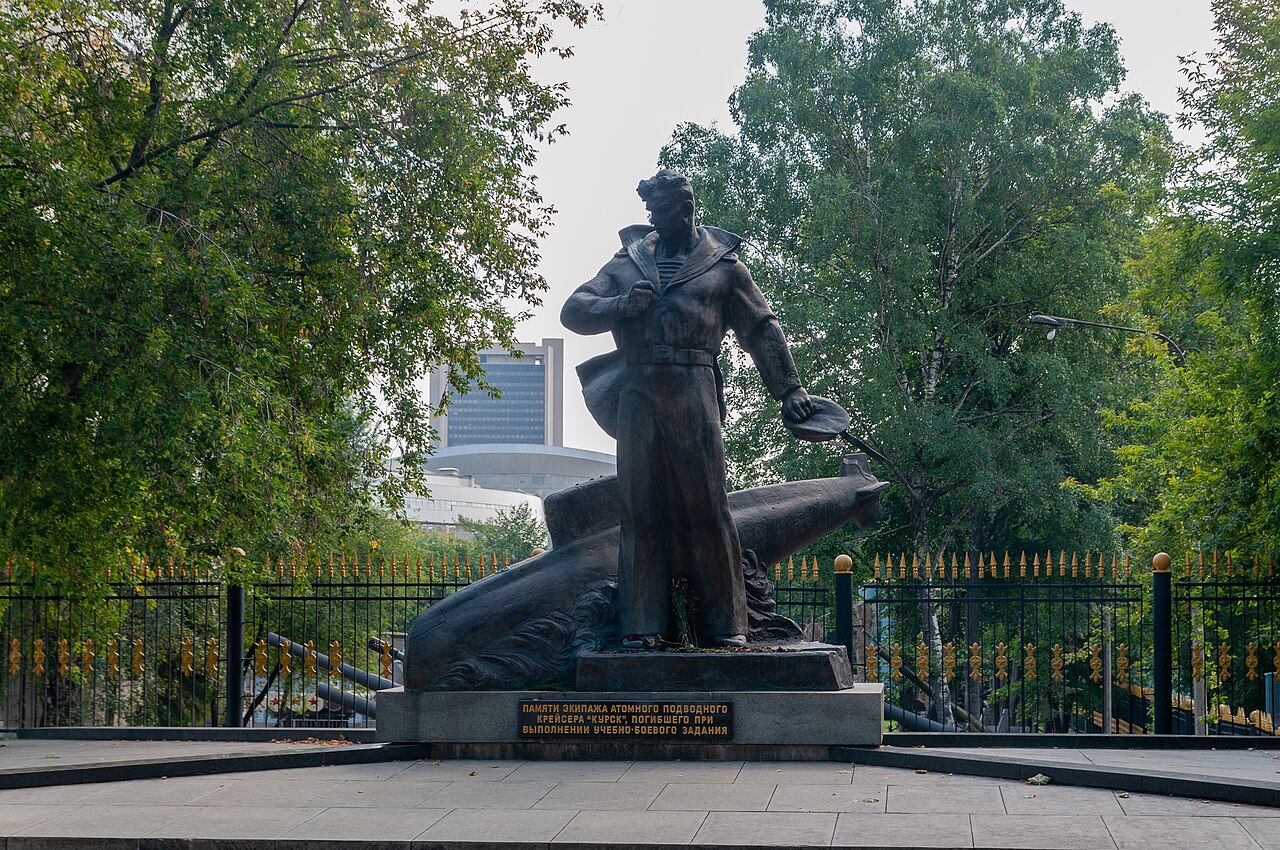
A modern memorial in Russia honoring the 118 sailors lost aboard the Kursk submarine — Don-vip
The Kursk sank in August 2000 during a military exercise in the Barents Sea, at a depth of 108 meters, about 135 km off Severomorsk. A second explosion 135 seconds after the initial blast, equivalent to 3-7 tons of TNT, tore the submarine apart. Rescue efforts were hampered by secrecy, with President Vladimir Putin waiting five days before ending his holiday. Divers later found 24 bodies in the ninth compartment, and a note from Captain-Lieutenant Dmitri Kolesnikov listed 23 survivors. The navy's final report blamed a faulty weld in a hydrogen peroxide-fueled torpedo. A Dutch consortium eventually raised the Kursk using the modified barge Giant 4.
The Kursk sank in the Barents Sea at a depth of 108 meters, about 135 km off Severomorsk.
A second explosion 135 seconds after the initial blast was equivalent to 3-7 tons of TNT.
Norwegian and Russian divers found 24 bodies in the ninth compartment, and Captain-Lieutenant Dmitri Kolesnikov wrote a note listing 23 survivors.
The Russian Navy's final report attributed the disaster to a hydrogen peroxide-fueled Type 65 torpedo explosion caused by a faulty weld.
President Vladimir Putin waited five days before ending his holiday in Sochi, drawing criticism for his delayed response.
Natural History
1883 — Last Quagga Dies in Amsterdam
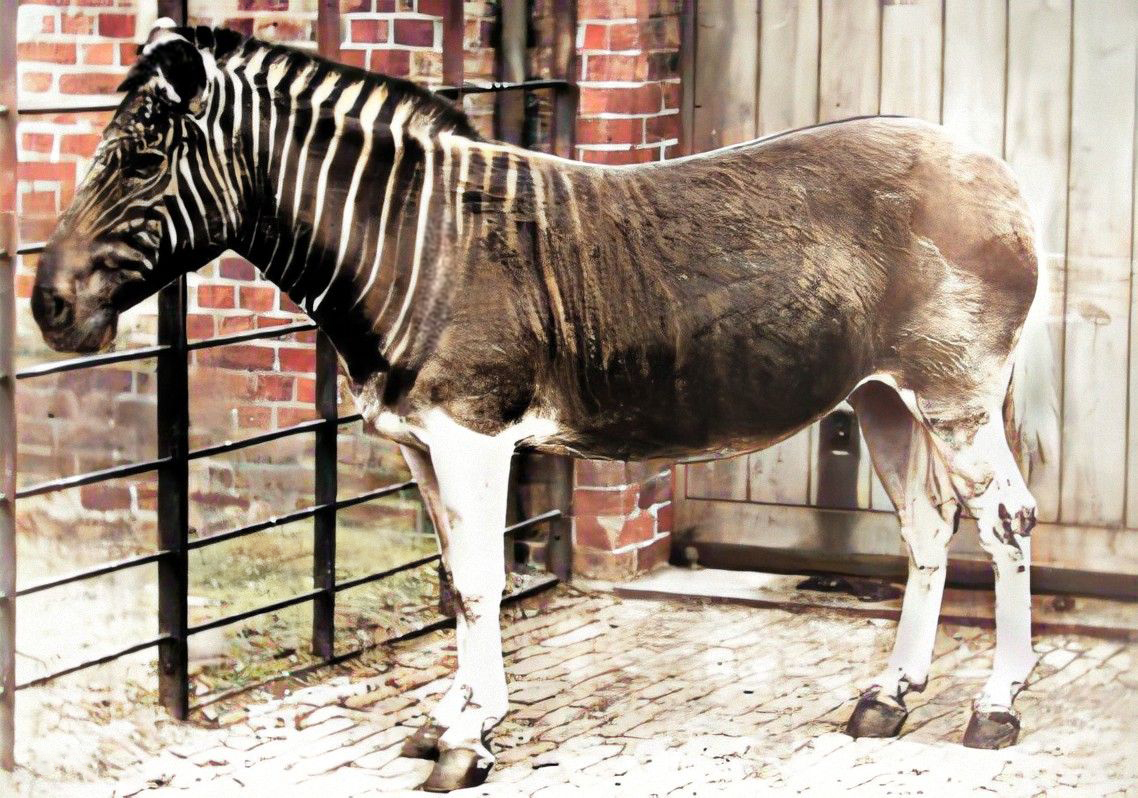
The last known quagga, a subspecies of plains zebra, died at Amsterdam's Artis zoo on August 12, 1883.
The last known quagga, a unique subspecies of plains zebra, at Amsterdam's Artis zoo — Hogyncymru
The last known quagga, a distinctive subspecies of the plains zebra, died at the Natura Artis Magistra zoo in Amsterdam on August 12, 1883. The animal, pictured here in its enclosure, was a unique specimen that had been displayed for years, but because all zebras were often referred to as quagga, no one realized it was the last of its kind until much later.
The last quagga died at Artis zoo in Amsterdam on 12 August 1883.
Because all zebras were referred to as quagga, nobody realized this was the last quagga alive until years later.
Only two quaggas were ever photographed alive, and 23 skins and seven skeletons exist today.
The quagga was the first extinct animal to have its DNA analyzed, in a 1984 study.
The quagga was hunted to extinction in the wild by 1878, with the last wild population in the Orange Free State.
Business & Technology
1981 — IBM Launches Personal Computer
IBM's new Personal Computer, released today, brings a new standard to the fast-growing market for desktop computing.
The first IBM Personal Computer, released today, is a machine designed to set the standard in a market that has seen a flood of hobbyist and business systems. With a 16-bit microprocessor and a starting price of $1,565, the new unit offers power and reliability that IBM's name brings to the desktop. The system runs software from Microsoft and includes a keyboard and monitor, with options for disk drives and printers.
The IBM Personal Computer is released.
Science Desk
1990 — Sue Hendrickson Finds Largest T. rex Skeleton in South Dakota
The biggest and most complete Tyrannosaurus rex skeleton ever found was unearthed in South Dakota.
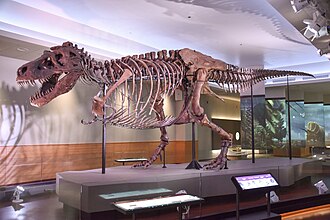
Sue, the largest and most complete Tyrannosaurus rex skeleton, on display in a museum — Evolutionnumber9
Sue Hendrickson discovered the largest and most complete Tyrannosaurus rex skeleton found to date in South Dakota on August 12, 1990. The specimen, nicknamed Sue, promises new insight into the king of dinosaurs. Paleontologists say the skeleton's size and completeness could reshape understanding of T. rex growth and anatomy. The fossil is bound for museum display, where the public will see Sue in full.
Sue, the largest and most complete Tyrannosaurus rex skeleton found to date, is discovered by Sue Hendrickson in South Dakota.
Foreign Desk
1985 — JAL 747 Crashes Into Mount Takamagahara, 520 Dead in Worst
A Japan Air Lines Boeing 747 slammed into a mountain in Gunma Prefecture, killing 520 of 524 aboard.
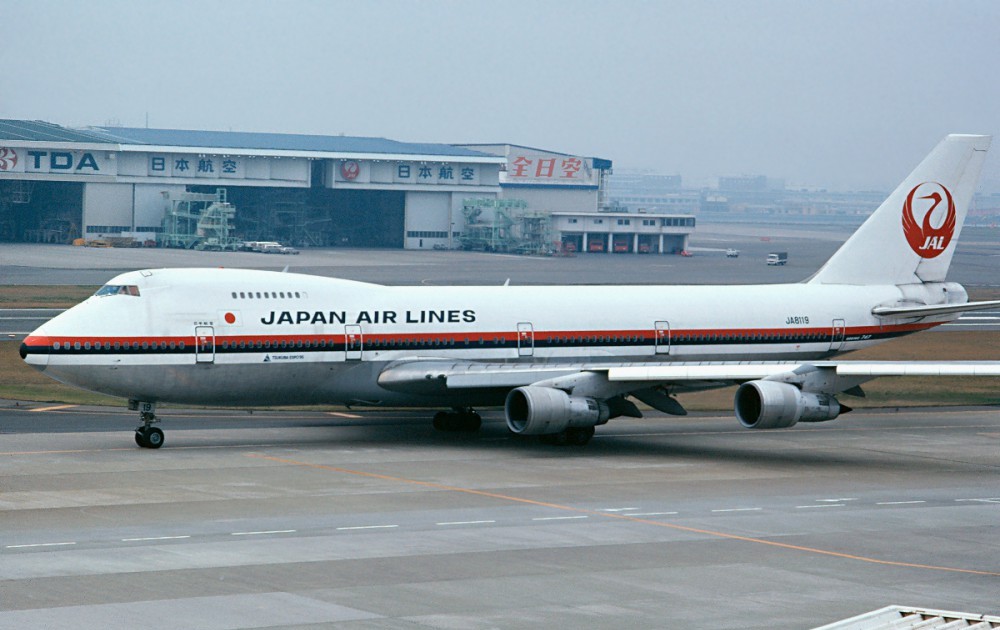
Japan Air Lines Flight 123, the Boeing 747 involved in the 1985 aviation disaster — Kjell Nilsson
The wreckage of Japan Air Lines Flight 123 still smoldered on Mount Takamagahara in Gunma Prefecture on August 12, 1985, after the Boeing 747 crashed, killing 520 of the 524 people on board. The flight from Tokyo to Osaka carried singer Kyu Sakamoto, who died in the crash. The disaster is the world's worst single-aircraft aviation tragedy. Rescue crews reached the remote site, where four survivors were pulled from the debris.
Japan Air Lines Flight 123 crashed into Mount Takamagahara, killing 520 people.
The crash occurred on August 12, 1985.
Medical Chronicle
1865 — Lister's Antiseptic Surgery Reshapes Medicine
In 1865, Joseph Lister performed the first antiseptic surgery, altering surgical outcomes forever.
Joseph Lister, a British surgeon and scientist, performed the first antiseptic surgery in 1865. He applied carbolic acid to clean wounds and instruments, targeting the germs responsible for postoperative infections. This approach dramatically reduced mortality rates and established the basis for modern sterile technique. Surgeons around the world adopted his methods, transforming risky operations into viable treatments. Lister's work, built on years of research, secured his lasting reputation.
Joseph Lister, British surgeon and scientist, performs the first antiseptic surgery.
Aerospace Beat
1977 — Space Shuttle Enterprise Soars Free in First Atmospheric Test
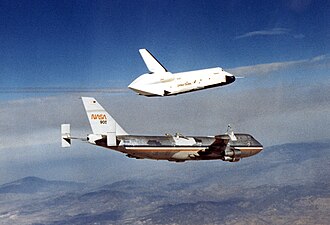
The prototype orbiter Enterprise completed its first free flight, gliding to a landing after release from a carrier jet.
The era of reusable spacecraft took a giant leap on August 12, 1977, when the Space Shuttle Enterprise completed its first free flight, released from a modified Boeing 747 carrier jet to glide to a landing in the California desert. The prototype orbiter, named for the starship in "Star Trek," proved the shuttle's ability to fly and land unpowered. The successful test cleared the way for the shuttle program's orbital missions.
The first free flight of the Space Shuttle Enterprise.
Mechanics & Patents
1851 — Singer Secures Patent for Sewing Machine
Isaac Singer's new machine promises to ease the burden of needlework for households and workshops alike.
Isaac Singer, the inventor whose name has become familiar in sewing circles, has this day received a patent for his improved sewing machine. The device, which stitches with remarkable speed and regularity, is said to be a marvel of mechanical ingenuity. Mr. Singer's machine, unlike earlier attempts, employs a straight needle and a shuttle, producing a lock stitch that is both strong and durable. The patent, granted by the United States government, secures his rights to this valuable invention. It is expected that the machine will greatly reduce the labor of seamstresses and tailors, and its adoption in the trade is anticipated with much interest.
Isaac Singer is granted a patent for his sewing machine.
World Desk
2015 — Blasts in Tianjin Kill 173, Injure Hundreds
Two massive explosions rock Chinese port city, leaving at least 173 dead and nearly 800 injured.
At least two massive explosions tore through a warehouse district in Tianjin, China, on Wednesday night, killing 173 people and injuring nearly 800 more, according to state media. The blasts, which occurred at a hazardous goods storage site, sent a towering fireball into the sky and shattered windows across the city. Rescue teams were still searching for survivors amid the wreckage on Thursday.
At least two massive explosions kill 173 people and injure nearly 800 more in Tianjin, China.
National Affairs
2017 — 3 Dead, Dozens Hurt in Charlottesville Rally
A car plows into counterprotesters in Virginia, killing three and injuring nearly 50.
A white nationalist rally in Charlottesville, Virginia, turned deadly on Saturday when a car plowed into a crowd of counterprotesters, killing three people and injuring nearly 50 more. The violence erupted during the Unite the Right rally, which had drawn hundreds of demonstrators to the city.
The Unite the Right rally occurs in Charlottesville, Virginia, leading to the deaths of 3 and injuring nearly 50 more.
Barents Sea Watch
2000 — Russian Submarine Kursk Sinks; 118 Lost
The Kursk explodes and sinks in the Barents Sea, killing her entire crew of 118.
The Barents Sea, normally a cold and quiet expanse, became the grave of the Russian Navy submarine Kursk on Saturday. During a military exercise, the vessel exploded and sank, killing her entire crew of 118 men. The cause of the blast remains unknown.
The Russian Navy submarine Kursk explodes and sinks in the Barents Sea during a military exercise, killing her entire 118-man crew.
Space Desk
1960 — Echo 1A Soars, Opens Space Communications Era
NASA's first communications satellite is now in orbit, ready to relay radio signals across the globe.
The age of space communications began today as NASA's Echo 1A, the agency's first successful communications satellite, was launched into orbit.
Echo 1A, NASA's first successful communications satellite, is launched.
What the papers printed that morning
Real front pages from 12 August 1883, scanned by the Library of Congress. These are archival documents, not our work.
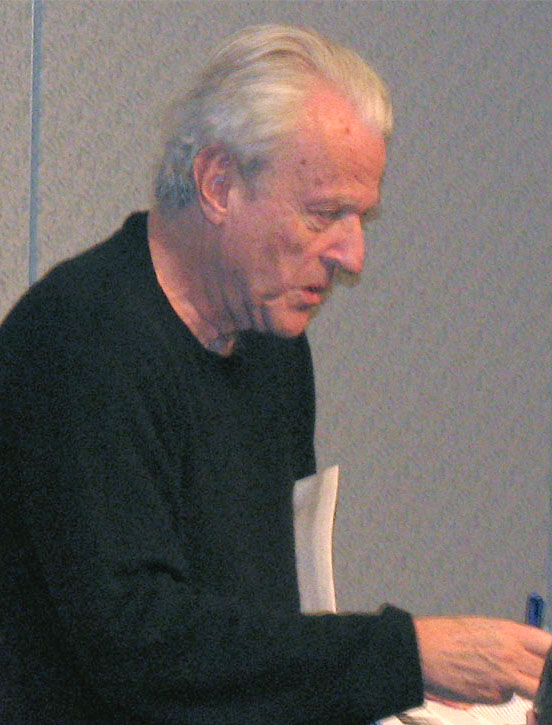
1971Pete Sampras(55 this year)Pete Sampras is an American former professional tennis player.
1931William GoldmanWilliam Goldman was an American novelist, screenwriter and playwright who wrote 16 novels and numerous screenplays in a career spanning seven decades.
1978Hayley Wickenheiser(48 this year)Hayley Wickenheiser is a Canadian former ice hockey player, physician, and former assistant general manager for the Toronto Maple Leafs.
1998Stefanos Tsitsipas(28 this year)Stefanos Tsitsipas is a Greek professional tennis player.
1918Guy GibsonWing Commander Guy Penrose Gibson, was a British bomber pilot in the Royal Air Force during the Second World War.
1919Margaret BurbidgeEleanor Margaret Burbidge, (née Peachey; 12 August 1919 – 5 April 2020) was a British-American observational astronomer and astrophysicist.
1935John CazaleJohn Holland Cazale was an American actor.
1604Tokugawa IemitsuTokugawa Iemitsu was a Japanese samurai, daimyo and the third shōgun of the Tokugawa dynasty.
1867Edith HamiltonEdith Hamilton was an American educator and internationally known author who was one of the most renowned classicists of her era in the United States.
1876Mary Roberts RinehartMary Roberts Rinehart was an American writer, often called the American Agatha Christie.
1880Christy MathewsonChristopher Mathewson, nicknamed "Big Six," "the Christian Gentleman," "Matty," and "the Gentleman's Hurler," was an American professional baseball pitcher who played 17 seasons in Major League Baseball (MLB) for the New York Giants.
1881Cecil B. DeMilleCecil Blount DeMille, often known in popular culture as Mr. DeMille, was an American filmmaker and actor.
1887Erwin SchrödingerErwin Rudolf Josef Alexander Schrödinger, sometimes anglicised as Schroedinger or Schrodinger, was an Austrian theoretical physicist who developed fundamental results in quantum theory.
1902Mohammad HattaMohammad Hatta was an Indonesian statesman, nationalist, and independence activist who served as the country's first vice president as well as the third prime minister.
1909Bruce MatthewsMajor General Albert Bruce Matthews was a senior Canadian Army officer and businessman.
1911CantinflasMario Fortino Alfonso Moreno Reyes, known by the stage name Cantinflas, was a Mexican comedian, actor, and filmmaker.
1933Parnelli JonesRufus Parnell "Parnelli" Jones was an American professional racing driver and racing team owner.
1936John Poindexter(90 this year)John Marlan Poindexter is a retired United States naval officer and Department of Defense official.
1937Walter Dean MyersWalter Dean Myers was an American writer best known for young adult literature.
1941Dana Ivey(85 this year)Dana Ivey is an American retired actress.
1945Ron Mael(81 this year)Ronald David Mael is an American musician, songwriter, composer, record producer, music programmer, and film director.
1949Rick Ridgeway(77 this year)Rick Ridgeway is an American mountaineer and adventurer, who during his career has also been an environmentalist, writer, filmmaker and businessman.
1950George McGinnisGeorge F. McGinnis was an American professional basketball player who played 11 seasons in the American Basketball Association (ABA) and National Basketball Association (NBA).
1950Jim Beaver(76 this year)James Norman Beaver Jr. is an American actor, writer, and film historian.
1964Michael Hagan(62 this year)Michael Hagan is an Australian professional rugby league football coach and former player.
Quote of the Day
“We are all in the gutter, but some of us are looking at the stars.” — Oscar Wilde, Lady Windermere's Fan
August 12 History Quiz
In what year did Sue Hendrickson discover the T. rex skeleton later named 'Sue'?
1990
What caused the sinking of the Russian submarine Kursk?
Torpedo explosion
Which aircraft was involved in Japan Air Lines Flight 123's crash on this date?
Boeing 747
August 12 leans Science Desk: 2 of the 13 events we hold for this date come from it.
Every event on this page was picked by hand from the historical record, written up as a news report, and checked against its source. Photographs are matched to the event they illustrate and verified before they are used. Sources are linked on each story.

![Front page of New-York tribune, New York [N.Y.], 12 August 1883](https://tile.loc.gov/image-services/iiif/service:ndnp:dlc:batch_dlc_mazda_ver02:data:sn83030214:00175039971:1883081201:0367/full/pct:50/0/default.jpg)
![Front page of The Salt Lake herald, Salt Lake City [Utah], 12 August 1883](https://tile.loc.gov/image-services/iiif/service:ndnp:uuml:batch_uuml_eaton_ver01:data:sn85058130:00206534308:1883081201:0302/full/pct:50/0/default.jpg)
 “Light My Fire”,
 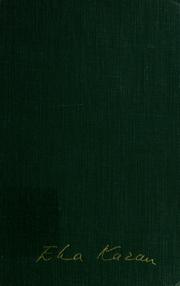 The Arrangement, Elia Kazan
 Polar Star, Martin Cruz Smith
 Memnoch the Devil, Anne Rice
 “Despacito”,
 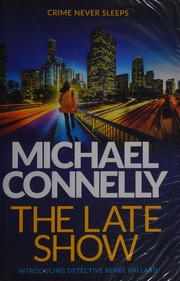 The Late Show, Michael Connelly
 “Last Night”,