Our front page for August 5 — written and set by The Yesterday Times from the events below. Not an archival document.
Day of the year
217
Days left in 2026
148
In 2026 it falls on a
Wednesday
Star sign
Leo
Birthstone
Peridot
On August 5 in 2011, 15 years ago, Juno Probe Blasts Off for Jupiter, Solar Wings Deployed. This page reports 8 stories from the date, 25 people born on this day.
The stories in full
Cape Canaveral Bureau
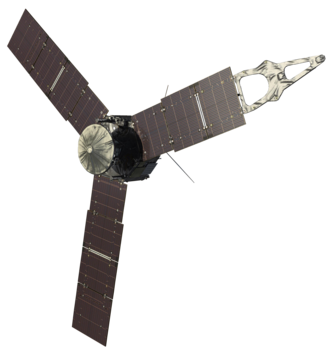
2011 — Juno Probe Blasts Off for Jupiter, Solar Wings Deployed
NASA's Juno spacecraft thundered off Cape Canaveral's pad on an Atlas V rocket, bound for a 2016 polar orbit of Jupiter — the first solar-powered mission to an outer planet.
CAPE CANAVERAL, Fla. — At 16:25:00 UTC, the sky above Cape Canaveral Air Force Station lit up as an Atlas V rocket in its 551 configuration roared to life, carrying NASA's Juno probe on a five-year voyage to Jupiter. The launch, part of the New Frontiers program, sent the spacecraft on a trajectory that will loop back for an Earth flyby in October 2013, using the planet's gravity to slingshot it toward the solar system's largest planet.
Juno is the first solar-powered spacecraft ever sent to explore an outer planet, and its three solar panel wings, the largest ever deployed on a planetary probe at launch, stretch outward to catch the faint sunlight at Jupiter's distance. Once in polar orbit on July 5, 2016, Juno will measure the giant planet's composition, gravitational field, magnetic field, and polar magnetosphere, peering beneath the clouds to reveal what lies at Jupiter's core.
Scientists at NASA say the mission will help answer fundamental questions about how Jupiter formed and how it shaped the early solar system. The probe's instruments will map the planet's gravity and magnetic fields in unprecedented detail, offering a window into its deep interior. Juno's orbit, dipping close to the cloud tops, will thread the radiation belts, protected by a titanium vault.
Juno launched atop an Atlas V (551 configuration) at Cape Canaveral Air Force Station on August 5, 2011, 16:25:00 UTC.
Juno is the first solar-powered spacecraft to explore an outer planet.
Juno entered a polar orbit of Jupiter on July 5, 2016, UTC.
Juno's mission includes measuring Jupiter's composition, gravitational field, magnetic field, and polar magnetosphere.
Juno required the three largest solar panel wings ever deployed on a planetary probe at the time of launching.
Local and Foreign
1888 — A Woman's Daring Ride Makes the Motorcar's First Long Road
With her two sons aboard, Bertha Benz drove 105 kilometers from Mannheim to Pforzheim in the Patent-Motorwagen, defying the ban on the horseless carriage and inventing brake linings on the way.
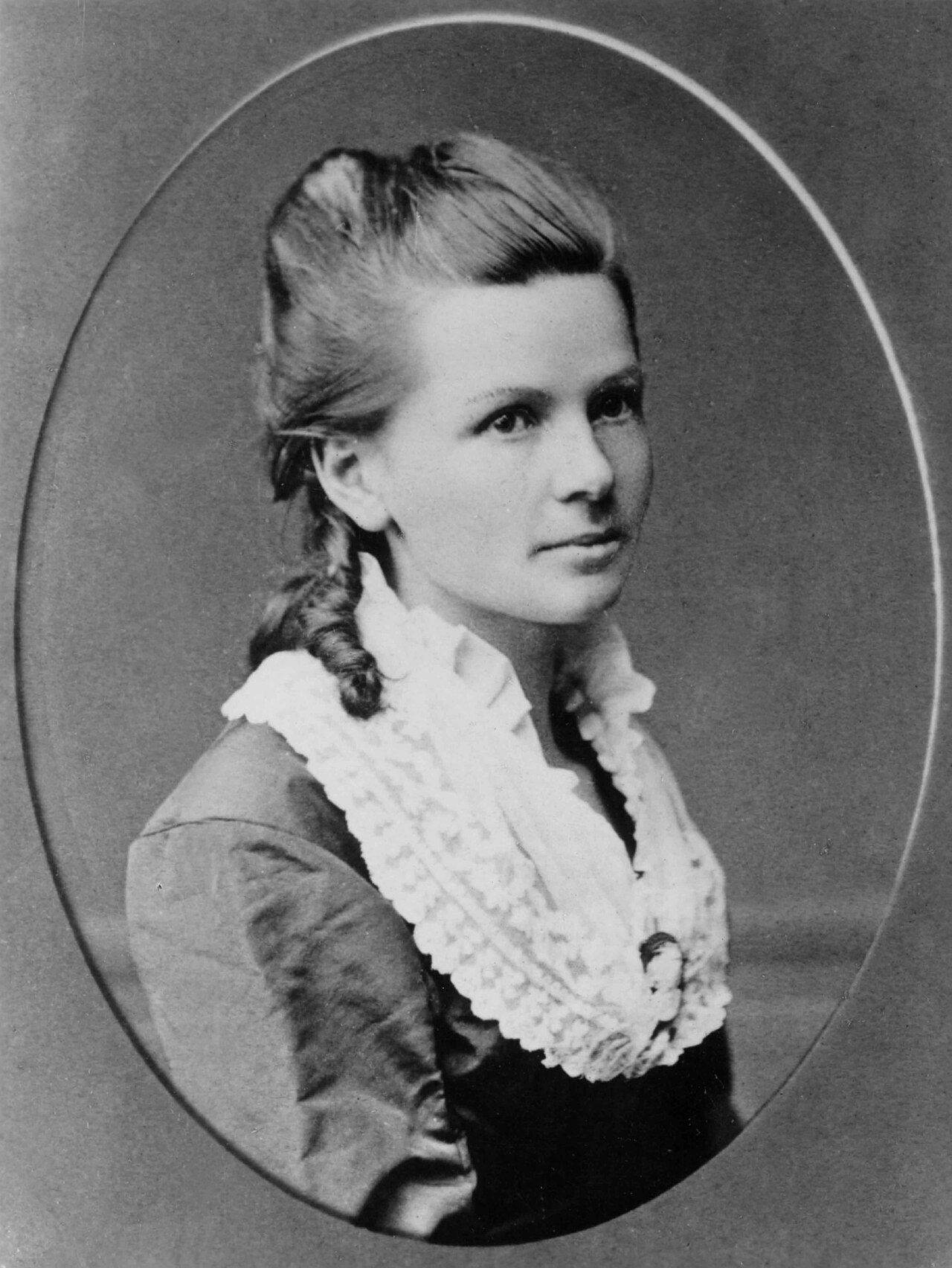
Bertha Benz, who completed the first long-distance automobile trip in 1888 — Bühler, Mannheim
The motorcar, long dismissed as a costly curiosity, has at last proved its mettle on the open road, thanks to the courageous journey of Frau Bertha Benz, who with her two sons, Richard, 13, and Eugen, 15, drove the Benz Patent-Motorwagen 105 kilometers from Mannheim to Pforzheim on 5 August 1888.
Neither her husband, the inventor Karl Benz, nor the authorities were informed of the expedition, for the trip was officially forbidden and risked a penalty. Yet Frau Benz pressed on, stopping at the Stadt-Apotheke in Wiesloch to purchase ligroin, a cleaning fluid that served as fuel, making the shop the world's first filling station.
When the brakes grew weak, she had a cobbler nail leather onto the brake blocks, inventing brake lining on the spot. She cleared a blocked fuel line with a hat pin and used a garter as insulation.
Bertha Benz drove 105 km (65 miles) from Mannheim to Pforzheim on 5 August 1888.
She traveled with her sons Richard, 13, and Eugen, 15, without telling her husband or authorities.
She stopped at the Stadt-Apotheke in Wiesloch to buy ligroin fuel, making it the world's first filling station.
Bertha Benz invented brake lining by having a cobbler nail leather onto the brake blocks during the trip.
She cleaned a blocked fuel line with a hat pin and used a garter as insulation material.
City Desk
1962 — Marilyn Monroe Found Dead in Brentwood Home
The screen star's body was discovered before dawn at her house on Fifth Helena Drive; the coroner ruled the death a probable suicide from an overdose of barbiturates.
Marilyn Monroe, the iconic American actress found dead in her Brentwood home — Sam Shaw
In the summer of 1962, the bright flame of Hollywood's most luminous star was extinguished. Marilyn Monroe, the blonde goddess whose image graced a thousand screens, was found dead before dawn on August 5 in her home at 12305 Fifth Helena Drive in Brentwood, Los Angeles.
The Los Angeles County coroner's office ruled her death a probable suicide, the result of an overdose of barbiturates. Monroe, 36, had been fired by 20th Century Fox in early June and was renegotiating her contract, a sign of the turbulence beneath her radiant public face.
On the evening of August 4, she spoke with Joe DiMaggio Jr. and actor Peter Lawford, who became alarmed by her drugged-sounding voice. The news sent shockwaves through the film world, where she had risen from model to star in pictures like "Niagara" and "Some Like It Hot."
Monroe's body was discovered before dawn on August 5, 1962, at her home at 12305 Fifth Helena Drive in Brentwood.
Her death was officially ruled a probable suicide by the Los Angeles County coroner's office.
Monroe had been fired by 20th Century Fox in early June 1962 and was renegotiating her contract at the time of her death.
On the evening of August 4, Monroe spoke with Joe DiMaggio Jr. and actor Peter Lawford, who became alarmed by her drugged-sounding voice.
Andy Warhol created the silkscreen painting Marilyn Diptych shortly after Monroe's death, using a publicity still from the 1953 film Niagara.
Washington Bureau
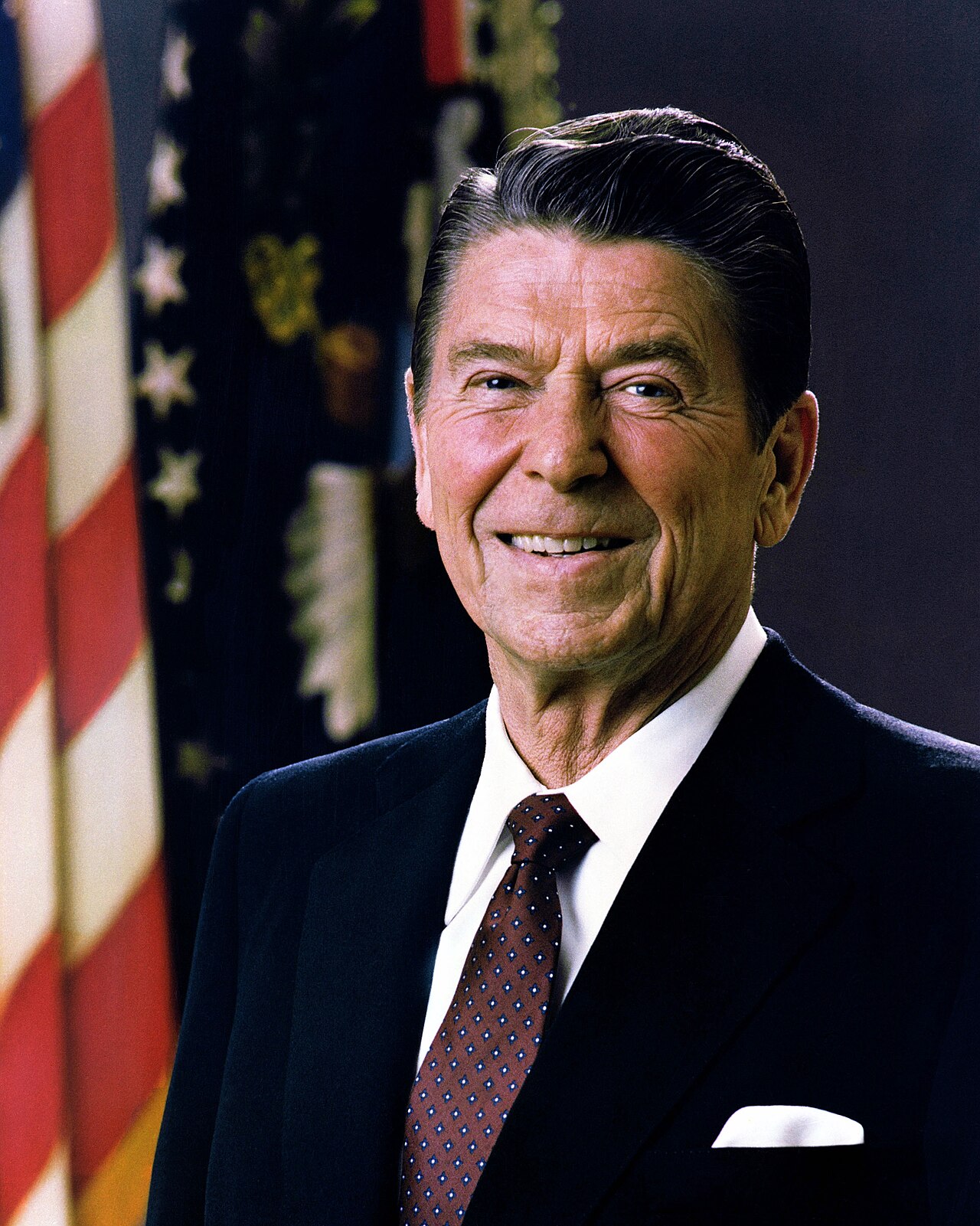
1981 — Reagan Fires 11,345 Striking Controllers; Union Banned
President Reagan dismissed the air traffic controllers en masse after they defied his order to return to work, and the union now faces fines and a lifetime federal ban.
President Ronald Reagan fires striking air traffic controllers in a major labor confrontation — Michael Evans
WASHINGTON — President Reagan today fired 11,345 striking air traffic controllers, declaring their walkout "a peril to national safety" and ordering them off the federal payroll. The President had given the controllers 48 hours to return to their posts under the Taft-Hartley Act, but only 1,300 of nearly 13,000 heeded the call.
The dismissals, effective immediately, came after the Professional Air Traffic Controllers Organization, or PATCO, rejected the government's latest offer. The union had demanded a $600 million raise over three years and a 32-hour workweek, while the Federal Aviation Administration offered $105 million in raises.
A federal judge fined PATCO $100,000 and ordered an additional $1,000 fine for each striking member, a penalty that could reach into the millions. The fired controllers were barred from federal service for life, a ban that may be lifted only by a future president.
President Reagan fired 11,345 striking air traffic controllers on August 5, 1981.
Only 1,300 of nearly 13,000 controllers returned to work after Reagan ordered them back under the Taft–Hartley Act.
PATCO sought a $600 million raise over three years and a 32-hour workweek, while the FAA offered $105 million in raises.
Reagan declared the strike a 'peril to national safety' and gave strikers 48 hours to return or forfeit their jobs.
A federal judge fined PATCO $100,000 and ordered $1,000 daily fines for each striking member.
Foreign Desk
1949 — 5,050 Dead in Ecuador Quake; President Flies to Ambato
A 6.4 magnitude quake killed 5,050 in Ecuador, destroying four villages and sinking Libertad.
5,050 persons were killed when an earthquake registering 6.4 on the magnitude scale struck near Ambato, Ecuador, on August 5, 1949. The tremor hit Tungurahua Province, southeast of the capital, destroying the nearby villages of Guano, Patate, Pelileo, and Pillaro. The city of Ambato suffered heavy damage. A fissure opened and the small town of Libertad sank into it.
President Galo Plaza Lasso flew to Ambato and took personal charge of relief efforts, directing rescue work for two days. "We have not lost our courage," he said. "Neither Ambato nor Ecuador shall cry any more, but begin to work."
In the United States, the mayor of Miami and seven other politicians launched a fund-raising campaign for medical needs and clothing.
A magnitude 6.4 Ms earthquake struck Ecuador's Tungurahua Province, southeast of its capital Ambato, on August 5, 1949.
The nearby villages of Guano, Patate, Pelileo, and Pillaro were destroyed, and the city of Ambato suffered heavy damage.
The earthquake opened a fissure into which the small town of Libertad sank.
Ecuador's President Galo Plaza Lasso flew to Ambato to take personal charge of the primary relief efforts and directed rescue for two days.
Plaza said, 'We have not lost our courage. Neither Ambato nor Ecuador shall cry any more, but begin to work.'
National News
1984 — Biman Jet Crashes Near Dhaka, Killing All 49 Aboard
Fokker F27 from Chittagong goes down on landing approach.
A Biman Bangladesh Airlines Fokker F27 crashed while attempting to land at Dhaka on August 5, 1984, killing all 49 passengers and crew aboard. The aircraft, flying from Chittagong, went down near the capital in the deadliest aviation accident in Bangladeshi history. The crash was Biman's worst ever.
On 5 August 1984, a Biman Fokker F27 flying from Chittagong crashed near Dhaka, killing all 49 on board.
The crash was Biman's worst accident ever.
The aircraft was a Fokker F27 that originated from Chittagong.
All 49 passengers and crew died in the crash near Dhaka.
Continental Affairs
1772 — Poland Carved Up by Russia, Prussia, Austria
Three powers begin partition to restore balance in Eastern Europe.
Amid the courts of St. Petersburg, Berlin, and Vienna, the First Partition of Poland has begun. Russia, Prussia, and Habsburg Austria, seeking to restore the regional balance of power in Eastern Europe, are carving up Polish territory.
Poland was partitioned by its rivals in 1772‑1815.
Most of Poland's land and population were taken under Russian rule.
By 1795, after the Partitions of Poland, Russia became the most populous state in Europe.
Business & Gaming
1993 — Magic: The Gathering Sells Out at Gen Con
Wizards of the Coast's trading card game becomes an instant hit.
The first trading card game has taken the hobby world by storm, and a small company's gamble has paid off. Wizards of the Coast released Magic: The Gathering, which sold out its supply of 2.5 million cards at Gen Con in August 1993, a stock planned to last until year's end. The game debuted at the Origins Game Fair in Dallas in July, but it was at Gen Con that demand exploded. To develop the game, Peter Adkison set up Garfield Games, shielding it from a lawsuit with Palladium Books. Within two years, Wizards of the Coast grew from a few employees in a basement to 250 workers. The company now faces the challenge of printing enough cards to meet a ravenous market.
Wizards of the Coast debuted Magic: The Gathering at Origins Game Fair in Dallas in July 1993.
At Gen Con in August 1993, Magic: The Gathering sold out its supply of 2.5 million cards, planned to last until year's end.
Peter Adkison set up Garfield Games to develop Magic: The Gathering and shield it from a lawsuit with Palladium Books.
Within two years of Magic's release, Wizards of the Coast grew from a few employees in a basement to 250 employees.
What the papers printed that morning
Real front pages from 5 August 1888, scanned by the Library of Congress. These are archival documents, not our work.
1997Wang Yibo(29 this year)Wang Yibo is a Chinese actor, dancer, singer, professional road motorcycle racer and racing driver.
1920George TookerGeorge Clair Tooker, Jr. was an American figurative painter.
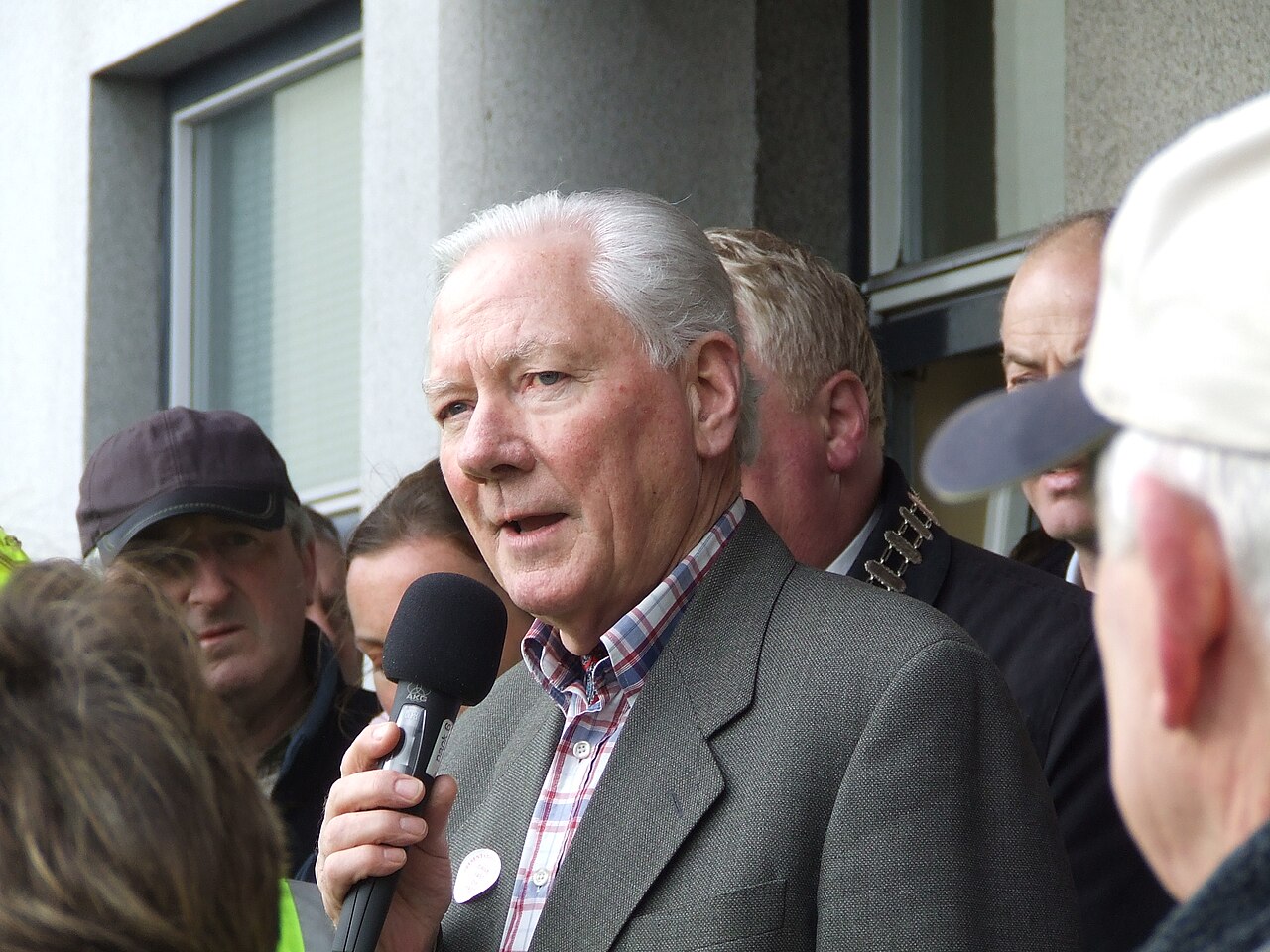
1934Gay ByrneGabriel Mary Byrne was an Irish presenter and host of radio and television.
1301Edmund of WoodstockEdmund of Woodstock, 1st Earl of Kent, whose seat was Arundel Castle in Sussex, was the sixth and youngest son of King Edward I of England, and the second son of his second wife Margaret of France, and was a younger half-brother of King Edward II.
1607Antonio BarberiniAntonio Barberini was an Italian Catholic cardinal, Archbishop of Reims, military leader, patron of the arts and a prominent member of the House of Barberini.
1802Niels Henrik AbelNiels Henrik Abel was a Norwegian mathematician who made pioneering contributions in a variety of fields.
1827Deodoro da FonsecaManuel Deodoro da Fonseca was a Brazilian politician and military officer who served as the head of provisional government and the first president of Brazil.
1844Ilya RepinIlya Yefimovich Repin was a Ukrainian-born Russian painter.
1866Harry TrottGeorge Henry Stevens Trott was an Australian cricketer who played 24 Test matches as an all-rounder between 1888 and 1898.
1876Mary Ritter BeardMary Ritter Beard was an American historian, author, women's suffrage activist, and women's history archivist who was also a lifelong advocate of social justice.
1931Tom HafeyThomas Stanley Raymond Hafey was an Australian rules footballer who played for the Richmond Football Club in the Victorian Football League (VFL).
1940Rick HuxleyThe Dave Clark Five, also known as the DC5, were an English rock and roll band formed in 1958 in Tottenham, London.
1940Roman GabrielRoman Ildonzo Gabriel Jr. was an American professional football player who was a quarterback in the National Football League (NFL).
1947Angry Anderson(79 this year)Gary Stephen "Angry" Anderson is an Australian rock singer, songwriter, television personality and actor, best known as the lead vocalist and the longest-tenured remaining member of Australian hard rock band Rose Tattoo since 1976.
1948Barbara Flynn(78 this year)Barbara Joy Flynn is an English actress.
1950Mahendra KarmaMahendra Karma was an Indian political leader belonging to Indian National Congress from Chhattisgarh.
1952Tamás Faragó(74 this year)Tamás Faragó is a former Hungarian water polo player.
1952John Jarratt(74 this year)John Jarratt is an Australian television film actor, producer and director and TV presenter who rose to fame through his work in the Australian New Wave.
1958Ulla Salzgeber(68 this year)Ulla Salzgeber is a German equestrian and Olympic champion who competes in the sport of dressage.
1962Patrick Ewing(64 this year)Patrick Aloysius Ewing Sr. is a Jamaican-American professional basketball coach and former player who currently serves as an assistant coach for the Washington Wizards of the National Basketball Association (NBA).
1963Ingmar De Vos(63 this year)Ingmar De Vos is a Belgian professional sports manager serving as the thirteenth and current President of the International Federation for Equestrian Sports (FEI).
1968Kendo Kashin(58 this year)Tokimitsu Ishizawa, better known by his ring name Kendo Kashin, is a Japanese professional wrestler.
1974Antoine Sibierski(52 this year)Antoine Sibierski is a French former professional footballer who played as a midfielder.
1981Rachel ScottRachel Joy Scott was an American student who was the first victim of the Columbine High School massacre, in which twelve other students and one teacher were killed by Eric Harris and Dylan Klebold, who then committed suicide.
1984Steve Matai(42 this year)Stephen Matai is a New Zealand former professional rugby league footballer who played in the National Rugby League from 2005 to 2016.
Quote of the Day
“It was the best of times, it was the worst of times, it was the age of wisdom, it was the age of foolishness.” — Charles Dickens, A Tale of Two Cities
August 5 History Quiz
Which NASA mission, launched on August 5, 2011, was designed to study Jupiter's composition and gravity?
Juno
What was the name of the automobile Bertha Benz drove on the first long-distance trip in 1888?
Patent-Motorwagen
Which union did Ronald Reagan fire striking air traffic controllers from in 1981?
Every event on this page was picked by hand from the historical record, written up as a news report, and checked against its source. Photographs are matched to the event they illustrate and verified before they are used. Sources are linked on each story.



![Front page of New-York tribune, New York [N.Y.], 5 August 1888](https://tile.loc.gov/image-services/iiif/service:ndnp:dlc:batch_dlc_isuzu_ver02:data:sn83030214:00175038255:1888080501:0345/full/pct:50/0/default.jpg)

 “Light My Fire”,
  The Arrangement, Elia Kazan
 The Russia House, John le Carré
 Memnoch the Devil, Anne Rice
 “It's Gonna Be Me”,
  “Despacito”,
  House of Spies, Daniel Silva
 “Try That In A Small Town”,
 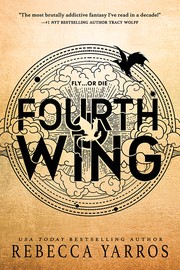 Fourth Wing, Rebecca Yarros