Our front page for August 22 — written and set by The Yesterday Times from the events below. Not an archival document.
Day of the year
234
Days left in 2026
131
In 2026 it falls on a
Saturday
Star sign
Leo
Birthstone
Peridot
On August 22 in 2006, 20 years ago, Perelman Refuses Fields Medal For Poincare Proof. This page reports 12 stories from the date, 25 people born on this day.
The stories in full
Mathematics Desk
2006 — Perelman Refuses Fields Medal For Poincare Proof
Russian mathematician rejects the highest honor in mathematics and its prize money — shunning fame and the spotlight he says he never sought — even as the journal Science hails his work as the year's breakthrough.
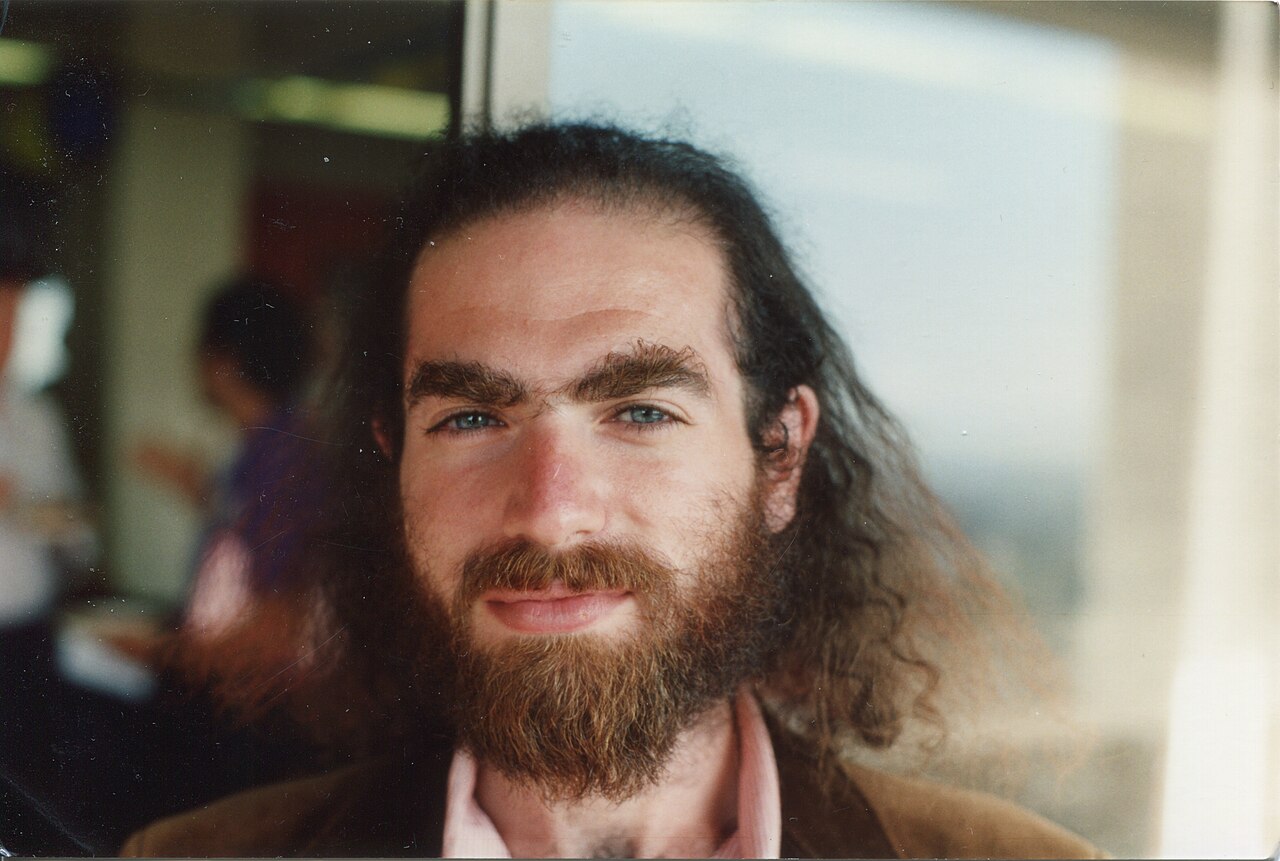
The mathematician at the time of the award — George Bergman
Grigori Perelman, the Russian mathematician who proved the Poincaré conjecture, declined the Fields Medal on Tuesday when it was officially conferred at the International Congress of Mathematicians in Madrid, making him the first person in history to refuse the award.
Perelman, who could not be reached for comment, has said he wants no part of the money or the fame that accompany the honor, remarking, "I don't want to be on display like an animal in a zoo." The Fields Medal, often called the Nobel Prize of mathematics, carries with it a cash award of about $1.4 million, which Perelman has also declined.
His proof of the Poincaré conjecture, a problem that had stumped mathematicians for more than a century, was published online in 2002 and 2003, and verified by independent research groups last year. The conjecture, proposed by Henri Poincaré in 1904, concerns the fundamental nature of three-dimensional space and is considered one of the deepest unsolved problems in the field.
A former researcher at the Steklov Institute of Mathematics in Saint Petersburg, Perelman resigned his post in 2005 and has reportedly retreated from the mathematical community, living a reclusive life in the Russian city. The journal Science named his proof the 2006 "Breakthrough of the Year."
Grigori Perelman refused the Fields Medal in August 2006, stating he was not interested in money or fame.
Perelman said, 'I don't want to be on display like an animal in a zoo,' when declining the award.
Perelman proved the Poincaré conjecture, a famous open problem in mathematics for over a century.
In 2005, Perelman resigned from his research post at the Steklov Institute of Mathematics in Saint Petersburg.
Science journal recognized Perelman's proof of the Poincaré conjecture as the 2006 'Breakthrough of the Year'.
1864 — Twelve States Sign Geneva Convention To Aid Wounded
Twelve European states signed a treaty in Geneva's Hotel de Ville establishing legally binding rules for protecting wounded soldiers and medical personnel.
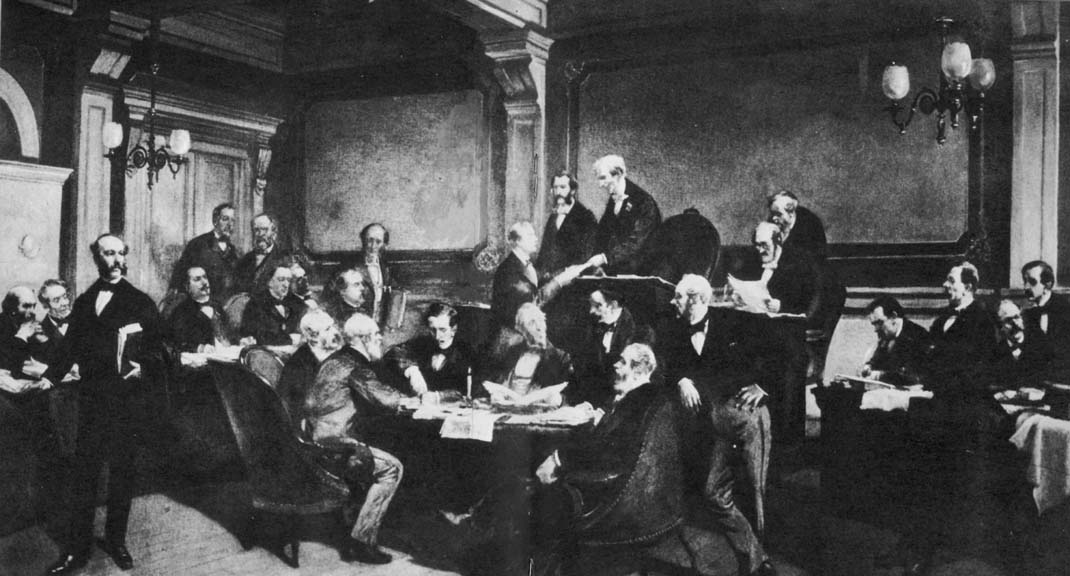
In the Alabama room of Geneva's Hotel de Ville, the plenipotentiaries of twelve European states fixed their signatures to a treaty that establishes for the first time a set of legally binding rules for the protection of victims of armed conflict, the Convention for the Amelioration of the Condition of the Wounded in Armies in the Field. General Guillaume Henri Dufour presided over the conference, which concluded on August 22.
The Convention guarantees neutrality and protection to wounded soldiers, to field medical personnel, and to the humanitarian institutions that tend to them.
Twelve European states signed the First Geneva Convention on 22 August 1864.
The convention established legally binding rules guaranteeing neutrality and protection for wounded soldiers, field medical personnel, and humanitarian institutions.
The conference was held in the Alabama room at Geneva's Hotel de Ville, presided over by General Guillaume Henri Dufour.
The original document of the 1864 convention is preserved in the Swiss Federal Archives in Bern.
Henry Dunant's book 'A Memory of Solferino' published in 1862 advocated for a neutral organization to care for wounded soldiers.
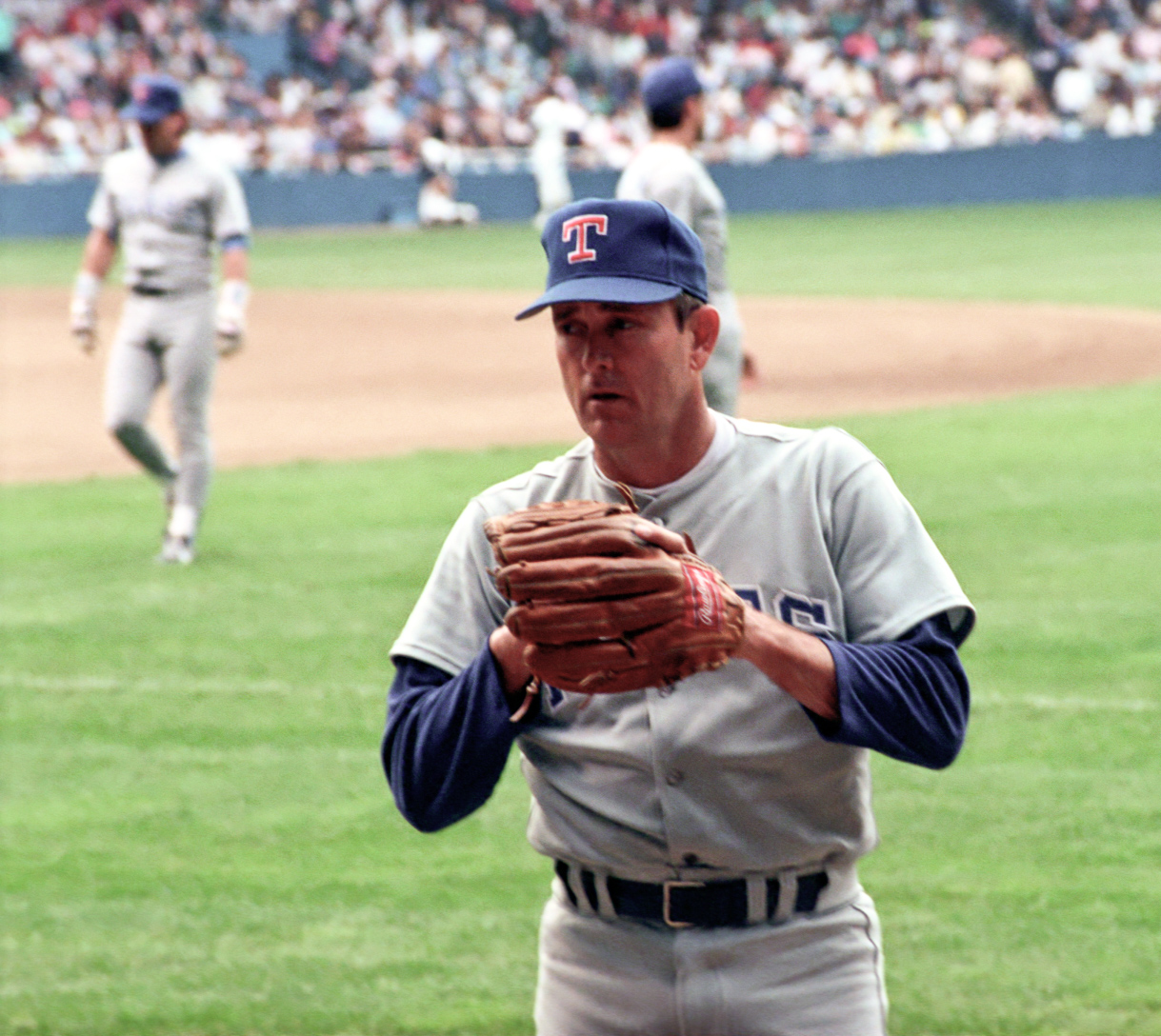
The Texas Rangers' 42-year-old flamethrower fans Rickey Henderson to become the only pitcher in major league history to reach the milestone.
The pitcher winds up for the record-breaking strikeout — Chuck Andersen
That fastball still has its bite. Nolan Ryan of the Texas Rangers became the first pitcher in major league history to record 5,000 career strikeouts on Tuesday night, punching out Oakland's Rickey Henderson in the first inning at Arlington Stadium. The 42-year-old right-hander, in his 23rd season, needed only 12 starts this year to get from 4,900 to the mark.
Nolan Ryan strikes out Rickey Henderson to become the first Major League Baseball pitcher to record 5,000 strikeouts.
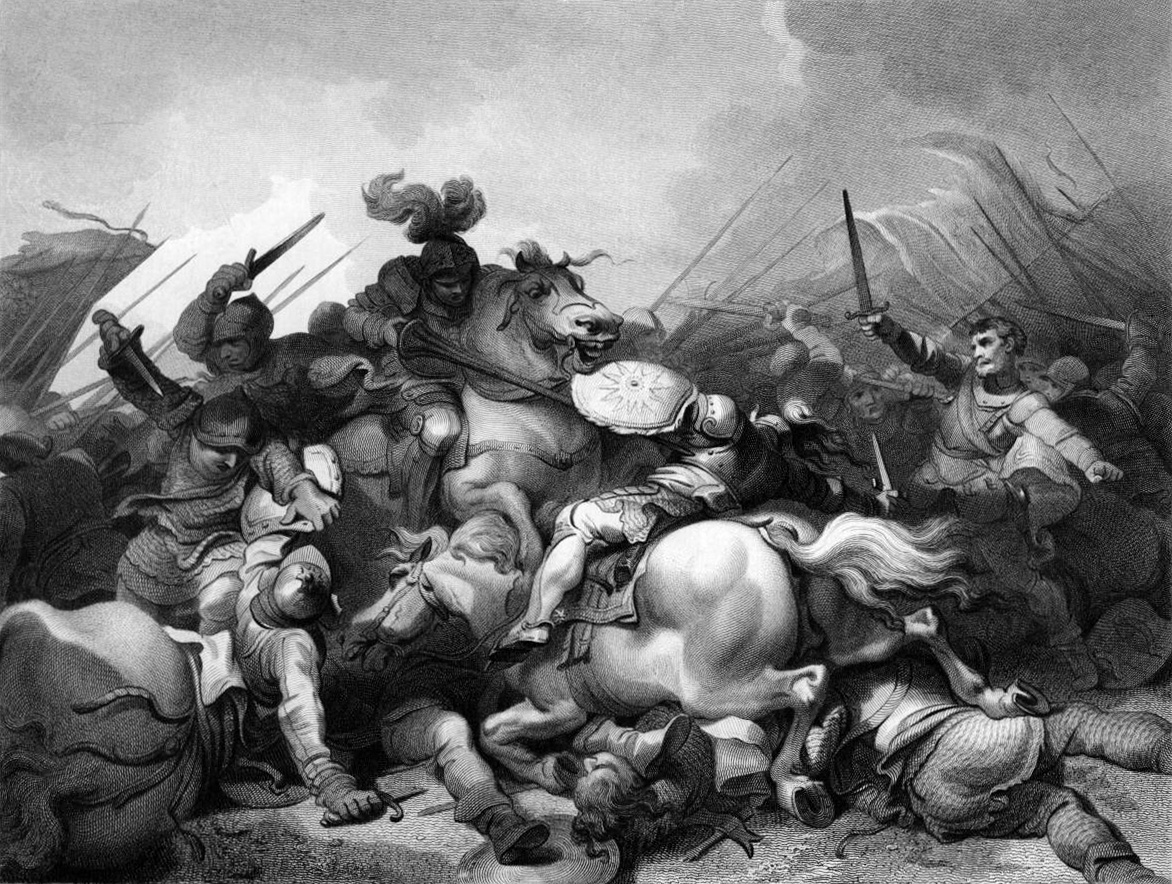
1485 — Richard Falls At Bosworth; Tudor Takes The Crown
The last Plantagenet king is cut down in the thick of the fighting as Henry Tudor, Earl of Richmond, wins the crown of England and ends the long civil strife of the Roses.
The long quarrel of the Roses has found its end on a marshy field in Leicestershire, where the crown of England has changed hands by the edge of the sword. On the 22nd day of August, the army of King Richard III met that of Henry Tudor, Earl of Richmond, upon Bosworth Field, and by the close of the day the king lay dead and the earl was proclaimed King Henry VII.
It was a battle won not by the weight of numbers but by the turning of a single sword. The king, seeing the day going against him, made a desperate charge upon the person of his rival. In that moment, Sir William Stanley, who had held his great host in suspense upon the flank, threw his men into the fray at Henry's side. They surrounded the royal party, and Richard III, the last king of the House of Plantagenet, was cut down in the thick of the fighting. They say he fought like a lion to the last, unhorsed and beset on every side, refusing to flee.
A crown, found among the thorns of a hawthorn bush, was placed upon the head of Henry Tudor upon the field itself. He is the first Welsh monarch to sit upon the English throne, and with him begins the House of Tudor. His victory was won by an alliance of Lancastrians and those Yorkists who had grown weary of Richard's rule, a union that united the white rose and the red in the badge he now bears.
Henry Tudor, Earl of Richmond, became the first Welsh monarch of England from the House of Tudor by his victory.
Richard III was killed during the battle, the last English monarch to fall in battle.
Sir William Stanley led his men to Henry's aid, surrounding and killing Richard III.
The battle was won by an alliance of Lancastrians and disaffected Yorkists.
Historians consider Bosworth Field to mark the end of the Plantagenet dynasty.
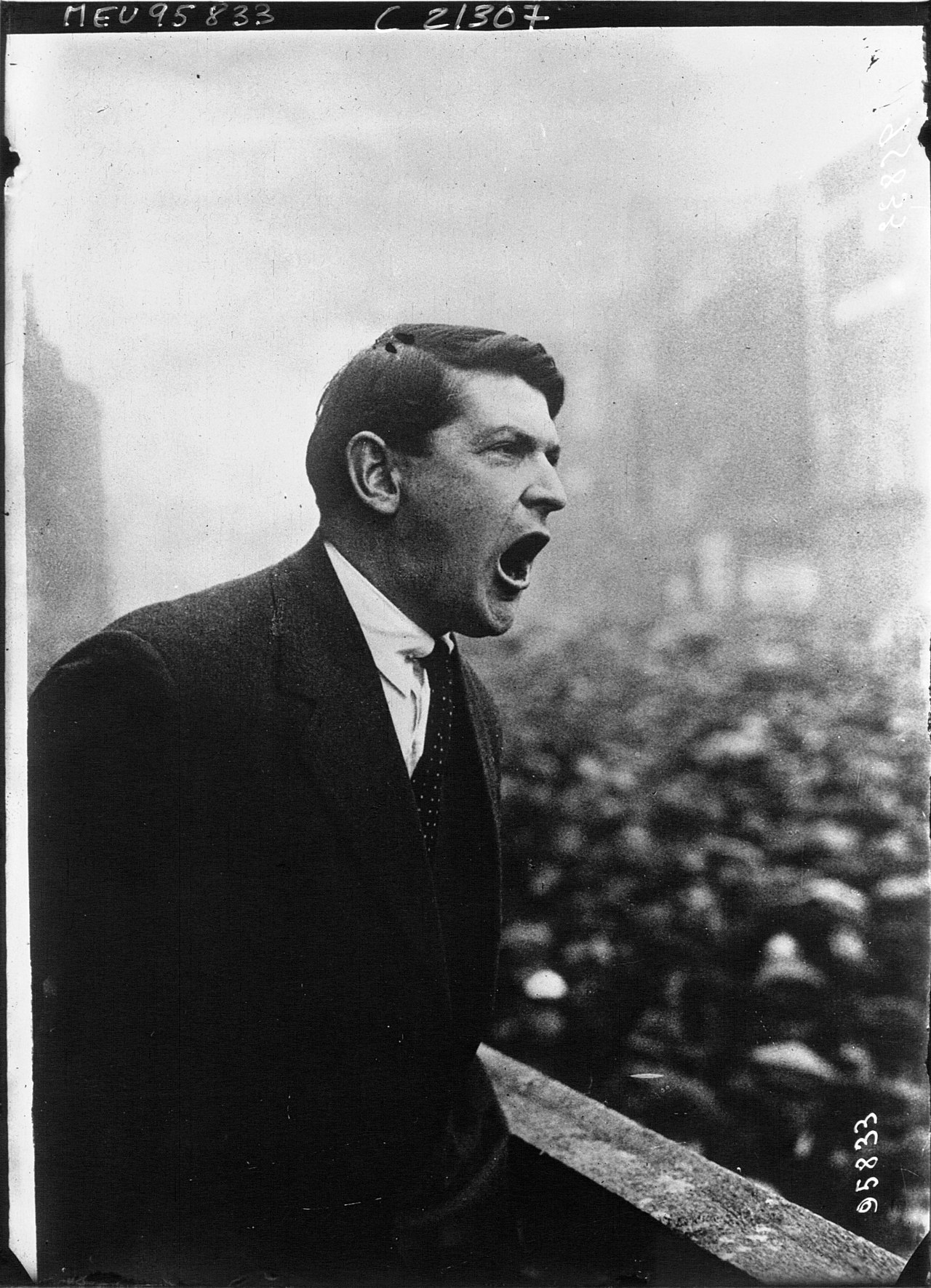
Michael Collins, Commander-in-chief of the Irish Free State Army, met his death this day in an ambush during the Civil War. The leader, famed for his rallying cry to the nation, was struck down in the midst of the strife that has rent Ireland asunder. Collins, who had guided the cause of freedom, lies slain, leaving the Free State to mourn a fallen chieftain. The nation reels at the loss of its foremost soldier. Collins, 31, died at Béal na Bláth in County Cork, struck by a bullet while his convoy was ambushed. His body was expected in Dublin for burial.
Michael Collins, Commander-in-chief of the Irish Free State Army, is shot dead in an ambush during the Irish Civil War.
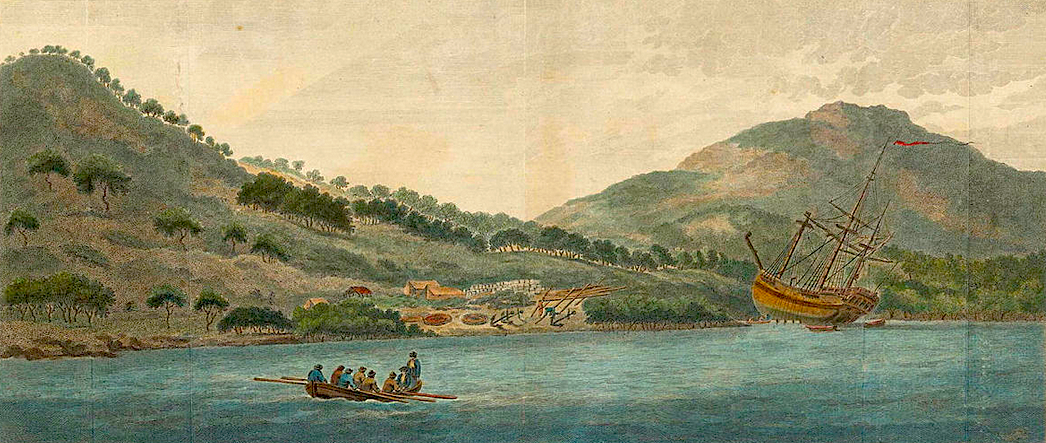
Captain names Possession Island, annexes New South Wales to the Crown.
The Endeavour lies at anchor in the river where Cook landed to make repairs — Sydney Parkinson
In a singular act of dominion, Captain James Cook hath set foot upon Possession Island and, with all due ceremony, claimed the east coast of New Holland for His Majesty King George, naming the land New South Wales. The Endeavour, which hath been laid up for repairs in the river, lies at anchor near the shore. Thus the great southern continent is added to the British realm, a possession of no small consequence.
James Cook names and lands on Possession Island, and claims the east coast of Australia for Britain as New South Wales.
Armed thieves seize The Scream and Madonna from Oslo museum.
Two renowned paintings by Edvard Munch, The Scream and Madonna, were stolen at gunpoint today from a museum in Oslo, Norway. The armed robbery, carried out in broad daylight, has sent shockwaves through the art world. Police have launched an investigation, but no arrests have been reported.
Versions of The Scream and Madonna, two paintings by Edvard Munch, are stolen at gunpoint from a museum in Oslo, Norway.
On 22 August 1642, Charles I raised his standard at Nottingham, starting the First English Civil War.
King Charles I raised the royal standard at Nottingham on 22 August 1642, beginning the English Civil War. His forces held the Midlands, Wales, the West Country and northern England, with his court at Oxford. Parliament controlled London, the south-east, East Anglia and the navy. At Edgehill on 23 October, the first major battle ended inconclusively as daylight faded. Prince Rupert's cavalry plundered the parliamentary baggage train instead of returning.
Charles I raised the royal standard in Nottingham on 22 August 1642, beginning the English Civil War.
By then, his forces controlled roughly the Midlands, Wales, the West Country and northern England.
Charles set up his court at Oxford, while Parliament controlled London, the south-east, East Anglia and the English navy.
The first major battle, at Edgehill on 23 October 1642, ended inconclusively as daylight faded.
At Edgehill, Charles's nephew Prince Rupert led a cavalry charge that plundered the parliamentary baggage train instead of returning.
4th Dragoon Guards surprise 2 German cavalrymen in first British clash of the war.
The first British engagement of the war has come to pass. A squadron of the 4th Royal Irish Dragoon Guards attacked a German scout party at Casteau, near Mons, two full troops surprising four cavalrymen of the 2nd Kuirassiers.
A squadron of the 4th Royal Irish Dragoon Guards attacked a German scout party at Casteau near Mons.
Two full troops of British cavalry surprised four patrolling German cavalrymen of the 2nd Kuirassiers.
Captain Charles Hornby was reputed to have become the first British soldier to kill a German soldier, using his sword.
Drummer Edward Thomas is reputed to have fired the first British shots of the war.
1943 — Calcutta Editor Defies Censors to Show Famine
The Statesman publishes graphic pictures of death on the city's streets, breaking the silence.
In a year of war and want, one editor has chosen to bear witness. Ian Stephens, of The Statesman in Calcutta, has defied the Emergency Rules to print photographs of death and misery on the city's streets, informing the world of the Bengal famine.
Ian Stephens, editor of The Statesman in Kolkata, published graphic photographs of the Bengal famine on August 22, 1943.
Stephens' editorials and photographs helped persuade the British government to supply adequate relief to famine victims.
The Bengal famine of 1943 claimed between 1.5 and 3 million lives.
Historian Janam Mukherjee called the publication 'a singular act of journalistic courage and conscientiousness.'
Stephens sent photographers out because photographs were not covered by Emergency Rules that banned calling it a famine.
The New York schooner outsails the Royal Yacht Squadron's fleet around the Isle of Wight.
The schooner America, of New York, has taken the Royal Yacht Squadron's cup. She won the 53-mile regatta around the Isle of Wight by 18 minutes, though a fouled anchor gave her a slow start and she reached only fifth place within half an hour.
America won the Royal Yacht Squadron's 53-mile regatta around the Isle of Wight by 18 minutes.
The race began at 10:00 AM with seven schooners and eight cutters.
America had a slow start due to a fouled anchor but reached fifth place within half an hour.
The trophy was originally called the Royal Yacht Squadron's 'One Hundred Sovereign Cup' or '£100 Cup'.
Smoke, not flames, kills most on British Airtours flight; 82 survive the blaze.
Fifty-five people died in a fire aboard British Airtours Flight 28M at Manchester Airport, most from smoke inhalation rather than burns. The Boeing 737-200, named River Orrin, carried 131 passengers and 6 crew; 82 survived. The engine fault was traced to an incorrectly repaired combustor can that punctured the left fuel tank. Survivors included 79 passengers and three crew.
The Boeing 737-200 named River Orrin had 131 passengers and 6 crew on board.
Most of the 55 fatalities were due to smoke inhalation, not burns; 82 people survived.
The engine failure was traced to an incorrectly repaired combustor can that punctured the left wing fuel tank.
The accident was described as 'a defining moment in the history of civil aviation safety.'
It led to industry-wide changes including fire-resistant seat covers, floor lighting, and clearer evacuation rules.
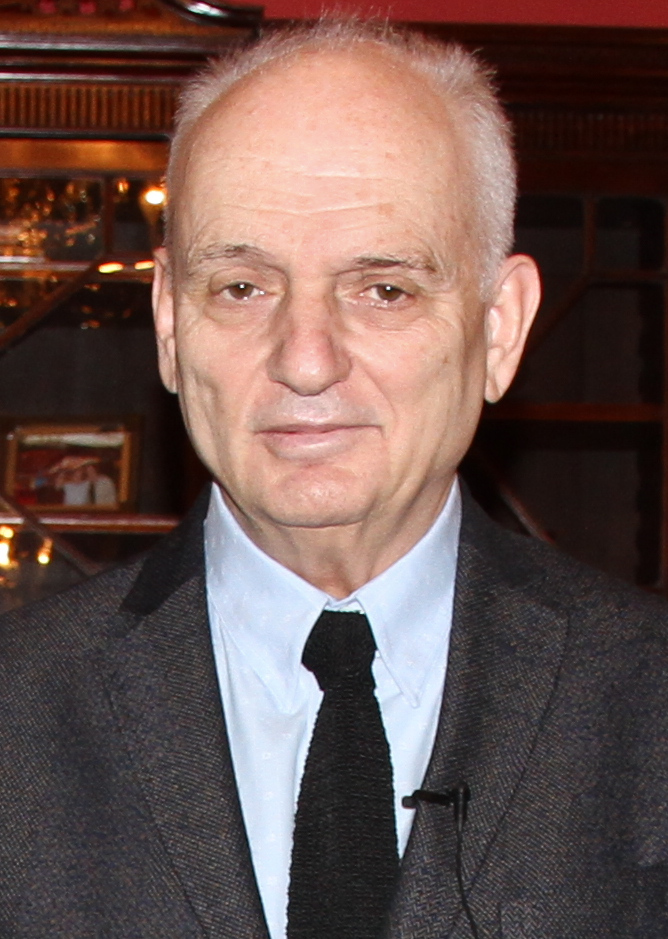
1945David Chase(81 this year)David Henry Chase is an American writer, producer, and director.
1955Chiranjeevi(71 this year)Konidela Chiranjeevi is an Indian actor, philanthropist and former politician known for his work in Telugu cinema.
1880George HerrimanGeorge Joseph Herriman III was an American cartoonist best known for the comic strip Krazy Kat (1913–1944).
1957Steve Davis(69 this year)Steve Davis is an English retired professional snooker player who is currently a commentator, DJ, electronic musician and author.
1891Jacques LipchitzJacques Lipchitz was a Lithuanian-born French-American Cubist sculptor.
1956Paul Molitor(70 this year)Paul Leo Molitor, nicknamed "Mollie" and "the Ignitor", is an American former professional baseball player and manager.
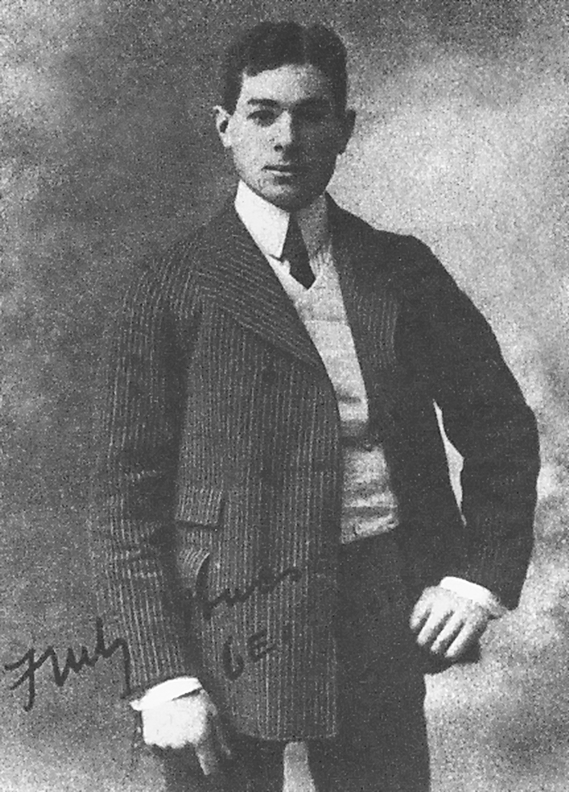
1868Willis R. WhitneyWillis Rodney Whitney was an American chemist and founder of the research laboratory of the General Electric Company.
1764Charles PercierCharles Percier was a neoclassical French architect, interior decorator and designer, who worked in a close partnership with Pierre François Léonard Fontaine, originally his friend from student days.
1778James Kirke PauldingJames Kirke Paulding was an American writer and, for a time, the United States Secretary of the Navy.
1854Milan I of SerbiaMilan Obrenović IV reigned as the Prince of Serbia from 10 June 1868 until 1882, and then King of Serbia, a title he held until his abdication on 6 March 1889.
1881James NewlandJames Ernest Newland, VC was an Australian soldier, policeman and a recipient of the Victoria Cross, the highest decoration for gallantry "in the face of the enemy" that can be awarded to members of the British and Commonwealth armed forces.
1891Henry BachtoldBrigadier Henry Bachtold, was an Australian soldier and railway engineer.
1896Laurence McKinley GouldLaurence McKinley Gould was an American geologist, educator, and polar explorer.
1897Bill WoodfullWilliam Maldon Woodfull was an Australian cricketer of the 1920s and 1930s. He captained both Victoria and Australia, and was best known for his dignified and moral conduct during the tumultuous bodyline series in 1932–33.
1904Deng XiaopingDeng Xiaoping was a Chinese statesman, revolutionary, and political theorist who served as the paramount leader of the People's Republic of China (PRC) from 1978 to 1989.
1917John Lee HookerJohn Lee Hooker was an American blues singer, songwriter, and guitarist.
1941Bill Parcells(85 this year)Duane Charles "Bill" Parcells is an American former football coach who served as a head coach in the National Football League (NFL) for 19 seasons.
1941Thomas Lovejoy(85 this year)Thomas Eugene Lovejoy III was an American ecologist who was President of the Amazon Biodiversity Center, a Senior Fellow at the United Nations Foundation and a university professor in the Environmental Science and Policy department at George Mason University.
1943Masatoshi Shima(83 this year)Masatoshi Shima is a Japanese electronics engineer.
1957Holly DunnHolly Suzette Dunn was an American country music singer and songwriter.
1958Vernon Reid(68 this year)Vernon Alphonsus Reid is a British-born American guitarist, producer, and songwriter best known as the founder of the rock band Living Colour.
1960Collin Raye(66 this year)Floyd Elliot Wray, known professionally as Collin Raye and previously as Bubba Wray, is an American country music singer.
1968Elisabeth Murdoch(58 this year)Elisabeth Murdoch is an Australian-born British and American media executive based in the United Kingdom.
1970Giada De Laurentiis(56 this year)Giada Pamela De Laurentiis is an Italian-American chef, entrepreneur, writer, and television personality.
1975Rodrigo Santoro(51 this year)Rodrigo Junqueira Reis Santoro is a Brazilian actor.
Quote of the Day
“We are such stuff As dreams are made on, and our little life Is rounded with a sleep.” — William Shakespeare, The Tempest
August 22 History Quiz
Which mathematician refused the Fields Medal awarded on August 22, 2006?
Grigori Perelman
The Battle of Bosworth Field (August 22, 1485) ended which conflict?
Wars of the Roses
Which painting was stolen in the 2004 Oslo museum heist alongside The Scream?
Every event on this page was picked by hand from the historical record, written up as a news report, and checked against its source. Photographs are matched to the event they illustrate and verified before they are used. Sources are linked on each story.


![Front page of New-York daily tribune, New-York [N.Y.], 22 August 1864](https://tile.loc.gov/image-services/iiif/service:ndnp:dlc:batch_dlc_cobol_ver02:data:sn83030213:00206530777:1864082201:0783/full/pct:50/0/default.jpg)

 “It's Now Or Never”,
 “Make It With You”,
  Love Story, Erich Segal
 “Endless Love”,
 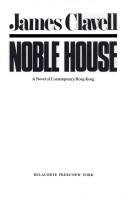 Noble House, James Clavell
 “End Of The Road (From "Boomerang")”,
 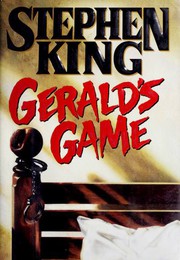 Gerald's Game, Stephen King
 The Girl Who Played with Fire, Stieg Larsson
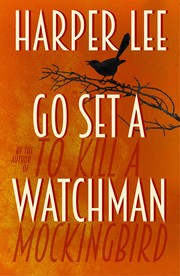 Go Set a Watchman, Harper Lee
 “WAP”,
  Deadlock, Catherine Coulter