Our front page for July 11 — written and set by The Yesterday Times from the events below. Not an archival document.
Day of the year
192
Days left in 2026
173
In 2026 it falls on a
Saturday
Star sign
Cancer
Birthstone
Ruby
On July 11 in 1405, 621 years ago, Zheng He Sets Sail on Grand Voyage. This page reports 12 stories from the date, 25 people born on this day.
The stories in full
Imperial Expeditions
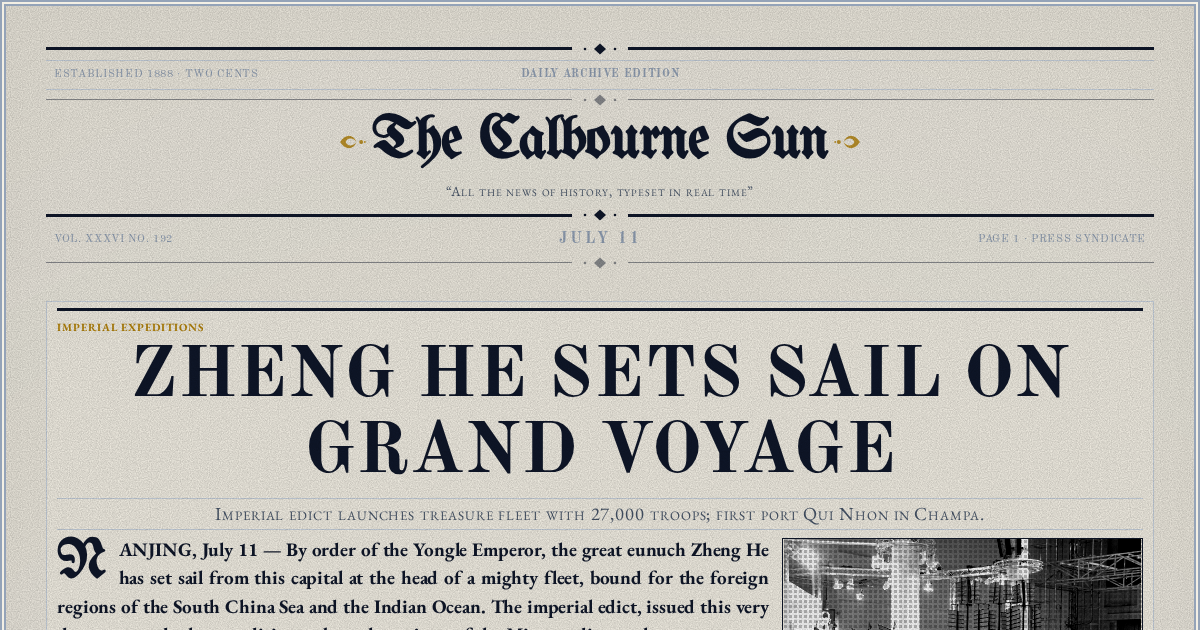
1405 — Zheng He Sets Sail on Grand Voyage
Imperial edict launches treasure fleet with 27,000 troops; first port Qui Nhon in Champa.
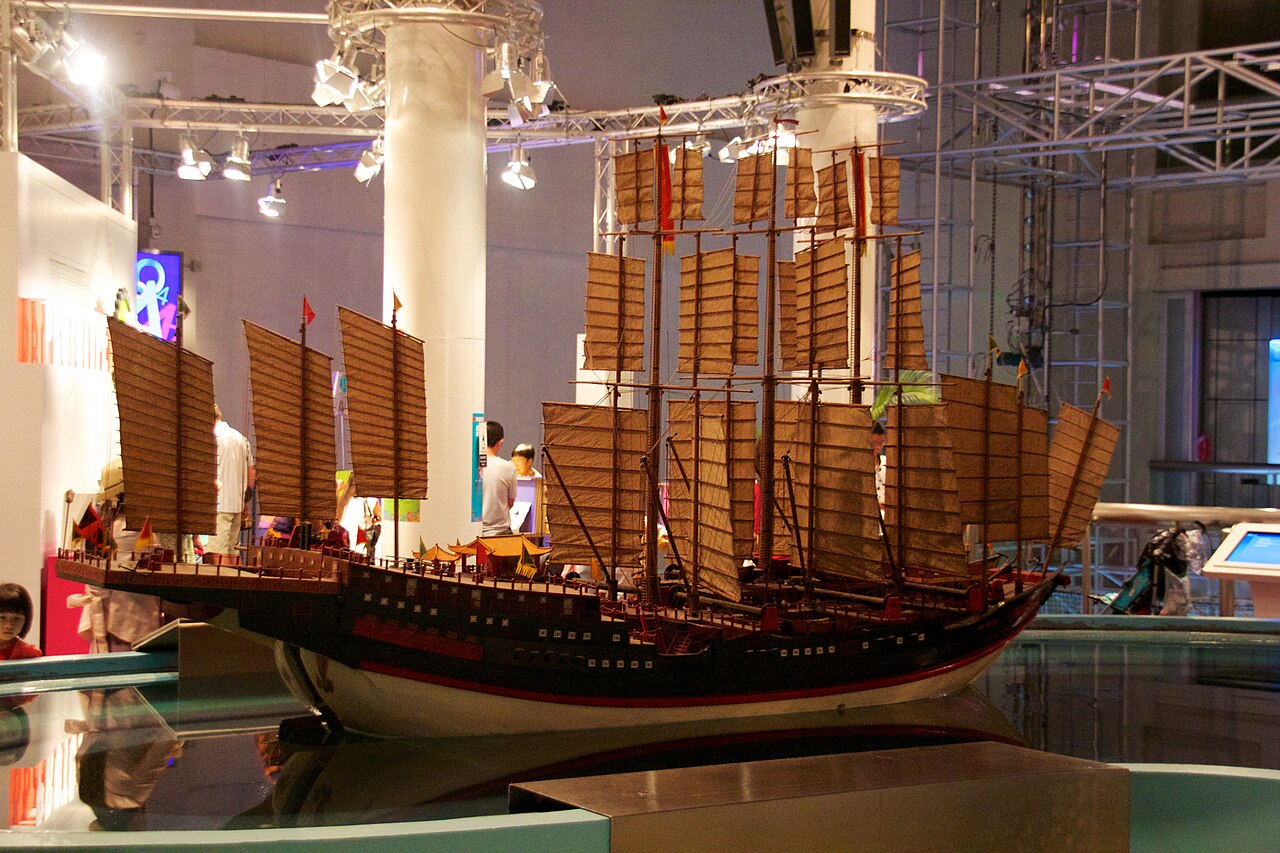
A museum model of a Ming treasure ship from Zheng He's historic maritime fleet — Photograph by Mike Peel .
NANJING, July 11 — By order of the Yongle Emperor, the great eunuch Zheng He has set sail from this capital at the head of a mighty fleet, bound for the foreign regions of the South China Sea and the Indian Ocean. The imperial edict, issued this very day, commands the expedition to bear the majesty of the Ming to distant shores.
Zheng He commands no fewer than 27,000 troops aboard the treasure ships, vessels of such size that they dwarf the junks of common commerce. The fleet's first foreign destination is the port of Qui Nhon in Champa, where the envoys will present gifts and proclaim the emperor's benevolence.
Born Ma He in Kunyang, Yunnan, into a Muslim family, Zheng He rose to favor in the imperial household. Before the fleet's maiden voyage, the Yongle Emperor held a banquet for the crew and presented gifts, honoring the men who will carry the dragon throne's name across the seas.
From Nanjing, the fleet sails down the Yangtze River to Liujiagang, then to Changle, where it will await the winter monsoon before venturing into the open ocean. The museum model of a Ming treasure ship displayed at the docks gives but a hint of the grandeur now unfurling its sails.
The Yongle Emperor issued an imperial edict on 11 July 1405 ordering the expedition.
Zheng He commanded a fleet of at least 27,000 troops for the first voyage.
The fleet's first foreign destination was the port of Qui Nhon in Champa.
Zheng He was a eunuch born into a Muslim family as Ma He in Kunyang, Yunnan.
The Yongle Emperor held a banquet for the crew and presented gifts before the fleet's maiden voyage.
Court & State
1789 — Necker Dismissed; Paris Erupts
Gardes Françaises refuse to disperse crowds as the National Assembly sits through the night.
PARIS, July 11 — The gardens of the Palais Royal, this morning so orderly, now swarm with citizens reading the news aloud: Jacques Necker, Director-General of Finances, has been dismissed by King Louis XVI. The blow came on the advice of Marie Antoinette and the Comte d'Artois, who have long urged the king to cast off the minister so beloved of the people.
By noon, protestors filled the streets, their cries for Necker echoing against the walls of the Tuileries. When the Gardes Françaises were ordered to disperse the crowd, the soldiers refused, a defiance that has sent a shiver through the court.
Meanwhile, the National Assembly, fearing the king will use Swiss Guards to close it, has begun a session that will not end, sitting through the night in defiance of the crown.
Paris, it seems, holds its breath.
Louis XVI dismissed Jacques Necker as chief minister on 11 July 1789 on the advice of Marie Antoinette and the Comte d'Artois.
On 12 July 1789, the National Assembly began a non-stop session fearing the king would use Swiss Guards to close it.
News of Necker's dismissal brought protestors into the streets, and Gardes Françaises soldiers refused to disperse them.
City Engineering
1936 — Triborough Bridge Opens to Throngs
Dedication draws Roosevelt, La Guardia, Lehman; parade on 125th Street; 200,000 visit by midnight.
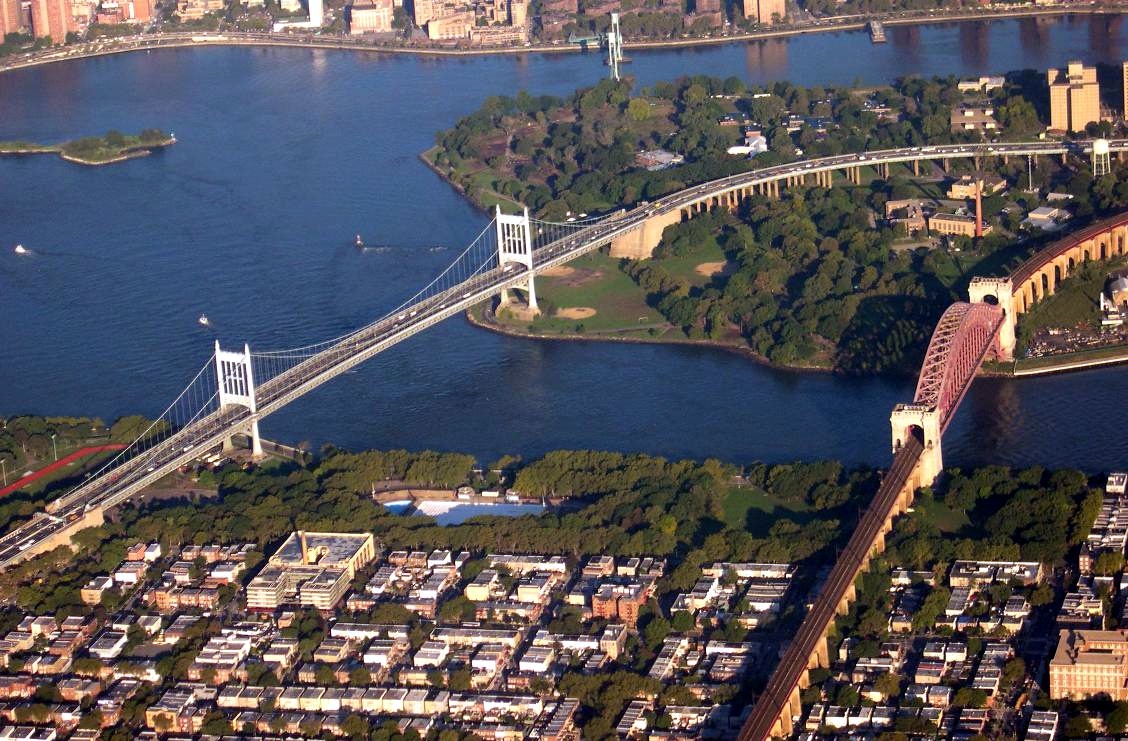
The Triborough Bridge, New York's massive new traffic artery, opens to the public — Wikimedia Commons
NEW YORK, July 11 — The city's long-awaited Triborough Bridge, hailed as the "biggest traffic machine ever built," swung open to the public at 1:30 p.m. today, joining Manhattan, the Bronx, and Queens in a single ribbon of concrete and steel. Its completion ends a decade of construction and gives New Yorkers a highway link that engineers say will reshape the very pattern of the metropolis.
The dedication ceremony drew President Roosevelt, Mayor La Guardia, and Governor Lehman, who together marked the opening of the massive three-span crossing. The ceremonies, broadcast nationwide via radio, capped a day of celebration that included a parade on 125th Street in Manhattan.
So eager were the people that by midnight an estimated 200,000 had visited the bridge, walking its lanes and gazing at the towers that now stand sentinel over the East River. For many, it was a chance to tread upon a structure that had been only a promise for so long.
Workmen were still applying the finishing touches to the bridge and its surrounding highways as late as Friday, but the last coats of paint were hurriedly completed in time for the opening. The first full day of traffic is expected to bring a flood of vehicles, though the exact number remains to be seen.
City officials, surveying the crowds, pronounced themselves well pleased with the day's turnout.
As late as the day before the July 11, 1936 opening, workers were still putting finishing touches on the bridge and surrounding highways.
The dedication ceremony for the Triborough Bridge on July 11, 1936, was attended by President Roosevelt, Mayor La Guardia, and Governor Lehman.
The Triborough Bridge opened to the general public at 1:30 p.m. on July 11, 1936.
By midnight on opening day, an estimated 200,000 people had visited the bridge.
On its first full day, July 12, 1936, the bridge saw 40,000 vehicles.
Literary Review
1960 — 'To Kill a Mockingbird' Published
Harper Lee's tale of justice and innocence in the Deep South appears today from Lippincott
NEW YORK, July 11 — In a season of novels that often seem to flee the nation's troubles, Harper Lee's "To Kill a Mockingbird" stands as a quiet, unflinching look at the Deep South, where racial injustice and the loss of innocence are woven into the fabric of a small town. Published today by J. B. Lippincott Company, the book arrives with modest hopes.
Lee's editor, Tay Hohoff, guided her through two and a half years of revisions, and the editorial team warned the author she would probably sell only several thousand copies.
To Kill a Mockingbird won the Pulitzer Prize for Fiction in 1961.
The novel was published on July 11, 1960, by J. B. Lippincott Company.
Harper Lee's editor Tay Hohoff led her through revisions over two and a half years before publication.
The editorial team at Lippincott warned Lee she would probably sell only several thousand copies.
Lee said she hoped for 'a quick and merciful death at the hands of the reviewers' but received great success.
Railway Intelligence
1848 — Waterloo Bridge Station Opens; Nine Elms Closes
The London and South Western Railway opens its new terminus at Waterloo Bridge Station, while Nine Elms closes to regular traffic but remains for the Queen's private use.
LONDON, July 11 — The London and South Western Railway this day threw open its new terminus at Waterloo Bridge Station, designed by Mr. William Tite, and the first trains arrived bearing passengers from the south and west. The new edifice, erected as a through station in expectation of an extension towards the City, replaces the terminus at Nine Elms, which closes for regular service this very day. Her Majesty the Queen, however, has been pleased to keep Nine Elms open for her private use. It is anticipated that Waterloo, already a handsome and commodious structure, will speedily become the busiest station in the kingdom. The first trains departed punctually at nine o'clock, and officers on the platform reported the morning traffic proceeding without interruption or accident.
Waterloo station opened on 11 July 1848 as 'Waterloo Bridge Station', designed by William Tite.
The new station replaced Nine Elms, which closed for regular services on the same day.
Waterloo Bridge was originally laid out as a through station, expecting services to continue towards the City of London.
Queen Victoria kept Nine Elms open for her private use after the opening of Waterloo.
World Cup Report
1982 — Italy Beats West Germany 3-1 for Third World Cup
Italy defeated West Germany 3-1 in Madrid to win their third World Cup, their first in 44 years.
MADRID, July 11 — Italy defeated West Germany 3-1 at the Santiago Bernabéu Stadium tonight to win their third World Cup, their first in 44 years. Captain Dino Zoff, 40, became the oldest player to lift the trophy. Paolo Rossi, who scored six goals, collected the Golden Boot as top scorer and the Golden Ball as best player. President Sandro Pertini wagged his finger at the cameras from the stands, a playful gesture that delighted the Italian fans. The win ended a 44-year wait for the Azzurri, who last triumphed in 1938. Rossi's six goals paced the tournament.
The match was played on 11 July 1982 at the Santiago Bernabéu Stadium in Madrid.
Italy's 40-year-old goalkeeper and captain Dino Zoff became the oldest player to win the World Cup.
Italy's Paolo Rossi won the Golden Boot as the tournament's top goalscorer and the Golden Ball as the best player.
Italy won their first World Cup title in 44 years and their third in total with a 3–1 victory.
Italian president Sandro Pertini wagged his finger at the cameras from the stands in a playful gesture.
World Cup Final
2010 — Iniesta Goal Gives Spain First World Cup Title
Spain defeats Netherlands 1-0 after extra time to win first World Cup title.
JOHANNESBURG, July 11 — Spain defeated the Netherlands 1-0 after extra time at Soccer City to win their first World Cup title. Andrés Iniesta scored the only goal, a right-footed shot from a short pass by Fabregas. Heitinga was sent off in extra time after a second yellow card. The gold Jo'bulani ball was used.
The final was played at Soccer City in Johannesburg, South Africa, on 11 July 2010.
Andrés Iniesta scored the only goal in extra time with a right-footed shot from a short pass by Fabregas.
The match was watched by 84,490 supporters at the stadium and more than 909 million on television.
Spain became the first European team to win a World Cup held outside Europe.
Netherlands defender John Heitinga was sent off after receiving a second yellow card during extra time.
Aviation Disaster
1991 — Nigeria Airways Jet Crashes Near Jeddah, 261 Dead
Chartered DC-8 carrying pilgrims crashes after takeoff, killing all 261 aboard.
JEDDAH, Saudi Arabia — A Nigeria Airways DC-8, chartered to carry pilgrims from Jeddah to Sokoto, caught fire shortly after takeoff and crashed, killing all 261 people on board. The crash killed all 247 passengers and 14 crew members. The fire was traced to underinflated tires that burst during takeoff.
All 247 passengers and 14 crew members were killed in the crash.
The fire was traced to underinflated tires that overheated and burst during takeoff.
A project manager prevented the underinflated tires from being replaced because the aircraft was behind schedule.
The aircraft was a Douglas DC-8 operated by Nationair Canada for Nigeria Airways.
Flight 2120 is the deadliest accident involving a DC-8 and the deadliest aviation disaster involving a Canadian airline.
The War in Virginia
1864 — Rebel Columns Threaten the Capital; Attack Repulsed
Confederate assault on Washington repulsed on July 11 as Union defenses hold.
WASHINGTON, July 11 — The fate of the Union has hung in peril this day, as Confederate forces under Lieutenant General Jubal Early launched an unsuccessful attempt to capture the capital. Early’s columns approached the city’s outer defenses before being driven back by Union troops.
Confederate forces under Jubal Early began an unsuccessful attempt to capture Washington, D.C., on July 11, 1864.
The attempt to capture Washington occurred during the American Civil War, which lasted from April 12, 1861, to May 26, 1865.
General Ulysses S. Grant's western successes led President Lincoln to promote him to command of all Union armies in 1864.
The war ended with Union victory, the dissolution of the Confederacy, and the abolition of slavery, freeing four million African Americans.
Astronomical Intelligence
1801 — Marseille Observer Records New Comet, His First
Pons, with Messier, espies a new comet, his first, aided by his own instrument.
PARIS, July 11 — In an age when the heavens are yet imperfectly charted, a new comet has been added to the celestial catalogue. Jean-Louis Pons, the French astronomer, this day co-discovered the first of his comets, a body jointly attributed to the celebrated Charles Messier.
Jean-Louis Pons made his first comet discovery, jointly attributed to Charles Messier, on 11 July 1801.
Pons used telescopes and lenses of his own design for his observations.
Pons's 'Grand Chercheur' instrument had a large aperture and short focal length, similar to a 'comet seeker'.
The Flemish Chronicle
1302 — Flemish Footmen Slay the Flower of French Chivalry
Flemish commons win a bloody victory near Kortrijk on July 11
KORTRIJK, July 11 — The commons of Flanders, risen in rebellion, have this day given battle to the King of France and have won a bloody victory. The army of Count Robert of Artois, sent to crush the rebellion, charged across muddy ground and was cut down by the Flemish militia.
On May 19, 1302, the Bruges Matins rebellion saw Flemish populace kill every Frenchman they could find.
A powerful French army led by Count Robert II of Artois arrived to crush the rebellion.
The Flemish besieged Kortrijk on July 9-10, 1302, leading to the battle on July 11.
The battle took place in an open field near the city of Kortrijk.
The Flemish militia's tactically sound position and muddy terrain stopped the renowned French cavalry.
The Swan River Colony
1833 — Yagan the Noongar Warrior Shot Dead by Two Brothers
Yagan, the Noongar warrior, was shot dead by two teenagers, brothers James and William Keates, who fired upon him as he stayed with them.
PERTH, July 11 — Yagan, the Noongar warrior who led attacks on British settlers, is dead, shot by two teenagers. James and William Keates, brothers, fired upon the outlaw as he stayed with them to avoid arrest.
On 11 July 1833, teenage brothers William and James Keates shot and killed Yagan while he stayed with them to avoid arrest.
After shooting Yagan, the Keates ran away, but other Noongar overtook William and speared him to death; James escaped by swimming the river.
To claim the bounty, settlers cut off Yagan's head after his death; an official later sent it to London where it was exhibited.
In September 1833, Governor Irwin sailed for London to give his account of the events leading up to Yagan's killing.
What the papers printed that morning
Real front pages from 11 July 1936, scanned by the Library of Congress. These are archival documents, not our work.
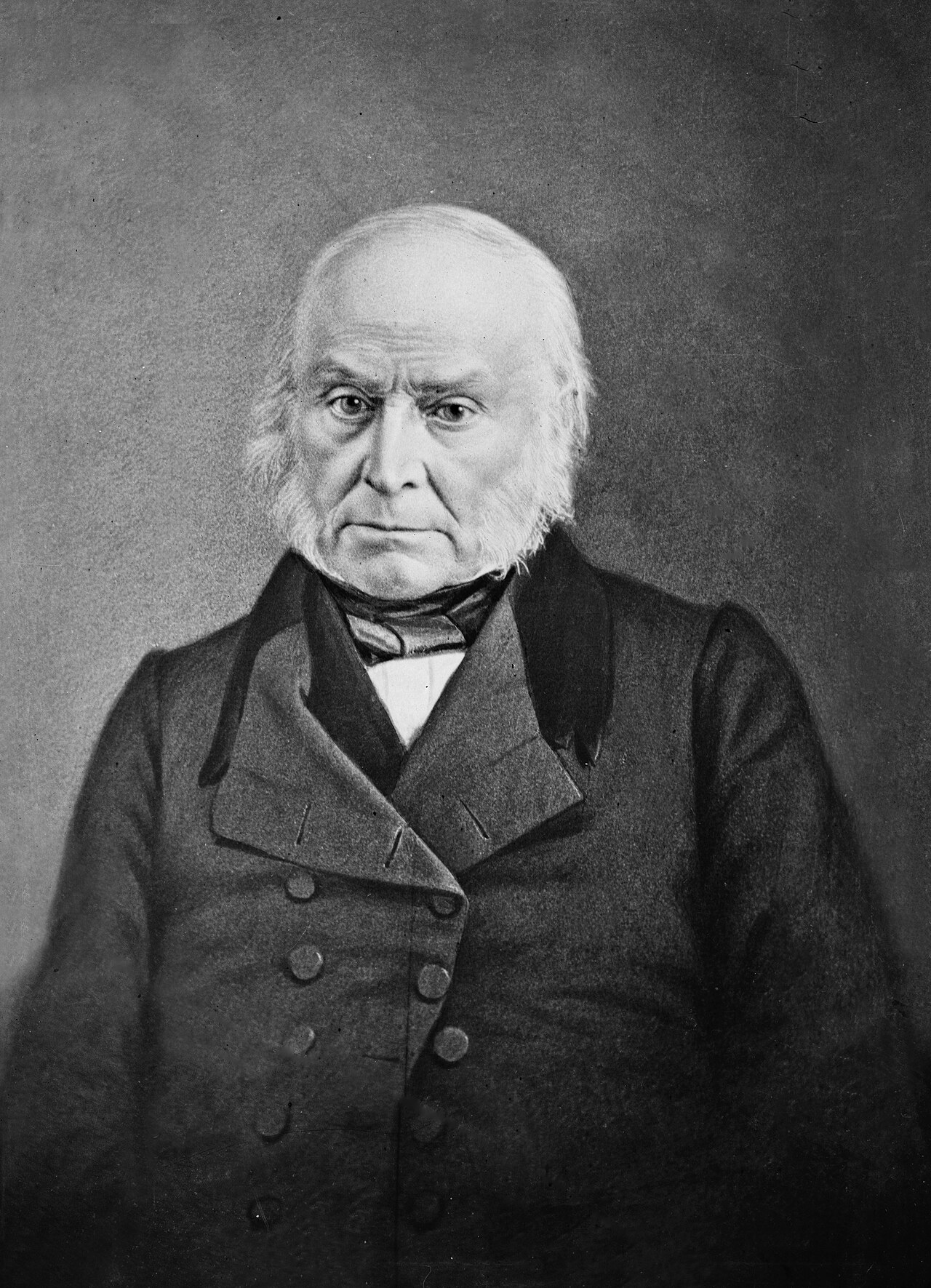
1767John Quincy AdamsJohn Quincy Adams was the sixth president of the United States, serving from 1825 to 1829.
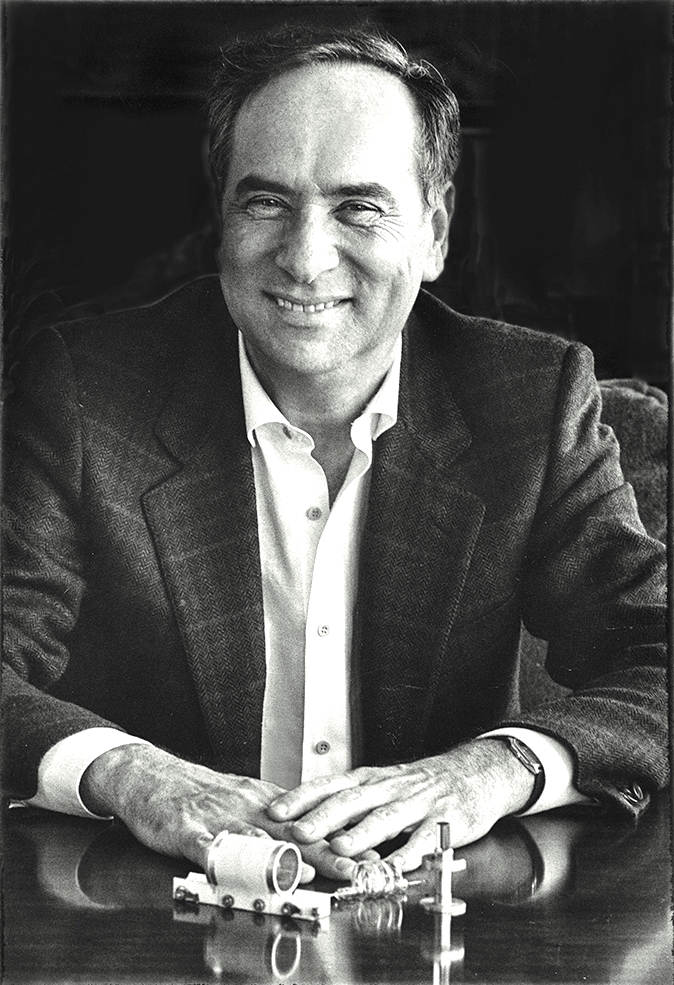
1927Theodore MaimanTheodore Harold Maiman was an American engineer and physicist who is widely credited with the invention of the laser.
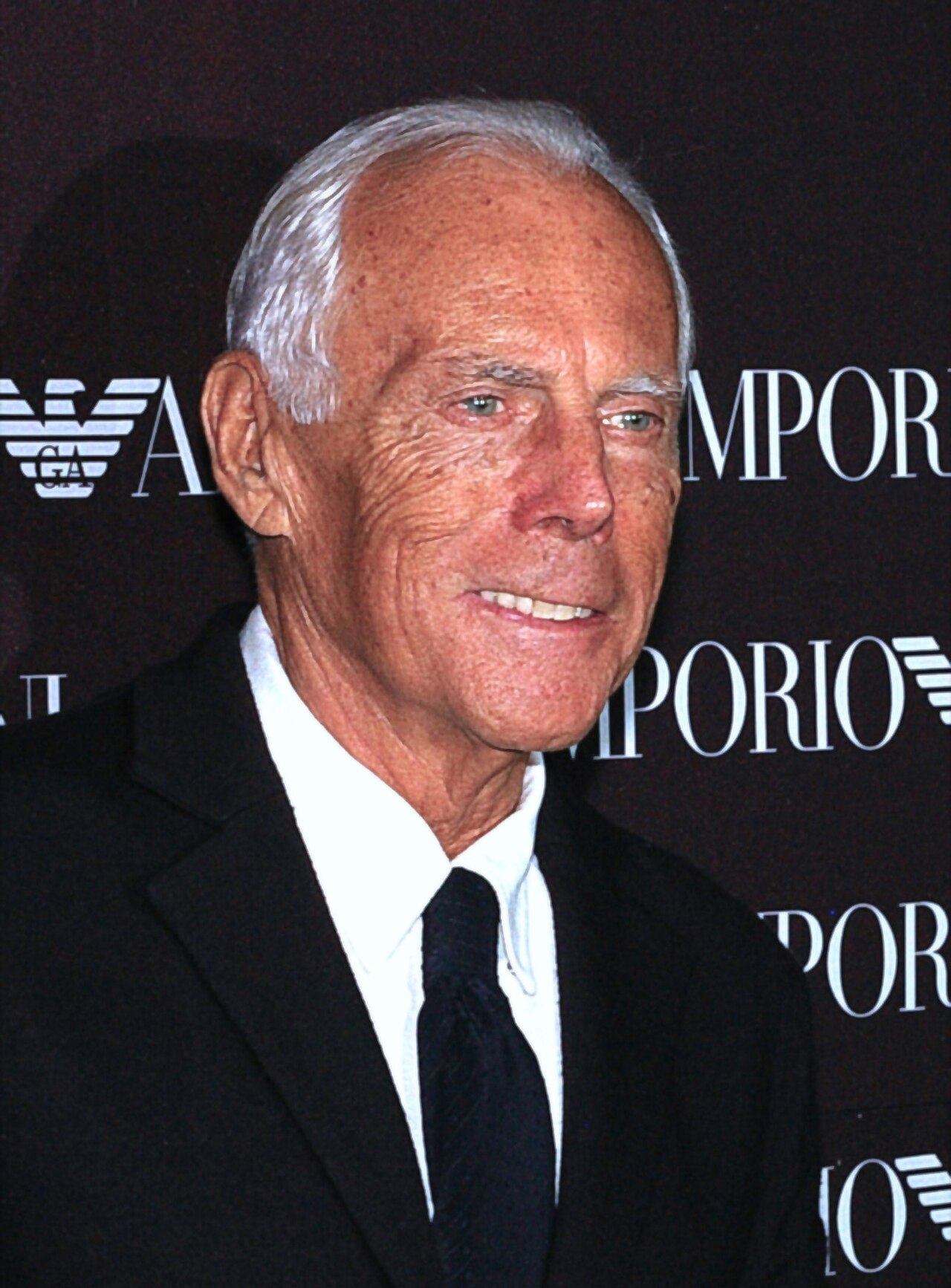
1934Giorgio ArmaniGiorgio Armani was an Italian fashion designer and founder of the Armani luxury fashion house.
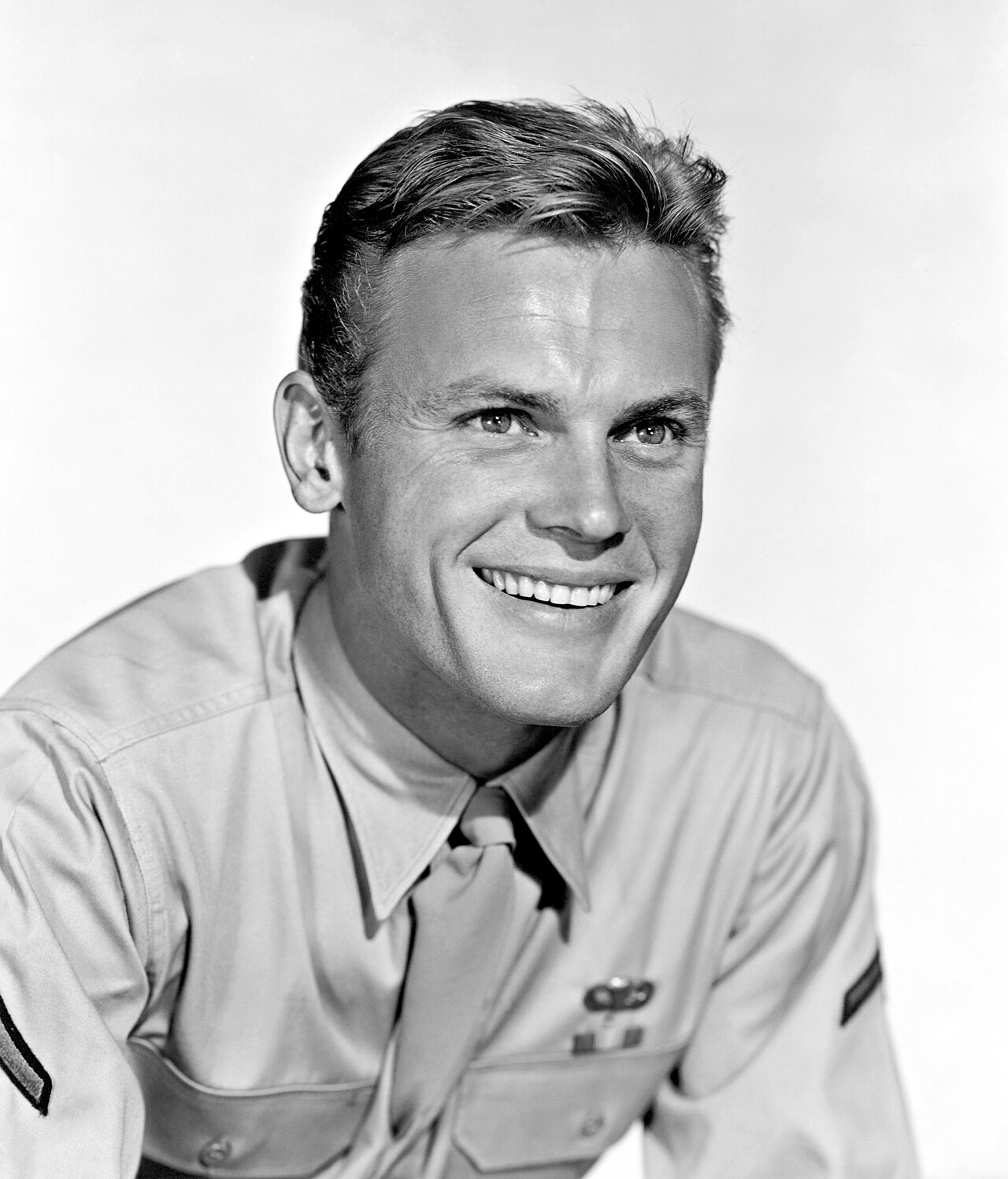
1931Tab HunterTab Hunter was an American actor, singer, film producer, and author.
1963Al MacInnis(63 this year)Allan MacInnis is a Canadian former professional ice hockey player who was a defenceman for 23 seasons in the National Hockey League (NHL) for the Calgary Flames (1981–1994) and St. Louis Blues (1994–2004).
1754Thomas BowdlerThomas Bowdler was an English physician known for publishing The Family Shakespeare, an expurgated edition of William Shakespeare's plays edited by his sister Henrietta Maria Bowdler, and for publishing other editions edited by himself.
1866Princess Irene of Hesse and by RhinePrincess Irene of Hesse and by Rhine, later Princess Henry of Prussia, was the third child and third daughter of Princess Alice of the United Kingdom and Louis IV, Grand Duke of Hesse and by Rhine.
1912Sergiu CelibidacheSergiu Celibidache was a Romanian conductor, composer, musical theorist, and teacher.
1915Leonard GoodwinLeonard George Goodwin CMG FRS was a British protozoologist noted for his work on testing the effectiveness of chemical compounds in treating tropical diseases.
1916Mortimer CaplinMortimer Maxwell Caplin was an American lawyer and educator, and the founding member of Caplin & Drysdale, Chartered.
1925Nicolai GeddaHarry Gustaf Nikolai Gädda, better known as Nicolai Gedda, was a Swedish operatic tenor.
1928Greville JannerGreville Ewan Janner, Baron Janner of Braunstone, was a British politician, barrister and writer.
1930Harold BloomHarold Bloom was an American literary critic and the Sterling Professor of humanities at Yale University.
1943Tom Holland(83 this year)Thomas Lee Holland is an American filmmaker, screenwriter, and former actor.
1943Peter Jensen(83 this year)Peter Frederick Jensen is a retired Australian Anglican bishop, theologian and academic.
1947Norman Lebrecht(79 this year)Norman Lebrecht is a British music journalist best known as the owner of the classical music blog Slipped Disc.
1953Piyasvasti Amranand(73 this year)Piyasvasti Amranand, born 11 July 1953) is a former Thailand's Energy Minister between 9 October 2006 and 6 February 2008.
1953Angélica Aragón(73 this year)Angélica Espinoza Stransky, known professionally as Angélica Aragón, is a Mexican film, television, and stage actress and singer.
1953Ivan TomsIvan Peter Toms was a South African physician, who battled the Apartheid era government as a prominent anti-Apartheid and anti-conscription activist.
1955Balaji SadasivanBalaji Sadasivan was a Singaporean politician and neurosurgeon.
1956Sela Ward(70 this year)Sela Ann Ward is an American actress.
1958Hugo Sánchez(68 this year)Hugo Sánchez Márquez is a Mexican former professional footballer and manager, who played as a forward.
1963Lisa Rinna(63 this year)Lisa Rinna is an American actress, television personality, author, and model.
1965Ernesto Hoost(61 this year)Ernesto Frits Hoost is a Dutch retired professional kickboxer.
1966Rod Strickland(60 this year)Rodney Strickland is an American basketball coach and former professional player.
Quote of the Day
“This above all: to thine own self be true.” — William Shakespeare, Hamlet
July 11 History Quiz
Which team did Italy defeat to win the 1982 FIFA World Cup on this date?
West Germany
What was the name of the Chinese admiral whose treasure fleet set sail on this date in 1405?
Zheng He
The Triborough Bridge, opened on this date in 1936, connects which three New York City boroughs?
Every event on this page was picked by hand from the historical record, written up as a news report, and checked against its source. Photographs are matched to the event they illustrate and verified before they are used. Sources are linked on each story.


 Advise and Consent, Allen Drury
 “Mama Told Me (Not To Come)”,
  Love Story, Erich Segal
 Noble House, James Clavell
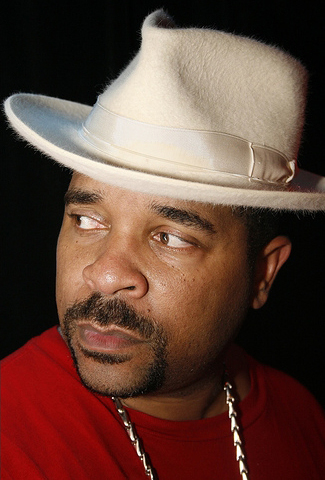 “Baby Got Back”,
 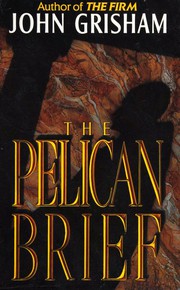 The Pelican Brief, John Grisham
 Knockout, Catherine Coulter
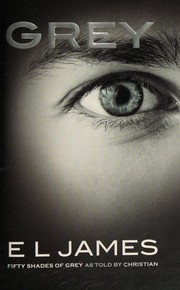 Grey, E. L. James
 “Rockstar”,
  28 Summers, Elin Hilderbrand