Our front page for July 15 — written and set by The Yesterday Times from the events below. Not an archival document.
Day of the year
196
Days left in 2026
169
In 2026 it falls on a
Wednesday
Star sign
Cancer
Birthstone
Ruby
On July 15 in 1799, 227 years ago, French Soldiers Unearth Key to Egypt's Ancient Scripts. This page reports 8 stories from the date, 25 people born on this day.
The stories in full
Antiquities & Learning
1799 — French Soldiers Unearth Key to Egypt's Ancient Scripts
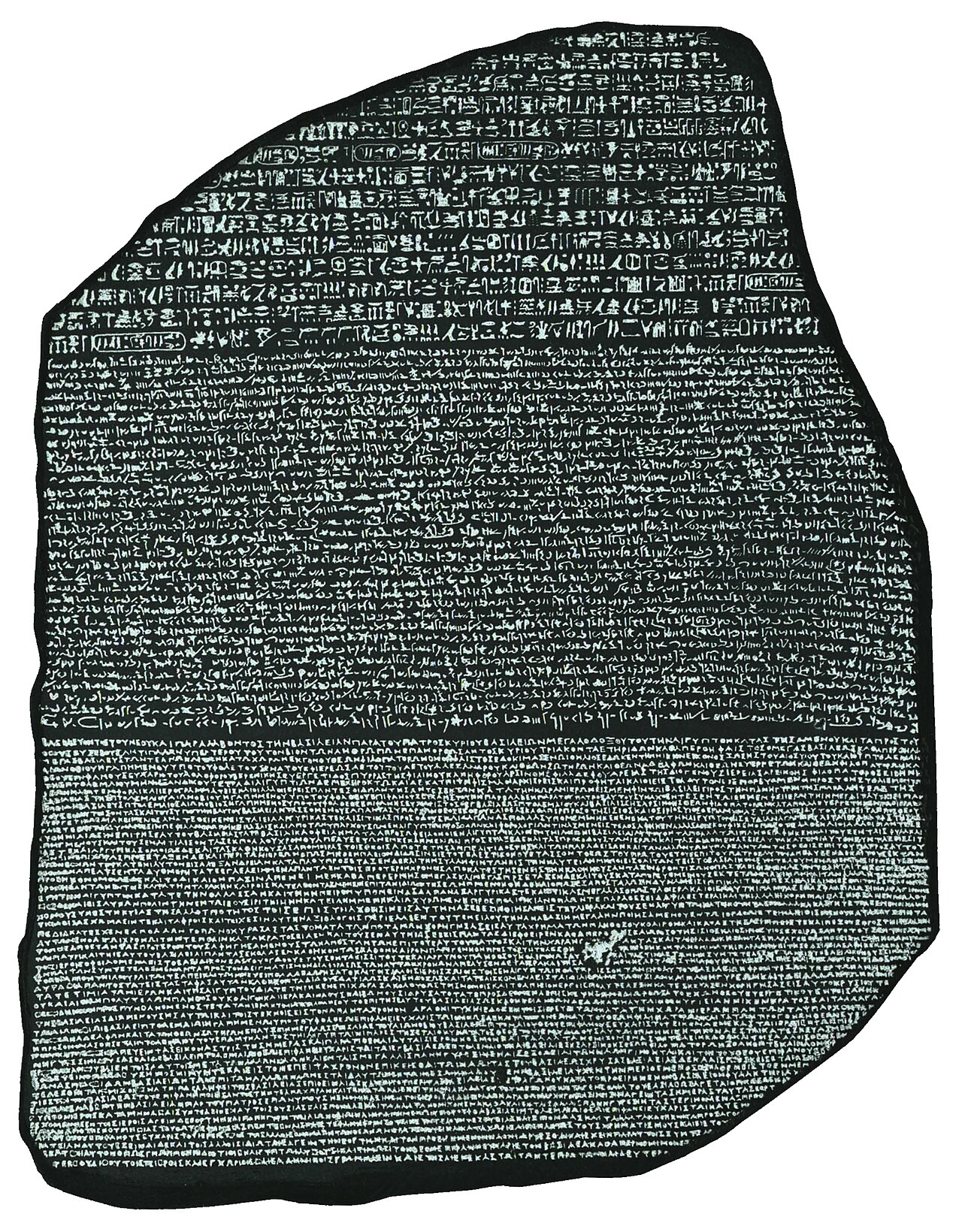
A 112.3-cm granodiorite block found in 1799 near Rashid carries a 196 BC decree in three scripts, offering a key to ancient Egyptian writing.
The Rosetta Stone, the key to deciphering ancient Egyptian hieroglyphs discovered in 1799 — Wikimedia Commons
PARIS, July 15 — Captain Pierre-François Bouchard, an officer of the Army of the East, has brought to light a monument of singular promise for the learned world, discovered by his soldiers in the works of Fort Julien, near the port of Rashid. The find, made during the present campaign in Egypt, is a block of granodiorite bearing an inscription in three characters. It is the same stone, it is said, that may yet unlock the mystery of the sacred writings of the ancients.
The stone, which stands some 112.3 cm high and 75.7 cm wide, with a thickness of 28.4 cm, weighs near 760 kilograms. Its face records a decree issued in the year 196 BC for King Ptolemy V Epiphanes, establishing the divine cult of that sovereign, and set forth by a congress of priests assembled at Memphis on the 27th of March in that year. What renders the monument of such value is that the same text is given in the hieroglyphic character, in the Demotic or common script, and in the Greek tongue.
The learned here observe that by comparing the three versions, scholars may at length render the mysterious language of the Pharaohs legible. The stone was uncovered in July 1799, and its importance was at once perceived by Captain Bouchard, who has preserved it with care.
The Rosetta Stone was discovered in July 1799 by French army officer Pierre-François Bouchard during France's invasion of Egypt.
The stone is a granodiorite stele inscribed with a decree issued in 196 BC for King Ptolemy V Epiphanes in hieroglyphic, Demotic, and Ancient Greek.
It measures 112.3 cm high, 75.7 cm wide, 28.4 cm thick, and weighs approximately 760 kilograms.
The decree established the divine cult of Ptolemy V and was issued by a congress of priests at Memphis on 27 March 196 BC.
After the British defeated the French, the stone was taken to London under the Capitulation of Alexandria in 1801 and has been at the British Museum since 1802.
Naval Intelligence
1815 — Bonaparte Surrenders to Maitland Aboard the Bellerophon
Napoleon Bonaparte surrenders to Captain Maitland aboard the 74-gun Bellerophon, ending 22 years of war.
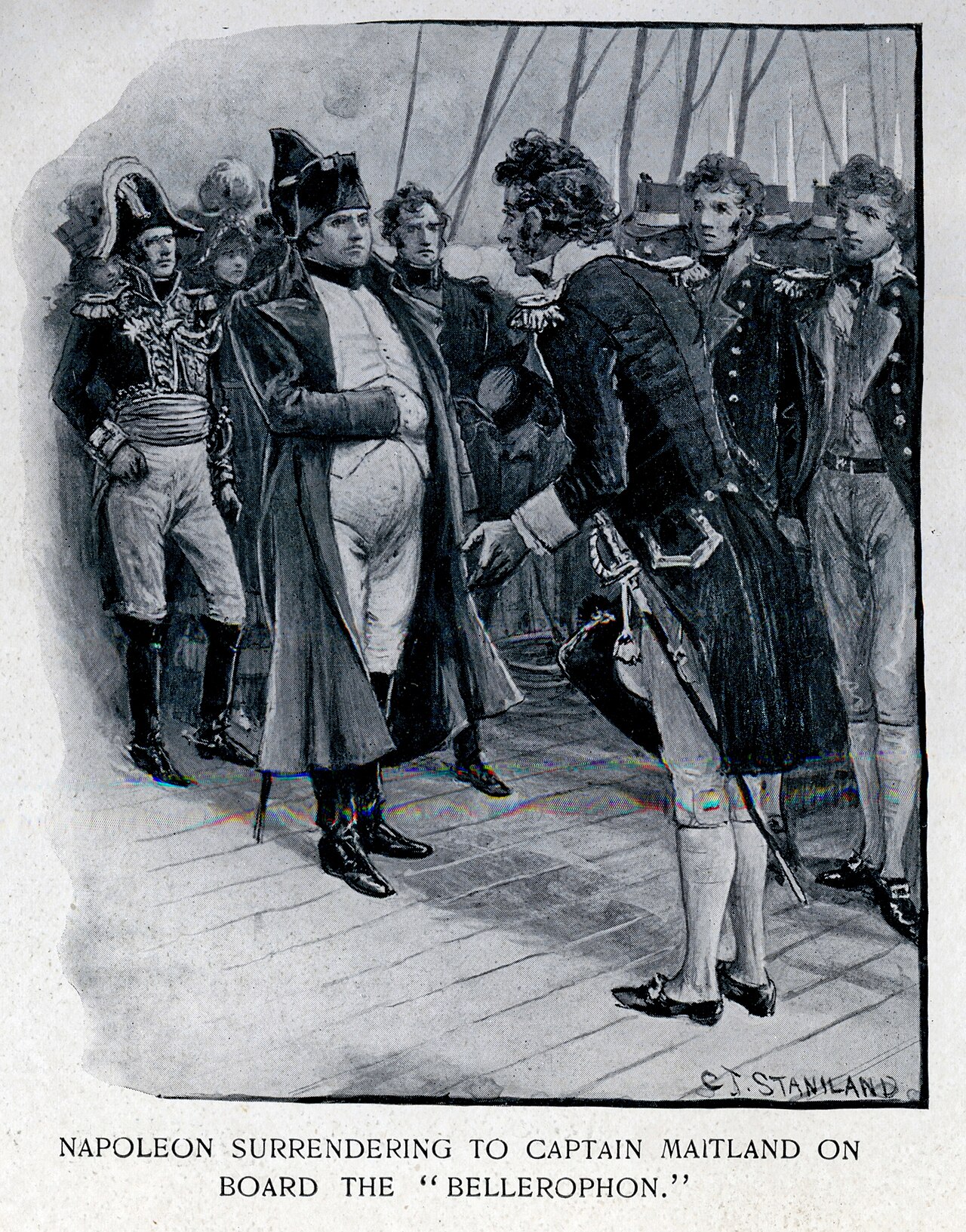
Napoleon Bonaparte surrenders to Captain Frederick Lewis Maitland aboard HMS Bellerophon in 1815 — Charles Joseph Staniland
PLYMOUTH, July 15 — The war is over. Between the hours of six and seven this morning, the man who has held Europe in arms for a generation came over the side of HMS Bellerophon, a 74-gun third-rate, and surrendered to Captain Frederick Lewis Maitland. Napoleon Bonaparte, late Emperor of the French, had first boarded the brig Épervier, and was received on the Bellerophon, where General Henri Gatien Bertrand had climbed aboard but moments before.
To Captain Maitland, Bonaparte spoke in French: "I am come to throw myself on the protection of your Prince and your laws." With those words, the 22 years of almost continuous war between Britain and France draw to a close. The Bellerophon, which has carried her captain and crew through many a hard-fought action, now carries the greatest prisoner of the age.
Napoleon surrendered aboard HMS Bellerophon, a 74-gun third-rate ship of the line commanded by Captain Frederick Maitland.
Napoleon came aboard Bellerophon between 6 and 7 a.m. on July 15, 1815, after first boarding the brig Épervier.
Napoleon announced to Maitland in French: 'I am come to throw myself on the protection of your Prince and your laws.'
The surrender ended 22 years of almost continuous war between Britain and France.
General Henri Gatien Bertrand climbed aboard Bellerophon just before Napoleon.
The Eastern March
1410 — Jagiello and Vytautas Crush the Teutonic Order
The Polish and Lithuanian host prevails at Grunwald — Grand Master Ulrich von Jungingen is slain and most of the Order's command is lost — the power of the Crossbearers is broken in the field.
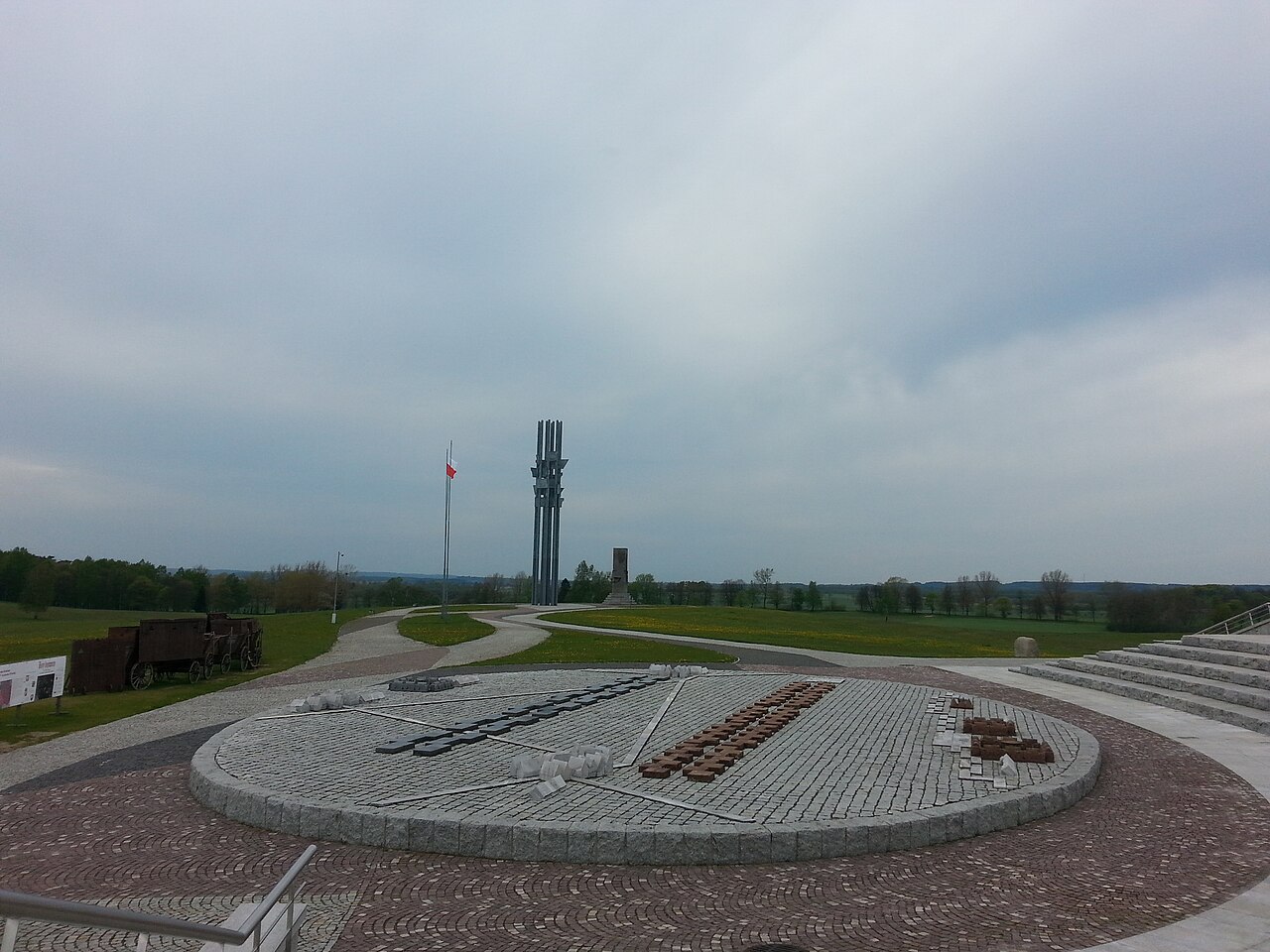
The Grunwald Monument marks the site of the decisive 1410 Polish-Lithuanian victory — Bobbystand
CRACOW, July 15 — The combined host of the Kingdom of Poland and the Grand Duchy of Lithuania, led by King Władysław II Jagiełło and Grand Duke Vytautas, has this day won a great victory over the Teutonic Knights on the plains between the villages of Grünfelde, Tannenberg, and Ludwigsdorf. The engagement was the decisive stroke of the war. The Grand Master of the Order, Ulrich von Jungingen, lies dead upon the field, and most of the Order's leadership has been killed or taken prisoner.
Reports of the numbers engaged vary widely: some set the Polish–Lithuanian force at 16,500 to 39,000 men, and the Teutonic army at 11,000 to 27,000. The chroniclers will dispute the count for generations, but the result is beyond dispute. The field is ours, and the might of the Order is broken.
The alliance of Poland and Lithuania, led by King Władysław II Jagiełło and Grand Duke Vytautas, decisively defeated the Teutonic Order.
Most of the Teutonic Order's leadership, including Grand Master Ulrich von Jungingen, was killed or taken prisoner.
The battle was fought on 15 July 1410 on plains between the villages of Grünfelde, Tannenberg, and Ludwigsdorf.
Modern estimates of troops range from 16,500 to 39,000 Polish–Lithuanian and 11,000 to 27,000 Teutonic men.
The Teutonic Knights withstood the subsequent siege of Malbork Castle and suffered minimal territorial losses at the Peace of Thorn in 1411.
The SG-1000 sold 160,000 units in 1983 against a 50,000-unit forecast, yet trailed the Famicom's broader game library.
TOKYO, July 15 — In the electronics shops of the Akihabara district, a new box has taken its place on the shelves beside the television sets. It is the SG-1000, the first home video game console from Sega, a company long known for its arcade machines. The unit, which plays its games from plug-in cartridges, was developed alongside the SC-3000 computer, a project that was rushed forward after word reached Sega that rival Nintendo was readying its own machine, the Famicom.
Initial demand for the SG-1000 has surprised even its makers. The company projected sales of 50,000 units in the first year; the console has already sold 160,000 units in 1983. The machine has also appeared in rebranded forms in several other markets worldwide, extending its reach beyond Japan.
Yet the SG-1000 has been outpaced in the marketplace by the Famicom. Industry observers point to one reason: Nintendo courted third-party software developers, while Sega hesitated, leaving its machine with a thinner library of games. The household that buys a console is buying the games it can play, and on that score the rival has had the edge.
Sega developed the SG-1000 alongside the SC-3000 computer after learning Nintendo was developing the Famicom.
Rebranded versions of the SG-1000 were released in several other markets worldwide.
The SG-1000 sold 160,000 units in 1983, far exceeding Sega's projection of 50,000 in the first year.
The SG-1000 was outpaced by the Famicom partly because Nintendo courted third-party developers while Sega hesitated.
Turkey Desk
2016 — Turkish Military Faction Seizes State TV, Declares Takeover; Erdoğan Calls It 'Gift From God'
Erdoğan, vowing to crush the coup that killed over 300 and injured more than 2,100, begins detaining at least 40,000.
ISTANBUL, July 15 — The fate of Turkey's elected government hung in the balance tonight as a military faction declared it had seized power, an assault President Recep Tayyip Erdoğan vowed to crush, calling the attempt "a gift from God" and ordering mass arrests. The Peace at Home Council, a faction of the Turkish Armed Forces, announced its takeover on state broadcaster TRT after soldiers seized the headquarters, with anchor Tijen Karaş allegedly reading the statement at gunpoint. The council cited erosion of secularism, elimination of democratic rule, and loss of international credibility. The uprising involved 8,500 soldiers and has already left over 300 dead and more than 2,100 injured. Erdoğan's government has begun detaining at least 40,000 in the first days of the crackdown.
The Peace at Home Council announced its takeover on state broadcaster TRT after soldiers seized the headquarters.
The coup attempt involved 8,500 soldiers and resulted in over 300 deaths and more than 2,100 injuries.
The council's statement cited erosion of secularism, elimination of democratic rule, and loss of international credibility.
President Erdoğan called the coup attempt 'a gift from God' and began mass arrests, detaining at least 40,000 in the first days.
The council's existence was first announced by TRT news anchor Tijen Karaş, allegedly at gunpoint.
Dominion Affairs
1870 — Manitoba Admitted as Province; Rupert's Land Passes to Canada
Rupert's Land passes to Canada on July 15, and Manitoba is admitted as a province under the Constitution Act, 1867.
LONDON, July 15 — The vast territories of Rupert's Land, long held under royal charter by the Hudson's Bay Company, this day pass to the Dominion of Canada, which thereby admits the new province of Manitoba under the Constitution Act, 1867.
Canada asserted control over Rupert's Land on July 15, 1870, establishing the province of Manitoba.
The Hudson's Bay Company received £300,000 from Canada for surrendering its charter.
The British government admitted Rupert's Land to Canada under the Constitution Act, 1867, effective July 15, 1870.
Lieutenant Governor William McDougall's premature action led to a provisional government in Red River.
Aviation
2009 — Caspian Airlines Crash in Iran Kills All 168 Aboard
Captain Ali Asghar Shir Akbari, 53, with 10,700 flight hours, piloted Flight 7908 when it crashed, killing all 168 aboard.
TEHRAN, July 15 — Captain Ali Asghar Shir Akbari, 53, a veteran instructor pilot with 10,700 flight hours, was at the controls of Caspian Airlines Flight 7908 when it crashed in northwestern Iran, killing all 168 people aboard.
All 153 passengers and 15 crew members on board Caspian Airlines Flight 7908 died in the crash near Qazvin, Iran, on 15 July 2009.
The crash was caused by fatigue failure of a rotor disc in the left engine, which severed hydraulic systems and damaged fuel lines.
The aircraft had 27,510 flight hours and 16,813 cycles at the time of the accident; its last major overhaul was on 18 March 2005.
Captain Ali Asghar Shir Akbari, 53, had 10,700 flight hours and was an instructor pilot called in as a substitute.
The flight from Tehran to Yerevan was scheduled to take 1 hour 20 minutes at 34,000 feet and 450 knots.
Music
2012 — Psy's 'Gangnam Style' Debuts at No. 1 in South Korea; Horse-Trot Dance Goes Global
Psy's 'Gangnam Style' tops the Gaon Chart and has reached No. 1 in more than 30 countries before winning Best Video at the 2012 MTV Europe Music Awards.
SEOUL, July 15 — No. 1 on South Korea's Gaon Chart, Psy's new single "Gangnam Style" has exploded from a local novelty into an international sensation, with the horse-trot dance he crafted over 30 sleepless nights now imitated from Seoul to São Paulo. The rapper, whose real name is Park Jae-sang, tested panda and kangaroo moves before settling on the equine strut that anchors the video's addictive hook. Released this week, the song has already topped charts in more than 30 countries including Australia, Canada, France, Germany, Italy, Spain, and the United Kingdom. The video earned Best Video at the MTV Europe Music Awards held in 2012, and its YouTube view count continues climbing toward record heights.
The song debuted at number one on South Korea's Gaon Chart.
By the end of 2012, 'Gangnam Style' topped music charts in more than 30 countries including Australia, Canada, France, Germany, Italy, Spain, and the United Kingdom.
On December 21, 2012, 'Gangnam Style' became the first YouTube video to reach a billion views.
The music video was the most viewed on YouTube from November 24, 2012, to July 10, 2017.
The song won Best Video at the MTV Europe Music Awards held in 2012.
What the papers printed that morning
Real front pages from 15 July 1870, scanned by the Library of Congress. These are archival documents, not our work.
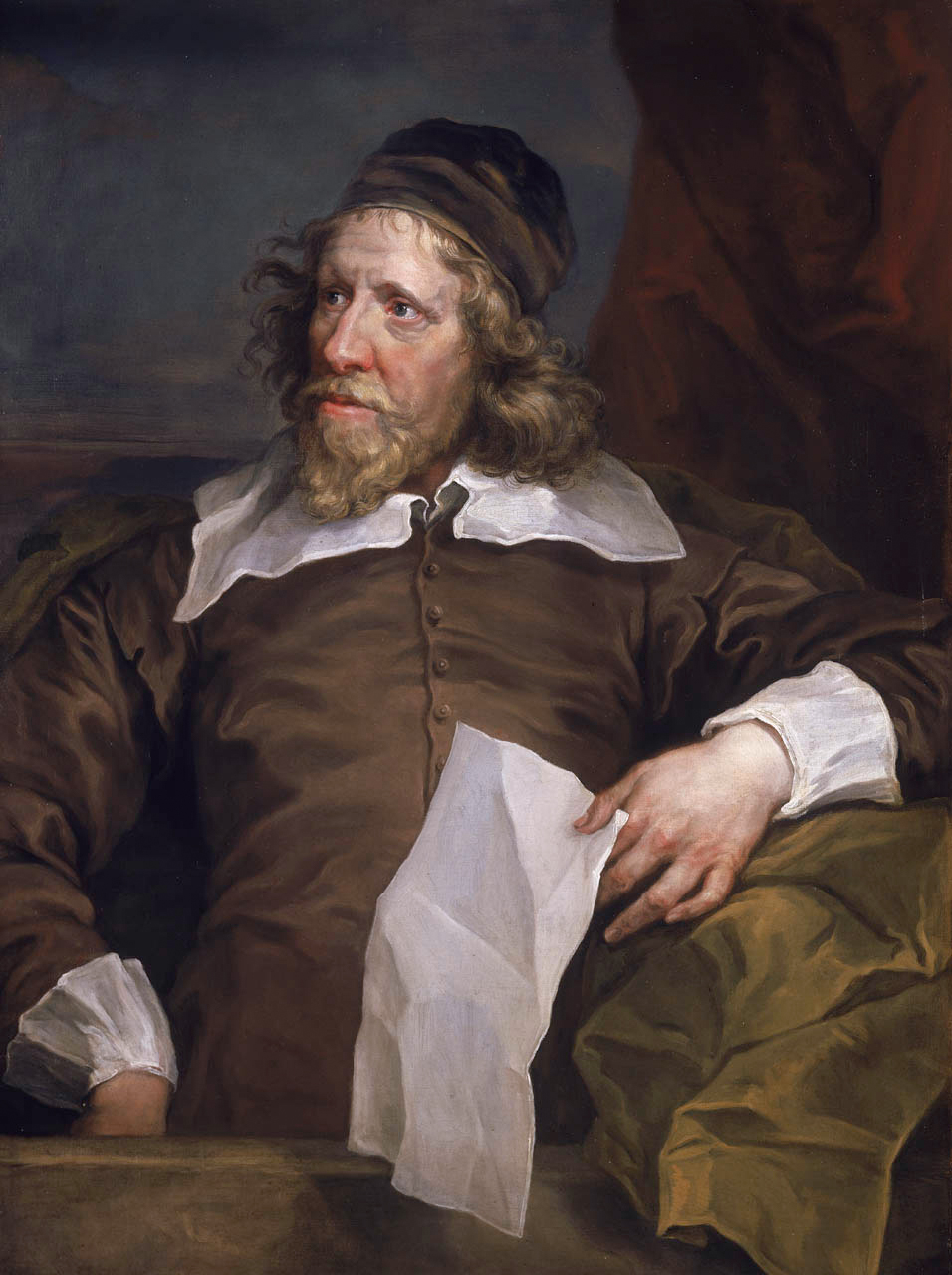
1573Inigo JonesInigo Jones was an English architect who was the first significant architect in England in the early modern era and the first to employ Vitruvian rules of Proportion (architecture) and symmetry in his buildings.
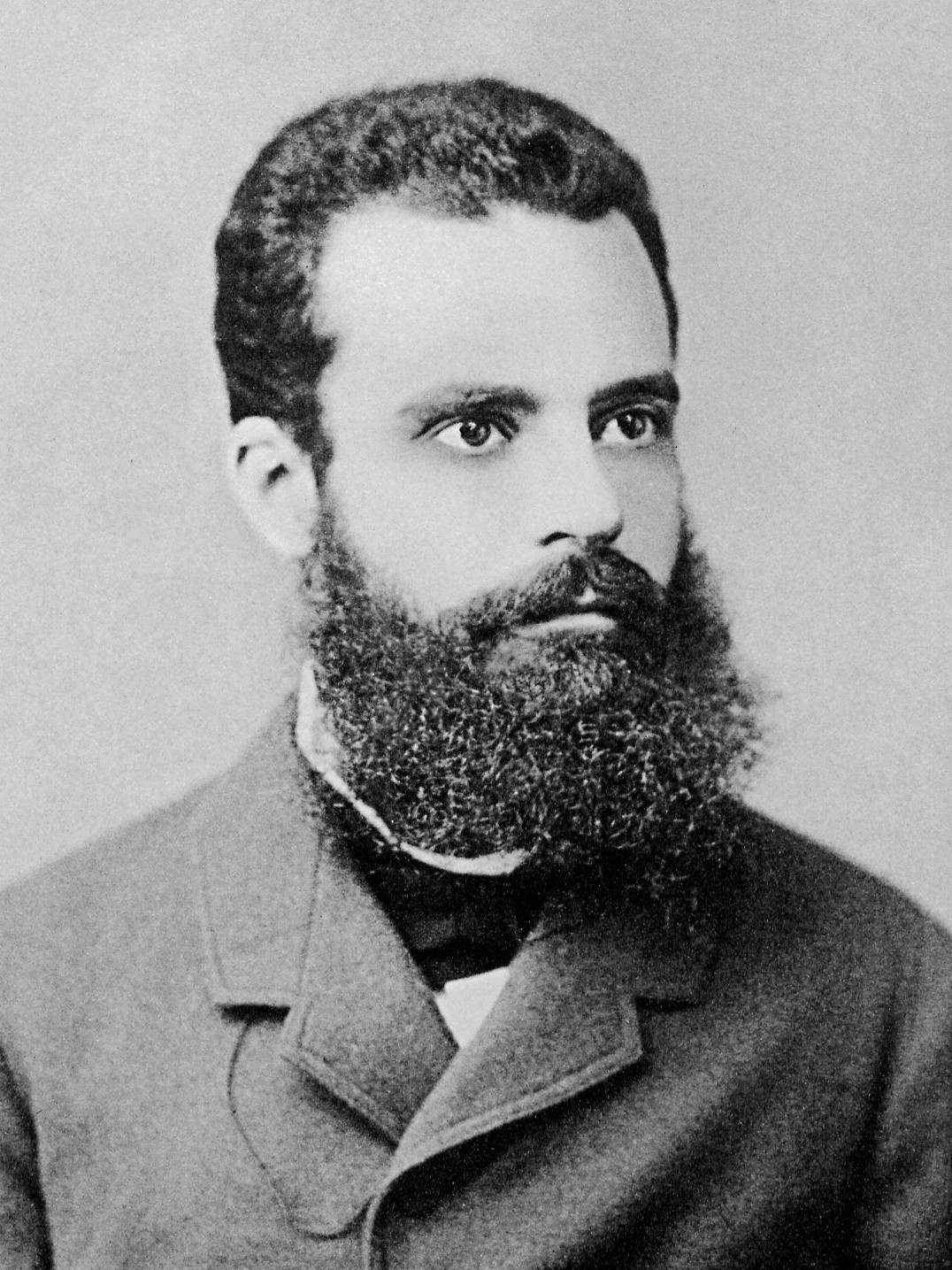
1848Vilfredo ParetoVilfredo Federico Damaso Pareto was an Italian polymath, whose areas of interest included sociology, civil engineering, economics, political science, and philosophy.
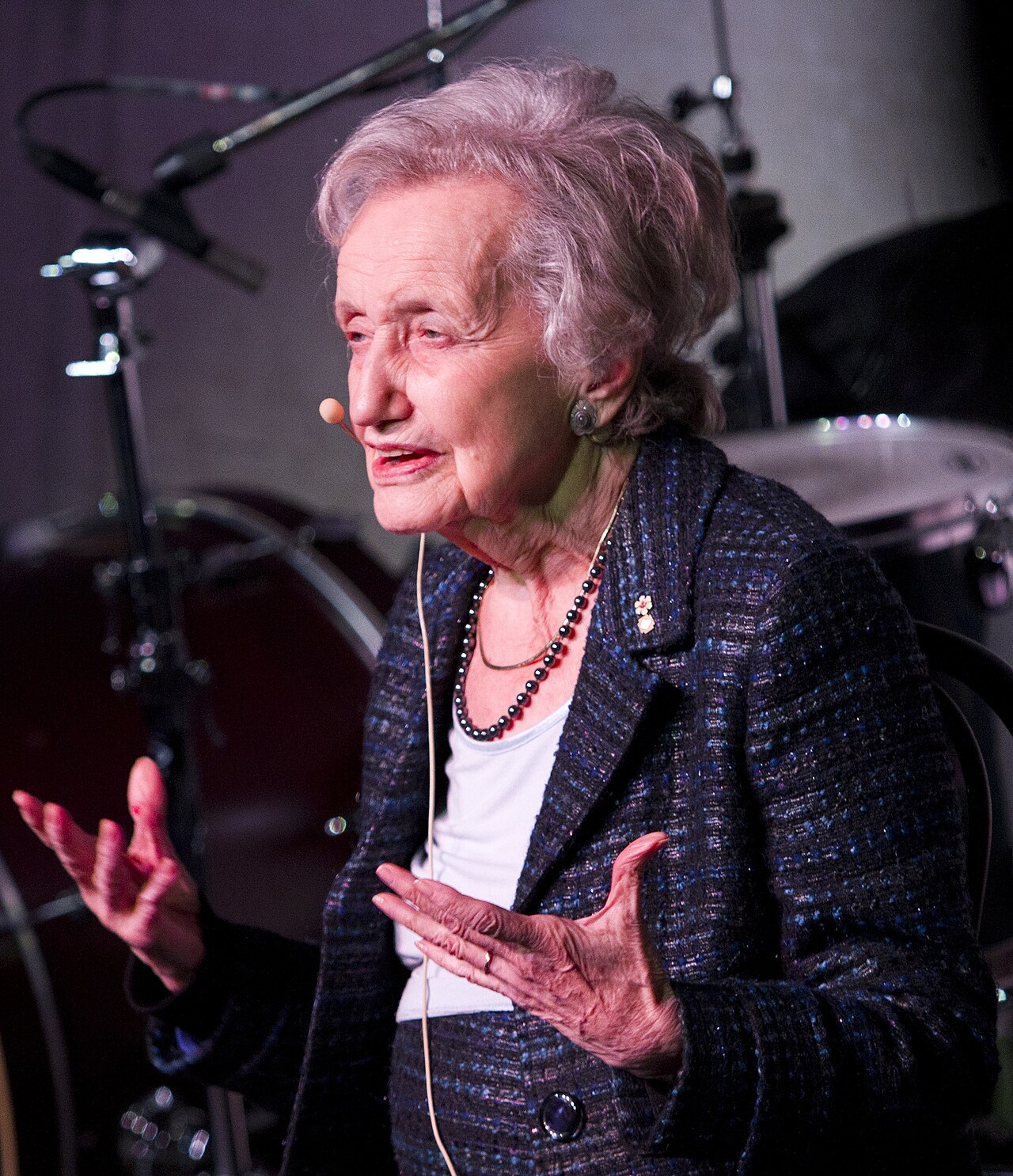
1918Brenda Milner(108 this year)Brenda Milner was a British-Canadian neuropsychologist who has contributed extensively to the research literature on various topics in the field of clinical neuropsychology.
1990Damian Lillard(36 this year)Damian Lamonte Ollie Lillard Sr. is an American rapper and professional basketball player for the Portland Trail Blazers of the National Basketball Association (NBA).
1817Sir John FowlerSir John Fowler, 1st Baronet, KCMG, LLD, FRSE was an English civil engineer specialising in the construction of railways and railway infrastructure.
1905Dorothy FieldsDorothy Fields was an American librettist and lyricist.
1942Vivian Malone JonesVivian Juanita Malone Jones was the first Black American student to graduate from the University of Alabama, in 1965.
1858Emmeline PankhurstEmmeline Pankhurst was a British political activist who organised the British suffragette movement and helped women to win the right to vote in Great Britain and Ireland in 1918, partially due to her role in the White Feather Campaign.
1865Alfred HarmsworthAlfred Charles William Harmsworth, 1st Viscount Northcliffe, was a British newspaper and publishing magnate.
1887Wharton EsherickWharton Esherick was an American artist and designer.
1903K. KamarajKumaraswami Kamaraj, popularly known as Kamarajar, was an Indian independence activist, politician, social reformer, and statesman who served as the Chief Minister of Madras from 13 April 1954 to 2 October 1963.
1919Fritz LangankeThe Knight's Cross of the Iron Cross and its variants were the highest awards in the military and paramilitary forces of Nazi Germany during World War II.
1919Iris MurdochDame Jean Iris Murdoch was an Irish and British novelist and philosopher.
1922Leon M. LedermanLeon Max Lederman was an American experimental physicist who received the Nobel Prize in Physics in 1988, along with Melvin Schwartz and Jack Steinberger, for research on neutrinos.
1934Harrison BirtwistleSir Harrison Birtwistle was an English composer of contemporary classical music best known for his operas, often based on mythological subjects.
1938Bill AlsupBill Alsup was an American race car driver.
1939Aníbal Cavaco Silva(87 this year)Aníbal António Cavaco Silva is a Portuguese economist and politician who served as the president of Portugal from 2006 to 2016, and as prime minister of Portugal, from 1985 to 1995.
1940Ronald Gene SimmonsRonald Gene Simmons Sr. was an American spree mass murderer and former military serviceman who perpetrated an attack that killed 16 people, including 14 members of his own family, over a week in December 1987 in Arkansas.
1947Pridiyathorn Devakula(79 this year)Mom Rajawongse Pridiyathorn Devakula is a Thai economist.
1952Marky Ramone(74 this year)Marc Steven Bell, better known as Marky Ramone, is an American drummer.
1953Sultanah Haminah(73 this year)Che Puan Besar Hajah Haminah binti Haji Hamidun, formerly known as Sultanah Haminah is the former Sultanah of Kedah and the widow of Sultan Abdul Halim Mua'dzam Shah.
1956Ashoke Sen(70 this year)Ashoke Sen FRS is an Indian theoretical physicist and ICTS-Infosys Madhava Chair Professor at the International Centre for Theoretical Sciences (ICTS), Bangalore.
1963Brigitte Nielsen(63 this year)Brigitte Nielsen is a Danish actress, model, and singer.
1965David Miliband(61 this year)David Wright Miliband is a British former politician serving as President of the International Rescue Committee since 2013.
1968Eddie Griffin(58 this year)Edward Rubin Griffin is an American stand-up comedian and actor.
Quote of the Day
“It were not best that we should all think alike; it is difference of opinion that makes horse races.” — Mark Twain, The Tragedy of Pudd'nhead Wilson
July 15 History Quiz
In what year was the Rosetta Stone discovered?
1799
Which two countries fought at the Battle of Grunwald?
Poland and Lithuania vs. Teutonic Knights
What did Napoleon surrender to a British captain in 1815?
Every event on this page was picked by hand from the historical record, written up as a news report, and checked against its source. Photographs are matched to the event they illustrate and verified before they are used. Sources are linked on each story.
![Front page of The evening telegraph, Philadelphia [Pa.], 15 July 1870](https://tile.loc.gov/image-services/iiif/service:ndnp:pst:batch_pst_grange_ver01:data:sn83025925:00280776294:1870071501:0519/full/pct:50/0/default.jpg)
![Front page of New-York tribune, New York [N.Y.], 15 July 1870](https://tile.loc.gov/image-services/iiif/service:ndnp:dlc:batch_dlc_fortran_ver02:data:sn83030214:00206531058:1870071501:0527/full/pct:50/0/default.jpg)

 “Windy”,
  The Eighth Day, Thornton Wilder
 “Lean On Me”,
  “If You Don't Know Me By Now”,
  The Russia House, John le Carré
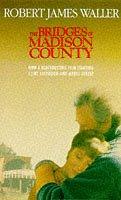 The Bridges of Madison County, Robert James Waller
 “Everything You Want”,
 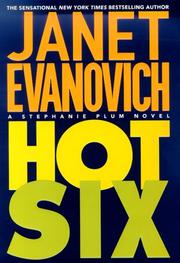 Hot Six, Janet Evanovich
 “Despacito”,
 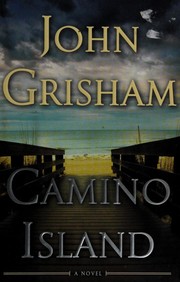 Camino Island, John Grisham
 The Five-Star Weekend, Elin Hilderbrand