Our front page for June 28 — written and set by The Yesterday Times from the events below. Not an archival document.
Day of the year
179
Days left in 2026
186
In 2026 it falls on a
Sunday
Star sign
Cancer
Birthstone
Pearl
On June 28 in 1914, 112 years ago, Archduke and Wife Shot Dead. This page reports 9 stories from the date, 25 people born on this day.
The stories in full
Foreign Despatch
1914 — Archduke and Wife Shot Dead
Gavrilo Princip, 19, kills heir and wife on their 14th anniversary; six-member plot linked to Serbian nationalists.
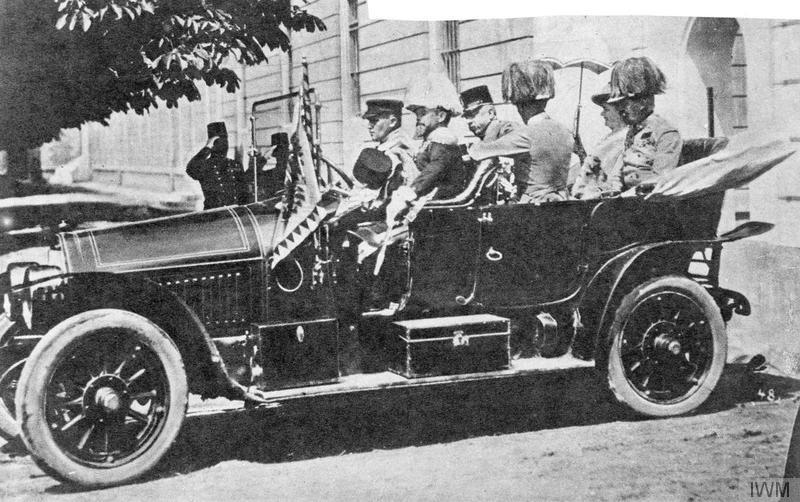
Archduke Franz Ferdinand and Sophie in Sarajevo shortly before their fatal assassination — Jaroslav Bruner-Dvořák
SARAJEVO, June 28 — The Archduke Franz Ferdinand, heir to the throne of Austria-Hungary, and his wife, Sophie, Duchess of Hohenberg, were shot dead this morning while driving through this city. Gavrilo Princip, a 19-year-old Bosnian Serb and a member of the revolutionary band Young Bosnia, fired at close range, killing both within minutes. The day marked the 14th anniversary of their morganatic marriage. Princip was one of a six-member team, all but one of them Bosnian Serbs, coordinated by Danilo Ilić, and aided by the Black Hand, a Serbian secret nationalist group, with support from Dragutin Dimitrijević.
Archduke Franz Ferdinand and his wife Sophie were shot at close range while being driven through Sarajevo on 28 June 1914.
The assassin was 19-year-old Gavrilo Princip, a Bosnian Serb member of the revolutionary group Young Bosnia.
Princip was part of a six-member assassination team coordinated by Danilo Ilić, all but one being Bosnian Serbs.
The assassination team was helped by the Black Hand, a Serbian secret nationalist group, with support from Dragutin Dimitrijević.
The assassination precipitated the July Crisis, leading to Austria-Hungary's declaration of war against Serbia and the start of World War I.
City Desk
1969 — Police Raid on Greenwich Bar Sets Off Gay
Stonewall Inn patrons resist arrest — crowd battles officers in the streets — demonstrations continue through the night
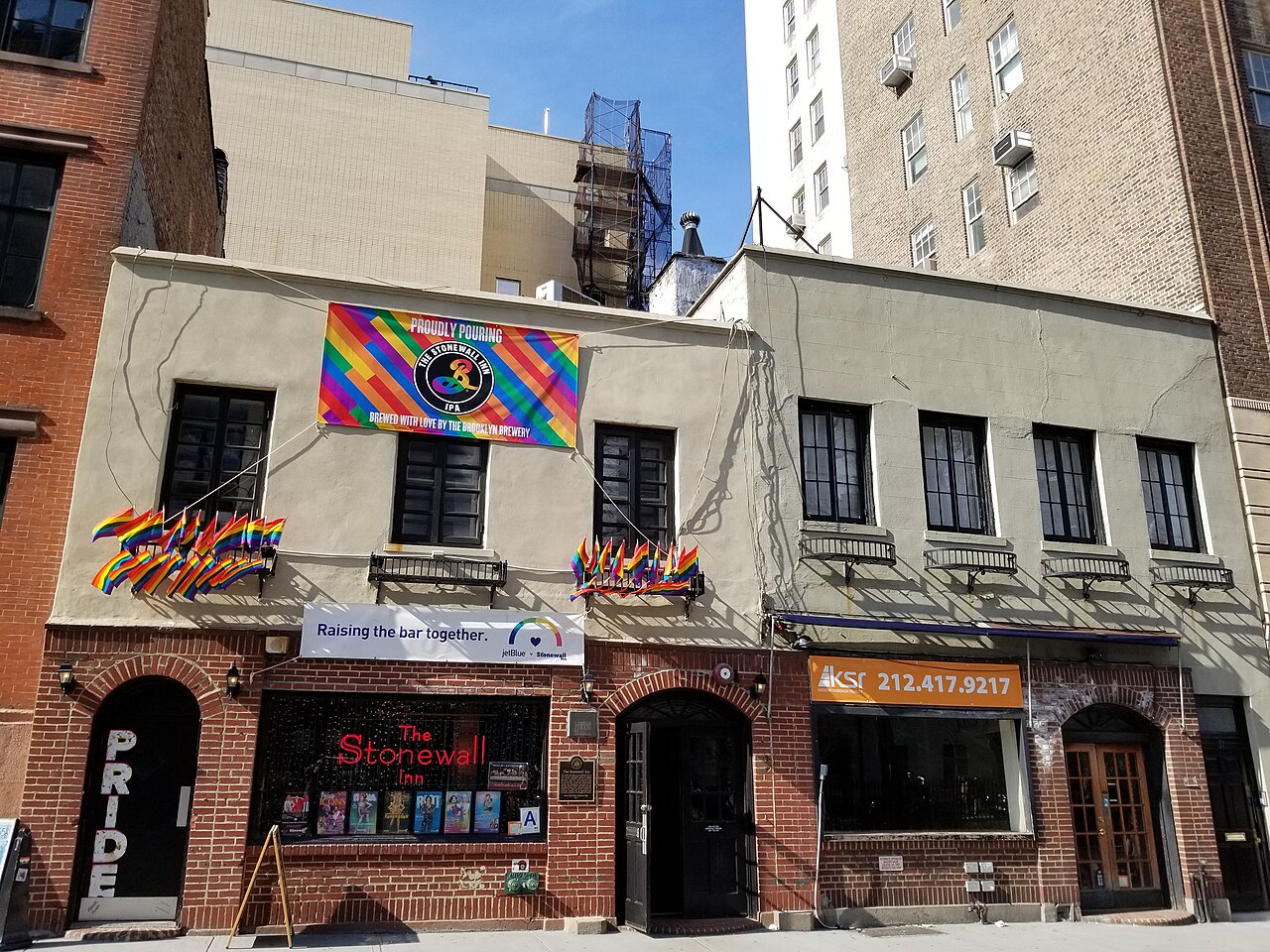
The Stonewall Inn, site of the 1969 demonstrations that sparked the gay rights movement — Antigng
NEW YORK, June 28 — A police raid on the Stonewall Inn, a Greenwich Village bar popular with gay men, erupted into a full-scale riot on Friday night. Officers, expecting a large Friday crowd, quickly lost control as patrons and onlookers fought back, and the demonstrations continued for hours.
The Stonewall Inn was owned by four mafiosos associated with the Genovese crime family, who paid $3,500 for the bar in 1966.
The police raid that sparked the riots occurred late on Friday night, June 28, 1969, when crowd sizes were expected to be at their highest.
Officers quickly lost control of the situation at the Stonewall Inn and attracted a crowd that was incited to riot.
The Stonewall Inn was a popular hangout for gay men, particularly for youth and those on the fringes of the gay community.
The bar went out of business shortly after the riots, and the two buildings were divided and leased to various businesses over the years.
Theatre and Music
1841 — New Ballet 'Giselle' Performed in Paris
Adam's work, with Grisi in the title role, given at the Académie Royale — receipts double those of 1839
PARIS, June 28 — The new ballet 'Giselle,' by the composer Adolphe Adam, was first performed this evening at the Théâtre de l'Académie Royale de Musique, preceded by the third act of Rossini's 'Mosè in Egitto.' The Italian ballerina Carlotta Grisi originated the title role, to the acclaim of the audience.
Italian ballerina Carlotta Grisi originated the title role of Giselle at its premiere on 28 June 1841.
The ballet was preceded by the third act of Rossini's opera Mosè in Egitto, typical of theatrical practices at the time.
Giselle earned 6,500 French francs between June and September 1841, twice the amount for the same period in 1839.
Théophile Gautier wrote in an 1841 article that the Wilis would make a 'pretty ballet' after reading Heinrich Heine's description.
A silk cloth called 'façonné Giselle' was manufactured, and a milliner sold an artificial flower named 'Giselle'.
War Desk
1942 — Germans Open Southern Offensive With Tanks and Dive Bombers
Case Blue drives on Baku and Stalingrad as Army Group South advances 48 kilometres in first day
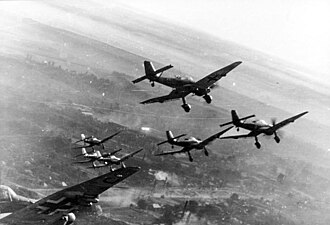
German Luftwaffe Junkers Ju 87 dive bombers launch the Case Blue offensive in 1942 — Richard Opitz
SOUTHERN RUSSIA, June 28 — The roar of Junkers Ju 87 dive bombers filled the dawn sky as the Wehrmacht launched its long-awaited summer offensive, Case Blue. Striking from Army Group South, the Germans advanced 48 kilometers on the first day, their columns of 1,934 tanks and 2,035 aircraft supporting 1,570,287 men.
Case Blue was the Wehrmacht's plan for the 1942 strategic summer offensive in southern Russia between 28 June and 24 November 1942.
The offensive aimed to capture the oil fields of Baku, Grozny and Maikop to re-supply German fuel stocks and deny them to the Soviet Union.
Army Group South, with 1,570,287 men, 2,035 Luftwaffe aircraft, and 1,934 tanks, advanced 48 kilometers on the first day.
The operation involved a two-pronged attack: Operation Edelweiss toward Baku and Operation Fischreiher toward Stalingrad along the Don River.
Baku, the capital of Azerbaijan, produced 80 percent of the Soviet Union's oil—about 24 million tons in 1942 alone.
Provincial Intelligence
1776 — Charleston Saved as Militia Repels British
Enemy withdraws after failing to take Sullivan's Island
CHARLESTON, June 28 — The deliverance of this capital from the King's arms stands as the foremost consequence of this day's action, for the militia of the Province of South Carolina hath repelled the British attack upon our city. The expedition, landing on Sullivan's Island, did assault with great fury, yet found our countrymen resolute. The cannonade continued through the hours, but the enemy, unable to force the position, hath withdrawn. Our losses are reported small, the victory complete. The Province remains in our hands, and the spirit of resistance prevails.
A British expedition launched an attack on Charleston in the Battle of Sullivan's Island on June 28, 1776, but it failed.
The Colonies
1880 — Kelly Captured After Glenrowan Siege
Bushranger's armour pierced; sole survivor of gang lies wounded
MELBOURNE, June 28 — Ned Kelly, the bushranger whose name loomed large in colonial crime, was captured at Glenrowan after a twelve-hour gun battle. Clad in a homemade suit of bulletproof armour fashioned from plough mouldboards, he was the only gang member to survive the siege. Police, tipped off about the plan to derail and ambush a train, surrounded the hotel where the gang held dozens of hostages. Kelly, severely wounded by police fire, was taken into custody. His armour, scarred by bullets, drew curious stares as police escorted him from the wrecked hotel.
Ned Kelly was the only gang member to survive the 12-hour siege at Glenrowan.
Kelly wore a homemade suit of bulletproof armour fashioned from plough mouldboards during the final shootout.
The gang held dozens of hostages in a hotel during the siege at Glenrowan.
Kelly was severely wounded by police fire and captured after the gun battle.
The police were tipped off about the gang's plan to derail and ambush a police train.
Polish Desk
1956 — Poznan Workers' Protest Crushed; Tanks Fire on 100,000
Army and Security Corps suppress strike — death toll 57 to 100, a boy among the slain
POZNAN, June 28 — The workers of the Joseph Stalin Metal Industries, some 80 percent of whom had lost bonus pay through raised quotas, began a strike at 6:30 a.m. that swelled into a protest of 100,000 near the Ministry of Public Security. Singing 'The Internationale' and carrying banners reading 'We demand bread,' the crowd demanded compensation and freedoms. General Stanislav Poplavsky's 10,000 soldiers and about 400 tanks fired on the civilians. The death toll is estimated from 57 to over a hundred, including 13-year-old Romek Strzalkowski. The protest has been violently repressed.
A crowd of approximately 100,000 people gathered near the local Ministry of Public Security building in Poznań.
About 400 tanks and 10,000 soldiers under General Stanislav Poplavsky fired on protesting civilians.
The death toll is estimated from 57 to over a hundred people, including 13-year-old boy Romek Strzałkowski.
On 28 June 1956, a spontaneous strike started at 6:30 a.m. at the Joseph Stalin Metal Industries in Poznań.
Around 80% of workers, who had lost bonus pay due to raised work quotas, marched demanding compensation and freedoms.
Musical Instruments
1846 — Sax Patents New Horn; Berlioz Praises Invention
Belgian musician secures rights to saxophone — two families of seven instruments designed for band and orchestra
PARIS, June 28 — By a patent granted this day, Adolphe Sax, the Belgian musician, hath secured his design of the saxophone, an instrument conceived for the orchestra and the military band. Already in 1842, the composer Hector Berlioz wrote approvingly of the new voice. Sax hath devised two groups of seven instruments each, the one pitched in C and F, the other in B-flat and E-flat. His range extends from sopranino to subcontrabass, though not all have yet been built. The patent confirms his claim to a family of horns that promises to enrich the concert hall.
Adolphe Sax patented the saxophone on 28 June 1846.
By 1846 Sax had designed saxophones ranging from sopranino to subcontrabass, though not all were built.
Sax invented two groups of seven instruments each, one in C and F and the other in B♭ and E♭.
Composer Hector Berlioz wrote approvingly of the new instrument in 1842.
Sax intended the saxophone for use in orchestras and military bands.
Supreme Court Report
1978 — High Court Bars Quotas but Upholds Affirmative Action in UC Davis Case
Racial quotas in admissions ruled impermissible — race may remain a factor — Bakke admitted to medical school
WASHINGTON, June 28 — The Supreme Court today barred rigid racial quotas in college admissions but ruled that affirmative-action programs favoring minorities are constitutional, in a landmark decision in the case of Allan Bakke versus the University of California. The Court held that the specific quota at the UC Davis medical school, which reserved 16 of 100 places for minority applicants, was impermissible, but that race could be considered as one factor among several in admitting students. Bakke, an engineer and former Marine officer, was ordered admitted. The Court's ruling was announced this morning. Bakke is expected to enroll at Davis in the fall, and the university must pay $183,089 in legal fees. The decision ends a four-year legal battle that began when Bakke was rejected by the school twice. The four other justices who supported Bakke’s admission joined in separate opinions, leaving the Court split 5-4 on the central question. Bakke, now 38, said he planned to begin his medical studies in September, telling reporters he was relieved the long fight had ended.
The Supreme Court ruled that specific racial quotas, such as the 16 out of 100 seats set aside by UC Davis, were impermissible.
The court upheld affirmative action, allowing race to be one of several factors in college admission.
The decision was announced on June 28, 1978.
Allan Bakke, an engineer and former Marine officer, was admitted to UC Davis medical school after the ruling.
Bakke enrolled on September 25, 1978, stating 'I am happy to be here'.
What the papers printed that morning
Real front pages from 28 June 1914, scanned by the Library of Congress. These are archival documents, not our work.
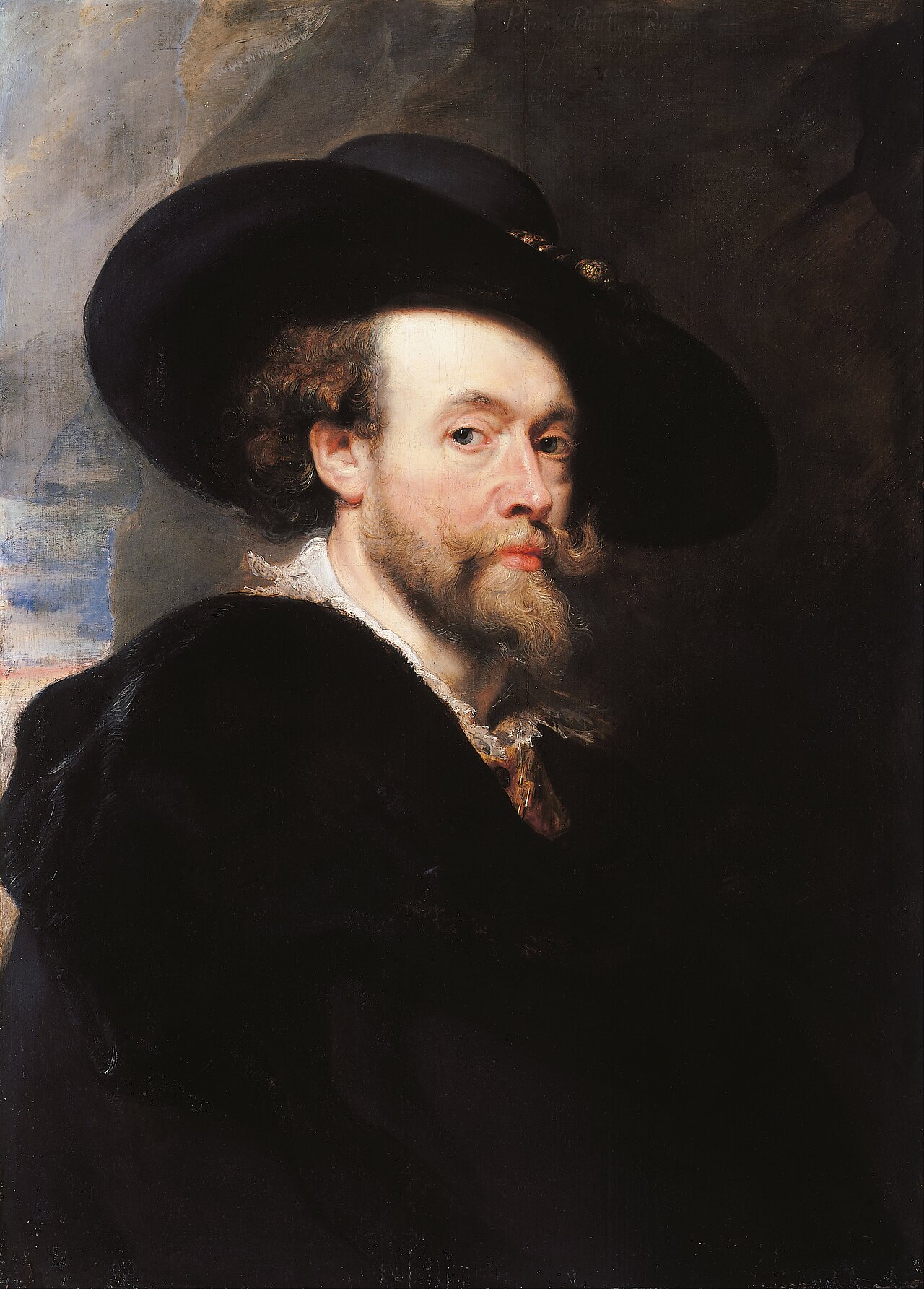
1577Peter Paul RubensSir Peter Paul Rubens was a Flemish artist and diplomat.
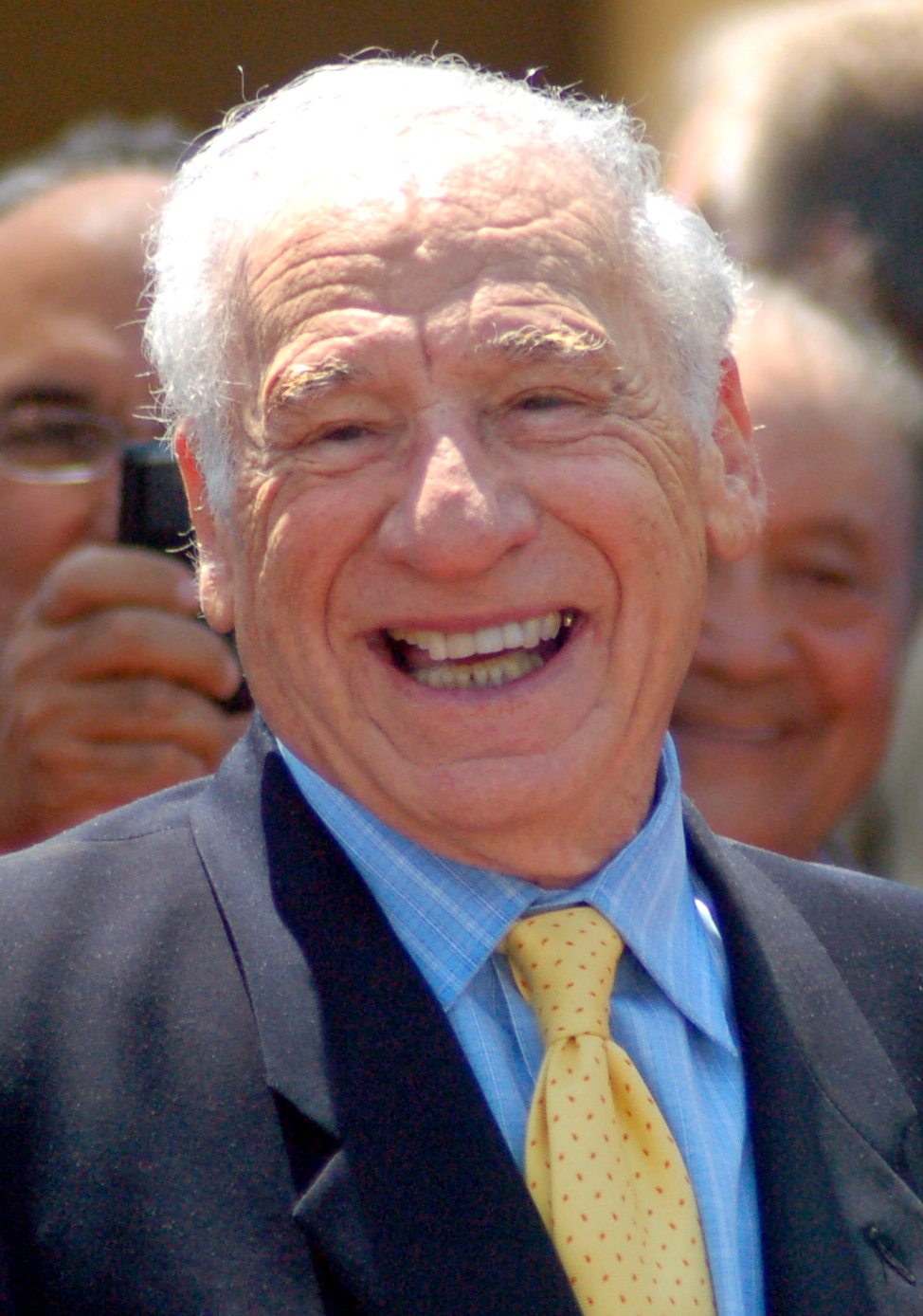
1926Mel Brooks(100 this year)Melvin James Brooks is an American actor, comedian, film director, songwriter and playwright.
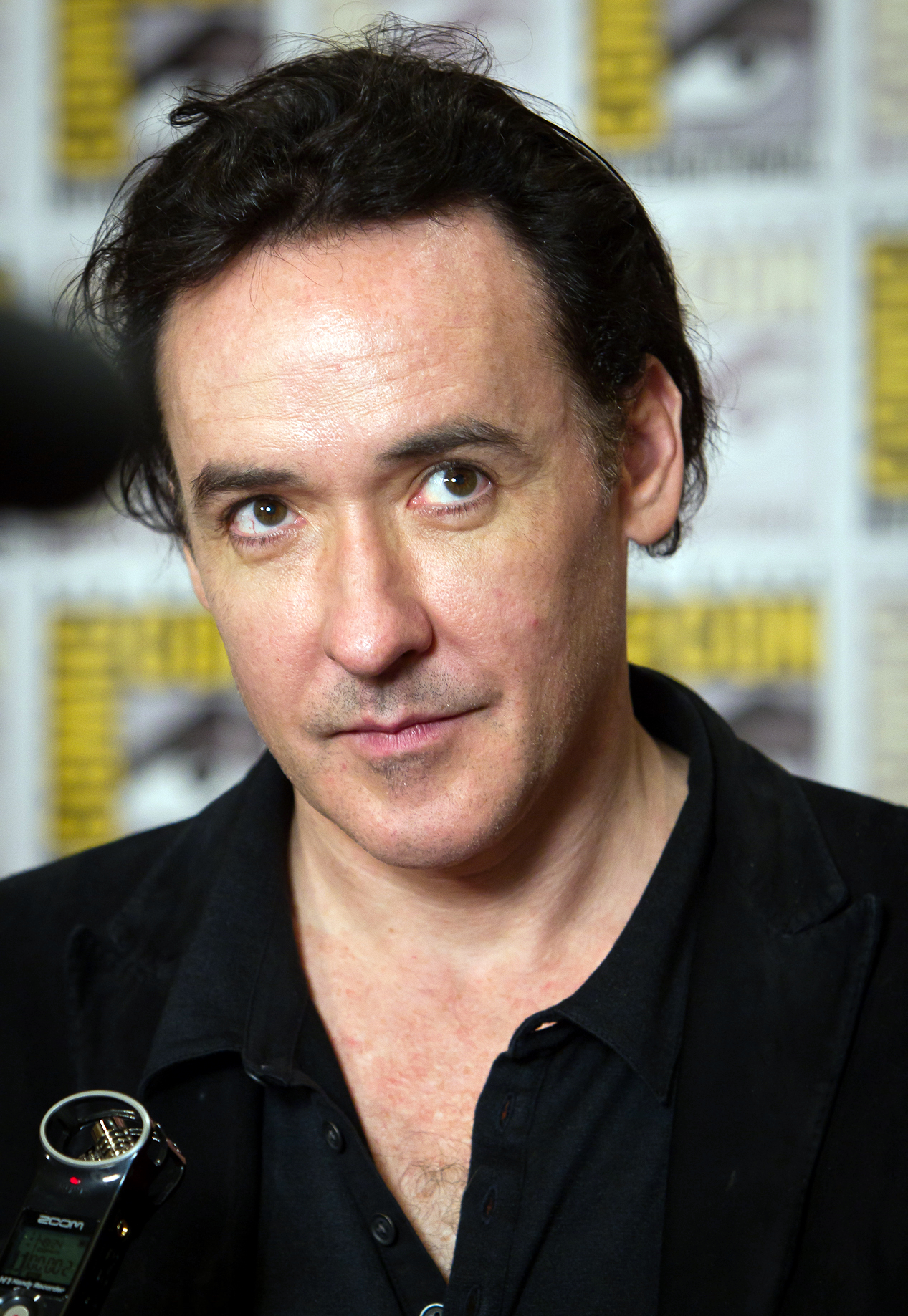
1966John Cusack(60 this year)John Paul Cusack is an American actor.
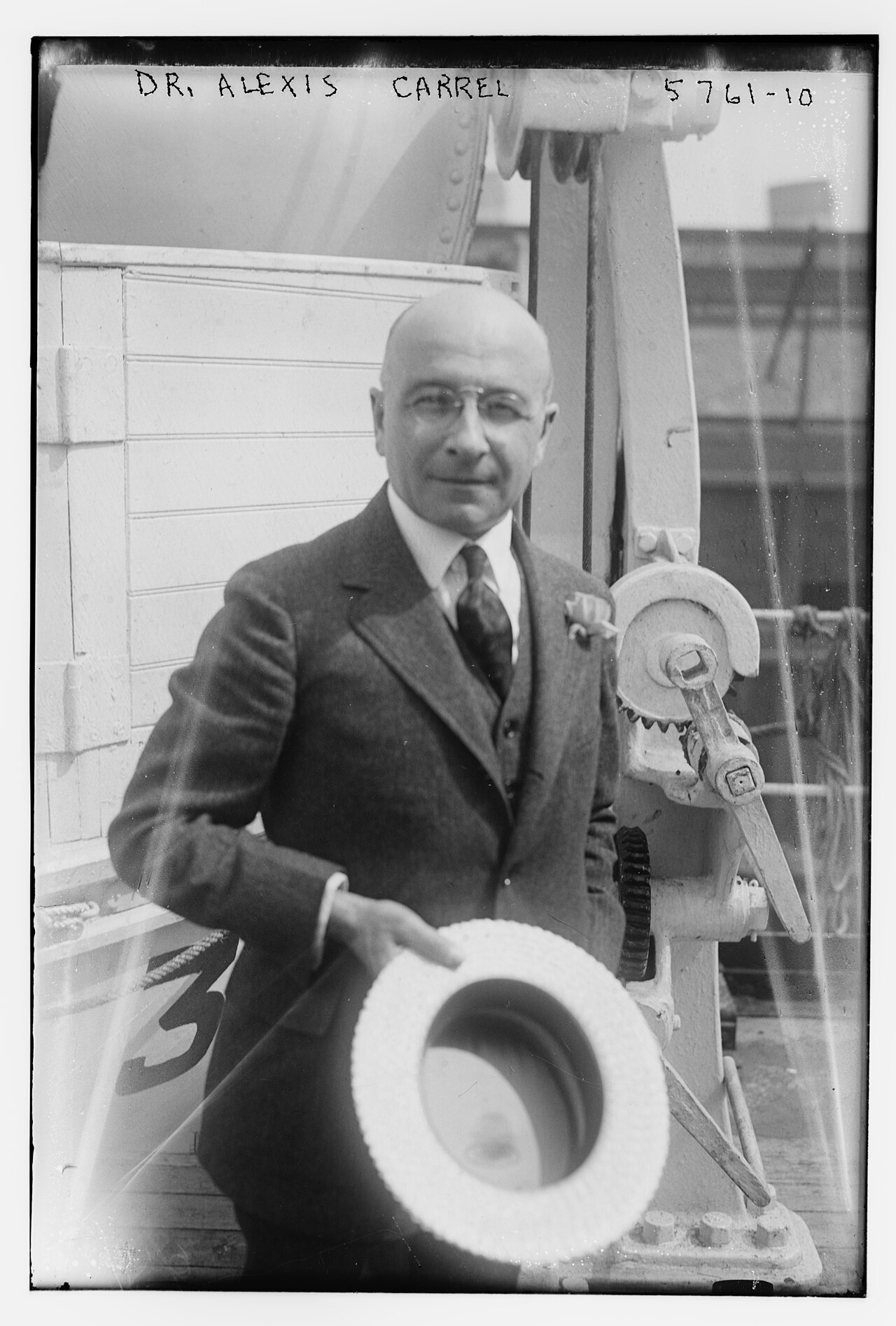
1873Alexis CarrelAlexis Carrel was a French surgeon and biologist who spent most of his scientific career in the United States.
1928Hans Blix(98 this year)Hans Martin Blix is a Swedish diplomat and politician for the Liberal People's Party.
1931Junior JohnsonRobert Glenn Johnson Jr. , better known as Junior Johnson, was an American professional stock car racing driver, engineer, and team owner as well as an entrepreneur.
1945Raul SeixasRaul Santos Seixas was a Brazilian singer, songwriter, producer, and multi-instrumentalist, considered the "Father of Brazilian Rock".
1444CharlotteCharlotte was the Queen of Cyprus from 1458 until 1464.
1476Pope Paul IVPope Paul IV, born Gian Pietro Carafa, was head of the Catholic Church and leader of the Papal States from 23 May 1555 to his death, in August 1559.
1503Giovanni della CasaGiovanni della Casa was an Italian poet, diplomat, clergyman and inquisitor, and writer on etiquette and society.
1852Charles CruftCharles Alfred Cruft was a British showman who founded the Crufts dog show.
1888George ChallenorGeorge Challenor was a Barbadian cricketer who was part of the first West Indies Test side, and who faced the very first ball bowled to a West Indian cricketer in a Test match.
1907Yvonne SylvainYvonne Sylvain was a Haitian physician who was the first female medical doctor from the country.
1921P. V. Narasimha RaoPamulaparthi Venkata Narasimha Rao was an Indian independence activist, lawyer, and politician from the Indian National Congress who served as the prime minister of India from 1991 to 1996.
1928Patrick HemingwayPatrick Miller Hemingway was an American wildlife manager and writer who was novelist Ernest Hemingway's second son and the first born to Hemingway's second wife Pauline Pfeiffer.
1930William C. Campbell(96 this year)William Cecil Campbell is an Irish and American microbiologist known for his work in discovering a novel therapy against infections caused by roundworms, for which he was jointly awarded the 2015 Nobel Prize in Physiology or Medicine.
1942Frank Zane(84 this year)Frank Zane is a retired American professional bodybuilder and author.
1945Türkan Şoray(81 this year)Türkan Şoray is a Turkish actress, writer and film director.
1946Jaime GuzmánJaime Jorge Guzmán Errázuriz was a Chilean constitutional law professor, politician, and founding member of the conservative Independent Democratic Union party.
1947Laura Tyson(79 this year)Laura D'Andrea Tyson is an American economist and university administrator who is currently a Distinguished Professor of the Graduate School at the Haas School of Business of the University of California, Berkeley and a senior fellow at the Berggruen Institute.
1949Don BaylorDon Edward Baylor, nicknamed "Groove," was an American professional baseball player, coach and manager.
1961Kurt Eichenwald(65 this year)Kurt Alexander Eichenwald is an American journalist and a New York Times bestselling author of five books, one of which, The Informant (2000), was made into a motion picture in 2009.
1966Mary Stuart Masterson(60 this year)Mary Stuart Masterson is an American actress, producer, and director.
1967Leona Aglukkaq(59 this year)Leona Aglukkaq is a Canadian politician.
1967Gil Bellows(59 this year)Gil Bellows is a Canadian actor, producer, screenwriter, and director.
Quote of the Day
“Christmas won't be Christmas without any presents.” — Louisa May Alcott, Little Women
June 28 History Quiz
Who assassinated Archduke Franz Ferdinand on June 28, 1914?
Gavrilo Princip
What event is commemorated by the Stonewall Inn demonstrations of June 28, 1969?
Gay rights movement
What instrument did Adolphe Sax patent on June 28, 1846?
Every event on this page was picked by hand from the historical record, written up as a news report, and checked against its source. Photographs are matched to the event they illustrate and verified before they are used. Sources are linked on each story.
![Front page of The sun, New York [N.Y.], 28 June 1914](https://tile.loc.gov/image-services/iiif/service:ndnp:nn:batch_nn_futuyma_ver02:data:sn83030272:00211100047:1914062801:1054/full/pct:50/0/default.jpg)


 The Love Machine, Jacqueline Susann
 The Moneychangers, Arthur Hailey
 The Bourne Identity, Robert Ludlum
 Plum Island, Nelson DeMille
 “This Is The Night”,
  The Da Vinci Code, Dan Brown
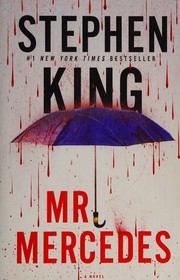 Mr. Mercedes, Stephen King
 “Ordinary”,
  Atmosphere, Taylor Jenkins Reid