Our front page for December 25 — written and set by The Yesterday Times from the events below. Not an archival document.
Day of the year
359
Days left in 2026
6
In 2026 it falls on a
Friday
Star sign
Capricorn
Birthstone
Turquoise
On December 25 in 1990, 36 years ago, Berners-Lee Unveils WorldWideWeb, First Browser. This page reports 10 stories from the date, 25 people born on this day.
The stories in full
Computing
1990 — Berners-Lee Unveils WorldWideWeb, First Browser
On December 25, 1990, Tim Berners-Lee released WorldWideWeb, the first browser and editor, along with the first server, CERN httpd.
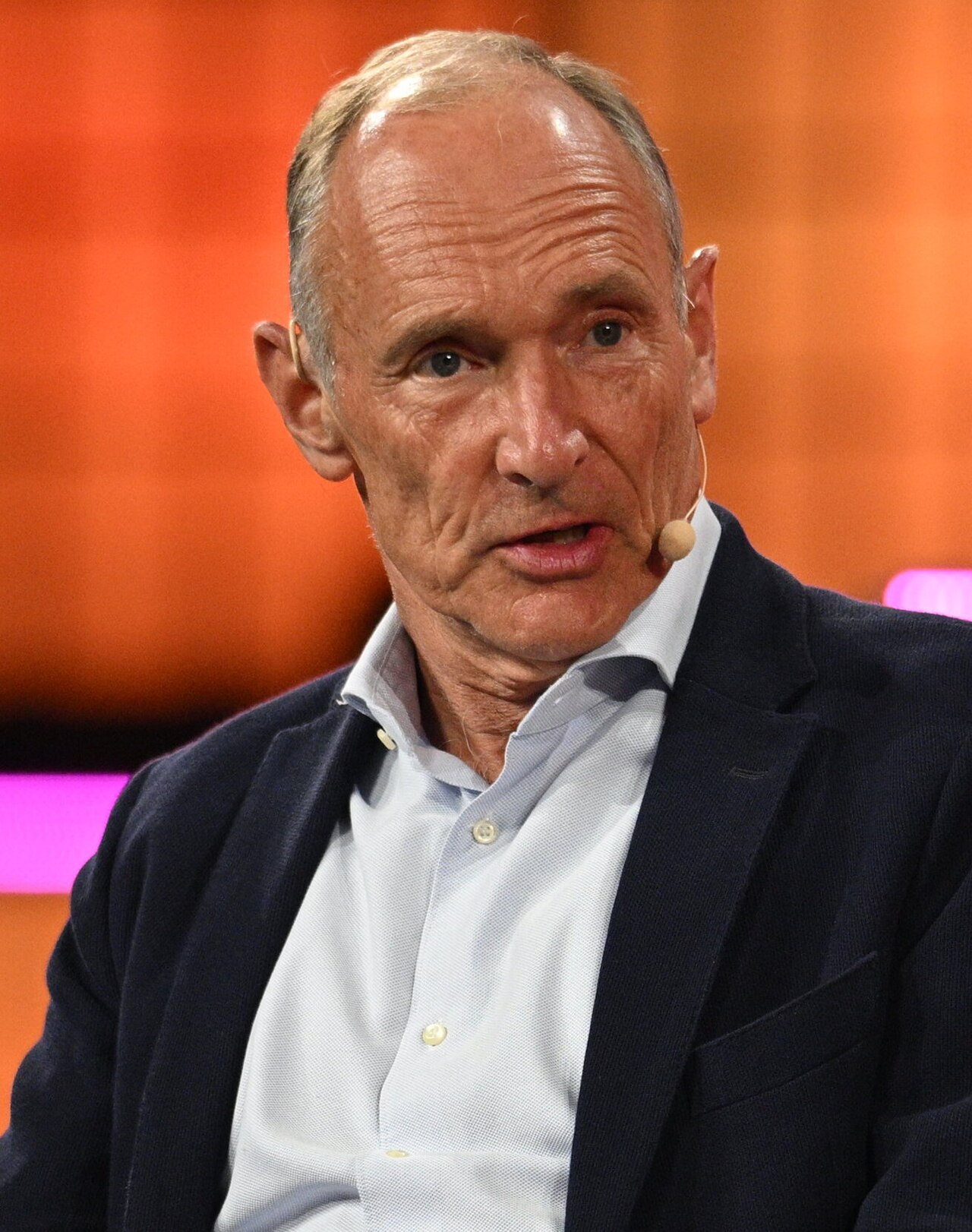
Tim Berners-Lee, who revolutionized global communication by creating the first web browser — Web Summit
At CERN, a NeXT computer now runs software that could change global communication. On December 25, 1990, Tim Berners-Lee released WorldWideWeb, the first web browser and a WYSIWYG HTML editor, marking the public debut of a system for navigating and creating pages on the emerging web. Running on NeXTSTEP, the browser also served as an editor, letting users craft pages with a visual interface. Berners-Lee released the first web server, CERN httpd, the same day, and the first website had appeared five days earlier. The browser's editing capability reflects his vision of a collaborative web, not a one-way broadcast. The software is now available to NeXT users, with protocols openly documented. The web remains niche, but this complete publishing platform is a crucial step toward wider use.
Berners-Lee released the first web browser, WorldWideWeb, on December 25, 1990.
The first web browser, WorldWideWeb, ran on the NeXTSTEP operating system.
Berners-Lee also released the first web server, CERN httpd, on the same day.
The first website, describing the World Wide Web project, was published on December 20, 1990.
Berners-Lee's browser software also functioned as an editor for creating web pages.
World Affairs
1991 — Gorbachev Resigns, Transfers Power to Yeltsin; Soviet Flag Lowered
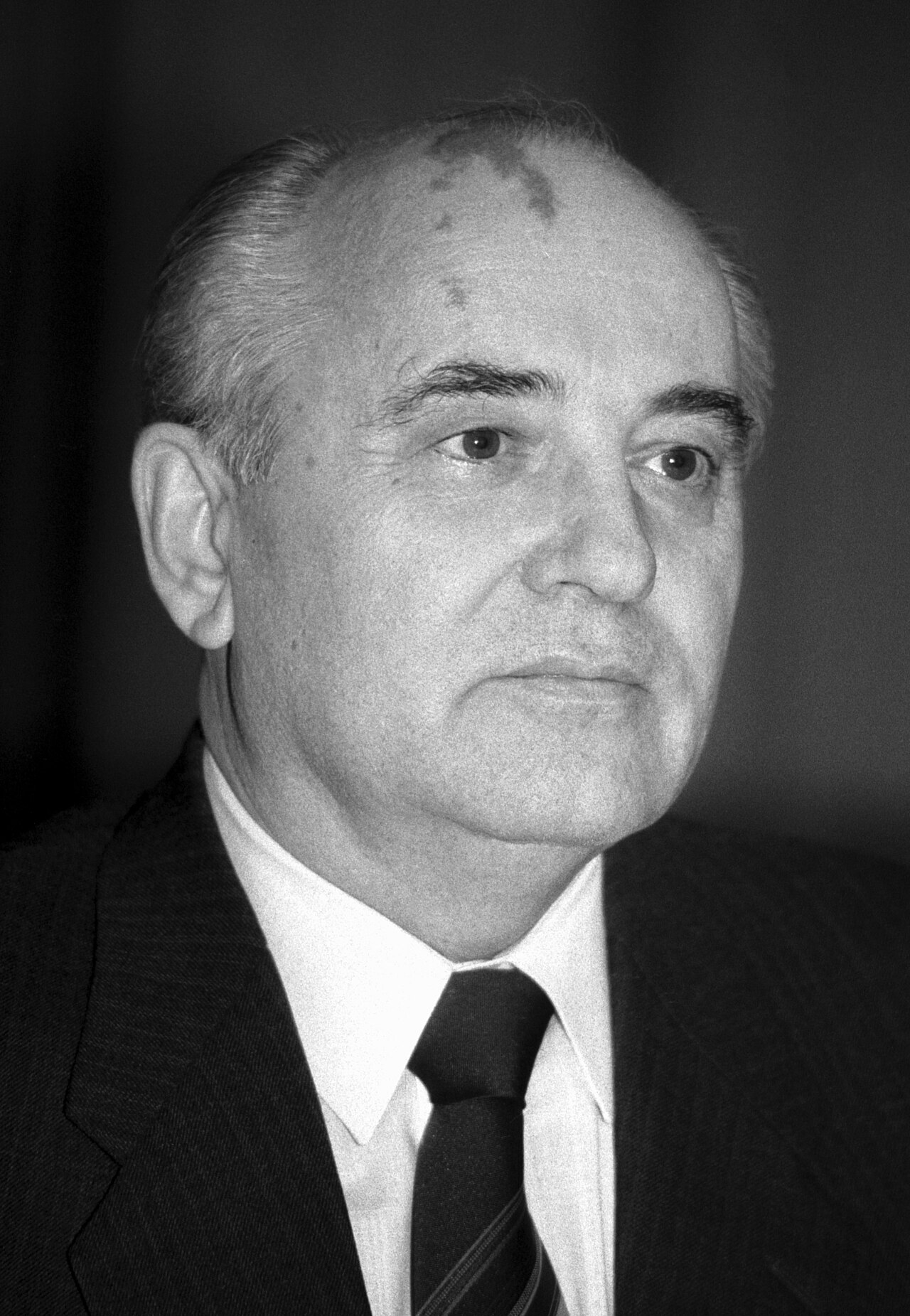
Mikhail Gorbachev steps down as Soviet president, handing nuclear codes to Boris Yeltsin, as the red flag is lowered from the Kremlin and the Soviet Union hurtles toward formal dissolution.
The Soviet Union effectively passed into history tonight. In a nationally televised address, President Mikhail Gorbachev resigned, handing his powers — including control of the nuclear launch codes — to Russian leader Boris Yeltsin. The red flag with the hammer and sickle was lowered from the Moscow Kremlin for the last time and replaced with the Russian tricolor.
Gorbachev's resignation, coming four months after the failed August coup by hardliners, sealed the collapse of the Communist Party and the end of a superpower that had dominated the world for seven decades. The formal dissolution is set for tomorrow, when the Soviet of the Republics is expected to adopt Declaration No. 142-N.
The resignation marks a stunning reversal for a man who came to power in 1985 promising reform. His policies of glasnost and perestroika opened the door to change but also unleashed forces that ultimately swept him aside.
Gorbachev resigned on 25 December 1991 and transferred his presidential powers, including control of nuclear launch codes, to Boris Yeltsin.
The Soviet flag was lowered from the Moscow Kremlin for the last time that evening and replaced with the Russian tricolor.
The Soviet Union was formally dissolved the following day, 26 December 1991, by the Soviet of the Republics adopting Declaration No. 142-N.
Gorbachev's resignation came four months after the failed August 1991 coup by hardliners, which led to the collapse of the Communist Party and the USSR's dissolution.
Europe
1989 — Ceaușescu and Wife Executed by Firing Squad
Romania's dictator and his wife Elena are executed by firing squad on Christmas Day after a drumhead trial.
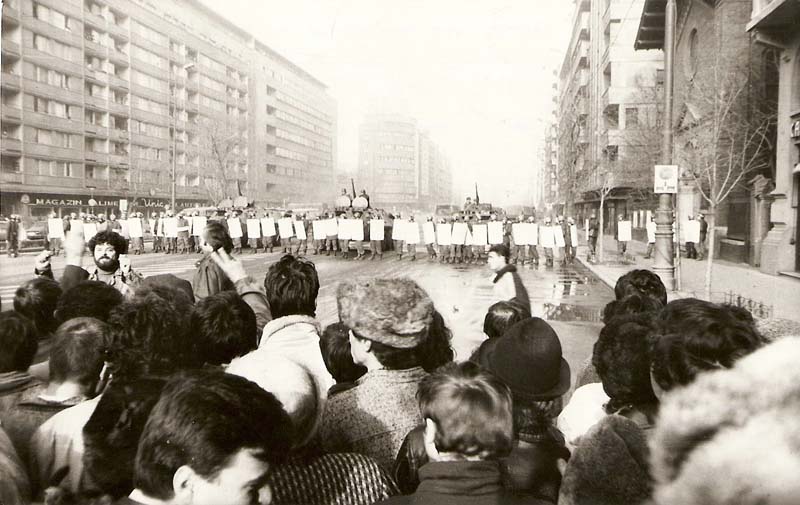
Romanian soldiers stand guard in Bucharest during the 1989 revolution against Nicolae Ceaușescu — Not credited
When communist regimes fell across Eastern Europe in 1989, Romania's did not yield quietly. On Christmas Day, the world saw the final act: Nicolae Ceaușescu, the dictator who had ruled with an iron fist for 24 years, and his wife Elena were executed by firing squad in Târgoviște.
The couple were convicted of economic sabotage and genocide in a show trial before a drumhead military tribunal, after fleeing Bucharest by helicopter on December 22 when protesters stormed the party headquarters. They were captured in Târgoviște following a manhunt.
Nicolae Ceaușescu and his wife Elena were executed by firing squad on 25 December 1989 in Târgoviște.
The Ceaușescus were convicted of economic sabotage and genocide in a show trial before their execution.
The Romanian revolution began in Timișoara in mid-December 1989 after an attempt to evict pastor László Tőkés.
Over one thousand people died and thousands more were injured during the Romanian revolution.
Nicolae Ceaușescu and his wife Elena fled Bucharest by helicopter on 22 December 1989 after protesters stormed the party headquarters.
Russia
2016 — Tu-154 Crash Kills 92, Including Army Choir
A Russian Defence Ministry Tupolev Tu-154 crashes into the Black Sea after takeoff from Sochi, killing all on board.
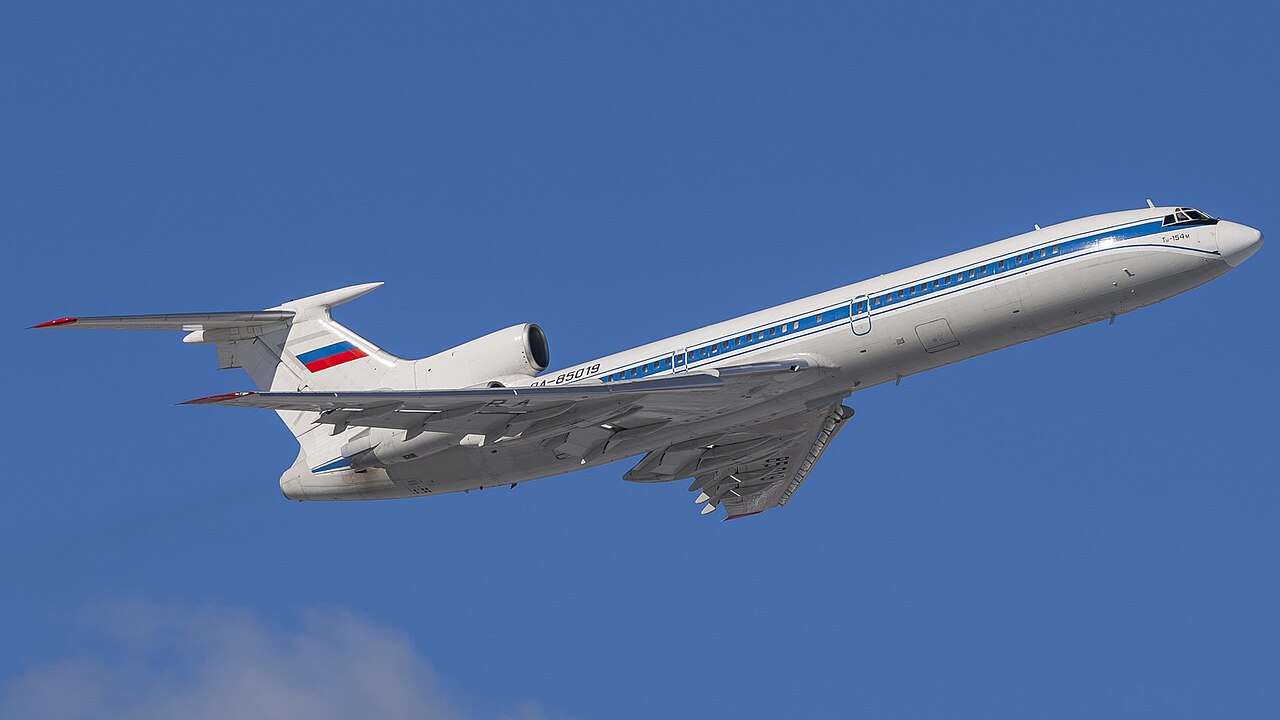
The Russian Defence Ministry Tu-154 that crashed into the Black Sea killing 92 people — Papas Dos from Moscow, Russia
A Russian Defence Ministry Tupolev Tu-154 crashed into the Black Sea shortly after takeoff from Sochi, killing all 92 aboard. Among the dead were 64 members of the Alexandrov Ensemble, the official army choir, en route to a New Year's concert. The aircraft, built in 1983, went down minutes after departure. The ministry grounded all Tu-154s pending investigation.
The Tu-154 crashed into the Black Sea just after takeoff from Sochi on 25 December 2016.
All 92 people on board were killed, including 64 members of the Alexandrov Ensemble, an official army choir.
The Russian Defence Ministry grounded all its Tu-154s on 27 December 2016 pending investigation into the crash.
The aircraft was a 1983 Tupolev Tu-154.
The Holy Land Chronicle
1100 — Baldwin Crowned First King of Jerusalem in Bethlehem
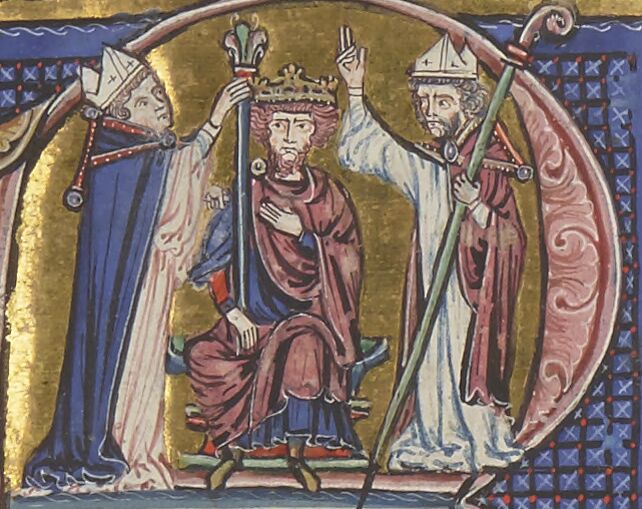
On Christmas Day, Baldwin I received the crown at the Church of the Nativity, becoming the first crowned king of Jerusalem.
Baldwin I, the first king of Jerusalem, receives his crown in Bethlehem — unknown
Two hundred knights and 300 to 700 foot-soldiers marched with Baldwin from Edessa on 2 October, and on Christmas Day he was crowned the first King of Jerusalem by Latin Patriarch Daimbert in the Church of the Nativity in Bethlehem. Godfrey of Bouillon had been elected ruler but refused the crown, so Baldwin took it after Godfrey's death, meeting little resistance on the march.
Latin Patriarch Daimbert crowned Baldwin I king in Bethlehem on 25 December 1100.
Godfrey of Bouillon had been elected ruler of Jerusalem but chose not to be crowned, making Baldwin the first crowned king.
Baldwin marched to Jerusalem after Godfrey's death, meeting little resistance, to claim the throne.
Baldwin left Edessa on 2 October 1100 with about 200 knights and 300–700 foot-soldiers.
Duqaq of Damascus attempted to ambush Baldwin near the Nahr al-Kalb River, but the qadi of Tripoli secretly warned him, enabling a rout.
The Norman Court
1066 — William Crowned King of England at Westminster
The Duke of Normandy received the English crown on Christmas Day, 1066, months after defeating Harold at Hastings.
William, Duke of Normandy, was crowned King of England at Westminster Abbey on Christmas Day, 1066. His invasion force of thousands of men and hundreds of ships landed at Pevensey in Sussex on 28 September, and on 14 October he decisively defeated and killed Harold at the Battle of Hastings. Yet rebellions continued in the following years, and William was not secure on the throne until after 1072. He later ordered the compilation of the Domesday Book, a survey of land-holdings, completed by 1086.
William was crowned king on Christmas Day, 1066, in London.
William's invasion force of thousands of men and hundreds of ships landed at Pevensey in Sussex on 28 September 1066.
William decisively defeated and killed Harold at the Battle of Hastings on 14 October 1066.
William continued to face rebellions over the following years and was not secure on the English throne until after 1072.
William ordered the compilation of the Domesday Book, a survey of land-holdings in England, completed by 1086.
Far Eastern Desk
1941 — Hong Kong Surrenders to Japan After 18 Days of Fighting
Governor Mark Aitchison Young yields the colony, ending 156 years of British rule and beginning a 1941-1945 occupation.
After 18 days of fierce fighting, the Union Jack came down over Hong Kong on Christmas Day as Governor Mark Aitchison Young surrendered the territory to Japan. The capitulation, announced by the colonial government, marked the start of an occupation that would last from 1941 to 1945. During the military occupation, the Japanese national anthem "Kimigayo" was played in official ceremonies, replacing British symbols of authority. The surrender interrupted 156 years of British rule, a period that would not resume until the handover to China on 1 July 1997, a date still far off.
The Japanese occupation of Hong Kong lasted from 1941 to 1945.
"Kimigayo", the national anthem of the Empire of Japan, was used during the Japanese military occupation of Hong Kong from 1941 to 1945.
The occupation interrupted 156 years of British rule, which ended with the handover to China on 1 July 1997.
Leipzig Music
1724 — Bach Leads First Performance of Luther's Christmas Cantata
The cantor of St. Thomas's directs a new cantata based on a 200-year-old hymn, scored for soloists, choir, and orchestra.
Johann Sebastian Bach, cantor of St. Thomas's, led the Thomanerchor in the first performance of his cantata Gelobet seist du, Jesu Christ on Christmas Day. The work sets Martin Luther's 200-year-old hymn, scored for four vocal soloists, four-part choir, two horns, timpani, three oboes, strings, and basso continuo. It is a work of about 20 minutes.
Bach first performed the cantata on 25 December 1724, leading the Thomanerchor.
The cantata is based on Martin Luther's hymn 'Gelobet seist du, Jesu Christ', which was 200 years old in 1724.
The cantata is scored for four vocal soloists, four-part choir, two horns, timpani, three oboes, strings, and basso continuo.
Bach performed the cantata again on Christmas Day in 1731, 1732 or 1733, and twice in the 1740s.
The cantata's duration is given as 20 minutes.
Moscow Dispatch
2000 — Putin Signs Law Adopting Soviet-Era Anthem
New anthem uses Alexandrov's melody with Mikhalkov's lyrics, replacing Glinka's 'Patriotic Song'.
In a move that reaches back across the political upheavals of the past decade, President Vladimir Putin has signed into law a bill officially adopting a new national anthem for Russia. The melody is by Alexander Vasilyevich Alexandrov, originally composed for the Soviet Union's anthem, with new lyrics by Sergey Mikhalkov, who co-wrote the original Soviet words.
The new anthem uses the same melody as the Soviet anthem, composed by Alexander Alexandrov.
New lyrics for the anthem were written by Sergey Mikhalkov, who had co-written the original Soviet lyrics.
The federal legislature established and approved the music and new lyrics in December 2000.
Former President Boris Yeltsin criticized Putin for supporting the reintroduction of the Soviet-era anthem.
The anthem replaced the unpopular lyric-free 'Patriotic Song' by Mikhail Glinka, adopted in 1990.
Astronomical Observations
1758 — Palitzsch Spots Comet Halley Predicted
German farmer observes the comet, confirming Edmond Halley's 1705 prediction of its 1758 return.
Johann Georg Palitzsch, a farmer and amateur astronomer of Prohlis in Saxony, has this month observed a comet in the constellation Pisces, the very object that Edmond Halley, in his 1705 paper 'A Synopsis of the Astronomy of Comets', predicted would return in 1758. Halley, who died in 1742, did not live to see his prophecy fulfilled.
Halley predicted the comet's return in 1758 in his 1705 paper 'A Synopsis of the Astronomy of Comets'.
Halley did not live to witness the comet's return in 1758.
The comet became generally known as Halley's Comet upon its predicted return in 1758.
What the papers printed that morning
Real front pages from 25 December 1941, scanned by the Library of Congress. These are archival documents, not our work.
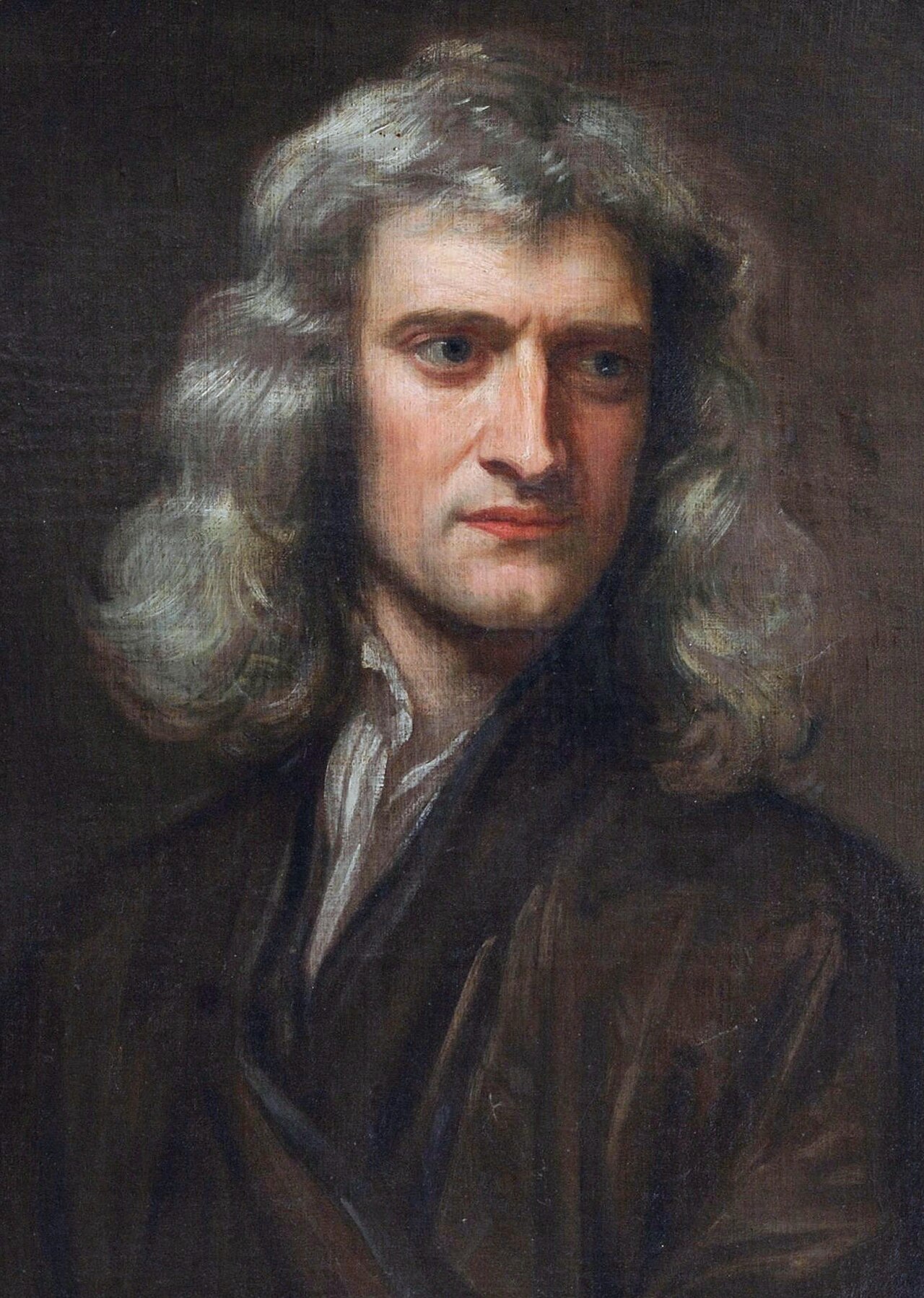
1642Isaac NewtonSir Isaac Newton was an English polymath who was a mathematician, physicist, astronomer, alchemist, theologian, author and inventor.
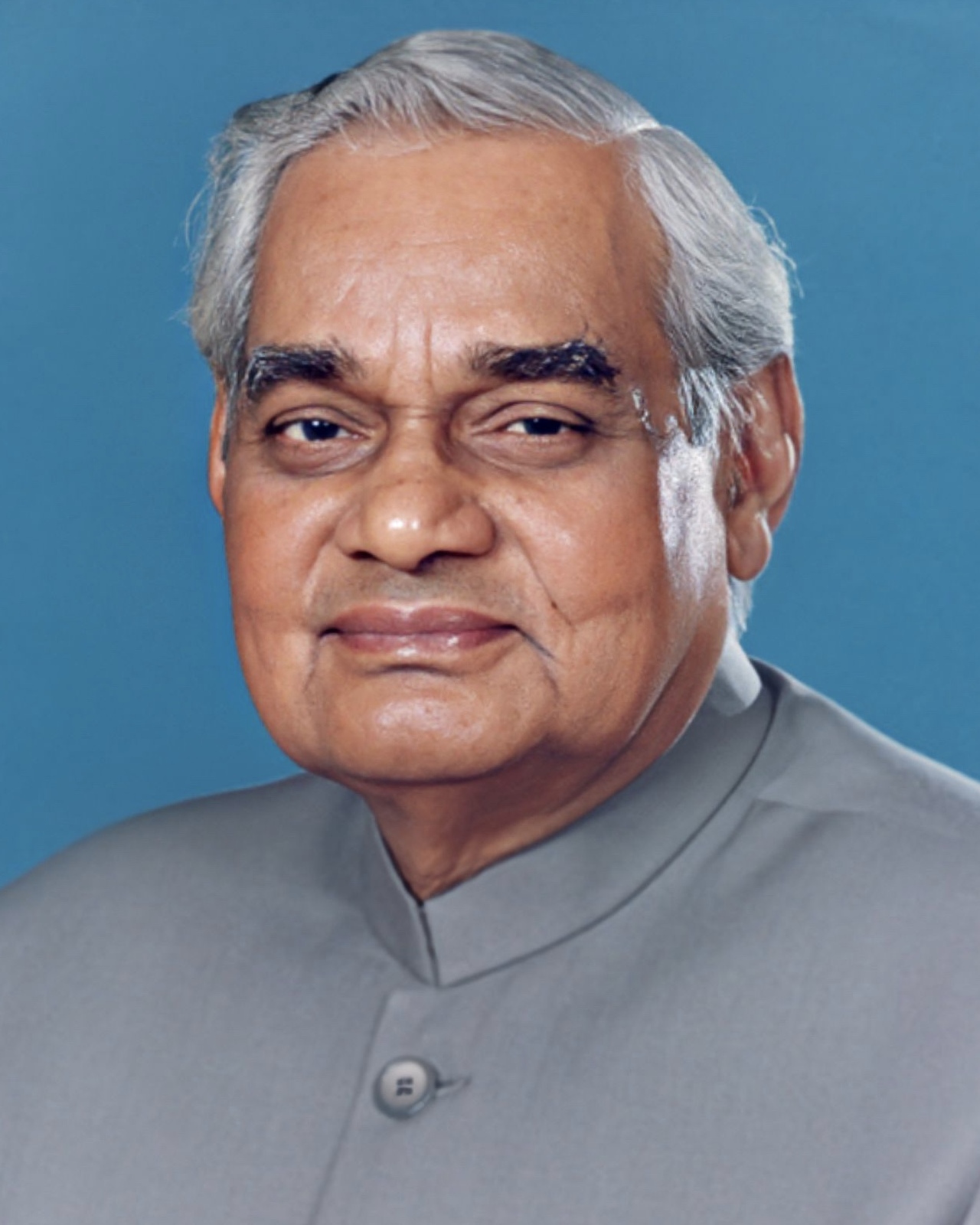
1924Atal Bihari VajpayeeAtal Bihari Vajpayee was an Indian statesman and a poet who served as the prime minister of India, from 1998 to 2004, and previously for two weeks in 1996.
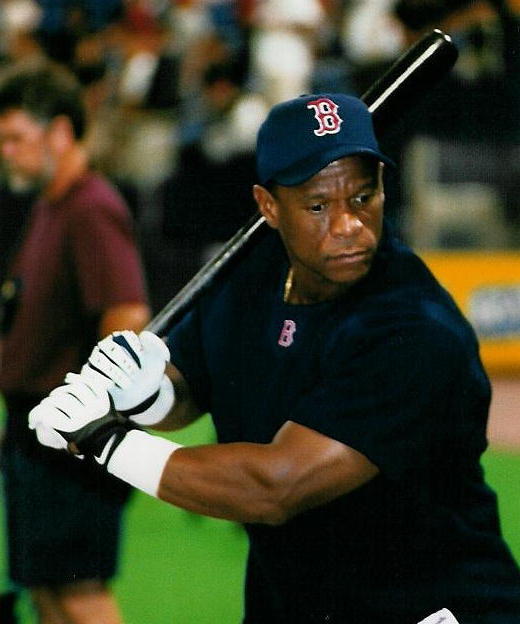
1958Rickey HendersonRickey Nelson Henley Henderson, nicknamed "Man of Steal", was an American professional baseball left fielder who played 25 seasons in Major League Baseball (MLB) for nine teams from 1979 to 2003, including four separate tenures with his original team, the Oakland Athletics.
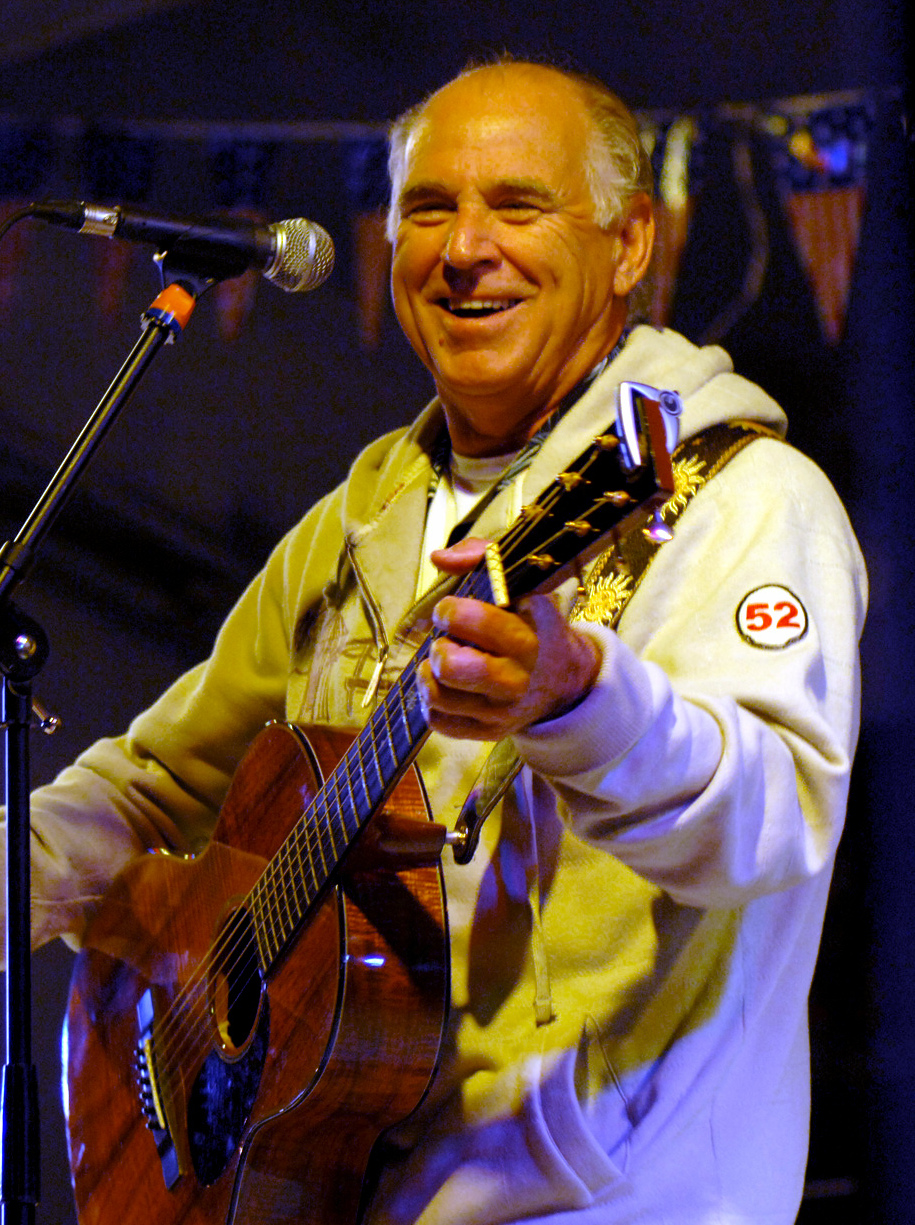
1946Jimmy BuffettJames William Buffett was an American singer-songwriter, author, and businessman.
1984Alastair Cook(42 this year)Sir Alastair Nathan Cook is an English commentator and a former cricketer and captain of the England Test and One-Day International (ODI) cricket teams.
1925Carlos CastanedaCarlos Castaneda was a Peruvian-American writer, trained as an anthropologist.
1583Orlando GibbonsOrlando Gibbons was an English composer and keyboard player who was one of the last masters of the English Virginalist School and English Madrigal School.
1652Archibald PitcairneArchibald Pitcairne or Pitcairn was a Scottish physician.
1674Thomas HalyburtonRev Prof Thomas Halyburton was a Scottish divine.
1745Chevalier de Saint-GeorgesJoseph Bologne, Chevalier de Saint-George(s) was a French violinist, conductor, composer, and soldier of African descent.
1873Otto Frederick HunzikerOtto Frederick Hunziker was a pioneer in the American and international dairy industry, as both an educator and a technical innovator.
1887Conrad HiltonConrad Nicholson Hilton was an American hotel magnate and politician who founded the Hilton Hotels chain.
1904Philip Vera CruzPhilip Villamin Vera Cruz was a Filipino American labor leader and farmworker.
1904Gerhard HerzbergGerhard Heinrich Friedrich Otto Julius Herzberg, was a German-Canadian pioneering physicist and physical chemist, who won the Nobel Prize for Chemistry in 1971, "for his contributions to the knowledge of electronic structure and geometry of molecules, particularly free radicals".
1907Mike MazurkiMike Mazurki was a Ukrainian-American actor and professional wrestler who appeared in dozens of films.
1911Louise BourgeoisLouise Joséphine Bourgeois was a French-American artist.
1924Rod SerlingRodman Edward Serling was an American screenwriter and television producer, widely known for his live television dramas of the 1950s and his anthology television series The Twilight Zone.
1928Dick MillerRichard Miller was an American character actor who appeared in more than 180 films, including many produced by Roger Corman.
1936Ismail MerchantIsmail Merchant was an Indian film producer.
1937Maung Aye(89 this year)Maung Aye is a retired Burmese army general who played a significant role in Myanmar's military government.
1942Enrique MorenteEnrique Morente Cotelo, known as Enrique Morente, was a Spanish flamenco singer and a celebrated figure within the world of contemporary flamenco.
1948Barbara Mandrell(78 this year)Barbara Ann Mandrell is an American retired country music singer and musician.
1950Karl Rove(76 this year)Karl Christian Rove is an American Republican political consultant.
1959Ramdas Athawale(67 this year)Ramdas Bandu Athawale is an Indian politician, social activist and trade unionist from Maharashtra.
1964Bob Stanley(62 this year)Bob Stanley is a British musician, journalist, author, and film producer.
Quote of the Day
“Christmas won't be Christmas without any presents.” — Louisa May Alcott, Little Women
December 25 History Quiz
What did Tim Berners-Llee release on December 25, 1990?
First web browser
Which Soviet leader resigned on December 25, 1991?
Mikhail Gorbachev
Who was crowned King of England on December 25, 1066?
Every event on this page was picked by hand from the historical record, written up as a news report, and checked against its source. Photographs are matched to the event they illustrate and verified before they are used. Sources are linked on each story.



 “The Lion Sleeps Tonight”,
 Franny and Zooey, J. D. Salinger
 “Brand New Key”,
  Wheels, Arthur Hailey
 Slow Waltz in Cedar Bend, Robert James Waller
 “Drop It Like It's Hot”,
  The Five People You Meet in Heaven, Mitch Albom
 “Firework”,
 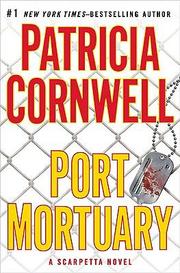 Port Mortuary, Patricia Cornwell
 Wish You Were Here, Jodi Picoult