Our front page for October 19 — written and set by The Yesterday Times from the events below. Not an archival document.
Day of the year
292
Days left in 2026
73
In 2026 it falls on a
Monday
Star sign
Libra
Birthstone
Opal
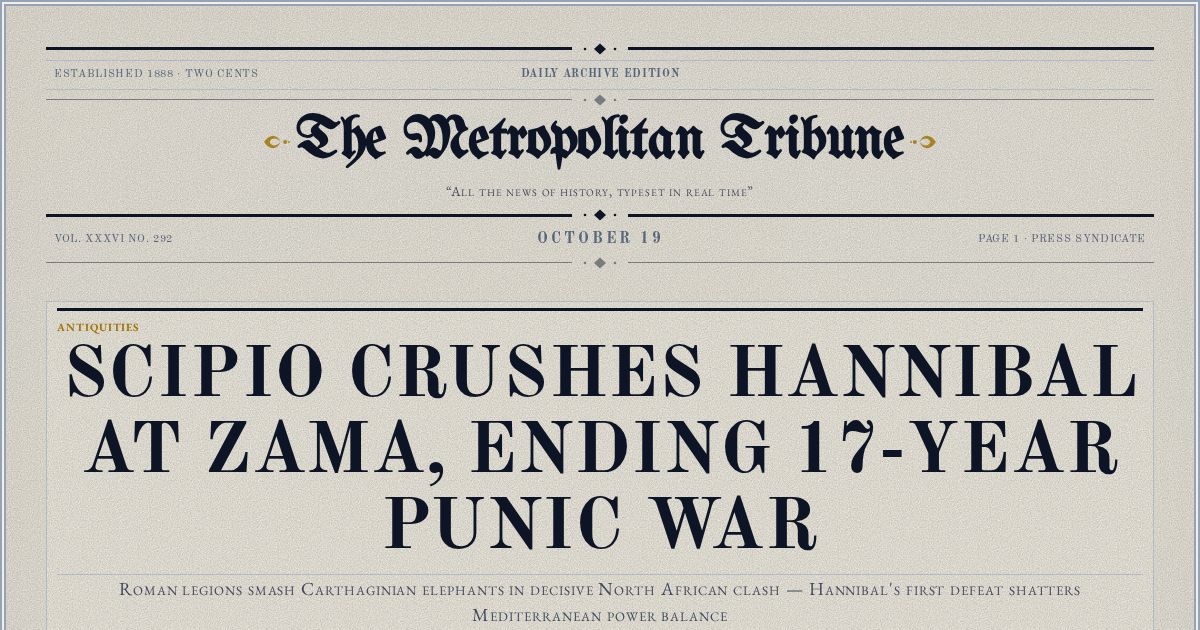
On October 19, Scipio Crushes Hannibal at Zama, Ending 17-Year Punic War. This page reports 10 stories from the date, 25 people born on this day and 15 who died on it.
The stories in full
Antiquities
-202 — Scipio Crushes Hannibal at Zama, Ending 17-Year Punic War
Roman legions smash Carthaginian elephants in decisive North African clash — Hannibal's first defeat shatters Mediterranean power balance
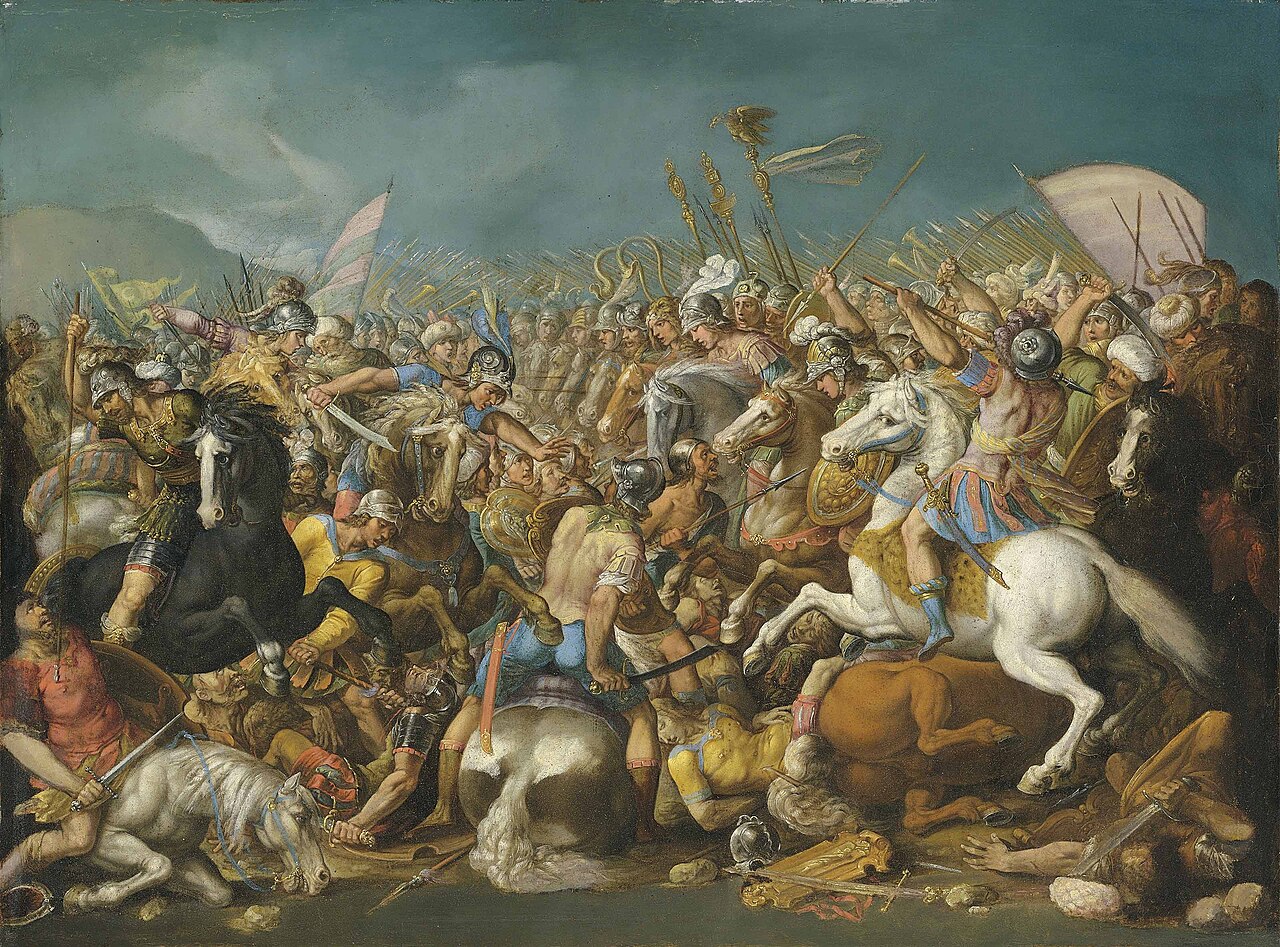
Roman legions clash with Carthaginian elephants and cavalry at Zama — Bernardino Cesari
ZAMA, Numidia, October 19 — Seventeen years of war ended here today when 30,000 Roman legionaries under Publius Cornelius Scipio broke the army of Hannibal Barca, Carthage's undefeated champion.
Scipio, lately styled Africanus for his string of victories on this continent, drew Hannibal onto ground of his choosing. The Carthaginian's war elephants, fifty strong, charged first but were funneled into lanes between Roman maniples. Missiles and trumpets turned the beasts; many stampeded back through their own lines.
Then came the infantry clash. Roman swordsmen held their ground against Hannibal's veterans fresh from Italy. When the Carthaginian flanks gave way, Scipio's cavalry returned from pursuit and struck the rear. Hannibal escaped the field with a handful of horsemen. His army lay in heaps.
Carthage sued for peace within days. The Senate's terms strip the city of Spain, her islands, and her war fleet. She pays indemnity and accepts a Roman garrison. The Mediterranean belongs to Rome now.
Second Punic War: At the Battle of Zama, Roman legions under Scipio Africanus defeat Hannibal Barca, leader of the army defending Carthage.[citation needed]
1812 — Napoleon Abandons Moscow; Grand Army in Full Retreat as Russian Winter Descends
Napoleon began his retreat from Moscow on October 19, abandoning the city he seized five weeks earlier; of the 450,000 men who crossed the Niemen in June to open the Russian campaign, not one in three remains fit for service as winter descends on the 1812 invasion.
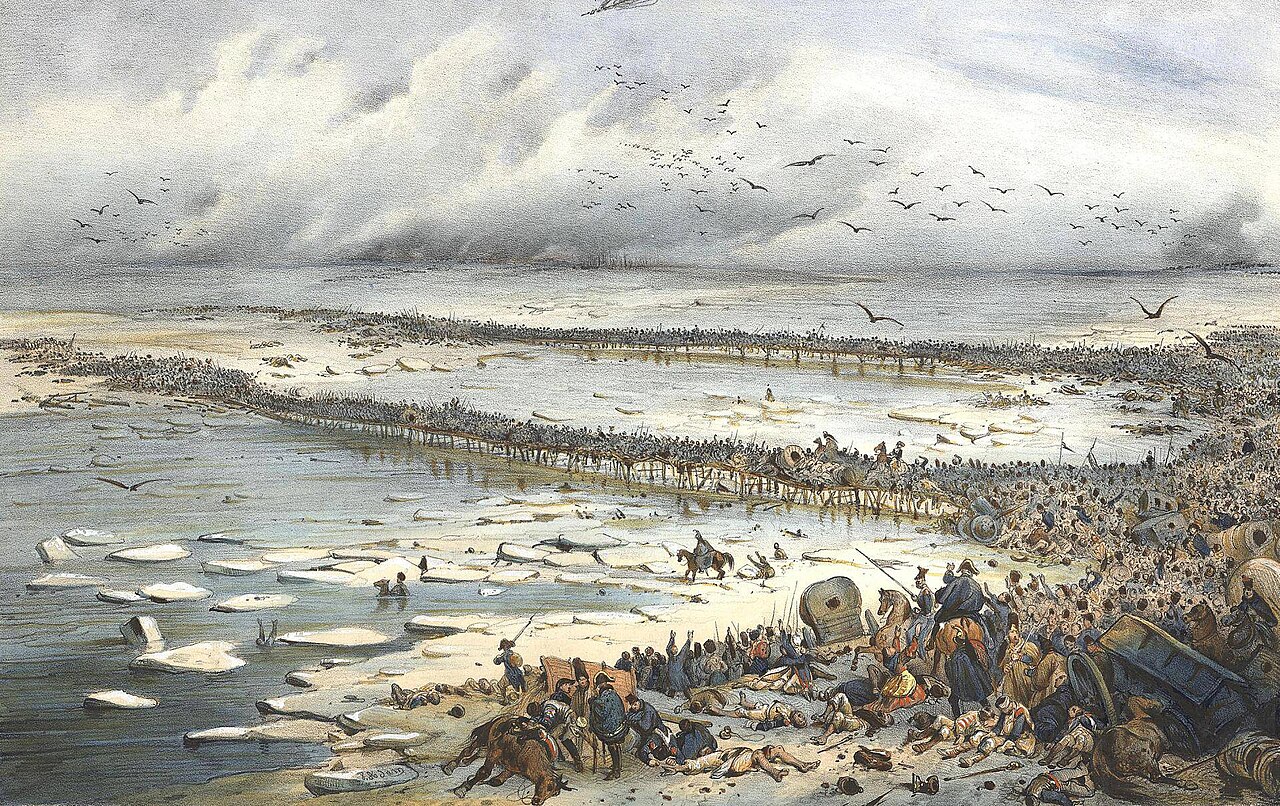
French army crosses the ice-choked Berezina river under Russian fire — Victor Adam
MOSCOW, October 19 — The Emperor Napoleon this day commenced his retreat from Moscow, abandoning the flame-gutted city he seized five weeks since. The Russian campaign, which opened in June with 450,000 men crossing the Niemen, has foundered.
Kutuzov's refusal to give battle after Borodino, the torching of Moscow by its own governor, and the failure of peace overtures have stranded the Grande Armée without provisions in a ruined capital. Snow already whitens the ground. The route westward lies through country scorched by Russian strategy and French foraging alike.
Reports indicate the army has consumed its cavalry horses. Artillery is being spiked for want of draft animals. The Emperor maintains his accustomed composure, but his marshals speak of winter quarters at Smolensk—if that stronghold can be reached.
The Berezina crossings lie ahead, and with them the prospect of Cossack harrying and ice-choked waters. Of the host that entered Russia, not one man in three remains fit for service. The invasion of 1812 ends not in triumph but in salvage.
The French invasion of Russia fails when Napoleon begins his retreat from Moscow.
2017 — Hawaii Telescope Spots First Confirmed Interstellar Visitor
Canadian astronomer detects ʻOumuamua streaking past sun at 26.33 km/s — 100 to 1,000 metres, red, no coma, hyperbolic orbit
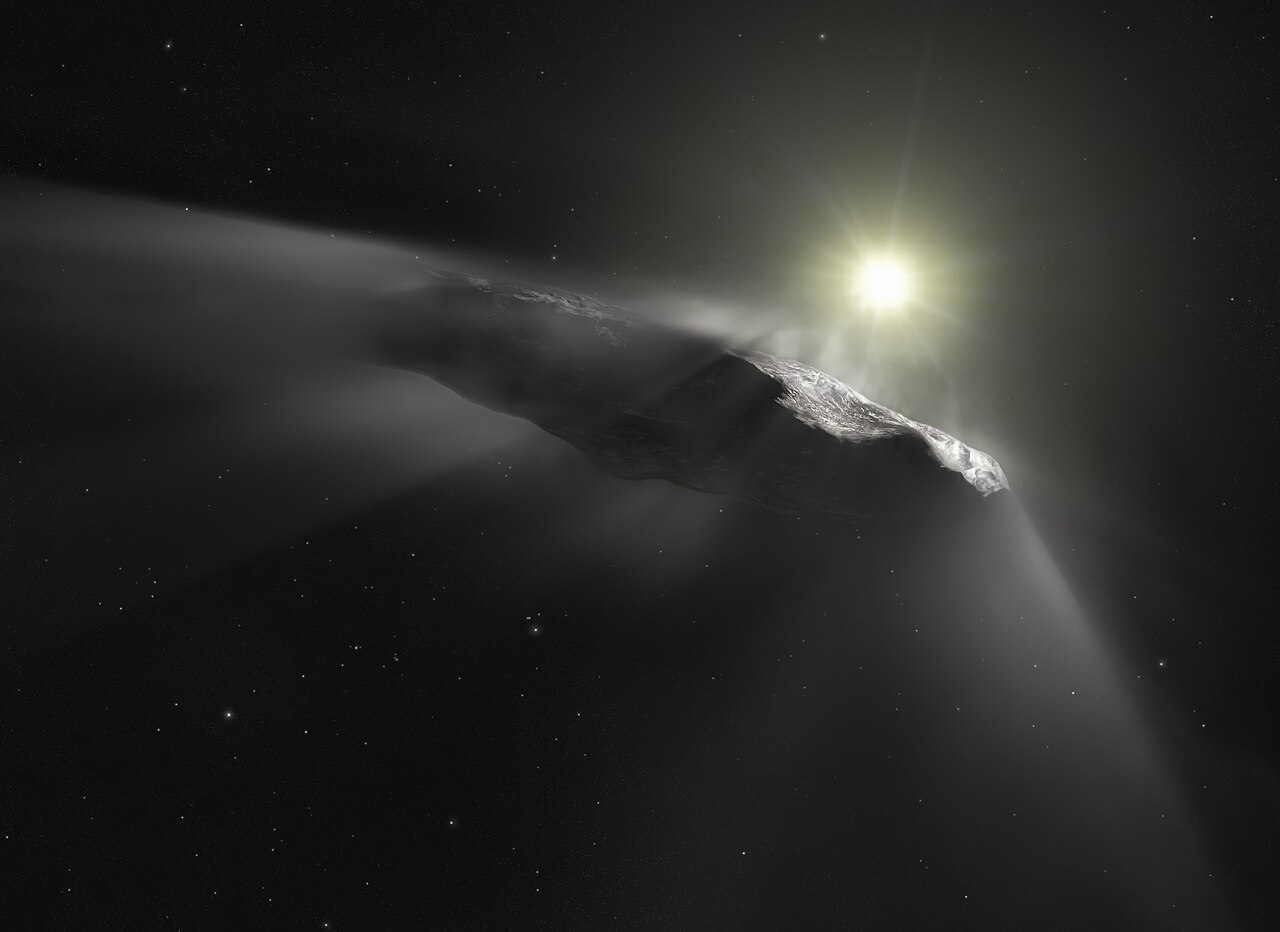
Artist impression of interstellar object ʻOumuamua passing the sun — ESA/Hubble et al.
HALEAKALĀ, Hawaii, October 19 — A dot moving too fast, on the wrong trajectory, caught Robert Weryk's eye before dawn.
The University of Hawaii postdoctoral researcher, monitoring images from the Pan-STARRS1 telescope, flagged an object already past its closest approach to the sun. Designated 1I/2017 U1, it carries the provisional name ʻOumuamua—Hawaiian for "first distant messenger," bestowed with consultation from Kaʻiu Kimura and Larry Kimura. It passed perihelion September 9 at 0.255 AU.
Initial spectroscopy shows a reddish body between 100 and 1,000 metres long, extremely elongated, with no cometary outgassing despite solar heating. Its orbital eccentricity of 1.20 marks it unambiguously interstellar. The hyperbolic excess velocity is 26.33 km/s.
Oumuamua was discovered by Canadian Robert Weryk using the Pan-STARRS telescope at Haleakalā Observatory, Hawaii, on 19 October 2017.
It passed its closest point to the Sun on 9 September 2017, about 40 days before discovery, at a distance of 0.255 AU from the Sun.
Oumuamua is estimated to be between 100 and 1,000 metres long, with a red color and no coma despite its close approach to the Sun.
Its hyperbolic excess velocity is 26.33 km/s, and its orbital eccentricity of 1.20 is the highest ever observed until 2I/Borisov in 2019.
The SETI Institute's Allen Telescope Array and Breakthrough Listen hardware detected no unusual radio emissions from Oumuamua.
1813 — Napoleon Driven from Germany After Leipzig Disaster
The emperor's four-day defeat ends with a Saxon defector destroying the sole bridge, leaving thousands drowned in the Elster.
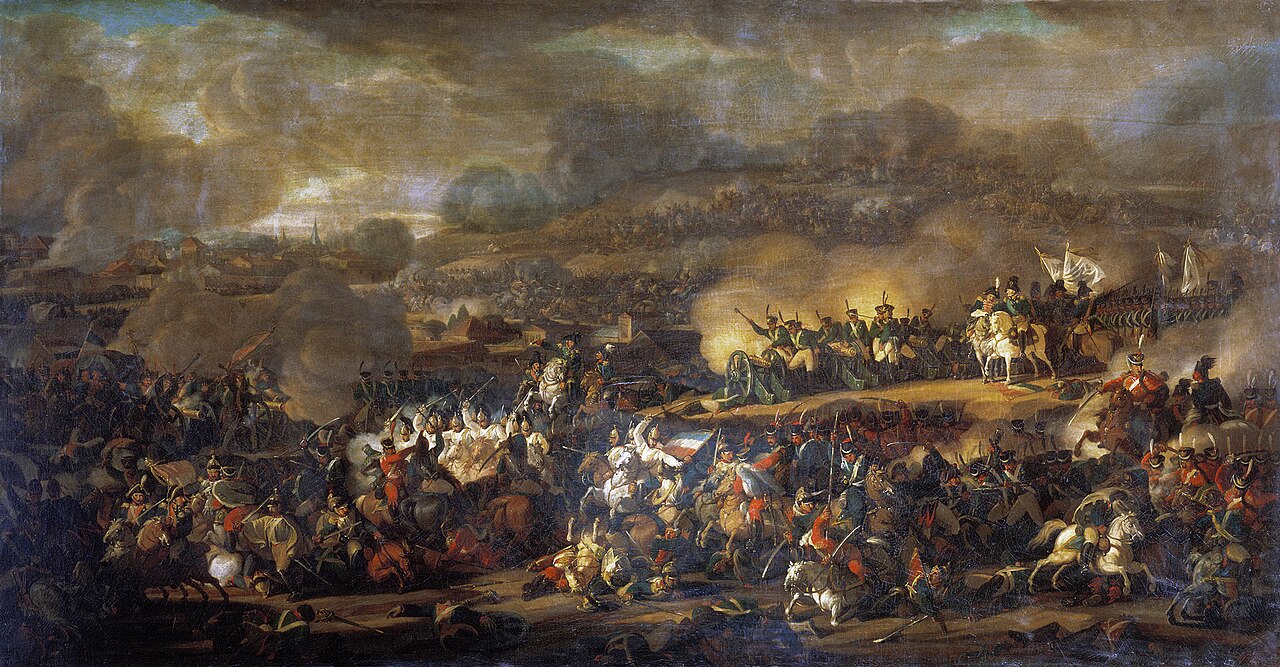
French and allied troops clash at the Battle of Leipzig — Vladimir Moshkov
LEIPZIG, October 19 — Germany is lost. The Emperor Napoleon, defeated in four days of battle by the combined armies of Europe, has begun his withdrawal westward across the Rhine.
The Battle of Leipzig, which opened October 16, ended today with French lines broken and the sole bridge of retreat blown prematurely by a Saxon defector. Thousands drowned in the Elster. Marshal Poniatowski perished.
War of the Sixth Coalition: Napoleon is forced to retreat from Germany after the Battle of Leipzig.
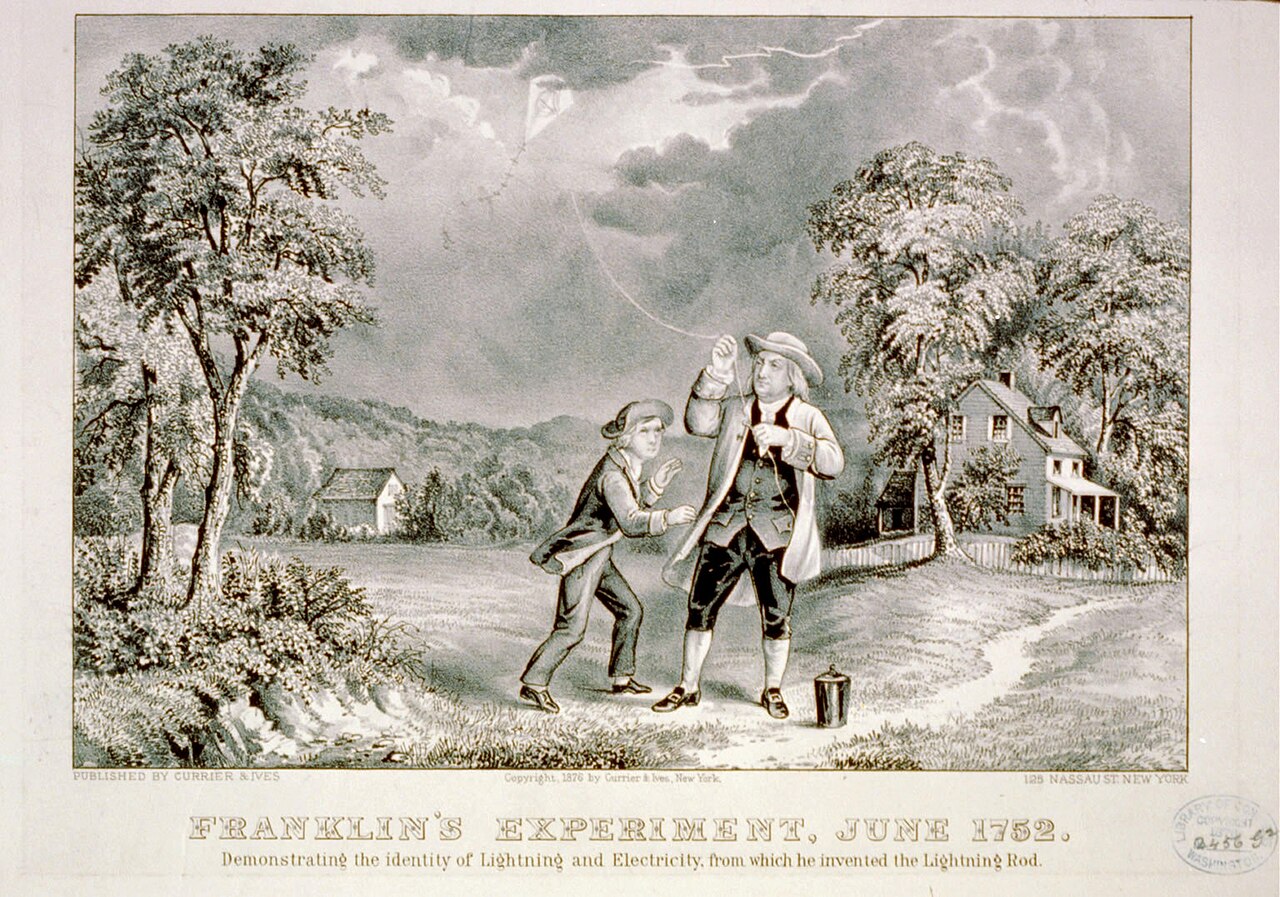
PHILADELPHIA, October 19 — In an age when natural philosophers seek to pierce the veil of elemental mysteries, Mr. Benjamin Franklin hath this day imparted to the publick a most singular account of his late electrical inquiry into the nature of lightning.
Franklin described the kite experiment in a letter to the Pennsylvania Gazette published on October 19, 1752.
According to Joseph Priestley's 1767 account, Franklin flew the kite in June 1752 with his son William.
Franklin tied a metallic house key borrowed from Benjamin Loxley to the hemp string of the kite.
The kite was not struck by lightning; instead, an electrical charge was induced by proximity to a storm cloud.
Franklin transferred some of the charge to a Leyden jar and drew an electrical spark from the key.
1943 — Rutgers Team Isolates Streptomycin, First TB Antibiotic
Breakthrough compound promises treatment for tuberculosis — laboratory confirmation reported today from university research staff
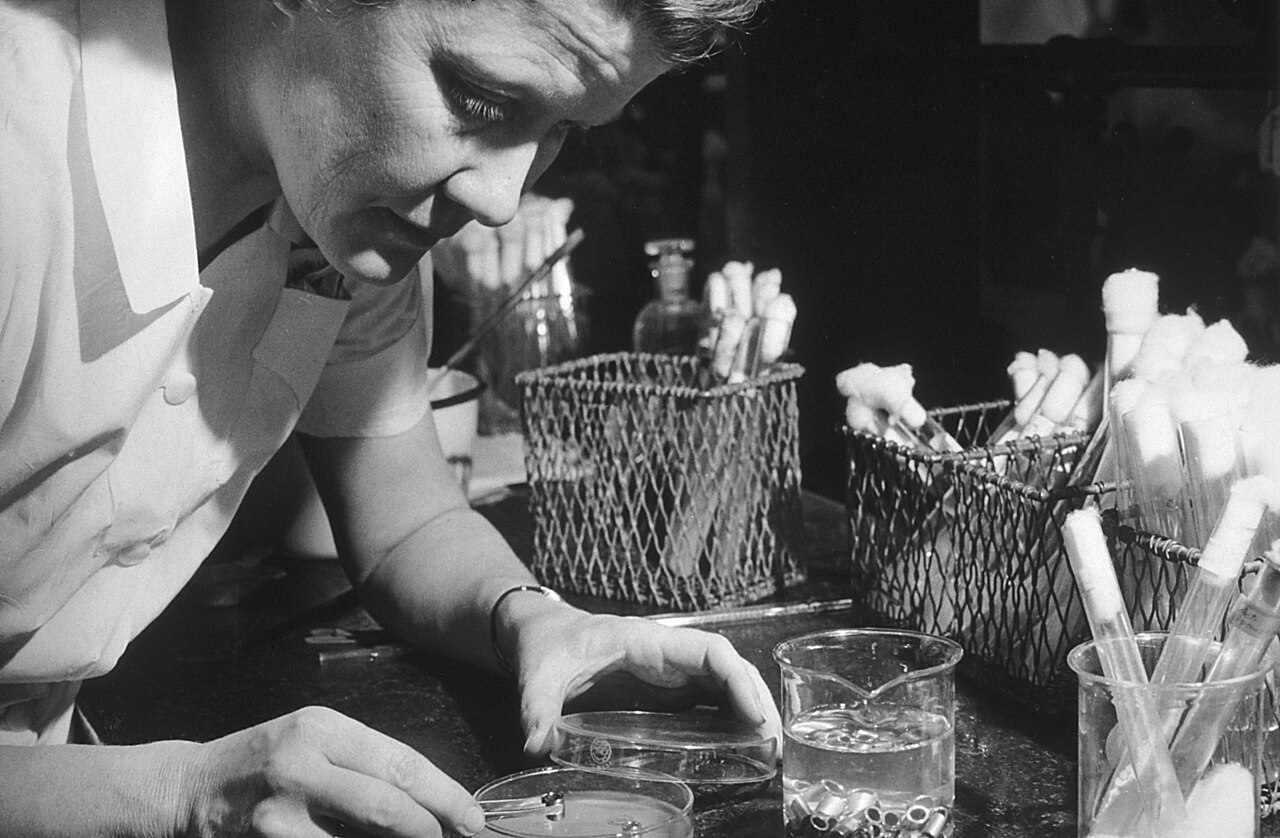
A researcher works with petri dishes in the Rutgers laboratory — Wikimedia Commons
NEW BRUNSWICK, October 19 — Rutgers University researchers announced today the successful isolation of streptomycin, the first antibiotic remedy proved effective against tuberculosis.
The discovery, confirmed in university laboratories, marks the first time scientists have obtained a compound capable of combating the tubercle bacillus. Medical authorities have long sought a chemical agent to supplement existing treatments for the disease, which remains a leading cause of mortality.
Streptomycin, the first antibiotic remedy for tuberculosis, is isolated by researchers at Rutgers University.
1900 — Planck Announces Law of Heat Radiation — First Exact Formula for Black-Body Spectrum
Berlin professor's equation resolves crisis in thermal physics — quantum hypothesis introduced to match observed energy distribution
BERLIN, October 19 — Professor Max Planck of the University of Berlin has laid before the German Physical Society a new law governing the distribution of energy in the spectrum of black-body radiation, providing the first exact mathematical description of heat radiation that accords with experimental measurement across all wavelengths.
The announcement, delivered at today's meeting of the society, resolves a vexing problem that has occupied physicists for two decades. Previous formulae proposed by Wien and by Rayleigh and Jeans succeeded in describing portions of the observed spectrum, yet each failed when extended beyond its proper range. Planck's law matches the empirical curves obtained from precision furnaces with complete fidelity.
Max Planck discovers Planck's law of black-body radiation.
1469 — Ferdinand of Aragon Weds Isabella of Castile, Joining Two Crowns
Ferdinand II, King of Aragon, and Isabella I, Queen of Castile, on October 19 solemnized a union joining the peninsula's two greatest crowns and preparing the way for eventual consolidation.
VALLADOLID, October 19 — Ferdinand II, King of Aragon, hath this day solemnized his marriage with Isabella I, Queen of Castile, in a union that joineth the two greatest crowns of the Iberian peninsula and prepareth the way for their eventual consolidation into one kingdom.
Ferdinand II of Aragon marries Isabella I of Castile, a marriage that paves the way to the unification of Aragon and Castile into a single country, Spain.
1953 — Bradbury Novel of Firemen and Forbidden Books Hits Shelves
Ballantine releases 'Fahrenheit 451' — a chilling vision of a future where books burn.
NEW YORK, October 19 — The temperature at which paper ignites gives its name to the year's most unsettling novel. Ray Bradbury's "Fahrenheit 451" reached bookshops today, a slender volume from Ballantine Books that imagines firemen paid to torch literature rather than douse flames.
The story follows Guy Montag, a fireman who questions his duty in a society where books are outlawed and thinking discouraged.
1781 — Cornwallis Yields at Yorktown, Sealing Independence for the American Colonies
Cornwallis surrendered more than 7,000 soldiers on October 19 to end the eight-year war.
YORKTOWN, Virginia, October 19 — The back of British power in North America broke today upon the shores of the Chesapeake. Lieutenant General Charles Cornwallis, his army encircled by land and sea, surrendered more than 7,000 soldiers to the combined forces of General George Washington and the Comte de Rochambeau, effectively ending the eight-year war for American independence.
The capitulation ceremony commenced this afternoon after two days of negotiation.
British Lieutenant General Charles Cornwallis surrendered more than 7,000 British soldiers at Yorktown.
French Admiral de Grasse defeated a British fleet led by Sir Thomas Graves at the Battle of the Chesapeake in early September 1781.
On October 14, 1781, a French column under Vicomte de Deux-Ponts took Redoubt No. 9 and an American column under Lieutenant Colonel Alexander Hamilton took Redoubt No. 10.
Washington and Rochambeau arrived at Yorktown on September 28, 1781, and moved the army closer to British defenses the next day.
Cornwallis asked for capitulation terms on October 17, and after two days of negotiation, the surrender ceremony occurred on October 19.
1847 Jane Eyre Novel Published in London — 179 years agosource
1955 Eurovision Song Contest approved by EBU — 71 years agosource
1956 Soviet Union and Japan Sign Joint Declaration Ending State of War — 70 years agosource
1789 John Jay Sworn In as First Chief Justice of United States — 237 years agosource
2003 Mother Teresa Beatified by Pope John Paul II — 23 years agosource
1512 Martin Luther Becomes Doctor of Theology — 514 years agosource
1386 Heidelberg University Holds First Lecture, Oldest in Germany — 640 years agosource
1579 James VI of Scotland comes of age ceremony — 447 years agosource
2013 British YouTube collective Sidemen formed — 13 years agosource
Famous birthdays on October 19
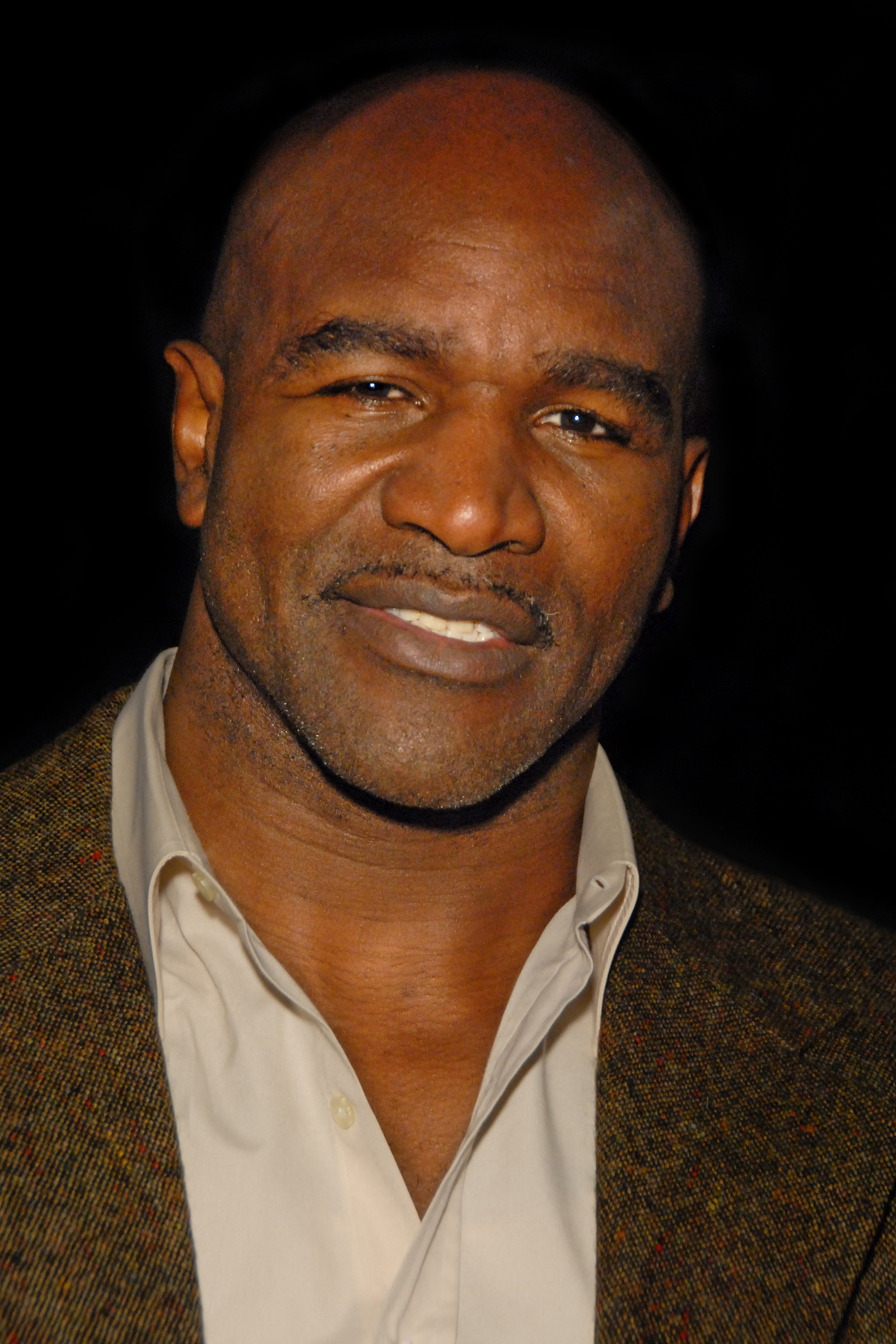
1962Evander Holyfield(64 this year)Evander Holyfield is an American former professional boxer who competed between 1984 and 2011.
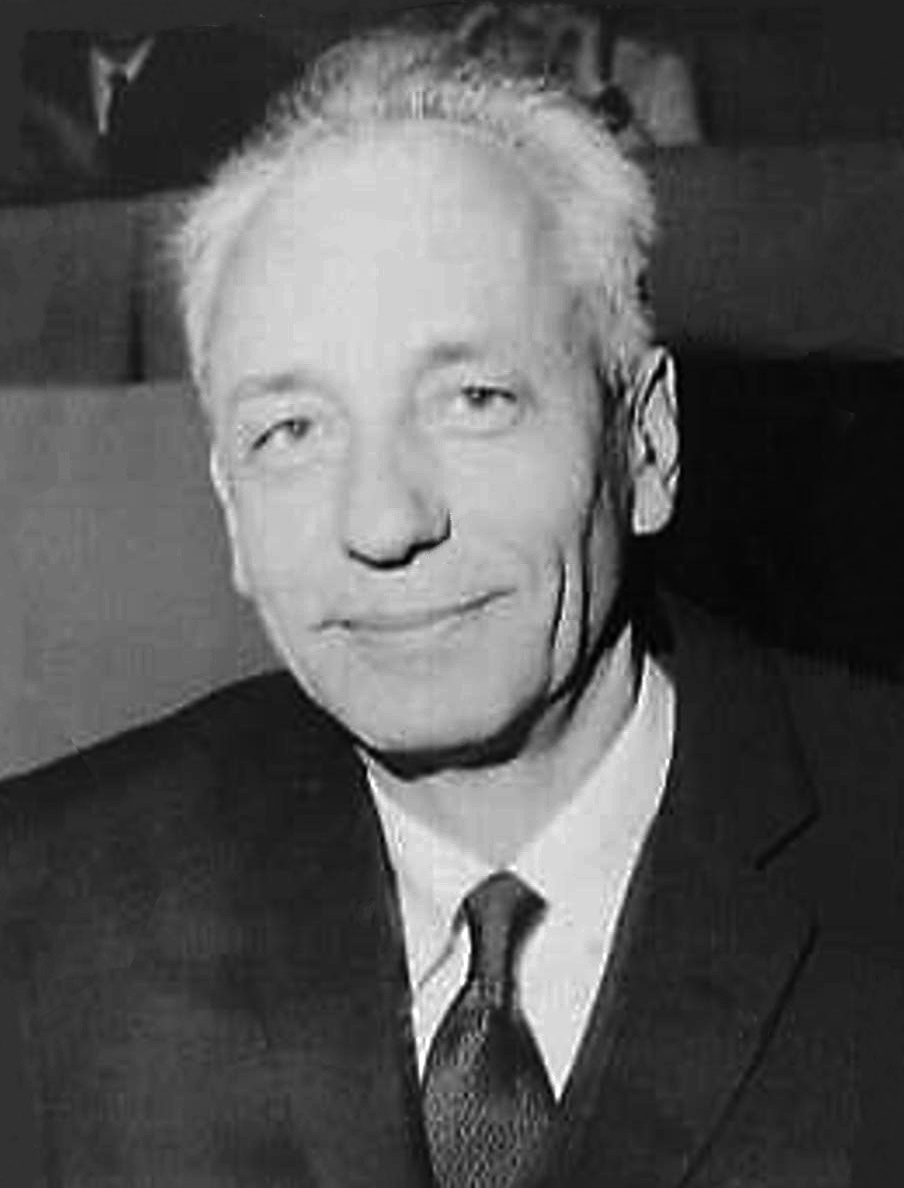
1916Jean DaussetJean-Baptiste-Gabriel-Joachim Dausset was a French immunologist born in Toulouse, France.
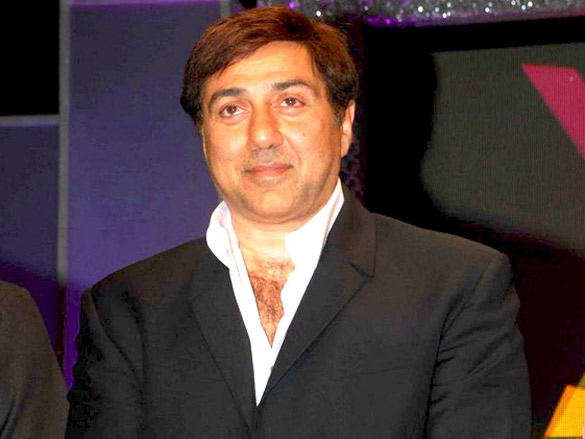
1961Sunny Deol(65 this year)Ajay Singh Deol, professionally known as Sunny Deol, is an Indian actor, filmmaker and former politician who works in Hindi films.
1984Thundercat(42 this year)Stephen Lee Bruner, better known by his stage name Thundercat, is an American musician, singer, record producer, songwriter, and bassist from Los Angeles, California.
1954Sam Allardyce(72 this year)Samuel Allardyce is an English football manager and former professional player.
1605Thomas BrowneSir Thomas Browne was an English polymath and author of varied works which reveal his wide learning in diverse fields including science, medicine, religion and the esoteric.
1900Bill PonsfordWilliam Harold Ponsford MBE was an Australian cricketer.
1956Grover Norquist(70 this year)Grover Glenn Norquist is an American political activist and anti-tax advocate who is founder and president of Americans for Tax Reform, an organization that opposes all tax increases.
1720John WoolmanJohn Woolman was an American merchant, tailor, journalist, Quaker preacher, and early abolitionist during the colonial era.
1876Mordecai BrownMordecai Peter Centennial Brown, nicknamed "Three Finger Brown" or "Miner", was an American Major League Baseball pitcher and manager during the first two decades of the 20th century.
1910Subrahmanyan ChandrasekharSubrahmanyan Chandrasekhar was an Indian-American astrophysicist.
1918Russell KirkRussell Amos Kirk was an American political philosopher, moralist, historian, social critic, literary critic, lecturer, author, and novelist who influenced 20th-century American conservatism.
1918Robert Schwarz StraussRobert Schwarz Strauss was an influential figure in American politics, diplomacy, and law whose service dated back to future President Lyndon Johnson's first congressional campaign in 1937.
1920LaWanda PageLaWanda Page was an American actress, comedian and dancer whose career spanned six decades.
1922Jack AndersonJack Northman Anderson was an American newspaper columnist, syndicated by United Features Syndicate, considered one of the founders of modern investigative journalism.
1932Robert ReedRobert Reed was an American actor.
1933Brian BoothBrian Charles Booth was an Australian cricketer who played in 29 Test matches between 1961 and 1966, and 93 first-class matches for New South Wales.
1936James BevelJames Luther Bevel was an American minister and a leader and major strategist of the 1960s Civil Rights Movement.
1948James Howard Kunstler(78 this year)James Howard Kunstler is an American writer, social critic, public speaker, and blogger known for his analysis of urban development, suburbanization, and energy issues.
1949Lynn Dickey(77 this year)Clifford Lynn Dickeyis an American former professional football player who was a quarterback for 15 seasons in the National Football League (NFL), primarily with the Green Bay Packers.
1956Didier Theys(70 this year)Didier Maurice Theys is a Belgian sports car driver.
1960Ayuo Takahashi(66 this year)Ayuo Takahashi is a Japanese-born American composer, poet, lyricist, singer, and performer of plucked string instruments including guitar, bouzouki, Irish harp, Chinese zheng, Japanese koto, and medieval European psaltery.
1960Jennifer Holliday(66 this year)Jennifer Holliday is an American singer and actress.
1966David Vann(60 this year)David Vann is an American novelist and short story writer, and was formerly a professor of creative writing at the University of Warwick in England.
1967Yoko Shimomura(59 this year)Yoko Shimomura is a Japanese composer and pianist known for her work in video games.
Died on October 19
1945N. C. WyethNewell Convers Wyeth was an American painter and illustrator.
1960George WallaceGeorge Stephenson "Onkus" Wallace, was an Australian comedian, actor, vaudevillian and radio personality.
2010Tom BosleyThomas Edward Bosley was an American actor, television personality and entertainer.
1905Virgil EarpVirgil Walter Earp was an American lawman.
1723Godfrey KnellerSir Godfrey Kneller, 1st Baronet was a British painter of German origin.
1945Plutarco Elías CallesPlutarco Elías Calles was a Mexican politician and military officer who served as the 47th president of Mexico from 1924 to 1928.
1682Thomas BrowneSir Thomas Browne was an English polymath and author of varied works which reveal his wide learning in diverse fields including science, medicine, religion and the esoteric.
1983Maurice BishopMaurice Rupert Bishop was a Grenadian revolutionary, politician and the leader of the New JEWEL Movement (NJM), a party that sought to prioritise socio-economic development, education and true black liberation.
2008Richard BlackwellRichard Blackwell, also known as Mr. Blackwell, was an American fashion critic, journalist, television and radio personality, artist, child actor and fashion designer.
1969Lacey HearnLacey Earnest Hearn was an American athlete and middle distance runner who competed in the early twentieth century.
1970Lázaro CárdenasLázaro Cárdenas del Río was a Mexican general, statesman, and revolutionary who served as the 51st president of Mexico from 1934 to 1940.
2025Daniel NaroditskyDaniel Aaron "Danya" Naroditsky was an American chess grandmaster, commentator, and content creator.
2003Margaret MurieMargaret Elizabeth Thomas "Mardy" Murie was an American naturalist, writer, adventurer, and conservationist.
1897George PullmanGeorge Mortimer Pullman was an American engineer and industrialist.
1216JohnJohn was King of England from 1199 until his death in 1216.
Holidays and observances
Aquilinus of Évreux
Blessed Jerzy Popiełuszko
Frideswide
Henry Martyn (Anglican Communion)
Isaac Jogues, Jean de Brébeuf, and Companions
October 19 (Eastern Orthodox liturgics)
Paul of the Cross
Varus
Veranus of Cavaillon
William Carey (Episcopal Church)
Constitution Day, in honor of the country's independence (self-governing in free association with New Zealand) in 1974. (Niue)
Oxfordshire Day
Quote of the Day
“We are all in the gutter, but some of us are looking at the stars.” — Oscar Wilde, Lady Windermere's Fan
October 19 History Quiz
In which year did the Battle of Zama take place, ending the Second Punic War?
202 BCE
Which American general accepted the British surrender at Yorktown in 1781?
George Washington
What was the title of Ray Bradbury's dystopian novel published on October 19, 1953?
Every event on this page was picked by hand from the historical record, written up as a news report, and checked against its source. Photographs are matched to the event they illustrate and verified before they are used. Sources are linked on each story.


 “Mack The Knife”,
 Advise and Consent, Allen Drury
 The Group, Mary McCarthy
 “Take On Me”,
 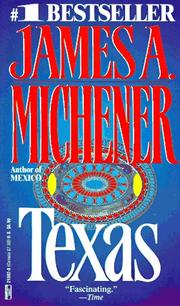 Texas, James Michener
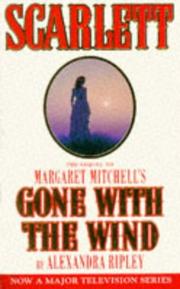 Scarlett, Alexandra Ripley
 “Dilemma”,
 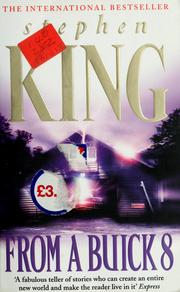 From a Buick 8, Stephen King
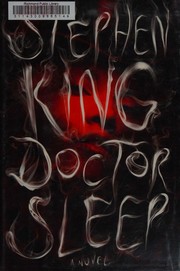 Doctor Sleep, Stephen King
 “A Bar Song (Tipsy)”,
  Counting Miracles, Nicholas Sparks