Our front page for July 4 — written and set by The Yesterday Times from the events below. Not an archival document.
Day of the year
185
Days left in 2026
180
In 2026 it falls on a
Saturday
Star sign
Cancer
Birthstone
Ruby
On July 4 in 1776, 250 years ago, Congress Unanimously Declares Colonies Free. This page reports 8 stories from the date, 25 people born on this day.
The stories in full
Continental Congress
1776 — Congress Unanimously Declares Colonies Free
Second Continental Congress adopts Declaration of Independence, severing ties with Britain.
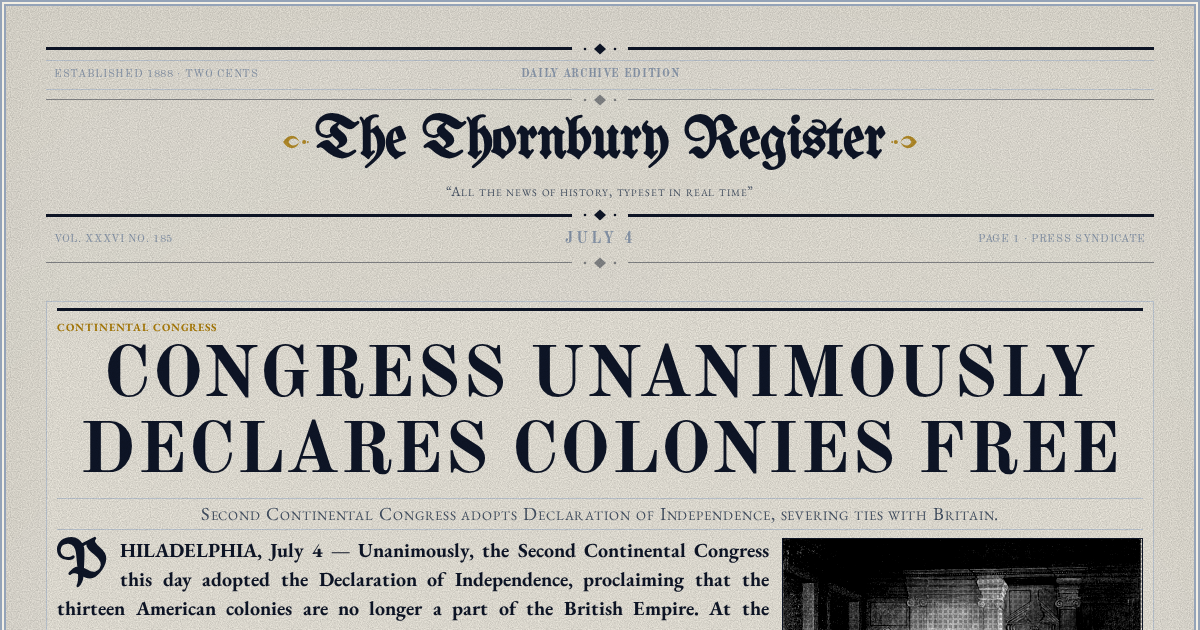
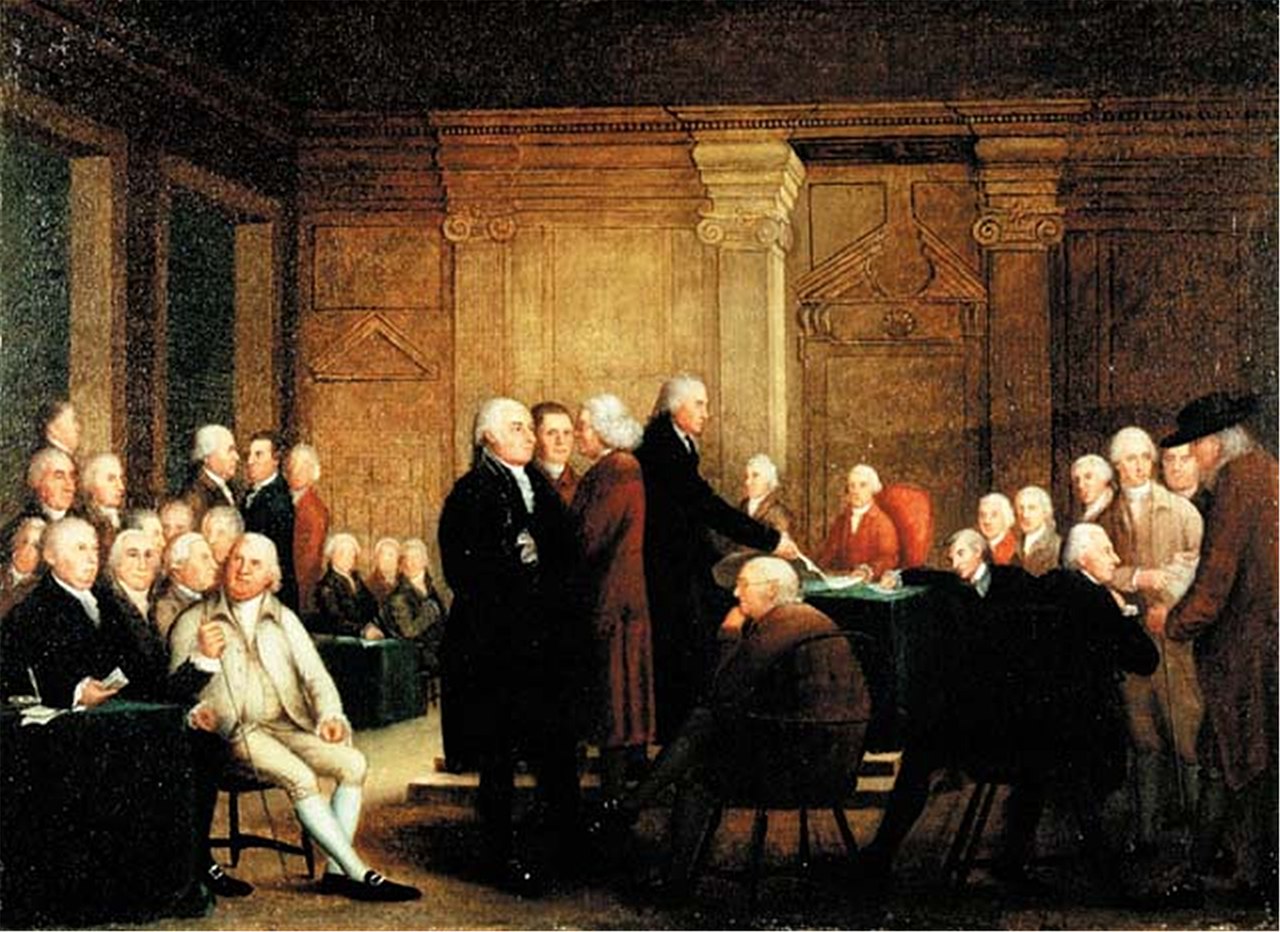
The Continental Congress adopts the Declaration of Independence, formally severing ties with Great Britain — Robert Edge Pine / Edward Savage
PHILADELPHIA, July 4 — Unanimously, the Second Continental Congress this day adopted the Declaration of Independence, proclaiming that the thirteen American colonies are no longer a part of the British Empire. At the Pennsylvania State House, delegates from New Hampshire to Georgia cast their assent, severing forever the political bonds that have tied this continent to the crown.
The instrument, drafted by the Committee of Five — John Adams, Benjamin Franklin, Thomas Jefferson, Robert R. Livingston, and Roger Sherman — was first proposed on the eleventh of June. Jefferson, the young Virginian, is credited as principal author, his pen having traced the bold words that now stand as a perpetual challenge to tyranny.
John Hancock, President of Congress, affixed his signature in a large, flamboyant hand, a flourish that will be remembered as long as the document endures. He presumably signed first, setting an example for the fifty-five others who will follow.
Copies are expected to be struck and dispatched to the several colonies, there to be proclaimed to the people. The Declaration asserts that governments derive their just powers from the consent of the governed, and that when a long train of abuses evinces a design to reduce them under absolute despotism, it is their right, their duty, to throw off such government.
The Declaration of Independence was adopted unanimously by the Second Continental Congress on July 4, 1776, at the Pennsylvania State House in Philadelphia.
Congress appointed the Committee of Five—John Adams, Benjamin Franklin, Thomas Jefferson, Robert R. Livingston, and Roger Sherman—to draft the Declaration on June 11, 1776.
The Declaration was first published by The Pennsylvania Evening Post on July 6, 1776, two days after its ratification.
First public readings of the Declaration occurred simultaneously on July 8, 1776, at noon in Trenton, New Jersey; Easton, Pennsylvania; and Philadelphia.
Most historians conclude the Declaration was signed primarily on August 2, 1776, not July 4, with 56 delegates eventually signing.
Imperial Observatory
1054 — Guest Star Appears in Taurus, Visible by Day
Chinese astronomers record a brilliant new star — brighter than Venus — that will shine for two years
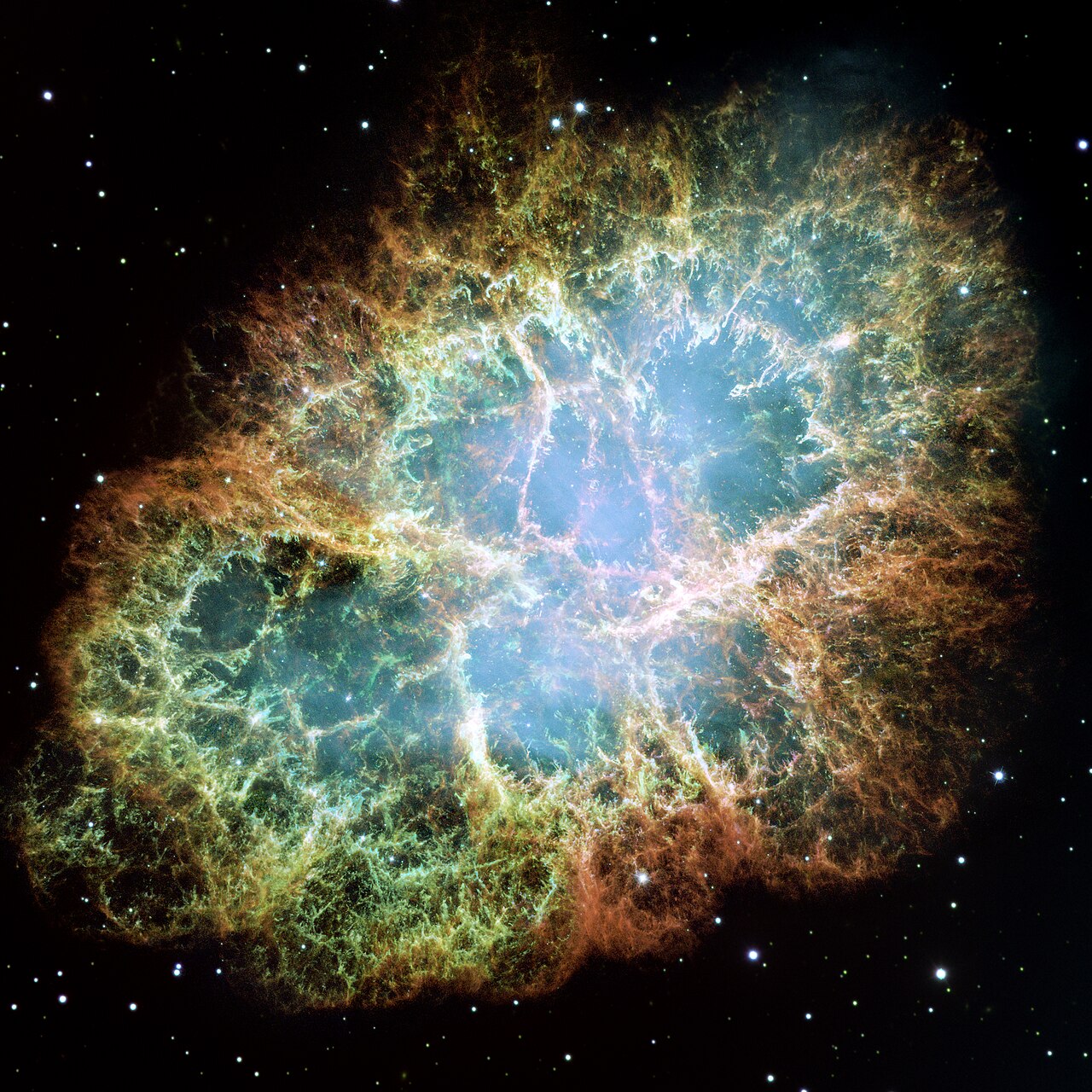
The Crab Nebula, the remnant of the supernova observed by Chinese astronomers in 1054 — NASA et al.
CHANG'AN, July 4 — Chinese astronomers have recorded the sudden appearance of a 'guest star' in the heavens, a brilliant new light that has burst forth in the constellation of Taurus. The star, first noted this very day, has become visible to the naked eye, glowing with a radiance that surpasses the planet Venus itself.
The guest star shines with a brightness that has astonished the imperial observers, who report its magnitude to be far greater than any star known. It is visible even in daylight, a portent that has stirred both wonder and concern among the court astrologers.
According to the records of the Bureau of Astronomy, the star appeared in the eastern sky, and its light has not diminished since its first appearance. It is expected to remain visible for about two years, a long-lasting omen that the empire's scholars will study with great care.
Chinese astronomers recorded the supernova as a 'guest star' on July 4, 1054.
The supernova was visible to the naked eye for about two years after its first observation.
The supernova reached a maximum brightness between apparent magnitude -7 and -4.5, brighter than Venus.
The Crab Nebula lies about 6,500 light-years from Earth in the constellation of Taurus.
The Crab Pulsar at the nebula's center spins 30.2 times per second and is 28–30 kilometers across.
Westminster
2024 — Starmer Leads Labour Landslide, Ends 14 Years of Tory Rule
Keir Starmer becomes prime minister after sweeping victory — Labour wins with smallest vote share for a majority since 1830
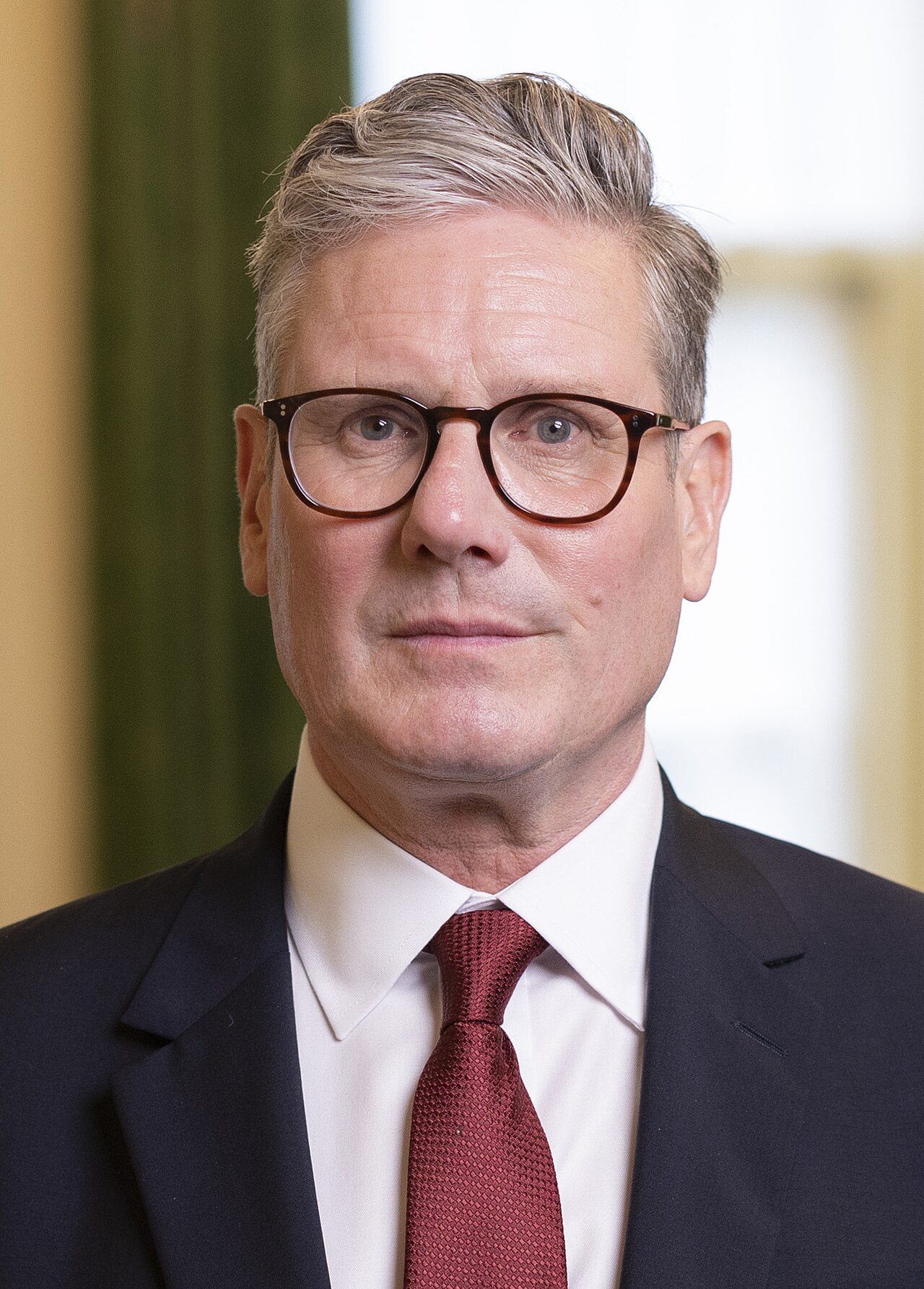
Keir Starmer becomes prime minister after sweeping victory — Labour wins with smallest vote share for a majority since 1830 — Prime Minister's Office
LONDON, July 4 — The car pulled up outside Buckingham Palace, and Keir Starmer stepped out to be appointed prime minister by King Charles III, the first Labour leader to hold the office since Gordon Brown in 2010. On the way back, he stopped the car to walk through Downing Street, shaking hands with cheering crowds.
The Labour Party's landslide victory at the general election has ended fourteen years of Conservative government, a seismic shift in British politics. Yet the win came with the smallest vote share of any majority government since records began in 1830, a note of caution for the new administration. Biden and Trudeau were quick to congratulate him. He is also the first premier to enter Downing Street with a knighthood since Alec Douglas-Home.
Starmer led Labour to a landslide victory at the 2024 general election, ending 14 years of Conservative government.
The Labour win came with the smallest vote share of any majority government since record-keeping began in 1830.
Starmer was appointed prime minister by King Charles III on 5 July 2024, becoming the first Labour PM since Gordon Brown in 2010.
Starmer stopped his car on the way from Buckingham Palace to walkabout in Downing Street and meet cheering crowds.
World leaders including Joe Biden and Justin Trudeau congratulated Starmer upon his appointment as prime minister.
Literary Gazette
1862 — A River Tale That Will Outlive Its Tellers
A story told on July 4 will one day delight the world, as Alice Liddell, aged ten, has begged him to write it down.
OXFORD, July 4 — A story told this day in a boat on the Thames will one day delight the world, for Lewis Carroll has spun a tale for little Alice Liddell, aged ten, that she has begged him to write down.
On July 4, 1862, Lewis Carroll told the story to Alice Liddell, aged 10, and her sisters Lorina, 13, and Edith, 8, during a boat trip on the River Thames.
The boat journey began at Folly Bridge, Oxford, and ended 5 miles upstream at Godstow, Oxfordshire.
Alice Liddell asked Carroll to write down the story, unlike other tales he had told her, and she received the manuscript more than two years later.
The Reverend Robinson Duckworth rowed the boat while Carroll told the story to the three Liddell sisters.
Carroll eventually presented Alice with the manuscript of 'Alice's Adventures Under Ground' in November 1864 as a Christmas gift.
Sports Abroad
1954 — West Germany Stuns Hungary, 3–2, in World Cup Final
West Germany, 3–2, avenges 8–3 group loss to claim first world title.
BERN, July 4 — In the annals of sport, few days rival this: West Germany, the underdog, defeated the mighty Hungarian Golden Team, 3–2, at Wankdorf Stadium to win the FIFA World Cup. Hungary had crushed the Germans 8–3 in the group stage, making this triumph all the more astonishing.
The final was played at Wankdorf Stadium in Bern, Switzerland, on 4 July 1954.
West Germany beat the heavily favoured Hungarian Golden Team 3–2 in the final.
Earlier in the group stage, Hungary had defeated West Germany 8–3.
The 1954 final is often ranked among the greatest World Cup matches and most unexpected upsets.
The win gave West Germany its first of four World Cup titles (1974, 1990, 2014).
Science and Industry
1951 — Shockley Unveils Junction Transistor, a Sturdy New Amplifier
Bell Laboratories announces 'sandwich' device — expected to replace fragile point-contact type.
NEW YORK, July 4 — William Shockley, the physicist, announced today the junction transistor, a new amplifier with a layered 'sandwich' structure, developed at Bell Laboratories. Patented June 26, 1948, the device, built by chemists Gordon Teal and Morgan Sparks, amplifies with germanium.
Bell Labs announced the discovery of the new sandwich transistor in a press release on July 4, 1951.
Shockley invented the junction transistor with a layer or 'sandwich' structure a few months after John N. Shive's point contact transistor in February 1948.
Bell Labs chemists Gordon Teal and Morgan Sparks produced a working bipolar NPN junction amplifying germanium transistor on April 12, 1950.
Shockley applied for a patent (2,569,347) for the first bipolar junction transistor on June 26, 1948.
Shockley's junction transistor design was expected to be more commercially viable than the fragile point contact transistor.
TEL AVIV, July 4 — In a lightning raid, Israeli commandos stormed the old terminal at Entebbe International Airport in Uganda and freed more than 100 hostages held by hijackers of Air France Flight 139, which had been seized en route from Tel Aviv to Paris with a stopover in Athens. The operation, code-named Entebbe, was carried out by the elite Sayeret Matkal unit of the Israel Defense Forces. The raiders, arriving by transport plane, surprised the captors and spirited the hostages to safety. The old terminal, scene of the dramatic rescue, has since been demolished, leaving only its control tower and airport hall standing as silent witnesses to the extraordinary feat.
Israeli Sayeret Matkal commandos conducted the hostage rescue, dubbed Operation Entebbe, at the old terminal of Entebbe International Airport.
The hijacking involved Air France Flight 139, which was en route from Tel Aviv to Paris with a stopover in Athens, Greece.
The old terminal used for the rescue has since been demolished, leaving only its control tower and airport hall standing.
The Israel Defense Forces' successful 1976 Operation Entebbe commando raid freed hijacked airline passengers held captive in Uganda.
Railway Intelligence
1837 — Grand Junction Railway Opens, Linking Birmingham to the North
Opened July 4, the railway runs 82 miles from Birmingham to Newton Junction.
BIRMINGHAM, July 4 — The Grand Junction Railway, the world's first long-distance steam line, opened this day, running 82 miles from Birmingham to Newton Junction. Designed by George Stephenson and Joseph Locke, it connects the Liverpool and Manchester Railway to this city, passing Wolverhampton, Stafford, Crewe, and Warrington.
The Grand Junction Railway opened on 4 July 1837, running for 82 miles from Birmingham to Newton Junction.
Designed by George Stephenson and Joseph Locke, the line linked Liverpool and Manchester Railway to Birmingham.
It terminated at Curzon Street Station in Birmingham, shared with the London and Birmingham Railway.
The GJR established its chief engineering works at Crewe, relocating there from Edge Hill in Liverpool.
The Grand Junction Railway was the first trunk railway completed in England, and arguably the world's first long-distance railway with steam traction.
What the papers printed that morning
Real front pages from 4 July 1862, scanned by the Library of Congress. These are archival documents, not our work.
The Summer House, James Patterson and Brendan DuBois
Famous birthdays on July 4
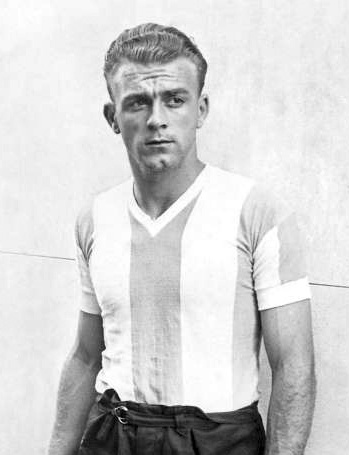
1926Alfredo Di StéfanoAlfredo Stéfano Di Stéfano Laulhé was an Argentine and Spanish professional footballer and manager who played as a forward.
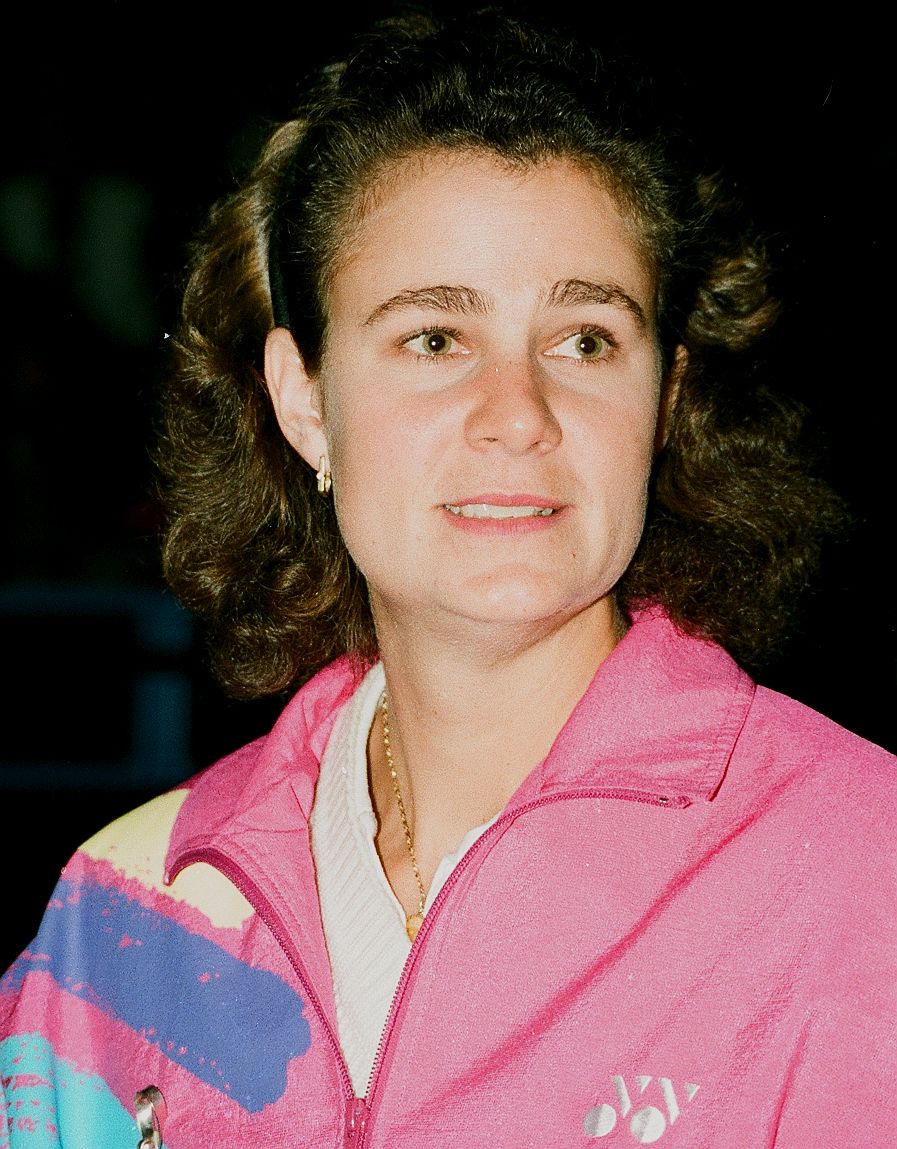
1962Pam Shriver(64 this year)Pamela Howard Shriver is an American former professional tennis player and current tennis broadcaster, pundit, and coach.
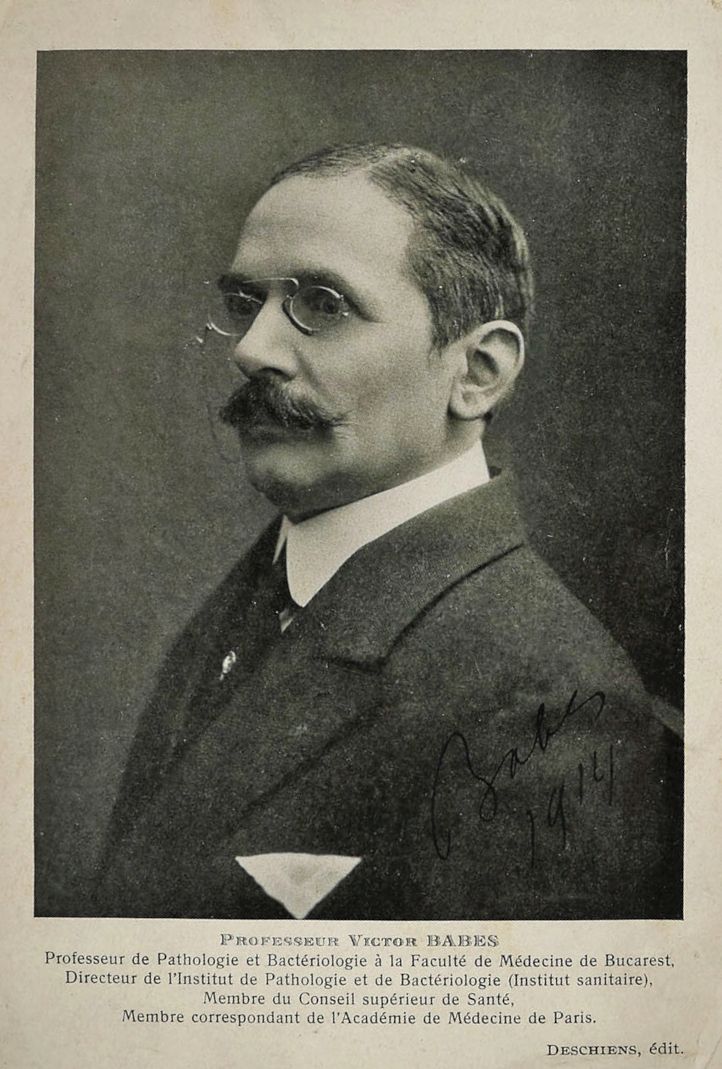
1854Victor BabeșVictor Babeș was a Romanian physician, bacteriologist, academician and professor.
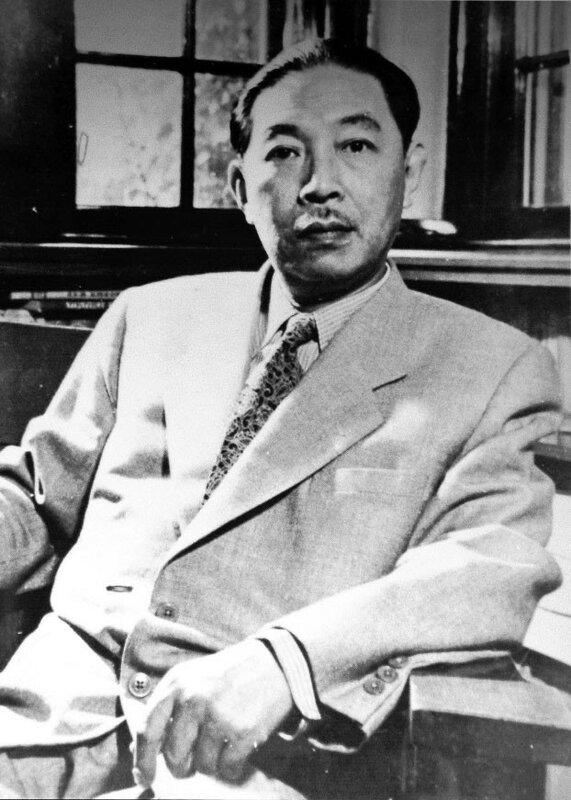
1896Mao DunShen Dehong, best known by the pen name of Mao Dun, was a Chinese novelist, essayist, journalist, playwright, and literary and cultural critic.
1911Mitch MillerMitchell William Miller was an American choral conductor, record producer, record-industry executive, and professional oboist.
1920Leona HelmsleyLeona Roberts Helmsley was an American businesswoman.
1816Hiram WalkerHiram Walker was an American entrepreneur and founder of the Hiram Walker and Sons Ltd.
1898Gulzarilal NandaGulzarilal Nanda was an Indian politician and economist who specialised in labour issues.
1902George MurphyGeorge Lloyd Murphy was an American actor and politician.
1910Gloria StuartGloria Frances Stuart was an American actress, visual artist and activist.
1914Nuccio BertoneGiuseppe Bertone, also called "Nuccio", was an automobile designer and constructor.
1915Timmie RogersTimmie Rogers was an American comedian, singer-songwriter, bandleader and actor who appeared on many national TV shows in the 1960s and 1970s. Rogers was one of the first Black comedians allowed to directly address a white audience when he worked.
1927Gina LollobrigidaLuigia "Gina" Lollobrigida was an Italian actress, model, photojournalist, and sculptor.
1929Al DavisAllen R. Davis was an American professional football executive and coach.
1930George SteinbrennerGeorge Michael Steinbrenner III, nicknamed "the Boss", was an American businessman who was the principal owner and managing partner of Major League Baseball's New York Yankees from 1973 until his death in 2010.
1934Yvonne B. MillerYvonne Bond Miller was a Virginia educator and American politician who became the first African-American woman to serve in both houses of the Virginia General Assembly.
1938Bill WithersWilliam Harrison Withers Jr. was an American soul and R&B singer and songwriter.
1942Floyd LittleFloyd Douglas Little was an American professional football player who was a halfback for the Denver Broncos, initially in the American Football League (AFL) and later the National Football League (NFL).
1942Hal Lanier(84 this year)Harold Clifton Lanier is an American former infielder, coach and manager in Major League Baseball (MLB).
1943Emerson Boozer(83 this year)Emerson Boozer is an American former professional football player who spent his entire career as a running back for the New York Jets in the American Football League (AFL) and National Football League (NFL).
1948Jeremy Spencer(78 this year)Jeremy Cedric Spencer is a British musician, best known for playing slide guitar and piano in the original line-up of the rock band Fleetwood Mac.
1954Jim Beattie(72 this year)James Louis Beattie is an American former professional baseball pitcher who played for the New York Yankees and Seattle Mariners from 1978 to 1986.
1963José Oquendo(63 this year)José Manuel Oquendo Contreras, nicknamed "the Secret Weapon", is a Puerto Rican professional baseball coach and former utility player who is the fundamentals coordinator of the St. Louis Cardinals of Major League Baseball (MLB).
1965Horace Grant(61 this year)Horace Junior Grant Sr. is an American former professional basketball player who is a special advisor to Michael Reinsdorf, the president and chief operating officer of the Chicago Bulls.
1973Jan Magnussen(53 this year)Jan Ellegaard Magnussen is a Danish professional racing driver and was a factory driver for General Motors until the end of the 2020 season.
Quote of the Day
“Once upon a midnight dreary, while I pondered, weak and weary.” — Edgar Allan Poe, The Raven and Other Poems
July 4 History Quiz
Which Chinese dynasty was ruling when astronomers observed the supernova that created the Crab Nebula?
Song
In the Entebbe rescue, which country's airport was the target?
Uganda
Who scored West Germany's winning goal in the 1954 World Cup final?
Every event on this page was picked by hand from the historical record, written up as a news report, and checked against its source. Photographs are matched to the event they illustrate and verified before they are used. Sources are linked on each story.

![Front page of New-York daily tribune, New-York [N.Y.], 4 July 1862](https://tile.loc.gov/image-services/iiif/service:ndnp:dlc:batch_dlc_basic_ver02:data:sn83030213:00206530716:1862070401:0499/full/pct:50/0/default.jpg)

 “Everybody's Somebody's Fool”,
 Advise and Consent, Allen Drury
 Love Story, Erich Segal
 Noble House, James Clavell
 “Baby Got Back”,
  Oh, the Places You'll Go!, Dr. Seuss
 Relentless, Dean Koontz
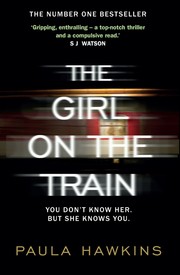 The Girl on the Train, Paula Hawkins
 “Rockstar”,
  The Summer House, James Patterson and Brendan DuBois